Support our educational content for free when you purchase through links on our site. Learn more
🛂 7 Essential Travel Documents to Pack for 2026 (Don’t Get Stuck!)

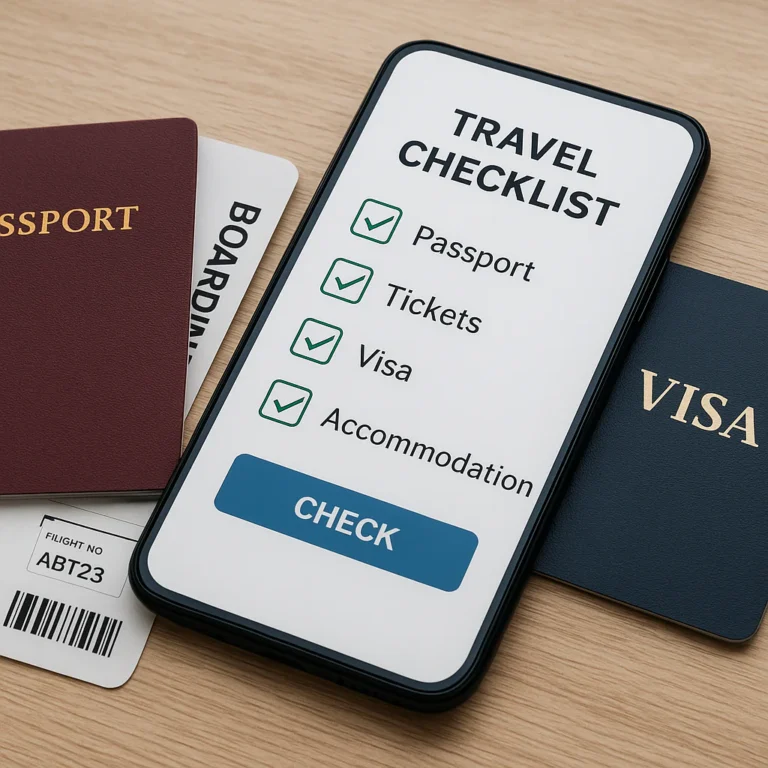
Imagine standing at the departure gate, heart pounding, only to realize your passport expires in five months. Or worse, being turned away at a foreign border because you missed a single visa requirement. We’ve all heard the horror stories, but at Travel Checklist™, we believe your journey should be defined by adventure, not anxiety. Whether you’re jeting off to the beaches of Bali or navigating the bustling streets of Tokyo, the difference between a smooth trip and a travel nightmare often comes down to one thing: preparation.
In this comprehensive guide, we’re diving deep into the 7 essential travel documents to pack that every traveler needs in 2026. From the non-negotiable passport rules to the often-overlooked parental consent letters for kids, we’ve got you covered. We’ll also reveal our secret “Three-Tier Backup System” for organizing your docs so you never lose them, and share a real-life story of how a simple STEP enrollment saved a traveler from a wildfire evacuation. Ready to pack like a pro? Let’s get your paperwork sorted so you can focus on the memories.
Key Takeaways
- The 6-Month Rule is Real: Ensure your passport is valid for at least six months beyond your return date, or risk being denied boarding.
- Digital + Physical is Mandatory: Never rely on just your phone; carry physical photocopies and cloud backups of all critical documents.
- Visas Vary Wildly: Requirements change frequently; always verify destination-specific entry rules (like the upcoming ETIAS) before booking.
- Protect Your Kids: Traveling with children? You likely need notarized consent letters and birth certificates to avoid custody disputes at the border.
- Enroll in STEP: US citizens should sign up for the Smart Traveler Enrollment Program for free emergency assistance and safety updates.
Table of Contents
- ⚡️ Quick Tips and Facts
- 🕰️ A Brief History of Travel Documents: From Wax Seals to Digital Visas
- 🛂 The Non-Negotiables: Essential Travel Documents You Must Pack
- 1. Valid U.S. Passport and Passport Cards: Your Golden Ticket
- 2. Visas and Entry Permits: The Bureaucratic Gatekeepers
- 3. International Driver’s Permits: Driving Abroad Without the Drama
- 4. Travel Insurance Policies and Emergency Contact Cards
- 5. Medical Records, Vaccination Certificates, and Prescription Docs
- 6. Proof of Onward Travel and Accomodation Confirmations
- 7. Birth Certificates and Custody Papers for Traveling with Children
- 📱 Digital vs. Physical: How to Organize Your Travel Documents Safely
- 🌍 Destination-Specific Requirements: Tailoring Your Document Checklist
- 🚨 Smart Traveler Enrollment Program (STEP): Why You Should Sign Up Before You Fly
- 💼 Packing Pro Tips: Keeping Your Docs Secure and Accessible
- 🚗 Driving Abroad: Licenses, Insurance, and Road Rules You Need to Know
- 👶 Family Travel Essentials: Documents Every Parent Must Carry
- 🏥 Health and Safety: Medications, Vaccines, and Medical Power of Attorney
- 🔍 Pre-Departure Checklist: Reviewing Your Travel Needs and Safety Tips
- 🆘 What If You Lose Your Passport? Legal Resources and Emergency Steps
- ✅ Conclusion
- 🔗 Recommended Links
- ❓ FAQ: Common Questions About Travel Documents
- 📚 Reference Links
⚡️ Quick Tips and Facts
Before we dive into the nitty-gritty of passports and visas, let’s hit the pause button on your packing panic. Here are the absolute non-negotiables that could save your trip (and your wallet) from disaster:
- The 6-Month Rule: 🚨 This is the golden rule of international travel. Most countries require your passport to be valid for at least six months beyond your planned departure date. If your passport expires in five months, you might be turned away at the gate. Don’t say we didn’t warn you!
- Digital ≠ Physical: 📱 While apps are great, never rely solely on your phone. Batteries die, screens crack, and Wi-Fi is a myth in many remote areas. Always carry physical photocopies of your critical documents.
- The “Two-Set” Strategy: 🗂️ Keep your original documents in a secure, hidden location (like a money belt), and carry a separate set of copies in your day bag. If you get pickpocketed, you still have proof of identity to get to the embassy.
- Medication Matters: 💊 Never pack essential meds in checked luggage. Keep them in your carry-on in their original prescription bottles with the label clearly visible. Some countries are strict about this!
- STEP It Up: 🇺🇸 If you’re a US citizen, enroll in the Smart Traveler Enrollment Program (STEP) immediately. It’s free, and it’s the only way the US Embassy knows you’re in town if a hurricane hits or civil unrest erupts.
Curious about how to organize all these documents without losing your mind? We’ll reveal the “Travel Checklist™” method for digital and physical organization later in this guide. Stay tuned!
For a deeper dive into general packing strategies, check out our guide on What should I pack for 5 days away? to see how documents fit into the bigger picture.
🕰️ A Brief History of Travel Documents: From Wax Seals to Digital Visas

You might think the red passport booklet is a modern invention, but the concept of “travel documents” dates back to the ancient world. The term “passport” comes from the French passer (to pass) and port (port). In the Middle Ages, these were letters of safe conduct issued by local rulers allowing travelers to pass through their lands.
Fast forward to the 19th century, and the Industrial Revolution made travel easier, but also more chaotic. Governments realized they needed a standardized way to track who was crossing borders. The League of Nations held a conference in 1920 to standardize passports, leading to the biometric, machine-readable passports we use today.
But the game is changing again. We are moving from physical booklets to digital visas and e-gates. Countries like Estonia and Singapore are pioneering fully digital entry systems. However, as we’ve seen with the recent rollout of ETIAS (European Travel Information and Authorization System) and the UK’s ETA, the trend is toward pre-screening before you even book your flight.
Why does this history matter to you? Because understanding that borders are fluid and rules change helps you realize that relying on old advice is dangerous. Just because your friend went to Italy in 2019 without a visa doesn’t mean you won’t need one in 2024. Always check the current requirements.
🛂 The Non-Negotiables: Essential Travel Documents You Must Pack
So, you’re ready to go. But what exactly goes in that envelope? We’ve broken down the absolute essentials into a numbered list of items you cannot leave home without.
1. Valid U.S. Passport and Passport Cards: Your Golden Ticket
Your passport is your primary ID on the global stage. Without it, you are essentially a ghost in the eyes of immigration officers.
- Passport Book: Required for all international air travel. It’s the only document that gets you on a plane to another continent.
- Passport Card: A wallet-sized alternative. Crucial Note: It is ONLY valid for land and sea travel to Canada, Mexico, the Caribbean, and Bermuda. It cannot be used for international air travel. If you plan to fly to the Bahamas, the card won’t cut it.
Pro Tip: Check your expiration date now. If it’s expiring within 6 months of your return date, renew it immediately. The processing times can be unpredictable, and expedited services cost extra.
2. Visas and Entry Authorizations: The Bureaucratic Gatekeepers
Not all countries are visa-free zones. Even if you don’t need a traditional “sticker” visa, you might need an Electronic Travel Authorization (ETA).
- Traditional Visas: These are physical stamps or stickers in your passport, often requiring an appointment at an embassy. Common for long stays, work, or specific countries like Russia or China.
- e-Visas & ETAs: These are digital approvals linked to your passport number. Examples include the Schengen ETIAS (coming late 2026), the UK ETA, and the US ESTA for visitors.
- The “Visa on Arrival” Trap: Some countries offer visas upon arrival, but this often comes with long lines, cash-only payments, and the risk of being denied entry if you don’t have the exact change or specific photos. Always apply in advance if possible.
Wait, do you need a visa for that “visa-free” country? Sometimes the rules change overnight. We’ll cover how to verify this in the destination-specific section below.
3. International Driver’s Permits: Driving Abroad Without the Drama
Planning to rent a car in Italy or drive through the Swiss Alps? Your US driver’s license might not be enough.
- What is an IDP? It’s a translation of your US license into 10 languages. It is not a standalone license; you must carry your original US license alongside it.
- Where to get it: In the US, only the American Automobile Association (AAA) and the American Automobile Touring Alliance (ATA) are authorized to issue IDPs. Beware of third-party websites charging exorbitant fees!
- Who needs it? Countries like Italy, Spain, Germany, and Japan strictly require an IDP for non-EU drivers. Police can fine you or impound your car if you don’t have one.
4. Travel Insurance Policies and Emergency Contact Cards
We know, buying insurance feels like throwing money away if nothing happens. But ask anyone who has had a medical emergency in a foreign hospital, and they’ll tell you: it’s the best money you ever spent.
- What to pack: A printed copy of your policy, the 24/7 emergency assistance number, and your policy number.
- Why it matters: Your domestic health insurance (like Blue Cross or Aetna) often covers little to nothing outside the US. Without travel insurance, a broken leg in Thailand could cost you $15,0+.
- Emergency Contact Card: Create a small card with your blood type, allergies, emergency contacts, and a local embassy number. Keep it in your wallet.
5. Medical Records, Vaccination Certificates, and Prescription Docs
Health is wealth, especially when you’re 5,0 miles from home.
- Vaccination Certificates: Some countries (like those in Africa and South America) require proof of Yellow Fever vaccination. This is often checked upon entry.
- Prescriptions: Keep meds in original bottles with your name on them. Carry a letter from your doctor explaining your condition and the necessity of the medication, especially for controlled substances.
- Medical Power of Attorney: If you have specific health directives, carry a copy.
6. Proof of Onward Travel and Accomodation Confirmations
Immigration officers love to ask: “Where will you sleep?” and “How will you leave?”
- Onward Ticket: Many countries require proof that you have a return ticket or a ticket to a third country within the allowed stay period. If you’re backpacking and don’t have a return date, buy a refundable ticket or a “throwaway” ticket from services like OneWayFly.
- Hotel Reservations: Have a printed confirmation of your first night’s stay. If you’re staying with friends, a letter of invitation from them (sometimes notarized) is required.
7. Birth Certificates and Custody Papers for Traveling with Children
Traveling with kids is magical, but the paperwork can be a nightmare if you’re not prepared.
- Parental Consent Letters: If a child is traveling with only one parent, or with grandparents/friends, many countries (like Canada and South Africa) require a notarized letter of consent from the non-traveling parent.
- Birth Certificates: Carry a copy of your child’s birth certificate to prove your relationship, especially if they have a different last name.
📱 Digital vs. Physical: How to Organize Your Travel Documents Safely
We’ve all been there: standing at the airport, frantically digging through a messy bag, sweating bullets because we can’t find our passport. Organization is key.
The “Three-Tier” Backup System
At Travel Checklist™, we swear by the Three-Tier System:
- The “On-Body” Tier: Your original passport, credit cards, and essential meds go in a hidden travel pouch (like those from Travelon or Pacsafe) worn under your clothes.
- The “Day Bag” Tier: A photocopy of your passport, visa, and insurance policy goes in your backpack or carry-on. This is what you show at hotel check-ins or local police stations.
- The “Cloud” Tier: Scan everything (front and back) and upload to a secure cloud service like Google Drive, Dropbox, or TripIt. Email a copy to yourself and a trusted contact back home.
Recommended Tools for Organization
| Tool Type | Brand/Service | Best For | Pros | Cons |
|---|---|---|---|---|
| Physical Organizer | Travelon Anti-Theft Passport Holder | Keeping docs secure | RFID blocking, multiple slots, slash-proof | Can be bulky for minimalists |
| Digital App | TripIt | Itinerary management | Auto-organizes emails, offline access | Free version has limits |
| Cloud Storage | Google Drive | Document backups | Free, accessible anywhere, easy sharing | Requires internet (unless offline mode used) |
| Encryption | 1Password | Secure password storage | Secure vault for login info | Subscription cost |
Still worried about losing your phone? That’s why the physical copy in your day bag is non-negotiable. We’ll discuss what to do if you lose everything in the “Emergency Steps” section later.
🌍 Destination-Specific Requirements: Tailoring Your Document Checklist
One size does not fit all. A document checklist for a beach vacation in Mexico looks very different from a business trip to Japan.
- Europe (Schengen Area): Currently visa-free for short stays, but prepare for ETIAS in 2026. Ensure your passport has two blank pages.
- Asia: Countries like China and Russia are strict about visas. India offers e-Visas, but you must apply at least 4 days in advance.
- South America: Many countries require proof of Yellow Fever vaccination if you’ve been in an endemic area. Brazil recently reintroduced visa requirements for US citizens (check current status).
- Africa: Kenya and Tanzania often require yellow fever certificates. South Africa is notorious for strict passport validity rules (30 days beyond departure, but 6 months is safer).
How to check? Don’t guess. Use the IATA Travel Centre or the US State Department’s Country Information pages.
🚨 Smart Traveler Enrollment Program (STEP): Why You Should Sign Up Before You Fly
If you only do one thing from this list, make it this: Enroll in STEP.
The Smart Traveler Enrollment Program (STEP) is a free service provided by the US Department of State. It allows US citizens traveling or living abroad to:
- Receive safety updates from the nearest US Embassy or Consulate.
- Be located by the Embassy in case of a family emergency or natural disaster.
- Get assistance if you lose your passport or are arrested.
Real Story: A friend of ours was stuck in a hotel in Greece during a massive wildfire. Because she was enrolled in STEP, the US Embassy contacted her directly, provided evacuation buses, and helped her get home. If she hadn’t been enrolled, she might have been left in the dark.
How to enroll: Go to travel.state.gov, create an account, and add your trip details. It takes 5 minutes.
💼 Packing Pro Tips: Keeping Your Docs Secure and Accessible
Now that you have your documents, how do you pack them?
- The “No Checked Bag” Rule: NEVER put your passport, wallet, or electronics in checked luggage. Bags get lost, stolen, or delayed. Keep everything in your carry-on or personal item.
- Waterproof Protection: Use a waterproof document pouch (like those from Herschel or Lulemon) to protect your papers from rain, spills, or beach sand.
- The “Fake” Decoy: Some travelers carry a decoy wallet with a small amount of cash and an expired ID. If you are mugged, you hand over the decoy, keeping your real documents safe.
- Accessibility: Keep your passport and boarding pass in an easy-to-reach pocket of your bag. You don’t want to be the person holding up the line while you dig through a suitcase.
🚗 Driving Abroad: Licenses, Insurance, and Road Rules You Need to Know
Renting a car can be the best way to see a country, but the paperwork is tricky.
- International Driving Permit (IDP): As mentioned, this is a translation of your license. Get it from AAA before you leave. It costs around $20 and is valid for one year.
- Insurance: Your US auto insurance usually does not cover you abroad. Rental companies will offer Collision Damage Waiver (CDW) and Liability Insurance. Check your credit card benefits (like Chase Sapphire or Amex Platinum) to see if they provide primary rental coverage.
- Road Rules: In Europe, drive on the right (mostly). In the UK, Ireland, and Japan, drive on the left. Speed limits are in km/h, not mph.
Pro Tip: Download offline maps on Google Maps or Maps.me before you leave. Data roaming can be expensive, and you don’t want to be lost in the countryside.
👶 Family Travel Essentials: Documents Every Parent Must Carry
Traveling with kids is an adventure, but the paperwork is intense.
- Passports for Kids: Children need their own passports. You cannot add them to your passport anymore.
- Notarized Consent Letters: If only one parent is traveling, or if the child has a different last name, carry a notarized letter from the other parent. Include:
- Child’s name and DOB.
- Travel dates and destinations.
- Contact info for the non-traveling parent.
- Signature and notarization.
- Birth Certificates: Carry a copy of the child’s birth certificate to prove parentage.
- Medication Authorization: If a child needs medication, carry a letter from the pediatrician.
Check out our Family Travel Checklists for more specific tips on packing for kids.
🏥 Health and Safety: Medications, Vaccines, and Medical Power of Attorney
Your health is your most valuable asset. Don’t leave it to chance.
- Medication Rules: Some common US meds (like Adderall or Codeine) are illegal in other countries. Check with the US Embassy of your destination.
- Prescription Copies: Carry a copy of your prescription and a letter from your doctor.
- Medical Power of Attorney: If you have a chronic condition, carry a document stating who can make medical decisions for you if you are incapacitated.
- Travel Health Insurance: Ensure your policy covers medical evacuation. This can cost $50,0+ if you need to be flown home.
Resources: Check the CDC Travelers’ Health page for destination-specific health alerts.
🔍 Pre-Departure Checklist: Reviewing Your Travel Needs and Safety Tips
One week before you leave, run through this final checklist:
- Verify Passport Validity: Is it valid for 6+ months after your return?
- Check Visa Requirements: Do you need a visa or ETA?
- Enroll in STEP: Have you signed up?
- Backup Documents: Are your scans in the cloud and copies in your bag?
- Notify Bank: Have you told your bank you’re traveling to avoid frozen cards?
- Download Apps: Do you have offline maps, translation apps, and airline apps?
- Check Health: Are your vaccinations up to date?
Don’t forget: Print a physical copy of your itinerary and hotel confirmations.
🆘 What If You Lose Your Passport? Legal Resources and Emergency Steps
It’s every traveler’s nightmare: You reach into your bag, and the passport is gone. Don’t panic. Here’s what to do:
- Report it Locally: File a police report immediately. You’ll need this for the embassy.
- Contact the US Embassy: Find the nearest US Embassy or Consulate. They have emergency services for lost passports.
- Gather Documents: Bring your police report, proof of US citizenship (like a birth certificate or copy of your lost passport), and passport photos.
- Apply for an Emergency Passport: The embassy can issue a limited-validity passport quickly, often within 24 hours.
- Contact Insurance: If you have travel insurance, they may cover the cost of replacement and extra accommodation.
Prevention is better than cure: Keep your documents in a hidden pouch and never leave them unattended.
✅ Conclusion

Traveling the world is an incredible experience, but it requires preparation. By gathering the right travel documents, organizing them wisely, and staying informed about destination-specific requirements, you can ensure a smooth and stress-free journey.
Key Takeaways:
- Passport Validity: Ensure it’s valid for 6+ months.
- Backups: Keep physical and digital copies.
- Visas: Check requirements early.
- Insurance: Don’t skip it.
- STEP: Enroll before you fly.
Remember, the best trip is the one where you don’t have to worry about your paperwork. With the Travel Checklist™ method, you’re ready to go. Safe travels!
🔗 Recommended Links
Here are some essential tools and resources to help you pack smart and travel safe:
- Travelon Anti-Theft Passport Holder: Amazon | Official Website
- TripIt Travel Planner: TripIt Official | App Store
- AAA International Driving Permit: AAA Official
- Google Drive (Cloud Storage): Google Drive
- OneWayFly (Onward Tickets): OneWayFly
- CDC Travelers’ Health: CDC Pack Smart
- US State Department Travel Checklist: Travel.State.Gov
Books to Read:
❓ FAQ: Common Questions About Travel Documents

What travel documents do I need for international flights?
For international flights, you must have a valid passport with at least 6 months of validity remaining. Depending on your destination, you may also need a visa, entry permit, or proof of onward travel. Always check the specific requirements for your destination country.
Read more about “27 Essential Toiletries to Pack for Travel (2026) ✈️”
Do I need to carry my passport in my carry-on or checked luggage?
Always carry your passport in your carry-on or personal item. Never put it in checked luggage. If your bag is lost or stolen, you won’t be able to prove your identity or board your return flight.
Read more about “What Should I Pack for 5 Days Away? 🧳 Ultimate 15-Item Guide (2026)”
How many copies of my travel documents should I bring?
We recommend bringing two sets of physical copies: one set in your day bag and one set left with a trusted contact at home. Additionally, store digital copies in a secure cloud service like Google Drive or Dropbox.
Read more about “✈️ 4-Day Trip Checklist: The Ultimate 40-Item Packing Guide (2026)”
What digital copies of travel documents are best to store on my phone?
Store PDF scans of your passport (front and back), visa, travel insurance policy, prescription letters, and emergency contact information. Use apps like TripIt or Google Drive to organize them. Ensure your phone is password-protected.
Do I need an International Driver’s Permit for every country?
No, not every country requires an IDP. However, many European and Asian countries do. It’s best to check the specific requirements for your destination. If in doubt, get one from AAA before you leave.
Can I travel with an expired passport if I have a copy?
No. An expired passport is not valid for travel. You must renew it before your trip. If you’re traveling urgently, contact the nearest passport agency for expedited service.
Read more about “🎒 What to Pack for a Week-Long Trip Checklist: 10 Essentials (2026)”
📚 Reference Links
- US Department of State: Travel.State.Gov – International Travel Checklist
- CDC: Pack Smart | Travelers’ Health
- Rick Steves: Travel Documents Guide
- IATA Travel Centre: Check Visa Requirements
- AAA: International Driving Permit
- US Embassy & Consulates: Find Your Nearest Embassy
- TripIt: Travel Itinerary Management
- Travelon: Anti-Theft Travel Gear