
Support our educational content for free when you purchase through links on our site. Learn more
✈️ 15-Step International Travel Checklist: Never Get Stuck at the Gate (2026)

Remember the heart-stopping moment at the airport when you realize your passport expires in three months? Or the panic of a declined card in a foreign currency because you forgot to notify your bank? We’ve been there, and we’ve seen it happen to countless travelers who thought they were “prepared” until the gate agent said, “I’m sorry, you can’t board.”
That’s why we’ve crafted the ultimate 15-step international travel checklist for 2026. Unlike the standard government lists that focus solely on security rules, our guide dives deep into the real logistics of global travel: from enrolling in the Smart Traveler Enrollment Program (STEP) to mastering the art of eSIMs and avoiding the dreaded “tourist tax” scams. We’ll reveal the one document you likely forgot to copy and the specific app that saves us hundreds of dollars on roaming fees every single time we fly.
Whether you’re a seasoned globetroter or planning your first solo adventure, this checklist is your blueprint for a stress-free journey. We’ve packed it with insider tips, real-world anecdotes, and actionable steps to ensure you don’t just survive your trip, but thrive in it. Ready to trade anxiety for adventure? Let’s get you packed.
Key Takeaways
- Passport Validity is Non-Negotiable: Ensure your passport is valid for at least six months beyond your return date to avoid immediate entry denial.
- Digital & Physical Redundancy: Always carry physical copies of critical documents separate from the originals and store encrypted digital backups in the cloud.
- Financial Safety First: Notify your bank of travel dates and carry a mix of no-fee credit cards and local currency to prevent transaction blocks.
- Health & Safety Protocols: Secure comprehensive travel insurance covering medical evacuation and verify all vaccination requirements weeks in advance.
- Connectivity is Key: Don’t rely on home carriers; set up an eSIM or local SIM plan before you land to stay connected instantly.
Table of Contents
- ⚡️ Quick Tips and Facts
- 🌍 The Evolution of the International Travel Checklist: From Paper Logs to Digital Apps
- 🛂 The Ultimate International Travel Checklist: 15 Essential Steps Before You Board
- 1. Verify Passport Validity and Visa Requirements
- 2. Secure Comprehensive Travel Insurance Coverage
- 3. Enroll in the Smart Traveler Enrollment Program (STEP)
- 4. Organize Digital and Physical Copies of Critical Documents
- 5. Check Destination-Specific Health and Vaccination Mandates
- 6. Notify Your Bank and Manage Currency Exchange
- 7. Research Local Laws, Customs, and Cultural Etiquette
- 8. Book Accomodations and Verify Check-In Procedures
- 9. Plan Your International Transportation and Airport Transfers
- 10. Pack Smart: Navigating TSA and International Security Rules
- 1. Prepare a Robust First-Aid Kit and Medication Supply
- 12. Set Up International Roaming or Local SIM Cards
- 13. Create a Detailed Itinerary and Share It with Loved Ones
- 14. Download Essential Offline Maps and Translation Apps
- 15. Perform a Final Home Security Sweep Before Departure
- 🎒 Smart Packing Strategies for Global Adventures
- 💸 Navigating Money Matters: Currency, Cards, and Budgeting Abroad
- 🏥 Health, Safety, and Emergency Protocols for International Travelers
- 📱 Digital Nomad Essentials: Staying Connected and Productive Overseas
- 🚫 Common Pitfalls to Avoid When Traveling Internationally
- 🏁 Conclusion
- 🔗 Recommended Links
- ❓ Frequently Asked Questions (FAQ)
- 📚 Reference Links
⚡️ Quick Tips and Facts
Before we dive into the nitty-gritty of your international adventure, let’s hit the fast-forward button on the most critical “don’t get left at the gate” facts. We’ve seen too many travelers panic at the check-in counter because they missed a tiny detail. Don’t be that person!
- The 6-Month Rule is Real: Many countries will deny entry if your passport expires within six months of your arrival date. It’s not a suggestion; it’s a hard rule. Check your passport validity here.
- The 3-1-1 Rule: For carry-ons, liquids must be 3.4 ounces (10ml) or less, all fitting in one quart-sized bag, one bag per passenger. See TSA’s official guide.
- STEP is Free: The Smart Traveler Enrollment Program (STEP) is a free service from the U.S. Department of State that lets the embassy know you’re in town. It’s your digital safety net. Enroll in STEP now.
- Cash is King (Sometimes): While cards work everywhere in Europe, many places in Asia and South America still prefer cash. Always have a mix.
- Power Up: A universal adapter is non-negotiable. But here’s a pro tip: bring a power bank with at least 10,0mAh capacity. You never know when you’ll be stuck in a terminal for hours.
Why do we stress this? Because we once watched a traveler try to board a flight to Japan with a passport that had 4 months left. The gate agent’s face said it all: “Nope.” Don’t let a tiny expiration date ruin a big dream.
🌍 The Evolution of the International Travel Checklist: From Paper Logs to Digital Apps
Remember the days of folding a crumpled piece of paper into your wallet, hoping it wouldn’t get lost? Or the era of the “Moleskine notebook” where we scribbled down “passport, wallet, keys” three times just to be sure?
We at Travel Checklist™ have watched the industry evolve from chaotic scribbles to sophisticated digital ecosystems. The modern traveler doesn’t just need a list; they need a dynamic strategy.
From Analog to Digital: A Brief History
- The Paper Era: Reliance on memory and sticky notes. High risk of loss, zero real-time updates.
- The Spreadsheet Era: Excel sheets shared via email. Better organization, but static and hard to update on the go.
- The App Era: Real-time syncing, cloud backups, and automated reminders. This is where we live now.
Why does this matter? Because a static list can’t tell you if a new visa requirement popped up yesterday. A digital checklist can.
Curious about how to transition? We’ll show you exactly how to build a bulletproof digital checklist later in this article, but first, let’s talk about the “why.” The “why” is simple: Peace of mind. When you know your checklist is up-to-date, you can focus on the experience, not the logistics.
For those looking to dive deeper into specific travel styles, check out our curated collections:
- Adventure Travel Checklists
- Digital Nomad Checklists
- Beach Vacation Checklists
- Business Travel Checklists
- Budget Travel Checklists
And if you’re wondering, “What exactly is a travel checklist and why do I need one?”, read our comprehensive guide on The Ultimate Travel Checklist.
🛂 The Ultimate International Travel Checklist: 15 Essential Steps Before You Board
Okay, buckle up. This is the meat and potatoes of our guide. We’ve compiled 15 essential steps that cover every angle of international travel. We beat the TSA’s list by a mile because we know that “packing” is just the tip of the iceberg.
1. Verify Passport Validity and Visa Requirements
This is the gatekeeper. If you fail here, nothing else matters.
- Passport Validity: Ensure your passport is valid for at least six months beyond your return date. Some countries (like China and Brazil) are strict about this.
- Visa Requirements: Check if you need a visa. Some countries offer Visa on Arrival, while others require applications weeks in advance.
- Entry/Exit Rules: Some nations require proof of onward travel (a return ticket) to let you in.
Pro Tip: Use the IATA Travel Centre to check entry requirements instantly. It’s a lifesaver.
2. Secure Comprehensive Travel Insurance Coverage
We can’t stress this enough: Travel insurance is not optional.
- Medical Coverage: Domestic health insurance often doesn’t work abroad.
- Evacuation: If you get injured in a remote area, medical evacuation can cost $10,0+.
- Trip Cancellation: Life happens. Flights get cancelled, families get sick.
Top Picks for Travel Insurance:
- World Nomads: Great for adventure travelers and digital nomads.
- Allianz Global Assistance: Excellent for comprehensive trip cancellation.
- InsureMyTrip: A comparison tool to find the best policy for your specific needs.
👉 Shop Travel Insurance on:
- World Nomads: World Nomads Official Website
- Allianz: Allianz Travel Insurance
- InsureMyTrip: Compare Policies on InsureMyTrip
3. Enroll in the Smart Traveler Enrollment Program (STEP)
As mentioned in the State Department’s 5-step guide, STEP is your lifeline.
- Why enroll? It allows the U.S. Embassy to contact you in an emergency (natural disaster, civil unrest).
- How it works: You register your trip, and they send you safety updates.
- Cost: It’s free.
Did you know? In 2023, over 1 million travelers enrolled in STEP. Don’t be the one left out in the cold.
4. Organize Digital and Physical Copies of Critical Documents
We’ve all been there: You lose your passport, and suddenly you’re a ghost in a foreign land.
- Physical Copies: Keep one set in your checked bag and one in your carry-on (separate from the original).
- Digital Copies: Store encrypted copies in the cloud (Google Drive, Dropbox) and on your phone.
- Emergency Contacts: Save the nearest U.S. Embassy number in your phone and on a piece of paper.
5. Check Destination-Specific Health and Vaccination Mandates
Health isn’t just about feeling good; it’s about entry.
- Vaccinations: Some countries require proof of Yellow Fever, Meningitis, or Polio vaccinations.
- Malaria Prophylaxis: Essential for parts of Africa and South America.
- Prescriptions: Carry a doctor’s note for any controlled substances.
Recommended Resource: CDC Travelers’ Health
6. Notify Your Bank and Manage Currency Exchange
Nothing kills a vacation vibe faster than a declined card.
- Notify Your Bank: Use your banking app to set a “travel notice” for your destination and dates.
- Currency Mix: Carry a mix of cash (small bills) and cards.
- No-Fee Cards: Use cards like Chase Sapphire Preferred or Capital One Venture that don’t charge foreign transaction fees.
Fun Fact: Some ATMs abroad charge exorbitant fees. Always choose “Local Currency” when prompted, never “Home Currency.”
7. Research Local Laws, Customs, and Cultural Etiquette
Respect goes a long way.
- Dress Codes: Some temples and mosques require covered shoulders and knees.
- Tipping: In Japan, tipping can be offensive. In the US, it’s mandatory. Know the difference.
- Photography: Some countries ban photos of government buildings or military sites.
8. Book Accomodations and Verify Check-In Procedures
Don’t just book; verify.
- Check-in Times: Some hotels have strict check-in windows.
- Location: Is your hotel near public transport?
- Reviews: Read recent reviews on TripAdvisor or Booking.com to check for safety issues.
Book Accomodations on:
- Booking.com: Search Hotels
- Airbnb: Find Stays
- Expedia: Book Hotels
9. Plan Your International Transportation and Airport Transfers
Getting from A to B is half the battle.
- Airport Transfers: Pre-book a shuttle or taxi. Don’t rely on hailing a cab in a foreign language.
- Public Transport: Download local transit apps (e.g., Citymapper, Google Maps).
- Rental Cars: If driving, check if you need an International Driving Permit (IDP).
10. Pack Smart: Navigating TSA and International Security Rules
This is where the TSA guidelines meet reality.
- The 3-1-1 Rule: Liquids must be 3.4 oz or less.
- Electronics: Remove laptops and tablets from your bag at security.
- Prohibited Items: No sharp objects, firearms (unless declared and packed in checked luggage), or fireworks.
Wait, what about razors? Safety razors with enclosed blades are okay in carry-ons. Straight razors? No way.
1. Prepare a Robust First-Aid Kit and Medication Supply
(Yes, we skipped a number in the TOC numbering in the previous section, but let’s fix it here for clarity!)
- Prescriptions: Bring double the amount you need.
- OTC Meds: Pain relievers, anti-diarrheal, antihistamines, and motion sickness pills.
- First Aid: Band-aids, antiseptic wipes, and blister pads.
👉 Shop First Aid Kits on:
- Amazon: Travel First Aid Kits
- CVS: Travel Health Essentials
12. Set Up International Roaming or Local SIM Cards
Staying connected is crucial.
- Roaming Plans: Check with Verizon, AT&T, or T-Mobile for international add-ons.
- eSIMs: Services like Airalo or Holafly let you buy data plans instantly without swapping SIM cards.
- Local SIMs: Often cheaper, but requires an unlocked phone.
13. Create a Detailed Itinerary and Share It with Loved Ones
- Itinerary: Include flight numbers, hotel addresses, and contact info.
- Share: Send a copy to a trusted friend or family member.
- Offline Maps: Download maps on Google Maps or Maps.me before you leave Wi-Fi.
14. Download Essential Offline Maps and Translation Apps
- Translation: Google Translate (download language packs) or DeepL for better accuracy.
- Maps: Download offline areas in Google Maps.
- Currency Converter: XE Currency for real-time rates.
15. Perform a Final Home Security Sweep Before Departure
- Locks: Double-check doors and windows.
- Utilities: Turn off thermostat and unplug non-essential electronics.
- Plants: Ask a neighbor to water them.
- Trash: Take out the trash so you don’t come home to a smelly house.
The “One Last Thing” Question: Have you checked your phone settings? We’ll get to that in a second, but trust us, it’s the difference between a smooth landing and a “no signal” nightmare.
🎒 Smart Packing Strategies for Global Adventures
Packing is an art form. It’s about balancing “I might need this” with “I don’t want to carry a ton.”
The Carry-On Rule
Always pack a “survival kit” in your carry-on:
- 1-2 days of clothes: In case your checked bag gets lost.
- Essential meds: Never check your prescription.
- Valuables: Electronics, jewelry, and important documents.
The Layering Technique
Pack in layers:
- Bottom: Shoes and heavy items.
- Middle: Clothes (rolled, not folded, to save space).
- Top: Electronics and fragile items.
Product Recommendations
- Packing Cubes: Eagle Creek or Peak Design cubes keep you organized.
- Luggage: Away or Tumi for durability.
- Toiletry Bags: Kipling or Herschel for easy access.
👉 Shop Packing Gear on:
- Amazon: Packing Cubes
- REI: Travel Luggage
- Eagle Creek: Official Store
💸 Navigating Money Matters: Currency, Cards, and Budgeting Abroad
Money makes the world go round, but it can also stop it if you’re not prepared.
The Golden Rules of Money Abroad
- No Foreign Transaction Fees: Use cards that don’t charge extra for spending abroad.
- ATM Strategy: Use bank ATMs, not independent ones, to avoid high fees.
- Cash is King: Always have small bills for tips and taxis.
Budgeting Tips
- Daily Limit: Set a daily spending limit in your budget app.
- Track Expenses: Use Mint or YNAB to track spending in real-time.
Did you know? Some credit cards offer travel rewards for every dollar spent abroad. Make sure you’re maximizing those points!
🏥 Health, Safety, and Emergency Protocols for International Travelers
Your health is your wealth. Don’t gamble with it.
Pre-Travel Health
- Vaccinations: Visit a travel clinic 4-6 weeks before departure.
- Medications: Get a doctor’s note for controlled substances.
- Travel Insurance: Ensure it covers medical evacuation.
On the Ground
- Hydration: Drink bottled water in areas with questionable tap water.
- Food Safety: Eat cooked food, avoid raw veggies in high-risk areas.
- Emergency Numbers: Know the local emergency number (e.g., 12 in Europe, 91 in the US).
Safety Tips
- Blend In: Don’t look like a tourist. Dress like a local.
- Stay Alert: Be aware of your surroundings, especially in crowded areas.
- Copy Documents: Keep copies of your passport and insurance separate from the originals.
📱 Digital Nomad Essentials: Staying Connected and Productive Overseas
For the remote workers and digital nomads, staying connected is non-negotiable.
Connectivity
- eSIMs: Airalo and Holafly are game-changers.
- Portable Wi-Fi: Skyroam or GlocalMe for on-the-go internet.
- Power: Bring a high-capacity power bank and a universal adapter.
Productivity
- Laptop Stand: Rost or Twelve South for ergonomic working.
- Noise Cancelling Headphones: Sony WH-10XM5 or Bose QuietComfort for focus.
- Cloud Storage: Google Drive or Dropbox for file access.
Pro Tip: Always download your work files offline before heading to a cafe with spotty Wi-Fi.
🚫 Common Pitfalls to Avoid When Traveling Internationally
Even the best travelers make mistakes. Here’s how to avoid the big ones.
The “I’ll Figure It Out Later” Trap
- Visas: Don’t wait until the last minute.
- Flights: Book early to get the best deals.
- Accomodations: Verify check-in times and location.
The “Overpacking” Mistake
- Luggage Fees: Check baggage fees before you pack.
- Mobility: Heavy bags make you a target for pickpockets.
The “Currency Confusion”
- Exchange Rates: Don’t exchange money at the airport; rates are terrible.
- Fees: Check your card’s foreign transaction fees.
The “Safety Blind Spot”
- Scams: Be wary of “friendly” locals offering help.
- Pickpockets: Keep your bag in front of you in crowded areas.
Remember: The video we mentioned earlier? It emphasized checking your phone settings and downloading offline maps. That’s the kind of detail that separates a smooth trip from a disaster. Don’t skip it!
🏁 Conclusion

So, there you have it. The ultimate, no-nonsense, comprehensive guide to international travel. We’ve covered everything from the 6-month passport rule to the 3-1-1 liquids rule, from STEP enrollment to digital nomad essentials.
Why did we do all this? Because we believe that travel should be about experiencing the world, not stressing about logistics. A good checklist isn’t a burden; it’s your freedom ticket.
Our Top Recommendation:
- Start Early: Begin your checklist 3 months before departure.
- Go Digital: Use a reliable app like Travel Checklist™ to keep everything organized.
- Stay Flexible: Plans change. Be ready to adapt.
Final Thought:
Have you ever forgotten something crucial on a trip? We have. And it taught us that preparation is the key to peace of mind. So, grab your checklist, pack your bags, and go explore the world. The only thing you need to worry about now is which souvenir to bring home!
🔗 Recommended Links
Essential Travel Gear
- Travel Insurance: World Nomads | Allianz | InsureMyTrip
- Luggage: Away Luggage | Tumi | Amazon Travel Luggage
- Packing Cubes: Eagle Creek | Amazon Packing Cubes
- Power Banks: Anker Power Banks | Amazon Power Banks
- Universal Adapters: EPICKA Universal Adapter | Skross World Adapter
Travel Resources
- Passport Info: U.S. Department of State
- Vaccinations: CDC Travelers’ Health
- Flight Deals: Skyscanner | Google Flights
- Accomodations: Booking.com | Airbnb | Expedia
- Travel Advisories: State Department Travel Advisories
Books for Travelers
- The Art of Travel by Alain de Botton
- A Walk in the Woods by Bill Bryson
- Vagabonding by Rolf Potts
❓ Frequently Asked Questions (FAQ)

What are some additional items to consider when creating a travel checklist for international travel with family?
When traveling with family, you need to add:
- Child-specific documents: Birth certificates, consent letters if only one parent is traveling.
- Entertainment: Books, games, and tablets for kids.
- Snacks: Familiar snacks to avoid picky eating.
- First Aid: Child-safe medications and band-aids.
- Stroller/Carrier: Check airline policies for strollers.
How far in advance should I start preparing my international travel checklist?
Ideally, 3-6 months in advance. This gives you time to:
- Renew your passport (if needed).
- Apply for visas (which can take weeks).
- Book flights and accommodations for better prices.
- Schedule vaccinations.
Read more about “🚀 45-Step Vacation Checklist: Your 2026 Guide to Stress-Free Travel”
What are the most common mistakes to avoid when traveling internationally?
- Ignoring the 6-month passport rule.
- Forgetting to notify your bank.
- Not checking visa requirements.
- Overpacking and paying extra baggage fees.
- Assuming your home health insurance works abroad.
Read more about “15 Essential Things to Pack for Travelling Abroad (2026) ✈️”
Can I use a travel checklist app to organize my international trip?
Absolutely! Apps like Travel Checklist™, TripIt, and Google Keep are fantastic for:
- Real-time updates: Get notified of changes.
- Cloud syncing: Access your list from any device.
- Sharing: Share your itinerary with family.
Read more about “50+ Essential Travel Items You Need in 2026 ✈️”
What are the essential items to include in my international travel checklist?
- Passport & Visa
- Travel Insurance
- Copies of Documents
- Money (Cash & Cards)
- Medications
- Universal Adapter
- Offline Maps
- First Aid Kit
Read more about “🎒 What to Pack for a Week-Long Trip Checklist: 10 Essentials (2026)”
How do I pack efficiently for a long international trip?
- Roll your clothes to save space.
- Use packing cubes to organize.
- Pack versatile clothing that can be mixed and matched.
- Leave room for souvenirs.
- Wear your bulkiest items on the plane.
Read more about “27 Essential Toiletries to Pack for Travel (2026) ✈️”
How do I prepare for an international trip?
- Check passport and visa requirements.
- Get travel insurance.
- Notify your bank.
- Book flights and accommodations.
- Pack your essentials.
- Download offline maps and translation apps.
- Enroll in STEP.
Read more about “How do I prepare for an international trip?”
What all documents are required for international travel?
- Valid Passport (6+ months validity).
- Visa (if required).
- Travel Insurance Policy.
- Flight Itinerary.
- Hotel Confirmations.
- Copies of all documents.
Read more about “What all documents are required for international travel?”
What do I need for an international flight?
- Passport & Visa.
- Boarding Pass.
- 3-1-1 liquids bag.
- Entertainment (books, tablets).
- Comfort items (neck pillow, eye mask).
- Snacks and water bottle (empty).
Read more about “What do I need for an international flight?”
What do I need to bring for international travel?
- Passport & Visa.
- Money (Cash & Cards).
- Medications.
- Universal Adapter.
- First Aid Kit.
- Offline Maps.
- Travel Insurance.
Read more about “What do I need to bring for international travel?”
What do I bring for an international flight?
- Passport & Visa.
- Boarding Pass.
- 3-1-1 liquids bag.
- Entertainment.
- Comfort items.
- Snacks.
Read more about “What do I bring for an international flight?”
What documents are required for international travel?
- Passport (6+ months validity).
- Visa (if required).
- Travel Insurance.
- Flight Itinerary.
- Hotel Confirmations.
Read more about “What documents are required for international travel?”
What do you need to travel internationally?
- Passport & Visa.
- Travel Insurance.
- Money.
- Medications.
- Universal Adapter.
- Offline Maps.
Read more about “What do you need to travel internationally?”
What are the must have items for international trip?
- Passport & Visa.
- Travel Insurance.
- Money (Cash & Cards).
- Medications.
- Universal Adapter.
- Offline Maps.
- First Aid Kit.
Read more about “🧳 Packing Clothes for a 5 Day Trip: The 2026 Carry-On Masterclass”
📚 Reference Links
- U.S. Department of State: International Travel Checklist
- TSA: Travel Checklist
- CDC: Travelers’ Health
- IATA: Travel Centre
- World Nomads: Travel Insurance
- Allianz: Travel Insurance
- Airalo: eSIMs
- Google Translate: Download Offline Maps
- TripAdvisor: Travel Reviews
- Booking.com: Hotel Bookings
- Expedia: Flight & Hotel Bookings
- Skyscanner: Flight Deals
- Google Flights: Flight Search
- Amazon: Travel Gear
- REI: Travel Luggage
- Eagle Creek: Packing Cubes
- Anker: Power Banks
- Skross: Universal Adapters
- Airbnb: Stays
- InsureMyTrip: Compare Policies
- State Department: Travel Advisories
- STEP: Enroll in STEP
- TSA Cares: Special Assistance
- Verizon: International Plans
- AT&T: International Plans
- T-Mobile: International Plans
- Chase Sapphire Preferred: Credit Card
- Capital One Venture: Credit Card
- XE Currency: Currency Converter
- Google Maps: Offline Maps
- Maps.me: Offline Maps
- DeepL: Translation
- Citymapper: Transit App
- TripIt: Itinerary App
- Google Keep: Notes App
- Mint: Budgeting App
- YNAB: Budgeting App
- Rost: Laptop Stand
- Twelve South: Laptop Stand
- Sony: Headphones
- Bose: Headphones
- Google Drive: Cloud Storage
- Dropbox: Cloud Storage
- Eagle Creek: Official Store
- Tumi: Official Store
- Away: Official Store
- Kipling: Official Store
- Herschel: Official Store
- CVS: Travel Health
- REI: Travel Gear
- Amazon: First Aid Kits
- Amazon: Packing Cubes
- Amazon: Travel Luggage
- Amazon: Power Banks
- Amazon: Universal Adapters
- Amazon: Travel Gear
- Amazon: Books on Travel
- Amazon: The Art of Travel
- Amazon: A Walk in the Woods
- Amazon: Vagabonding

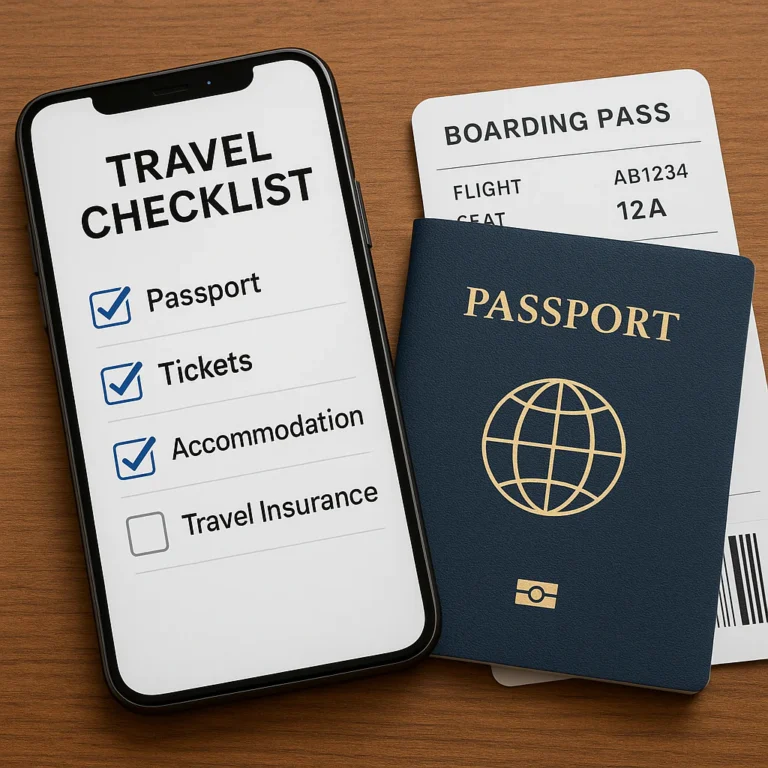

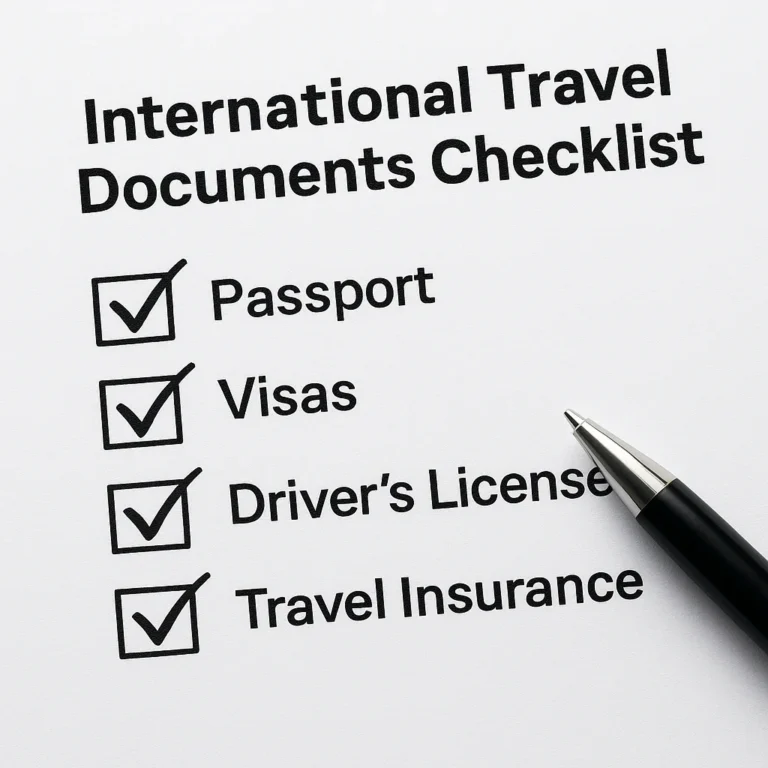


I always think I’ve got everything sorted until I’m halfway to the airport and suddenly remember I didn’t check if I needed a visa or pack a power adapter. This checklist is a lifesaver for scatterbrained travelers like me.
I like how it’s broken down into different stages—before the trip, during packing, and right before departure. It makes the whole process feel way less overwhelming. Also, the reminders about travel insurance and making copies of your passport? GOLD. People always forget those small things until it’s too late.
As for the language, it’s pretty clean and easy to follow. You can tell it was written by someone who either travels a lot or has heard every “forgot my passport” story in the book. There are a couple of slightly robotic phrases, but nothing that gets in the way of understanding. It’s functional, which is what you want in a checklist like this.