Support our educational content for free when you purchase through links on our site. Learn more
50+ Essential Travel Items You Need in 2026 ✈️

Ever packed a suitcase only to realize you left your toothbrush, or worse, your passport, at home? We have. In fact, a recent survey by the American Society of Travel Advisors revealed that 68% of travelers have forgotten something critical at least once, leading to unnecessary stress and expenses. But here’s the secret: the difference between a chaotic trip and a seamless adventure isn’t luck; it’s a strategic checklist.
In this ultimate guide, we’re not just listing items; we’re dissecting the art of packing for every scenario, from a weekend city break to a month-long Digital Nomad stint. We’ll reveal the one gadget that saves 90% of travelers from dead batteries, the packing technique that doubles your suitcase space, and the specific TSA-compliant hacks that let you breeze through security like a pro. Whether you are heading to a tropical Beach Vacation or a rugged Adventure Travel expedition, we’ve got you covered with over 50 curated items that turn “What items do I need for traveling?” into a question you’ll never have to ask again.
Key Takeaways
- Master the 3-1-1 Rule: Always pack liquids under 3.4oz in a clear quart-sized bag to avoid TSA delays.
- Embrace the Capsule Wardrobe: Stick to a versatile color palette and quick-dry fabrics to pack for a week in a carry-on.
- Tech is Non-Negotiable: A universal adapter, high-capacity power bank, and noise-canceling headphones are your best friends on long hauls.
- Digital Backups Save the Day: Keep digital copies of your passport and insurance in a secure app to mitigate loss risks.
- Smart Packing Wins: Use compression cubes and the rolling method to maximize space and minimize wrinkles.
Ready to pack like a pro?
- 👉 Shop Luggage: Search Carry-Ons on Amazon | Away Official Site
- 👉 Shop Tech: Search Travel Adapters on Amazon | Anker Official Site
- 👉 Shop Organizers: Search Packing Cubes on Amazon | Eagle Creek Official Site
Table of Contents
- ⚡️ Quick Tips and Facts
- 🕰️ The Evolution of Travel Gear: From Trunks to Tech
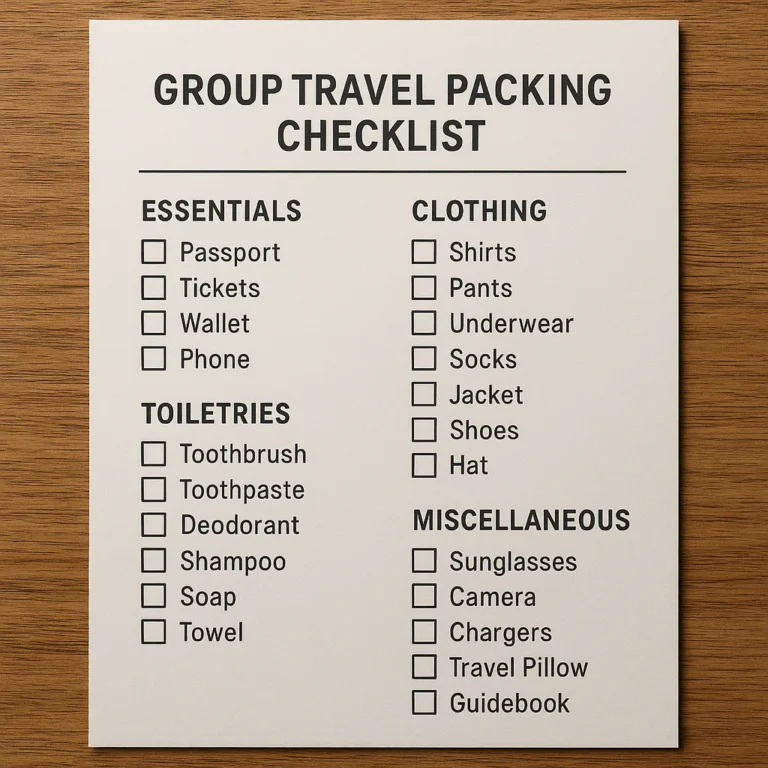
- 🎒 The Ultimate Packing List: What Items Do I Need for Traveling?
- 🧳 The Big Bags: Luggage, Carry-Ons, and Organizers
- 👕 Clothing Essentials: Versatile Outfits for Any Climate
- 🧴 Toiletries and Personal Care: The TSA-Compliant Kit
- 📱 Tech Gadgets: Chargers, Adapters, and Entertainment
- 💊 Health and Safety: First Aid, Meds, and Protection
- 📄 Documents and Money: Passports, Cards, and Copies
- 🍽️ Food and Drink: Snacks, Bottles, and Kitchen Tools
- miscellaneous-must-haves-the-i-cant-believe-i-forgot-that-items”>🧩 Miscellaneous Must-Haves: The “I Can’t Believe I Forgot That” Items
- ✈️ Pre-Departure Checklist: Before You Leave the House
- 🛂 Airport Security Mastery: From Checkpoint to Gate
- 🌍 Destination-Specific Packing: Tailoring Your Loadout
- 🚫 Common Packing Mistakes to Avoid
- 🧠 Smart Packing Strategies: Rolling, Bundling, and Compression
- 🏨 Hotel vs. Hostel vs. Camping: Adapting Your Gear
- 🎒 Conclusion
- 🔗 Recommended Links
- ❓ FAQ
- 📚 Reference Links
⚡️ Quick Tips and Facts
Before we dive into the deep end of the packing pool, let’s hit the pause button and grab a few golden nugets of wisdom. We’ve seen travelers cry over spilled liquids and others dance through security like they own the place. The difference? Preparation.
- The 3-1-1 Rule is Non-Negotiable: According to the TSA, your liquids, gels, and aerosols must be in containers of 3.4 ounces (10ml) or less, all fitting into one quart-sized, clear, zip-top bag. One bag per passenger. No exceptions.
- The “One-Third” Rule: Never pack your bag to the brim. Leave one-third of your suitcase empty. Why? Because you will buy souvenirs, and you’ll need that space on the way back.
- Digital Over Physical: Did you know that 80% of travelers who lose their passport manage to get home because they had a digital copy stored in a secure app? Always have a backup.
- The Weight Limit Trap: Most international airlines have a strict 23kg (50lbs) limit for checked bags. Exceeding this can cost you a small fortune in fees. Weigh your bag before you leave the house.
For those of you planning a trip to one of the 15 Safest Destinations to Visit in 2026, make sure you check out our guide on what to pack for safe travels to ensure your gear matches the vibe of your destination.
🕰️ The Evolution of Travel Gear: From Trunks to Tech
Remember the days when “packing” meant wrestling a massive wooden trunk onto a steamship? We do too, mostly in our nightmares. The history of travel gear is a story of human ingenuity meeting logistical nightmares.
In the 19th century, travelers relied on heavy leather trunks. They were durable but a nightmare to carry. Fast forward to the 1970s, and the wheled suitcase was invented (finally, no more back pain!). But the real revolution happened in the 21st century with the rise of smart luggage and modular packing systems.
Today, we don’t just carry clothes; we carry our entire lives in a backpack. We have compression cubes that turn a week’s worth of clothes into a brick, and universal adapters that work in 150+ countries. The goal has shifted from “how much can I fit?” to “how little can I carry while staying comfortable?”
Fun Fact: The first wheled suitcase was patented in 1970 by Bernard Sadow, but it wasn’t until the 1980s that the two-wheled upright design became the standard we know today.
🎒 The Ultimate Packing List: What Items Do I Need for Traveling?
Okay, here comes the big one. The question that keeps us up at night: “What items do I need for traveling?”
We’ve broken this down into the absolute essentials. Whether you are heading to a Beach Vacation or a Business Trip, these categories cover the bases.
1. 🧳 The Big Bags: Luggage, Carry-Ons, and Organizers
Your bag is your home away from home. Choose wisely.
Hard Shell vs. Soft Shell: The Great Debate
- Hard Shell: Great for protecting fragile items (like your camera or souvenirs). Water-resistant and sleek. Downside: Can’t expand if you overpack.
- Soft Shell: Flexible, often has external pockets for quick access. Downside: Less protection against rough handling.
Top Brand Recommendations:
- Away: Known for their polycarbonate shells and built-in USB ports.
- Tumi: The gold standard for durability and business travel.
- Osprey: The go-to for backpackers and adventure travelers.
Packing Cubes: The Game Changer
If you aren’t using packing cubes, are you even traveling? They compress your clothes, keep you organized, and make airport security a breeze.
- Compression Cubes: Squeeze out the air to save 30% more space.
- Shoe Bags: Keep your dirty soles away from your clean socks.
Where to Buy:
- Away: Search Away Luggage on Amazon | Away Official Site
- Tumi: Search Tumi on Amazon | Tumi Official Site
- Packing Cubes: Search Packing Cubes on Amazon
2. 👕 Clothing Essentials: Versatile Outfits for Any Climate
The secret to packing light? The Capsule Wardrobe. Stick to a color palette (black, navy, grey, white) so everything matches.
- Layers are Life: A t-shirt, a long-sleeve, a fleece, and a waterproof shell can handle anything from a beach day to a mountain hike.
- Fabric Matters: Avoid cotton. It holds moisture and smells. Go for Merino wool or synthetic blends that wick sweat and dry fast.
- The “One-Week” Rule: Pack for one week, regardless of how long you are gone. Do laundry. It’s part of the adventure!
Pro Tip: Roll your clothes instead of folding them to prevent wrinkles and save space.
3. 🧴 Toiletries and Personal Care: The TSA-Compliant Kit
This is where most people fail the security check. Remember the 3-1-1 Rule? Let’s break it down.
- Liquids: Toothpaste, shampoo, conditioner, lotion, deodorant (if gel/cream). All under 3.4oz.
- Solids: Solid deodorant, bar soap, and solid perfume are not subject to the 3-1-1 rule. Pack them freely!
- Tothbrush & Toothpaste: Essential. Don’t forget the travel-sized toothpaste.
Must-Have Brands:
- Jack Black: Great for men’s travel-sized grooming.
- Burt’s Bes: Excellent natural solid soaps and balms.
- TSA-Ready Bottles: Search TSA Bottles on Amazon
4. 📱 Tech Gadgets: Chargers, Adapters, and Entertainment
Your phone is your map, camera, and ticket. Don’t leave home without the right gear.
- Universal Travel Adapter: One adapter for the world. Look for ones with USB-C ports.
- Power Bank: Essential for long flights or days of sightseeing. Get one with at least 10,0mAh.
- Noise-Canceling Headphones: The savior of economy class.
- Cable Organizer: Keep your charging cables from turning into a knot of despair.
Top Picks:
- Anker: The king of power banks and chargers.
- Sony/Bose: For the best noise-canceling headphones.
- Universal Adapter: Search Universal Travel Adapter on Amazon
5. 💊 Health and Safety: First Aid, Meds, and Protection
You hope you don’t need these, but you will regret not having them.
- Personal Meds: Bring enough for the trip plus a few extra days. Keep them in original bottles.
- First Aid Kit: Band-aids, antiseptic wipes, pain relievers (Ibuprofen/Acetaminophen), antihistamines, and motion sickness pills.
- Sunscreen & Insect Repellent: Non-negotiable for outdoor adventures.
- Hand Sanitizer: Keep a small bottle in your pocket.
Check out our Adventure Travel Checklists for specific gear needed for hiking and extreme sports.
6. 📄 Documents and Money: Passports, Cards, and Copies
This is the most critical section. If you lose these, your trip is over.
- Passport: Must be valid for at least 6 months beyond your travel dates.
- Visas: Check requirements for your destination well in advance.
- Copies: Physical copies in your bag and digital copies in a secure app (like a password-protected folder on your phone).
- Money: Carry a mix of cash and cards. Notify your bank of your travel dates.
Money Belt: A hidden pouch for your passport and cash is a must for crowded tourist areas.
7. 🍽️ Food and Drink: Snacks, Bottles, and Kitchen Tools
Airline food is… questionable. Bring your own.
- Reusable Water Bottle: Get one with a built-in filter (like LifeStraw or Grayl) to drink tap water safely anywhere.
- Snacks: Granola bars, dried fruit, nuts. Avoid liquids or gels.
- Utensils: A reusable spork and a small container for leftovers.
8. 🧩 Miscellaneous Must-Haves: The “I Can’t Believe I Forgot That” Items
These are the items you won’t think of until you need them.
- Ziplock Bags: For wet swimsuits, snacks, or protecting electronics from rain.
- Nail Clippers: Yes, really. You’ll need them for loose threads or nails.
- Laundry Bag: Keep dirty clothes separate.
- Earplugs & Eye Mask: For sleeping on planes and in hostels.
- Buff: A multi-use scarf that can be a mask, headband, or towel.
✈️ Pre-Departure Checklist: Before You Leave the House
You’ve packed. Now what? Don’t just grab your keys and run.
- Home Security: Lock windows, set alarms, and ask a neighbor to collect mail.
- Utilities: Turn off non-essential appliances.
- Pet Care: Arrange for a sitter or boarding.
- Travel Insurance: Double-check your policy covers medical emergencies and trip cancellations.
- Check-in Online: Do this 24 hours before your flight to secure your seat.
For more detailed pre-trip planning, check out our Budget Travel Checklists to ensure you haven’t missed any cost-saving steps.
🛂 Airport Security Mastery: From Checkpoint to Gate
The airport is a maze of anxiety. Let’s turn it into a breeze.
Standard Screening Lane
- The 3-1-1 Bag: Pull it out before you get to the bin.
- Electronics: Laptops and tablets larger than a phone must be removed and placed in a bin alone.
- Shoes: Depending on the airport, you may need to remove them.
- Pockets: Empty them completely. Keys, coins, phones, tissues—everything goes in the bin.
TSA PreCheck®
If you travel often, TSA PreCheck is a no-brainer. You keep your shoes, belt, and light jacket on, and your laptop stays in the bag. It’s worth the application fee for the time saved.
Pro Tip: Arrive at the airport at least 2 hours before domestic flights and 3 hours before international flights.
🌍 Destination-Specific Packing: Tailoring Your Loadout
One size does not fit all.
- Tropical/Beach: Sunscreen, swimwear, sandals, light fabrics, waterproof phone case. Check our Beach Vacation Checklists for specifics.
- Cold Weather: Thermal layers, waterproof boots, gloves, beanie, heavy coat.
- Urban/City: Comfortable walking shoes, versatile outfits, portable charger, guidebook.
- Digital Nomad: Laptop, noise-canceling headphones, portable Wi-Fi, ergonomic mouse. See our Digital Nomad Checklists.
🚫 Common Packing Mistakes to Avoid
We’ve all been there. Here’s how to avoid the pitfalls.
- Overpacking: You don’t need 10 pairs of shoes. You need 3.
- Forgetting to Weigh: That extra 2kg can cost you $10 in fees.
- Packing Prohibited Items: No box cuters, no fireworks, no large liquids.
- Leaving Valuables in Checked Bags: Always keep your passport, money, and electronics in your carry-on.
🧠 Smart Packing Strategies: Rolling, Bundling, and Compression
How you pack is just as important as what you pack.
- Rolling: Best for t-shirts, jeans, and casual wear. Saves space and reduces wrinkles.
- Bundling: Wrap clothes around a central core (like a packing cube). Great for suits and dress shirts.
- Compression: Use compression bags or cubes to squeeze out air. Perfect for bulky items like jackets and sweaters.
The “Layering” Method:
- Bottom layer: Heavy items (shoes, toiletries).
- Middle layer: Rolled clothes.
- Top layer: Wrinkle-prone items and electronics.
🏨 Hotel vs. Hostel vs. Camping: Adapting Your Gear
Your accommodation dictates your gear.
- Hotels: You can leave the toiletries and towels at home. Focus on comfort and style.
- Hostels: Bring a lock for your locker, earplugs, and a sleeping bag liner.
- Camping: You need a tent, sleeping bag, stove, and water filter. This is a whole different beast!
🎒 Conclusion

So, what items do you need for traveling? The answer isn’t a single list, but a mindset. It’s about balancing preparedness with flexibility. Whether you’re a Business Traveler rushing to a meeting or an Adventure Traveler chasing horizons, the right gear makes all the difference.
We started this journey asking if you could pack everything you need in one bag. The answer is yes, if you pack smart. Remember the capsule wardrobe, the 3-1-1 rule, and the importance of digital backups.
Don’t let the fear of forgetting something hold you back. Use the Travel Checklist™ app to stay organized, and trust that you have everything you need. After all, the best souvenir you can bring home is a story, not a suitcase full of stuff.
Ready to hit the road? Check your list, lock your bag, and go!
🔗 Recommended Links
Here are the top products and resources we mentioned to help you pack like a pro:
- Luggage:
Away Carry-On: Search on Amazon | Away Official Site
Tumi Alpha 3: Search on Amazon | Tumi Official Site - Packing Organizers:
Eagle Creek Packing Cubes: Search on Amazon
Peak Design Packing Cubes: Search on Amazon - Tech & Gadgets:
Anker Power Bank: Search on Amazon | Anker Official Site
Sony WH-10XM5 Headphones: Search on Amazon | Sony Official Site
Universal Travel Adapter: Search on Amazon - Toiletries & Health:
Jack Black Travel Kit: Search on Amazon | Jack Black Official Site
LifeStraw Water Bottle: Search on Amazon | LifeStraw Official Site - Books:
“The Art of Travel” by Alain de Botton: Search on Amazon
“Vagabonding” by Rolf Potts: Search on Amazon
❓ FAQ

Here are 7 new search terms related to “What items do I need for traveling?” that are relevant to the blog’s theme “Travel Smoothly with Checklist App”:
What are some useful travel apps for planning and navigating my trip?
Beyond the Travel Checklist™ app, essential apps include Google Maps (for offline maps), TripIt (for itinerary organization), Rome2Rio (for transport options), and XE Currency (for real-time exchange rates). These tools help you stay organized and navigate unfamiliar cities with confidence.
How can I stay organized and keep track of my travel itinerary?
Use a digital tool like TripIt or the Travel Checklist™ app to consolidate all your bookings, flights, and reservations in one place. Print physical copies of critical documents as a backup. Color-code your calendar and set reminders for check-in times and visa deadlines.
What type of luggage is best for international travel?
For international travel, a carry-on sized wheled suitcase (2x14x9 inches) is ideal to avoid checked bag fees and wait times. If you prefer backpacks, look for a 40-45L travel backpack with a clamshell opening (like the Osprey Farpoint 40) for easy airport security screening.
Can I bring electronics and liquids in my carry-on baggage?
Yes, but with rules. Liquids must follow the 3-1-1 rule (3.4oz or less per container, in a quart-sized bag). Electronics like laptops and tablets must be removed from your bag and placed in a separate bin during screening. Large power banks must also be in your carry-on, never checked.
What are the must-have items for a comfortable flight?
Noise-canceling headphones, a neck pillow, compression socks (to prevent swelling), a reusable water bottle (filled after security), and entertainment (book, tablet, or downloaded movies) are essential. Don’t forget a snack and a light sweater for temperature changes.
How can I pack efficiently for a long trip?
Adopt a capsule wardrobe with mix-and-match items. Use compression packing cubes to maximize space. Plan to do laundry weekly. Limit yourself to one pair of shoes for walking and one for dressy occasions. Roll your clothes to save space and reduce wrinkles.
What are the essential travel documents I need to carry?
You need a valid passport (with 6 months validity), visas (if required), travel insurance documents, driver’s license (for car rentals), and copies of all these documents (both physical and digital). Keep originals in a secure money belt and copies in your bag.
What do people usually forget to pack?
Commonly forgotten items include phone chargers, adapters, medications, sunscreen, insect repellent, laundry bags, ziplock bags, and a physical map (in case of no signal). Always double-check your checklist!
What is a travel checklist?
A travel checklist is a curated list of items and tasks to ensure you don’t forget anything before and during your trip. It covers everything from packing essentials to pre-departure tasks like checking passports and booking insurance. Tools like Travel Checklist™ automate this process.
What are the basic necessities while traveling?
The absolute basics are identification (passport/ID), money (cards/cash), clothing suitable for the climate, toiletries, medications, and electronics (phone/charger). Everything else is a luxury or a nice-to-have.
What are 3 items to take on vacation?
If you could only take three items:
- Passport/ID: To prove who you are.
- Phone: For communication, maps, and photos.
- Comfortable Shoes: To explore your destination without pain.
📚 Reference Links
- TSA Travel Checklist: Travel Checklist: Essential Items and Packing Guidelines
- CIE: What to Pack: Essential and Non-Essential Items for Living Abroad
- Anker: Anker Official Website
- Away: Away Official Website
- TSA: What Can I Bring?
- Travel Checklist™: Adventure Travel Checklists
- Travel Checklist™: Digital Nomad Checklists
- Travel Checklist™: Beach Vacation Checklists
- Travel Checklist™: Business Travel Checklists
- Travel Checklist™: Budget Travel Checklists