Support our educational content for free when you purchase through links on our site. Learn more
🎒 The Ultimate 50-Point Travel Checklist for Solo Travelers (2026)

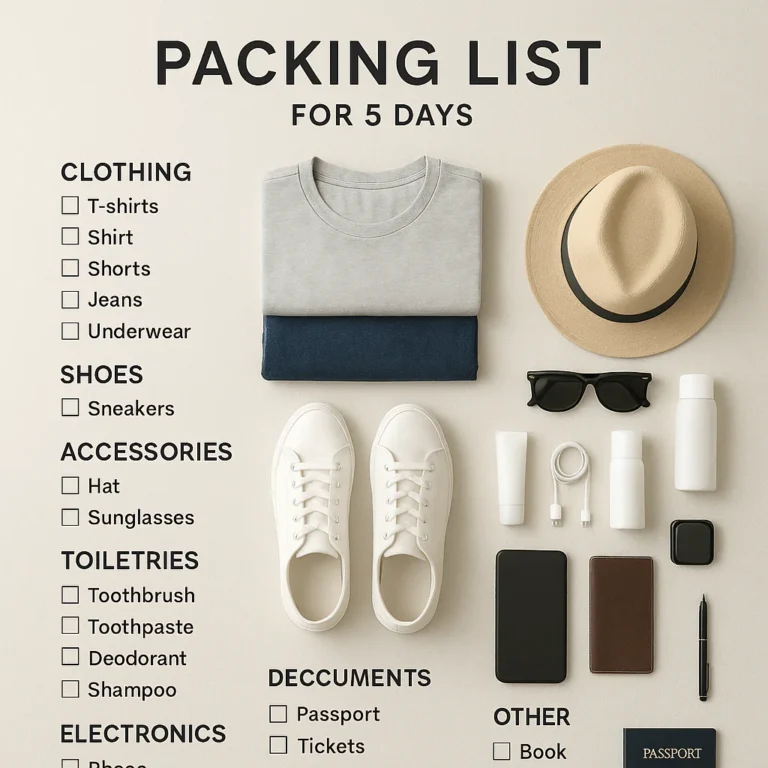
The secret to a fearless solo adventure isn’t luck; it’s a comprehensive, 50-point travel checklist for solo travelers that covers everything from safety gear to mental resilience. We’ve distilled years of road-tested wisdom into a single, actionable guide so you can ditch the anxiety and embrace the freedom of the open road.
Imagine this: You land in a bustling foreign city, the air thick with unfamiliar scents, and while others are frantically searching for Wi-Fi or panicking about a lost translation, you calmly pull out your phone, check off “Local SIM Activated,” and head straight to your pre-booked hostel. That’s the power of preparation. Did you know that over 40% of solo travelers report feeling more confident and self-reliant after just one trip? It’s true, but only if you don’t leave your safety net at home.
Key Takeaways
- Safety is non-negotiable: A robust travel checklist for solo travelers must prioritize emergency contacts, travel insurance, and discreet safety gear like door locks and personal alarms.
- Pack light, pack smart: Limit your wardrobe to versatile, quick-dry items and rely on the “buy if needed” philosophy to avoid the burden of excess luggage.
- Connect before you go: Secure your first night’s accommodation and download offline maps to eliminate the stress of arrival in an unfamiliar environment.
- Embrace flexibility: While structure provides security, the true magic of solo travel lies in the freedom to change your itinerary on a whim.
Table of Contents
- ⚡️ Quick Tips and Facts
- 🕰️ The Evolution of Solo Travel: From Pilgrims to Digital Nomads
- 🧠 The Solo Traveler’s Pre-Departure Mindset: Safety, Confidence, and Flexibility
- 📋 The Ultimate 50-Point Solo Travel Checklist: A Step-by-Step Guide
- 🚫 Common Solo Travel Mistakes to Avoid
- 🌍 Top Destinations for First-Time Solo Travelers
- 📸 Capturing Memories: Photography Tips for the Solo Adventurer
- 💡 Pro Tips for Long-Term Solo Travelers
- 🏁 Conclusion
- 🔗 Recommended Links
- ❓ Frequently Asked Questions (FAQ)
- 📚 Reference Links
⚡️ Quick Tips and Facts
So, you’re thinking about embarking on a solo adventure? Fantastic! We at Travel Checklist™ are absolutely thrilled for you. Solo travel isn’t just a trip; it’
s a profound journey of self-discovery, resilience, and unparalleled freedom. But let’s be real, it can also feel a tad overwhelming when you’re staring at an empty suitcase and a world map. That’s where we
come in! Our mission, and frankly, our passion, is to help you Travel Smoothly with Checklist App every single step of the way. In fact, our very own Travel Checklist app is designed to be your ultimate digital travel companion, ensuring
you never miss a beat, or a passport!
Did you know that solo travel has been steadily on the rise, with more people than ever opting for independent adventures? A significant portion of these intrepid explorers are women
, challenging old stereotypes and embracing the open road. But whether you’re a seasoned globetrotter or just dipping your toes into the vast ocean of solo exploration, a solid plan is your best friend.
Here
are some quick, digestible facts to get your wanderlust buzzing and your planning gears grinding:
- Fact 1: The Freedom Factor ✅ Solo travelers report a higher sense of freedom and flexibility in their itineraries. No compromises, just pure
, unadulterated “you time.” - Fact 2: Budgeting Brilliance 💰 Traveling alone often means you have tighter control over your spending, allowing you to splurge on experiences that truly matter to you.
Fact 3: Safety First, Always 🛡️ While solo travel is empowering, safety and preparedness are paramount. Always prioritize researching your destination’s safety ratings and local customs.
- Fact 4: The Power
of Connection 🤝 Paradoxically, solo travel often leads to more genuine connections with locals and other travelers, as you’re more approachable and open to new interactions. - Fact 5: Pack Smart, Not Heavy 🎒 ”
It’s better to bring less and end up buying a few things than it is to bring more than you’ll use,” advises Susan Shain, a seasoned traveler. We couldn’t agree more!
🕰️ The Evolution of Solo Travel: From Pilgrims to Digital Nomads
The
idea of traveling alone isn’t new, but its motivations and accessibility have certainly undergone a fascinating transformation. Cast your mind back to medieval times, and you’d find pilgrims traversing vast distances to sacred sites, often alone, driven by spiritual
quests. Fast forward a few centuries, and the Grand Tour emerged, a rite of passage for young European aristocrats, though usually accompanied by tutors and servants. True independent solo travel, as we know it today, really began to blossom in the late
19th and early 20th centuries, fueled by improved transportation and a growing sense of personal freedom. Think of intrepid explorers and adventurers charting unknown territories – they were the original soloists!
But the real seismic shift?
That came with the internet, affordable air travel, and the rise of the digital nomad lifestyle. Suddenly, the world wasn’t just a place to visit, but a place to live and work from, often independently. The
solo traveler evolved from a rare breed to a significant demographic, seeking personal growth, cultural immersion, and a break from the mundane. We’ve seen a surge in interest for everything from Adventure Travel Checklists to Digital Nomad Checklists, reflecting this diverse tapestry of solo journeys. The modern solo traveler isn
‘t just going on a vacation; they’re crafting an experience, often with a laptop in one hand and a passport in the other. It’s less about escaping life and more about embracing a fuller, more intentional one.
🧠 The Solo Traveler’s Pre-Departure Mindset: Safety, Confidence, and Flexibility
Before you even think about packing your bags, let’s talk about the most crucial piece of gear you’ll carry: your mindset. Solo travel is a “great opportunity for growth,” as one expert puts it, and finding the right balance between
challenging yourself and having fun is key. It’s about cultivating a blend of awareness, self-reliance, and an open heart.
Cultivating Confidence: You’ve Got This!
The biggest
hurdle for many aspiring solo travelers is often internal. “Can I really do this alone?” The answer, dear friend, is a resounding YES! We’ve all been there, standing on the precipice of a new adventure,
a tiny voice of doubt whispering in our ear. But here’s the secret: every solo traveler, even the most seasoned, started somewhere.
-
Embrace the Experience: This isn’t just a trip; it’
s a chance for personal growth and self-discovery, allowing you to go anywhere and do anything on your own schedule. You’ll learn more about yourself navigating a foreign city alone than you ever would in your comfort zone. -
Play to Your Strengths: Identify what you can handle without getting overwhelmed. Maybe your first solo trip is to a familiar country, or perhaps you’re ready to dive headfirst into a completely new
culture. There’s no right or wrong way to start. -
“Don’t Be Afraid to Screw Up”: Seriously, mistakes are learning opportunities, not failures. You’ll get lost
, you’ll order the wrong thing, you’ll probably forget something important. Laugh it off, learn from it, and keep that positive attitude shining!
Prioritizing Safety: Your Personal Guardian Angel
While confidence is vital, it
must always be paired with a healthy dose of caution. Solo travel safety isn’t about fear; it’s about smart preparation and situational awareness.
- Research, Research, Research: Before you even book a flight, delve
into your destination’s safety reputation. Are there areas to avoid? What are the local customs regarding dress or behavior? Knowledge is power! - Trust Your Gut: This is your most powerful safety tool. If a situation feels off
, it probably is. Don’t hesitate to remove yourself from uncomfortable situations, even if it feels impolite. - Share Your Itinerary: Always let a trusted friend or family member know your general plans, including flight details
and accommodation bookings. Consider sharing your live location via your phone for added peace of mind. - Be Aware of Your Surroundings: Especially when traveling alone at night, keep your wits about you. Avoid
walking alone in poorly lit areas and be mindful of your possessions.
Embracing Flexibility: The Solo Traveler’s Superpower
One of the greatest joys of solo travel is the freedom to change your plans on a whim. No need
to consult a travel buddy, no compromises!
- Tweak Your Plans: Researching destinations and planning accordingly can prevent last-minute stress, but stay flexible and open to new experiences. That hidden gem recommended
by a local? Go for it! That museum you thought you’d love but now just want to skip? No problem! - “It Pays to Prepare”: While spontaneity is wonderful, a solid foundation of preparation means
you can pivot without panicking. Knowing you have your essentials covered allows you to embrace the unexpected with a smile.
📋 The Ultimate 50-Point Solo Travel Checklist: A Step-by-Step Guide
Alright, adventurers, it’s time to get down to brass tacks! This
is the comprehensive, no-stone-unturned checklist designed by the Travel Checklist™ team to ensure your solo journey is as smooth as a freshly paved runway. We’ve distilled years of personal experience and consumer insights into these 50 essential
points, making sure you’re prepared for anything the world throws your way. Let’s dive in!
1
. 🛂 Documents, Visas, and Travel Insurance Essentials
Your passport is your golden ticket, but it’s just the beginning. Don’t let a forgotten document derail your adventure before it even starts!
- Valid Passport +
Visas: Ensure your passport is valid for at least six months beyond your intended return date. Check visa requirements for every country you plan to visit and apply well in advance. - Digital and Physical
Copies of All Documents: Scan your passport, visa, flight tickets, accommodation bookings, and insurance details. Save them to a cloud service (Google Drive, Dropbox), email them to yourself, and leave copies with a trusted person at home. Also
, carry a physical set of photocopies in a separate bag. - Comprehensive Travel Insurance: This is non-negotiable for solo travel. We highly recommend Squaremouth for comparing and purchasing travel health
insurance, as suggested by Susan Shain. It provides a safety net for medical emergencies, trip cancellations, lost luggage, and more. - Global Entry/TSA PreCheck for Faster Airport Navigation:
If you’re a frequent international traveler, investing in Global Entry can save you precious time and stress at customs and security checkpoints. - International Student ID Card (ISIC): If you’
re a student, this can unlock discounts on hostels, transportation, and attractions worldwide.
2. 💳 Financial Safety Nets: Cards, Cash, and Budgeting Apps
Money matters, especially when you’re on your own. Having a robust financial strategy will save you from countless headaches.
- No
-Fee Debit Card: Get a debit card that refunds foreign ATM fees. The Charles Schwab Debit Card is a perennial favorite among travelers for this very reason. - Travel-Friendly Credit Cards: Carry at
least two credit cards with no foreign transaction fees. Cards like the Chase Sapphire Preferred and Chase Sapphire Reserve offer excellent travel rewards and benefits. Always inform your banks of your travel dates to avoid fraud alerts.
8
. Emergency Cash in Local Currency + Small USD/EUR Reserve: Always have some local currency for small purchases or emergencies. And remember Tim Ferriss’s “$20 Rule” – carry an extra $20 (or equivalent) to buy unexpected necessities locally, rather than packing them. - Budgeting App: Use a reliable app like TravelSpend or Mint to track your expenses. It’s easy to lose
track when you’re having fun, but staying on budget is crucial for extended trips. - Hidden Money Stash: Keep a small amount of emergency cash (e.g., $100) separate from your main wallet
, perhaps in a hidden pocket or a different bag.
3. 🏨 Accommodation Strategy:
Hostels, Hotels, and Solo-Friendly Stays
Where you lay your head matters, especially when traveling solo. Choose wisely for comfort, safety, and opportunities to connect.
- Pre-Booked First Night’
s Accommodation: Arriving in a new city, especially after a long flight, can be disorienting. Having your first night (or two) booked provides immediate peace of mind. - Research Safe Neighborhoods and Solo-Friendly
Lodging Options: Look for accommodations with good reviews regarding safety, especially for solo travelers. Hostels with female-only dorms, hotels with 24/7 reception, or reputable guesthouses are great options. Check out reviews on Booking.com, Expedia, or Tripadvisor. - Flexible Booking Options: Whenever possible, opt for accommodations with free cancellation policies. Your plans might change, and flexibility is a solo traveler’s best friend.
4. 🗺️ Itinerary Planning: Balancing Structure with Spontaneity
The beauty of solo travel is the freedom to change your mind, but a little
planning goes a long way in maximizing your experience.
- Research Key Attractions and Local Customs: Get a general idea of what you want to see and do. Understanding local etiquette will also help you navigate respectfully.
- Draft a Flexible Itinerary, Leaving Room for Spontaneity: Don’t overschedule! Leave open slots for serendipitous discoveries, local recommendations, or simply relaxing. “Tweak Your Plans” as
you go. - Download Offline Maps: Essential for navigating without data. Apps like Google Maps (download offline areas) or Maps.me are lifesavers when you’re off
the grid. - Know Your Transportation Options: Research how to get from the airport to your accommodation, and understand local public transport. This reduces vulnerability upon arrival.
5. 📱 Communication Tools: SIM Cards, eSIMs, and Offline Maps
Staying connected is crucial for safety and convenience, allowing you to share your
adventures and reach out in an emergency.
- Unlocked Phone Compatible with International SIMs or eSIMs: Ensure your phone isn’t locked to a specific carrier. Consider an eSIM provider like Airalo or Hol
afly for instant data upon arrival, or plan to buy a local SIM card. - Inform Family/Friends of Your Itinerary and Check-in Schedule: Keep at least one person updated on your whereabouts
and plans. A simple text every few days can offer immense peace of mind. - Emergency Contact List (Digital and Physical): Save important numbers (embassy, insurance, family) in your phone, and also carry a physical card
with these details in case your phone is lost or dead. - Learn Basic Local Phrases: Even a few words like “hello,” “thank you,” “excuse me,” and “where is the bathroom?” can make
a huge difference in interactions and show respect.
6. 🎒 Smart Packing
: The Art of Traveling Light and Efficiently
“Pack Light” is the solo traveler’s mantra. Trust us, your back will thank you!
- Choose a Comfortable, Carry-On
Size Backpack: A good quality backpack (e.g., Osprey Farpoint or Fairview for women) that meets carry-on dimensions will save you checked bag fees and waiting time at baggage claim. For more tips on efficient packing, check out our Backpacking Checklists. - Utilize Packing Cubes: These are absolute
game-changers for organization. Brands like Eagle Creek or Amazon Basics offer durable options to separate clothes, keep things tidy, and even compress items. - Roll Clothes to Save Space and Reduce
Wrinkles: Instead of folding, roll your clothes tightly. This not only saves space but also minimizes creases. - “Minimalism Rule”: Pack Less, Buy If Needed: As Susan Shain wisely
states, “It’s better to bring less and end up buying a few things than it is to bring more than you’ll use.” Avoid that “umbrella moment” she experienced!
Consider a Daypack: A smaller, collapsible daypack (e.g., Osprey Ultralight Stuff Pack) is perfect for daily excursions, carrying essentials like water, snacks, and a camera.
<
a id=”7-solo-travel-wardrobe-versatile-outfits-for-any-climate”>
7. 👕 Solo Travel Wardrobe: Versatile Outfits for Any Climate
The key here
is versatility. Think mix-and-match, quick-drying, and appropriate for various situations.
- 3-5 Versatile Tops: Pack a mix of t-shirts, blouses, and one long-sleeved
shirt for sun protection or cooler evenings. Brands like Icebreaker offer lightweight, moisture-wicking options. Susan Shain suggests flowy tanks (like those from Target) and limiting t-shirts
to buy souvenirs. - 2-3 Bottoms: Include a pair of comfortable jeans (difficult to replace on the road!), lightweight hiking pants (look for non-dorky styles!), a versatile
long skirt for conservative countries or evenings, and shorts for warmer climates. - Lightweight Jacket/Fleece: A packable, warm layer like the Patagonia NanoPuff is excellent
for chilly evenings or unexpected drops in temperature. - Packable Rain Jacket: Don’t get caught in a downpour! The Marmot Precip is a tried-and-true
favorite, known for its durability and compact size. - Swimwear: Even if you’re not planning a beach vacation, you might encounter a hotel pool, hot springs, or a spontaneous dip
. “Even for ski trips (hot tubs),” reminds Susan Shain. - Undergarments & Socks: Pack enough underwear for 1-2 weeks, or invest in quick-drying options
like Ex Officio (a “life-changing” choice, according to Susan Shain, requiring fewer pairs). Bring 2-3 bras (one nude/white, one sports bra) and
quality socks like Bridgedale. - Pashmina or Versatile Scarf: This multi-purpose item can be a blanket, a pillow, a beach wrap, or used to
cover shoulders when visiting religious sites.
8. 👟 Footwear Fundamentals: Comfort Meets Style
on the Road
Your feet are your best friends on a solo adventure. Treat them well!
- Comfortable Walking Shoes: This is your most important pair. Think supportive sneakers like Brooks or Hoka
that can handle miles of city streets or light trails. - Versatile Sandals/Flip-flops: For hostels, beaches, or just letting your feet breathe. Chaco sandals are highly
recommended for their arch support and durability. - Optional: Lightweight Casual Shoes: Something like TOMS can be comfortable, packable, and suitable for slightly dressier occasions.
- Optional: Hiking Boots: Only if your itinerary specifically involves heavy trekking. Otherwise, a good pair of running shoes can often double for light hikes.
9. 🧴 Toiletries and Health Kits: Staying Clean and Healthy Alone
Keeping healthy and hygienic on the road is crucial
for enjoying your trip.
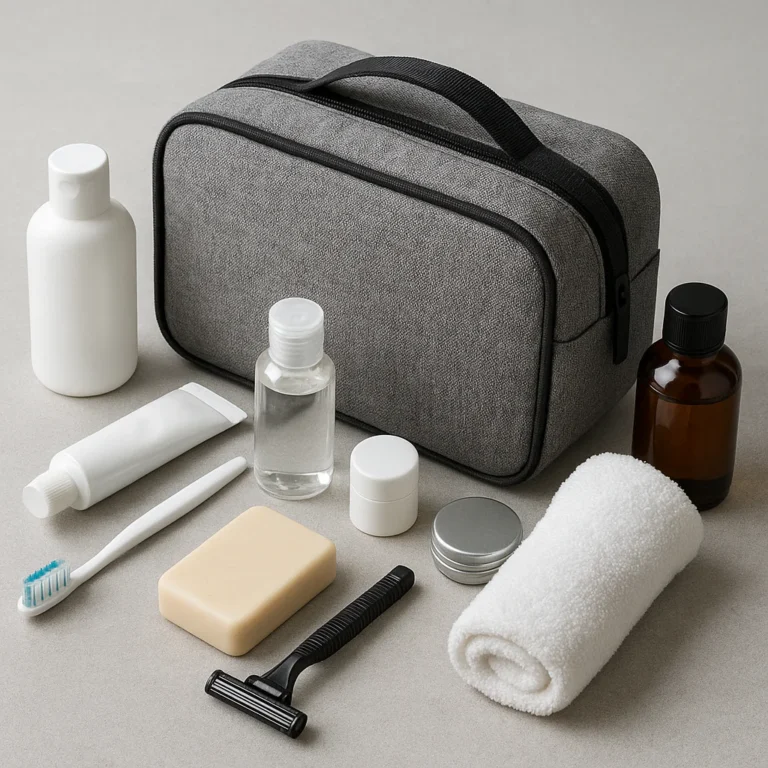
- Travel-Sized Toiletries: Shampoo, conditioner, body wash, toothpaste. Consider solid shampoo bars (like those from Lush) for plastic-free, leak-proof packing.
- Personal Hygiene Essentials: Toothbrush (Susan Shain suggests “kiddie ones with suction cup” for sketchy hostels!), floss, deodorant, razor, tweezers, nail clippers.
- Menstrual Products: If applicable, consider a Diva Cup for a convenient, eco-friendly, and space-saving solution. Susan Shain raves, “Omg how did I live without
one of these glorious silicone receptacles all my life?”. - Sunscreen (SPF 30+ or higher): Protect your skin! Neutrogena offers face-specific options that are often
TSA-compliant. For beach destinations, consider reef-safe sunscreens. - Basic First-Aid Kit: Band-aids, antiseptic wipes, pain relievers (ibuprofen/acetaminophen), allergy medication, motion sickness tablets, and any personal prescription medications.
- Hand Sanitizer and Wet Wipes: Invaluable for quick clean-ups when soap and water aren’t
readily available. - Quick-Dry Towel: While not strictly essential if your accommodation provides towels, a compact, quick-drying towel (e.g., PackTowl) is incredibly convenient
for hostels, beaches, or unexpected showers.
10. 🔌
Electronics and Gadgets: Power Banks, Adapters, and Security
Stay charged, connected, and entertained without carrying a tech store in your backpack.
- Smartphone + Charger: Your primary tool for navigation, communication, and
photos. - Portable Power Bank: A high-capacity power bank (e.g., Anker PowerCore) is a non-negotiable item for keeping your devices alive on long travel days or when outlets are scarce
. - Universal Travel Adapter: Essential for charging your electronics abroad. Look for one with multiple USB ports (e.g., EPICKA or Tessan)
. Most modern electronics have built-in voltage converters, so you usually only need a plug adapter. - Headphones: Noise-cancelling headphones (e.g., Sony WH-1000XM5) for long flights or noisy hostels, or simple earbuds for everyday use. Susan Shain loves her Wireless Beats headphones.
49
. E-reader: A Kindle Paperwhite or similar device is perfect for carrying an entire library without the bulk of physical books. - Optional: Camera: If
your phone camera isn’t enough, consider a compact mirrorless camera (e.g., Sony Alpha series) or a GoPro for adventure shots. Susan Shain still uses her N
ikon D510 DSLR.
11. 🎒 Safety Gear
: Door Locks, Alarms, and Personal Defense
While we hope you never need them, having a few discreet safety items can provide immense peace of mind.
- Personal Safety Alarm: A small, loud alarm (e.g., Birdie or Sabre) that can deter attackers and draw attention in an emergency.
- Portable Door Lock: A simple device like the Addalock can add an extra layer of
security to your hostel dorm or hotel room door. - Anti-Theft Daypack or Cross-Body Bag: Brands like Pacsafe or Travelon offer bags with slash-resistant fabric, lockable zippers, and
RFID protection to keep your valuables safe. - Money Belt or Hidden Pocket Scarf: A discreet way to carry emergency cash and copies of documents. Susan Shain highly recommends the **Speakeasy Travel Supply
** scarf with a hidden pocket for a stylish and secure option.
### 12. 🍽️ Dining Solo: Overcoming the Awkwardness and Finding Great Food
Dining alone can feel intimidating at first, but it’s a fantastic opportunity for people-watching and savoring your meal.
- Research Solo-Friendly Restaurants or Food Markets: Look for places with communal tables, bar seating, or vibrant food markets where eating alone is common and enjoyable.
- Embrace Bar Seating or Outdoor Cafes:
These often provide a more relaxed atmosphere for solo diners and great vantage points for observing local life. Don’t be afraid to bring a book or journal!
13. 🤝 Making Connections: Apps and Tips for Meeting Fellow Travelers
Solo doesn’t mean lonely! There are plenty of ways to meet incredible people on the road.
5
7. Utilize Social Apps: Apps like Meetup, Couchsurfing (for events, not just accommodation), or even Bumble BFF can help you connect with locals and fellow travelers for activities or a casual
chat.
58. Stay in Hostels with Common Areas or Join Local Tours: Hostels are a natural hub for meeting other travelers. Signing up for walking tours, cooking classes, or pub crawls is also a fantastic way to break
the ice.
14. 🚨 Emergency Protocols: What to Do When Things Go Wrong
Preparedness is your best defense against unexpected mishaps.
- Know Local Emergency Numbers and Embassy Contact Details: Have these readily accessible, both digitally and physically.
- Share Your Location with a Trusted Contact:
Use your phone’s built-in location sharing features (e.g., Google Maps, Apple Find My) with a trusted friend or family member for added security.
15. 🧘 Mental Health and Self-Care: Combating Loneliness on the Road
Solo travel can be incredibly rewarding, but it’
s also okay to acknowledge moments of loneliness or overwhelm.
Solo travel, while liberating, can sometimes bring moments of quiet reflection that border on loneliness. It’s a normal part of the experience, and recognizing it is the first step to
managing it. We’ve all been there, sitting in a bustling café, feeling a pang of “I wish someone else was here to see this.” But here’s the kicker: these moments are often when the deepest personal growth happens.
- Stay Connected (Digitally): Don’t hesitate to video call friends and family back home. A familiar voice can be a huge comfort.
- Journal Your Experiences: Writing down your thoughts and feelings can be incredibly
therapeutic and helps process your journey. - Prioritize Self-Care: Whether it’s a long bath, a quiet walk, or simply enjoying a good book, make time for activities that recharge your mental batteries.
Embrace the “Me Time”: Sometimes, loneliness is just a call for deeper introspection. Use these moments to truly connect with yourself and your surroundings.
🚫 Common Solo Travel Mistakes to Avoid
Even the most seasoned travelers can slip up, but being aware of common pitfalls can help you steer clear of unnecessary stress. We’ve learned these lessons, sometimes the hard way, so you don’
t have to!
- ❌ Overpacking: We’ve harped on this, but it bears repeating. “I once ended up traveling for several months with an umbrella. AN UMBRELLA. And no, it never rained
,” Susan Shain recounts, a testament to the perils of overpacking. Every extra pound is a burden, literally. You’ll be doing laundry, so pack for a week and plan to wash. - ❌ Ignoring Travel Insurance: Thinking “it won’t happen to me” is a dangerous gamble. Lost luggage, medical emergencies, or unexpected cancellations can turn a dream trip into a nightmare without proper coverage.
❌ Not Informing Your Bank**: Nothing’s worse than having your cards frozen mid-trip because your bank flagged “suspicious” international activity. A quick call or online notification before you leave can prevent this headache.
- ❌ Failing
to Research Local Customs: Offending locals unintentionally can lead to awkward situations or worse. A little cultural homework goes a long way in showing respect and having smoother interactions. - ❌ Being Too Rigid with Your Itinerary: While planning is good
, over-scheduling leaves no room for spontaneity, which is one of the greatest joys of solo travel. Embrace the unexpected! “Stay organized, keep it simple, and don’t forget to leave room for spontaneous adventures,” advises Hostelworld. - ❌ Not Having Backup Copies of Documents: If your passport or phone is lost or stolen, having digital and physical copies stored separately is a lifesaver.
- ❌ Relying Solely on
Your Phone: Batteries die, phones get lost or stolen. Have a physical map, emergency contacts written down, and some cash as backup. - ❌ Forgetting to Prioritize Safety: This isn’t about being paranoid, but being smart
. Don’t walk alone at night in unfamiliar areas, avoid flashing valuables, and always trust your instincts. - ❌ Not Booking First Night’s Accommodation: Arriving in a new city late at night with nowhere to go
is a recipe for stress and potential vulnerability. Always have your first stop secured.
🌍 Top Destinations for First-Time Solo Travelers
Ready to take the plunge but not sure where to go? We’ve got you covered! These destinations are renowned for their safety, ease of navigation, and welcoming atmosphere for solo adventurers.
Europe: The Classic Starting Point
Europe is often considered the ideal training ground for solo travelers, thanks to its excellent public transport, well-trodden tourist routes, and diverse cultures packed into a relatively small continent.
- Iceland 🇮🇸: Consistently ranked as
one of the safest countries in the world, Iceland offers breathtaking landscapes, friendly locals, and a thriving solo travel scene. It’s perfect for nature lovers and those seeking unique experiences. - Portugal 🇵🇹: From the
charming streets of Lisbon to the sunny beaches of the Algarve, Portugal is affordable, safe, and incredibly welcoming. The food is divine, and it’s easy to meet other travelers in hostels and cafes. - Ireland 🇮🇪:
Famous for its “craic” (fun and lively conversation), Ireland is a fantastic place to connect with locals in cozy pubs. The stunning scenery and rich history make it an unforgettable solo trip. - Scandinavia (Norway, Sweden, Denmark) 🇸🇪🇳🇴🇩🇰: While a bit pricier, these countries boast incredible safety, efficient infrastructure, and a high quality of life. Perfect for those who appreciate design, nature, and peace of mind.
Southeast Asia: Adventure on a Budget
For those seeking exotic adventures without breaking the bank, Southeast Asia offers an intoxicating blend of vibrant cultures, delicious food, and incredible value.
- Vietnam 🇻🇳: A truly immersive experience with
bustling cities, serene rice paddies, and stunning coastlines. It’s incredibly affordable, and the locals are generally very hospitable. Ideal for Backpacking Checklists. - Thailand 🇹🇭: The “Land of Smiles” is a solo traveler’s paradise, offering everything from bustling Bangkok markets to tranquil island beaches. It’s easy to navigate, and the infrastructure for tourists is well-
developed. - Singapore 🇸🇬: A modern, clean, and incredibly safe city-state. While not as budget-friendly as its neighbors, Singapore is perfect for a short, luxurious solo stopover with world-class
attractions and food.
North America: Familiar Comforts, New Adventures
If you’re looking for solo travel closer to home, or within a familiar cultural context, North America has plenty to offer.
- **Canada 🇨🇦
**: Known for its friendly people, stunning natural beauty, and safe cities like Vancouver and Montreal, Canada is an excellent choice for solo exploration, especially if you love the outdoors. - New York City, USA 🗽: While
a big city, NYC is a fantastic place for solo travelers. There’s always something to do, and you can blend in easily. It’s a great place to test your urban solo travel skills.
📸 Capturing Memories: Photography Tips for the Solo Adventurer
You’re seeing incredible things, experiencing profound moments – of
course, you want to capture them! But how do you get those envy-inducing shots when you’re your own photographer, model, and creative director? Fear not, solo shutterbugs, we’ve got some tricks up our sleeves
!
The Art of the Self-Portrait (Beyond the Selfie Stick)
Let’s be honest, endless selfies get old. Here’s how to elevate your solo shots:
- The Tripod is Your Best
Friend: A lightweight, portable tripod (like the Joby GorillaPod or a compact travel tripod from Manfrotto) is a game-changer. It allows you to set up your shot, use a timer, and get
full-body photos that look professionally taken. - Remote Shutter Release: Pair your phone or camera with a small Bluetooth remote. This eliminates the awkward dash back and forth after setting the timer.
- Find Interesting
Backgrounds: Instead of just your face, compose your shot with the stunning scenery or iconic landmarks as the main focus, with you as a smaller, contextual element. - Use Natural Light: Golden hour (shortly after sunrise, shortly before sunset) provides the most flattering light for portraits.
- Embrace the Action Shot: Set your camera to burst mode and walk, jump, or interact with your surroundings. You’ll get a series of photos,
increasing your chances of a perfect candid.
Gear for the Solo Photographer
While your smartphone is incredibly capable, a few extra tools can make a big difference.
- Smartphone: Modern phones like the Apple iPhone 15
Pro or Samsung Galaxy S24 Ultra have incredible cameras. Learn to use their manual modes for more control. - Compact Camera: If you want better quality without the bulk of a DSLR, a mirrorless camera (e.g., Sony Alpha a6000 series) or a high-end compact (e.g., Canon PowerShot G7 X Mark III) is an excellent choice. Susan Shain, despite her DSLR, notes
how good phone cameras have become. - Action Camera: For adventure travel or water activities, a GoPro Hero 12 Black is indispensable for capturing dynamic footage and photos.
Power Bank**: All that photo-taking drains batteries fast! Keep your power bank (see point 46 in our checklist!) handy.
- Small Bluetooth Speaker: Sometimes, a little
music can set the mood for your photoshoots or just for enjoying your surroundings.
Asking for Help (The Right Way)
Sometimes, you just need another human to press the button.
- Choose
Wisely: Look for other tourists with cameras, or families. They’re often more likely to understand the request and take a decent photo. - Be Specific: Don’t just hand over your camera. Show them exactly
what you want in the frame, where you’ll stand, and how to press the shutter. “Just press here, please!” - Offer to Return the Favor: “Would you like me to take one for you?”
is a great way to start.
💡 Pro Tips for Long-Term Solo Travelers
So, you’ve tasted the sweet
freedom of solo travel, and now you’re hooked? Excellent! Long-term solo adventures, often synonymous with the digital nomad lifestyle, come with their own unique set of considerations. It’s not just an extended vacation; it
‘s a lifestyle. We’ve compiled some insights to help you thrive on the perpetual road. For a deeper dive into this lifestyle, our Digital Nomad Checklists are a must-read!
Mastering the Art of Sustainable Travel
Long-term travel requires a different kind of endurance – both for you and your wallet.
- Slow Travel is Your Friend: Instead of
hopping from city to city every few days, settle into a location for weeks or even months. This allows you to experience local life more deeply, save money on transportation, and establish a routine. - **Budgeting for the Long Haul
**: Your daily budget needs to be sustainable. This means cooking more, finding local eateries, utilizing public transport, and seeking out free activities. Apps like TravelSpend become even more critical. - Finding Work-Life Balance on
the Road: If you’re working remotely, establish a dedicated workspace and schedule. It’s easy to get distracted by new surroundings, but consistency is key to maintaining your income. - Laundry Expectation: Plan to do laundry once
a week, and expect to wear items multiple times. This is fundamental to packing light for extended periods. Consider travel laundry detergent or finding local laundromats.
Health and Well-being:
Beyond the Basics
Maintaining your physical and mental health becomes even more important when you’re away from your usual support systems for extended periods.
- Prioritize a Healthy Diet: Eating out constantly can be expensive and unhealthy. Seek
out local markets and cook your own meals whenever possible. - Stay Active: Incorporate exercise into your routine, whether it’s walking everywhere, finding a local gym, or doing bodyweight exercises in your accommodation.
Regular Check-ups: Before you leave, get a full medical check-up, including dental. Ensure you have a sufficient supply of any prescription medications.
- Build a Routine: While spontaneity is great, a loose
daily routine can provide stability and a sense of normalcy, helping to combat feelings of being unmoored. - Combatting Loneliness: Long-term solo travel can amplify feelings of isolation. Actively seek out communities – co
-working spaces, expat groups, language exchange meetups, or even volunteer opportunities.
Gear Up for the Long Haul
Some gear choices become even more critical for extended journeys.
- Durable Luggage: Your
backpack or suitcase will endure a lot of wear and tear. Invest in high-quality, durable luggage that can withstand the rigors of constant travel. - Quality Outerwear: A versatile, packable jacket (like the Patagonia NanoPuff or Marmot Precip) that can handle various weather conditions is invaluable.
- Reliable Electronics: A good laptop (like a Macbook if you’re working, as Susan Shain uses), a dependable phone, and a robust power bank are essential tools for staying connected and productive.
- Water Filtration System: For countries with unsafe tap water, investing in a portable water
filter (e.g., Sawyer Squeeze or a LifeStraw bottle) is more eco-friendly and cost-effective than buying bottled water constantly. Susan Shain mentions planning to invest in one.
🚫 Common Solo Travel Mistakes to Avoid
Even the most seasoned travelers can slip up, but being aware of common pitfalls can help you steer
clear of unnecessary stress. We’ve learned these lessons, sometimes the hard way, so you don’t have to!
- ❌ Overpacking: We’ve harped on this, but it bears repeating. “I
once ended up traveling for several months with an umbrella. AN UMBRELLA. And no, it never rained,” Susan Shain recounts, a testament to the perils of overpacking. Every extra pound is a
burden, literally. You’ll be doing laundry, so pack for a week and plan to wash. - ❌ Ignoring Travel Insurance: Thinking “it won’t happen to me” is a dangerous
gamble. Lost luggage, medical emergencies, or unexpected cancellations can turn a dream trip into a nightmare without proper coverage. - ❌ Not Informing Your Bank: Nothing’s worse than having your cards frozen mid-trip because your
bank flagged “suspicious” international activity. A quick call or online notification before you leave can prevent this headache. - ❌ Failing to Research Local Customs: Offending locals unintentionally can lead to awkward situations or worse. A little
cultural homework goes a long way in showing respect and having smoother interactions. - ❌ Being Too Rigid with Your Itinerary: While planning is good, over-scheduling leaves no room for spontaneity, which is one of the greatest joys
of solo travel. Embrace the unexpected! “Stay organized, keep it simple, and don’t forget to leave room for spontaneous adventures,” advises Hostelworld. - **❌ Not Having Backup Copies of Documents
**: If your passport or phone is lost or stolen, having digital and physical copies stored separately is a lifesaver. - ❌ Relying Solely on Your Phone: Batteries die, phones get lost or stolen. Have a
physical map, emergency contacts written down, and some cash as backup. - ❌ Forgetting to Prioritize Safety: This isn’t about being paranoid, but being smart. Don’t walk alone at night in unfamiliar areas
, avoid flashing valuables, and always trust your instincts. - ❌ Not Booking First Night’s Accommodation: Arriving in a new city late at night with nowhere to go is a recipe for stress and potential vulnerability. Always have
your first stop secured.
🌍 Top Destinations for First-Time Solo Travelers
Ready to take the plunge but not sure
where to go? We’ve got you covered! These destinations are renowned for their safety, ease of navigation, and welcoming atmosphere for solo adventurers.
Europe: The Classic Starting Point
Europe is often considered the ideal training ground for
solo travelers, thanks to its excellent public transport, well-trodden tourist routes, and diverse cultures packed into a relatively small continent.
- Iceland 🇮🇸: Consistently ranked as one of the safest countries in the world
, Iceland offers breathtaking landscapes, friendly locals, and a thriving solo travel scene. It’s perfect for nature lovers and those seeking unique experiences. - Portugal 🇵🇹: From the charming streets of Lisbon to the sunny beaches
of the Algarve, Portugal is affordable, safe, and incredibly welcoming. The food is divine, and it’s easy to meet other travelers in hostels and cafes. - Ireland 🇮🇪: Famous for its “craic
” (fun and lively conversation), Ireland is a fantastic place to connect with locals in cozy pubs. The stunning scenery and rich history make it an unforgettable solo trip. - Scandinavia (Norway, Sweden, Denmark)
🇸🇪🇳🇴🇩🇰: While a bit pricier, these countries boast incredible safety, efficient infrastructure, and a high quality of life. Perfect for those who appreciate design, nature, and peace of mind.
Southeast Asia:
Adventure on a Budget
For those seeking exotic adventures without breaking the bank, Southeast Asia offers an intoxicating blend of vibrant cultures, delicious food, and incredible value.
- Vietnam 🇻🇳: A truly immersive experience with bustling cities
, serene rice paddies, and stunning coastlines. It’s incredibly affordable, and the locals are generally very hospitable. Ideal for Backpacking Checklists. - Thailand 🇹🇭: The “Land of Smiles” is a solo traveler’s paradise, offering everything from bustling Bangkok markets to tranquil island beaches. It’s easy to navigate, and the infrastructure for tourists
is well-developed. - Singapore 🇸🇬: A modern, clean, and incredibly safe city-state. While not as budget-friendly as its neighbors, Singapore is perfect for a short, luxurious solo stopover with
world-class attractions and food.
North America: Familiar Comforts, New Adventures
If you’re looking for solo travel closer to home, or within a familiar cultural context, North America has plenty to offer.
Canada 🇨🇦: Known for its friendly people, stunning natural beauty, and safe cities like Vancouver and Montreal, Canada is an excellent choice for solo exploration, especially if you love the outdoors.
- New York City,
USA 🗽: While a big city, NYC is a fantastic place for solo travelers. There’s always something to do, and you can blend in easily. It’s a great place to test your urban solo travel skills.
📸 Capturing Memories: Photography Tips for the Solo Adventurer
You’re seeing incredible things,
experiencing profound moments – of course, you want to capture them! But how do you get those envy-inducing shots when you’re your own photographer, model, and creative director? Fear not, solo shutterbugs, we’ve got
some tricks up our sleeves!
The Art of the Self-Portrait (Beyond the Selfie Stick)
Let’s be honest, endless selfies get old. Here’s how to elevate your solo shots:
-
The
Tripod is Your Best Friend: A lightweight, portable tripod (like the Joby GorillaPod or a compact travel tripod from Manfrotto) is a game-changer. It allows you to set up your shot, use
a timer, and get full-body photos that look professionally taken. -
Remote Shutter Release: Pair your phone or camera with a small Bluetooth remote. This eliminates the awkward dash back and forth after setting the timer.
-
Find Interesting Backgrounds: Instead of just your face, compose your shot with the stunning scenery or iconic landmarks as the main focus, with you as a smaller, contextual element.
-
Use Natural Light: Golden hour
(shortly after sunrise, shortly before sunset) provides the most flattering light for portraits. -
Embrace the Action Shot: Set your camera to burst mode and walk, jump, or interact with your surroundings. You’ll
get a series of photos, increasing your chances of a perfect candid.
Gear for the Solo Photographer
While your smartphone is incredibly capable, a few extra tools can make a big difference.
- Smartphone: Modern phones like
the Apple iPhone 15 Pro or Samsung Galaxy S24 Ultra have incredible cameras. Learn to use their manual modes for more control. - Compact Camera: If you want better quality without the bulk of
a DSLR, a mirrorless camera (e.g., Sony Alpha a6000 series) or a high-end compact (e.g., Canon PowerShot G7 X Mark III) is an excellent choice.
Susan Shain, despite her DSLR, notes how good phone cameras have become. - Action Camera: For adventure travel or water activities, a GoPro Hero 12 Black is indispensable for
capturing dynamic footage and photos. - Power Bank: All that photo-taking drains batteries fast! Keep your power bank (see point 46 in our checklist!) handy.
Small Bluetooth Speaker: Sometimes, a little music can set the mood for your photoshoots or just for enjoying your surroundings.
Asking for Help (The Right Way)
Sometimes, you just need
another human to press the button.
- Choose Wisely: Look for other tourists with cameras, or families. They’re often more likely to understand the request and take a decent photo.
- Be Specific:
Don’t just hand over your camera. Show them exactly what you want in the frame, where you’ll stand, and how to press the shutter. “Just press here, please!” - Offer to Return the Favor:
“Would you like me to take one for you?” is a great way to start.
💡 Pro Tips for Long-
Term Solo Travelers
So, you’ve tasted the sweet freedom of solo travel, and now you’re hooked? Excellent! Long-term solo adventures, often synonymous with the digital nomad lifestyle, come with their own unique set
of considerations. It’s not just an extended vacation; it’s a lifestyle. We’ve compiled some insights to help you thrive on the perpetual road. For a deeper dive into this lifestyle, our Digital Nomad Checklists are a must-read!
Mastering the Art of Sustainable Travel
Long-term travel requires a different kind of endurance – both for you
and your wallet.
- Slow Travel is Your Friend: Instead of hopping from city to city every few days, settle into a location for weeks or even months. This allows you to experience local life more deeply, save money on
transportation, and establish a routine. - Budgeting for the Long Haul: Your daily budget needs to be sustainable. This means cooking more, finding local eateries, utilizing public transport, and seeking out free activities. Apps like
TravelSpend become even more critical. - Finding Work-Life Balance on the Road: If you’re working remotely, establish a dedicated workspace and schedule. It’s easy to get distracted by new surroundings, but
consistency is key to maintaining your income. - Laundry Expectation: Plan to do laundry once a week, and expect to wear items multiple times. This is fundamental to packing light for extended periods. Consider travel laundry detergent or finding local laundromats.
Health and Well-being: Beyond the Basics
Maintaining your physical and mental health becomes even more important when you’re away from your usual support systems for extended periods
.
- Prioritize a Healthy Diet: Eating out constantly can be expensive and unhealthy. Seek out local markets and cook your own meals whenever possible.
- Stay Active: Incorporate exercise into your routine, whether it
‘s walking everywhere, finding a local gym, or doing bodyweight exercises in your accommodation. - Regular Check-ups: Before you leave, get a full medical check-up, including dental. Ensure you have a sufficient
supply of any prescription medications. - Build a Routine: While spontaneity is great, a loose daily routine can provide stability and a sense of normalcy, helping to combat feelings of being unmoored.
- Combatting
Loneliness: Long-term solo travel can amplify feelings of isolation. Actively seek out communities – co-working spaces, expat groups, language exchange meetups, or even volunteer opportunities.
Gear Up for the Long Haul
Some gear choices become even more critical for extended journeys.
- Durable Luggage: Your backpack or suitcase will endure a lot of wear and tear. Invest in high-quality, durable luggage that can withstand the rigors
of constant travel. - Quality Outerwear: A versatile, packable jacket (like the Patagonia NanoPuff or Marmot Precip) that can handle various weather conditions is invaluable.
- Reliable Electronics: A good laptop (like a Macbook if you’re working, as Susan Shain uses), a dependable phone, and a robust power bank are essential tools
for staying connected and productive. - Water Filtration System: For countries with unsafe tap water, investing in a portable water filter (e.g., Sawyer Squeeze or a LifeStraw bottle) is more
eco-friendly and cost-effective than buying bottled water constantly. Susan Shain mentions planning to invest in one.