Support our educational content for free when you purchase through links on our site. Learn more
🛡️ The Ultimate Travel Health & Safety Checklist: 15 Steps for 2026

Your Travel health and safety checklist isn’t just a list; it’s the single most effective tool to ensure you return home with nothing but memories, not a medical bill. We’ve seen too many dream vacations derail because travelers skipped the “boring” prep, like forgetting that 25% of international travelers fall ill on the road.
Imagine this: You’re in a remote village in Southeast Asia, the sun is setting, and you realize you left your antidiarrheal meds at home. Panic sets in as you scramble to find a pharmacy that might not even have what you need.
That nightmare is entirely avoidable with the right preparation. Our comprehensive guide covers 15 essential steps to protect your health, from securing the right vaccines to packing a personalized first aid kit.
Key Takeaways
- Start Early: Begin your Travel health and safety checklist 4–6 weeks before departure to ensure vaccines take effect.
- Insure Smart: Secure comprehensive travel insurance that explicitly covers medical evacuation, as standard plans often don’t.
- Pack Personalized: Don’t rely on generic kits; tailor your first aid supply to your destination’s specific risks and your personal health needs.
- Stay Connected: Enroll in the Smart Traveler Enrollment Program (STEP) so your embassy can find you in an emergency.
- Go Digital: Use a checklist app to store encrypted copies of passports, prescriptions, and emergency contacts for instant access.
Table of Contents
- ⚡️ Quick Tips and Facts
- 📜 A Brief History of Travel Medicine and Safety
- 🏥 Pre-Trip Medical Prep: Vaccinations, Prescriptions, and Health Records
- 🎒 The Ultimate Travel Health and Safety Checklist: 15 Essential Steps
- Secure Comprehensive Travel Insurance with Medical Evacuation Coverage
- Research Destination-Specific Health Risks and Local Laws
- Enroll in the Smart Traveler Enrollment Program (STEP)
- Organize Digital and Physical Copies of Critical Documents
- Pack a Personalized First Aid Kit and Medication Supply
- Verify Passport Validity and Visa Requirements for Your Itinerary
- Check Airline and Airport Safety Protocols
- Prepare for Food and Water Safety Abroad
- Plan for Sun Protection and Insect Bite Prevention
- Establish Emergency Contacts and Local Embassy Information
- Review Credit Card Fraud Protection and Travel Alerts
- Assess Accomodation Safety and Security Features
- Create a Communication Plan for Connectivity Gaps
- Understand Local Traffic Laws and Road Safety Conditions
- Prepare a Mental Health and Wellness Strategy for Travel Stress
- ✈️ Navigating International Travel Health Regulations
- 🌍 Destination-Specific Safety Guides: From Tropical Paradies to Urban Jungles
- 💊 Managing Chronic Conditions and Special Needs While Abroad
- 🚑 Emergency Protocols: What to Do When Things Go Wrong
- 🛡️ Legal Resources and Consular Assistance for Travelers
- 🧠 Conclusion
- 🔗 Recommended Links
- ❓ FAQ
- 📚 Reference Links
⚡️ Quick Tips and Facts
Before you even start packing that suitcase, let’s hit the pause button. Did you know that more than 25% of international travelers report getting sick during their trip? That’s one in four! 🤢 It sounds like a gamble, but here’s the kicker: influenza is the most preventable illness on the road, yet it’s often the one we ignore until we’re shivering in a foreign hotel room.
We’ve seen too many friends turn dream vacations into ER visits because they skipped the basics. But don’t panic! With the right prep, you can slash those risks significantly.
- The 4-6 Week Rule: You need to see a travel medicine specialist 4–6 weeks before departure. Why? Because some vaccines (like Yellow Fever) take time to become effective, and others require multiple doses.
- Hand Hygiene is Non-Negotiable: Washing your hands for 20 seconds is your first line of defense against the “traveler’s tummy.”
- The “Boil It, Cook It, Peel It, or Forget It” Mantra: This old adage still holds up for food and water safety in many regions.
- Insurance isn’t Optional: Standard health insurance often does not cover medical evacuation, which can cost upwards of $10,0.
“Healthy travel starts before you leave home,” says Dr. Robert H. Hopkins Jr., medical director of the National Foundation for Infectious Diseases (NFID).
Ready to turn that statistic on its head? Let’s dive into the history of how we got here, then build your bulletproof plan.
📜 A Brief History of Travel Medicine and Safety

You might think travel safety is a modern obsession born from the age of Instagram, but the roots go back much deeper. The concept of travel medicine (or “Tropical Medicine” as it was once known) dates back to the 17th century when European explorers started dying in droves from diseases they had no immunity to.
The Evolution of Protection
- The Age of Exploration: Early travelers relied on superstition and rudimentary herbal remedies. The “miasma theory” (bad air causes disease) dominated thinking until the germ theory of disease took hold in the 19th century.
- The Golden Age of Vaccines: The 19th and 20th centuries saw the development of vaccines for cholera, typhoid, and yellow fever. The International Certificate of Vaccination or Prophylaxis (ICVP), often called the “Yellow Card,” became a mandatory document for entry into many countries.
- The Modern Era: Today, organizations like the CDC and the World Health Organization (WHO) provide real-time data on outbreaks. The focus has shifted from just infectious diseases to include non-infectious risks like road safety, altitude sickness, and even mental health.
Why does this matter to you? Because understanding that these protocols exist for a reason helps you respect them. We aren’t just following rules; we’re following centuries of hard-won wisdom.
🏥 Pre-Trip Medical Prep: Vaccinations, Prescriptions, and Health Records
This is the boring part that saves your life. Seriously. We’ve all been there: you’re in a remote village in Southeast Asia, the sun is setting, and you realize you forgot your antidiarrheal meds. Don’t be that person.
The Three-Pronged Approach
According to experts, a structured pre-travel consultation involves:
- Risk Assessment: Where are you going? What are you doing? (Hiking in the Andes vs. lounging in a resort in Bali).
- Medical Interventions: Vaccines and prophylactic medications.
- Health Counseling: How to eat, drink, and behave safely.
Essential Vaccinations to Consider
Not all vaccines are created equal. Some are routine (you should have them anyway), some are recommended (highly advised for your destination), and some are required (mandatory for entry).
| Vaccine Type | Examples | Who Needs It? | Timing |
|---|---|---|---|
| Routine | MR, Tdap, Polio, Flu | Everyone | Check records 4-6 weeks prior |
| Recommended | Hepatitis A, Typhoid, Japanese Encephalitis | Most international travelers | Varies by destination |
| Required | Yellow Fever | Travelers to specific African/S. American zones | 10 days before entry |
Pro Tip: The Measles, Mumps, and Rubella (MMR) vaccine is critical right now due to global outbreaks. If you were born after 1957 and aren’t sure of your status, get a booster!
Managing Prescriptions
- Bring Double: Pack enough meds for the trip plus a week’s buffer.
- Original Containers: Keep meds in their original pharmacy bottles with your name on the label. This is crucial for customs.
- Doctor’s Note: Carry a letter from your physician explaining your condition and the necessity of any injectable meds or controlled substances.
Did you know? You can find a certified travel health provider near you using the International Society of Travel Medicine (ISTM) locator.
🎒 The Ultimate Travel Health and Safety Checklist: 15 Essential Steps
We’ve broken this down into 15 actionable steps. This isn’t just a list; it’s your roadmap to a stress-free journey. Whether you’re a solo backpacker or a family on a beach vacation, these steps apply.
1. Secure Comprehensive Travel Insurance with Medical Evacuation Coverage
Standard health insurance rarely covers you abroad. You need a policy that includes medical evacuation, which can cost a fortune if you need a medevac flight.
- What to look for: Coverage for pre-existing conditions, 24/7 assistance, and direct payment to hospitals.
- Top Picks: World Nomads is great for adventurers, while Allianz Global Assistance offers solid comprehensive plans.
👉 Shop Travel Insurance on:
- World Nomads: Search Plans | Official Site
- Allianz: Search Plans | Official Site
2. Research Destination-Specific Health Risks and Local Laws
Don’t just Google “is it safe?” Dig deeper. Check the CDC Travel Health Notices and the WHO alerts for your specific region.
- Infectious Diseases: Is there malaria? Dengue? Zika?
- Local Laws: Some countries have strict laws on bringing in certain meds (e.g., codeine or pseudoephedrine).
3. Enroll in the Smart Traveler Enrollment Program (STEP)
This is a free service from the U.S. Department of State. It allows the embassy to find you in an emergency and send you safety updates.
- Why do it? If a hurricane hits or civil unrest erupts, they know exactly where you are.
- Action: Sign up at travel.state.gov.
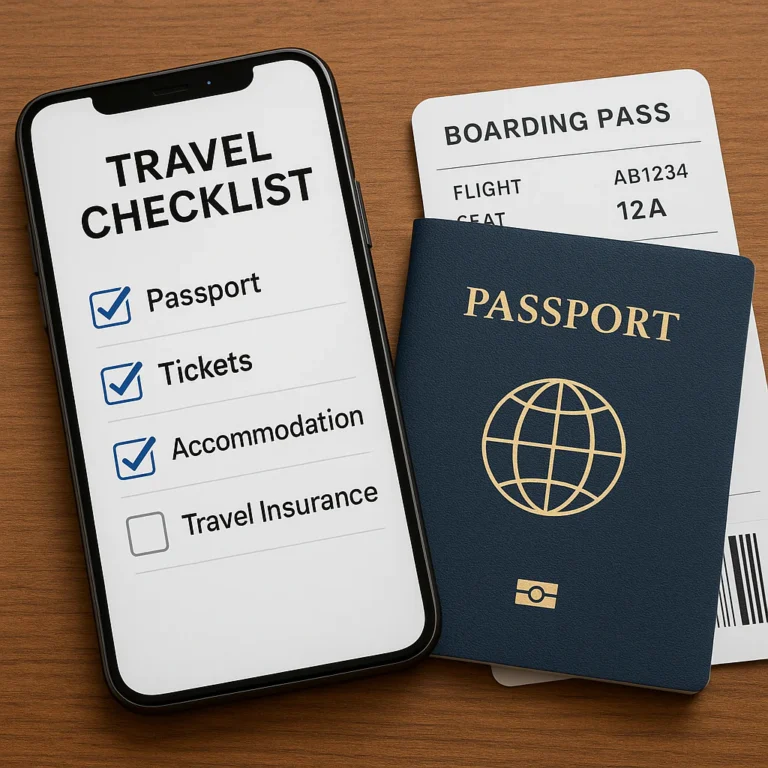
4. Organize Digital and Physical Copies of Critical Documents
Losing your passport is a nightmare.
- Physical: Keep a photocopy separate from the original.
- Digital: Store encrypted copies in a secure cloud service (like Google Drive or Dropbox) and email them to yourself.
5. Pack a Personalized First Aid Kit and Medication Supply
Your kit should be more than just band-aids.
- Essentials: Antidiarrheals, antihistamines, pain relievers, antiseptic wipes, and blister care.
- Customization: Add altitude sickness meds if going high, or antimalarials if needed.
👉 Shop First Aid Kits on:
- Adventure Medical Kits: Search on Amazon | Official Site
- Sawyer Products: Search on Amazon | Official Site
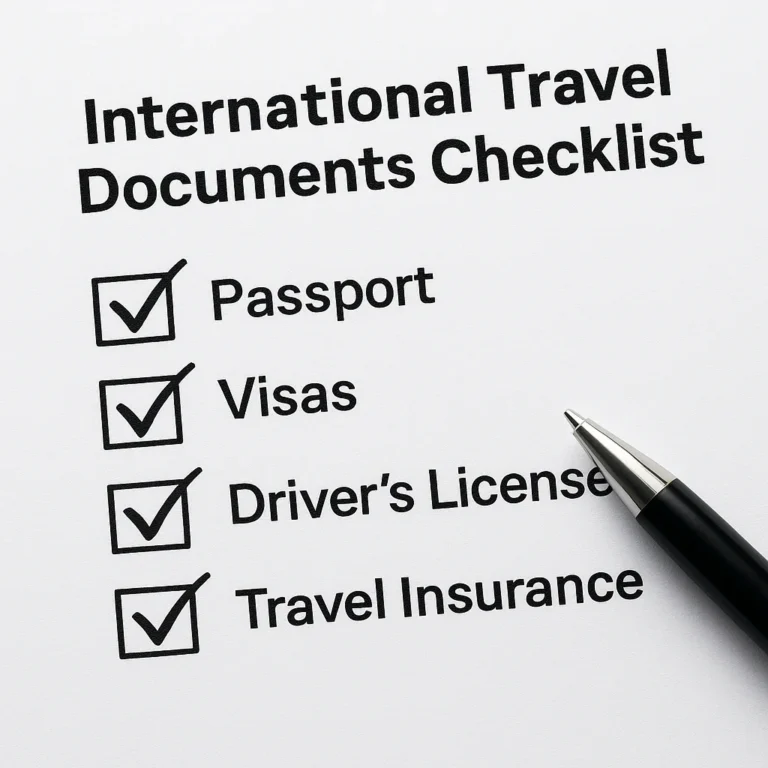
6. Verify Passport Validity and Visa Requirements for Your Itinerary
Many countries require your passport to be valid for 6 months beyond your departure date. Check this now, not at the airport.
- Visas: Some require e-visas applied for weeks in advance.
7. Check Airline and Airport Safety Protocols
Airlines have different safety standards. Check the IATA safety ratings for your carrier.
- Tip: Choose seats near the exit for faster evacuation if needed, but avoid bulkhead if traveling with infants (no under-seat storage).
8. Prepare for Food and Water Safety Abroad
This is where most travelers get sick.
- Water: Stick to bottled or boiled water. Avoid ice unless you’re sure it’s made from purified water.
- Food: Eat food that is piping hot. Avoid raw salads and unpeled fruits.
9. Plan for Sun Protection and Insect Bite Prevention
Sunburn can ruin a trip; insect bites can kill you.
- Sun: Use SPF 30+ and reapply every 2 hours.
- Insects: Use repellent containing DET, Picaridin, or Oil of Lemon Eucalyptus. Wear long sleeves at dawn and dusk.
👉 Shop Insect Repellents on:
- OFF! Brand: Search on Amazon | Official Site
- Sawyer Products: Search on Amazon | Official Site
10. Establish Emergency Contacts and Local Embassy Information
Save these numbers in your phone and write them on paper.
- Local Emergency Number: It’s not always 91! (e.g., 12 in Europe, 9 in the UK).
- Embassy: Find the nearest U.S. Embassy or Consulate.
1. Review Credit Card Fraud Protection and Travel Alerts
Notify your bank of your travel dates to avoid frozen cards.
- Tip: Use credit cards with zero liability for fraud. Carry a backup card from a different issuer.
12. Assess Accomodation Safety and Security Features
Before booking, read reviews specifically mentioning safety.
- Check: Do they have 24-hour security? Are the locks on the doors sturdy? Is there a safe for valuables?
13. Create a Communication Plan for Connectivity Gaps
What happens if you lose signal?
- Plan: Agree on a meeting spot with your group. Download offline maps (Google Maps) and translation apps (Google Translate).
14. Understand Local Traffic Laws and Road Safety Conditions
Road traffic accidents are a leading cause of injury for travelers.
- Tip: If renting a car, ensure you have an International Driving Permit (IDP). Avoid driving at night in high-risk areas.
15. Prepare a Mental Health and Wellness Strategy for Travel Stress
Travel is exhausting. Jet lag, culture shock, and isolation can take a toll.
- Strategy: Schedule downtime. Stay hydrated. Don’t overpack your itinerary.
Curious about how to manage all these steps without going crazy? That’s exactly why we built the Travel Checklist™ app. It automates this entire process, letting you focus on the adventure, not the paperwork. Check out our Travel Checklist to see how it works.
✈️ Navigating International Travel Health Regulations
International travel isn’t just about packing; it’s about compliance. Every country has its own entry requirements, and they change faster than the weather.
The “Yellow Card” (ICVP)
The International Certificate of Vaccination or Prophylaxis is your golden ticket for countries requiring proof of Yellow Fever vaccination.
- Crucial Detail: You must get this from a certified Yellow Fever vaccination center. A regular doctor’s note won’t work.
- Validity: The certificate is valid for life (as of 2016 WHO updates), but always check the specific country’s rules.
Quarantine and Testing
While many pandemic-era restrictions have lifted, some countries still require:
- Negative PCR tests upon arrival.
- Health declaration forms (digital or paper).
- Proof of vaccination for other diseases like Polio or Meningitis.
Pro Tip: Always check the IATA Travel Centre or your airline’s website 48 hours before departure for the latest rules.
🌍 Destination-Specific Safety Guides: From Tropical Paradies to Urban Jungles
One size does not fit all. A checklist for a safari in Kenya looks very different from a business trip to Tokyo.
Tropical Destinations (e.g., Caribbean, Southeast Asia, Amazon)
- Primary Risks: Mosquito-borne diseases (Malaria, Dengue, Zika), heat exhaustion, foodborne illnesses.
- Key Actions:
- Take antimalarials if prescribed.
- Use DET-based repellent religiously.
- Drink only sealed bottled water.
- Check out our Beach Vacation Checklists for specific gear.
Urban Destinations (e.g., Europe, North America, Major Asian Cities)
- Primary Risks: Pickpocketing, traffic accidents, scams, air pollution.
- Key Actions:
- Use anti-theft bags.
- Be aware of your surroundings in crowded tourist spots.
- Check local air quality indices (AQI) if you have respiratory issues.
- Explore our Business Travel Checklists for city-specific tips.
Adventure & Remote Areas (e.g., Himalayas, Patagonia, African Savanna)
- Primary Risks: Altitude sickness, hypothermia, lack of medical facilities, wildlife encounters.
- Key Actions:
- Aclimatize properly for altitude.
- Carry a satellite communicator (like Garmin inReach).
- Ensure your insurance covers high-altitude rescue.
- Don’t miss our Adventure Travel Checklists or Backpacking Checklists.
💊 Managing Chronic Conditions and Special Needs While Abroad
Traveling with a chronic condition (diabetes, heart disease, asthma) requires extra planning, but it’s absolutely doable.
The “Double-Down” Strategy
- Medication Supply: Bring 2x the amount you need. Store one set in your carry-on and one in your checked bag (if allowed) or a separate bag.
- Doctor’s Letter: Get a detailed letter on letterhead explaining your condition, medications (generic and brand names), and any medical devices (insulin pumps, CPAP).
- Local Access: Research hospitals near your destination that specialize in your condition.
Special Considerations
- Diabetes: Time zone changes can mess with insulin timing. Consult your doctor on how to adjust. Keep snacks handy to prevent hypoglycemia.
- Asthma: Air pollution and different allergens can trigger attacks. Bring your rescue inhaler and a spacer.
- Mental Health: Stress can exacerbate anxiety or depression. Pack your meds, know the local emergency numbers, and have a plan for self-care.
Remember: The Cornell Global Learning program emphasizes that “personal health and safety are never guaranteed,” but with the right prep, you can manage risks effectively.
🚑 Emergency Protocols: What to Do When Things Go Wrong
Despite our best efforts, things can go wrong. Here’s your game plan for the worst-case scenarios.
Step 1: Stay Calm and Assess
Panic is your enemy. Take a deep breath. Assess the situation: Is it a medical emergency? A theft? A natural disaster?
Step 2: Contact Local Authorities
Dial the local emergency number (12, 9, 0, etc.). If you don’t speak the language, have a translation app ready or show a pre-written card with your needs.
Step 3: Contact Your Insurance Provider
Call the 24/7 assistance number on your insurance card immediately. They can:
- Direct you to a network hospital.
- Guarantee payment to the hospital.
- Arrange medical evacuation if necessary.
Step 4: Contact Your Embassy
If you’ve been arrested, lost your passport, or are a victim of a violent crime, contact the nearest U.S. Embassy or Consulate. They can’t get you out of jail or pay your bills, but they can provide a list of local lawyers and help contact your family.
Step 5: Document Everything
Take photos of injuries, stolen items, or accident scenes. Keep all medical receipts and police reports. You’ll need these for insurance claims.
Wait, what if you don’t have insurance? This is why we harp on it so much. Without it, you are personally liable for every dollar. It’s the difference between a minor inconvenience and financial ruin.
🛡️ Legal Resources and Consular Assistance for Travelers
Knowing your rights and where to turn for help is half the battle.
Consular Assistance
The U.S. Department of State provides a range of services to citizens abroad:
- Passport Replacement: They can issue an emergency passport.
- Notarial Services: They can notarize documents.
- Welfare Checks: They can check on you if your family is worried.
- Victim of Crime: They can assist with reporting crimes and finding local support.
Legal Resources
- Local Laws: Ignorance of the law is not a defense. Research local laws regarding drugs, photography, and behavior.
- Legal Aid: Your embassy can provide a list of local attorneys, but they cannot represent you in court or pay your legal fees.
The STEP Program Revisited
Don’t forget to enroll in STEP. It’s free, it’s fast, and it could be the reason you get rescued when a volcano erupts or a coup d’état happens.
Still wondering how to keep all this info organized? That’s where a digital checklist app shines. It keeps your documents, contacts, and emergency plans in one secure place. Check out our Digital Nomad Checklists for tips on staying connected and safe while working remotely.
🧠 Conclusion

So, there you have it. The ultimate guide to Travel Health and Safety. We’ve covered everything from the history of travel medicine to the nitty-gritty of packing a first aid kit, from navigating complex visa requirements to handling emergencies with grace.
The Big Question: Are you ready to travel with confidence?
The answer is a resounding YES, provided you do your homework. Remember, more than 25% of travelers get sick, but that statistic doesn’t have to include you. By following the 15 essential steps we outlined, staying up-to-date on vaccinations, securing the right insurance, and using tools like the Travel Checklist™ app, you can turn a potential disaster into a smooth, unforgettable adventure.
Key Takeaways:
- Plan Early: Start 4-6 weeks before your trip.
- Insure Up: Get comprehensive coverage with medical evacuation.
- Stay Informed: Check CDC and WHO updates regularly.
- Be Prepared: Pack a personalized first aid kit and copies of documents.
- Stay Connected: Enroll in STEP and have a communication plan.
Travel is about making memories, not making excuses. Don’t let fear or lack of preparation keep you from seeing the world. Pack smart, stay safe, and enjoy the journey!
🔗 Recommended Links
Here are the essential resources and products we mentioned to help you stay safe and healthy on your travels.
Travel Insurance & Safety Services
- World Nomads: Search on Amazon | Official Site
- Allianz Global Assistance: Search on Amazon | Official Site
- International SOS: Official Site
Health & Safety Gear
- Adventure Medical Kits: Search on Amazon | Official Site
- Sawyer Products (Repellents & First Aid): Search on Amazon | Official Site
- OFF! Brand Repellent: Search on Amazon | Official Site
- Garmin inReach (Satellite Communicator): Search on Amazon | Official Site
Books & Guides
- “The Traveler’s Medical Guide” by Dr. David R. Shlim: Search on Amazon
- “CDC Yellow Book” (Health Information for International Travel): Search on Amazon
Essential Websites
- CDC Travel Health: Travelers’ Health
- WHO International Travel and Health: WHO Travel
- U.S. Department of State Travel: Travel.State.Gov
- NFID Summer Travel Health Checklist: NFID Summer Checklist
❓ FAQ

What are the best practices for staying healthy while traveling?
The best practices include getting vaccinated 4-6 weeks before departure, practicing rigorous hand hygiene, drinking only bottled or boiled water, eating well-coked foods, and using insect repellent. Always carry a personal first aid kit and know the location of the nearest hospital.
Read more about “Ultimate Travel Checklist for Emergencies: 14 Must-Have Items (2026) 🧳”
How can I use a checklist app to manage my travel documents securely?
A checklist app like Travel Checklist™ allows you to upload encrypted copies of your passport, visa, insurance policy, and medical records. You can access these offline, share them with trusted contacts, and set reminders for expiration dates, ensuring you never lose critical documents.
Read more about “✈️ 12 Must-Have Travel Documents: Your Ultimate Checklist”
What safety tips should I follow when traveling to high-risk areas?
In high-risk areas, avoid displaying valuables, use reputable transportation, stay in well-reviewed accommodations, and register with your embassy via STEP. Keep a low profile, be aware of your surroundings, and have a communication plan for when connectivity is lost.
Read more about “Your Ultimate Travel Checklist for Travel Vaccinations in 2026 ✈️💉”
How do I prepare a travel health kit for international trips?
Start with a base kit including band-aids, antiseptic wipes, pain relievers, and antidiarrheals. Then, customize it based on your destination: add antimalarials for tropical regions, altitude sickness meds for high elevations, and extra prescription meds for chronic conditions. Always keep meds in original containers.
Read more about “🎒 Ultimate Free Travel Checklist Template: 50+ Items (2026)”
What vaccinations should I consider before traveling abroad?
Routine vaccines (MMR, Tdap, Flu) should be up to date. Destination-specific vaccines may include Hepatitis A, Typhoid, Yellow Fever (required for some countries), Japanese Encephalitis, and Rabies. Consult a travel medicine specialist 4-6 weeks before your trip.
Read more about “🛂 7 Essential Documents for International Travel (2026)”
How can a checklist app improve travel health and safety planning?
A checklist app centralizes all your health and safety tasks, from vaccine schedules to emergency contacts. It sends reminders for deadlines, stores digital copies of documents, and provides access to destination-specific safety tips, reducing the cognitive load and ensuring nothing is forgotten.
Read more about “27 Essential International Travel Tips for 2026 ✈️”
What are the essential items to include in a travel health and safety checklist?
Essential items include: travel insurance details, passport/visa copies, vaccination records, a personalized first aid kit, prescription meds, emergency contact numbers, local embassy info, and a communication plan.
Read more about “🎒 12 Best Free Travel Checklist Apps for 2026 (No Paywalls!)”
What precautions should I take for safe food and water consumption while traveling?
Follow the rule: “Boil it, cook it, peel it, or forget it.” Avoid ice, raw salads, and street food that hasn’t been cooked thoroughly. Drink only bottled or purified water and use it for brushing your teeth. Wash hands frequently.
What travel safety tips should I follow to avoid illness abroad?
Avoid close contact with sick people, wear a mask in crowded indoor spaces if necessary, use insect repellent to prevent vector-borne diseases, and stay hydrated. Be cautious with food and water, and practice good hygiene.
Read more about “🌍 Top 10 Digital Nomad Hubs & Ultimate Remote Work Checklists (2026)”
How do I prepare a travel first aid kit using a checklist app?
Use the app to create a custom list based on your destination and activities. Add items like blister care, antihistamines, and specific meds. The app can remind you to check expiration dates and restock supplies before each trip.
What are the essential vaccinations before international travel?
Essential vaccinations depend on your destination but often include Hepatitis A, Typhoid, and routine vaccines like MR and Tdap. Yellow Fever is required for entry into certain countries. Consult a travel clinic for a personalized plan.
Read more about “🌍 What Do You Need to Travel Internationally? (2026 Ultimate Guide)”
How can a checklist app improve travel health and safety?
By automating reminders for vaccines, document renewals, and health checks, a checklist app ensures you are always prepared. It also provides a centralized repository for emergency info, making it easier to act quickly in a crisis.
Read more about “🤫 12 Best Hushpitality Destinations & Digital Detox Checklists (2026)”
What should be included in a travel health and safety checklist?
A comprehensive checklist should cover pre-trip medical prep (vaccines, meds), document organization (passports, insurance), destination research (risks, laws), packing essentials (first aid, repellent), and emergency protocols (contacts, evacuation plans).
Read more about “✈️ The Ultimate Business Travel Checklist: 15 Steps to Zero Stress (2026)”
📚 Reference Links
- Centers for Disease Control and Prevention (CDC): Travelers’ Health
- World Health Organization (WHO): International Travel and Health
- U.S. Department of State: Smart Traveler Enrollment Program (STEP)
- National Foundation for Infectious Diseases (NFID): Summer Travel Health Checklist
- International Society of Travel Medicine (ISTM): Find a Provider
- Cornell Global Learning: Travel Health and Safety
- International SOS: Medical Assistance
- IATA Travel Centre: Travel Requirements