Support our educational content for free when you purchase through links on our site. Learn more
Creating a Personalized Travel Packing List That Works ✈️


Creating a personalized travel packing list starts with your destination, itinerary, and personal essentials—not a one-size-fits-all checklist. Build a reusable master list, tailor a copy for each trip, and track what goes in each bag so you pack what you’ll actually use without forgetting the must-haves.
We learned this the hard way: a beautifully organized suitcase is no comfort when your charger is at home and your “just in case” shoes take up half the room. A few minutes spent matching your list to the weather, activities, laundry access, and baggage rules can spare you both the scramble and the overpacking.
The trick is making your list personal enough to be useful, but simple enough that you’ll use it again. Your best packing list gets smarter after every trip.
Key Takeaways
- Start with the trip: Use your destination, forecast, activities, accommodation, and transport rules to shape the list.
- Keep a reusable master checklist: Duplicate it for each journey, then add personal essentials and trip-specific gear.
- Pack by purpose and bag: Group items by category, set realistic quantities, and keep documents, medication, and valuables accessible.
- Choose a format you’ll actually use: A packing app, spreadsheet, notes app, or printable checklist can all work.
- Improve your list after traveling: Remove what you didn’t use and add anything you wished you’d brought.
Table of Contents
- ⚡ Quick Tips and Facts
- 🧭 What a Personalized Travel Packing List Is—and Why It Works
- 🗺️ Start with Your Trip: The Details That Shape Your Packing List
- Destination, Weather, and Season
- Trip Length, Activities, and Itinerary
- Accommodation, Laundry, and Local Customs
- Transport, Baggage Rules, and Luggage Limits
- 📝 How to Create a Personalized Travel Packing List
- Choose Your Packing List Format: App, Spreadsheet, or Printable Checklist
- Build a Reusable Master Packing List
- Customize the List for Each Trip
- Estimate Quantities Without Overpacking
- Use a Final Check and Pack-Off System
- ✅ The Personalized Travel Packing Checklist
- 1. Travel Documents, Identification, and Money
- 2. Carry-On Essentials and In-Flight Comfort
- 3. Luggage, Packing Cubes, and Organization
- 4. Clothing and Outfit Planning
- Everyday Clothes and Mix-and-Match Basics
- Underwear, Socks, Sleepwear, and Activewear
- Cold-Weather Layers and Warm-Destination Clothes
- Outerwear, Swimwear, and Special-Occasion Outfits
- Shoes, Headwear, and Eyewear
- 5. Toiletries, Skincare, and Personal Care
- Bathroom Kit and Travel-Size Toiletries
- Makeup, Hair Care, and Grooming
- Jewelry and Accessories
- 6. Electronics, Chargers, and Travel Adapters
- 7. Photography and Creative Gear
- 8. Medication, First Aid, and Health Essentials
- 9. Useful Extras and Often-Forgoten Items
- 👨 👩 👧 Packing Lists for Different Travelers and Trips
- Family Travel and Baby Packing Essentials
- Business Travel and Work-From-Anywhere Gear
- Solo Travel and Long-Term Travel
- Weekend Getaways and One-Bag Travel
- Running, Hiking, Camping, and Outdoor Adventures
- Beach Holidays and Sun Destinations
- Ski Trips and Cold-Weather Destinations
- Golf, Scuba Diving, and Activity-Specific Trips
- 🌍 Special Considerations for International Travel
- Passport, Visas, and Entry Requirements
- Prescription Medicines and Health Documents
- Power Plugs, Connectivity, and Offline Access
- Cultural Dress Codes and Local Etiquette
- 🧳 Smart Packing Strategies: Save Space Without Forgeting Essentials
- Create a Capsule Wardrobe for Travel
- Choose Lightweight, Versatile Items
- Pack Toiletries and Liquids Safely
- Keep Valuables and Essentials Close
- 🔄 Pre-Trip Preparation and the Final Packing Check
- A Week Before Departure
- The Day Before You Leave
- Just Before You Leave Home
- 📱 Travel Packing List Apps, Templates, and Tools
- Digital Packing List Apps
- Printable and Spreadsheet Packing List Templates
- How to Keep Your List Useful for Future Trips
- ❌ Common Packing List Mistakes to Avoid
- ❓ Frequently Asked Questions About Personalized Packing Lists
- 🏁 Conclusion
- 🔗 Recommended Links
- 📚 Reference Links
⚡️ Quick Tips and Facts
A good packing list isn’t a generic inventory of “socks, toothbrush, passport.” It’s a trip-specific plan that reflects who’s traveling, where you’re going, what you’ll do, and what you can comfortably leave behind.
| Quick fact | How to use it |
|---|---|
| Your destination and activities shape what you need. | Check the forecast and itinerary, then add items for actual plans, not imaginary versions of your trip. |
| A reusable master list saves time. | Keep core essentials, then copy and tailor them for each journey. |
| A list works best when it’s easy to update. | Use paper, a spreadsheet, a notes app, or a checklist app—whatever you’ll actually open while packing. |
| Keep critical items easy to spot. | Mark your passport, medication, wallet, phone, and keys as must-pack essentials. |
| Pack for access as well as quantity. | Put documents, medication, chargers, and in-transit comfort items where you can reach them. |
| Packing cubes organize more reliably than they shrink luggage. | Use them to group clothing or separate clean and worn items; don’t count on them to magically reduce volume. |
The first YouTube video offers a practical starting point: choose a list format that suits you, sort items into categories, highlight must-haves, and adapt the list to your trip. Its advice about packing cubes is worth a small clarification: they’re excellent for organization, but they don’t necessarily save space.
For a list you can adapt to your own trip, see our guide on customizing a travel checklist template.
Our quick-start method: Start with a master checklist, duplicate it, add destination- and activity-specific items, assign each item a quantity and bag, then do a final essentials check. What belongs on that master list? Let’s build it.
🧭 What a Personalized Travel Packing List Is—and Why It Works
A personalized travel packing list is a reusable checklist adjusted for a particular traveler and trip. It can cover everyday essentials, special needs, outfit quantities, bag placement, and home-preparation tasks. Instead of asking, “What do people usually pack?” you ask, “What will we need for these dates, this destination, and this itinerary?”
That distinction matters. A traveler heading to a city hotel with laundry nearby needs a different list from a family camping in a rainy national park. A person who uses a CPAP machine, prescription medication, or hearing aids needs those items called out prominently—not buried in “miscellaneous.”
The free checklist builder at Custom Travel Checklist describes a system built around selecting categories and individual items, adding custom entries, and then using or printing the resulting list. One customer testimonial on the site praises its “extra lines,” calling them the main reason they use and recommend it. That’s a useful reminder: a checklist is only personal if it gives you room to add what matters to you.
| A generic list asks… | A personalized list asks… |
|---|---|
| Do I need a jacket? | What will the forecast and planned activities require? |
| How many shirts should I pack? | How many days, outfit changes, and laundry opportunities do I have? |
| Should I pack medication? | Which prescriptions, devices, and health supplies do I rely on daily? |
| Do I need a charger? | Which devices am I bringing, and which cables or adapters do they use? |
| What goes in my suitcase? | What must stay accessible in my personal item or carry-on? |
The benefit isn’t packing more perfectly; it’s making fewer decisions from scratch. Keep what works, remove what doesn’t, and improve the list after every trip.
🗺️ Start with Your Trip: The Details That Shape Your Packing List
Before adding items, sketch the trip. This simple step prevents both overpacking and the familiar “I brought three sweaters but no swimsuit” plot twist.
Destination, Weather, and Season
Check the forecast close to departure, but plan for variation. A coastal destination may be breezy; a mountain town can change temperature quickly; a tropical forecast may include sudden rain. For longer trips, check typical climate data as well as the short-range forecast.
- Review the National Weather Service for U.S. forecasts or a trusted local meteorological service abroad.
- Consider temperature ranges, rain, humidity, sun exposure, and wind—not just the headline high.
- Add adaptable layers when conditions may change.
- For international trips, think about seasonal differences between your home and destination.
A warm forecast doesn’t mean you can leave every layer at home. Plan for air-conditioned transport, cool evenings, or a rainy day. One light layer often earns its place more than a bulky “just in case” outfit.
Trip Length, Activities, and Itinerary
Write down the activities you’ve actually booked or are genuinely likely to do: walking tours, swimming, business meetings, trail hikes, formal dinners, or a day at the beach. Add the gear each requires, then check whether one item can serve more than one purpose.
| Trip detail | Packing-list effect |
|---|---|
| Daily walking | Comfortable, broken-in shoes; blister care if you use it |
| Swimming or beach time | Swimwear, cover-up, sun protection, wet-item storage |
| Formal or business events | Suitable clothing, shoes, and any presentation materials |
| Hiking or camping | Activity-specific clothing, footwear, safety gear, and route essentials |
| Several destinations | Check conditions and transport rules for each stop |
| Long stay with laundry access | Consider packing fewer clothing changes |
For outdoor travel, start with the relevant Adventure Travel Checklists or Backpacking Checklists. If you’re planning a beach trip, our Beach Vacation Checklists can help you think beyond “towel and swimsuit.”
Accommodation, Laundry, and Local Customs
Your lodging changes what’s useful. A hotel may provide a hair dryer; a rental apartment may have laundry facilities; a campsite may require nearly everything. Check the property’s amenities instead of packing duplicates by habit.
Also consider dress expectations. Religious sites, local customs, workplace norms, and specific venues may call for clothing that covers shoulders or knees, or for shoes that are easy to remove. The U.S. Department of State’s traveler guidance is a starting point for destination research, but local official tourism and site guidance can offer more specific advice.
Transport, Baggage Rules, and Luggage Limits
Before packing, verify the rules for every carrier on your itinerary. Carry-on dimensions, personal-item definitions, checked baggage policies, and restrictions for batteries or liquids can differ between airlines and transport providers.
- Check your airline’s official baggage and restricted-items pages.
- Keep essential medication and valuable items accessible rather than relying on checked luggage.
- Confirm rules for power banks and spare lithium batteries with your carrier and the U.S. Federal Aviation Administration.
- If multiple carriers are involved, check each one—don’t assume the strictest rule is the only rule.
📝 How to Create a Personalized Travel Packing List
Here’s a repeatable method we use for a weekend away or a multi-stop trip. The tool can change; the logic stays the same.
Choose Your Packing List Format: App, Spreadsheet, or Printable Checklist
Choose a format that fits how you plan and pack. The video linked earlier demonstrates paper, phone notes, and Trello as different ways to organize a trip list. There is no prize for picking the fanciest method. If you can find it, update it, and check items off, it works.
| Format | Best for | Watch out for |
|---|---|---|
| Paper checklist | People who like a physical, quick-glance list | Harder to reuse unless you print a fresh copy |
| Notes app | Simple personal lists and quick edits | Can become one long, hard-to-scan note |
| Spreadsheet | Detailed lists, quantities, travelers, and trip comparisons | Takes setup and may feel like homework |
| Trello or a similar board | Visual organization by person, category, or packing stage | Cards can multiply if you overcomplicate the board |
| Packing-list app | Reusable trip lists, reminders, quantities, and packing status | Features, syncing, privacy, and offline options vary |
Build a Reusable Master Packing List
Start with a small, practical base list. Create categories such as documents, clothing, toiletries, health, electronics, carry-on, and trip-specific gear. Add personal essentials that are easy to forget because they’re part of everyday life.
Step by step:
- Write down non-negotiables. Passport or identification, wallet, medication, phone, and keys are common examples.
- Add everyday essentials. Think glasses, contact lenses, hearing aids, chargers, and personal-care items.
- Create broad categories. Avoid a single “stuff” bucket that becomes a black hole.
- Add useful custom lines. Include the exact item name, not vague reminders like “special thing.”
- Separate “always pack” from “trip-dependent.” That keeps a master list useful without making every trip look like a move.
- Save a clean master copy. Duplicate it for new trips instead of rewriting the original.
The site Custom Travel Checklist also recommends starting small: choose a category and a handful of items, add a custom entry, and then build out the checklist once you understand how you want to use it. That’s sound advice. A simple list you finish beats an encyclopedic one you abandon.
Customize the List for Each Trip
Create a copy for the trip, then review it through four lenses:
- Who: solo traveler, family, child, older traveler, pet owner, or a group with different needs.
- Where: climate, local customs, and access to shops or services.
- What: planned activities and the equipment they require.
- How: transport, bag limits, laundry, and access to charging or medical supplies.
Add a named category or traveler when it improves clarity. For a family, “Maya—medication” is more useful than “medicine.” For a multi-stop journey, note which items are needed in each leg.
Estimate Quantities Without Overpacking
Use the number of days as a starting point, not an automatic rule. Clothing quantities depend on your itinerary, comfort, laundry access, and whether an item can be worn more than once.
A practical approach:
- List planned outfits or outfit types.
- Identify versatile items that can be repeated or mixed and matched.
- Account for exercise, swimming, formal events, and messy activities separately.
- Check laundry options.
- Add a small, deliberate buffer where it makes sense.
Avoid packing for every hypothetical emergency. If an item is easy to buy or borrow at your destination and not essential to your health or safety, it may not need to come along.
Use a Final Check and Pack-Off System
A checklist should track what you intend to bring and whether it is packed, not merely display a long inventory. Use a clear status such as “not started,” “packed,” or “need to buy.” For items you’ll use until departure—like a toothbrush or phone charger—mark them “pack last” so they don’t disappear into a suitcase too early.
One small household hack from the video: keep a packing bin or basket in a designated spot and add nonessential items as you think of them. It catches late-arriving ideas without turning the bedroom floor into a luggage-themed obstacle course.
✅ The Personalized Travel Packing Checklist
Use this as a starter checklist, not a command to pack every item. Check destination rules and your personal needs, then delete freely.
1. Travel Documents, Identification, and Money
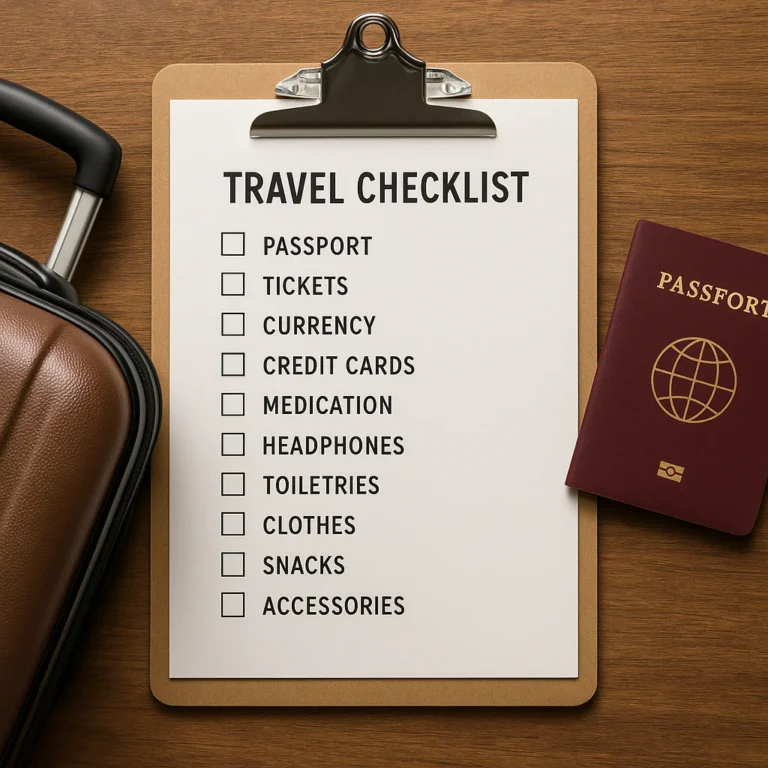
- Passport or government-issued identification
- Visa or entry documents, if required
- Tickets, booking confirmations, and itinerary details
- Travel insurance information
- Driver’s license and any required permits
- Payment cards, a small amount of local currency, and wallet
- Emergency contacts and copies of key documents
- Student, workplace, or membership cards if useful
For international trips, verify entry requirements with official sources such as the U.S. Department of State and the destination’s government immigration site. Keep copies stored separately from the originals, and avoid putting all your payment methods in one place.
2. Carry-On Essentials and In-Flight Comfort
- Identification, wallet, phone, and travel documents
- Essential medication and a medication list
- Glasses or contact lenses
- Phone charger and permitted power bank
- Headphones or earplugs
- Reusable water bottle, empty before airport security if required
- A layer for chilly cabins
- Snacks suited to your journey and restrictions
- A change of essentials for longer journeys, when space allows
- Sleep mask, neck pillow, or other comfort items you genuinely use
The FAA’s PackSafe guidance explains how to pack common hazardous materials for flights. Check both the FAA and your airline before carrying batteries, power banks, or other restricted items.
3. Luggage, Packing Cubes, and Organization
- Suitcase, carry-on, backpack, or personal item suited to the itinerary
- Luggage tags, with appropriate contact details
- Packing cubes or small organizers
- Laundry bag or bag for damp clothing
- Reusable bag for shoes or dirty items
- Small lock, if appropriate for your luggage and destination
- Day bag for sightseeing or activities
Packing cubes help separate categories and make it easier to move items between bags. They’re not a space-saving miracle: the benefit is structure and access, not guaranteed extra capacity.
4. Clothing and Outfit Planning
Choose outfits around activities and weather. Give extra attention to comfortable shoes: the wrong pair can turn a scenic walking day into a negotiation with your feet.
Everyday Clothes and Mix-and-Match Basics
- Tops, bottoms, and layers that coordinate
- Clothing appropriate for local expectations and venues
- Comfortable outfits for travel days
- A warmer layer, even for destinations with warm daytime forecasts
- Clothes for any planned formal, religious, or work setting
Underwear, Socks, Sleepwear, and Activewear
- Underwear and socks
- Sleepwear
- Sports bra or other supportive garments, as applicable
- Activewear for planned workouts
- Extra clothing for specific activities or long travel days
Cold-Weather Layers and Warm-Destination Clothes
- Base layers and insulating layers for cold conditions
- Weather-appropriate outerwear
- Breathable clothing for hot or humid weather
- Sun-protective clothing for long outdoor days
- Gloves, scarf, or thermal accessories when forecast and activities call for them
Outerwear, Swimwear, and Special-Occasion Outfits
- Rain jacket or umbrella where useful
- Swimwear and cover-up for swimming or beach plans
- Quick-drying clothes for water activities
- Suitable outfit for booked events
- Protective layers for wind, sun, or snow as needed
For beach trip inspiration, browse our Beach Vacation Checklists. For trips built around trails, campsites, or outdoor activities, see Adventure Travel Checklists.
Shoes, Headwear, and Eyewear
- Comfortable walking shoes, already broken in
- Activity-specific footwear, if required
- Sandals or dress shoes only when your plans justify them
- Sun hat or warm hat, depending on conditions
- Sunglasses and prescription eyewear
- Contact lenses and supplies, if used
5. Toiletries, Skincare, and Personal Care
Bathroom Kit and Travel-Size Toiletries
- Toothbrush, toothpaste, and floss
- Deodorant
- Shampoo, conditioner, and body wash if you prefer your own
- Moisturizer and sunscreen
- Razor and shaving supplies, if used
- Hairbrush or comb
- Any personal hygiene products you rely on
- Reusable or leak-resistant toiletry pouch
Check current airport security rules before packing liquids in carry-on luggage. The U.S. Transportation Security Administration’s liquids guidance is specific to U.S. screening; other countries may apply different rules.
Makeup, Hair Care, and Grooming
- Makeup and remover, if used
- Hair ties, clips, or styling tools
- Nail clippers or grooming kit, subject to transport rules
- Hair dryer only if you need one and your accommodation won’t provide it
Jewelry and Accessories
- Everyday accessories and a small number of occasion-specific pieces
- Watch, belt, or scarf if useful
- Secure storage for valuable items
Consider leaving ireplaceable jewelry at home. A packing list should protect your peace of mind, not create a second job keeping track of valuables.
6. Electronics, Chargers, and Travel Adapters
- Phone and charger
- Laptop or tablet, if needed
- Charging cables matched to each device
- Power bank, following airline rules
- Plug adapter for your destination
- Headphones, e-reader, or other entertainment device
- Backup access to important tickets and bookings
For international travel, check the plug type and electrical requirements for your destination. A plug adapter changes the shape of the connection; it does not necessarily convert voltage. Confirm whether your devices support the local voltage before plugging them in.
7. Photography and Creative Gear
- Camera or action camera
- Batteries and chargers
- Memory cards
- Lens cloth and protective case
- Tripod or microphone if your plans justify carrying them
- Secure storage or backup plan for photos
Pack gear around what you expect to shoot. A heavy lens that stays in the hotel room all week is less useful than a lighter setup you actually take along.
8. Medication, First Aid, and Health Essentials
- Prescription medication in its original packaging when practical
- Medication list and prescription details
- Basic first-aid items suited to your trip
- Personal medical devices and their power supplies
- Glasses, contacts, hearing-aid batteries, or other daily-use supplies
- Health documents required for your destination or activities
Keep essential medication in your carry-on where possible, and check destination rules before traveling with prescription or controlled medicines. The CDC Travelers’ Health pages provide destination-specific health advice; consult a qualified clinician for personal medical guidance.
9. Useful Extras and Often-Forgoten Items
- Reusable shopping or laundry bag
- Pen and small notebook
- Umbrella or rain cover
- Books, playing cards, or another offline activity
- Snacks and a reusable water bottle
- Sewing repair kit, if you’ll use it
- Pet supplies, if bringing animal
- Child comfort item or other personal must-have
Don’t treat “miscellaneous” as a dumping ground. Give frequently forgotten essentials their own category, and remove the rest if it doesn’t serve the trip.
👨 👩 👧 Packing Lists for Different Travelers and Trips
Different travelers need different levels of detail. A solo traveler may want a compact list; a family may need separate checklists by person; an outdoor group may need a shared gear inventory.
Family Travel and Baby Packing Essentials
Create a separate list for each traveler, then add shared items. Consider diapers, wipes, feeding supplies, spare clothes, comfort items, child medication, and the equipment required by your plans. Check airline and destination rules for car seats and other child equipment before departure.
A separate “carry-on essentials” list for children can save a long flight from becoming a search party for the one beloved toy.
Business Travel and Work-From-Anywhere Gear
- Work-appropriate clothing and comfortable travel-day outfits
- Laptop, charger, headphones, and necessary adapters
- Presentation materials or meeting documents
- Backup access to important files
- Work-from-anywhere essentials such as a hotspot, if appropriate
For longer remote-work trips, see our Digital Nomad Checklists and consider whether your accommodation, connectivity, and work setup meet your real needs.
Solo Travel and Long-Term Travel
Solo travelers benefit from a concise valuables-and-documents checklist and a clear separation of essential items across bags. Long-term travelers should build around laundry access, replacement availability, climate changes, and the activities that recur—not pack a fresh outfit for every conceivable day.
For extended trips, browse our Backpacking Checklists and Budget Travel Checklists.
Weekend Getaways and One-Bag Travel
A short trip can still produce an oversized suitcase if you pack “options” instead of outfits. Choose a small set of clothes that work together, limit duplicate toiletries, and keep the list focused on the itinerary. Before leaving, confirm that all planned items fit the bag you intend to carry.
Running, Hiking, Camping, and Outdoor Adventures
Make activity gear its own list: clothing, shoes, protective equipment, navigation, lighting, hydration, and any required safety items. Match the list to the actual route and conditions, and check the guidance of the park, outfitter, or event organizer.
Our Adventure Travel Checklists can help you build from a trip-specific starting point. Camping lists deserve special care because forgetting a comfort item is inconvenient, while forgetting essential safety gear can be more serious.
Beach Holidays and Sun Destinations
Consider swimwear, a cover-up, sun protection, sandals, a reusable water bottle, and a bag for wet items. For activities like snorkeling or boating, check whether equipment is supplied and whether you prefer to bring personal gear.
See our Beach Vacation Checklists for more trip-specific planning.
Ski Trips and Cold-Weather Destinations
Create separate clothing and equipment sections. Include layers, gloves, weather-appropriate footwear, and any sport-specific protective equipment required by your plans. If renting equipment, confirm what’s included before packing bulky duplicates.
Golf, Scuba Diving, and Activity-Specific Trips
For specialized activities, work backward from the operator’s requirements. Ask what is supplied, what must fit transport limits, and what you’ll want for comfort or fit. Don’t assume standard travel gear is suitable for technical or safety-critical activities.
🌍 Special Considerations for International Travel
International trips add a few details worth checking before the suitcase comes out. Rules vary by destination and can change, so prioritize official sources over old forum posts.
Passport, Visas, and Entry Requirements
Check passport validity, visa requirements, and entry conditions with the destination government and relevant official travel advisories. Store confirmations where you can access them offline, and carry documents in a secure, accessible location.
Prescription Medicines and Health Documents
Rules for medicines vary by country. Check the destination’s official guidance and consult your clinician or pharmacist about documentation and storage needs. The CDC Travelers’ Health site provides country information and health recommendations.
Power Plugs, Connectivity, and Offline Access
List the devices you’ll use, then match each to a cable, adapter, and charging plan. Download maps, booking confirmations, and essential travel information before departure in case you lose data access.
Cultural Dress Codes and Local Etiquette
Research clothing expectations for religious sites, formal venues, and local settings. A light scarf or versatile cover-up may be useful in some destinations, but check the specific site’s rules rather than guessing.
🧳 Smart Packing Strategies: Save Space Without Forgeting Essentials
Create a Capsule Wardrobe for Travel
Choose a small palette of pieces that coordinate, then plan outfits around your itinerary. One versatile layer can work for transport, cool evenings, and air-conditioned spaces. The goal is not to make every item match every other item; it’s to reduce lonely clothes that work with nothing else.
Choose Lightweight, Versatile Items
Prioritize items that serve a real purpose and work across several planned situations. Wear your bulkiest suitable footwear or outer layer during transit when comfortable, but don’t dress so impractically that the travel day becomes miserable.
Pack Toiletries and Liquids Safely
- Check current security restrictions for your departure airport.
- Seal liquids to reduce leaks.
- Put toiletries in a pouch that can be removed or reached easily.
- Consider solid alternatives when they suit your routine.
- Verify rules for any medical liquids or special supplies with the relevant authority.
Keep Valuables and Essentials Close
Keep travel documents, essential medication, and items you can’t easily replace accessible. Separate critical documents and payment methods where practical. Don’t pack every essential in a single checked bag.
🔄 Pre-Trip Preparation and the Final Packing Check
A Week Before Departure
- Check destination conditions and official travel information.
- Confirm your itinerary, accommodations, and transport details.
- Review carrier baggage restrictions.
- Refill or arrange necessary prescriptions.
- Check that activity gear works and fits.
The Day Before You Leave
- Pack items you won’t need before departure.
- Charge devices and confirm the right cables are packed.
- Check off documents, medication, and valuables.
- Leave space for items you’ll pack in the morning.
- Review any last-minute forecast changes.
Just Before You Leave Home
Do a final scan of the essentials: identification, wallet, phone, medication, keys, and any required travel documents. Confirm the stove, windows, lights, plants, mail, and pet-care arrangements as appropriate. The packing checklist gets you out the door; the home checklist helps you leave without wondering all the way to the airport whether you locked up.
📱 Travel Packing List Apps, Templates, and Tools
Digital Packing List Apps
A packing app can help with reusable lists, quantities, reminders, trip details, and packing status. Features and privacy practices differ, so check the current app-store listing and developer information before entering personal data.
Packr Travel Packing List is an Apple-platform app that the App Store describes as helping users create trip-specific lists based on details such as destination, dates, weather, and activities. Its listing also describes custom lists, item quantities, notes, sharing, printing, offline support, and TripIt import. Features can change, so verify current availability and requirements in the App Store listing.
The supplied listing summary reports that users praised the design and found the weather context helpful for deciding what to pack. Other reviews requested clearer list-editing behavior, reminders, flight details, and easier family sharing. Those contrasting experiences make sense: an app can streamline the checklist, but it can’t know every personal preference without your input.
The listing also states that the app offers in-app purchases and describes data handling details in its privacy section. Review the current privacy information yourself before syncing trips or personal content.
Printable and Spreadsheet Packing List Templates
A printable list is ideal when you want to pack without opening a phone. A spreadsheet is useful when you want quantities, several travelers, or trip comparisons. Either can work well if it has room for custom items and a simple way to mark progress.
How to Keep Your List Useful for Future Trips
After returning, spend five minutes on a post-trip review:
- Remove items you never used, unless they were vital emergency supplies.
- Add anything you needed and didn’t bring.
- Update quantities based on laundry and actual use.
- Note which items were uncomfortable, redundant, or hard to carry.
- Save the improved list as a new version or update your master copy.
Some apps, including Packr according to its App Store description, can adapt lists based on prior trips. That may help with recurring patterns, but your own short debrief is still the most reliable record of what you personally used.
❌ Common Packing List Mistakes to Avoid
- Copying a generic list without editing it: A comprehensive list can be a useful starting point, but it may include gear that has no place on your itinerary.
- Packing for imagined activities: If you don’t plan to run, don’t pack running gear merely because a list has a “running” category.
- Ignoring bag placement: A necessary item can still be inaccessible if it’s packed in the wrong bag.
- Forgetting charger compatibility: Match cables and adapters to the devices you’re actually taking.
- Treating packing cubes as extra luggage: They organize; they don’t cancel baggage limits.
- Packing full-size toiletries by default: Check accommodation amenities and transport rules first.
- Putting every essential in checked baggage: Keep critical items accessible and check your carrier’s rules.
- Failing to update the master list: A checklist should improve after every trip, not fossilize after its first use.
- Overcomplicating the system: If you spend longer managing the checklist than using it, simplify it.
❓ Frequently Asked Questions About Personalized Packing Lists
How do you create a personalized travel packing list?
Start with a reusable master list, then duplicate it for each trip. Add your destination, dates, forecast, activities, accommodation details, transport rules, and personal requirements. Organize items by category or traveler, set realistic quantities, and note which bag each item belongs in. Finish with a separate check for documents, medication, valuables, and other essentials.
The best list is not necessarily the longest one. It’s the one that reflects your trip and makes it easy to confirm what is packed.
What should I pack for a trip based on my destination and activities?
Use the forecast and itinerary as your starting point. Add clothing for expected conditions, then include gear for booked or likely activities—such as walking shoes, swimwear, work clothing, or outdoor equipment. Check local dress expectations, accommodation amenities, laundry access, and carrier baggage rules. For specialized activities, confirm equipment and safety requirements with the operator.
Is there an app that creates a customized travel packing checklist?
Yes. Packr Travel Packing List is one option for Apple devices; its listing describes trip-based lists, weather and activity inputs, custom items, quantities, sharing, and offline features. Other travelers may prefer a notes app, spreadsheet, Trello board, or printable checklist. Compare the features you need, device compatibility, offline access, and privacy information before choosing.
How can a travel checklist app help me avoid forgetting essential items?
An app can keep reusable lists, group items into categories, track what’s packed, and flag essentials you use on every trip. Some apps also support reminders, quantities, notes, or separate lists for travelers and bags. But the app only helps if you personalize it: add your medication, accessibility needs, chargers, children’s comfort items, or anything else a generic catalog may miss.
How many outfits should I pack for a trip?
There’s no universal number. Base clothing quantities on trip length, planned activities, weather, laundry access, and whether your outfits can be mixed and matched. Plan the outfits you expect to wear, add activity-specific changes where needed, and avoid packing a separate look for every hypothetical occasion.
Should I use a packing app or a printable checklist?
Use the format you’ll reliably review. An app is convenient for reuse, edits, and checking items off on the go; paper is simple, visible, and doesn’t depend on battery or connectivity. A spreadsheet offers more control for complex trips. You can also combine them: maintain a digital master list and print the trip-specific version.
What are the most commonly forgotten travel essentials?
Travelers often realize late that they haven’t packed chargers, medication, glasses, travel documents, or items they use right up until departure. Your personal “most forgotten” list may be different. After each trip, add anything you needed but left behind, and mark daily-use items as “pack last” so they don’t vanish into the suitcase too early.