Support our educational content for free when you purchase through links on our site. Learn more
How to Prioritize Your Travel Checklist: 10 Steps ✈️

To make the most of your pre-trip preparation time, tackle tasks by deadline, consequence, and lead time—not by how easy or enjoyable they feel. Check documents, entry rules, health needs, and essential bookings first; save optional activities and last-minute packing for later.
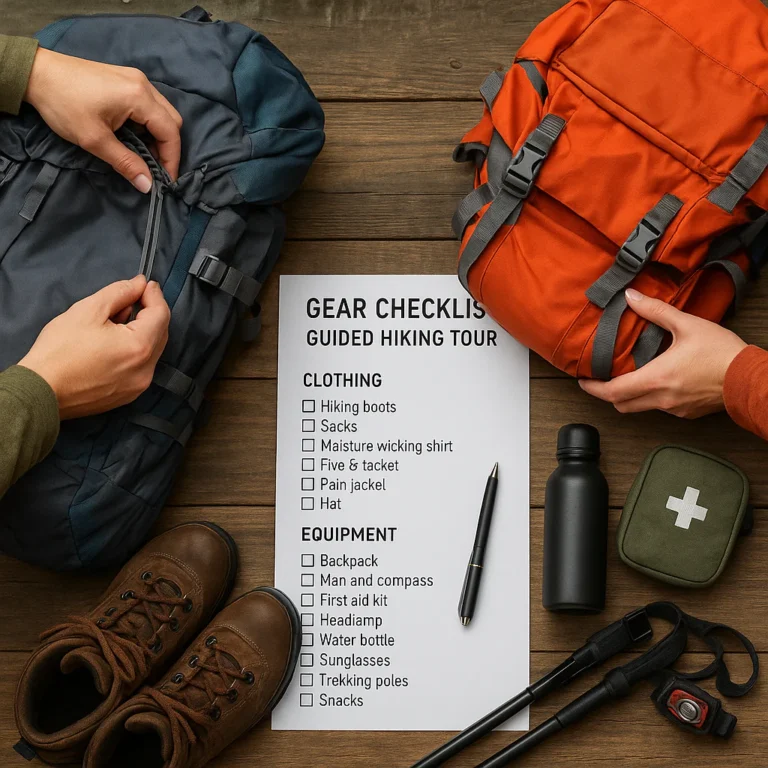
When we planned a hiking trip, one of us had a beautifully organized packing list and hadn’t checked whether the route required a permit. The lesson: a tidy checklist only helps if the highest-risk tasks are at the top.
So, how can I prioritize tasks in a travel checklist to make the most of my pre-trip preparation time? Build one trip-specific list, mark deadlines, assign an owner to shared tasks, and review it regularly. That leaves less room for last-minute surprises—and more room to decide which snacks deserve a seat in your carry-on. 🥨
Key Takeaways
- Prioritize by deadline, consequence, and lead time. Handle tasks that could delay travel or require processing first.
- Start with documents, entry requirements, health needs, and essential bookings.
- Use one checklist, grouped by category, with clear due dates and task owners.
- Schedule preparation across your timeline instead of leaving everything for departure week.
- Pack for your actual destination, forecast, and activities; keep optional purchases and plans at the bottom of the list.
- Review and confirm before departure. Every critical task should be done, confirmed, or assigned a firm deadline.
Table of Contents
- ⚡️ Quick Tips and Facts: Prioritize Your Travel Checklist
- 🧭 Why Travel Checklist Prioritization Saves Time and Stress
- 🧠 Background: How to Plan Pre-Trip Tasks Around Deadlines and Risk
- 📋 Build a Travel Checklist That Fits Your Trip
- Start with Your Destination, Dates, and Travel Style
- Choose a Paper, Digital, or Shared Checklist
- Group Tasks by Category and Who Owns Them
- 🚦 The 10-Step System for Prioritizing Pre-Trip Tasks
- 1. List Every Task Before You Rank It
- 2. Mark Fixed Deadlines and Booking Windows
- 3. Put Passport, Visa, and Entry Rules First
- 4. Secure Flights, Lodging, and Essential Transport
- 5. Handle Health, Medication, and Travel Insurance
- 6. Protect Your Money, Documents, and Digital Access
- 7. Arrange Home, Pet, and Work Responsibilities
- 8. Plan Packing Around Weather and Activities
- 9. Add Nice-to-Have Plans After Essentials
- 10. Review, Reorder, and Confirm Before Departure
- 🔢 How to Score Tasks by Urgency, Impact, and Effort
- The Deadline-Risk-Effort Priority Matrix
- Must-Do, Should-Do, and Could-Do Tasks
- What to Do When Two Tasks Sem Equally Urgent
- 🗓️ A Pre-Trip Preparation Timeline That Works
- Several Months Before Departure
- Four to Eight Weeks Before Departure
- One to Three Weeks Before Departure
- The Final Week and the Day Before Travel
- Departure-Day Checklist
- 🛂 Documents, Visas, and Entry Requirements to Prioritize
- Passport Validity, Visas, and Transit Rules
- Copies, Backups, and Emergency Contacts
- International Driving Permits and Special Documents
- 💉 Health, Medication, Safety, and Travel Insurance
- Vaccinations, Prescriptions, and Destination Health Advice
- Travel Insurance and Emergency Coverage
- A Practical First-Aid and Safety Checklist
- ✈️ Flights, Accommodation, Transport, and Reservations
- Check Names, Dates, Baggage, and Connection Times
- Confirm Lodging, Transfers, and Ground Transport
- Decide Which Activities Need Advance Booking
- 💳 Money, Phone, Apps, and Digital Trip Prep
- Cards, Cash, Banking Alerts, and Spending Plans
- Phone Plans, Offline Maps, and Essential Travel Apps
- Passwords, Chargers, Backups, and Device Security
- 🧳 Packing Priorities: What to Pack First and What Can Wait
- Make a Destination-Specific Packing List
- Prioritize Essentials, Weather Gear, and Activity Clothing
- Carry-On Items, Checked Bags, and Restricted Items
- Avoid Last-Minute Overpacking
- 🏠 Home, Pets, Work, and Other Before-You-Go Tasks
- Secure Your Home and Arrange Mail or Plant Care
- Organize Pet Care and Family Responsibilities
- Set Work Handoffs and Out-of-Office Messages
- 📱 Best Travel Checklist Apps and Planning Tools
- Digital Checklist Features Worth Using
- Shared Checklists for Families and Group Trips
- When a Printable Travel Checklist Is Better
- ⏱️ How to Prioritize Tasks When You Have Very Little Time
- The One-Hour Pre-Trip Triage
- What to Delegate, Automate, or Skip
- A Last-Minute Essentials-Only Checklist
- ⚠️ Common Travel Checklist Prioritization Mistakes
- ✅ Final Pre-Trip Checklist Review
- ❓ Frequently Asked Questions About Prioritizing Travel Checklist Tasks
- Which travel tasks should I do first?
- How far in advance should I start preparing for a trip?
- How do I decide what can wait until the last minute?
- How can I make a travel checklist less overwhelming?
- 🏁 Conclusion
- 🔗 Recommended Links
- 📚 Reference Links
⚡️ Quick Tips and Facts: Prioritize Your Travel Checklist
If you’re building a checklist from scratch, our guide to customizing a travel checklist template can help tailor it to your destination, travel style, and available prep time.
The fastest way to prioritize pre-trip tasks is to sort them by deadline, consequence, and how long they take. A passport or visa issue can stop a trip; deciding which book to bring usually can’t. 📚
| Priority | What belongs here | Why it comes first |
|---|---|---|
| Critical | Passport, visa, entry rules, essential medication, time-sensitive permits | Missing these can delay, disrupt, or prevent travel |
| High | Flights, accommodation, airport transfers, insurance, pet or home care | Availability and coordination can worsen as departure approaches |
| Medium | Packing, local transport, phone access, money setup, key reservations | These matter, but usually have workable backup options |
| Low | Optional activities, extra outfits, entertainment, souvenirs | Nice to have; rarely worth derailing essential preparation |
Keep these rules in view:
- ✅ Do the task with the longest lead time first, even if it seems small. Visa and permit processing may take time.
- ✅ Separate planning from packing. Handle bookings, research, and paperwork early; leave only genuine last-minute items for the final day.
- ✅ Use one trusted checklist, not six competing notes apps and a receipt-covered kitchen counter.
- ✅ Build in a buffer for tasks involving another person, an agency, a doctor, or a delivery.
- ❌ Don’t rank tasks by how satisfying they feel. Buying packing cubes is fun; confirming your passport validity is more useful.
- ✅ Adapt a checklist from a similar trip rather than starting over. Andrew Skurka recommends reusing trip plans and lists, then changing them for the destination and conditions (efficient backpacking trip planning).
One useful test: If this task is unfinished the night before departure, what could realistically go wrong? That question tends to move the right tasks to the top.
🧭 Why Travel Checklist Prioritization Saves Time and Stress
A travel checklist is more than a packing list. It’s an external memory for bookings, documents, health needs, home arrangements, and all those small details that become surprisingly loud at 11 p.m. before a flight.
Backpacking expert Andrew Skurka says, “I could never keep this information in my head — too many small details.” His point applies to a weekend city break as much as a remote trek: recording tasks gives you a reliable way to see what’s done and what still needs attention (Skurka’s planning advice).
What prioritizing actually does
Good prioritization helps you:
- Protect against high-consequence omissions, such as missing travel documents or a medication refill.
- Use lead time wisely, especially when applications, appointments, or other people are involved.
- Prevent last-minute pileups by spreading work across several weeks.
- Spend less time rechecking, because task status and documents live in one place.
- Keep optional decisions optional, rather than letting them crowd out essentials.
We learned this the slightly embarrassing way: one of us had a perfectly color-coded packing list for a hiking trip and had not yet confirmed whether the trail required a permit. The list looked great. The trip plan needed a little more wilderness-proofing.
Prioritize by consequences, not vibes
An easy task is not always an important task. A hard-to-ignore task is not always urgent. Use this quick comparison:
| Question | If the answer is yes… |
|---|---|
| Does this have a firm deadline? | Put it on the calendar and start early |
| Could missing it prevent travel or create a safety problem? | Give it critical priority |
| Does someone else need to complete or approve it? | Add extra lead time and a follow-up reminder |
| Can it be done in five minutes with no dependencies? | Batch it with other quick tasks |
| Is it optional and easy to change later? | Keep it below the essentials |
For travelers heading into the backcountry, the consequences can include permit availability, route plans, and safety communications. Browse our Adventure Travel Checklists for trips where a forgotten detail is more than a mild inconvenience.
🧠 Background: How to Plan Pre-Trip Tasks Around Deadlines and Risk

The best preparation systems share a simple idea: do tasks when they are possible and useful, not merely when they become visible.
Skurka advises separating advance preparation from final packing. In his words, “I’m only packing at that point, not still packaging food, finalizing gear lists, or reserving backcountry permits.” That’s a strong rule for any trip: by the last day or two, you should be finishing tasks that truly require last-minute attention, not starting the entire operation (Skurka’s trip-planning article).
The difference between urgency and lead time
A task can be important long before it feels urgent:
- Passport renewal: not urgent when you first think of it, but potentially time-consuming.
- Prescription refill: may need a clinician or pharmacy, so it deserves an early check.
- Weather-dependent packing: can wait until the forecast is useful.
- Toiletries you use daily: usually belong near departure.
- Airport ride: easy to forget until everyone else has made plans.
The CDC recommends checking destination-specific health information and arranging travel-health advice ahead of time when appropriate (CDC Travelers’ Health). Official entry requirements should also be checked with the destination’s government or embassy; rules can vary by passport, route, and purpose of travel.
A note on personal capacity and medical travel
Some trips involve treatment, recovery, disability, or other health needs. In those cases, “do everything earlier” is not enough. Prioritize around your capacity, ask for help, and confirm care instructions with the clinical team. A patient account from Jen MacKenzie emphasizes planning ahead, keeping medical records organized, preparing a companion advocate, and arranging travel that reduces strain (Patient talk: Logistics of care and aftercare). It is an individual experience, not medical advice; follow your own care team’s instructions.
📋 Build a Travel Checklist That Fits Your Trip
A good checklist is specific enough to be useful and short enough that you’ll actually open it. Think of it as a trip dashboard, not a museum of every item you have ever packed.
Start with Your Destination, Dates, and Travel Style
Before adding tasks, record:
- Destination and any transit countries
- Departure and return dates
- Trip type: city break, beach holiday, work trip, road trip, or backcountry travel
- Weather range and expected activities
- Travelers’ needs, including children, mobility requirements, or medication routines
- Fixed bookings, application deadlines, and arrival times
Then add only tasks relevant to that trip. A beach week may need reef-safe sun protection and a swimwear check; a hut-to-hut hike may need permits, route research, and a gear shakedown. Our Beach Vacation Checklists and Backpacking Checklists are useful starting points.
Travel writer James Clear makes a related point: the aim is not to pack the fewest possible things, but “the optimal amount of things” for the trip. Destination, weather, and actual use matter more than minimalist braging rights (Ultralight Travel).
Choose a Paper, Digital, or Shared Checklist
| Format | Best for | Drawbacks |
|---|---|---|
| Travel Checklist™ app or another checklist app | Reminders, repeat trips, shared tasks, phone access | Needs a charged device; features vary |
| Google Sheets or Excel | Flexible planning, sorting, custom columns | Can become cluttered without a clear structure |
| Notes app | Quick personal lists and simple trip notes | Easy to bury tasks; reminders may be limited |
| Printable checklist | Offline use, visual overview, family packing | Updates and task assignments are less convenient |
| Paper planner | Travelers who like writing and seeing the whole plan | Less suitable for shared, changing itineraries |
Whatever you choose, keep one source of truth. If your flight confirmation is in email, your checklist is in an app, and your passport note is on a sticky note, you have a scavenger hunt—not a system.
For digital nomads juggling connectivity, work handoffs, and travel logistics, see our Digital Nomad Checklists.
Group Tasks by Category and Who Owns Them
Organize the checklist into practical categories:
- Documents and entry requirements
- Transport and accommodation
- Health and insurance
- Money and phone access
- Packing and equipment
- Home, pets, work, and dependents
- Final confirmations and departure-day actions
For a shared trip, assign an owner to each task. “Arrange airport ride” is vague; “Maya confirms the airport ride by Thursday” is actionable. Shared lists work best when every task has one responsible person, even if others help.
🚦 The 10-Step System for Prioritizing Pre-Trip Tasks
Here’s the repeatable system we use: list, date, rank, schedule, and review. It’s not glamorous, but neither is explaining to an airline why your passport is in a desk drawer at home.
1. List Every Task Before You Rank It
Start with a quick brain dump. Include large tasks and small ones:
- Check passport and entry requirements
- Book transport and accommodation
- Confirm medical needs and prescriptions
- Arrange pet care
- Check baggage rules
- Pack and charge devices
- Set work handoffs or an away message
- Share itinerary with a trusted contact
Don’t sort as you write. The point is to get tasks out of your head before you start deciding what matters most.
2. Mark Fixed Deadlines and Booking Windows
Add the deadline, not just the task. “Apply for visa” is less helpful than “Submit visa application by 14 May.” Include the time needed for processing, delivery, appointments, or another person’s reply.
If you’re planning a trail trip, permits and reservations may be constrained by availability. Skurka’s advice to reserve permits well in advance is especially relevant when access is limited (backpacking preparation guidance).
3. Put Passport, Visa, and Entry Rules First
Check passport validity, visa needs, transit conditions, and any destination-specific entry requirements early. Use official government sources—not a three-year-old social post confidently written beside a pool.
For U.S. citizens, start with the U.S. Department of State’s international travel information. Travelers of other nationalities should consult their own government’s travel advice and the destination’s official immigration authority.
4. Secure Flights, Lodging, and Essential Transport
Confirm the basic travel chain:
- Flight or train dates and passenger names
- Arrival airport or station
- Accommodation dates and check-in instructions
- Airport transfer or rental-car plan
- Connection time and onward transport
- Parking, drop-off, or pickup arrangements
Check confirmations for spelling, dates, baggage allowance, and cancellation terms. If a trip depends on a permit or a specific transfer, book and confirm those before optional dinners or tours.
5. Handle Health, Medication, and Travel Insurance
Review routine and trip-specific health needs early. Ask a clinician or pharmacist about prescription supply, storage, time-zone schedules, and destination restrictions. CDC guidance recommends researching health risks and preventive steps for your itinerary (CDC Travelers’ Health).
Consider travel insurance based on your trip, health needs, and risk tolerance. Read the policy terms closely: coverage, exclusions, pre-existing-condition rules, and emergency assistance vary. The U.S. Department of State travel insurance guidance explains why travelers should understand medical and evacuation coverage before departure.
6. Protect Your Money, Documents, and Digital Access
- Check that cards work for your destination and that you can access your bank account.
- Record bank and insurer contact details securely.
- Save digital copies of key documents in a protected account.
- Keep a separate, accessible copy of essential information.
- Confirm you can access two-factor authentication while abroad.
The U.S. State Department recommends leaving copies of travel documents with someone you trust and keeping copies separate from originals (travel document safety).
7. Arrange Home, Pet, and Work Responsibilities
Set up anything that depends on another person early:
- Pet sitter, boarding, or feeding schedule
- Plant care and mail arrangements
- Home access and emergency contact
- Bill payments due during the trip
- Work coverage, handoffs, and out-office settings
- Childcare or caregiving backup
Write instructions clearly. “The cat gets fed” is less useful than “Feed the cat at 7 a.m. and 6 p.m.; food is in the pantry.”
8. Plan Packing Around Weather and Activities
Make a list based on the forecast range and itinerary, then review it again close to departure. Bring gear for activities you’ll actually do, not the imaginary version of the trip where you spontaneously become a mountainer.
Clear recommends reducing weight without sacrificing usefulness or comfort, and adjusting clothing to conditions rather than packing for every theoretical possibility (Ultralight Travel). For adventure-specific gear, see Adventure Travel Checklists.
9. Add Nice-to-Have Plans After Essentials
Once critical tasks are secure, add:
- Restaurant bookings
- Optional tours and museums
- Shopping or souvenir plans
- Extra entertainment
- Nonessential gear upgrades
The order matters. An optional reservation can be exciting, but it should not displace a passport check or a time-sensitive medical appointment.
10. Review, Reorder, and Confirm Before Departure
Set a short review time once a week, then increase checks as departure approaches. Mark tasks done, scheduled, waiting, or blocked. A “waiting” task should have a follow-up date; otherwise, it’s just a task wearing a disguise.
🔢 How to Score Tasks by Urgency, Impact, and Effort
When everything feels important, use a simple score. Rate each task from 1 to 3 on deadline, consequence, and lead time:
- Deadline: 1 = flexible, 3 = fixed or imminent
- Consequence: 1 = minor inconvenience, 3 = could disrupt travel or safety
- Lead time: 1 = instant, 3 = requires an appointment, processing, or another person
Add the scores. Higher totals deserve earlier action.
| Task | Deadline | Consequence | Lead time | Total | Suggested priority |
|---|---|---|---|---|---|
| Check passport validity | 3 | 3 | 3 | 9 | Critical |
| Confirm pet sitter | 2 | 3 | 2 | 7 | High |
| Pack toiletries | 1 | 1 | 1 | 3 | Later |
| Choose an audiobook | 1 | 1 | 1 | 3 | Optional |
| Reserve a limited backcountry permit | 3 | 3 | 3 | 9 | Critical |
This is a decision aid, not a scientific measurement. If your judgment says a task deserves attention, trust the context. A medication issue can outrank a spreadsheet score.
The Deadline-Risk-Effort Priority Matrix
| High impact if missed | Low impact if missed | |
|---|---|---|
| Due soon | Do now: passport issue, airport ride, essential medication | Batch quickly: download maps, confirm a flexible dinner |
| Due later | Schedule early: visa, permit, medical appointment | Defer or skip: optional shopping, extra entertainment |
Must-Do, Should-Do, and Could-Do Tasks
- Must-do: Required for travel, safety, or a fixed booking.
- Should-do: Strongly improves the trip or reduces a meaningful risk.
- Could-do: Nice but optional; remove it if time is tight.
We use this tiering when the checklist starts looking like a second job. A trip can be well prepared without pre-booking every meal and buying a specialized gadget for each possible weather condition.
What to Do When Two Tasks Sem Equally Urgent
Break the tie in this order:
- Choose the task with the longer lead time.
- Choose the task with the greater consequence if missed.
- Complete the shorter task first if it clears mental clutter without delaying the longer one.
- Delegate one task if another traveler can own it.
- Set a specific follow-up time for anything you cannot complete today.
🗓️ A Pre-Trip Preparation Timeline That Works
The exact timeline depends on destination, trip length, and your needs. The principle is steady: handle uncertain, time-sensitive, and externally dependent tasks early; keep daily-use items until later.
A video planning perspective referenced in this article uses a month-out, week-out, and final-days rhythm. That’s a helpful framework, but it should be adjusted for longer visa timelines, medical needs, permits, or complex trips.
Several Months Before Departure
- Check passport validity and official entry requirements.
- Research visas, transit rules, and any required permits.
- Consult a travel-health professional if your destination or health needs call for it.
- Book essential flights, accommodation, and high-demand transport.
- Confirm medical procedures or recovery plans with your care team, if relevant.
- Start a reusable trip checklist and identify who owns shared tasks.
Four to Eight Weeks Before Departure
- Confirm reservations and passenger details.
- Arrange pet care, home access, and work coverage.
- Review insurance options and policy details.
- Refill essential prescriptions with appropriate clinician guidance.
- Plan key activities that require reservations.
- Create a destination-specific packing list.
- Check whether you need an international driving permit; the American Automobile Association explains how U.S. drivers can apply.
One to Three Weeks Before Departure
- Review the weather and adjust the packing list.
- Check airline baggage and prohibited-item rules.
- Confirm airport transfers, lodging instructions, and activity bookings.
- Notify your bank or card issuer if its travel procedures require it.
- Download offline maps, tickets, and useful language resources.
- Make sure essential devices and chargers work.
- Share an itinerary and emergency contact details with someone you trust.
The Final Week and the Day Before Travel
- Pack most non-daily items and weigh or measure luggage against your carrier’s rules.
- Check in when available and save the boarding pass.
- Set aside documents and essential medication.
- Pay bills due while you’re away.
- Prepare pet and home instructions.
- Take out rubbish, deal with perishable food, and make the home departure-ready.
- Lay out your travel clothes and put bags near the exit.
The featured video’s advice to lay out everything and then cut down the pile is useful for overpackers. We’d refine it: remove duplicates and “maybe” items first, but don’t cut essential medication, weather protection, or gear required for an activity.
Departure-Day Checklist
Before leaving:
- ✅ Passport or required ID
- ✅ Phone, wallet, keys, tickets, and essential medication
- ✅ Charged phone and any required mobility or medical equipment
- ✅ Home locked and essential appliances checked
- ✅ Pet and plant arrangements confirmed
- ✅ Transport pickup confirmed
- ✅ Correct terminal or departure station checked
Keep items you need at security or during the journey accessible. Clear suggests placing airport-use items in easy-to-reach pockets rather than burying them in the main bag (Ultralight Travel).
🛂 Documents, Visas, and Entry Requirements to Prioritize
Travel paperwork is a classic “small task, enormous consequences” category. Check it well before packing.
Passport Validity, Visas, and Transit Rules
Verify:
- Passport expiry and condition
- Visa or electronic travel authorization requirements
- Entry and transit rules for every country on your route
- Required onward or return travel documentation
- Rules for traveling with minors, if applicable
Requirements depend on nationality, destination, and purpose. Confirm using official sources such as the U.S. Department of State or your own government’s travel authority. For a visa application, use the destination government’s official site and allow time for processing.
Copies, Backups, and Emergency Contacts
- Keep digital copies in a secure location.
- Store a separate paper copy if practical.
- Leave a copy of your itinerary and key documents with a trusted contact.
- Save embassy, insurer, airline, and accommodation contact details.
- Avoid keeping every backup in the same bag as the original.
The State Department’s travelers’ checklist recommends leaving copies of travel documents with someone at home and keeping copies separate.
International Driving Permits and Special Documents
If you intend to drive abroad, confirm whether an international driving permit is required or recommended, and whether your rental provider has additional rules. The AAA international driving permit information covers U.S. applicants; travelers elsewhere should check their licensing authority.
For medical travel, carry relevant instructions and records that your care team recommends. Jen MacKenzie’s patient account describes organizing after-visit summaries, medical timelines, medication details, and care contacts (patient logistics and aftercare). Confirm what you need with your clinician rather than relying on another traveler’s exact checklist.
💉 Health, Medication, Safety, and Travel Insurance
Health tasks can need appointments, approvals, or specialist advice, so they belong earlier than the toiletry bag.
Vaccinations, Prescriptions, and Destination Health Advice
- Check destination-specific health notices through CDC Travelers’ Health.
- Ask a clinician whether you need vaccines, preventive medication, or an updated routine prescription.
- Carry medication in original packaging where practical, and check destination rules for controlled or restricted medicines.
- Keep essential medication in your carry-on, subject to applicable security and transport rules.
- Pack a reasonable supply based on your clinician’s advice and trip duration.
Do not change medication doses or stop treatment to make packing easier. If crossing time zones, ask a clinician or pharmacist how to manage timing.
Travel Insurance and Emergency Coverage
Read the policy before purchase or departure. Check:
- Emergency medical treatment
- Medical evacuation, if relevant to the destination
- Trip cancellation and interruption
- Pre-existing-condition terms
- Exclusions for activities or specific circumstances
- Assistance contact methods while abroad
The State Department explains why travelers should consider health coverage and understand how their existing plan works overseas (health insurance abroad). Coverage varies by policy, so don’t rely on the word “comprehensive” without reading the details.
A Practical First-Aid and Safety Checklist
Bring supplies you know how to use and that suit the trip. James Clear’s packing guidance recommends a compact, practical kit rather than carrying an elaborate collection of items you may not understand (Ultralight Travel).
Consider, as appropriate:
- Personal prescription medications
- Bandages and blister care
- Any clinician-recommended items
- Insect protection suited to the destination
- Basic pain or allergy relief you already use safely
- Emergency contacts and insurance details
There is no universal first-aid kit. A remote trek, a family beach holiday, and a short city break have different needs. For more demanding itineraries, see Adventure Travel Checklists.
✈️ Flights, Accommodation, Transport, and Reservations
Travel arrangements form a chain: one wrong date or missed connection can make the rest of the itinerary woble.
Check Names, Dates, Baggage, and Connection Times
Review every booking for:
- Names matching the relevant travel document
- Correct dates and local time zones
- Airport or station codes
- Baggage allowance and restricted items
- Check-in deadlines
- Connection time and terminal changes
- Cancellation or change conditions
Check carrier rules directly, as baggage and check-in policies can differ. The TSA’s What Can I Bring? tool helps U.S. travelers check carry-on and checked-bag security rules.
Confirm Lodging, Transfers, and Ground Transport
Save the accommodation address, check-in window, access instructions, and contact method offline. Confirm how you’ll get from the airport or station, especially for late arrivals or destinations with limited public transport.
For car rentals, verify pickup location, required licence documents, insurance terms, and after-hours procedures. If you’re traveling on a budget, our Budget Travel Checklists can help keep transport and lodging tasks visible without turning the itinerary into a spreadsheet-themed novel.
Decide Which Activities Need Advance Booking
Book in advance when:
- Capacity is limited or entry is timed.
- You need a guide, permit, or specialist equipment.
- The activity is central to the trip.
- The season makes availability uncertain.
Leave flexible time around weather-dependent activities and travel days. Overbooking every hour can make the trip feel like a meeting calendar with better scenery.
💳 Money, Phone, Apps, and Digital Trip Prep
Digital preparation saves time only if it works when the signal doesn’t. Download what you need before the airport Wi-Fi starts asking for your email address.
Cards, Cash, Banking Alerts, and Spending Plans
- Check which cards are accepted at your destination.
- Confirm how to reach your bank if a card is blocked.
- Review foreign transaction and ATM conditions in your account terms.
- Arrange modest backup funds appropriate to your destination.
- Schedule bills due while you’re away.
- Store card and insurer contact details securely.
Some banks recommend notifying them of travel; others use automated fraud monitoring. Check your bank’s current instructions instead of assuming a travel notice is always necessary.
Phone Plans, Offline Maps, and Essential Travel Apps
Before departure:
- Check roaming, eSIM, or local SIM options.
- Download offline maps and translation resources.
- Save tickets, confirmations, and accommodation details for offline use.
- Install airline or rail apps if they support booking updates and boarding passes.
- Confirm ride-share or public-transport apps work in your destination.
Clear mentions tools such as Google Maps, Google Translate, airline apps, and Uber or Lyft as useful travel aids, while stressing that the right technology depends on the trip (Ultralight Travel). Check availability in your destination; one app’s “essential” status can vanish at the border.
Passwords, Chargers, Backups, and Device Security
- Charge devices and battery packs.
- Pack the correct plug adapter for your destination.
- Back up important files.
- Make sure you can access two-factor authentication.
- Use a screen lock and know how to locate or secure a lost device.
- Keep charging cables and adapters together.
A combined charger and battery can reduce the number of separate items, but only choose gear that matches your devices and travel needs. A compact bag is helpful; a dead phone with a perfectly optimized cable pouch is less so.
🧳 Packing Priorities: What to Pack First and What Can Wait
Packing is one part of preparation, not the entire show. Start the list early, but pack items you use every day near departure.
Make a Destination-Specific Packing List
Build your list from:
- Trip length and laundry access
- Forecast and likely temperature range
- Planned activities and dress requirements
- Carry-on or checked-bag limits
- Health, mobility, work, and accessibility needs
Reuse an old list if it fits, then edit it. Skurka recommends adapting previous gear lists to the destination, season, duration, and intensity rather than rebuilding from memory (efficient trip preparation).
Prioritize Essentials, Weather Gear, and Activity Clothing
Pack first on paper:
- Required documents and medication
- Clothing for the actual forecast
- Shoes suited to planned activities
- Weather protection
- Essential work, mobility, or medical equipment
- Chargers and adapters you need to stay connected
Clear advises choosing versatile items and not sacrificing comfort merely to save a small amount of space (Ultralight Travel). Our travelers agree: a lighter bag is great; a lighter bag that leaves you cold, blistered, or unable to work is not an upgrade.
Carry-On Items, Checked Bags, and Restricted Items
Put critical items and essentials you may need during the journey in your personal item, subject to security rules and airline policy. Check current restrictions for liquids, batteries, medication, and special equipment with the relevant airport security authority and carrier.
For U.S. departures, use the TSA item lookup. Rules differ by country and airline, so verify the rules for every departure point.
Avoid Last-Minute Overpacking
Try this edit:
- Remove duplicate-purpose items.
- Remove “just in case” gear without a clear scenario.
- Choose layers and versatile clothing where appropriate.
- Keep comfort and safety items that matter to you.
- Leave a little room for trip-specific purchases or souvenirs.
Clear’s rule is not “own nothing”; it is reduce weight without reducing usefulness. A smaller bag can help limit overpacking, but don’t choose a bag so small that essential gear must be left behind.
🏠 Home, Pets, Work, and Other Before-You-Go Tasks
The trip starts more smoothly when home life is not depending on a half-remembered text message.
Secure Your Home and Arrange Mail or Plant Care
- Lock doors and windows; check access arrangements.
- Arrange mail, package, plant, and rubbish plans.
- Set thermostats appropriately for your home and season.
- Unplug devices where suitable and safe.
- Share emergency contact details with a trusted person.
Organize Pet Care and Family Responsibilities
Give caregivers a written plan with:
- Feeding and medication instructions
- Vet or emergency contact details
- Keys and access instructions
- Schedule and backup contact
- Relevant routines and supplies
If you’re traveling with dependents or coordinating care, divide tasks clearly and leave extra time for handoffs.
Set Work Handoffs and Out-of-Office Messages
- Complete or hand off time-sensitive work.
- Set an out-office message if appropriate.
- Share escalation contacts.
- Download documents you’ll need offline.
- Decide whether work notifications should be limited during leave.
A quick note on a work calendar can save you from answering “Where’s that file?” from a beach chair with sand in your keyboard.
📱 Best Travel Checklist Apps and Planning Tools
A checklist app is useful when it reduces repeated thinking. It should make tasks visible, easy to update, and simple to share. The best app is the one you will keep current, not the one with the most elaborate dashboard.
Digital Checklist Features Worth Using
Look for practical features such as:
- Reusable lists for repeat trips
- Due dates and reminders
- Categories or labels
- Task assignment and sharing
- Offline access
- Notes, links, or document attachments
- Clear progress tracking
Travel Checklist™ is designed around checklist-based travel planning. Compare the features you actually need before moving your whole system: if your main problem is forgetting deadlines, reminders matter more than a dazzling color palette.
Shared Checklists for Families and Group Trips
For a group, add an owner and due date to every task. Keep shared tasks separate from personal packing items, and agree where final confirmations will be saved.
A group checklist is especially helpful for:
- Families packing for different ages
- Couples coordinating bookings and home tasks
- Friends splitting transport and activity planning
- Backpacking teams dividing gear and food preparation
For outdoor trips, our Adventure Travel Checklists can help keep route, equipment, and group responsibilities together.
When a Printable Travel Checklist Is Better
A printable checklist can better when you want:
- A quick visual overview
- An offline backup
- A paper list for children or caregivers
- A simple packing sheet without app setup
You can also combine formats: use an app for deadlines and shared tasks, then print a compact departure-day list. Just avoid maintaining two full versions; duplicated lists eventually disagree.
⏱️ How to Prioritize Tasks When You Have Very Little Time
Short on time? Skip perfect planning. Protect the essentials, handle dependencies, and reduce optional decisions.
The One-Hour Pre-Trip Triage
Use this sequence:
- Confirm travel is possible: documents, entry requirements, bookings, and departure details.
- Secure health essentials: medication, required equipment, and emergency contacts.
- Confirm the logistics chain: airport transport, accommodation, and arrival instructions.
- Handle people and home: pet care, caregiving, keys, and urgent work handoffs.
- Prepare the essential bag: documents, phone, wallet, medication, clothing, and chargers.
- Save confirmations offline: tickets, addresses, insurance, and booking references.
- Delegate or defer the rest: optional activities and nonessential purchases can wait.
If an application or required document is missing, contact the relevant official authority or provider immediately. A checklist can reveal a problem; it cannot turn a processing deadline into a teleportation device.
What to Delegate, Automate, or Skip
Delegate: pet care, airport ride coordination, shared packing, or home checks.
Automate: bill payments, calendar reminders, check-in alerts, and work messages.
Skip or defer: extra restaurant research, optional gear upgrades, and activities that are easy to arrange later.
A Last-Minute Essentials-Only Checklist
- Travel documents and required identification
- Wallet, cards, phone, and keys
- Essential medication and medical equipment
- Tickets and accommodation details
- Transport to the departure point
- Weather-appropriate clothing
- Charger and destination plug adapter
- Home, pet, and caregiver arrangements
⚠️ Common Travel Checklist Prioritization Mistakes
Treating every task as equally urgent
A list without priority is a queue where “buy travel-size shampoo” can stand beside “check visa requirements.” Add deadlines, consequences, and owners.
Leaving dependent tasks until the last minute
Permits, appointments, prescription refills, and care arrangements often involve someone else. Start early and set a follow-up date.
Packing before checking the itinerary
Packing for an imagined trip creates bulky bags. Check weather and activities first, then choose clothing and gear.
Making a giant list with no categories
A long list can be comprehensive and still be hard to use. Group tasks, hide or archive irrelevant items, and keep the current trip’s priorities visible.
Copying another traveler’s medical or packing list without adapting it
Personal stories can suggest useful questions, but they are not universal instructions. Follow your own clinician’s advice and your destination’s official requirements. For example, Jen MacKenzie’s aftercare account is valuable for understanding how one patient planned around recovery, but your care team should guide your individual travel plan (patient account).
Using too many planning tools
If tasks are split between messages, calendar alerts, notes, spreadsheets, and paper lists, the system can become harder than the trip. Keep one main checklist and link supporting information from it.
Overpacking “just in case” items
As Clear puts it, “You need less than you think you do.” That’s a useful reminder, not a command to leave important equipment behind. Pack for plausible needs, comfort, and safety—not every plot twist your imagination can write (Ultralight Travel).
✅ Final Pre-Trip Checklist Review
Do one last pass through the list. Every critical task should be done, confirmed, or assigned with a clear deadline.
| Check | Status question |
|---|---|
| Documents | Do passport, visa, ID, and entry rules match the itinerary? |
| Transport | Are departure details, connections, baggage rules, and transfers confirmed? |
| Accommodation | Do you have the address, access instructions, and check-in plan? |
| Health | Are medication, insurance, and care instructions ready? |
| Money and phone | Can you access funds, tickets, maps, and emergency contacts? |
| Packing | Does the bag suit the forecast, activities, and carrier rules? |
| Home and people | Are pet, home, work, and caregiving arrangements covered? |
| Backups | Are key confirmations available offline and shared with someone appropriate? |
Ask yourself: What is the one unfinished task that could still derail departure? Do that first. Then stop polishing the checklist and go enjoy the trip.