Support our educational content for free when you purchase through links on our site. Learn more
35 Essential Items for a Family Travel Checklist 🧳

The essential items for a family travel checklist are the things your family needs for comfort, safety, and the trip you’ve actually planned: travel documents, medication, suitable clothes, toiletries, chargers, snacks, and a few kid-approved comforts. Start with those basics, then add only what your destination and activities call for.
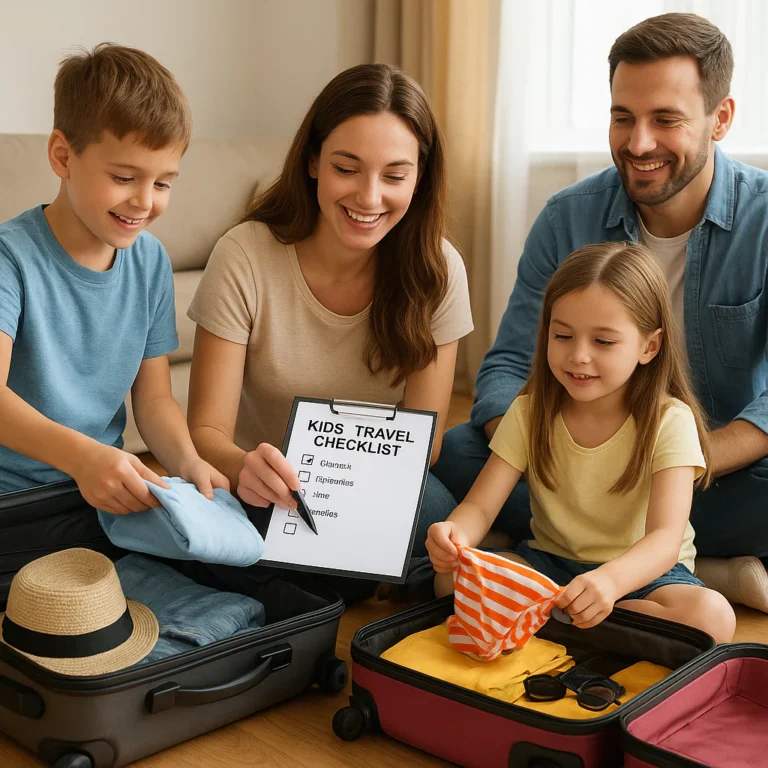
We’ve learned that family packing rarely goes sideways because someone forgot an extra sweater. It’s more often the everyday essential left on the kitchen counter: a passport, glasses, a favorite stuffed animal—or the charger everyone swore someone else packed. A shared checklist helps catch those little escape artists before you leave.
Key Takeaways
- Build one reusable master checklist, then customize it for your destination, weather, transport, and activities.
- Keep documents, essential medication, and valuables accessible rather than packing them in checked luggage.
- Pack clothes around the itinerary and laundry access to avoid hauling outfits nobody wears.
- Give children age-appropriate packing jobs, then have an adult check safety-critical items.
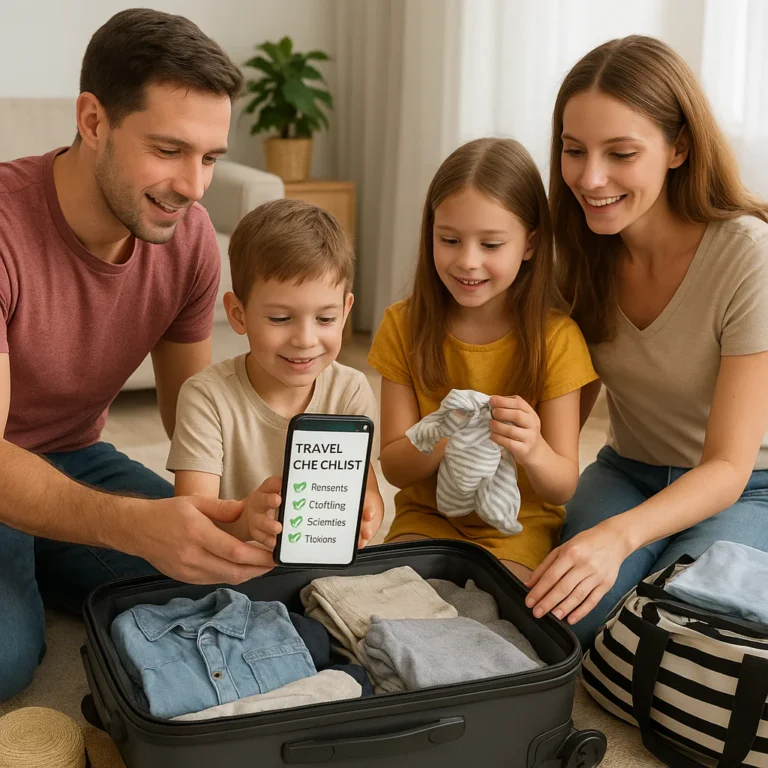
- Use a shared checklist app or printed list so everyone knows what’s packed and what still needs attention.
Table of Contents
- ⚡ Quick Tips and Facts for Family Travel Packing
- 🧳 Family Travel Packing: What to Plan Before You Pack
- 📝 How to Build a Practical Family Vacation Packing List
- ✅ Essential Items for Every Family Travel Checklist
- 👕 Clothing and shoes for the whole family
- 🧼 Toiletries and personal care essentials
- 🩹 First-aid kit, medicines, and health items
- 📄 Travel documents, money, and identification
- 🔌 Electronics, chargers, and travel tech
- 🎒 Snacks, comfort items, and entertainment
- 👶 What to Pack for Babies and Todlers
- Diapering, feeding, and sleep essentials
- Strollers, car seats, and baby travel gear
- 🧒 Packing for School-Age Kids and Teens
- 🧑 🧑 🧒 Parent Essentials: What Caregivers Should Pack
- ✈️ Family Carry-On Checklist for Flights
- Airport security, liquids, and medication tips
- Keeping kids comfortable on long flights
- 🚗 Road Trip Packing List for Families
- 🏖️ Beach Vacation Packing Checklist
- 🌍 International Family Travel Checklist
- Passports, entry rules, and travel insurance
- Adapters, connectivity, and destination-specific needs
- 🏕️ Packing for Camping, Cruises, and Outdoor Family Trips
- 🍂 Weekend Getaway and Seasonal Family Packing Lists
- 👗 How Many Outfits to Pack for a Family Vacation
- 🧳 Space-Saving Packing Tips for Traveling with Kids
- Packing cubes, shared bags, and carry-on strategies
- What to leave at home or borrow at your destination
- 🧺 Laundry on the Go: Keeping Family Travel Clothes Fresh
- 🛡️ Safety, Lost-Luggage, and Emergency Preparation
- 📋 Printable Family Travel Checklist by Bag
- ❓ Frequently Asked Questions About Family Travel Packing
- What should I pack for a family vacation?
- What belongs in a family travel carry-on?
- How do I pack for a weekend trip with kids?
- How can I avoid overpacking for family travel?
- 🏁 Conclusion
- 🔗 Recommended Links
- 📚 Reference Links
⚡ Quick Tips and Facts for Family Travel Packing
The family packing trick we swear by isn’t a bigger suitcase. It’s a shared checklist that tells everyone what’s packed, what’s still missing, and who’s responsible. For a child-focused starter list, see our guide to specific travel checklist items for families with children.
| Quick fact | What it means for your packing plan |
|---|---|
| Airline carry-on rules vary by carrier and route | Check your airline’s current carry-on baggage policy before packing bulky or restricted items. |
| The TSA 3-1-1 liquids rule applies to most carry-on liquids in the United States | Keep toiletries accessible, and verify rules with your departure airport and airline, especially for medicines and baby supplies. |
| Destination and activities change the list | Make a core list, then add a beach, road-trip, winter, or international travel module. |
| Kids can help without being given full packing autonomy | Let them check off their own items, then have an adult verify essentials, weather gear, and medications. |
| The most useful “extra” is often a spare outfit in the carry-on | A delay, spill, or luggage mix-up is less dramatic when everyone has a clean change of clothes. |
Our fast family packing formula: one shared master list + a trip-specific list + a carry-on list for each traveler. Keep your Travel Smoothly with Checklist App list easy to update, and packing becomes less “Has anyone seen the charger?” and more “Already checked.”
Five-minute pre-packing check
- Confirm the forecast and activities. Check weather close to departure, not just when you first book.
- Check documents and entry requirements. Verify passport validity and any destination-specific requirements through official government sources.
- Set aside medication and comfort essentials. These should not disappear into checked luggage.
- Assign each person a bag or packing zone. Label family bags clearly, especially when several look alike.
- Do a final checklist review before leaving. Check the house too: medications, chargers, glasses, and the beloved stuffed animal have a talent for hiding in plain sight.
🧳 Family Travel Packing: What to Plan Before You Pack
A family trip to a beach rental needs a different packing list from a city break with museum days and a long train ride. The reliable part is your core list; the adjustable part is everything tied to weather, transportation, lodging, and activities.
Start with the trip details
Before clothes come out of drawers, record:
- Who is traveling: adults, children, babies, and anyone with medical or accessibility needs.
- Where you’re going: destination, climate, and local customs.
- How long you’ll be away: include travel days, not just nights at your accommodation.
- How you’ll get there: flight, car, train, bus, ferry, or a mix.
- Where you’ll stay: hotel, rental, campsite, cruise ship, or with family.
- What you’ll do: swimming, hiking, formal events, snow play, or lots of walking.
- What’s available at your destination: laundry, towels, a crib, high chair, or basic toiletries.
That last point can save a surprising amount of space. A rental with a washer and dryer doesn’t need a suitcase full of outfits; a hotel without laundry access may call for a few more basics.
Separate essentials from “nice to have”
Use three simple categories:
| Category | Examples | Packing rule |
|---|---|---|
| Must-have | Passports, prescription medication, glasses, tickets, phone | Pack deliberately and keep critical items accessible. |
| Useful | Refillable water bottle, packing cubes, day bag, compact first-aid kit | Bring if they suit the trip and solve a real problem. |
| Optional | Extra shoes, multiple bulky toys, “just in case” outfits | Leave behind unless your itinerary gives them a job. |
We once watched a family unpack three pairs of dress shoes for a trip planned around playgrounds and casual restaurants. The shoes did not see daylight. Their swim goggles, however, were still on the kitchen counter. Packing for the itinerary beats packing for every imaginable scenario.
Check official rules before departure
For air travel, confirm the current rules for baggage size, liquids, batteries, strollers, and child restraints with your airline and relevant airport authority. The TSA’s traveling with children guidance covers U.S. screening procedures; other countries may have different requirements.
For international trips, check official passport and entry guidance. U.S. travelers can start with the U.S. Department of State’s international travel information. If you’re planning a more outdoors-focused itinerary, browse our Adventure Travel Checklists for activity-specific planning.
📝 How to Build a Practical Family Vacation Packing List
A useful family vacation checklist is not a giant inventory of every object your household owns. It’s a short, editable plan with clear owners and a final review.
Step-by-step: create a checklist your family will use
- Create one master list. Group items under clothing, toiletries, documents, health, electronics, and entertainment.
- Duplicate it for each trip. Keep the dependable basics; remove irrelevant items.
- Add trip-specific sections. Examples: beach gear, rain layers, camping equipment, or formalwear.
- Assign an owner. One adult checks documents, another handles medication, and kids can own age-appropriate items.
- Add a “pack by” date. Laundry, prescription refills, and charging devices are easier to manage ahead of time.
- Mark items as packed only when they’re physically in the bag. “I put it near the suitcase” is not a packing method.
- Review the checklist against your itinerary. If there’s no pool, perhaps the family doesn’t need four pool toys.
- Do a final essentials check before leaving home. Documents, medication, wallet, phone, keys, glasses, and comfort items get a last look.
Make the list collaborative, not mysterious
The Cozi Vacation Packing Checklist recommends adapting a shared checklist to the destination, weather, and planned activities. That’s sound advice: a family list works best when everyone can see what’s covered.
At Travel Checklist™, we also recommend keeping lists in a shared digital checklist or app so the person buying sunscreen can update the list before someone else buys a second bottle. If you prefer paper, print a copy and give each child a small section to check.
Our rule: adults retain responsibility for critical items, but kids can help pack familiar belongings. A child might check off pajamas and books; an adult should verify prescriptions and passports.
✅ Essential Items for Every Family Travel Checklist
Start with the basics, then tailor quantities to the length of the trip and access to laundry. The list below covers common family travel essentials, not a command to pack every line for every vacation.
👕 Clothing and shoes for the whole family
Pack clothes that work together and match the forecast. A small capsule wardrobe of coordinating tops, bottoms, and layers often beats a suitcase full of one-off outfits.
| Clothing category | Family packing checklist |
|---|---|
| Everyday clothes | Shirts, pants, shorts, skirts, dresses, or other comfortable outfits suited to the destination |
| Underlayers | Underwear, socks, bras, and any preferred base layers |
| Sleepwear | Pajamas or comfortable sleep clothes |
| Layers | Sweater, fleece, hoodie, or lightweight jacket |
| Weather protection | Rain jacket, sun hat, warm hat, gloves, or scarf as needed |
| Activity gear | Swimsuits, water shoes, hiking clothes, sportswear, or formal outfit if planned |
| Shoes | Comfortable walking shoes plus activity-specific footwear |
| Backup | One spare outfit per child in a carry-on or day bag |
Packing tip: Choose tops that pair with multiple bottoms. Darker or patterned pieces can hide travel-day smudges, while a few favorite items help kids feel comfortable away from home.
Some family packing guides recommend a couple of swimsuits so one can dry while another is worn. That can be useful for a pool-focused trip, but it’s not universal: a short weekend with no planned swim may need none at all.
🧼 Toiletries and personal care essentials
A toiletry kit can stay mostly ready between trips, but check expiration dates, leaks, and what needs refilling.
- Toothbrushes, toothpaste, and floss
- Hairbrush or comb and hair ties
- Shampoo, conditioner, and soap or body wash
- Deodorant and moisturizer
- Sunscreen and after-sun care as appropriate
- Hand sanitizer and tissues
- Contact lenses, solution, and glasses
- Personal hygiene products
- Shaving supplies or makeup, if needed
- Nail clippers or other personal-care items that suit the destination
Use leak-resistant bags for liquids and keep anything needed during the journey easy to reach. For carry-on liquids in the U.S., review the TSA’s current liquids guidance; international airport rules can differ.
🩹 First-aid kit, medicines, and health items
Bring the medicines your family relies on, in their original packaging where practical, along with the instructions you need to use them safely. Never pack essential medication only in checked baggage.
Consider:
- Prescription medicines and a copy of the prescription details
- Any routine medical devices and supplies
- Basic bandages and blister care
- A thermometer
- Common over-the-counter medicines appropriate for your family
- Motion-sickness supplies if recommended for your traveler
- Allergy medication and a written allergy plan, if relevant
- Hand wipes or sanitizer
- Health-insurance details and emergency contacts
Medication rules can differ across borders, so check official guidance before international travel. The U.S. Department of State offers country-specific information through its travel information pages. For specific medical advice, ask a healthcare professional rather than improvising a dosage on a moving bus.
📄 Travel documents, money, and identification
Keep essential documents secure and accessible. Depending on your trip, you may need:
- Government-issued identification and passports
- Airline, train, bus, or ferry tickets
- Lodging and car-rental confirmations
- Travel insurance information
- Emergency contacts
- Children’s relevant consent or custody documents, if applicable
- Payment cards and a backup payment method
- A small amount of local currency where useful
Store digital copies securely, but don’t rely on a phone alone. Keep a separate offline copy or another secure backup of key information. The U.S. Department of State’s passport guidance explains passport services for U.S. travelers; families from other countries should use their own government’s official passport authority.
🔌 Electronics, chargers, and travel tech
Bring only the devices your family will use, plus the charging gear they require.
- Phones and charging cables
- Wall adapters and a suitable multi-port charger
- Headphones, including child-sized options if needed
- Power bank, packed according to airline rules
- Camera or e-reader if part of your plan
- Device cases and any accessibility accessories
- International plug adapter for destinations with different outlets
For batteries and power banks, check your airline’s rules and the FAA’s PackSafe guidance. An adapter changes plug shape; a voltage converter is a different device. Check appliance labels before using electronics abroad.
🎒 Snacks, comfort items, and entertainment
A few familiar comforts can make a long travel day feel less like an endurance event.
- Refillable water bottles, filled after airport security where permitted
- Snacks suited to allergies, age, and destination rules
- Books, coloring supplies, small toys, or travel games
- Downloaded shows, audiobooks, or music
- A favorite sleep item or comfort object
- Small day bag for outings
- Zip-top bags for snacks, wet clothes, or small surprises
Check destination restrictions before carrying food across borders. The U.S. Customs and Border Protection guidance on bringing food into the United States is one example of why “it’s just a snack” may not settle the customs question.
👶 What to Pack for Babies and Todlers
Babies and toddlers need more frequent changes and familiar routines, but you don’t have to pack the entire nursery. Focus on feeding, diapering, sleep, transport, and a small buffer for delays.
Diapering, feeding, and sleep essentials
Pack according to your child’s usual needs and your access to shops or laundry:
- Diapers or pull-ups, plus wipes and disposal bags
- Changing pad and diaper cream, if normally used
- Feeding supplies and age-appropriate snacks
- Bottles, cups, bibs, or cleaning supplies as applicable
- Extra clothes for the child and a spare top for the caregiver
- Sleepwear and familiar sleep comfort item
- Small night-light or white-noise device if it supports your child’s routine
- Sunscreen or other skin-care items appropriate for the child’s age and medical guidance
For flights, review your airline and screening authority’s rules for baby food, milk, and feeding equipment before departure. The TSA’s traveling with children guidance describes U.S. screening procedures.
Strollers, car seats, and baby travel gear
Choose gear for the trip rather than bringing every option from home. Consider:
- Whether your accommodation provides a crib or high chair
- Whether your car rental includes a suitable child restraint
- Whether a compact stroller, carrier, or neither fits your itinerary
- How to transport and protect a car seat
- Whether the destination has uneven sidewalks, sand, stairs, or limited elevators
For car travel in the United States, the National Highway Traffic Safety Administration’s car-seat guidance can help families choose and use child restraints appropriately. Follow the seat and vehicle manufacturers’ instructions, and check airline policies before flying with a car seat.
Tiny-traveler reality check: the stroller that glides beautifully through the neighborhood may become a sand plow at the beach. Match wheels and carrying gear to the terrain.
🧒 Packing for School-Age Kids and Teens
Children who can read a list can help pack for themselves, with an adult doing the final check. One family-travel guide reports letting children begin packing from a checklist at around 6–7 years old, then reviewing their bags. That age is a practical example, not a universal milestone; readiness depends on the child.
Give each child a short, clear list:
- Number of everyday outfits based on trip length and laundry access
- Pajamas, underwear, and socks
- Weather layer and suitable shoes
- Toiletries and any regular health items
- Activity-specific clothing
- One comfort or entertainment item
- A small bag for the journey
Tens may want to add skincare, period supplies, sports equipment, or personal technology. Invite them to own those choices while making shared rules clear: essential medication and travel documents still need an adult check.
For school-age kids, a hat they choose themselves may stand a better chance of being worn than the perfectly sensible hat selected by a parent. It’s a small negotiation with a surprisingly high success rate.
🧑 🧑 🧒 Parent Essentials: What Caregivers Should Pack
Caregivers often pack for everyone except themselves. Add a parent-specific section to the shared list so your essentials don’t vanish beneath the toy pile.
- Daily medication, glasses, or contact-lens supplies
- Wallet, identification, and travel documents
- Phone, charger, and headphones
- Comfortable walking shoes
- Personal toiletries and health items
- A compact day bag
- A spare shirt for spills or unexpected kid-related mess
- Copies of emergency contacts and relevant insurance details
If two adults are traveling, split some essentials rather than placing every payment card, document, and charger in one bag. The featured travel-packing video also recommends separating backup cards and keeping document copies securely stored on a phone; see the video at #featured-video. Its general point is useful, but your own security needs and destination should guide how you carry valuables.
✈️ Family Carry-On Checklist for Flights
Your carry-on is the family’s delay plan, snack cupboard, and change-of-clothes drawer, all in one. Pack it so you can reach the essentials without unpacking the entire bag under a row of airplane seats.
Airport security, liquids, and medication tips
Before flying:
- Check your airline’s baggage allowance and cabin-bag dimensions.
- Review airport security rules for liquids, food, baby supplies, and medical items.
- Keep medicines and required medical supplies accessible.
- Pack chargers and batteries according to airline and aviation safety rules.
- Put passports, IDs, tickets, and booking details in a secure, easy-to-reach place.
For U.S. departures, use the TSA liquids rule, traveling with children guidance, and FAA PackSafe information. Rules outside the United States may differ.
Keeping kids comfortable on long flights
A family flight carry-on can include:
- One spare outfit for each child, plus a top for a caregiver
- Wipes, tissues, and a small number of diapers if needed
- Snacks that comply with airport and destination rules
- Empty refillable bottles, if appropriate for the airport
- Headphones and downloaded entertainment
- Small books, drawing supplies, or quiet toys
- Comfort item and sleep accessories
- Motion-sickness supplies if appropriate and approved for your traveler
- A zip-top bag for wet or dirty clothes
Pack the first items you expect to use near the top. The favorite coloring book buried beneath a laptop, spare shoes, and three days of clothing is technically in the bag, but not exactly available.
🚗 Road Trip Packing List for Families
Road trips offer more packing flexibility than flights, but a full trunk can make essentials hard to reach. Keep car-seat areas tidy, emergency supplies accessible, and the day’s needs separate from luggage.
Pack for the vehicle:
- Water and snacks, stored safely
- Refillable bottles and napkins
- Car-friendly entertainment
- Charging cables and a car-compatible power option
- Tissues, wipes, and waste bags
- First-aid and routine medication
- Weather-appropriate layers
- A small bag with the next stop’s essentials
Before leaving, check the vehicle, route, weather, and child-restraint setup. The NHTSA car-seat and booster-seat resources provide guidance for U.S. families. For camping or more remote routes, pair this list with our Adventure Travel Checklists.
A practical car rule: don’t bury the diaper bag, snacks, or first-aid kit under the suitcase mountain. You will need one of them at the least convenient rest stop.
🏖️ Beach Vacation Packing Checklist
Beach trips call for sun protection, water-ready clothing, and a plan for wet gear.
- Swimsuits and cover-ups
- Sun hats and sunglasses
- Sunscreen suitable for your family
- Water shoes or sandals, depending on the beach
- Towels, if not supplied
- Reusable water bottles
- A bag for wet swimsuits and sandy items
- Beach toys in a modest, manageable quantity
- Light layers for breezy evenings
- Any required pool or water-safety gear
Two swimsuits person can be useful for a longer swim-focused holiday, since a dry option is ready while the other is wet. For a short trip, one may be enough. For more destination-specific ideas, see our Beach Vacation Checklists.
Beach-bag trick: give one bag a “dry” job and another a “wet and sandy” job. This won’t stop sand from appearing in your car months later, but it does contain the first wave.
🌍 International Family Travel Checklist
International trips need the same everyday family essentials plus extra attention to documents, entry rules, connectivity, medicine regulations, and plug types.
Passports, entry rules, and travel insurance
Check official government guidance for every traveler, including children:
- Passport validity and visa or entry requirements
- Transit rules for connecting countries
- Travel health or vaccination guidance
- Insurance and emergency contact details
- Rules for traveling with a child when one parent or guardian is absent, if relevant
Start with your government’s official travel service. U.S. travelers can use the U.S. Department of State’s international travel resources. Requirements vary by citizenship and destination, so don’t rely on a social-media post from someone who visited three years ago.
Adapters, connectivity, and destination-specific needs
Before you go, confirm:
- Plug and voltage compatibility for your devices
- Mobile roaming, eSIM, or local SIM options
- How to access offline maps, bookings, and translation tools
- Whether your medications are permitted at the destination
- Food, customs, and agricultural restrictions
- Appropriate clothing for local weather and cultural expectations
An international adapter may help with plug shape, but it does not automatically convert voltage. Check device labels and manufacturer instructions. Travelers planning a longer remote-work stay can also browse our Digital Nomad Checklists.
🏕️ Packing for Camping, Cruises, and Outdoor Family Trips
Specialized trips need a separate checklist, because “we’ll probably need it” is not a reliable packing category.
Camping and outdoor trips
Depending on what’s supplied at the campsite, consider:
- Weather-appropriate layers and spare socks
- Headlamps or flashlights
- Reusable water containers
- Activity-specific safety equipment
- Insect protection appropriate to your destination
- Sleeping gear, only if not provided
- Compact first-aid supplies
- Dry bags or protective storage for electronics
Use the organizer’s equipment list and local park or campsite guidance. Our Adventure Travel Checklists and Backpacking Checklists can help you tailor a list to the trip rather than overloading your pack.
Cruises and resort stays
Check the cruise line or accommodation’s current rules before packing. Requirements can differ for luggage, prohibited items, formal events, water activities, and what the room provides. Pack medication, travel documents, swimwear, and a change of clothes where they’re accessible if checked luggage takes time to reach your room.
🍂 Weekend Getaway and Seasonal Family Packing Lists
For a weekend, resist the urge to pack one suitcase per possible weather mood. Start with:
- Two or three mix-and-match everyday outfits person, adjusted for activities
- Sleepwear and enough underwear and socks
- One versatile layer
- Weather protection
- Comfortable shoes
- Toiletries and medication
- Chargers and travel documents
- A small day bag and activity essentials
For a fall getaway, add a warm layer and rain protection if the forecast calls for them. For winter, plan for proper outerwear and footwear. For warm-weather weekends, check whether the lodging supplies towels and whether swimming is actually on the itinerary.
Families seeking lower-cost trip ideas can find more planning inspiration in our Budget Travel Checklists.
👗 How Many Outfits to Pack for a Family Vacation
There’s no magic outfit count that works for every family. Use trip length, laundry access, weather, and mess potential to set the number.
| Trip situation | A sensible starting point |
|---|---|
| Weekend without laundry | One outfit per day, plus a spare for young children |
| Longer trip with laundry | Pack a smaller rotation and plan a wash |
| Beach or water-heavy trip | Add swimwear and quick-drying options based on activity frequency |
| Outdoor adventure | Prioritize suitable layers and spare socks over extra dress clothes |
| Formal event planned | Add the specific outfit and required shoes or accessories |
A guide from FamiliesGo!Travel suggests coordinating tops and bottoms to create more outfits from fewer pieces; it also recommends choosing versatile clothing that suits the planned trip. Cozi’s sample checklist uses up to four casual outfits person as a reference, but that’s a template, not a rule. Laundry access and activity plans should decide the final number.
🧳 Space-Saving Packing Tips for Traveling with Kids
The goal isn’t to win a suitcase-packing competition. It’s to pack what your family will use and make it easy to find.
Packing cubes, shared bags, and carry-on strategies
- Use packing cubes or small pouches to group outfits, underwear, or activity gear.
- Give each child a color or label so bags are easy to identify.
- Roll or fold clothes in the way that best suits the bag and fabrics.
- Pack heavy items near the base of a suitcase or backpack.
- Keep documents, medication, and valuables in a secure accessible bag.
- Put one day’s essentials in the carry-on in case checked baggage is delayed.
- Use a day bag for outings instead of carrying the full family supply cabinet.
Packing cubes can make organization simpler even when they don’t dramatically reduce the total volume of clothing. The featured video also recommends them as a way to separate outfits and make unpacking easier; see the video at #featured-video.
What to leave at home or borrow at your destination
Before packing bulky gear, ask your hotel, rental host, or activity provider whether you can use:
- Crib or high chair
- Towels and basic linens
- Hair dryer
- Beach equipment
- Laundry supplies
- Child car seat or stroller, where appropriate and safe
Confirm details directly rather than assuming “family-friendly” means every item is provided. Leave behind extras that don’t suit the itinerary, and avoid packing valuable belongings you’d be upset to lose.
🧺 Laundry on the Go: Keeping Family Travel Clothes Fresh
Laundry access changes how much clothing you need. A short wash during a longer trip can reduce suitcase bulk, especially for families with young children.
A simple travel laundry plan
- Check whether the accommodation has laundry facilities.
- Pack a lightweight bag for dirty clothes.
- Separate wet swimwear from dry clothing.
- Bring suitable detergent only if you expect to use it and can transport it safely.
- Plan a wash around downtime, not the busiest day of the trip.
- Keep one clean outfit aside while laundry is running.
Travel-friendly detergent sheets may be convenient for some travelers, but check product directions and your accommodation’s laundry rules. Whatever method you choose, don’t pack wet clothes directly against clean outfits unless you want the whole suitcase to smell like a locker room.
🛡️ Safety, Lost-Luggage, and Emergency Preparation
A little preparation makes common travel hicups easier to handle:
- Keep essential medication, documents, and valuables with you.
- Add a contact label to bags without displaying sensitive information publicly.
- Photograph luggage and record its identifying features before departure.
- Keep essential documents backed up securely, with access protected.
- Put a change of clothes and basic toiletries in carry-on luggage.
- Share your itinerary and emergency contacts with a trusted person.
- Review local emergency numbers and healthcare options for international trips.
- Check travel insurance terms and exclusions before purchasing or departing.
For international trips, consult the relevant government travel advisory and embassy or consular information. U.S. travelers can start with the State Department’s country information. A checklist cannot prevent every delay, but it can stop a delayed suitcase from also becoming a missing-medication emergency.
📋 Printable Family Travel Checklist by Bag
Use this quick summary to divide packing by where items belong. Adjust quantities for your family and destination.
Carry-on or personal bag
- Travel documents, IDs, and payment cards
- Essential medication and health supplies
- Phone, charger, and headphones
- Snacks, tissues, and wipes
- One spare outfit per child
- Comfort item and quiet entertainment
- Glasses or contact-lens supplies
- Refillable water bottle, if permitted and practical
Main suitcase
- Everyday clothing and sleepwear
- Weather layers and activity gear
- Shoes and sandals as needed
- Toiletries and personal-care items
- Laundry bag
- Destination-specific items
Day bag
- Water, snacks, and sunscreen
- Weather layer
- Small first-aid supplies
- Tickets or outing details
- Wipes and tissues
- Entertainment for waits
- Bag for wet or dirty items
Final door check
- Passports and IDs
- Medication
- Wallet
- Phone and charger
- Glasses
- Keys
- Tickets and reservation details
- Comfort item
That final check is the moment the “missing” teddy bear often emerges from under a pillow. If not, at least you’ll know before the car has left the driveway.
❓ Frequently Asked Questions About Family Travel Packing
What should I pack for a family trip?
Pack clothing for the forecast and itinerary, toiletries, essential medication, travel documents, chargers, snacks, and age-appropriate entertainment. Add baby supplies, outdoor gear, swimwear, or formal clothes only when they fit the trip. Keep critical documents, medication, and a change of clothes accessible rather than burying them in checked luggage.
How do I make a family travel checklist?
Start with a reusable master list organized by category, then customize it for the destination, activities, transport, and accommodation. Assign responsibility for important items, add a packing deadline, and mark items only after they’re in the bag. A shared checklist app can keep updates visible to the whole family; a printed list works well too, especially for children who like checking boxes by hand.
What essential items should families bring when traveling with kids?
Prioritize travel documents, necessary medication, weather-appropriate clothing, comfortable footwear, snacks, a spare outfit, and one or two familiar comfort or entertainment items. Babies and toddlers may also need feeding, diapering, sleep, and transport gear. The right list depends on age and destination, so use our guide to family-specific travel checklist items as a starting point rather than packing every possible accessory.
How can a checklist app help families prepare for a trip?
A checklist app can help a family share tasks, assign packing responsibilities, update a list from different devices, and track what’s finished. It’s especially useful when one person is buying supplies while another is doing laundry or packing bags. Keep the list simple and review critical items together: an app can remind you to pack the passports, but an adult still needs to confirm they’re actually in the bag.
How many clothes should I pack for children?
Use the trip length, laundry access, and activities as your guide. Pack a reasonable outfit rotation, then add a spare for younger children or messy activities. For longer trips with laundry, fewer mix-and-match pieces are usually sufficient. Avoid choosing a fixed number without checking whether the itinerary includes swimming, hiking, formal events, or repeated outfit changes.
What should go in a family travel carry-on?
Keep documents, medication, valuables, devices, chargers, snacks, wipes, entertainment, and a spare outfit accessible. For a flight, confirm baggage allowances and security rules with your airline and airport. If you’re checking luggage, pack enough essentials in the carry-on to manage a delay or a temporarily missing bag.
Should children pack their own bags?
Yes, when they’re ready, with an adult checking the result. Give children a short checklist and let them choose appropriate personal items. Keep adults responsible for medication, documents, money, and other safety-critical essentials. The goal is to build confidence, not discover at bedtime that the pajamas are still at home.
How can we avoid overpacking for a family vacation?
Plan clothes around the forecast and actual activities, choose mix-and-match items, check what your accommodation supplies, and use laundry access to reduce clothing volume. Before adding any item, ask: What job will this do on the trip? If the answer is unclear, it may be a good candidate to leave behind.