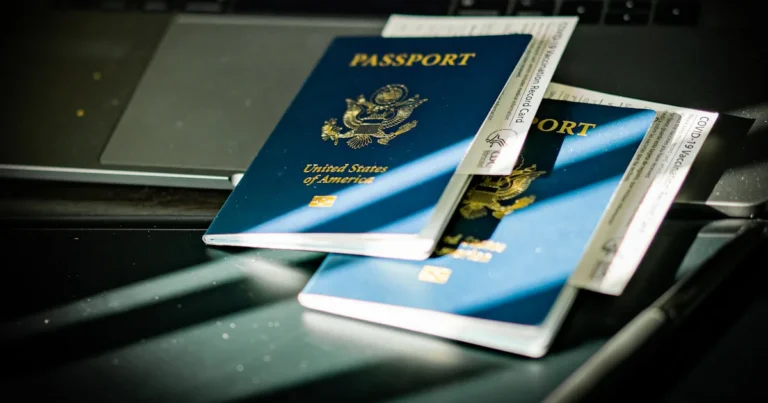
Support our educational content for free when you purchase through links on our site. Learn more
Your Ultimate Travel Checklist for Travel Vaccinations in 2026 ✈️💉


Picture this: you’ve booked that dream trip to the lush jungles of South America or the vibrant markets of West Africa. You’re ready to explore, but did you remember one crucial step—your travel vaccinations? Missing this can turn your adventure into a health nightmare faster than you can say “mosquito bite.” At Travel Checklist™, we’ve crafted the most comprehensive travel vaccination checklist to keep you safe, healthy, and ready to roam the globe without worry.
In this guide, we’ll walk you through everything from which vaccines you need for specific destinations, to when and where to get them, and even share real traveler stories that prove why skipping vaccinations is never worth the risk. Plus, we’ll reveal insider tips on managing side effects and keeping your vaccination records organized with the Travel Checklist™ app. Ready to unlock the secret to stress-free, healthy travel? Keep reading!
Key Takeaways
- Start your vaccination planning early—ideally 4-6 weeks before departure—to ensure full protection.
- Vaccination needs vary by destination and activities, so tailor your checklist accordingly.
- Routine vaccines matter too—don’t overlook MMR, Tetanus, and flu shots.
- Keep your International Certificate of Vaccination (Yellow Card) handy for countries that require proof.
- Use digital tools like the Travel Checklist™ app to track appointments, doses, and documents effortlessly.
- Consult a travel medicine specialist for personalized advice and up-to-date health alerts.
Get ready to pack your bags with confidence—your health is in good hands!
Table of Contents
- ⚡️ Quick Tips and Facts About Travel Vaccinations
- 🌍 Understanding the Importance of Travel Vaccinations: A Health Safety Primer
- ✈️ How to Prepare Your Travel Vaccination Checklist: Step-by-Step Guide
- 🦠 Top Travel Vaccinations You Might Need: Comprehensive Overview
- 🌐 Destination-Specific Vaccination Requirements and Recommendations
- 1. Africa: Vaccinations for Safari and Beyond
- 2. Asia: Navigating Vaccination Needs Across Diverse Regions
- 3. South America: Jungle, Mountains, and Urban Vaccination Tips
- 4. Europe and North America: When Vaccinations Are Still Essential
- 5. Oceania and Pacific Islands: Unique Vaccination Considerations
- 🕒 Timing Is Everything: When to Get Your Travel Vaccinations
- 💉 Where and How to Get Travel Vaccinations: Clinics, Pharmacies, and More
- 🛡️ Managing Side Effects and Safety Tips for Travel Vaccinations
- 📋 Essential Documents and Proof of Vaccination for International Travel
- 💼 Packing Your Travel Health Kit: Beyond Vaccinations
- 🤔 Common Myths and Misconceptions About Travel Vaccinations Debunked
- 🧳 Travel Insurance and Vaccination Coverage: What You Need to Know
- 🌟 Real Traveler Stories: How Vaccinations Saved Our Trips
- 🔍 Monitoring Global Health Alerts and Updates for Travelers
- 🧑 ⚕️ Consulting Travel Health Experts: When and Why It Matters
- 🎯 Checklist Summary: Your Ultimate Travel Vaccination To-Do List
- 🏁 Conclusion: Stay Safe, Stay Vaccinated, and Travel Happy!
- 🔗 Recommended Links for Travel Vaccination Resources
- ❓ Frequently Asked Questions About Travel Vaccinations
- 📚 Reference Links and Trusted Sources
⚡️ Quick Tips and Facts About Travel Vaccinations
Alright, fellow adventurers! You’ve got your passport, your itinerary is sparkling, and your bags are practically packing themselves. But hold your horses! Before you jet off to that exotic locale, there’s one crucial item often overlooked: travel vaccinations. At Travel Checklist™, we’ve seen it all – from last-minute scrambles for shots to unfortunate tales of trips cut short by preventable illnesses. We’re here to help you Travel Smoothly with Checklist App by making sure your health is as ready for adventure as you are!
Think of vaccinations as your invisible, super-powered shield against the microscopic villains lurking in far-flung lands. They’re not just a formality; they’re a fundamental pillar of responsible travel health.
Here are some rapid-fire facts to get your brain buzzing:
- Timing is Key! ⏰ Many vaccines require multiple doses over weeks or even months to become fully effective. Don’t wait until the last minute! The U.S. Centers for Disease Control and Prevention (CDC) strongly advises consulting a healthcare provider ideally 4-6 weeks before your departure to ensure you have enough time for all necessary immunizations and for them to take effect. Source: CDC Travel Health
- Destination Dictates! 🗺️ Your vaccination needs are highly dependent on where you’re going, what you’ll be doing, and how long you’ll be staying. A beach vacation in Mexico has different requirements than a jungle trek in Peru.
- Routine is Essential! ✅ Don’t forget your everyday vaccinations! Ensure your routine immunizations like MMR (Measles, Mumps, Rubella), DTaP (Diphtheria, Tetanus, Pertussis), and seasonal influenza are up-to-date. These are often overlooked but are critical for global health security. Source: Travel.State.Gov
- Proof is Power! 📜 For some countries, particularly those with a risk of Yellow Fever, an International Certificate of Vaccination or Prophylaxis (ICVP), often called a “Yellow Card,” is mandatory for entry. No card, no entry – it’s that simple!
- Personalized Advice is Paramount! 🧑 ⚕️ While we offer comprehensive guidance, nothing beats a one-on-one consultation with a travel medicine specialist. They can assess your individual health profile, specific itinerary, and potential risks.
So, are you ready to dive deeper into building your ultimate travel vaccination checklist? Let’s get you prepped for a healthy, unforgettable journey!
🌍 Understanding the Importance of Travel Vaccinations: A Health Safety Primer
Imagine this: you’ve saved for years, planned every detail, and finally landed in a vibrant, bustling market in Southeast Asia. The smells are incredible, the sights are mesmerizing, and then… BAM! You’re hit with a debilitating fever, stomach cramps, and a general feeling of utter misery. Your dream trip? Instantly derailed. This, my friends, is the nightmare scenario we at Travel Checklist™ work tirelessly to help you avoid.
Why are travel vaccinations so incredibly important? It boils down to one simple truth: the world, as beautiful and inviting as it is, is also a giant petri dish of diverse pathogens. What might be a minor sniffle at home could be a serious, even life-threatening, illness abroad.
The Unseen Dangers: Global Health Risks on the Go
When you travel, you expose yourself to environments, food, water, and even insects that carry diseases your immune system has never encountered. These aren’t just “exotic” diseases; they’re very real threats that can turn your adventure into an emergency.
- Food and Waterborne Illnesses: Think beyond traveler’s diarrhea. Diseases like Hepatitis A and Typhoid are rampant in areas with less stringent sanitation practices. One bite of contaminated street food or a sip of unsafe water, and you could be out of commission for weeks. Our team member, Sarah, once spent three days confined to her hotel room in India after a lapse in judgment with a tempting, unpeeled fruit. “Never again,” she declared, now a staunch advocate for Hepatitis A vaccination!
- Insect-Borne Diseases: Mosquitoes, ticks, and other creepy crawlies aren’t just annoying; they’re vectors for serious diseases like Yellow Fever, Malaria, Dengue, and Japanese Encephalitis. These can lead to severe illness, long-term complications, or even death.
- Person-to-Person Transmission: In crowded airports, public transport, or bustling tourist sites, you’re in close contact with people from all corners of the globe. This increases your risk of contracting common illnesses like influenza, measles, or even more serious infections like meningococcal disease.
- Animal-Borne Risks: While we’re not focusing on dog vaccinations here, the principle applies: interacting with animals, especially stray ones, in certain regions can expose you to Rabies. A playful puppy might look cute, but a bite could mean a series of painful post-exposure shots.
Beyond Personal Health: Contributing to Global Public Health
Getting vaccinated isn’t just about protecting yourself; it’s a collective act of public health responsibility. By immunizing yourself, you reduce the chance of contracting a disease abroad and bringing it back home, potentially exposing your loved ones and community. You also help prevent outbreaks in vulnerable populations. As the CDC aptly states, “Your destination influences the vaccines you may need,” highlighting the interconnectedness of global health Source: CDC Travel Destinations.
So, before you even think about which swimsuit to pack, let’s make sure your body’s defenses are ready for anything!
✈️ How to Prepare Your Travel Vaccination Checklist: Step-by-Step Guide
Building your travel vaccination checklist doesn’t have to be a daunting task. Think of it as a strategic mission to fortify your health fortress! Just like we meticulously plan our Adventure Travel Checklists or Digital Nomad Checklists, a systematic approach to vaccinations ensures nothing is missed. Here’s our expert, step-by-step guide to preparing your ultimate travel vaccination plan:
Step 1: The Early Bird Gets the Shot! (6+ Months Before Departure) 🗓️
This is the golden rule of travel vaccinations: start early! Many vaccines require multiple doses spread over weeks or months to provide full protection. Some, like the Yellow Fever vaccine, might have a waiting period before they’re considered effective for entry requirements.
- Research Your Destination(s): Even if you’re just dreaming, start looking at the health risks for your potential destinations. The CDC’s “Travelers’ Health” website is your best friend here. Source: CDC Travelers’ Health
- Consult a Travel Medicine Specialist: This is non-negotiable for complex itineraries or if you have underlying health conditions. Schedule an appointment as soon as your travel dates are firm. They’ll review your medical history, current medications, and specific travel plans.
- Review Your Routine Vaccinations: Are your childhood shots up-to-date? Tetanus booster? Measles, Mumps, Rubella (MMR)? These foundational immunizations are often overlooked but are crucial for any travel.
Step 2: The Deep Dive (4-6 Weeks Before Departure) 🩺
This is the critical window for most vaccinations. If you haven’t already, book that travel clinic appointment NOW!
- Personalized Risk Assessment: Your travel doctor will discuss your specific itinerary (e.g., will you be in rural areas? Eating street food? Swimming in fresh water?), your activities (e.g., hiking, volunteering, visiting family), and your personal health history.
- Receive Initial Doses: Many multi-dose vaccines will begin here. For example, Hepatitis B requires a series of shots.
- Discuss Non-Vaccine Preventative Measures: This includes malaria prophylaxis, insect repellent recommendations, food and water safety tips, and advice on traveler’s diarrhea.
- Get Your Yellow Card (ICVP): If you receive a Yellow Fever vaccine, you’ll get your official International Certificate of Vaccination or Prophylaxis (ICVP). Guard this document with your life!
Step 3: The Booster Round (2 Weeks Before Departure) 🩹
Some vaccines require a second or even third dose to achieve full immunity.
- Complete Vaccine Series: Ensure you’ve received all necessary doses for any multi-shot vaccines.
- Final Health Check-in: A quick call or follow-up with your travel clinic can confirm you’re all set and address any last-minute concerns.
- Assemble Your Travel Health Kit: Start gathering over-the-counter medications, prescription refills, and any other health supplies you might need. More on this later!
Step 4: The Final Countdown (Week of Departure) ✅
You’re almost there! This week is about confirmation and preparation.
- Verify Vaccination Records: Double-check that all your vaccination records, especially your Yellow Card, are easily accessible and packed in your carry-on.
- Check Travel Advisories: Look for any last-minute health alerts or outbreaks in your destination. The CDC’s Travel Health Notices are invaluable. Source: CDC Travel Health Notices
- Pack Smart: Ensure your personal health kit is complete and accessible.
By following these steps, you’ll not only meet entry requirements but also gain immense peace of mind, allowing you to focus on the joy of your journey. Remember, a little planning goes a long way in safeguarding your health abroad!
🦠 Top Travel Vaccinations You Might Need: Comprehensive Overview
Okay, let’s get down to the nitty-gritty: which shots are we actually talking about? While your travel health specialist will provide personalized advice, there’s a “greatest hits” list of travel vaccinations that frequently come up. These are the heavy hitters in your disease prevention arsenal.
Here’s a table summarizing the most common travel vaccinations:
| Vaccine Name | Protects Against | Common Transmission Routes | Key Destinations/Risks to the
🌐 Destination-Specific Vaccination Requirements and Recommendations
Alright, globetrotters, this is where your itinerary truly comes into play! Just like you wouldn’t pack a parka for a Beach Vacation Checklists or flip-flops for a mountain trek, your vaccination needs are highly specific to your destination. The world is vast and varied, and so are its health landscapes. Let’s break down some common regional considerations.
Important Note: The information below provides general guidance. Always consult your travel medicine specialist for advice tailored to your specific travel plans, activities, and personal health history. Requirements can change rapidly, so staying updated is crucial!
1. Africa: Vaccinations for Safari and Beyond 🦁
Ah, Africa! The continent of breathtaking safaris, vibrant cultures, and ancient mysteries. But also, a region with some of the most significant health risks for travelers.
- Yellow Fever: This is the big one! Proof of Yellow Fever vaccination is often required for entry into many sub-Saharan African countries, especially if you’re arriving from or transiting through a country with Yellow Fever risk. Even if not strictly required for entry, it’s highly recommended for personal protection in endemic areas. Countries like Kenya, Tanzania, Ghana, and Nigeria frequently enforce this.
- Malaria: While not a vaccine, malaria prophylaxis (anti-malarial medication) is crucial for most safari destinations and rural areas. Discuss options like Malarone, Lariam, or Doxycycline with your doctor.
- Hepatitis A & B: Highly recommended due to potential exposure through contaminated food, water, or medical procedures.
- Typhoid: Essential, especially if you plan to venture beyond major tourist hubs or enjoy local street food.
- Rabies: Consider this if you anticipate prolonged outdoor activities, working with animals, or visiting remote areas where medical care is limited.
- Meningococcal Meningitis: Recommended for travel to the “meningitis belt” during the dry season (December to June), particularly for those in close contact with local populations.
Anecdote: Our co-founder, Mark, once planned a dream safari to Tanzania. He got all his shots, including Yellow Fever, but almost forgot his malaria pills! “I was so focused on the vaccine card, I nearly overlooked the daily pill that would actually keep me safe from mosquitoes,” he recalls. “It was a stark reminder that vaccinations are just one piece of the puzzle.”
2. Asia: Navigating Vaccination Needs Across Diverse Regions 🍜
From the bustling metropolises of Japan to the serene temples of Thailand and the majestic Himalayas, Asia offers an incredible array of experiences. Its diverse geography also means varied health risks.
- Hepatitis A & B: Universally recommended for most of Asia due to varying sanitation standards and potential exposure.
- Typhoid: A must-have, especially if you’re a foodie eager to explore local markets and street vendors. Our team member, Alex, swears by his Typhoid shot after a close call with a dodgy noodle stall in Vietnam. “It’s like an insurance policy for your stomach!” he quips.
- Japanese Encephalitis (JE): Crucial if you’re spending a month or more in rural areas, especially during monsoon season, or engaging in outdoor activities near rice paddies or pig farms. Countries like Thailand, Vietnam, Cambodia, India, and China have JE risk.
- Rabies: Consider for extended stays, rural travel, or activities involving potential animal contact (e.g., cycling tours, exploring temples with monkeys).
- Dengue/Zika: While there are no vaccines for these yet, awareness and mosquito bite prevention are paramount in many parts of Southeast Asia and India.
- Cholera: Generally only recommended for humanitarian aid workers or those in extreme, unsanitary conditions.
3. South America: Jungle, Mountains, and Urban Vaccination Tips ⛰️
South America, with its Amazon rainforest, Andean peaks, and vibrant cities, is a continent of extremes. Your vaccination needs will reflect this diversity.
- Yellow Fever: Similar to Africa, Yellow Fever vaccination is often required or highly recommended for travel to endemic areas, particularly the Amazon basin regions of Brazil, Peru, Ecuador, Colombia, and Bolivia. Check specific country requirements carefully.
- Hepatitis A & B: Strongly recommended for all travelers.
- Typhoid: Essential, especially if you plan to explore local cuisine or venture off the beaten path.
- Rabies: Consider for adventure travelers, those visiting remote areas, or anyone with potential animal exposure.
- Malaria: Prophylaxis is often recommended for travel to the Amazon region and other low-lying tropical areas.
- Dengue/Zika/Chikungunya: No vaccines available, so rigorous mosquito bite prevention is key in many tropical and subtropical regions.
Anecdote: During a backpacking trip through Peru, our travel expert, Chloe, met a traveler who had to cut his Amazon trek short because he hadn’t gotten his Yellow Fever vaccine. “He was so disappointed,” Chloe recalls. “It just goes to show, a little needle can save a lot of heartache.”
4. Europe and North America: When Vaccinations Are Still Essential 🏰
Many travelers assume that Europe and North America are “safe” from vaccine-preventable diseases. While the risks are generally lower than in tropical regions, this assumption can be a dangerous one!
- Routine Vaccinations: This is where your basic immunizations shine! Ensure you’re up-to-date on MMR (measles outbreaks still occur in Europe and the U.S.), DTaP (Tetanus, Diphtheria, Pertussis/whooping cough), and Varicella (chickenpox).
- Influenza (Flu Shot): Especially crucial if you’re traveling during flu season (typically October to May in the Northern Hemisphere) or if you’re at high risk for complications.
- Hepatitis A: Recommended for travelers to Eastern Europe or those who might consume food from less regulated sources.
- Tick-Borne Encephalitis (TBE): For those planning extensive outdoor activities (hiking, camping) in forested areas of Central and Eastern Europe, particularly during spring and summer.
- Meningococcal Meningitis: Consider for students studying abroad or those attending large gatherings where close contact is common.
Perspective: “Even for a quick business trip to London, I make sure my flu shot is current,” says David, our business travel guru. “You don’t want to bring home a nasty bug that could sideline you for your next big meeting or family event. It’s part of my Business Travel Checklists routine.”
5. Oceania and Pacific Islands: Unique Vaccination Considerations 🏝️
The stunning islands of Oceania, from Fiji to Australia, offer pristine beaches and unique cultures. While some islands have lower disease risks, others require careful consideration.
- Hepatitis A & B: Recommended for most islands, especially if you’re exploring local villages or less developed areas.
- Typhoid: Important for many islands where sanitation infrastructure may be less robust.
- Dengue/Zika/Chikungunya: These mosquito-borne illnesses are prevalent in many Pacific Islands. While no vaccines are available, rigorous mosquito bite prevention is absolutely critical.
- Measles: Outbreaks can occur, so ensure your MMR is up-to-date.
- Routine Vaccinations: As always, ensure your standard immunizations are current.
Anecdote: Our team member, Emily, who specializes in Beach Vacation Checklists, recalls a trip to Fiji where a sudden dengue outbreak had local clinics bustling. “It was a stark reminder that even paradise can have its perils,” she says. “Always check the local health advisories, even for seemingly idyllic destinations.”
Remember, this is your health we’re talking about! Don’t leave it to chance. Your travel doctor will help you navigate these regional nuances and ensure you’re protected for your specific adventure.
🕒 Timing Is Everything: When to Get Your Travel Vaccinations
You wouldn’t wait until the plane is boarding to pack your passport, right? The same logic, but with even more urgency, applies to your travel vaccinations! Timing is absolutely critical for several reasons, and overlooking this can lead to incomplete protection or even denied entry.
Why the Rush? The Science Behind the Schedule 🧬
- Immunity Takes Time: Vaccines don’t offer instant protection. Your immune system needs time to recognize the vaccine, produce antibodies, and build up its defenses. This process can take days to weeks after a single dose.
- Multiple Doses Required: Many essential travel vaccines, like Hepatitis A, Hepatitis B, Japanese Encephalitis, and Rabies, require a series of shots spread over specific intervals (e.g., 0, 7, 21-28 days, or 0, 1, 6 months). Missing a dose or not completing the series means you won’t have full, long-lasting protection.
- Entry Requirements: Some countries demand proof of vaccination (e.g., Yellow Fever) at least 10 days before entry for the vaccine to be considered valid. Arrive earlier, and you might face quarantine or denial of entry.
- Side Effects Window: While generally mild, some vaccines can cause minor side effects like soreness, low-grade fever, or fatigue. Getting your shots well in advance allows any potential discomfort to subside before your travel day.
Our Recommended Vaccination Timeline: Don’t Delay, Vaccinate Today!
Here’s a general timeline to help you plan. Adjust based on your specific trip duration and complexity.
-
6+ Months Before Departure (Ideal Scenario):
- Initial Research: Start identifying potential health risks for your destination(s).
- Travel Clinic Appointment: Especially for complex itineraries, long-term travel, or if you have chronic health conditions. This allows ample time for multi-dose vaccines like Hepatitis B or Rabies pre-exposure prophylaxis.
- Routine Vaccine Review: Ensure your basic immunizations are current.
- Example: If you need the full Hepatitis B series (3 shots over 6 months), starting now is perfect!
-
4-6 Weeks Before Departure (Minimum Recommended):
- Primary Travel Clinic Visit: This is the absolute latest you should aim for your first consultation.
- First Doses: Receive initial doses for vaccines like Hepatitis A, Typhoid, Yellow Fever, Japanese Encephalitis.
- Malaria Consultation: Discuss and obtain prescriptions for anti-malarial medication if needed.
- Yellow Card: If receiving Yellow Fever, ensure you get your ICVP.
- Why 4-6 weeks? “Some vaccines require multiple doses or time to become effective, so plan accordingly,” advises Travel.State.Gov Source: Travel.State.Gov Checklist. This window allows for initial immunity to develop and for any second doses that might be needed.
-
2 Weeks Before Departure:
- Follow-up Doses: Complete any necessary second or booster doses (e.g., Hepatitis A booster, Japanese Encephalitis second dose).
- Final Check: Confirm all vaccinations are complete and records are in order.
- Health Kit Assembly: Finalize your personal travel health kit.
-
Week of Departure:
- Last-Minute Health Advisories: Check the CDC’s Travel Health Notices for any recent outbreaks or changes.
- Document Check: Ensure all vaccination records are packed in your carry-on.
❌ What NOT to Do:
- ❌ Don’t walk into a clinic the day before your flight expecting full protection. You’ll likely be disappointed and unprotected.
- ❌ Don’t assume you’re immune because you “never get sick.” Travel exposes you to entirely new pathogens.
By respecting the timeline, you’re not just ticking boxes; you’re actively investing in a safer, healthier, and ultimately more enjoyable travel experience. Don’t let preventable illness be the unexpected souvenir you bring home!
💉 Where and How to Get Travel Vaccinations: Clinics, Pharmacies, and More
So, you’re convinced! Vaccinations are a must. But where do you actually get these magical immunity boosters? The good news is, you have several options, each with its own perks. At Travel Checklist™, we’ve navigated them all, and here’s our breakdown to help you find the best fit for your needs.
1. Dedicated Travel Medicine Clinics 🏥 (Our Top Recommendation!)
These are the gold standard for pre-travel health. Travel medicine clinics specialize exclusively in traveler’s health, offering comprehensive services beyond just vaccinations.
- Benefits:
- Expertise: Staffed by doctors and nurses who are experts in tropical medicine, infectious diseases, and global health. They have the most up-to-date information on outbreaks, requirements, and recommendations worldwide.
- Comprehensive Assessment: They’ll conduct a thorough risk assessment based on your precise itinerary, activities, and medical history.
- Full Range of Vaccines: They typically stock all necessary travel vaccines, including less common ones like Yellow Fever, Japanese Encephalitis, and Rabies.
- Beyond Vaccines: They can provide prescriptions for malaria prophylaxis, traveler’s diarrhea kits, and offer detailed advice on food/water safety, insect bite prevention, and altitude sickness.
- Official Documentation: They are authorized to issue the International Certificate of Vaccination or Prophylaxis (ICVP, or Yellow Card).
- Drawbacks:
- Cost: Can be more expensive than other options, and not all services may be covered by standard health insurance.
- Availability: May require booking appointments well in advance, especially in smaller cities.
- How to Find: Search for “travel medicine clinic near me” or check resources like the International Society of Travel Medicine (ISTM) directory.
2. Your Primary Care Physician (PCP) 🧑 ⚕️
Your family doctor can be a good starting point, especially for routine vaccinations.
- Benefits:
- Familiarity: Your PCP knows your medical history best.
- Convenience: Often easier to schedule an appointment.
- Cost: May be covered by your regular health insurance.
- Drawbacks:
- Limited Stock: Many PCPs may not stock all specialized travel vaccines (e.g., Yellow Fever, Japanese Encephalitis) or have the most current global health advisories.
- Less Specialized Advice: While knowledgeable, they may not have the in-depth, real-time expertise of a travel medicine specialist for complex itineraries or exotic destinations.
- Recommendation: Great for ensuring your routine vaccinations are current (MMR, DTaP, Flu shot) before you head to a travel clinic for the more specialized ones.
3. Retail Pharmacies and Clinics (e.g., CVS MinuteClinic, Walgreens Healthcare Clinic) 🏪
Many pharmacies now offer a range of vaccinations, making them a convenient option for some travelers.
- Benefits:
- Accessibility: Often walk-in or easy online scheduling.
- Convenience: Located in many neighborhoods.
- Cost: Can be more affordable for certain vaccines, and some insurance plans may cover them.
- Drawbacks:
- Limited Vaccine Range: Typically offer common vaccines like Hepatitis A, Typhoid, and Flu, but rarely specialized ones like Yellow Fever or Rabies.
- No Comprehensive Consultation: Pharmacists are excellent at administering vaccines but generally don’t provide the in-depth travel health consultation or malaria prophylaxis prescriptions that a travel clinic would.
- No Yellow Card: They cannot issue the official ICVP for Yellow Fever.
- Recommendation: Useful for booster shots of common vaccines or if you only need Hepatitis A or Typhoid for a low-risk destination.
Our Team’s Takeaway:
“For my first big trip to Southeast Asia, I went to my PCP, who gave me my Hep A and Typhoid shots,” says Sarah from our team. “But when I planned my Amazon adventure, I knew I needed a travel clinic. The specialist there gave me my Yellow Fever shot, prescribed malaria pills, and even taught me how to properly use a mosquito net! The comprehensive advice was invaluable.“
Block-level CTA for finding a clinic:
- Find a Travel Clinic: ISTM Global Travel Clinic Directory | CDC Find a Clinic
No matter where you go, ensure the provider is reputable and can provide you with proper documentation of your vaccinations. Your health is worth the investment!
🛡️ Managing Side Effects and Safety Tips for Travel Vaccinations
So, you’ve rolled up your sleeve, taken the plunge, and now you’re officially a super-traveler with an invisible shield! 🎉 But what happens after the jab? Just like any medication, vaccines can come with some minor, temporary side effects. Don’t fret! At Travel Checklist™, we believe in being prepared for everything, including a little post-vaccine soreness.
What to Expect: Common Side Effects 🩹
Most side effects from travel vaccinations are mild and short-lived, a sign that your immune system is busy building up its defenses.
- At the Injection Site (Most Common):
- Soreness, redness, or swelling: This is very normal. Your arm might feel a bit tender, like you’ve had a good workout.
- Itching: A mild itch can occur.
- Small lump: A small, firm lump might appear, which usually resolves within a few days to weeks.
- General Body Reactions (Less Common, but Possible):
- Low-grade fever: Your body might feel a bit warm.
- Headache: A mild headache can sometimes occur.
- Muscle aches: General body aches, similar to the start of a cold.
- Fatigue: Feeling a bit more tired than usual.
These general reactions typically appear within 24-48 hours after vaccination and usually resolve on their own within a day or two. For instance, after my Yellow Fever shot, I felt a bit “under the weather” for about 24 hours – a slight headache and general sluggishness. It was nothing a good night’s sleep couldn’t fix, and certainly better than getting Yellow Fever!
Rare, More Serious Side Effects 🚨
While extremely rare, serious allergic reactions (anaphylaxis) can occur. This is why you’re usually asked to wait at the clinic for 15-20 minutes after receiving a vaccine. Medical staff are trained to recognize and treat these reactions immediately. Always inform your healthcare provider about any severe allergies you have.
Our Top Tips for Managing Post-Vaccine Discomfort:
- Stay Hydrated: Drink plenty of water before and after your vaccination.
- Apply a Cool Compress: For soreness or swelling at the injection site, a cool, damp cloth can provide relief.
- Move Your Arm: Gently moving the arm where you received the shot can help reduce soreness. Don’t just let it hang limp!
- Over-the-Counter Pain Relief: If you experience a fever, headache, or muscle aches, over-the-counter medications like Tylenol (Acetaminophen) or Advil/Motrin (Ibuprofen) can help. Always follow dosage instructions.
- Rest: Listen to your body. If you feel fatigued, take it easy for a day.
- Know When to Call Your Doctor: If your side effects are severe, worsen, or don’t improve after a few days, don’t hesitate to contact your healthcare provider.
Safety First: General Vaccination Tips
- Be Honest About Your Health History: Inform your doctor about all your medical conditions, allergies, and medications (prescription and over-the-counter). This includes pregnancy, breastfeeding, or a weakened immune system.
- Don’t Self-Diagnose: If you have concerns about a vaccine or its side effects, talk to a healthcare professional, not Dr. Google!
- Keep Your Records: Always keep a copy of your vaccination records, especially your Yellow Card. This is your official proof of immunization.
- Follow the Schedule: Adhere strictly to the recommended vaccination schedule, especially for multi-dose vaccines, to ensure maximum protection.
Remember, the temporary discomfort of a vaccine is a small price to pay for the peace of mind and protection it offers against potentially devastating diseases abroad. You’re building a healthier, safer foundation for your incredible journey!
📋 Essential Documents and Proof of Vaccination for International Travel
You’ve done the hard work: researched, consulted, and bravely bared your arm for those crucial jabs. Now, how do you prove it? Just like your passport is your key to entry, your vaccination records are your health credentials for international travel. At Travel Checklist™, we’ve seen travelers caught off guard by strict entry requirements, so trust us when we say: documentation is everything!
The Star Player: The International Certificate of Vaccination or Prophylaxis (ICVP) 🌟
Often affectionately known as the “Yellow Card” due to its distinctive yellow cover, the ICVP is the official, internationally recognized document for proof of certain vaccinations, most notably Yellow Fever.
- What it is: A small, yellow booklet issued by your healthcare provider (who must be authorized by their national health authority) after you receive specific vaccinations. It contains your personal details, the vaccine administered, the date of vaccination, and the signature/stamp of the administering clinician and clinic.
- Why it’s essential:
- Mandatory Entry: For many countries, particularly in Africa and South America, proof of Yellow Fever vaccination via the ICVP is a non-negotiable entry requirement. Without it, you could be denied entry, quarantined, or even vaccinated on arrival (which is not ideal!).
- Validity: The Yellow Fever vaccine is typically valid for life after a single dose, but the ICVP must be dated at least 10 days before your arrival in a Yellow Fever risk country.
- Where to keep it: Always carry your ICVP with your passport in your carry-on luggage. Do NOT pack it in your checked bag! Consider taking a photo of it on your phone as a backup, but the physical card is usually required.
Beyond the Yellow Card: Other Vaccination Records 📄
While the ICVP is specific to certain vaccines, it’s wise to keep a comprehensive record of all your immunizations.
- Personal Vaccination Record: Many travel clinics or your primary care physician will provide you with a printout of all the vaccines you’ve received. This is invaluable for your personal health history.
- Digital Records: Some healthcare systems or apps (like our own Travel Checklist™ app!) allow you to store digital copies of your vaccination records. While these might not be accepted as official proof for entry, they are excellent backups and useful for quick reference.
- Routine Immunization Card: Keep track of your MMR, DTaP, Polio, and other routine shots. While not usually required for entry, they confirm your overall protected status.
Our Team’s Experience: “I once had a border agent in Brazil scrutinize my Yellow Card for what felt like an eternity,” recalls Alex. “He checked the date, the stamp, everything! It was a tense moment, but because I had the official, properly filled-out card, I sailed through. It taught me that attention to detail on these documents is paramount.”
Key Tips for Your Vaccination Documents:
- Keep it Safe, Keep it Dry: The ICVP is a paper document. Protect it from spills, tears, and general wear and tear. A small plastic sleeve or passport holder is a good idea.
- Make Copies (Physical & Digital):
- Physical copies: Keep one copy separate from your original documents (e.g., in your checked luggage or with a travel companion).
- Digital copies: Take clear photos of your ICVP and other records. Store them securely on your phone, in cloud storage (like Google Drive or Dropbox), and email a copy to yourself.
- Check Expiration Dates: While the Yellow Fever vaccine is often lifelong, other vaccines might have boosters required after a certain number of years. Ensure your records reflect current validity.
- Verify Requirements: Before every trip, double-check the specific entry requirements for your destination(s) on official government websites like the CDC or Travel.State.Gov. “Certain countries require proof of specific vaccinations for entry,” they remind us Source: Travel.State.Gov Checklist.
Don’t let a missing piece of paper be the reason your adventure hits a roadblock. Treat your vaccination documents with the same reverence you do your passport, and you’ll be well on your way to a smooth, healthy journey!
💼 Packing Your Travel Health Kit: Beyond Vaccinations
Okay, your immune system is locked and loaded with all the right vaccinations. Fantastic! But let’s be real: even the most vaccinated traveler can still get a headache, a blister, or a nasty mosquito bite. That’s where your personal travel health kit comes in. Think of it as your portable pharmacy, ready to tackle minor ailments and keep you comfortable on the go. At Travel Checklist™, we consider this an essential part of any Budget Travel Checklists or Business Travel Checklists, because getting sick on the road can be surprisingly expensive!
Why a Travel Health Kit is Your Best Friend 🎒
- Immediate Relief: Access to familiar medications when you need them most, without scrambling to find a pharmacy in an unfamiliar language or at an inconvenient hour.
- Quality Control: You know the brands and dosages you trust.
- Cost Savings: Over-the-counter meds can be surprisingly pricey in tourist areas, or simply unavailable.
- Preparedness: For minor cuts, scrapes, or digestive issues, you’ll be ready.
What to Pack: Our Comprehensive List for Your Health Kit
Here’s what we always recommend for our team and our users, adaptable for any trip, from Adventure Travel Checklists to Beach Vacation Checklists:
1. Over-the-Counter (OTC) Medications: Your Everyday Heroes 💊
- Pain Relievers/Fever Reducers:
- Tylenol (Acetaminophen): Shop Tylenol on: Amazon | Walmart
- Advil/Motrin (Ibuprofen): Shop Advil on: Amazon | Walmart
- Antihistamines: For allergies, insect bites, or motion sickness.
- Benadryl (Diphenhydramine): Shop Benadryl on: Amazon | Walmart
- Claritin/Zyrtec (Non-drowsy): Shop Claritin on: Amazon | Walmart
- Anti-Diarrhea Medication: A travel essential!
- Imodium (Loperamide): Shop Imodium on: Amazon | Walmart
- Pepto-Bismol (Bismuth subsalicylate): Shop Pepto-Bismol on: Amazon | Walmart
- Antacids: For indigestion.
- Tums: Shop Tums on: Amazon | Walmart
- Motion Sickness Medication: If you’re prone to seasickness or car sickness.
- Dramamine: Shop Dramamine on: Amazon | Walmart
- Cough Drops/Sore Throat Lozenges: For minor respiratory irritation.
2. First Aid Essentials: For Cuts, Scrapes, and Blisters 🩹
- Band-Aids/Plasters: Assorted sizes. Shop Band-Aid on: Amazon | Walmart
- Antiseptic Wipes/Hand Sanitizer: For cleaning wounds and hands.
- Antibiotic Ointment: (e.g., Neosporin) to prevent infection. Shop Neosporin on: Amazon | Walmart
- Gauze Pads & Medical Tape: For larger wounds.
- Moleskin or Blister Pads: Lifesavers for hikers! Shop Moleskin on: Amazon | Walmart
- Small Scissors & Tweezers: For splinters or cutting tape.
- Hydrocortisone Cream: For insect bites, rashes, or minor skin irritations.
3. Personal Prescriptions & Specialized Items 💊
- All Prescription Medications: Carry these in their original, labeled containers. Pack enough for your entire trip, plus a few extra days’ supply. Always keep them in your carry-on!
- Copy of Prescriptions: A letter from your doctor detailing your medications (especially controlled substances) can prevent issues at customs.
- Glasses/Contact Lenses & Solution: Pack an extra pair!
- EpiPen: If you have severe allergies.
- Malaria Prophylaxis: If prescribed by your travel doctor.
- Traveler’s Diarrhea Antibiotics: If prescribed (e.g., Azithromycin or Ciprofloxacin).
- Oral Rehydration Salts (ORS): Crucial for combating dehydration from diarrhea. Shop ORS on: Amazon | Walmart
4. Environmental Protection ☀️🦟
- Sunscreen: High SPF, broad-spectrum. Shop Sunscreen on: Amazon | Walmart
- Insect Repellent: Containing DEET (30-50%) or Picaridin (20%). Essential for mosquito-borne disease prevention.
- OFF! Deep Woods (DEET): Shop OFF! Deep Woods on: Amazon | Walmart
- Sawyer Products Picaridin Insect Repellent: Shop Sawyer Picaridin on: Amazon | Walmart
- After-Bite Treatment: For when those pesky bugs get through.
- Water Purification Tablets/Filter: If you’re going off-grid or to areas with questionable water quality.
- Katadyn BeFree Water Filter: Shop Katadyn BeFree on: Amazon | Walmart
- Potable Aqua Water Purification Tablets: Shop Potable Aqua on: Amazon | Walmart
Our Anecdote: “I once got a nasty sunburn on a Beach Vacation Checklists trip to Mexico, despite thinking I’d applied enough sunscreen,” confesses Emily. “My travel health kit saved me with aloe vera and ibuprofen. It was a painful lesson, but a reminder that even common issues can be a big problem without the right supplies!”
Pack your health kit in a small, waterproof bag and keep it easily accessible. It’s a small investment that can make a huge difference in your comfort and well-being abroad!
🤔 Common Myths and Misconceptions About Travel Vaccinations Debunked
In the age of information (and sometimes, misinformation!), it’s easy to get confused about travel vaccinations. At Travel Checklist™, we’ve heard every myth under the sun, from “I’m too healthy for shots” to “vaccines are just a scam.” Let’s clear the air with some facts, confidence, and a dash of wit! We’re here to empower you with accurate knowledge, not fear.
Myth 1: “I’m Young and Healthy, I Don’t Need Any Vaccinations.” ❌
Fact: While being young and healthy is fantastic, it doesn’t make you immune to diseases you’ve never encountered. Your immune system is a marvel, but it can’t fight what it doesn’t recognize.
- Why it’s wrong: Diseases like Hepatitis A, Typhoid, Yellow Fever, and Japanese Encephalitis don’t discriminate by age or fitness level. A healthy traveler can still contract these illnesses, and while they might recover, the illness can be severe, debilitating, and completely ruin a trip. “Your destination influences the vaccines you may need,” not your perceived invincibility! Source: CDC Travel Destinations
- Our Take: Our team member, Mark, a seasoned adventurer, once thought he was invincible. A bout of severe traveler’s diarrhea in India, despite his robust health, quickly changed his tune. “It wasn’t just an upset stomach; it was a full-blown attack on my system,” he recalls. “Now, I get every recommended vaccine. Better safe than sorry, no matter how many mountains you’ve climbed!”
Myth 2: “Vaccines Have Terrible Side Effects and Aren’t Safe.” ❌
Fact: The vast majority of vaccine side effects are mild and temporary (sore arm, low-grade fever). Serious side effects are extremely rare, and the benefits of vaccination far outweigh the risks.
- Why it’s wrong: Vaccines undergo rigorous testing and continuous monitoring by global health organizations like the World Health Organization (WHO) and national bodies like the CDC. The diseases they prevent, however, can have severe, life-threatening, or long-term consequences.
- Our Take: We understand vaccine hesitancy, but it’s crucial to rely on evidence-based information. The temporary discomfort of a shot pales in comparison to the suffering caused by diseases like Yellow Fever or Rabies. Always discuss concerns with a qualified healthcare provider.
Myth 3: “I Only Need Vaccinations for ‘Exotic’ Destinations.” ❌
Fact: While tropical regions often require specialized vaccines, even trips to Europe, North America, or Australia warrant a review of your routine immunizations.
- Why it’s wrong: Measles outbreaks have occurred in Europe and the U.S. in recent years. Tetanus is a risk everywhere. Influenza is a global threat. Your routine vaccinations are your first line of defense, no matter where you go.
- Our Take: Don’t let a false sense of security lead you astray. A quick check of your routine immunization status is a non-negotiable part of any travel health plan, even for a weekend getaway to a neighboring country.
Myth 4: “I Got My Shots Years Ago, So I’m Still Protected.” ❌
Fact: While some vaccines offer lifelong protection (like Yellow Fever), many require boosters or re-vaccination after a certain period to maintain efficacy.
- Why it’s wrong: Immunity can wane over time. For example, the Tetanus booster is typically recommended every 10 years. Hepatitis A might need a booster after 6-12 months for long-term protection.
- Our Take: Always review your vaccination history with your travel doctor. They can advise you on which boosters you might need to ensure continuous protection. Think of it like renewing your passport – you can’t just assume it’s still valid forever!
Myth 5: “If a Country Doesn’t Require a Vaccine, I Don’t Need It.” ❌
Fact: Entry requirements are often the bare minimum for public health, not necessarily what’s best for your personal health protection.
- Why it’s wrong: A country might not require a Hepatitis A vaccine for entry, but if you’re planning to eat street food or travel in areas with poor sanitation, it’s highly recommended for your safety. Requirements focus on preventing disease importation, recommendations focus on preventing disease acquisition.
- Our Take: This is where the expertise of a travel medicine specialist truly shines. They’ll look beyond the “required” list to assess your personal risk based on your itinerary and activities. “Vaccinations are an essential part of travel health preparation,” emphasizes Travel.State.Gov, highlighting the proactive approach Source: Travel.State.Gov Checklist.
By debunking these myths, we hope to empower you to make informed decisions about your travel health. Your journey should be filled with incredible memories, not preventable illnesses!
🧳 Travel Insurance and Vaccination Coverage: What You Need to Know
You’ve got your vaccinations, your health kit, and your spirit of adventure! But what happens if, despite all your best efforts, you still get sick or injured abroad? This is where travel insurance becomes your financial safety net. At Travel Checklist™, we’ve seen firsthand how a medical emergency overseas can quickly drain savings, turning a dream trip into a financial nightmare. So, let’s talk about how travel insurance intertwines with your vaccination strategy.
Does Travel Insurance Cover the Cost of Vaccinations? 💰
Generally, no, standard travel insurance policies do not cover the cost of pre-travel vaccinations.
- Why not? Vaccinations are considered a preventative, elective health measure taken before your trip begins. Travel insurance is designed to cover unexpected events during your trip.
- What to do: Check with your primary health insurance provider at home. Many domestic health insurance plans (especially in the U.S.) do cover routine and sometimes even travel-specific vaccinations, particularly if they are considered medically necessary or recommended by the CDC. Always call your insurer before your travel clinic appointment to understand your benefits and potential out-of-pocket costs.
What Travel Insurance Does Cover (and Why Vaccinations Matter) 🏥
This is the crucial part! While travel insurance won’t pay for your shots, it will cover medical emergencies that could arise if you don’t get vaccinated or if you encounter an illness that no vaccine can prevent.
- Emergency Medical Treatment: This is the core benefit. If you fall ill (e.g., with Typhoid because you skipped the vaccine, or Dengue for which there’s no vaccine) or get injured, travel insurance covers doctor’s visits, hospital stays, medication, and emergency procedures. Without it, these costs can be astronomical, especially in countries with private healthcare systems.
- Emergency Medical Evacuation: Imagine getting severely ill in a remote area and needing to be airlifted to a major hospital or even back home. Medical evacuations can cost tens of thousands, even hundreds of thousands, of dollars. This is a non-negotiable benefit for any adventurous or remote travel.
- Trip Interruption/Cancellation: If you become seriously ill or injured before or during your trip and have to cancel or cut it short, travel insurance can reimburse you for non-refundable expenses.
- Repatriation of Remains: A grim but necessary consideration. If the worst happens, insurance covers the cost of bringing your body home.
The “Pre-Existing Condition” Clause and Vaccinations 🤔
This is where things can get tricky, and it highlights the importance of being honest and prepared.
- Pre-Existing Conditions: Most travel insurance policies have clauses regarding pre-existing medical conditions. If you have a chronic illness, ensure your policy covers it, often by purchasing a waiver or a specific plan.
- The Unvaccinated Risk: While not a “pre-existing condition” in the traditional sense, if you contract a vaccine-preventable disease (e.g., Yellow Fever) and you chose not to get the recommended vaccine, some insurance policies might deny coverage for treatment related to that illness, arguing you didn’t take reasonable preventative measures. This is rare but a risk to be aware of. Always read the fine print!
Our Expert Recommendation: Don’t Skimp on Travel Insurance!
“I never travel without comprehensive travel insurance,” says Chloe, our expert on Adventure Travel Checklists. “It’s not just about getting sick; it’s about peace of mind. I once had a friend break her leg hiking in Patagonia. The medical evacuation alone would have bankrupted her without insurance. It’s as essential as your passport and your vaccinations.“
Block-level CTA for Travel Insurance:
- Compare Travel Insurance Plans: Expedia Travel Insurance | Tripadvisor Travel Insurance | Squaremouth | World Nomads
Invest in a robust travel insurance policy that includes ample medical coverage and emergency evacuation. It’s the ultimate backup plan, ensuring that if the unexpected happens, your health and your finances are protected.
🌟 Real Traveler Stories: How Vaccinations Saved Our Trips
At Travel Checklist™, we’re not just about lists and facts; we’re about real-world experiences. Our team members are seasoned globetrotters, and we’ve got a few tales to tell about how those little jabs made a monumental difference. These aren’t just anecdotes; they’re testaments to the power of preventative health and why we champion travel vaccinations so fiercely.
Story 1: Mark’s Yellow Fever “Yellow Card” Triumph in the Amazon 🇧🇷
“My trip to the Brazilian Amazon was a dream come true – vibrant wildlife, lush rainforest, and the incredible feeling of being truly off-grid,” recounts Mark, our co-founder. “But getting there was a close call. I’d diligently gotten my Yellow Fever vaccine weeks in advance and had my official International Certificate of Vaccination or Prophylaxis (ICVP), my ‘Yellow Card,’ tucked safely with my passport.”
“Upon arrival at a small regional airport, the immigration officer was incredibly strict. He looked at my passport, then immediately demanded the Yellow Card. Another traveler in line, a young backpacker, fumbled through his bag, looking increasingly panicked. He admitted he hadn’t gotten the vaccine, thinking it was ‘optional’ since he wasn’t going deep into the jungle. The officer was polite but firm: no Yellow Card, no entry. He was given two options: immediate vaccination at the airport clinic (which wouldn’t be valid for 10 days, meaning quarantine), or the next flight out. He chose the latter, his Amazon adventure ending before it even began.”
“I sailed through, feeling a wave of relief and gratitude. That little yellow card, and the shot behind it, literally saved my trip. It was a powerful reminder that entry requirements are not suggestions; they are rules.“
Story 2: Sarah’s Hepatitis A Escape in a Bustling Market 🇹🇭
“I’m a huge foodie, and when I travel, I dive headfirst into local cuisine – especially street food!” exclaims Sarah, our content lead. “On a solo trip through Thailand, I was in a bustling night market, surrounded by incredible aromas. I saw a vendor preparing what looked like delicious fresh fruit salad. My mouth was watering!”
“Just as I was about to order, a tiny voice in my head, the one that remembers my travel doctor’s advice, whispered, ‘Unpeeled fruit in a high-risk area? Think about Hepatitis A!’ I paused. I had gotten my Hepatitis A vaccine, but the thought of getting sick and missing out on my planned island hopping still made me hesitate. I decided to play it safe and opted for a sealed, bottled drink instead.”
“A few days later, I met another traveler who had gotten violently ill with Hepatitis A after eating unpeeled fruit from a similar market. She was hospitalized and had to cut her trip short. I realized then that while my vaccine was my ultimate protection, that moment of hesitation, fueled by the knowledge from my pre-travel consultation, was also a win. The vaccine gave me the confidence to explore, but also the peace of mind to make smart choices. It’s not just about preventing the worst; it’s about empowering you to travel without constant worry.“
Story 3: Alex’s Typhoid Shield on a Culinary Adventure 🇮🇳
“India is a sensory explosion, and for me, that includes the food!” says Alex, our SEO specialist. “I was on a Digital Nomad Checklists trip, working remotely but also exploring every culinary corner. My travel doctor had strongly recommended the Typhoid vaccine, and I got it without question.”
“One evening, I was at a small, incredibly authentic dhaba (roadside eatery). The food was amazing, but the hygiene standards were, shall we say, ‘rustic.’ I saw the cook handle raw meat, then quickly wipe his hands on his apron before serving. My stomach did a little flip, but then I remembered my Typhoid shot. It wasn’t a license to be reckless, but it was a massive layer of protection.”
“Sure enough, a few days later, a couple of fellow travelers who had eaten at the same dhaba (and hadn’t been vaccinated for Typhoid) came down with severe fevers and stomach issues. They spent days recovering in their hotel rooms, missing out on planned excursions. I, on the other hand, felt perfectly fine. My Typhoid vaccine was my silent guardian, allowing me to fully immerse myself in the local experience without fear. It truly allowed me to travel smoothly.“
These stories aren’t meant to scare you, but to illustrate a powerful point: travel vaccinations are a small investment for immense returns – health, peace of mind, and the freedom to fully enjoy your adventures. Don’t leave home without your invisible shield!
🔍 Monitoring Global Health Alerts and Updates for Travelers
Even with your vaccination shield firmly in place, the world is a dynamic place. New outbreaks emerge, health advisories change, and sometimes, political situations can impact health infrastructure. That’s why, at Travel Checklist™, we emphasize the importance of staying informed right up until your departure and even during your trip. Think of it as your ongoing situational awareness for global health risks.
Why Constant Vigilance? The Evolving Landscape of Global Health 🌐
- Emerging Diseases: New viruses or strains can appear, or existing ones can spread to new regions. Remember the early days of COVID-19, or the rapid spread of Zika?
- Outbreaks: Localized outbreaks of vaccine-preventable diseases (like measles or cholera) can occur, even in areas generally considered low-risk.
- Environmental Changes: Natural disasters (floods, earthquakes) can disrupt sanitation and lead to increased risk of waterborne diseases.
- Political Instability: Conflicts can degrade healthcare systems and make access to medical care difficult.
Your Go-To Sources for Reliable Health Information:
When it comes to global health, you want information from the most authoritative sources. Avoid social media rumors and stick to these trusted giants:
-
U.S. Centers for Disease Control and Prevention (CDC) – Travelers’ Health:
- What it offers: This is your absolute best friend. The CDC provides destination-specific health information, including required and recommended vaccines, malaria risk, and general health advice for every country. Crucially, they issue Travel Health Notices (Watch, Alert, Warning) for current outbreaks and health risks.
- How to use it: Visit CDC Travelers’ Health. You can search by destination or browse their current health notices.
- Our Take: “I check the CDC’s Travel Health Notices religiously before any trip,” says Emily. “It’s like getting a direct briefing from the world’s top health experts. It’s a key part of my Beach Vacation Checklists to ensure even paradise is safe.”
-
U.S. Department of State – Travel Advisories:
- What it offers: While primarily focused on safety and security, the State Department’s Country Information Pages also include a “Health” section that links to CDC advice and highlights significant health concerns, including medical facilities and insurance considerations.
- How to use it: Visit Travel.State.Gov Country Information. Search for your destination.
- Our Take: This is a great complementary source, especially for understanding the broader context of safety and access to care.
-
World Health Organization (WHO):
- What it offers: The WHO is the leading international authority on global health. Their website provides global disease outbreak news, international health regulations, and vaccine recommendations.
- How to use it: Visit WHO Health Topics. While less traveler-specific than the CDC, it offers a global perspective.
-
Your Country’s Foreign Affairs/Travel Advisory Website:
- What it offers: Similar to the U.S. State Department, most countries have their own government websites providing travel advisories and health information for their citizens traveling abroad. (e.g., UK Foreign, Commonwealth & Development Office, Global Affairs Canada).
- How to use it: Search for “[Your Country] travel advice [destination]”.
Tips for Staying Updated:
- Subscribe to Alerts: Many of these sites offer email subscriptions for travel health notices. Sign up for your destination(s)!
- Check Regularly: Review advisories when you first plan your trip, again a few weeks before departure, and even a few days before you leave.
- During Your Trip: If you’re traveling long-term or to a dynamic region, check for updates periodically. Local news sources (if reliable) can also provide context.
- Consult Your Travel Doctor: If you see an alert that concerns you, discuss it with your travel medicine specialist. They can help interpret the risk for your specific situation.
By actively monitoring these reliable sources, you’re not just being cautious; you’re being a smart, responsible traveler. This proactive approach ensures you’re always prepared for the unexpected, allowing you to adapt your plans and stay safe, no matter what the world throws your way!
🧑 ⚕️ Consulting Travel Health Experts: When and Why It Matters
We’ve thrown a lot of information your way – from specific vaccines to packing lists and debunked myths. But here’s the absolute truth: nothing replaces personalized, professional medical advice. At Travel Checklist™, we can give you the map, but a travel health expert is your seasoned guide, navigating the nuances of your unique journey.
Who Are These Experts? 🩺
A “travel health expert” is typically a doctor or nurse practitioner specializing in travel medicine. They often work in dedicated travel clinics, infectious disease departments, or sometimes within larger primary care practices that have a travel health focus. They are certified and stay rigorously updated on global health trends, vaccine protocols, and regional disease risks.
When to Consult a Travel Health Expert: It’s Not Just for the Amazon!
While a jungle trek clearly warrants expert advice, many other scenarios do too:
- Any International Travel (Ideally 4-6 Weeks Before): This is our blanket recommendation. Even for seemingly “safe” destinations, an expert can ensure your routine vaccines are current and advise on non-vaccine precautions.
- Complex or Multi-Destination Itineraries: Traveling through several countries with varying health risks? An expert can create a cohesive plan.
- Adventure or Rural Travel: If you’re going off the beaten path, hiking, camping, volunteering, or engaging in activities with higher exposure risks (e.g., animal contact, fresh water swimming).
- Long-Term or Frequent Travel: Digital nomads, business travelers, or those on extended trips need a comprehensive, ongoing health strategy. This is a must for our Digital Nomad Checklists!
- Underlying Health Conditions: If you have a chronic illness (diabetes, autoimmune disease), are pregnant, breastfeeding, or have a weakened immune system, expert advice is crucial to tailor recommendations safely.
- Traveling with Children: Pediatric travel health requires specialized knowledge.
- Last-Minute Trips: If you’re traveling within 2 weeks, an expert can prioritize essential vaccines and provide rapid advice.
- Unusual Travel Circumstances: Visiting friends/family in a high-risk area, medical tourism, or humanitarian work.
Why Their Expertise is Invaluable:
- Personalized Risk Assessment: They don’t just look at your destination; they consider you. Your age, medical history, allergies, medications, and specific activities all factor into their recommendations.
- Up-to-the-Minute Information: Travel health experts have access to the latest global health alerts, disease outbreaks, and changes in entry requirements, often before general practitioners.
- Comprehensive Health Plan: Beyond vaccines, they’ll advise on:
- Malaria prevention: Prescribing appropriate anti-malarial medication.
- Traveler’s diarrhea: Prescribing antibiotics and advising on food/water safety.
- Insect bite prevention: Recommending specific repellents and strategies.
- Altitude sickness: Advice and medication if relevant.
- Jet lag management, sun protection, water safety, and more.
- Official Documentation: They are authorized to issue the International Certificate of Vaccination or Prophylaxis (ICVP), your essential Yellow Card.
- Peace of Mind: Knowing you’ve received tailored, expert advice provides unparalleled confidence and reduces anxiety about potential health risks.
Our Team’s Perspective: “I always tell people, think of your travel health expert as your personal health concierge for your trip,” says David, our Business Travel Checklists specialist. “They’re not just giving you shots; they’re giving you a strategic health plan. It’s an investment in your well-being that pays dividends in peace of mind and an uninterrupted journey.”
Don’t leave your health to chance or generic advice. Make that appointment with a travel health expert. It’s the smartest move you can make for a truly safe and unforgettable adventure!
🎯 Checklist Summary: Your Ultimate Travel Vaccination To-Do List
Phew! We’ve covered a lot of ground, haven’t we? From understanding the microscopic villains to debunking myths and packing your health kit, you’re now armed with a wealth of knowledge. But let’s distill it all into one actionable, easy-to-follow ultimate travel vaccination to-do list. This is your final mission brief from Travel Checklist™ to ensure you Travel Smoothly with Checklist App!
Here’s your essential roadmap to a healthy, worry-free journey:
-
Start Early (Ideally 4-6+ Weeks Before Departure):
- ✅ Research your destination’s health risks on the CDC Travelers’ Health website.
- ✅ Schedule an appointment with a travel medicine specialist. Don’t delay!
- ✅ Review your routine vaccinations (MMR, DTaP, Polio, Flu) with your doctor.
-
During Your Travel Clinic Appointment:
- ✅ Provide your detailed itinerary (countries, cities, rural areas, activities).
- ✅ Discuss your medical history, allergies, and medications.
- ✅ Receive all recommended and required vaccinations.
- ✅ Obtain your International Certificate of Vaccination or Prophylaxis (ICVP), especially if you get the Yellow Fever vaccine. Guard it!
- ✅ Discuss non-vaccine preventative measures (malaria pills, traveler’s diarrhea kit, insect repellent).
- ✅ Ask any lingering questions you have about health and safety abroad.
-
Post-Vaccination & Pre-Departure (Up to the Week of Travel):
- ✅ Complete all multi-dose vaccine series as scheduled.
- ✅ Manage any mild side effects with rest and OTC pain relievers.
- ✅ Assemble your personal travel health kit with OTC meds, first aid, and prescriptions.
- ✅ Make copies (physical and digital) of all vaccination records and prescriptions.
- ✅ Purchase comprehensive travel insurance that includes emergency medical and evacuation coverage.
- ✅ Monitor global health alerts and advisories for your destination(s) via the CDC and your government’s travel advisory website.
-
The Final Countdown (Week of Departure):
- ✅ Pack your original ICVP and other vaccination records in your carry-on with your passport.
- ✅ Ensure your travel health kit is accessible in your carry-on.
- ✅ Do a final check for any last-minute health updates.
By diligently following this checklist, you’re not just preparing for a trip; you’re investing in your health, safety, and the sheer joy of uninterrupted exploration. So go forth, intrepid traveler, with confidence and a fully fortified immune system!
Ready to organize all your travel preparations, including your health checklist? Download the Travel Checklist™ App today! Travel Checklist App
🏁 Conclusion: Stay Safe, Stay Vaccinated, and Travel Happy!

Well, fellow wanderers, we’ve journeyed through the fascinating, sometimes complex world of travel vaccinations together. From the quick tips that kickstart your health prep to the nitty-gritty of destination-specific shots, timing, and documentation, you now hold the ultimate arsenal to protect yourself on your next adventure.
Remember Mark’s Amazon saga and Sarah’s street food wisdom? Those stories weren’t just entertaining—they were powerful reminders that vaccinations are your invisible passport to safe, worry-free travel. They unlock the freedom to explore without the looming shadow of preventable illness.
Here’s the bottom line: travel vaccinations are not optional extras—they’re essential investments in your health and happiness abroad. The peace of mind they offer is priceless, and the few moments of discomfort from a shot are a small price to pay for a lifetime of memories.
And if you’re wondering about that lingering question—“When exactly should I start?”—the answer is clear: as early as possible, ideally 4-6 weeks before your trip. This ensures full protection, compliance with entry requirements, and a smooth journey from takeoff to touchdown.
Finally, don’t forget to harness the power of technology! Using a trusted tool like the Travel Checklist™ App helps you track your vaccinations, appointments, and health preparations with ease—so you never miss a beat.
So, pack your bags, get those shots, and set off with confidence. The world is waiting, and now you’re ready to meet it head-on—healthy, happy, and unstoppable!
🔗 Recommended Links for Travel Vaccination Resources
Ready to gear up and get vaccinated? Here are some trusted products and resources to help you along the way:
-
Travel Health Kits & Essentials:
- Tylenol (Acetaminophen): Amazon | Walmart
- Advil (Ibuprofen): Amazon | Walmart
- Benadryl (Diphenhydramine): Amazon | Walmart
- Imodium (Loperamide): Amazon | Walmart
- Neosporin Antibiotic Ointment: Amazon | Walmart
- Katadyn BeFree Water Filter: Amazon | Walmart
- Sawyer Picaridin Insect Repellent: Amazon | Walmart
- Potable Aqua Water Purification Tablets: Amazon | Walmart
-
Travel Vaccination & Health Resources:
- Find a Travel Clinic: ISTM Global Travel Clinic Directory | CDC Find a Clinic
- Travel Insurance Comparison: Expedia Travel Insurance | Tripadvisor Travel Insurance | World Nomads
-
Recommended Books on Travel Health & Vaccinations:
❓ Frequently Asked Questions About Travel Vaccinations
What vaccines are recommended for international travel?
The vaccines you need depend heavily on your destination, activities, and personal health. Commonly recommended vaccines include:
- Hepatitis A & B: Protect against liver infections transmitted via contaminated food, water, or bodily fluids.
- Typhoid: Important for travel to areas with poor sanitation.
- Yellow Fever: Required or recommended for many countries in Africa and South America.
- Rabies: For travelers with potential animal exposure.
- Japanese Encephalitis: For extended rural travel in Asia.
- Meningococcal: Recommended for certain regions like the African meningitis belt.
- Routine Vaccines: MMR, DTaP, Polio, and seasonal influenza should be up-to-date.
Always consult a travel medicine specialist for personalized advice based on your itinerary. CDC Travel Vaccines
How far in advance should I get travel vaccinations before my trip?
Ideally, 4 to 6 weeks before departure is recommended. This allows time for:
- Completing multi-dose vaccine series.
- Developing full immunity.
- Meeting entry requirements (e.g., Yellow Fever vaccine must be given at least 10 days before arrival).
Starting earlier (6+ months) is even better, especially for vaccines like Hepatitis B that require multiple doses over months. Last-minute travelers should consult a travel health expert immediately to prioritize essential vaccines. Travel.State.Gov Checklist
Are travel vaccinations required for all countries?
❌ No. Vaccination requirements vary by country and are often linked to preventing disease importation (e.g., Yellow Fever). Some countries require proof of vaccination for entry, while others only recommend vaccines based on risk.
However, even if not required, many vaccines are strongly recommended for your personal protection. Always check official government and CDC websites for current requirements and recommendations for your destination.
Can I use a checklist app to track my travel vaccinations?
✅ Absolutely! Using a checklist app like the Travel Checklist™ App helps you:
- Track vaccination appointments and doses.
- Store digital copies of vaccination records.
- Receive reminders for boosters or follow-ups.
- Organize your entire travel health preparation.
Digital tools reduce the chance of forgetting critical steps and help you stay organized, especially for complex itineraries or multi-dose vaccines. Travel Checklist App
What are the common travel vaccines for tropical destinations?
For tropical areas, vaccines commonly recommended include:
- Yellow Fever
- Hepatitis A & B
- Typhoid
- Japanese Encephalitis
- Rabies (depending on animal exposure risk)
- Malaria prophylaxis (medication, not vaccine)
Mosquito-borne diseases like Dengue and Zika have no vaccines widely available yet, so mosquito bite prevention is critical.
How do I know if my travel vaccinations are up to date?
- Review your personal vaccination records or immunization card.
- Consult your primary care physician or travel medicine specialist.
- Check the validity of vaccines with limited duration (e.g., Tetanus boosters every 10 years).
- Use digital health apps or tools to track your vaccine history.
- Confirm if you have received all doses required for multi-dose vaccines.
What documents do I need to carry for proof of travel vaccinations?
- International Certificate of Vaccination or Prophylaxis (ICVP or Yellow Card): Official proof for vaccines like Yellow Fever.
- Personal vaccination records: Printouts or digital copies of all vaccines received.
- Prescription documentation: For any travel-related medications.
- Always carry originals in your carry-on luggage and keep digital backups.
Additional FAQs
What should I do if I miss a vaccine dose before my trip?
Contact your travel health provider immediately. They can advise on accelerated schedules or prioritize essential vaccines. Some vaccines have catch-up protocols.
Can children and pregnant women get travel vaccinations?
Yes, but with special considerations. Some vaccines are contraindicated during pregnancy or for young children. Always consult a pediatrician or obstetrician with travel medicine expertise.
Are there vaccines for diseases like Dengue or Malaria?
Currently, no widely available vaccines for Dengue or Malaria exist for travelers. Prevention focuses on mosquito bite avoidance and, for malaria, prophylactic medications.
📚 Reference Links and Trusted Sources
- Centers for Disease Control and Prevention (CDC) – Travelers’ Health: https://wwwnc.cdc.gov/travel
- CDC Travel Vaccination Recommendations by Destination: https://wwwnc.cdc.gov/travel/destinations/list
- U.S. Department of State – Travel Checklist: https://travel.state.gov/content/travel/en/international-travel/planning/checklist.html
- International Society of Travel Medicine (ISTM) – Travel Clinic Directory: https://www.istm.org/travel-clinic-directory
- World Health Organization (WHO) – Travel and Health: https://www.who.int/health-topics/travel-health
- CDC – Entry Requirements for U.S.-Vaccinated Dogs from High-Risk Countries: https://www.cdc.gov/importation/dogs/us-vaccinated-high-risk-countries.html
- Travel Checklist™ App: https://www.travelchecklist.app/travel-checklist/
Travel safe, stay healthy, and happy travels from all of us at Travel Checklist™! 🌍✈️💉