Support our educational content for free when you purchase through links on our site. Learn more
🧾 The Ultimate 12-Step Travel Checklist for Budgeting (2026)


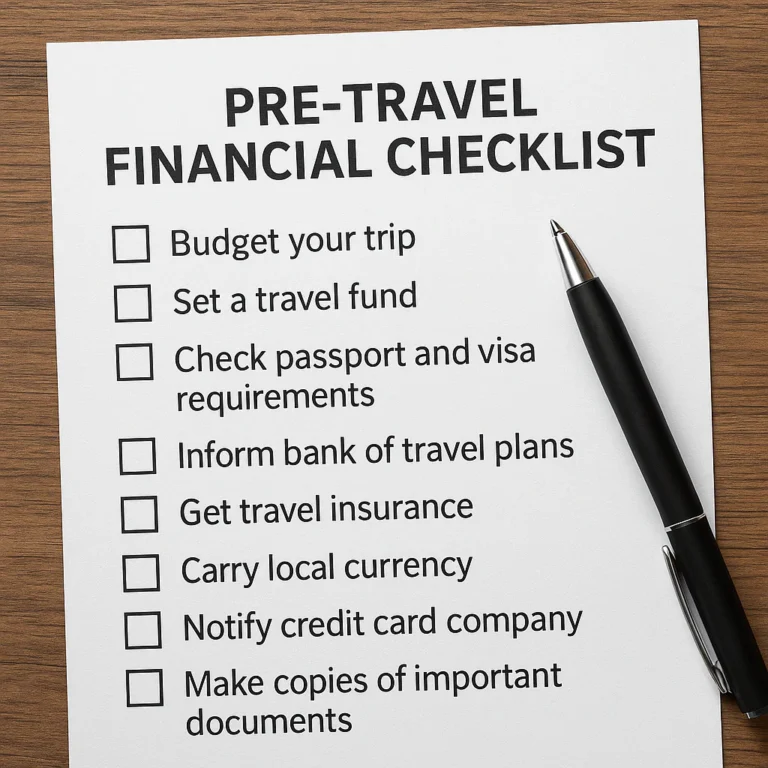
Stop guessing your way into a financial disaster; the secret to a stress-free trip is a rigorous, pre-departure travel checklist for travel budgeting that accounts for every hidden fee before you even pack your bags. We learned this the hard way when a “budget” backpacking trip to Europe nearly ended with us eating instant noodles in a train station because we forgot to factor in the 15% tourist tax and currency conversion fees.
Did you know that nearly 40% of travelers admit to overspending on their trips simply because they didn’t track their daily variable expenses? It’s not about being cheap; it’s about being smart so you can afford that extra sunset cruise or the authentic street food tour without panic.
By following our step-by-step guide, you’ll transform your financial anxiety into a clear roadmap for adventure.
Key Takeaways
- The 15% Buffer Rule: Always add a 15% contingency fund to your total budget to cover unexpected costs like flight changes, medical needs, or spontaneous opportunities.
- Fixed vs. Variable Costs: Clearly separate non-negotiable fixed costs (flights, insurance, visas) from flexible variable expenses (food, transport, fun) to know exactly where you can cut back if needed.
- Tech is Your Friend: Utilize real-time tools like Numbeo for cost-of-living data and apps like Trail Wallet to track spending daily, preventing the “I have no idea where my money went” syndrome.
- Hidden Fees Matter: Never ignore bank foreign transaction fees, dynamic currency conversion traps, and local city taxes that can silently inflate your daily spend by 20%.
Table of Contents
- ⚡️ Quick Tips and Facts
- 📜 The Evolution of Travel Budgeting: From Ledger Books to Apps
- 🧠 Why Your Travel Budget Fails (And How to Fix It Before You Fly)
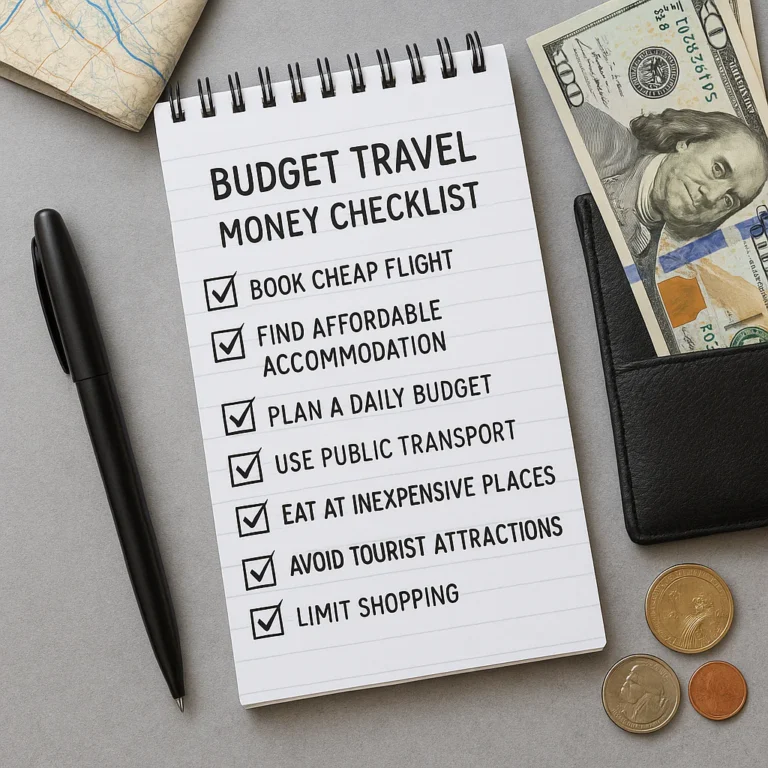
- 📋 The Ultimate Travel Budgeting Checklist: 12 Essential Steps
- 1. Define Your Travel Style and Financial Boundaries
- 2. Research Destination-Specific Cost of Living Data
- 3. Calculate Fixed Costs: Flights, Visas, and Insurance
- 4. Estimate Daily Variable Expenses: Food, Transport, and Fun
- 5. Factor in Hidden Fees and Currency Exchange Rates
- 6. Build a Realistic Emergency Fund Buffer
- 7. Choose the Right Banking Tools and Credit Cards
- 8. Set Up Automated Savings and Tracking Systems
- 9. Pre-Book High-Cost Items to Lock in Rates
- 10. Create a Daily Spending Cap Strategy
- 1. Plan for Off-Season vs. Peak Season Variations
- 12. Review and Adjust Your Budget Mid-Trip
- 💸 Smart Strategies for Cutting Costs Without Sacrificing Fun
- 📊 Budgeting by Destination Type: Backpacker vs. Luxury vs. Family
- 🛠️ Top Tools and Apps for Managing Travel Finances on the Go
- 🚨 Common Budgeting Pitfalls and How to Avoid Them
- 🌍 Real-World Case Studies: How We Saved (and Spent) on Our Trips
- 🏁 Conclusion
- 🔗 Recommended Links
- ❓ FAQ: Your Burning Questions About Travel Budgeting Answered
- 📚 Reference Links
⚡️ Quick Tips and Facts
Before we dive into the nitty-gritty of spreadsheets and currency converters, let’s hit the pause button and grab a few golden nugets that could save you a small fortune (or a massive headache) later. We’ve seen too many travelers arrive in paradise only to realize they can’t afford a cup of coffee because they forgot to account for the “tourist tax” or the hidden fees of their credit card.
Here is the Travel Checklist™ reality check:
- The 15% Rule is Non-Negotiable: As noted by seasoned travelers, always add a 15% contingency buffer to your final budget. Life happens. A missed train, a sudden rainstorm requiring a taxi, or a “just one more” cocktail adds up fast.
- Currency is King (and Queen): The strength of your home currency dictates your entire experience. A budget that feels like a luxury in Guatemala might get you a single night in a hostel in London. Always check Numbeo.com for real-time cost-of-living comparisons before you book a single ticket.
- Fixed vs. Variable: Your fixed costs (flights, insurance, visas) are set in stone. Your variable costs (food, local transport, fun) are where you have control. If you overspend on a fancy hotel, you must cut back on dining to stay on track.
- The “Shoulder Season” Secret: Traveling just one week before or after peak season can slash your accommodation and flight costs by up to 40%, without sacrificing the weather.
- Cash is Still Cash: In many parts of the world (like Southeast Asia or parts of Latin America), vendors prefer cash, and ATMs can be scarce. Always carry a backup stash of US dollars or Euros.
Did you know? In the 1960s, a traveler could cross Europe for $5 a day. Today, that same budget might not even cover a martini in Paris. The game has changed, but the strategy remains the same: plan ahead.
For a deeper dive into how we organize our entire lives around these principles, check out our comprehensive guide on how to create the perfect travel checklist.
📜 The Evolution of Travel Budgeting: From Ledger Books to Apps
Remember the days when budgeting meant a leather-bound notebook, a fountain pen, and a lot of praying you didn’t run out of cash in a foreign land? We do. The “Romantic’s Approach” of just wing it and hoping for the best was a rite of passage for backpackers in the 70s and 80s. But let’s be honest: that approach often led to sleeping in train stations or eating instant noodles for a week.
Fast forward today, and the landscape has shifted dramatically. We’ve moved from the Accountant’s Approach (rigid spreadsheets) to a hybrid model that blends data-driven planning with the freedom to “go with the flow.”
The Old School: The Ledger Era
Back in the day, you had to physically count your bills. There were no apps to track your daily spend. You relied on:
- Physical Maps: To find the cheapest bus route.
- Guidebooks: Which were often outdated by the time you bought them.
- Intuition: And a lot of luck.
The Modern Era: The App Revolution
Today, we have tools that can predict flight prices, track your spending in real-time, and even tell you the cost of a beer in a specific neighborhood before you land.
- Real-Time Data: Apps like Numbeo and XE Currency give you instant access to cost-of-living data.
- Automated Tracking: Tools like Trail Wallet or Splitwise let you log expenses with a tap.
- Dynamic Booking: Platforms like Skyscanner allow you to view the cheapest days to fly with a simple calendar view.
However, technology isn’t a silver bullet. As the author of Traveler’s Tool Kit Rob Sangster noted, “If you make informed choices, bargain a bit, and skip overpriced tourist frills, you can easily have a fine trip within a reasonable budget.” The tool doesn’t make the budget; your discipline does.
🧠 Why Your Travel Budget Fails (And How to Fix It Before You Fly)
We’ve all been there. You arrive in Bangkok with a “budget” of $30 a day, and by day three, you’re eating street food because you spent $40 on a tuk-tuk ride and a “must-see” temple tour that turned out to be a scam. Why does this happen?
The “Hidden Fee” Trap
Most budgets fail because they only account for the sticker price.
- Bank Fees: Your bank might charge $5 for every ATM withdrawal abroad.
- Dynamic Currency Conversion (DCC): When a machine asks if you want to pay in your home currency, always say NO. You’ll get a terrible exchange rate.
- Resort Fees & City Taxes: These often aren’t included in the initial booking price on sites like Expedia or Booking.com.
The “Tourist Tax”
You are a tourist. You will pay more.
- Food: A meal in a local market might be $2. The same meal in a “tourist trap” restaurant is $15.
- Transport: A taxi ride for a local might be $1. For you, it’s $10.
- Activities: Guided tours often have a “foreigner price” that is double the local rate.
The “Splurge Spiral”
You start with a strict budget. Day 1: You save $10. Day 2: You think, “I saved money, I deserve a nice dinner.” Day 3: You’re back to saving. By Day 5, you’ve blown the entire buffer.
The Fix?
- Categorize Your Spending: Separate “Must-Haves” (lodging, transport) from “Nice-to-Haves” (souvenirs, fancy dinners).
- Use the “Envelope System” Digitally: Allocate a specific amount for daily spending and stick to it.
- Research Before You Go: Use Numbeo to get a realistic idea of daily costs. Don’t guess.
Pro Tip: If you’re planning an adventure trip, check out our Adventure Travel Checklists to ensure you haven’t missed any gear costs that could blow your budget.
📋 The Ultimate Travel Budgeting Checklist: 12 Essential Steps
Ready to build a budget that actually works? Follow these 12 steps. We’ve numbered the core actions because, well, you need to do them in order (mostly).
1. Define Your Travel Style and Financial Boundaries
Are you a Backpacker sleeping in hostels, a Luxury Traveler needing a spa every day, or a Family needing kid-friendly activities? Your style dictates your budget.
- Action: Write down your non-negotiables. Is it a private room? Is it eating out three times a day?
- Insight: As the “Romantic’s Approach” suggests, choose your destination based on your budget, or adjust your budget to fit your dream destination.
2. Research Destination-Specific Cost of Living Data
Don’t assume all of Europe is expensive or all of Asia is cheap.
- Action: Use Numbeo.com to compare costs. A 3-star hotel in Antigua, Guatemala, might cost $50, while in Amsterdam, that same amount buys you a dorm bed.
- Fact: A fast-food meal in Mexico City is ~$4, but in Oslo, it’s over $20.
3. Calculate Fixed Costs: Flights, Visas, and Insurance
These are the costs you must pay before you leave.
- Flights: Use Skyscanner to find the cheapest dates.
- Visas: Check VisaHQ.com for requirements. Some countries require cash for visas on arrival.
- Insurance: Never skip this. IMG Global or similar providers are essential for medical emergencies.
4. Estimate Daily Variable Expenses: Food, Transport, and Fun
This is where the magic (and the math) happens.
- Food: Decide how many meals you’ll eat out. Aim for one “nice” meal and two local meals.
- Transport: Research local buses vs. taxis. In Southeast Asia, 12Go.asia is great for booking trains and buses.
- Fun: List the activities you must do and estimate their cost.
5. Factor in Hidden Fees and Currency Exchange Rates
- Bank Fees: Check if your card has foreign transaction fees.
- Exchange Rates: Use a reliable converter. Don’t trust the rate at the airport kiosk; they are terrible.
- Taxes: Add 10-15% for local taxes and service charges.
6. Build a Realistic Emergency Fund Buffer
Add 15% to your total budget. This is your “Oh no, I broke my leg” or “My flight got cancelled” fund.
- Rule: If you don’t use it, great! But you must have it.
7. Choose the Right Banking Tools and Credit Cards
- Cards: Get a card with no foreign transaction fees (e.g., Chase Sapphire, Capital One).
- Apps: Use Wise or Revolut for better exchange rates.
- Cash: Always have a backup stash of USD or Euros.
8. Set Up Automated Savings and Tracking Systems
- Savings: Set up an automatic transfer to a dedicated travel savings account.
- Tracking: Use apps like Trail Wallet or Splitwise to log every expense.
9. Pre-Book High-Cost Items to Lock in Rates
- Flights: Book 2-3 months in advance for the best deals.
- Accomodation: Book refundable rates if you’re unsure, but lock in prices for peak season.
10. Create a Daily Spending Cap Strategy
- Strategy: Divide your variable budget by the number of days.
- Execution: If your daily cap is $50, and you spend $60 on day one, you must spend $40 on day two.
1. Plan for Off-Season vs. Peak Season Variations
- Off-Season: Prices drop, but some attractions might be closed.
- Peak Season: Prices soar, but the weather is perfect.
- Shoulder Season: The sweet spot. Good weather, lower prices.
12. Review and Adjust Your Budget Mid-Trip
- Action: Check your budget every Sunday. Are you on track? If not, adjust your spending for the next week.
- Mindset: Be flexible. If you overspend on a tour, skip a fancy dinner.
Wait, what about packing? Don’t forget to check our Backpacking Checklists to ensure you aren’t buying things you already own, which wastes budget!
💸 Smart Strategies for Cutting Costs Without Sacrificing Fun
You don’t have to eat instant noodles to save money. Here’s how to stretch your dollar without losing the joy of travel.
The “Local Life” Strategy
- Eat Like a Local: Avoid restaurants with menus in three languages and pictures of the food. Go where the locals eat.
- Market Hopping: Buy fresh fruit, bread, and cheese from local markets. A picnic in a park is often cheaper and more romantic than a restaurant.
- Cook Your Own Meals: If your accommodation has a kitchen, cook one meal a day.
The “Free Fun” Approach
- Walking Tours: Many cities offer “free” walking tours (tip-based). They are often the best way to see a city.
- Museums: Look for free admission days. Many major museums have one day a month where entry is free.
- Nature: Hiking, beaches, and parks are usually free.
The “Timing” Tactic
- Shoulder Season: Travel just before or after peak season.
- Mid-Week Flights: Flying on a Tuesday or Wednesday is often cheaper than flying on a weekend.
- Last-Minute Deals: If you’re flexible, apps like HotelTonight can offer huge discounts on same-day bookings.
The “Tech” Hack
- eSIMs: Instead of paying roaming fees, get an eSIM from Airalo. It’s cheap and works instantly.
- Offline Maps: Download maps on Google Maps or Ulmon Maps to avoid data charges.
Did you miss the video? We mentioned earlier that planning is key. If you haven’t watched the video on planning your trip timeline, do it now! It covers everything from a month before to the day of your trip.
📊 Budgeting by Destination Type: Backpacker vs. Luxury vs. Family
Not all trips are created equal. Here’s a breakdown of how to budget for different travel styles.
| Category | Backpacker | Luxury | Family |
|---|---|---|---|
| Accomodation | Hostels, Guesthouses ($10-$30/night) | 5-Star Hotels, Resorts ($30+/night) | Vacation Rentals, Family Suites ($150-$40/night) |
| Food | Street Food, Markets ($5-$15/day) | Fine Dining, Private Chefs ($10+/day) | Mix of Cooking and Casual Dining ($50-$10/day) |
| Transport | Buses, Trains, Walking | Private Drivers, First Class Flights | Car Rentals, Domestic Flights |
| Activities | Free Walking Tours, Hiking | Guided Private Tours, Exclusive Experiences | Theme Parks, Guided Family Tours |
| Budget Buffer | 10% (Tight) | 20% (Spontaneous) | 15% (Unpredictable Kids) |
The Backpacker
- Focus: Experience over comfort.
- Strategy: Use 12Go.asia for regional transport. Stay in hostels with kitchens.
- Tip: In Southeast Asia, you can live on $35/day if you’re careful.
The Luxury Traveler
- Focus: Comfort and exclusivity.
- Strategy: Book all-inclusive packages to lock in costs. Use credit card points for upgrades.
- Tip: Don’t skimp on travel insurance. A medical evacuation can cost tens of thousands.
The Family
- Focus: Convenience and safety.
- Strategy: Rent a vacation home to save on meals. Book kid-friendly activities in advance.
- Tip: Kids eat for free at many places, but their energy levels can be unpredictable. Budget for extra snacks and downtime.
Need more ideas? Check out our Family Vacation Checklists for specific tips on traveling with kids.
🛠️ Top Tools and Apps for Managing Travel Finances on the Go
You can’t do this alone. Here are the tools we swear by.
Budgeting & Tracking
- Trail Wallet: Simple, intuitive, and perfect for tracking daily expenses.
- Splitwise: Essential for group trips to split costs fairly.
- YNAB (You Need A Budget): Great for long-term planning and zero-based budgeting.
Currency & Exchange
- XE Currency: Real-time exchange rates and alerts.
- Wise (formerly TransferWise): Best for sending money abroad and getting great exchange rates.
- Revolut: A multi-currency card that lets you hold and exchange money in multiple currencies.
Booking & Deals
- Skyscanner: Best for finding the cheapest flights.
- 12Go.asia: The go-to for booking trains and buses in Asia.
- Airbnb: Great for groups and long stays.
- Booking.com: Reliable for hotels with free cancellation.
Safety & Insurance
- IMG Global: Comprehensive travel medical insurance.
- World Nomads: Great for adventure travelers.
- Airalo: Affordable eSIMs for data.
👉 Shop for Travel Gear on:
- Amazon: Travel Budgeting Apps & Tools
- Booking.com: Find the Best Deals
- Skyscanner: Compare Flights
🚨 Common Budgeting Pitfalls and How to Avoid Them
Even the best planners make mistakes. Here are the most common ones and how to dodge them.
1. The “I’ll Figure It Out Later” Syndrome
- The Problem: You arrive without a plan and end up overspending.
- The Fix: Do your research before you leave. Know the cost of a taxi, a meal, and a museum ticket.
2. Ignoring the “Small Stuff”
- The Problem: You budget for big things but forget the $5 coffee, the $2 souvenir, and the $10 laundry.
- The Fix: Add a “Miscellaneous” category with a daily cap.
3. Relying on One Card
- The Problem: Your card gets declined or lost.
- The Fix: Carry at least two cards from different banks and a stash of cash.
4. Not Checking Exchange Rates
- The Problem: You get a terrible rate at the airport.
- The Fix: Withdraw cash from ATMs in your destination or use a card with no foreign fees.
5. Overestimating Your “Fun” Budget
- The Problem: You think you can do everything, but you can’t afford it.
- The Fix: Prioritize. Choose 2-3 “must-do” activities and skip the rest.
Remember: As the video on planning your trip emphasizes, “Triple check for important docs” and “Notify your bank” before you leave. These small steps prevent big budget disasters.
🌍 Real-World Case Studies: How We Saved (and Spent) on Our Trips
Let’s look at some real examples from our team at Travel Checklist™.
Case Study 1: The Southeast Asia Backpacker
- Destination: Thailand, Cambodia, Vietnam
- Duration: 30 Days
- Budget: $1,20 (excluding flights)
- Strategy:
- Stayed in hostels ($5-$10/night).
- Ate street food ($2-$5/meal).
- Used local buses and trains.
- Did free walking tours.
- Result: Saved 20% of the budget for a “splurge” night in a nice hotel.
Case Study 2: The European Luxury Family
- Destination: Italy, France, Spain
- Duration: 14 Days
- Budget: $8,0 (excluding flights)
- Strategy:
- Booked all-inclusive resorts and private tours.
- Used a travel agent to bundle flights and hotels.
- Prioritized high-end dining and exclusive experiences.
- Result: Stayed within budget by pre-booking everything and avoiding last-minute surprises.
Case Study 3: The Digital Nomad
- Destination: Bali, Indonesia
- Duration: 3 Months
- Budget: $3,0 (excluding flights)
- Strategy:
- Rented a long-term villa ($50/month).
- Worked from co-working spaces.
- Cooked most meals.
- Used Airalo for data.
- Result: Lived comfortably and saved money by avoiding daily hotel costs.
Want to see how we plan our own trips? Check out our Digital Nomad Checklists for tips on working while traveling.
Conclusion

So, there you have it. The ultimate guide to Travel Budgeting that doesn’t feel like a chore. We’ve covered everything from the evolution of budgeting to the nitty-gritty of daily spending, and we’ve even looked at real-world examples of how to make it work.
The key takeaway? Planning is power. By defining your travel style, researching costs, and using the right tools, you can travel the world without breaking the bank. Remember to add that 15% buffer, choose your banking tools wisely, and always keep an eye on your daily spending.
And don’t forget the human element. As the author of the Southeast Asia checklist said, “It’s awesome to leave room to go with the flow and see what happens and who you meet!” A budget is a guide, not a cage. Use it to create the trip of your dreams, not to limit your experiences.
Ready to start planning? Grab your checklist, fire up your favorite budgeting app, and get ready for the adventure of a lifetime.
🔗 Recommended Links
Travel Budgeting Tools & Apps:
- Trail Wallet: Download on App Store | Download on Google Play
- Skyscanner: Compare Flights
- 12Go.asia: Book Transport in Asia
- Numbeo: Cost of Living Data
- Airalo: eSIMs for Travel
Books on Travel Budgeting:
- Traveler’s Tool Kit: How to Travel Absolutely Anywhere by Rob Sangster: Buy on Amazon
- The Art of Not-So-Bare-Bones Travel by various authors: Buy on Amazon
Travel Insurance:
- IMG Global: Get a Quote
- World Nomads: Get a Quote
❓ FAQ: Your Burning Questions About Travel Budgeting Answered

How do I track and update my travel budget using a checklist app?
Most apps like Trail Wallet or Splitwise allow you to input your total budget and then log expenses as you go. They automatically update your remaining balance and show you where you’re overspending. You can also set daily limits and get alerts when you’re close to your cap.
What features should I look for in a travel budgeting checklist app?
Look for apps that offer:
- Real-time currency conversion.
- Offline mode (for when you don’t have data).
- Categorization (food, transport, etc.).
- Collaboration (for group trips).
- Visual charts to see your spending habits.
Read more about “🎒 Top 10 Packing List Apps for Android (2026): Never Forget a Thing Again”
Can a travel checklist app help avoid overspending on trips?
Absolutely. By setting a daily cap and logging every expense, you become more aware of your spending. The visual feedback of seeing your balance drop can be a powerful deterrent to impulse buys.
Read more about “🚀 How Checklist Apps Transform Travel Planning (2026)”
How do I prioritize expenses on my travel budgeting checklist?
Start with your fixed costs (flights, insurance, visas). Then, allocate funds to your priorities (e.g., if you love food, spend more on meals and less on souvenirs). Finally, fill in the rest with variable expenses.
Read more about “🎒 What You Need for a 2 Week Trip: The Ultimate 10-Item Checklist (2026)”
What are the best tips for creating a travel budget checklist?
- Research first: Use Numbeo to get accurate cost data.
- Add a buffer: Always include 15% for unexpected costs.
- Be realistic: Don’t underestimate the cost of food and transport.
- Review often: Check your budget weekly and adjust as needed.
Read more about “🌍 Ultimate Travel Checklist for COVID-19 Requirements (2026)”
How can a checklist app help with managing travel expenses?
Apps provide a centralized place to track all your expenses, from flights to souvenirs. They can also help you split costs with travel companions and keep you accountable to your budget.
Read more about “Can a Travel Checklist App Save Your Budget? (2026) 🛑💸”
What are the essential items to include in a travel budgeting checklist?
- Flights and accommodation.
- Visas and travel insurance.
- Daily food and transport.
- Activities and tours.
- Souvenirs and miscellaneous.
- Emergency fund (15% buffer).
Read more about “🗓️ When to Start Your Pre-Travel Checklist? (2026 Guide)”
How much should I save for a trip before leaving?
It depends on your destination and travel style. A good rule of thumb is to save enough to cover your fixed costs plus 30-50% of your estimated variable costs. This gives you a safety net for unexpected expenses.
Read more about “🛂 The Ultimate Travel Checklist for Travel Documents (2026)”
What are the hidden costs in a travel budget?
- Bank fees foreign transactions.
- Resort fees and city taxes.
- Currency exchange fees.
- Tips and service charges.
- Luggage fees on airlines.
Read more about “💰 How Much Money Should I Bring for a 3 Week Trip? (2026 Guide)”
How do I track my travel expenses on a budget?
Use a budgeting app like Trail Wallet or a simple spreadsheet. Log every expense as soon as you make it. Review your spending weekly and adjust your daily cap if necessary.
Read more about “🗺️ How to Plan a Trip List: The Ultimate 14-Step Guide (2026)”
What is the best app for managing travel budgets?
Trail Wallet is great for simplicity, while Splitwise is perfect for group trips. YNAB is excellent for long-term planning. The best app is the one you’ll actually use consistently.
How can I create a realistic travel spending plan?
- Research your destination’s cost of living.
- List all your fixed and variable costs.
- Add a 15% buffer.
- Set daily limits for variable expenses.
- Review and adjust your plan regularly.
What percentage of my income should I allocate for travel?
This varies by person, but a common recommendation is to save 10-15% of your income for travel. If you’re saving for a big trip, you might need to save more.
How do I adjust my travel budget for unexpected costs?
If you encounter unexpected costs, look at your variable expenses (like dining out or souvenirs) and cut back. If you’ve used your buffer, you may need to shorten your trip or downgrade your accommodation.
📚 Reference Links
- Numbeo: Cost of Living Data
- VisaHQ: Visa Requirements
- Skyscanner: Flight Search
- 12Go.asia: Transport in Asia
- IMG Global: Travel Insurance
- Airalo: eSIMs
- Rachel Mets China: Southeast Asia Travel Checklist
- Travel Checklist: Travel Checklist Guide
- Travel Checklist: Adventure Travel Checklists
- Travel Checklist: Digital Nomad Checklists
- Travel Checklist: Backpacking Checklists
- Travel Checklist: Budget Travel Checklists
- Travel Checklist: Beach Vacation Checklists