Support our educational content for free when you purchase through links on our site. Learn more
🚨 10 Essential Travel Vaccines: Your Ultimate Checklist (2026)

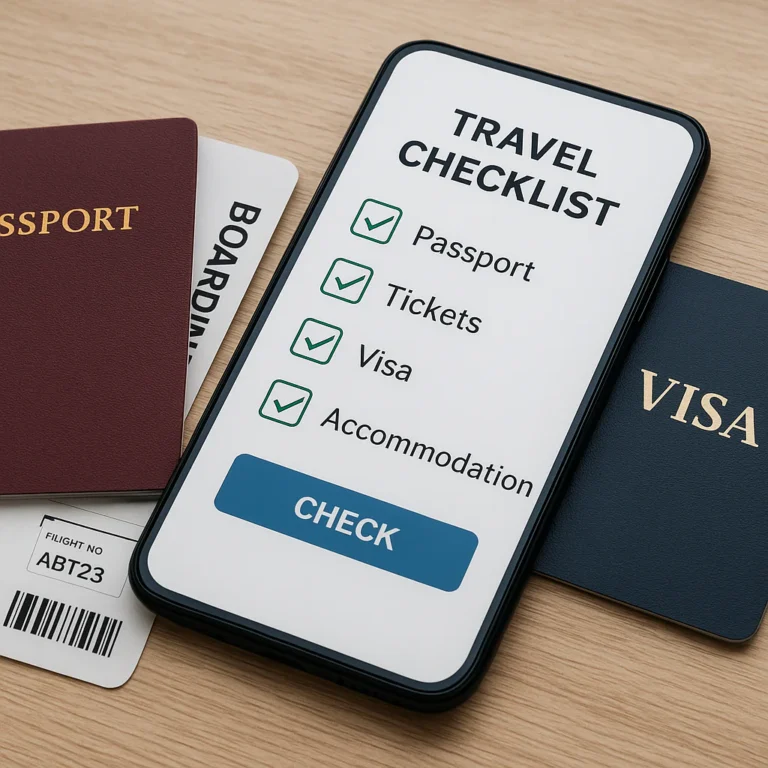
Don’t let a preventable disease ground your adventure; the Travel checklist for travel vaccinations demands you book your clinic appointment 4 to 6 weeks before departure. While many assume a quick stop at the airport pharmacy suffices, the reality is that critical shots like Yellow Fever require weeks to build immunity and must be administered at specialized centers.
We once watched a seasoned backpacker get turned away at the border of Uganda because his Yellow Fever certificate was stamped by the wrong clinic. It wasn’t a lack of preparation, but a lack of specific knowledge that nearly cost him his trip.
Did you know that over 30 million travelers visit malaria-endemic regions annually, yet fewer than half take prophylaxis? The stakes are high, but the solution is simple: start your health prep early.
Key Takeaways
- Timing is Critical: Schedule your Travel checklist for travel vaccinations appointments 4–6 weeks before departure to ensure full immunity.
- Mandatory vs. Recommended: Distinguish between entry requirements (like Yellow Fever) and health recommendations (like Hepatitis A) based on your destination.
- Specialized Care: Not all clinics offer Yellow Fever vaccines; use the CDC locator to find an authorized center.
- Documentation: Keep your International Certificate of Vaccination (ICVP) in your carry-on, not your checked luggage.
Table of Contents
- ⚡️ Quick Tips and Facts
- 📜 A Brief History of Travel Vaccines: From Yellow Fever to Modern Shots
- 🗓️ The Ultimate Timeline: When to Schedule Your Travel Vaccinations
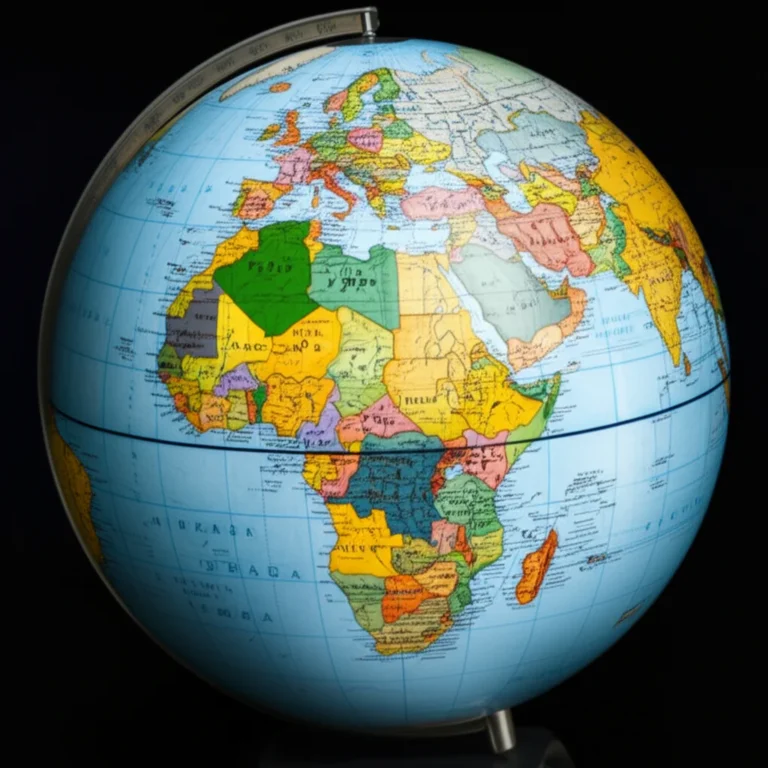
- 🌍 Essential Travel Vaccinations by Region and Destination
- 1. Hepatitis A and B: The Universal Travelers’ Shield
- 2. Typhoid Fever: The Dirty Water Warning
- 3. Yellow Fever: The Certificate You Can’t Ignore
- 4. Rabies: Don’t Pet the Stray Dog
- 5. Japanese Encephalitis: The Mosquito-Borne Risk in Asia
- 6. Meningocal Disease: The Haj Requirement and Beyond
- 7. Cholera: Rare but Real Risks in Crisis Zones
- 8. Tick-Borne Encephalitis: The European Hiker’s Dilemma
- 9. Polio: The Resurgence You Need to Know About
- 10. Malaria Prophylaxis: Pills vs. Shots
- 💉 Routine vs. Travel-Specific: What’s Already in Your Arm?
- 🏥 Finding the Right Clinic: Travel Medicine Specialists vs. Your GP
- 💰 Understanding Costs and Insurance Coverage for Travel Shots
- 🤰 Special Considerations: Vaccinations for Pregnant Travelers, Kids, and Seniors
- 📋 The Yellow Fever Certificate: Your Golden Ticket to Entry
- 🚫 Common Myths and Misconceptions About Travel Vaccines
- 🎒 Post-Vaccination Care: Managing Side Effects and Staying Safe
- 🌐 Complete List of Destinations and Their Specific Vaccine Requirements
- 🏁 Conclusion
- 🔗 Recommended Links
- ❓ FAQ: Frequently Asked Questions About Travel Vaccinations
- 📚 Reference Links
⚡️ Quick Tips and Facts
Before you even start packing that suitcase or arguing with your partner about who gets the window seat, let’s hit the brakes on your itinerary for a second. Why? Because timing is everything when it comes to travel vaccinations. You might think you can pop into a clinic the week before your flight and be good to go, but here’s the plot twist: some vaccines take weeks to kick in, and others require a series of shots spaced months apart.
Here is the Travel Checklist™ reality check:
- The Golden Rule: Schedule your appointment 4 to 6 weeks before departure. Yes, we know you’re excited, but your immune system needs a head start.
- The “Must-Have” vs. “Nice-to-Have”: Some vaccines are mandatory for entry (like Yellow Fever for certain African and South American nations), while others are highly recommended based on your activities (like Rabies for backpackers).
- Routine is Key: Don’t forget your basics! If your Tdap (Tetanus, Diphtheria, Pertussis) or MMR (Measles, Mumps, Rubella) is expired, you’re walking into a trap.
- Documentation Matters: You’ll need an International Certificate of Vaccination or Prophylaxis (ICVP) for specific vaccines. Lose it, and you might get turned away at the border.
Pro Tip: If you’re using our Travel Checklist App to organize your trip, there’s a dedicated section for health prep that reminds you exactly when to book that appointment. Don’t let “I forgot” ruin your adventure!
📜 A Brief History of Travel Vaccines: From Yellow Fever to Modern Shots

Ever wonder why we’re so obsessed with shots before we jet off? It’s not just modern paranoia; it’s a survival strategy honed over centuries. The concept of travel medicine dates back to the 17th century, but the real game-changer was the Yellow Fever vaccine.
In the early 190s, the construction of the Panama Canal was stalled not by engineering, but by mosquitoes spreading Yellow Fever and Malaria. It wasn’t until Max Theiler developed the 17D Yellow Fever vaccine in the 1930s that the project could truly move forward. This vaccine is still the gold standard today, and it’s one of the few that requires a lifetime dose (though some countries still ask for boosters, a topic we’ll debunk later).
Fast forward today, and we have a sophisticated arsenal. We’ve moved from the crude methods of the past to recombinant DNA technology and mRNA platforms. The landscape has shifted from “hoping you don’t get sick” to “scientifically ensuring you don’t.”
However, history teaches us a lesson: diseases don’t respect borders. Just because a disease is rare in your hometown doesn’t mean it’s gone from the planet. As the CDC notes, international travel increases the risk of contracting diseases that are non-existent in the US.
🗓️ The Ultimate Timeline: When to Schedule Your Travel Vaccinations
We’ve all been there: you book a last-minute trip to Bali, and suddenly you’re scrambling to find a clinic that’s open on a Sunday. Don’t do it.
Here is the Travel Checklist™ timeline that will save your skin (and your wallet):
6 to 8 Weeks Before Departure
This is the sweet spot.
- Why? Some vaccines, like the Hepatitis B series or Rabies pre-exposure prophylaxis, require multiple doses over several weeks.
- Action: Book your appointment now. If you need a Yellow Fever vaccine, you must find a CDC-authorized Yellow Fever Vaccine Center. These centers are limited, and they book up fast.
4 to 6 Weeks Before Departure
If you missed the 8-week mark, you’re still in the game, but the clock is ticking.
- Focus: Get your Hepatitis A, Typhoid, and Meningocal shots. These provide immunity relatively quickly.
- Malaria: If you’re heading to a malaria zone, start your prophylaxis pills now. Some need to be taken for a week before you even land.
2 Weeks Before Departure
- The Rush: You can still get Flu, Tetanus, and Hepatitis A (single dose).
- Warning: You likely won’t get full immunity from multi-dose vaccines now, but you’ll get some protection.
The Day Before
- Reality Check: It’s too late for most vaccines. You might get a Flu shot, but don’t expect it to protect you immediately.
- Final Prep: Double-check your ICVP (Yellow Fever certificate) and ensure you have copies of your prescription for malaria meds.
Wait, what if I’m already at the airport?
You can’t get most travel vaccines at the gate. But you can get a flu shot at many airport pharmacies. Still, relying on that is a gamble we don’t recommend.
🌍 Essential Travel Vaccinations by Region and Destination
Not all trips are created equal. A beach vacation in the Caribbean has different risks than a trek through the Amazon or a safari in Kenya. Let’s break down the top 10 travel vaccines you might need, ranked by necessity and risk.
1. Hepatitis A and B: The Universal Travelers’ Shield
Hepatitis A is the most common vaccine-preventable disease for travelers. It’s spread through contaminated food and water. Even in “clean” countries, street food can be a vector.
- Who needs it? Almost everyone traveling outside the US, Canada, Western Europe, Australia, and New Zealand.
- The Shot: Two doses, 6 months apart. The first dose gives you protection for at least a year.
- Hepatitis B: Spread through blood and bodily fluids. Essential for long-term travelers, those getting tattoos, or medical workers.
2. Typhoid Fever: The Dirty Water Warning
Caused by Salmonella Typhi, this is a nasty gut infection.
- Risk Zones: South Asia, Southeast Asia, Africa, and parts of South America.
- The Shot: Available as an injection (single dose, lasts 2 years) oral capsules (4 doses, lasts 5 years).
- Travel Checklist™ Tip: If you’re a backpacker eating street food, the oral version might be more convenient, but the shot is faster.
3. Yellow Fever: The Certificate You Can’t Ignore
This is the big one. It’s a viral hemorrhagic fever transmitted by mosquitoes.
- Requirement: Mandatory for entry into many countries in Sub-Saharan Africa and South America.
- The Catch: You must get it at a CDC-authorized center. Your regular doctor might not have it.
- Validity: One dose provides lifetime immunity according to the WHO, though some countries still demand a booster every 10 years. Check your destination’s specific rules!
4. Rabies: Don’t Pet the Stray Dog
Rabies is 10% fatal once symptoms appear.
- Who needs it? Adventure travelers, cyclists, hikers, and anyone spending time in rural areas with dogs, bats, or monkeys.
- Pre-Exposure: 3 doses given over 3-4 weeks. If you get bitten, you still need post-exposure treatment, but it’s much simpler (no immunoglobulin needed).
- Post-Exposure: If you didn’t get pre-vaccinated, you need the shot and immunoglobulin immediately.
5. Japanese Encephalitis: The Mosquito-Borne Risk in Asia
A viral infection affecting the brain.
- Risk: Rural areas in Asia and the Western Pacific.
- Who needs it? Travelers staying >1 month, or those doing extensive outdoor activities (camping, farming).
- The Shot: Two doses, 28 days apart.
6. Meningocal Disease: The Haj Requirement and Beyond
Causes meningitis and sepsis.
- Requirement: Mandatory for pilgrims traveling to Saudi Arabia for Haj or Umrah.
- Other Risks: The “Meningitis Belt” in sub-Saharan Africa (dry season).
- The Shot: Quadrivalent vaccine (covers A, C, W, Y).
7. Cholera: Rare but Real Risks in Crisis Zones
Caused by contaminated water.
- Who needs it? Aid workers, travelers to areas with active outbreaks or poor sanitation.
- The Shot: Oral vaccine (two doses).
8. Tick-Borne Encephalitis: The European Hiker’s Dilemma
A viral infection spread by ticks in Central and Eastern Europe and parts of Asia.
- Who needs it? Hikers, campers, and outdoor enthusiasts in endemic areas.
- The Shot: Three doses (0, 1-3 months, 5-12 months).
9. Polio: The Resurgence You Need to Know About
Polio is nearly eradicated, but it’s back in some pockets.
- Requirement: Some countries require proof of polio vaccination for exit if you’ve been there >4 weeks.
- The Shot: A single IPV (inactivated polio vaccine) booster if you haven’t had one as an adult.
10. Malaria Prophylaxis: Pills vs. Shots
Wait, isn’t Malaria a shot? No, it’s medication.
- The Risk: Sub-Saharan Africa, parts of Asia, South America, and Oceania.
- Options: Atovaquone-proguanil (Malarone), Doxycline, Mefloquine (Lariam), or Tafenoquine.
- Crucial: You must start taking these before you leave, continue during, and finish the course after you return.
| Vaccine | Primary Risk Zone | Duration of Protection | Required for Entry? |
|---|---|---|---|
| Yellow Fever | Africa, S. America | Lifetime (usually) | Yes (Specific countries) |
| Hepatitis A | Global (except developed nations) | 10+ years | No |
| Typhoid | South Asia, Africa, S. America | 2-5 years | No |
| Rabies | Global (Rural areas) | 2-3 years (pre-exposure) | No |
| Meningocal | Sub-Saharan Africa, Saudi Arabia | 3-5 years | Yes (Haj) |
| Japanese Encephalitis | Asia | 1-2 years | No |
💉 Routine vs. Travel-Specific: What’s Already in Your Arm?
Before you run to the travel clinic, check your routine immunizations. It’s a common mistake to get a travel vaccine for something you’re already immune to, wasting time and money.
- MMR (Measles, Mumps, Rubella): Measles is making a comeback globally. If you were born after 1957, you likely need two doses.
- Tdap (Tetanus, Diphtheria, Pertussis): Tetanus spores are everywhere, especially in soil. If your last shot was >10 years ago, get a booster.
- Influenza: The flu virus changes every year. Get your annual shot, especially if traveling during flu season in the Southern Hemisphere.
- Varicella (Chickenpox): If you never had chickenpox, you need the vaccine.
Travel Checklist™ Insight: Many people assume they are immune to measles because they “had it as a kid.” But immunity can wane, or you might have been misdiagnosed. A blood test (titer) can confirm your status, but often it’s easier and cheaper to just get the booster.
🏥 Finding the Right Clinic: Travel Medicine Specialists vs. Your GP
So, where do you go? Your primary care physician (GP) is a great start, but they might not have the latest travel-specific data or the Yellow Fever vaccine.
- Your GP: Good for routine shots (Flu, Tdap) and basic travel advice.
- Travel Medicine Specialists: These are doctors with extra certification in International Travel Health. They know the latest outbreaks, the specific requirements for obscure countries, and have access to Yellow Fever vaccines.
- Pharmacies: Some large pharmacy chains (like CVS or Walgreens in the US) offer travel vaccines, but Yellow Fever is almost never available there.
How to find a specialist:
Use the CDC Yellow Fever Vaccine Center Finder. It’s the only way to ensure you get the official certificate.
Personal Story: We once had a client who went to a general clinic for a trip to Uganda. They got the Hepatitis shots but were told they didn’t need Yellow Fever. Two days before the flight, they realized the airline required it. They scrambled, found a specialist, and got the shot, but the stress was palpable. Always verify with a specialist.
💰 Understanding Costs and Insurance Coverage for Travel Shots
Let’s talk money. Travel vaccines can be pricey, and insurance coverage is a mixed bag.
- Routine Vaccines: Usually covered by insurance (Flu, Tdap, MR).
- Travel-Specific Vaccines: Often NOT covered by standard health insurance.
Hepatitis A/B: Sometimes covered if deemed medically necessary, but often out-of-pocket.
Yellow Fever: Almost always out-of-pocket.
Malaria Meds: Usually covered if prescribed, but check your plan.
Cost Factors:
- Clinic Fees: Travel clinics often charge a consultation fee ($50-$150) just to see the doctor.
- Vaccine Cost: Can range from $50 to $30+ per shot.
- Insurance Hacks: Some travel insurance policies (like those from World Nomads or Allianz) might cover the cost of treatment if you get sick, but rarely the preventative shots.
Travel Checklist™ Tip: Call your insurance provider before your appointment. Ask specifically: “Does my plan cover travel-related immunizations?” If not, ask for a cash price. Some clinics offer discounts for paying upfront.
🤰 Special Considerations: Pregnant Travelers, Kids, and Seniors
Traveling while pregnant, with kids, or as a senior requires a different playbook.
Pregnant Travelers
- The Rule: Live virus vaccines (like Yellow Fever, MMR, Varicella) are generally contraindicated during pregnancy.
- The Risk: Zika virus is a major concern for pregnant women, linked to birth defects.
- The Solution: If travel is unavoidable, discuss the risks/benefits with an OB-GYN and a travel specialist. Sometimes the risk of the disease outweighs the risk of the vaccine (e.g., Yellow Fever in a high-risk zone).
- Malaria: Some antimalarials are safe, others are not. Doxycline is generally avoided.
Children
- Age Limits: Some vaccines have age restrictions. Yellow Fever is not recommended for infants under 6 months. Rabies pre-exposure is rarely given to young kids unless they are at high risk.
- Dosing: Dosages are weight-based.
- Travel Checklist™ Tip: Bring your child’s vaccination record. Some countries require proof of routine vaccines for entry.
Seniors
- Immunity: Immune systems weaken with age. You might need boosters more frequently.
- Chronic Conditions: If you have diabetes, heart disease, or are immunocompromised, your risk of complications is higher.
- Shingles: Consider the Shingrix vaccine before traveling, as stress can trigger an outbreak.
📋 The Yellow Fever Certificate: Your Golden Ticket to Entry
The International Certificate of Vaccination or Prophylaxis (ICVP), often called the “Yellow Card,” is your passport to entry for certain countries.
- What it is: A physical, yellow booklet with your details and the vaccine stamp.
- The Stamp: It must be stamped by a CDC-authorized Yellow Fever center. A regular doctor’s signature is NOT valid.
- Validity: It becomes valid 10 days after vaccination. If you get it the day before your flight, you might be denied entry!
- Lifetime Validity: The WHO says one dose is for life. However, some countries (like Egypt or Saudi Arabia) still require a booster every 10 years. Check the specific entry requirements of your destination.
Warning: If you lose your Yellow Card, getting a replacement is a nightmare. You might need to get the vaccine again and wait another 10 days. Keep it in your carry-on, not your checked bag!
🚫 Common Myths and Misconceptions About Travel Vaccines
Let’s bust some myths that could get you sick.
- Myth 1: “I only need vaccines if I’m going to a ‘developing’ country.”
Fact: Outbreaks happen everywhere. Measles is back in Europe; Polio is in Afghanistan and Pakistan. - Myth 2: “The Yellow Fever vaccine gives me immunity for 10 years, so I need a booster.”
Fact: The WHO states one dose provides lifetime immunity. However, some countries still enforce the 10-year rule. It’s a bureaucratic hurdle, not a medical one. - Myth 3: “I can get all my travel vaccines at the airport.”
Fact: Most airports don’t have travel clinics, and certainly not Yellow Fever centers. - Myth 4: “Natural immunity is better than vaccines.”
Fact: “Natural” infection can be fatal. Vaccines provide safe, controlled immunity.
🎒 Post-Vaccination Care: Managing Side Effects and Staying Safe
You got the shots. Now what?
- Common Side Effects: Sore arm, low-grade fever, fatigue, headache. These usually resolve in 24-48 hours.
- Rare Side Effects: Allergic reactions (anaphylaxis) are rare but possible. Stay at the clinic for 15 minutes after the shot.
- Yellow Fever Specifics: Some people experience mild flu-like symptoms. If you get a high fever or severe reaction, see a doctor.
- Malaria Meds: Some people experience vivid dreams or stomach upset with Mefloquine. If so, switch to Atovaquone-proguanil (Malarone) or Doxycline.
Travel Checklist™ Tip: Pack a small first-aid kit with antihistamines, pain relievers, and anti-diarrheal meds. Even with vaccines, you can still get traveler’s diarrhea from bacteria not covered by vaccines.
🌐 Complete List of Destinations and Their Specific Vaccine Requirements
While we can’t list every single country here (that would be a book!), we can give you the framework to check your destination.
- Sub-Saharan Africa: Yellow Fever (often required), Malaria prophylaxis, Typhoid, Hepatitis A/B, Meningocal.
- South America (Amazon Basin): Yellow Fever (required for some), Malaria, Typhoid, Hepatitis A/B.
- South Asia (India, Nepal): Hepatitis A/B, Typhoid, Japanese Encephalitis, Rabies, Malaria.
- Southeast Asia (Thailand, Vietnam): Hepatitis A/B, Typhoid, Japanese Encephalitis (rural), Rabies.
- Middle East (Saudi Arabia): Meningocal (Haj), Yellow Fever (if arriving from endemic zone).
- Europe (Eastern/Central): Tick-Borne Encephalitis (hiking), Hepatitis A/B, Routine boosters.
How to Check:
- Go to the CDC Travelers’ Health website.
- Select your destination.
- Look for the “Vaccines and Medicines” tab.
- Cross-reference with the WHO International Travel and Health guidelines.
Did you know? Some countries require proof of vaccination before you even board the plane, not just upon arrival. Always check the airline’s requirements too!
🏁 Conclusion

Traveling the world is an incredible experience, but it comes with responsibilities. Vaccinations are your first line of defense against diseases that can turn a dream trip into a nightmare.
Key Takeaways:
- Plan Ahead: Book your appointment 4-6 weeks before you leave.
- Know Your Destination: Requirements vary wildly. A trip to Paris is different from a trip to the Congo.
- Get the Yellow Card: If you need it, get it from an authorized center.
- Don’t Skip Routine Shots: Your Tdap and MR are just as important as the exotic ones.
- Consult a Specialist: Your GP is great, but a travel medicine specialist is the expert you need for complex itineraries.
Final Thought:
We’ve all heard the horror stories of travelers getting sick abroad. But with the right preparation, you can explore the world safely. So, grab your passport, check your Travel Checklist™, and get those shots. Your future self (and your immune system) will thank you.
One last question: Are you ready to book that appointment? If you’re still unsure about which vaccines you need, drop a comment below or check our Adventure Travel Checklists for more specific gear and health tips!
🔗 Recommended Links
👉 Shop Travel Health Essentials on:
- Travel Health Kits: Amazon | Walmart
- Mosquito Repellent (DET): Amazon | REI
- First Aid Kits: Amazon | CVS
- Travel Insurance: World Nomads | Allianz Travel
Books on Amazon:
- The Traveler’s Health Guide by the CDC
- CDC Yellow Book 2024: Health Information for International Travel
❓ FAQ: Frequently Asked Questions About Travel Vaccinations

What documents do I need to carry for proof of travel vaccinations?
You need the International Certificate of Vaccination or Prophylaxis (ICVP), often called the “Yellow Card.” It must be stamped by a CDC-authorized Yellow Fever center for Yellow Fever vaccines. For other vaccines, keep your official immunization record from your doctor. Always carry a photocopy and a digital backup.
How do I know if my travel vaccinations are up to date?
Check your personal vaccination record. If you’re unsure, contact your doctor or a travel clinic. They can review your history and determine if you need boosters (e.g., Tdap every 10 years) or new vaccines based on your destination.
Read more about “✈️ 35+ Essential Items for International Travel Checklist (2026)”
What are the common travel vaccines for tropical destinations?
For tropical destinations, the most common vaccines are Hepatitis A, Typhoid, Yellow Fever, Rabies, and Japanese Encephalitis. Malaria prophylaxis is also essential for many of these regions.
Read more about “🌍 Top 10 Digital Nomad Hubs & Ultimate Remote Work Checklists (2026)”
Can I use a checklist app to track my travel vaccinations?
Yes! The Travel Checklist App has a dedicated health section where you can log your vaccination dates, set reminders for follow-up doses, and store digital copies of your ICVP.
Read more about “12 Best Travel Checklist Apps for a Stress-Free Vacation in 2025 ✈️”
Are travel vaccinations required for all countries?
No. Most countries do not require specific travel vaccines for entry. However, Yellow Fever is required for entry into many countries in Africa and South America if you are arriving from an endemic zone. Always check the specific entry requirements for your destination.
Read more about “🛂 Can a Travel App Remind You to Renew Your Passport? (2026)”
How far in advance should I get travel vaccinations before my trip?
Ideally, 4 to 6 weeks before departure. Some vaccines require multiple doses or take time to build immunity. If you’re traveling last minute, see a doctor immediately; you may still get some protection.
Read more about “🌍 Ultimate Travel Checklist for COVID-19 Requirements (2026)”
What vaccines are recommended for international travel?
Recommended vaccines depend on your destination, but generally include Hepatitis A, Typhoid, Hepatitis B, Meningocal, Rabies, and Japanese Encephalitis. Routine vaccines (MMR, Tdap, Flu) should also be up to date.
Read more about “🛂 What Documents for Your Pre-Travel Checklist? (2026)”
What vaccinations do I need for international travel?
This varies by destination. For example, Yellow Fever is required for parts of Africa and South America. Meningocal is required for Haj pilgrims. Check the CDC Travelers’ Health page for your specific destination.
Read more about “🧳 50+ Item Travel Checklist with Reminders: Never Forget a Thing (2026)”
How far in advance should I get travel vaccines?
4 to 6 weeks is the ideal window. This allows time for multi-dose series and for immunity to develop.
Are travel vaccinations covered by insurance?
It depends on your plan. Routine vaccines are usually covered. Travel-specific vaccines (like Yellow Fever, Typhoid, Japanese Encephalitis) are often not covered and must be paid out-of-pocket. Check with your insurer before your appointment.
Read more about “🗓️ When to Start Your Pre-Travel Checklist? (2026 Guide)”
Do I need a yellow fever certificate for my destination?
Check the entry requirements of your destination. If you are traveling to a country in Sub-Saharan Africa or South America that requires it, and you are arriving from a country with Yellow Fever risk, you must have the certificate.
Read more about “🛡️ The Ultimate Travel Checklist for Travel Insurance (2026)”
What are the most common travel vaccines required?
The most common required vaccine is Yellow Fever. Other common recommended vaccines include Hepatitis A, Typhoid, and Meningocal.
Can I get travel vaccines at my local pharmacy?
Some large pharmacy chains offer Hepatitis A, Typhoid, and Flu vaccines. However, Yellow Fever vaccines are only available at CDC-authorized centers, which are usually travel clinics or specific health departments.
How do I keep track of my travel vaccination records?
Keep your ICVP and immunization records in a safe place. Use a digital app like Travel Checklist to store photos of your records and set reminders for boosters.
📚 Reference Links
- Centers for Disease Control and Prevention (CDC): Need travel vaccines? Plan ahead. | Travelers’ Health
- CDC Yellow Fever Vaccine Center Finder: Find an authorized US yellow fever vaccine center
- World Health Organization (WHO): International Travel and Health
- Lewis and Clark Public Health: Travel Immunizations
- U.S. Department of State: Travelers’ Checklist