Support our educational content for free when you purchase through links on our site. Learn more
🛂 The Ultimate Travel Checklist for Travel Documents (2026)

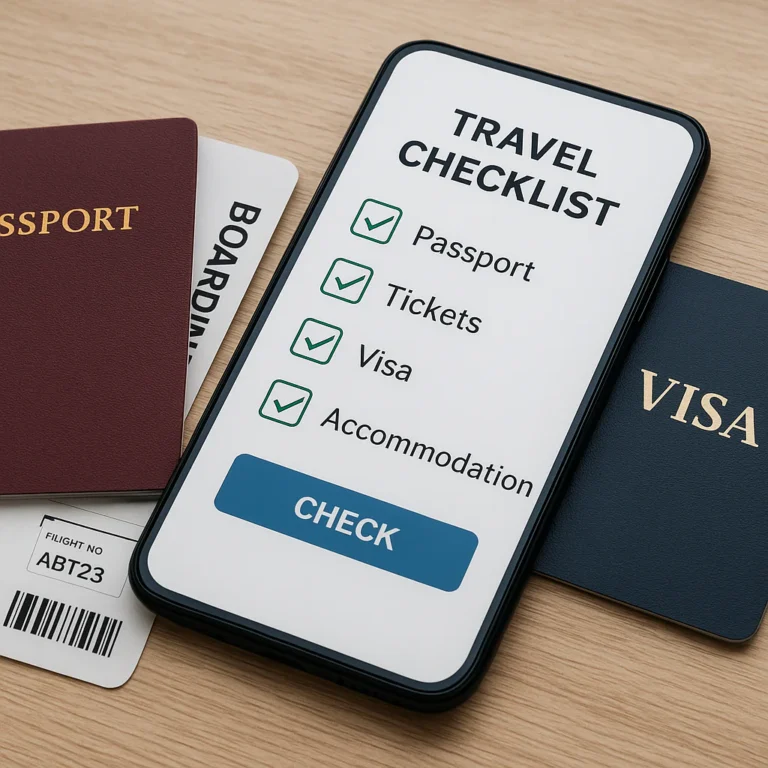
Don’t let a missing visa or an expired passport ruin your dream vacation; the Travel checklist for travel documents is your single most important pre-trip tool, ensuring you cross every border with confidence. We’ve seen too many travelers turn into statues at the gate because they missed a tiny detail, like the infamous “six-month rule” that bans entry if your passport expires too soon.
Imagine landing in a bustling market in Marrakech, only to realize your passport has a water stain that looks suspiciously like a tear. That panic is avoidable with a systematic approach. According to the US Department of State, thousands of Americans are denied boarding or entry annually simply due to documentation errors.
Key Takeaways
- Start Early: Begin your Travel checklist for travel documents at least 6 months before departure to handle passport renewals and complex visa applications.
- The 6-Month Rule: Ensure your passport is valid for 6 months beyond your return date, or risk being denied entry by over 10 countries.
- Digital & Physical Backups: Always carry physical copies of critical documents and store encrypted digital versions in a secure cloud service.
- Destination Specifics: Requirements vary wildly; a trip to the Schengen Zone needs different prep than a safari in Kenya, so tailor your list accordingly.
Table of Contents
- ⚡️ Quick Tips and Facts
- 📜 The Evolution of Global Travel: A Brief History of Passport Requirements
- 🛂 The Ultimate Travel Document Checklist: What You Actually Need Before You Fly
- 1. Valid Passport: The Golden Ticket to the World
- 2. Visas and Entry Permits: Navigating the Bureaucratic Maze
- 3. International Driver’s Permits: Driving Abroad Without the Drama
- 4. Travel Insurance Documents: Your Safety Net in the Sky
- 5. Vaccination Records and Health Certificates: Staying Healthy on the Go
- 6. Flight Itineraries and Hotel Confirmations: Proof of Your Plans
- 7. Proof of Sufficient Funds: Showing You Can Pay Your Way
- 8. Emergency Contact Information and Power of Attorney
- 📅 Timing is Everything: When to Start Your Document Preparation
- 🌍 Destination-Specific Requirements: Tailoring Your Checklist by Region
- 🆘 What If You Lose Your Passport? A Step-by-Step Recovery Guide
- 🖥️ Digital vs. Physical Copies: The Great Document Debate
- 🚫 Common Pitfalls: Why Travelers Get Stuck at the Border
- 🔍 You Are Unable to Access Travel.state.gov? Here’s Your Backup Plan
- 🧳 Packing Your Documents: Smart Strategies for Security and Accessibility
- 👶 Special Considerations: Traveling with Minors, Seniors, and Pets
- 💼 Business Travel Essentials: Beyond the Standard Checklist
- ✅ Quick Tips and Facts
- 🏁 Conclusion
- 🔗 Recommended Links
- ❓ FAQ
- 📚 Reference Links
⚡️ Quick Tips and Facts
Before we dive into the bureaucratic labyrinth of passports, visas, and the dreaded “six-month rule,” let’s hit the ground running with the absolute non-negotiables. We’ve seen too many travelers turn into statues at the gate because they missed a tiny detail. Here is the Travel Checklist™ reality check:
- The 6-Month Rule is Real: 🚨 Many countries (including Thailand, Brazil, and China) will deny you entry if your passport expires within six months of your arrival date. It’s not a suggestion; it’s a hard stop.
- Digital Copies Are Your Best Friend: ✅ Always have digital backups of every document stored in a secure cloud service (like Google Drive or Dropbox) and a separate encrypted folder on your phone. ❌ Never rely solely on the physical copy.
- The “Two-Passport” Strategy: If you travel frequently to countries with conflicting political tensions (e.g., Israel and Iran), consider applying for a second passport. It’s a game-changer for avoiding entry denials.
- Visa-Free Doesn’t Mean Visa-Free Forever: Just because you can enter a country without a visa today doesn’t mean you can tomorrow. Always check the latest entry requirements 30 days before departure.
- Name Matches Matter: Your name on your airline ticket must match exactly with your passport. A middle name typo can cost you hundreds in change fees or get you turned away.
Pro Tip: If you’re feeling overwhelmed, remember that organization is your best travel companion. We’ve compiled a massive resource on how to organize your entire trip at our Travel Checklist guide.
📜 The Evolution of Global Travel: A Brief History of Passport Requirements

You might think the passport is a modern invention, but the concept dates back to ancient times. The word “passport” comes from the French porte (gate) and port (port), essentially meaning “to pass through the gate.”
- Ancient Origins: In the Bible (Nehemiah 2:7), King Artaxerxes of Persia issued a letter allowing Nehemiah to pass safely through the kingdom. This was the grandfather of the modern travel document.
- The Middle Ages: Kings and Queens issued “safe conducts” to travelers. These were essentially letters of protection, often handwritten and specific to the individual.
- The 19th Century Shift: Before World War I, international travel was relatively free. You could hop on a train from London to Paris with just a few coins and a smile. However, the war changed everything. Governments needed to control borders, leading to the standardized passport system we know today.
- The Modern Era: The International Civil Aviation Organization (ICAO) now sets global standards for machine-readable passports. This is why your passport looks the same whether you’re from the US, Japan, or Germany.
Why does this matter to you? Understanding the history helps you realize that bureaucracy is fluid. Rules change based on global events. What worked for your grandparents might get you detained today. Always verify current requirements, as the “rules of the road” are constantly being rewritten by geopolitical shifts.
🛂 The Ultimate Travel Document Checklist: What You Actually Need Before You Fly
So, you’ve booked the flight. The excitement is palpable. But have you actually checked what you need to get there? We’ve broken down the essential documents into a comprehensive list. Don’t just pack your suitcase; pack your legal identity.
1. Valid Passport: The Golden Ticket to the World
Your passport is your lifeline. Without it, you are essentially a ghost in the eyes of international law.
- Validity Check: Ensure it’s valid for at least 6 months beyond your return date.
- Blank Pages: Many countries require two blank visa pages for entry/exit stamps. If your passport is full, you can’t enter.
- Condition: Is it torn, water-damaged, or missing a page? Damaged passports are often rejected.
2. Visas and Entry Permits: Navigating the Bureaucratic Maze
Not all countries are visa-free for US citizens (or your home country).
- eVisa vs. Sticker Visa: Some countries offer electronic visas (eVisa) you apply for online (like Turkey or India), while others require a physical stamp in your passport.
- Transit Visas: Even if you’re just changing planes, some countries (like China or the UK) require a transit visa if you leave the airport or stay for more than 24 hours.
- Schengen Area: For Europe, the Schengen visa allows travel across 27 countries. But remember, 90 days in 180 days is the hard limit.
3. International Driver’s Permits: Driving Abroad Without the Drama
Planning to rent a car in Italy or Thailand? Your US license might not be enough.
- What is an IDP? It’s a translation of your driver’s license into 10 languages.
- Where to get it: In the US, only the AAA and ATA are authorized to issue them. Beware of scams online.
- Validity: Usually valid for one year.
4. Travel Insurance Documents: Your Safety Net in the Sky
We can’t stress this enough: Travel insurance is not optional.
- Medical Coverage: Domestic health insurance (like Medicare) rarely works abroad.
- Trip Cancellation: If you get sick before you leave, you need proof of coverage to get your money back.
- Evacuation: If you break a leg in the Andes, medical evacuation can cost $50,0+.
5. Vaccination Records and Health Certificates: Staying Healthy on the Go
- Yellow Fever: Required for entry into many African and South American countries if you’ve visited a risk area.
- Digital Health Passes: Some countries still require digital proof of vaccination or negative tests.
- Prescriptions: Carry a doctor’s note for any controlled substances you are carrying.
6. Flight Itineraries and Hotel Confirmations: Proof of Your Plans
Immigration officers often ask: “Where are you staying?” and “When are you leaving?”
- Printed Copies: Have a physical copy of your return ticket and hotel booking.
- Proof of Funds: Some countries require proof you can support yourself (bank statements or credit card limits).
7. Proof of Sufficient Funds: Showing You Can Pay Your Way
- Cash vs. Cards: Carry a mix. Some countries have strict limits on how much cash you can bring in.
- Bank Statements: Keep a recent statement showing your balance.
8. Emergency Contact Information and Power of Attorney
- ICE (In Case of Emergency): Write this on your phone and on a card in your wallet.
- Power of Attorney: If you’re traveling for a long time, consider a limited POA for someone to handle your affairs back home.
📅 Timing is Everything: When to Start Your Document Preparation
Timing is the difference between a smooth journey and a nightmare. Here is our Travel Checklist™ timeline:
| Timeframe | Action Item |
|---|---|
| 6-12 Months Before | Check passport expiration. Apply for renewal if needed (standard processing takes 6-8 weeks). |
| 3-6 Months Before | Research visa requirements. Apply for visas that take long (e.g., China, Russia). |
| 2-3 Months Before | Book travel insurance. Check vaccination requirements. |
| 1 Month Before | Apply for International Driving Permit. Confirm hotel and flight details. |
| 1 Week Before | Print all documents. Scan and upload to cloud. Check for travel advisories. |
| 24 Hours Before | Re-confirm flight status. Check in online. |
Wait, what if you need a passport now?
If you are traveling within 2 weeks, you can make an appointment at a passport agency for expedited service. But you must prove your travel is urgent (e.g., a family emergency or a booked flight). Don’t wait until the last minute!
🌍 Destination-Specific Requirements: Tailoring Your Checklist by Region
One size does not fit all. Your checklist for a beach vacation in Mexico looks very different from a business trip to Japan.
🇺🇸 North America (USA, Canada, Mexico)
- USA: US citizens need a passport book for air travel. For land/sea travel to Canada/Mexico, a Passport Card or Enhanced Driver’s License (EDL) works.
- Canada: US citizens need a passport book for air travel.
- Mexico: Tourists need a valid passport and a FMM (Forma Migratoria Múltiple) form, often provided on the plane.
🇪🇺 Europe (Schengen Zone)
- Visa Waiver: US citizens can stay up to 90 days without a visa.
- ETIAS: Starting in 2025, US citizens will need to apply for ETIAS (European Travel Information and Authorization System) before traveling. It’s an online pre-screening, not a full visa.
- Entry/Exit: Be prepared to show proof of onward travel and sufficient funds.
🌏 Asia
- China: Strict visa requirements. Apply early.
- Japan: Visa-free for short stays, but strict customs on cash and prohibited items.
- India: Requires an e-Visa for most tourists.
🌎 South America
- Brazil: Recently reinstated visa requirements for US citizens. Check current status.
- Argentina: Visa-free for tourism, but strict currency controls.
Curious about how to handle the specific entry forms for each country? We’ll dive deeper into the “What If” scenarios later, but for now, remember: Check the embassy website of your destination country directly. Third-party sites can be outdated.
🆘 What If You Lose Your Passport? A Step-by-Step Recovery Guide
Imagine this: You’re in a bustling market in Marrakech, and you reach into your bag. It’s gone. Your passport is missing. Panic sets in. But don’t worry, we’ve got a plan.
- Stay Calm and Search: Retrace your steps. Ask the hotel, the restaurant, or the taxi driver.
- Report to Local Police: File a police report. This is crucial for insurance claims and proving the loss to the embassy.
- Contact Your Embassy: Find the nearest US Embassy or Consulate. They can issue an Emergency Passport or a Travel Document.
US Department of State: Find an Embassy - Gather Evidence: Bring your police report, a photo ID, proof of citizenship (like a birth certificate or a photocopy of your lost passport), and a passport photo.
- Apply for Replacement: Fill out Form DS-1 (for lost passports) and Form DS-64 (Statement Regarding a Lost or Stolen Passport).
- Pay the Fees: There are fees for the replacement, but it’s cheaper than missing your flight.
Pro Tip: If you have WorldTrips Atlas Travel® insurance, they can assist with document replacement and even cover the costs of emergency travel to get you home.
🖥️ Digital vs. Physical Copies: The Great Document Debate
Should you rely on your phone or a stack of paper? The answer is both.
- Physical Copies: Essential for border crossings where officers may not accept digital photos. Keep these in a separate bag from your originals.
- Digital Copies: Store in a secure cloud folder (Google Drive, Dropbox, iCloud). Use a password-protected PDF.
- Offline Access: Download your documents to your phone so you can access them without Wi-Fi.
The “Neck Pouch” Strategy:
As mentioned in the video summary, keep your most critical documents (passport, ID, insurance card) in a neck pouch or a hidden money belt. Never put them in your checked luggage.
🚫 Common Pitfalls: Why Travelers Get Stuck at the Border
Why do people get turned away? Here are the top reasons:
- Expired Passport: The most common mistake.
- Missing Blank Pages: “Sorry, no room for your stamp.”
- Inconsistent Information: Name on ticket doesn’t match passport.
- No Return Ticket: “Where are you going after this?”
- Insufficient Funds: “Can you prove you can afford this trip?”
- Visa Issues: Applying for the wrong type of visa or not applying at all.
Did you know? Even a stain on your passport can be grounds for rejection. Treat your passport like a holy relic.
🔍 You Are Unable to Access Travel.state.gov? Here’s Your Backup Plan
As we saw in the competitive summary, sometimes the official government website (travel.state.gov) might be blocked by security filters or experiencing downtime. This is a nightmare scenario, but you have options.
- Alternative Sources:
USCIS: For immigration-related travel documents (Green Cards, Advance Parole).
IATA Travel Centre: A comprehensive database of entry requirements.
Embassy Websites: Always check the specific embassy of your destination country.
WorldTrips: For insurance and document replacement assistance.
Why the block? Sometimes it’s a false positive by Cloudflare or a temporary server issue. If you can’t access the site, try:
- Using a different browser.
- Clearing your cache.
- Checking the US Department of State’s Twitter/X account for updates.
- Calling the National Passport Information Center at 1-87-487-278.
🧳 Packing Your Documents: Smart Strategies for Security and Accessibility
How you pack your documents is just as important as having them.
- The “Three-Bag” Rule:
- On-Body: Passport, wallet, phone, insurance card (in a neck pouch or hidden pocket).
- Cary-On: Copies of documents, extra ID, emergency cash.
- Checked Luggage: Leave nothing valuable.
- Waterproof Pouches: Use a waterproof pouch for your documents if you’re going to the beach or a rainy destination.
- Color-Coding: Use colored folders to separate documents by category (Visas, Insurance, Itinerary).
Recommended Gear:
- Travel Neck Pouch: Amazon Search: Travel Neck Pouch
- Waterproof Document Holder: Amazon Search: Waterproof Document Holder
- RFID Blocking Wallet: Amazon Search: RFID Blocking Wallet
👶 Special Considerations: Traveling with Minors, Seniors, and Pets
Traveling with family or pets adds a layer of complexity.
🧒 Minors
- Parental Consent Letter: If only one parent is traveling, a notarized letter from the other parent is often required.
- Birth Certificate: Carry a copy of the child’s birth certificate.
- Passport: Minors need their own passport.
👵 Seniors
- Medical Records: Carry a list of medications and a doctor’s note.
- Travel Insurance: Ensure it covers pre-existing conditions.
- Accessibility: Check if your destination has accessible facilities.
🐾 Pets
- Health Certificate: Required for most international travel.
- Vaccination Records: Up-to-date rabies vaccination is a must.
- Microchip: Many countries require an ISO-compliant microchip.
💼 Business Travel Essentials: Beyond the Standard Checklist
Business travelers have unique needs.
- Invitation Letters: Some countries require a formal invitation letter from the host company.
- Work Permits: Attending a conference might require a specific visa, not just a tourist visa.
- Laptop and Equipment: Check customs regulations for bringing electronics.
- Expense Reports: Keep all receipts organized for reimbursement.
Pro Tip: Use a digital expense tracker app to keep your receipts organized.
✅ Quick Tips and Facts (Recap)
Let’s do a quick recap of the most critical points:
- Passport Validity: 6 months minimum.
- Digital Backups: Essential.
- Visa Requirements: Check 3 months in advance.
- Insurance: Never travel without it.
- Emergency Contacts: Keep them handy.
Still have questions? We’ll address them in the FAQ section below.
🏁 Conclusion

Traveling the world is an incredible experience, but it requires preparation. By following the Travel Checklist™ for travel documents, you can avoid the stress of being turned away at the border. Remember:
- Start early: Give yourself plenty of time for passport renewals and visa applications.
- Double-check: Verify all requirements with official sources.
- Backup everything: Digital and physical copies are your safety net.
- Stay informed: Keep up with travel advisories and entry requirements.
Final Thought: The best travel experience is one where you don’t have to think about your documents because you’ve already taken care of them. So, pack your bags, check your checklist, and get ready for an adventure!
Ready to organize your next trip? Check out our Adventure Travel Checklists or Digital Nomad Checklists for more tailored advice.
🔗 Recommended Links
Here are some essential resources and products to help you prepare:
- Travel Insurance:
WorldTrips Atlas Travel®: Get a Quote
Allianz Travel Insurance: Compare Plans - Passport Services:
US Department of State: Apply for a Passport
Passport Agency Appointments: Schedule an Appointment - Visa Services:
iVisa: Apply for Visas
VisaHQ: Visa Application Services - Travel Gear:
Travel Neck Pouch: Amazon
Waterproof Document Holder: Amazon
RFID Blocking Wallet: Amazon - Books:
“The Ultimate Travel Checklist” by Lonely Planet: Amazon
“Passport Guide” by Fodor’s: Amazon
❓ FAQ

How early should I prepare my travel documents before a trip?
At least 6 months in advance. Passport renewals can take 6-8 weeks, and some visas take even longer. Start checking your passport expiration date as soon as you book your trip.
Read more about “🗓️ When to Start Your Pre-Travel Checklist? (2026 Guide)”
What documents are required for domestic travel?
For domestic travel within the US, a Real ID-compliant driver’s license or a passport is required for air travel. For land travel, a standard driver’s license is usually sufficient.
Read more about “🛂 What Documents for Your Pre-Travel Checklist? (2026)”
Can a checklist app remind me to update my travel documents?
Yes! Apps like Travel Checklist™ can send you reminders for passport renewals, visa expirations, and insurance renewals.
Read more about “🎒 The Ultimate 10-Step Travel Checklist Template for Stress-Free Trips (2026)”
How do I keep my travel documents safe during my trip?
Use a neck pouch or hidden money belt for your originals. Keep digital copies in a secure cloud folder. Never leave your documents unattended.
Read more about “🎒 Is the PackPoint App Free? The 2026 Truth Revealed”
What travel documents do I need for international trips?
You need a valid passport, visa (if required), travel insurance, flight itinerary, hotel confirmation, and proof of funds.
Read more about “🛡️ The Ultimate Travel Checklist for Travel Insurance (2026)”
How can a checklist app help organize my travel documents?
A checklist app can help you track deadlines, store digital copies, and ensure you have all the necessary documents before you leave.
Read more about “🎒 The Ultimate Travel Checklist for Backpackers: 50+ Essentials (2026)”
What essential travel documents should I include in my travel checklist?
Passport, visa, travel insurance, flight itinerary, hotel confirmation, proof of funds, vaccination records, and emergency contact information.
Read more about “🧳 50+ Item Travel Checklist with Reminders: Never Forget a Thing (2026)”
What documents do I need for international travel?
Same as above: Passport, visa, insurance, itinerary, hotel confirmation, proof of funds, and health documents.
Read more about “🚀 How to Make a Packing List on Google Sheets (2026 Guide)”
Is a digital copy of my passport enough for travel?
No. You need the physical passport for border crossings. Digital copies are for backup only.
Read more about “🗺️ How to Plan a Trip List: The Ultimate 14-Step Guide (2026)”
How early should I renew my passport before traveling?
Renew your passport if it expires within 6 months of your return date.
Read more about “✈️ 35+ Essential Items for International Travel Checklist (2026)”
Do I need a visa for every country I visit?
No. Many countries have visa-free agreements with the US. However, always check the specific requirements for your destination.
Read more about “🌍 What Do You Need to Travel Internationally? (2026 Ultimate Guide)”
What happens if I lose my passport while abroad?
Report it to the local police and your embassy. Apply for an emergency passport or travel document.
Read more about “🛡️ The Ultimate Travel Health & Safety Checklist: 15 Steps for 2026”
Are there specific health documents required for travel?
Yes, some countries require vaccination records (e.g., Yellow Fever) or negative test results.
Read more about “🛡️ 12 Critical Checks for Your Pandemic Travel Checklist (2026)”
Can I travel with an expired ID if I have a passport?
No. Your ID must be valid. If your ID is expired, you may need to renew it before traveling.
Read more about “🗓️ How Far in Advance to Start Your International Checklist (2026)”
📚 Reference Links
- US Department of State: International Travel Checklist
- USCIS: Travel Documents
- WorldTrips: Travel Documents Checklist
- CDC: Travelers’ Health
- IATA Travel Centre: Entry Requirements
- AAA: International Driving Permit
- US Department of State: Passport Renewal
- US Department of State: Visa Requirements