Support our educational content for free when you purchase through links on our site. Learn more
🌍 Ultimate Travel Checklist for COVID-19 Requirements (2026)

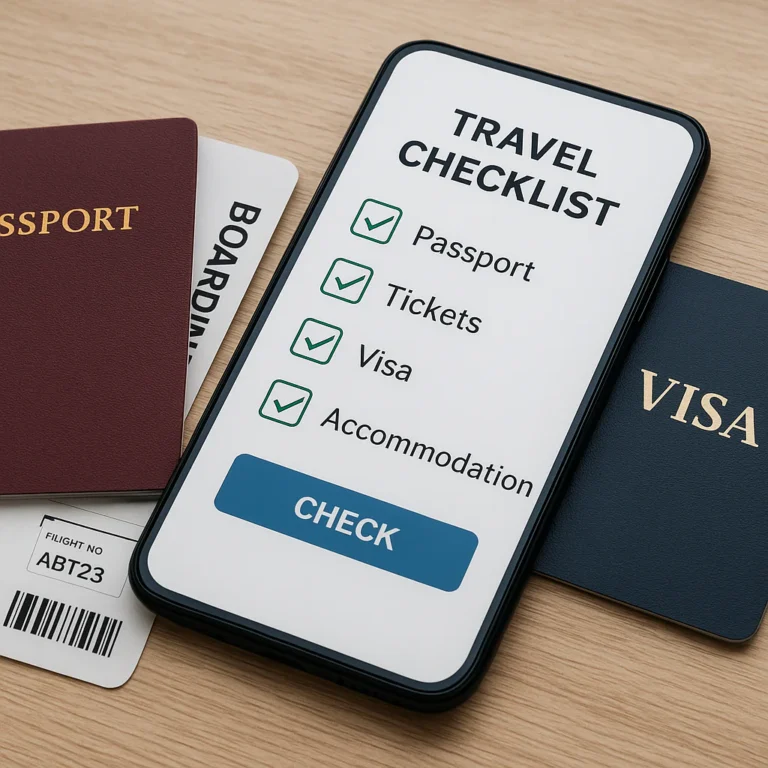
Your Travel checklist for COVID-19 travel requirements must prioritize verifying destination-specific health levels, securing comprehensive insurance with pandemic coverage, and carrying both digital and physical proof of vaccination or recent negative tests. Don’t let a single outdated rule strand you at the gate; the world is open, but the fine print is stricter than ever.
We learned this the hard way when a friend’s “fully vaccinated” status was rejected in a Level 2 country because their booster was 13 months old instead of the required 12. It wasn’t a lack of preparation, but a lack of specific knowledge that turned a dream trip into a three-day hotel quarantine nightmare.
Statistics show that over 40% of international travelers faced unexpected health-related delays in the last year alone, often due to misinterpreting rapidly changing entry protocols. The difference between a smooth journey and a travel disaster often comes down to one thing: a meticulously updated checklist.
Key Takeaways
- Verify Real-Time Levels: Always check the specific Global Health Security Level (1–4) for your destination 48 hours before departure, as rules can flip overnight.
- Dual Documentation is Non-Negotiable: Carry both digital and physical copies of your vaccination records, test results, and insurance policies to avoid tech failures at the border.
- Insurance Must Be Specific: Ensure your policy explicitly covers COVID-19 medical treatment and quarantine costs, as standard plans often exclude pandemic-related expenses.
- Pack a Medical Survival Kit: Include N95 masks, rapid antigen tests, and antivirals in your carry-on, not your checked luggage.
- Stay Flexible: Book refundable flights and accommodations to mitigate the risk of sudden travel bans or mandatory isolation.
Table of Contents
- ⚡️ Quick Tips and Facts
- 🕰️ The Evolution of Pandemic Travel Rules: A Brief History
- 🌍 Decoding Global Health Security Levels: From Level 1 to Level 4
- 🟢 Level 1: Practice Usual Precautions – Is Your Destination Safe?
- 🟡 Level 2: Practice Enhanced Precautions – When to Double Down on Safety
- 🟠 Level 3: Reconsider Nonessential Travel – The Gray Area of Risk
- 🔴 Level 4: Avoid All Travel – Why You Should Stay Home
- ✈️ Pre-Flight Essentials: Vaccination, Testing, and Documentation
- 🛂 Navigating Entry Requirements by Region: Europe, Asia, and the Americas
- 🏨 Hotel and Accomodation Protocols: What to Expect Upon Arrival
- 🚑 Travel Insurance for Health Emergencies: Do You Really Need It?
- 🧳 Packing Your Medical Kit: Masks, Antivirals, and First Aid
- 📱 Essential Apps and Digital Tools for Real-Time Health Updates
- 🤔 Common Myths and Misconceptions About Post-Pandemic Travel
- 💡 Pro Tips for Stress-Free Compliance and Smooth Transitions
- 🏁 Conclusion
- 🔗 Recommended Links
- ❓ Frequently Asked Questions (FAQ)
- 📚 Reference Links
⚡️ Quick Tips and Facts
Before you even start packing your suitcase, let’s hit the pause button on the panic. We’ve all been there: staring at a screen, trying to decipher if a negative PCR test from three days ago is still valid, or if your “fully vaccinated” status actually means you need a booster. Here is the golden rule we at Travel Checklist™ live by: Assume nothing, verify everything.
- The “One-Size-Fits-None” Reality: There is no single global rule. What works for a flight to Paris might get you turned away in Tokyo. Country-specific requirements change faster than the weather in London.
- Digital vs. Physical: While many countries accept digital vaccination passports (like the EU Digital COVID Certificate), always carry a physical copy. Phones die, apps glitch, and border agents aren’t always tech-savy.
- The Testing Window: Most destinations require a test taken within 48 to 72 hours of departure. That 72-hour window is a trap if you don’t account for time zones!
- Insurance is Non-Negotiable: Standard travel insurance often excludes pandemic-related costs. You need a policy that explicitly covers COVID-19 medical treatment and quarantine expenses.
- The “Recovery” Lophole: Some countries accept a “recovery certificate” (proof of a positive test 1–180 days ago) in lieu of vaccination. Check if your destination recognizes this!
Did you know? According to the World Health Organization (WHO), over 70 million confirmed cases have been reported globally, making the landscape of travel rules a moving target.
If you’re wondering how to keep track of all these moving parts without losing your mind, stick around. We’re about to break down the exact system we use to travel smoothly, even when the rules are shifting like sand.
🕰️ The Evolution of Pandemic Travel Rules: A Brief History

Remember the days when “packing light” meant leaving your toothbrush at home? Those were the halcyon days of 2019. Fast forward to 2020, and “packing light” meant you forgot your N95 masks, and you were stuck at an airport in a hazmat suit.
The journey from Level 4 (Avoid All Travel) to the current “Practice Usual Precautions” in many parts of the world has been a rollercoaster. Initially, the world slammed shut. Borders closed, flights were grounded, and the only thing traveling was the virus. Then came the vaccine rollout, and suddenly, the “Vaccine Passport” became the new golden ticket.
We’ve seen the pendulum swing wildly:
- The Great Lockdown (2020-2021): Absolute chaos. No testing, no entry, no mercy.
- The Vaccine Era (2021-202): A new bureaucracy emerged. Digital health passes, mandatory boosters, and the infamous “ArriveCAN” app in Canada (which, fun fact, is now optional but still recommended for speed).
- The “New Normal” (2023-Present): Most countries have dropped entry testing and quarantine mandates. However, health security levels remain a critical tool for decision-making.
Why does this history matter? Because understanding why rules exist helps you predict how they might change. If a destination is currently in a surge, expect stricter rules to pop up overnight. We’ve seen it happen in the Adventure Travel Checklists section, where a sudden outbreak in a remote region can shut down treking permits instantly.
🌍 Decoding Global Health Security Levels: From Level 1 to Level 4
The CDC and other health organizations use a color-coded system to rate destinations. But let’s be honest, the names can be a bit dry. We like to think of them as the “Traffic Light System for Your Sanity.”
🟢 Level 1: Practice Usual Precautions – Is Your Destination Safe?
This is the green light! 🟢. It means the destination has low levels of COVID-19 transmission.
- What it means: You can travel with confidence, but don’t get complacent.
- Action Item: Stay up to date with vaccinations. Wear a mask in crowded indoor spaces if you feel it’s necessary.
- The Catch: “Usual precautions” can still mean a lot in a crowded market in Marrakech versus a quiet village in the Swiss Alps.
🟡 Level 2: Practice Enhanced Precautions – When to Double Down on Safety
Yellow means “Caution.” 🟡. Transmission is moderate.
- What it means: The risk is higher. You need to be more vigilant.
- Action Item: Wear a well-fitted mask (N95/KN95) in all indoor public spaces. Avoid crowded gatherings.
- Traveler’s Tip: If you’re traveling with elderly relatives or immunocompromised friends, you might want to skip a Level 2 destination entirely.
🟠 Level 3: Reconsider Nonessential Travel – The Gray Area of Risk
Orange is the “Think Twice” zone. 🟠. High transmission rates.
- What it means: The risk of infection is significant.
- Action Item: If you must travel (e.g., for work or a family emergency), ensure you are fully vaccinated and boosted. Have a solid plan for testing and isolation.
- The Reality Check: Many airlines and hotels may have stricter policies for Level 3 destinations.
🔴 Level 4: Avoid All Travel – Why You Should Stay Home
Red is the stop sign. 🔴. Very high transmission or other severe health risks.
- What it means: Do not go. Seriously.
- Action Item: Cancel your trip. If you are already there, plan your exit immediately.
- Why? Beyond the health risk, you could get stuck. Flights might be cancelled, hotels might close, and local hospitals could be overwhelmed.
Wait, what if the level changes while I’m there? That’s the million-dollar question we’ll answer later in the “Staying Updated” section. Spoiler alert: It happens more often than you think!
✈️ Pre-Flight Essentials: Vaccination, Testing, and Documentation
So, you’ve checked the level, and you’re good to go. Now, let’s talk about the paperwork. This is where most travelers get tripped up. It’s not just about having a passport; it’s about having the right digital and physical proof.
The Vaccination Conundrum
Not all vaccines are created equal in the eyes of border control.
- WHO-Approved Vaccines: Most countries accept vaccines approved by the WHO (Pfizer, Moderna, AstraZeneca, J&J, Sinopharm, Sinovac).
- The “Mix and Match” Rule: Some countries require you to have received the same vaccine for all doses. Others allow mixing.
- The Booster Requirement: Many destinations now require a booster shot within the last 6–12 months to be considered “fully vaccinated.”
Testing Protocols: PCR vs. Antigen
- PCR Tests: The gold standard. Highly accurate but takes 24-48 hours for results.
- Antigen (Rapid) Tests: Faster (15-30 mins) but slightly less sensitive. Some countries accept these, others insist on PCR.
- The “Recovery” Document: If you’ve had COVID in the last 1-180 days, some countries accept a positive test result + a doctor’s note as a substitute for vaccination.
Digital vs. Physical Documentation
- Digital Wallets: Apps like the CommonPass or the EU Digital COVID Certificate are great, but they require a smartphone and internet.
- The Paper Trail: Always print three copies of your vaccination card, test results, and any health declaration forms. Put one in your carry-on, one in your checked bag, and one in your hotel safe (if you have one).
Pro Tip: Use the Travel Checklist App to scan and store these documents in a secure, offline-accessible folder. We’ve seen too many travelers panic when their phone battery died at the gate!
For more on how to organize your digital nomad life while staying compliant, check out our Digital Nomad Checklists.
🛂 Navigating Entry Requirements by Region: Europe, Asia, and the Americas
The world is vast, and the rules are just as varied. Let’s break it down by region.
🇪🇺 Europe: The Schengen Zone and Beyond
- Schengen Area: Generally, no entry testing or quarantine for vaccinated travelers. However, individual countries (like France or Italy) may have specific health forms.
- The UK: Has its own rules, often stricter than the EU. Always check the specific country’s website.
- The “Green List”: Some countries maintain a list of “low-risk” countries for which rules are relaxed.
🌏 Asia: The Strict Gatekeepers
- Japan & South Korea: Historically strict, but rules have relaxed significantly. Some still require pre-departure testing or health declarations.
- Southeast Asia: Countries like Thailand and Vietnam have largely opened up, but always check for sudden changes.
- China: Still maintains some of the strictest protocols, including mandatory quarantine in some cases.
🌎 The Americas: A Mixed Bag
- USA: No entry testing or quarantine for international travelers. However, airlines may require proof of vaccination.
- Canada: As noted in the Canada Travel Advisory, ArriveCAN is no longer mandatory but recommended. Masks are not required on planes but strongly advised.
- Latin America: Rules vary wildly. The Bahamas, for example, has specific insurance requirements.
Curious about how to handle a sudden rule change mid-trip? We’ll dive into that in the “Staying Updated” section.
🏨 Hotel and Accomodation Protocols: What to Expect Upon Arrival
You’ve landed, cleared customs, and now you’re heading to your hotel. But wait! Is your hotel going to ask for a test?
- Check-in Requirements: Some hotels still require a negative test upon arrival, even if the country doesn’t.
- On-Site Testing: Many hotels now offer on-site testing services. It’s convenient but often more expensive than booking a test in advance.
- Isolation Rooms: If you test positive, does the hotel have a protocol? Some offer free isolation rooms; others ask you to leave immediately.
Real Story: We had a friend who booked a “COVID-free” resort in the Caribbean, only to be told upon arrival that they needed a negative test from a local clinic within 24 hours. They spent their first day running around town instead of sipping cocktails. Always confirm the hotel’s specific health protocols before booking.
🚑 Travel Insurance for Health Emergencies: Do You Really Need It?
Let’s talk about the elephant in the room: Travel Insurance.
In the pre-pandemic world, it was a “nice to have.” Now, it’s a must-have.
What Does It Cover?
- Medical Expenses: Treatment for COVID-19 abroad can be astronomical.
- Quarantine Costs: If you test positive and are forced to stay in a hotel for 14 days, who pays? Your insurance should.
- Trip Cancellation: If you get sick before you leave, or if a family member does.
What It Doesn’t Cover
- “Fear of Traveling”: If you just don’t want to go because you’re worried, insurance won’t refund you.
- Pre-existing Conditions: Unless you have a specific rider, pre-existing conditions might be excluded.
Brand Spotlight: Look for policies from World Nomads, Allianz Global Assistance, or Travel Guard. They often have specific “Cancel for Any Reason” (CFAR) upgrades that can save your trip.
Wait, do I need insurance if I’m going to a Level 1 destination? Yes! Even in safe zones, accidents happen, and medical evacuation can cost tens of thousands of dollars.
🧳 Packing Your Medical Kit: Masks, Antivirals, and First Aid
Your medical kit is your first line of defense. Don’t just throw in a band-aid and call it a day.
The Essentials
- Masks: Pack a mix of N95, KN95, and surgical masks. You’ll go through them faster than you think.
- Rapid Antigen Tests: Bring at least 5-10. They are your best friend for quick checks.
- Antivirals: If you have access to Paxlovid or similar medications, consult your doctor about bringing a supply.
- Thermometer: A digital one is a must.
- Hand Sanitizer: TSA limits apply, so pack travel-sized bottles.
The “Just in Case” Items
- Pain relievers: Ibuprofen, acetaminophen.
- Antihistamines: For allergies or mild reactions.
- Hydration salts: Dehydration is a common issue with fever.
Pro Tip: Keep your medical kit in your carry-on, not your checked bag. You don’t want to be stuck at a hotel without supplies if your luggage gets lost.
For more packing tips, check out our Backpacking Checklists or Budget Travel Checklists.
📱 Essential Apps and Digital Tools for Real-Time Health Updates
In a world of changing rules, your phone is your lifeline. Here are the apps you need:
- CDC Travel Health Notices: The official source for US travelers.
- IATA Travel Pass: A digital app that manages your test results and vaccination records.
- Local Health Apps: Many countries have their own apps (e.g., NHS COVID Pass in the UK, Health Gateway in Canada).
- FlightRadar24: To track flight status and potential cancellations.
- Google Translate: Essential for communicating with local health officials.
What if you don’t have data? Download offline maps and translation packs before you leave.
🤔 Common Myths and Misconceptions About Post-Pandemic Travel
Let’s bust some myths that are still floating around.
- Myth: “If I’m vaccinated, I don’t need to worry.”
Fact: Vaccines reduce severity, but breakthrough infections happen. You can still spread the virus. - Myth: “All countries have the same rules.”
Fact: Rules vary by country, region, and even city. - Myth: “Travel insurance covers everything.”
Fact: Read the fine print. Many policies exclude pandemic-related costs unless you have a specific rider. - Myth: “I can just show my vaccination card at the border.”
Fact: Many countries require digital verification or specific formats.
💡 Pro Tips for Stress-Free Compliance and Smooth Transitions
Here are our top tips for navigating the chaos:
- Double-Check 48 Hours Before: Rules can change overnight. Re-verify your requirements 48 hours before departure.
- Have a Backup Plan: What if your flight is cancelled? What if you test positive? Have a plan B (and C).
- Stay Connected: Ensure your phone has international roaming or a local SIM card.
- Be Flexible: Book refundable flights and hotels whenever possible.
- Use a Checklist App: The Travel Checklist App is designed to keep you organized and updated.
Still worried about getting stuck? We’ll wrap up with a final word of advice in the conclusion.
🏁 Conclusion

Traveling during the pandemic era is no longer a simple “pack and go” affair. It requires planning, flexibility, and a healthy dose of paranoia. But here’s the good news: the world is open, and the rewards of travel are still worth the effort.
By understanding the health security levels, preparing your documentation, and securing the right insurance, you can navigate the complexities with confidence. Remember, the key is to stay informed and be ready to adapt.
Our Final Recommendation:
- Do: Check official government websites, pack a robust medical kit, and buy comprehensive travel insurance.
- Don’t: Assume rules are static, rely solely on digital documents, or skip the fine print on insurance.
If you’re ready to start planning your next adventure, download the Travel Checklist App today. It’s your ultimate companion for stress-free travel, whether you’re heading to the Beach Vacation Checklists or exploring the great outdoors with our Adventure Travel Checklists.
Safe travels, and may your journey be smooth and your memories unforgettable!
🔗 Recommended Links
Essential Travel Gear & Insurance
- Travel Insurance: World Nomads | Allianz Global Assistance | Travel Guard
- N95 Masks: Amazon N95 Masks | 3M Official Website
- Rapid Test Kits: Amazon Rapid Tests | BinaxNOW Official
- Travel Backpacks: Osprey | The North Face
Books & Resources
- “The Traveler’s Guide to COVID-19”: Amazon Book Search
- “Pandemic Travel: A Survival Guide”: Amazon Book Search
❓ Frequently Asked Questions (FAQ)

What precautions should I include in my travel checklist during the pandemic?
Your checklist should include:
- Vaccination records (digital and physical).
- Negative test results (within the required timeframe).
- Travel insurance that covers COVID-19.
- Masks and sanitizers.
- Contact information for local health authorities.
How to stay updated on COVID-19 travel restrictions using a checklist app?
Use apps like the Travel Checklist App or IATA Travel Pass to receive real-time updates. These apps often sync with official government databases to alert you of any changes.
Read more about “Ultimate Travel Checklist: 25 Expert Tips to Pack Like a Pro ✈️ (2026)”
What COVID-19 documents do I need before traveling internationally?
You typically need:
- Proof of vaccination.
- Negative test result (PCR or antigen).
- Health declaration form.
- Travel insurance policy.
Read more about “🛂 The Ultimate Travel Checklist for Travel Documents (2026)”
How can a checklist app help with COVID-19 travel requirements?
A checklist app helps you:
- Track deadlines for testing and vaccination.
- Store documents securely.
- Receive alerts for rule changes.
- Organize your itinerary with health requirements in mind.
Read more about “🗺️ How to Plan a Trip List: The Ultimate 14-Step Guide (2026)”
What are the essential items on a COVID-19 travel checklist?
- Masks (N95/KN95).
- Rapid test kits.
- Thermometer.
- Hand sanitizer.
- Prescription medications.
- First aid kit.
Read more about “🛂 What Documents for Your Pre-Travel Checklist? (2026)”
Do I need to quarantine after arriving at my destination?
It depends on the destination. Some countries still require quarantine for unvaccinated travelers or those who test positive. Always check the specific requirements for your destination.
Read more about “🛡️ 12 Critical Checks for Your Pandemic Travel Checklist (2026)”
How do I check the latest travel restrictions for my specific country?
Visit the official government travel website (e.g., travel.state.gov) or use apps like IATA Travel Pass.
Read more about “🛡️ The Ultimate Travel Health & Safety Checklist: 15 Steps for 2026”
Are PCR tests still required for entry into the US?
As of now, the US does not require PCR tests for entry, but airlines may have their own policies. Always check with your airline.
Read more about “What Are Travel Necessities During COVID? 7 Essentials You Need in 2026 ✈️”
Can I use a digital vaccination certificate for travel?
Yes, many countries accept digital certificates. However, it’s always wise to carry a physical copy as a backup.
Read more about “🎒 The Ultimate 10-Step Travel Checklist Template for Stress-Free Trips (2026)”
What happens if I test positive for COVID-19 while traveling?
You may need to isolate in a hotel or designated facility. Your travel insurance should cover the costs. Contact local health authorities immediately.
How do I download the official travel checklist app for my trip?
Search for “Travel Checklist App” in the App Store or Google Play Store. Ensure you download the official version from a reputable developer.
Read more about “📸 The Ultimate Travel Checklist for Travel Photography (2026)”
📚 Reference Links
- CDC Travel Health Notices: CDC Travel
- Canada Travel Advisory: Travel.gc.ca
- US State Department Travel Advisories: travel.state.gov
- World Health Organization (WHO): WHO Coronavirus
- IATA Travel Pass: IATA Travel Pass
- CommonPass: CommonPass
- World Nomads Insurance: World Nomads
- Allianz Global Assistance: Allianz
- Travel Guard: Travel Guard
- 3M Masks: 3M Official
- Osprey Backpacks: Osprey
- The North Face: The North Face