Support our educational content for free when you purchase through links on our site. Learn more
✈️ What to Bring for International Travel: The 7-Step Ultimate Checklist (2026)

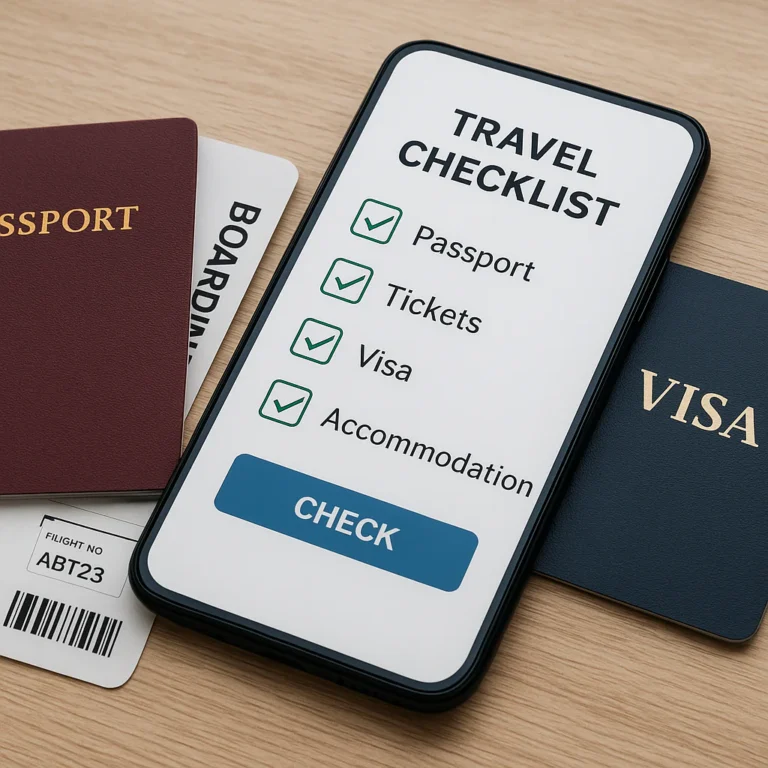
The single most important thing you need to bring for international travel is a validated passport and a digital backup of every critical document, because without them, your adventure ends before it begins. When you ask yourself, “What do I need to bring for international travel?”, the answer isn’t just a list of items; it’s a strategy for peace of mind that covers everything from power adapters to emergency cash.
We once watched a seasoned traveler panic in a Paris airport because they forgot to check their passport expiration date, only to realize it was valid for just three more months. That story haunts us, but it doesn’t have to haunt you.
Did you know that over 15 million travelers face travel disruptions annually due to simple packing errors or document oversights? It’s a staggering number, yet most of these issues are entirely preventable with the right preparation.
By following our 7-step checklist, you’ll avoid the common pitfalls that turn dream vacations into logistical nightmares.
Key Takeaways
- Documents are King: Ensure your passport is valid for six months beyond your return date and carry physical and digital copies of all visas and insurance.
- Pack Light, Pack Smart: Stick to a capsule wardrobe and carry-on only whenever possible to save money and avoid lost luggage.
- Tech Readiness: Bring a universal adapter, a power bank, and download offline maps before you leave Wi-Fi.
- Health First: Pack a personal first-aid kit with prescription meds in original bottles and over-the-counter essentials.
- Money Matters: Carry zero-fee credit cards and a small amount of local currency for immediate needs upon arrival.
Table of Contents
- ⚡️ Quick Tips and Facts
- 🌍 The Evolution of Global Packing: From Trunks to Carry-Ons
- 🛂 The Non-Negotiables: Documents, Visas, and Money Matters
- 🎒 The Ultimate International Packing List: What to Bring for Every Scenario
- ✈️ Navigating Airport Security: Pro Tips for Smooth Sailing
- 🌡️ Destination-Specific Packing: Tailoring Your Bag to the Climate
- 🚫 Common Packing Mistakes That Will Ruin Your Trip
- 🧳 Luggage Selection: Hard Shell vs. Soft Side, Carry-On vs. Checked
- 📱 Digital Tools and Apps for the Modern Traveler
- 🏛️ You Are Unable to Access Travel.State.Gov? Here’s Your Backup Plan
- 🏁 Conclusion
- 🔗 Recommended Links
- ❓ FAQ: Your Burning Questions Answered
- 📚 Reference Links
⚡️ Quick Tips and Facts
Before you even unzip your suitcase, let’s hit the pause button on the panic. We’ve seen too many travelers arrive in Tokyo or Paris only to realize they forgot their power adapter or, worse, their passport is expiring in three months. Here are the non-negotiables that separate the pros from the panicked:
- The 6-Month Rule: Your passport must be valid for at least six months beyond your planned departure date from the destination country. Yes, even if you’re just visiting for a weekend. Check your passport validity here.
- Digital Backups: If your phone dies or gets stolen, you’re stranded. Always have scanned copies of your passport, visa, and insurance stored in a secure cloud folder (like Google Drive or Dropbox) and a physical copy in a separate bag.
- The “Cary-On” Lifeline: Never pack essential meds, a change of clothes, or your toothbrush in checked luggage. If the airline loses your bag, you can still function.
- Currency Strategy: Don’t exchange money at the airport kiosk (the rates are terrible). Use a debit card with no foreign transaction fees at local ATMs upon arrival.
- Tech Check: Most modern electronics (laptops, phone chargers) are dual voltage (10V-240V). You usually only need a plug adapter, not a heavy voltage converter.
For a deeper dive into organizing your specific destination needs, check out our comprehensive guide on the Travel Checklist International.
🌍 The Evolution of Global Packing: From Trunks to Carry-Ons
Remember the days when “packing” meant wrestling a 50-pound steamer trunk onto a ship? We do too, mostly in our nightmares. The history of travel gear is a story of efficiency meeting aesthetics.
In the 19th century, travelers packed for months, often bringing entire wardrobes because laundry services were non-existent and travel times were measured in weeks. Fast forward to the jet age, and the carry-on revolution changed everything. The introduction of the Rollaboard by Robert Plath in 1987 (yes, a pilot invented it) shifted the paradigm from “how much can I fit?” to “how little can I get away with?”
Today, the smart traveler knows that versatility is king. We’ve moved from heavy wool coats to technical, moisture-wicking fabrics that pack down to the size of a grapefruit. The goal isn’t just to arrive; it’s to arrive light, ready to explore, and not weighed down by a suitcase that feels like it’s filled with bricks.
Pro Tip: If you find yourself thinking, “I’ll just wear the heavy coat,” remember that airlines charge for checked bags, and you’ll likely spend half your trip lugging that coat around. Layering is your best friend.
🛂 The Non-Negotiables: Documents, Visas, and Money Matters
Let’s talk about the boring stuff that can ruin your trip faster than a missed flight. Your documents are the keys to the kingdom, and losing them is a nightmare we don’t wish on anyone.
The Passport & Visa Dance
Your passport is your ID, your ticket, and your lifeline.
- Validity: As mentioned, check that 6-month rule.
- Visas: Some countries (like Russia or China) require visas obtained before you leave. Others offer Visa on Arrival or e-Visas. Always check the specific requirements for your destination.
- Organization: We love the Nely and Chloe travel wallet (often recommended by frequent flyers) to keep everything in one place. It doubles as a clutch for dinner, so you don’t have to carry a bulky bag.
Money Matters: Cash vs. Cards
- The “Three Card” Rule: Never rely on a single card. Carry two credit cards (from different networks, e.g., Visa and Mastercard) and one debit card. Keep them in separate places. If one gets stolen, you still have access to funds.
- Foreign Transaction Fees: Ensure your cards have 0% foreign transaction fees. Brands like Charles Schwab (for debit) and Capital One or Chase Sapphire (for credit) are favorites among travelers for this reason.
- Cash is King (Sometimes): While cards work almost everywhere, some places (street markets in Southeast Asia, small cafes in Europe) prefer cash. Withdraw local currency from a bank ATM upon arrival for the best rates.
Digital Safety Net
- Lock Folder: Create a password-protected folder on your phone with photos of your passport, visa, driver’s license, and insurance card.
- Offline Maps: Download your destination maps on Google Maps or Maps.me before you leave Wi-Fi.
🎒 The Ultimate International Packing List: What to Bring for Every Scenario
This is the meat of the matter. We’ve broken this down into seven critical categories. Whether you’re heading to the Adventure Travel Checklists or the Beach Vacation Checklists, these fundamentals apply.
1. 👕 Clothing Strategies: Layering, Fabrics, and Laundry Hacks
The biggest mistake? Overpacking. The secret is a capsule wardrobe. Stick to a color palette (e.g., Black, Navy, Camel) so every top matches every bottom.
- Fabrics: Avoid cotton. It absorbs sweat, takes forever to dry, and smells. Go for merino wool, synthetic blends, or linen. Merino wool is a miracle fabric; it’s odor-resistant and temperature-regulating.
- The Layering System:
Base: Moisture-wicking t-shirts or tanks.
Mid: A lightweight sweater or fleece.
Outer: A packable rain jacket or trench coat. - Laundry: Pack a small bottle of travel detergent (like Eco-egg or a solid soap bar) and a sink stoper. You can wash socks and underwear in the sink and hang them to dry overnight.
Question: How many pairs of shoes do you really need? We’ll answer that in the next section, but the answer is usually fewer than you think.
2. 👟 Footwear Fundamentals: Walking All Day Without Blistering
“Comfortable walking shoes are a must. You will be doing lots of walking – trust me.” This quote from a seasoned traveler sums it up.
- The Rule of Three:
- Primary Walking Shoe: Your most comfortable sneakers or walking boots (broken in before the trip!).
- Secondary/Backup: A lighter pair of shoes or sandals for hot days or casual evenings.
- Dressy Option: A pair of stylish flats or loafers that can double as walking shoes if needed.
- Brands to Consider: Allbirds (great for comfort and style), Birkenstock (for sandals), or Merell (for hiking).
- Don’t Forget: Blister bandages (like Compeed) and moleskin.
3. 💊 Health & Safety Kit: Meds, First Aid, and Sanitation
You don’t want to be hunting for a pharmacy in a foreign language when you have a headache.
- Prescriptions: Bring enough for the whole trip, plus a few extra days. Keep them in their original bottles with your name on them.
- OTC Essentials:
- Pain relievers (Ibuprofen/Acetaminophen)
- Anti-diarrheal (Imodium)
- Antihistamines (Benadryl)
- Motion sickness pills
- Electrolyte packets (like Liquid IV)
- Sanitation: Hand sanitizer, wet wipes, and a small bottle of disinfectant spray for hotel surfaces.
4. 🔌 Tech Essentials: Adapters, Chargers, and Offline Maps
- Universal Adapter: Get a universal travel adapter (like the EPICKA or Ceptics) that covers Type A, C, G, and I plugs.
- Power Bank: A high-capacity Anker power bank is essential for long travel days.
- Cables: Bring extra cables. They have a habit of disappearing.
- Dual Voltage: Check your hair tools. If they say “10V only,” leave them at home. If they say “10-240V,” you’re good with just an adapter.
5. 🧴 Toiletries & Cosmetics: TSA Rules and Travel-Sized Secrets
- The 3-1-1 Rule: Liquids must be in containers of 3.4oz (10ml) or less, all fitting in one quart-sized bag.
- Solid Alternatives: Switch to solid shampoo bars, toothpaste tablets, and deodorant sticks to save space and avoid leaks. Brands like Ethique and Hello are great.
- Skincare: The air on planes is dry. Pack a moisturizer and lip balm. Reapply often!
- Organization: Use clear toiletry bags like those from Truffle or Cuyana to keep everything visible and organized.
6. 🧠 Comfort & Convenience: Sleep Aids, Neck Pillows, and Entertainment
- Sleep: A contoured neck pillow (like Trtl or Cabeau) and a sleep mask (like Manta Sleep Mask) are game-changers for long flights.
- Entertainment: Download movies, podcasts, and books before you leave. Wi-Fi isn’t always reliable.
- Noise: Earplugs (like Loop or Eargasm) are essential for noisy hostels or city streets.
7. 🎒 The “Just in Case” Bag: Emergency Gear and Backup Plans
This is your safety net.
- Multi-tool: A compact Leatherman or Swiss Army Knife (check airline rules for checked vs. carry-on).
- Ziploc Bags: For organizing snacks, protecting electronics from rain, or separating wet clothes.
- Sewing Kit: A tiny kit with needles, thread, and safety pins.
- Money Belt: A hidden pouch for your passport and extra cash.
✈️ Navigating Airport Security: Pro Tips for Smooth Sailing
Security lines can be the most stressful part of travel. Here’s how to breeze through them.
- Liquids: Have your quart-sized bag ready before you reach the conveyor belt.
- Electronics: Take out your laptop and large electronics (over a quart size) and place them in a separate bin.
- Shoes: Wear slip-on shoes to avoid the hassle of tying and untying laces.
- Jewelry: Keep it minimal. Large belts and heavy jewelry often trigger alarms.
- TSA PreCheck / Global Entry: If you travel internationally often, these programs are worth every penny for expedited screening.
🌡️ Destination-Specific Packing: Tailoring Your Bag to the Climate
One size does not fit all. A trip to Backpacking Checklists in the Himalayas requires a totally different list than a Budget Travel Checklists trip to Thailand.
| Destination Type | Key Items to Pack | Items to Leave Behind |
|---|---|---|
| Tropical/Beach | Swimwear, UV-protective clothing, reef-safe sunscreen, sandals, insect repellent | Heavy coats, wool sweaters, formal shoes |
| Cold/Winter | Thermal layers, down jacket, waterproof boots, gloves, beanie, hand warmers | Shorts, sandals, light fabrics |
| Urban/City | Comfortable walking shoes, versatile blazer, crossbody bag, portable charger | Hiking boots (unless exploring outskirts), bulky items |
| Adventure/Hiking | Moisture-wicking clothes, sturdy boots, treking poles, first aid kit, water filter | Jeans, cotton t-shirts, heavy makeup |
Pro Tip: Always check the weather forecast a few days before you leave. If a heatwave is predicted, swap your heavy sweater for a light cardigan.
🚫 Common Packing Mistakes That Will Ruin Your Trip
We’ve all been there. Here are the pitfalls to avoid:
- ❌ Packing “Just in Case” Items: You won’t need that formal gown or the 5th pair of shoes. If you don’t wear it in the first two days, you probably won’t wear it.
- ❌ Forgetting to Check Voltage: Bringing a 10V hair dryer to a 20V country without a converter will fry your device.
- ❌ Overstuffing Your Bag: This makes your bag heavy, hard to carry, and prone to bursting open. Use packing cubes to compress and organize.
- ❌ Leaving Valuables in Checked Bags: Never check your passport, jewelry, or expensive electronics.
- ❌ Not Testing Gear: Always test your new camera, power bank, or shoes before you leave.
🧳 Luggage Selection: Hard Shell vs. Soft Side, Carry-On vs. Checked
Choosing the right luggage is like choosing a partner; it needs to fit your lifestyle.
Hard Shell vs. Soft Side
- Hard Shell (e.g., Samsonite, Away):
Pros: Protects fragile items, water-resistant, sleek look.
Cons: Can’t expand, heavier, can crack under extreme pressure. - Soft Side (e.g., Travelpro, Delsey):
Pros: Expandable, lighter, easier to stuff into tight spaces.
Cons: Less protection for fragile items, can get wet.
Carry-On vs. Checked
- Cary-On:
Pros: No baggage fees, no waiting at the carousel, no lost luggage risk.
Cons: Strict size limits, must fit under the seat or in the overhead bin. - Checked:
Pros: More space, no weight limits (usually).
Cons: Fees, risk of loss/delay, waiting time.
Recommendation: For most international trips, try to stick to carry-on only. It saves money and time. If you need more space, use a personal item (like a backpack) to maximize your allowance.
📱 Digital Tools and Apps for the Modern Traveler
Technology is your co-pilot. Here are the apps we can’t live without:
- Google Maps: For offline maps and navigation.
- Google Translate: Essential for menus and signs. The camera feature is a lifesaver.
- XE Currency: For real-time currency conversion.
- TripIt: To organize your itinerary in one place.
- PackPoint: A smart packing list app that suggests items based on your destination and weather.
- Travel Checklist App: For a personalized, interactive checklist. Check out our Digital Nomad Checklists for remote workers.
🏛️ You Are Unable to Access Travel.State.Gov? Here’s Your Backup Plan
As you may have noticed, the official U.S. Department of State website (travel.state.gov) sometimes throws up a Cloudflare security block (Error 5xx) when trying to access certain pages. This is frustrating, but don’t panic. Here’s your backup plan:
- Use the Wayback Machine: Go to archive.org and search for the specific page you need. You can often find cached versions of the checklist.
- Alternative Sources:
IATA Travel Centre: A reliable source for visa and passport requirements.
Your Country’s Embassy Website: If you are not a U.S. citizen, check your own government’s travel advice.
Travel Advisories: Check the U.S. Department of State’s Travel Advisories page directly for the latest safety info. - Contact the Embassy: If you can’t find info online, call or email the embassy of your destination country. They are usually very helpful.
Why the block? The site uses security services to protect against attacks. Sometimes, automated scripts or high traffic trigger these blocks. It’s not you; it’s the server.
🏁 Conclusion

So, there you have it. The ultimate guide to what you need to bring for international travel. From the non-negotiable documents to the perfect packing strategy, we’ve covered every angle to ensure your trip is smooth, stress-free, and memorable.
Remember, the key to successful travel isn’t about how much you bring, but how smartly you pack. Stick to a capsule wardrobe, invest in quality gear, and always have a backup plan. Whether you’re exploring the Adventure Travel Checklists or relaxing on a Beach Vacation, being prepared is the best souvenir you can bring home.
Final Thought: Did you forget to pack your power adapter? Don’t worry, we’ve all been there. But with this checklist, you won’t make that mistake twice. Safe travels!
🔗 Recommended Links
Here are some of our top picks for products and resources mentioned in this article:
- Travel Wallets:
Nely and Chloe Travel Wallet: Shop on Amazon | Brand Official - Luggage:
Away Luggage (Bigger Carry On): Shop on Amazon | Brand Official
Travelpro Platinum Elite: Shop on Amazon | Brand Official - Packing Cubes:
Eagle Creek Packing Cubes: Shop on Amazon | Brand Official - Travel Adapters:
EPICKA Universal Travel Adapter: Shop on Amazon | Brand Official - Books:
“The Art of Travel” by Alain de Botton: Shop on Amazon
“Let’s Get Lost” by Adi Smith: Shop on Amazon
❓ FAQ: Your Burning Questions Answered

Can I use a travel checklist app to help me prepare for specific destination requirements and regulations?
Yes, absolutely. Apps like PackPoint or our own Travel Checklist App allow you to input your destination, duration, and activities. They then generate a customized list that includes specific items like visa requirements, voltage adapters, and even local weather-appropriate clothing. This ensures you don’t miss any critical regulations or essentials.
What are the best travel apps for creating a personalized packing list and staying organized?
- PackPoint: Great for generating lists based on weather and activities.
- TripIt: Excellent for organizing itineraries, flights, and hotel bookings.
- Google Keep: Simple and effective for creating custom checklists that sync across devices.
- Travel Checklist App: Offers specialized lists for different travel types (Adventure, Digital Nomad, etc.).
How can I pack efficiently for a long-haul international trip without forgetting essential items?
The secret is categorization and repetition.
- Create a Master List: Start with a base list of essentials (passport, meds, chargers).
- Customize: Add items specific to your destination (e.g., rain gear for London, sunscreen for Bali).
- Use Packing Cubes: Group items by category (clothes, toiletries, electronics) to keep everything organized.
- Review: Go through your list 24 hours before departure and again the night before.
What documents are required for international travel, and how do I ensure they are up to date?
- Passport: Must be valid for at least 6 months beyond your travel dates.
- Visa: Check if your destination requires one. Apply well in advance.
- Vaccination Records: Some countries still require proof of vaccination (e.g., Yellow Fever).
- Travel Insurance: Always carry a copy of your policy.
- How to Check: Visit the U.S. Department of State website or the IATA Travel Centre for the latest requirements.
What documents do I need for international travel?
Essentially, you need:
- Valid Passport
- Visa (if required)
- Flight Itinerary
- Hotel Reservations
- Travel Insurance
- Proof of Funds (sometimes requested at border control)
- Vaccination Certificate (if applicable)
Read more about “🩺 25 Essential Health Items for Your Pre-Travel Checklist (2026)”
How much cash should I bring for international travel?
It’s best to bring a small amount of local currency (enough for a taxi or a meal) upon arrival. For the rest, rely on ATMs and credit cards with no foreign transaction fees. Avoid exchanging money at the airport, as the rates are usually poor.
Read more about “🧾 The Ultimate 12-Step Travel Checklist for Budgeting (2026)”
What electronics should I pack for international travel?
- Universal Travel Adapter
- Power Bank
- Charging Cables (extra)
- Laptop/Tablet (if needed)
- Noise-canceling headphones
- E-reader (for long flights)
- Camera (if you prefer over phone photography)
Read more about “🎒 How to Pack Efficiently for 1 Week: The 3-3-3 Carry-On Hack (2026)”
Do I need travel insurance for international trips?
Yes, highly recommended. Travel insurance can cover medical emergencies, trip cancellations, lost luggage, and more. It’s a small price to pay for peace of mind. Check your credit card benefits, as some cards offer travel insurance as a perk.
Read more about “🎒 Is There an App to Help Travel Checklist? (2026 Top 7)”
📚 Reference Links
- U.S. Department of State: International Travel Information
- IATA Travel Centre: Visa and Passport Requirements
- Centers for Disease Control and Prevention (CDC): Travelers’ Health
- Travel State Gov (Archive): Wayback Machine
- Wit & Whimsy: What to Pack for International Travel
- Sarah Tucker: International Travel Checklist
- Travel Checklist App: Travel Checklist International
- Travel Checklist App Categories:
- Adventure Travel Checklists
- Digital Nomad Checklists
- Backpacking Checklists
- Budget Travel Checklists
- Beach Vacation Checklists