Support our educational content for free when you purchase through links on our site. Learn more
✈️ What Do I Need for an International Flight? The Ultimate 2026 Checklist


The only thing you truly need for an international flight is a valid passport, a return ticket, and a carry-on packed with your “don’t lose me” essentials like meds and a change of clothes. But knowing what do I need for an international flight beyond the basics is the difference between a smooth journey and a travel nightmare.
We’ve all seen the horror stories: the traveler turned away at the gate because their passport expires in five months, or the family stranded without clothes because their checked bag vanished. Did you know that over 2 million bags are mishandled globally every year? That’s why we built this guide to ensure you never become a statistic.
Forget the dry, bureaucratic lists that leave you guessing. We’ve distilled years of global travel experience into a foolproof roadmap that covers everything from the 3-1-1 liquid rule to the latest eSIM tech.
Key Takeaways
- The Golden Rule: Your passport must be valid for at least six months beyond your return date, or you will be denied boarding.
- Cary-On is King: Always pack medications, valuables, and a change of clothes in your carry-on to survive lost luggage scenarios.
- Connectivity First: Secure an eSIM or roaming plan before you land to avoid exorbitant fees and stay connected immediately.
- Liquids Limit: Adhere strictly to the 3-1-1 rule (3.4oz containers, 1 quart bag) to breeze through security.
- Arrive Early: Get to the airport 3 hours before your international departure to clear customs and security without panic.
Table of Contents
- ⚡️ Quick Tips and Facts
- 🌍 The Evolution of Global Travel: From Paper Passports to Digital Borders
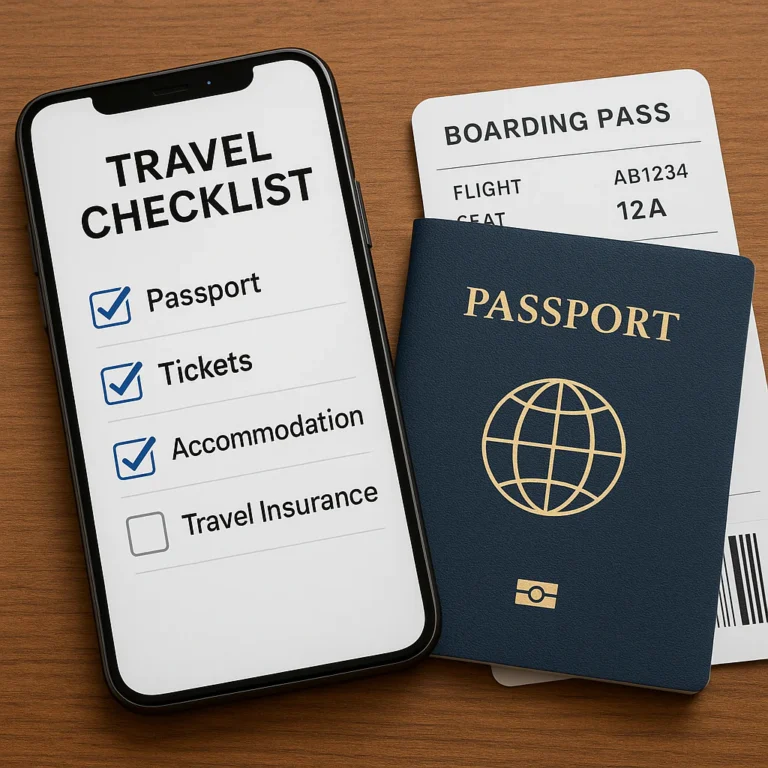
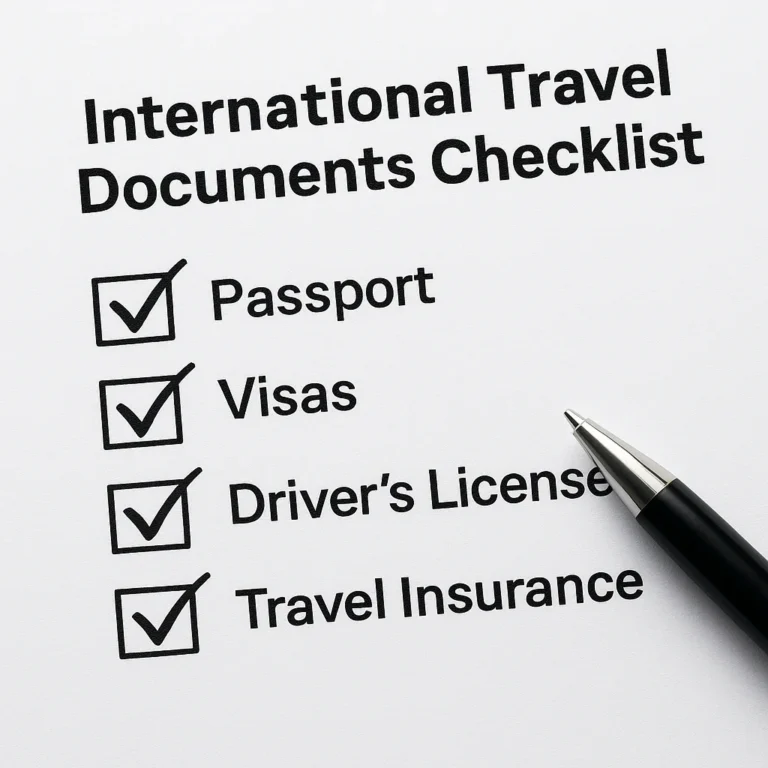
- 🛂 The Non-Negotiables: Documents, Visas, and Entry Requirements
- 🧳 The Ultimate International Flight Packing Checklist: What to Bring
- ✈️ Pre-Boarding Rituals: Airport Security, Customs, and Boarding Hacks
- 🛌 Surviving the Long Haul: Jet Lag, Hydration, and In-Flight Etiquette
- 📲 Staying Connected Abroad: eSIMs vs. Roaming vs. Local SIMs
- 🏁 Post-Landing Essentials: Currency, Transport, and First-Night Survival
- 📝 The Final International Flight Packing Summary
- 🏁 Conclusion
- 🔗 Recommended Links
- ❓ FAQ: Your Burning Questions About International Travel Answered
- 📚 Reference Links
⚡️ Quick Tips and Facts
Before we dive into the nitty-gritty of packing your life into a suitcase, let’s hit the pause button on the panic. We’ve all been there: staring at a closet, wondering if that third pair of shoes is worth the extra weight, or frantically Gogling “can I bring my full-size shampoo?” at 3 AM.
Here are the non-negotiables that separate the seasoned globetroters from the first-timers who get stopped at security:
- The 6-Month Rule: Your passport isn’t just a book of stamps; it’s your ticket in. Many countries (including Thailand, Brazil, and most of the Schengen Area) require your passport to be valid for at least six months beyond your date of entry. If it expires in five months, you might be turned away at the gate. Check your passport validity here.
- The 3-1-1 Liquids Rule: This is the golden rule of carry-ons. Containers must be 3.4 ounces (10ml) or less, all fitting into one quart-sized clear bag, with one bag per passenger. Got a full-size moisturizer? Leave it at home or check it.
- Arrive Early, Stress Less: For international flights, the magic number is 3 hours before departure. Why? Because you’re not just clearing security; you’re clearing passport control, checking bags, and potentially navigating a massive terminal.
- Digital + Physical Backups: Never rely on a single copy of your passport. Keep a digital copy on your phone (encrypted, of course) and a physical photocopy in a separate bag from the original.
- The “Lost Bag” Strategy: Always pack a change of clothes, essential meds, and toiletries in your carry-on. If your checked bag goes on a surprise vacation to Fiji without you, you won’t be wandering the airport in your pajamas.
Pro Tip: If you’re feeling overwhelmed, start with our comprehensive Travel Checklist International guide. It’s the backbone of our entire planning process!
🌍 The Evolution of Global Travel: From Paper Passports to Digital Borders
Travel hasn’t always been this streamlined. Remember when “global travel” meant navigating a labyrinth of paper visas, physical currency exchanges, and wondering if your map was even up to date? The landscape has shifted dramatically.
In the early 20th century, a passport was a simple letter of introduction. Today, it’s a biometric data hub. The introduction of e-Passports (those with the little chip icon on the cover) has revolutionized border control, allowing for Automated Border Control (ABC) gates that scan your face and chip in seconds.
But with digital convenience comes digital complexity. We’ve moved from asking “Do I have my visa?” to “Is my eSIM active?” and “Did I register my trip with the embassy?”
Why does this history matter to you?
Because understanding the shift helps you anticipate the hurdles. While the Global Entry program and Mobile Passport Control (MPC) apps have sped up re-entry for many, the fundamental requirement remains: documentation must be flawless. The border agents aren’t just checking a box; they are verifying your digital identity against a global database.
Curious about how to navigate these digital borders without getting stuck in the slow lane? We’ll break down the exact apps and documents you need in the next section.
🛂 The Non-Negotiables: Documents, Visas, and Entry Requirements
Let’s get serious. You can have the most expensive luggage and the comfiest neck pillow, but without the right papers, you’re going nowhere. This is the make-or-break section of your trip.
The Passport: Your Golden Ticket
Your passport is the only document that matters for crossing international borders.
- Validity Check: As mentioned, ensure it’s valid for 6 months beyond your return date.
- Blank Pages: Some countries (like India and South Africa) require two blank visa pages just for entry stamps. Don’t get caught with a full book!
- Damage Control: A torn cover or water-damaged page can lead to denial of boarding. Treat your passport like a fragile artifact.
Visas: The Gatekeepers
Not everyone needs a visa, but if you do, plan ahead.
- Visa-Free Travel: Citizens of the US, EU, and UK often enjoy visa-free access to many countries for short stays (usually 90 days).
- e-Visas: Countries like Turkey, Australia, and India offer electronic visas that you can apply for online. No embassy visits required!
- Visa on Arrival: Available in many destinations (e.g., Thailand, Maldives), but lines can be long, and fees are often higher than applying in advance.
The “Hidden” Documents
- Travel Insurance: While not always mandatory, it’s highly recommended. It covers medical emergencies, trip cancellations, and lost luggage. Compare top travel insurance providers here.
- Vaccination Records: Some countries still require proof of Yellow Fever vaccination (e.g., parts of Africa and South America). Check the CDC Travel Health Notices for the latest.
- Flight Itinerary: Many airlines and immigration officers want to see a return or onward ticket to prove you don’t plan to overstay.
Wait, what about the “6-month rule” for domestic flights?
Generally, you don’t need a passport for domestic US flights, but some airlines (like EasyJet in Europe) do require ID. Always check your specific airline’s policy!
🧳 The Ultimate International Flight Packing Checklist: What to Bring
Now, the fun part: packing! But let’s be real, packing for an international flight is an art form. You need to balance comfort, compliance, and preparedness.
The Philosophy of Packing
We at Travel Checklist™ swear by the “Cary-On Only” philosophy for short-to-medium trips. Why?
- No Lost Luggage: Your stuff stays with you.
- Speed: Skip the baggage claim carousel.
- Cost: Many budget airlines charge a fortune for checked bags.
If you must check a bag, pack your valuables, meds, and a change of clothes in your carry-on.
1. 👕 Clothing Strategies: Layering, Fabrics, and the “No Wrinkle” Rule
Forget the “one outfit per day” rule. International travel is about versatility.
- Fabrics: Stick to merino wool, synthetics, or blends. They wick moisture, resist odors, and dry quickly. Avoid 10% cotton if you’re doing a lot of walking; it takes forever to dry.
- Layering: The cabin temperature fluctuates wildly. Wear a base layer, a mid-layer (fleece or sweater), and a lightweight jacket.
- The “No Wrinkle” Hack: Roll your clothes instead of folding them. Use packing cubes to compress and organize.
2. 💊 Health & Wellness: Meds, Motion Sickness, and Immunity Boosters
- Prescription Meds: Bring enough for the trip plus a few extra days. Keep them in their original labeled bottles.
- Over-the-Counter: Pack a mini pharmacy: pain relievers, antihistamines, stomach meds, and motion sickness patches (like Scopolamine or Dramine).
- Immunity: Airplane air is dry and recirculated. Bring vitamin C, zinc lozenges, and a humidifier mask (yes, they exist!).
3. 🔌 Power Solutions: Universal Adapters, Power Banks, and Cables
- Universal Adapter: Don’t buy one at the airport (they’re overpriced). Get a universal travel adapter like the EPICKA or Skross that covers Type A, C, G, and I plugs.
- Power Bank: TSA allows power banks in carry-ons, but not in checked bags. Get a 20,0mAh or higher for long hauls.
- Cables: Bring extra cables. They have a habit of disappearing.
4. 🧴 Toiletries & Liquids: Navigating the 3-1-1 Rule Like a Pro
- The Bag: Use a clear, quart-sized ziplock bag.
- Containers: Transfer your favorite products into travel-sized bottles (under 3.4oz). Brands like Wander Beauty or GoTob make great silicone bottles.
- Solid Alternatives: Switch to solid shampoo bars, tothpaste tablets, and solid deodorant to bypass the liquid rule entirely.
5. 🎧 In-Flight Comfort: Noise-Canceling Headphones, Eye Masks, and Pillows
- Headphones: Sony WH-10XM5 or Bose QuietComfort are the gold standards for blocking out crying babies and engine noise.
- Eye Mask: Get a contoured mask (like Manta Sleep Mask) that doesn’t press on your eyelids.
- Neck Pillow: Ditch the inflatable ones. Go for memory foam (like Trtl or Cabeau) that supports your head without making you look like a turtle.
6. 📱 Connectivity Gear: eSIMs, Roaming Plans, and Data Safety
- eSIM: If your phone supports it (most iPhones and Pixels from 2018+), an eSIM is a game-changer. No physical SIM card needed.
- Roaming: Check your carrier’s international plan. Sometimes it’s cheaper to buy a local SIM or eSIM.
- Data Safety: Use a VPN on public Wi-Fi. Never log into banking apps on unsecured networks.
7. 💼 Carry-On Essentials: The “Don’t Check This” Bag
This bag is your lifeline. It must contain:
- Passport & Documents
- Medications
- Change of clothes
- Electronics & Chargers
- Valuables (jewelry, cash)
- Snacks & Water bottle (empty until after security)
✈️ Pre-Boarding Rituals: Airport Security, Customs, and Boarding Hacks
You’ve packed. Now, how do you get through the airport without losing your mind?
The 3-Hour Rule
Arrive 3 hours before your international flight. This gives you time for:
- Check-in: Even if you checked in online, you might need to drop bags.
- Security: Lines can be unpredictable.
- Passport Control: Some airports have long queues for exit checks.
Security Screening Hacks
- Wear Easy-On Shoes: No laces, no buckles. Slip-ons are your friend.
- Empty Pockets: Put everything in your bin. Keys, phone, wallet, coins.
- Liquids Ready: Have your quart-sized bag easily accessible.
- Electronics: Large electronics (laptops, tablets) must be removed from bags.
Customs and Immigration
- Declare Everything: If you’re bringing food, plants, or large amounts of cash, declare it. Fines can be hefty.
- Digital Forms: Many countries now require digital arrival cards (like Australia’s or Canada’s). Fill them out before you land to save time.
Ever wondered why some people breeze through customs while others get stopped? It’s often about preparation. We’ll cover the specific apps you need to have ready in the “Staying Connected” section.
🛌 Surviving the Long Haul: Jet Lag, Hydration, and In-Flight Etiquette
The flight is the longest part of the journey. How you handle it determines how you feel when you land.
Jet Lag: The Enemy
Jet lag is real. It’s your body clock fighting the new time zone.
- Adjust Before You Go: Shift your sleep schedule by an hour a day before you leave.
- Hydrate: Drink water constantly. Avoid alcohol and caffeine; they dehydrate you.
- Melatonin: Some swear by melatonin to reset their clock. Consult your doctor first.
In-Flight Etiquette
- Recline with Caution: Don’t recline your seat if the person behind you is eating or has a small tray table.
- Shoes On: Keep your shoes on (or wear clean socks). No one wants to smell your feet.
- Respect Space: Don’t encroach on the armrests of the person next to you.
Hydration Hacks
- Bring an Empty Bottle: Fill it up after security.
- Moisturize: Bring a facial mist and lip balm. The cabin air is drier than the Sahara.
📲 Staying Connected Abroad: eSIMs vs. Roaming vs. Local SIMs
This is where the old ways meet the new. How do you stay connected without racking up a $50 bill?
The Options
- Roaming: Your home carrier’s international plan. Convenient but often expensive.
- Local SIM: Buy a SIM card at the airport or a local store. Cheap, but requires an unlocked phone and swapping cards.
- eSIM: A digital SIM. Download it before you leave, activate it upon arrival. Instant, flexible, and often cheaper.
The Verdict
For most travelers, eSIMs are the best option. They allow you to keep your home number active for 2FA (two-factor authentication) while using a local data plan.
But what if your phone doesn’t support eSIM?
Don’t worry! We’ll discuss alternatives in the next section, including the rise of cellular smartwatches.
1. 📶 How Cellular Smartwatches Fit Into Your Travel Tech Stack
Cellular smartwatches (like the Apple Watch Series 9 or Samsung Galaxy Watch 6) are becoming travel essentials.
- Pros: You can leave your phone at the hotel and still take calls, get directions, and use Apple Pay.
- Cons: Battery life is shorter, and screen real estate is limited.
- Best For: Short trips, fitness tracking, and emergency communication.
2. 🔒 Data Security: Keeping Your Digital Footprint Safe Overseas
- Use a VPN: Always use a Virtual Private Network (like NordVPN or ExpressVPN) on public Wi-Fi.
- Two-Factor Authentication (2FA): Enable 2FA on all your accounts. Use an authenticator app (like Google Authenticator) instead of SMS if possible.
- Backup: Back up your photos and documents to the cloud before you leave.
🏁 Post-Landing Essentials: Currency, Transport, and First-Night Survival
You’ve landed. Now what?
Currency
- Cash is King: While cards are widely accepted, having some local currency is essential for small vendors, tips, and emergencies.
- ATMs: Use ATMs at the airport or in the city center. Avoid currency exchange booths at the airport (high fees).
- Credit Cards: Use cards with no foreign transaction fees (like Chase Sapphire or Capital One Venture).
Transport
- Pre-Book: Book your airport transfer in advance via Uber, Grab, or a local taxi service.
- Public Transport: Research the local metro or bus system. Apps like Citymapper are invaluable.
First-Night Survival
- Check-In: Have your hotel address and confirmation ready.
- Sim Card Activation: Activate your eSIM or local SIM immediately.
- Offline Maps: Download your destination map on Google Maps for offline use.
📝 The Final International Flight Packing Summary
Let’s recap the must-haves for your international adventure:
| Category | Essential Items |
|---|---|
| Documents | Passport (6+ months), Visa, Boarding Pass, Travel Insurance |
| Clothing | Layered outfits, comfortable shoes, sleepwear |
| Health | Meds, motion sickness patches, hand sanitizer |
| Tech | Universal adapter, power bank, eSIM, noise-canceling headphones |
| Toiletries | Travel-sized liquids, solid shampoo, moisturizer |
| Comfort | Neck pillow, eye mask, earplugs |
| Money | Local currency, credit card with no fees |
Did we miss anything?
We’ve covered a lot, but every traveler is different. Whether you’re a digital nomad needing a full office setup or a backpacker looking to travel light, our Digital Nomad Checklists and Backpacking Checklists have you covered.
🏁 Conclusion

So, there you have it. The ultimate guide to surviving and thriving on an international flight. From the 6-month passport rule to the magic of eSIMs, we’ve covered every angle to ensure your journey is smooth, safe, and stress-free.
Remember, the key to great travel isn’t just having the right gear; it’s having the right mindset. Be prepared, be flexible, and most importantly, enjoy the ride.
Our Top Recommendation:
If you’re looking for the perfect universal travel adapter, we highly recommend the EPICKA Universal Travel Adapter. It covers all major plug types, has multiple USB ports, and is compact enough to fit in any pocket.
- 👉 Shop EPICKA on: Amazon | Brand Official
For noise-canceling headphones, the Sony WH-10XM5 is our top pick for long-haul flights.
- 👉 Shop Sony WH-10XM5 on: Amazon | Sony Official
And for eSIMs, Airalo is a fantastic option for instant connectivity.
- 👉 Shop Airalo on: Airalo Official
Ready to pack? Grab your checklist, double-check your passport, and get ready for an adventure of a lifetime!
🔗 Recommended Links
Essential Travel Gear
- Universal Travel Adapter: EPICKA on Amazon | EPICKA Official
- Noise-Canceling Headphones: Sony WH-10XM5 on Amazon | Sony Official
- eSIM Provider: Airalo Official
- Travel Insurance: InsureMyTrip
- Packing Cubes: Eagle Creek on Amazon | Eagle Creek Official
Books for Travelers
❓ FAQ: Your Burning Questions About International Travel Answered

How can I stay organized and ensure I have everything I need for my international trip?
Start with a digital checklist (like our Travel Checklist International) and a physical backup. Use packing cubes to categorize items, and keep a “day-of” bag with essentials. Check your documents 3 days before departure.
Can I bring liquids and gels in my carry-on luggage for international flights?
Yes, but they must follow the 3-1-1 rule: containers under 3.4 ounces (10ml), all in one quart-sized clear bag, one bag per passenger. Exceptions exist for medications and baby food, but you must declare them.
What documents are required for an international flight?
You need a valid passport (6+ months validity), a visa (if required), a boarding pass, and sometimes proof of onward travel or vaccination records. Always check the specific requirements for your destination.
Read more about “✈️ What to Bring for International Travel: The 7-Step Ultimate Checklist (2026)”
What documents do I need for an international flight?
(Same as above) Ensure you have your passport, visa, boarding pass, and any health documents required by your destination.
Read more about “🛂 What Documents for Your Pre-Travel Checklist? (2026)”
Can I bring liquids in my carry-on for international travel?
Yes, provided they adhere to the 3-1-1 rule. Any liquid, gel, or aerosol must be in a container of 3.4 ounces or less and fit in a quart-sized bag.
Read more about “🩺 25 Essential Health Items for Your Pre-Travel Checklist (2026)”
How early should I arrive at the airport for an international flight?
Arrive at least 3 hours before your departure time. This allows for check-in, security, and passport control, which can be time-consuming.
Read more about “🌍 12 Ways to Customize Your International Travel Checklist (2026)”
What are the customs and immigration requirements for international flights?
You must declare any restricted items (food, plants, large amounts of cash) and have your passport and visa ready. Some countries require digital arrival forms to be filled out before landing.
Read more about “🌍 What Do You Need to Travel Internationally? (2026 Ultimate Guide)”
📚 Reference Links
- U.S. Department of State – Travel Checklist: travel.state.gov
- Government of Canada – Pre-Boarding Checklist: travel.gc.ca/air/pre-boarding-checklist
- TSA – 3-1-1 Rule: tsa.gov
- CDC – Travel Health Notices: cdc.gov
- BetterRoaming – Essential Packing List: betteroaming.com
- Airalo – eSIM Guide: airalo.com
- Sony – WH-10XM5: sony.com
- EPICKA – Universal Adapter: epicka.com