Support our educational content for free when you purchase through links on our site. Learn more
15 Top Pet-Friendly Travel Destinations & Checklists 🐾


The best pet-friendly trip pairs a destination your animal will enjoy with transport, lodging, and activities that genuinely allow pets. Our guide to Top pet-friendly travel destinations and pet travel checklists helps you choose a place that fits your pet, confirm the rules before booking, and pack without turning departure day into a scavenger hunt.
From walkable German cities and Canadian outdoor escapes to U.S. beach towns and mountain getaways, pet-friendly options are wonderfully varied—but policies aren’t universal. We once watched a hotel’s “pets welcome” promise unravel at check-in when the fine print limited guests to one small dog. A quick confirmation call would have saved everyone a detour.
Key Takeaways
- Match the destination to your pet’s temperament, health, and travel style—not just the prettiest photos.
- Confirm current rules directly with airlines, hotels, parks, transit operators, and official government sources.
- Prepare documents early, especially for international trips involving health certificates, microchips, vaccinations, or import requirements.
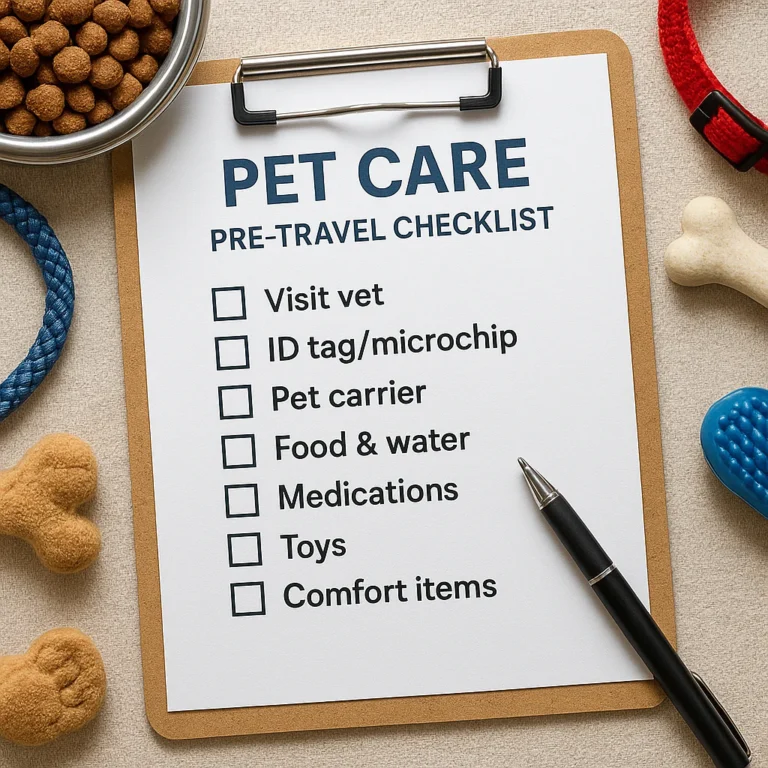
- Pack familiar food, water, medications, identification, a secure carrier or restraint, and comfort items.
- Build a flexible itinerary with rest breaks, shade, pet-friendly activities, and nearby veterinary care.
- Use a checklist app to organize reservations, documents, reminders, and packing tasks—then verify critical details with the providers themselves.
Table of Contents
- ⚡️ Quick Tips and Facts for Traveling With Pets
- 🐾 How Pet-Friendly Travel Has Changed
- 🌍 How to Choose the Right Pet-Friendly Destination
- What “Pet-Friendly” Really Means
- Dog-Friendly vs. Cat-Friendly Travel
- Best Trips for Different Pets and Travel Styles
- 🏆 Top Pet-Friendly Travel Destinations Around the World
- 1. Germany: Dog-Friendly Cities, Parks, and Public Transit
- 2. Spain: Sunny Walks, Outdoor Cafés, and Coastal Escapes
- 3. France: Village Strolls, Pet-Welcoming Hotels, and Patios
- 4. Canada: National Parks, Lakes, and Pet-Friendly Cities
- 5. Mexico: Beach Towns, City Breaks, and Pet Travel Essentials
- 🇺🇸 Top Pet-Friendly Destinations in the United States
- 1. New York: Urban Adventures and Dog-Friendly Parks
- 2. Colorado: Mountain Trails and Outdoor Getaways
- 3. Texas: Spacious Parks, Patios, and Road Trips
- 4. California: Coastlines, Wine Country, and City Stays
- 5. Florida: Beaches, Springs, and Pet-Welcoming Resorts
- 🏨 Finding Pet-Friendly Hotels, Vacation Rentals, and Campgrounds
- Questions to Ask Before Booking
- Pet Fees, Size Limits, Breed Rules, and Stay Policies
- How to Find Pet-Friendly Restaurants, Attractions, and Parks
- 🚗 Traveling With Pets by Car
- Car Safety: Crates, Harnesses, and Back-Seat Setup
- Planning Rest Stops, Meals, and Overnight Breaks
- Preventing Motion Sickness, Heat Stress, and Escape
- ✈️ Flying With a Pet: Airline Rules and Airport Tips
- In-Cabin, Cargo, and Checked Pet Travel
- Choosing an Airline-Approved Pet Carrier
- Booking Flights and Preparing for Airport Security
- When It’s Safer Not to Fly With Your Pet
- 🚆 Trains, Buses, Ferries, and Public Transit With Pets
- 🛂 International Pet Travel Requirements
- Microchips, Rabies Vaccines, and Health Certificates
- Pet Passports, Import Permits, and Quarantine Rules
- Returning Home: Re-Entry Requirements and Documents
- ✅ The Complete Pet Travel Checklist
- Documents and Identification
- Food, Water, and Feeding Supplies
- Leash, Carrier, Bedding, and Comfort Items
- Medication, First Aid, and Emergency Contacts
- Cleaning Supplies, Waste Bags, and Weather Gear
- Final Home and Departure-Day Checklist
- 🩺 Pet Health, Safety, and Comfort on the Road
- Pre-Trip Vet Visit and Fitness to Travel
- Anxiety, Aclimation, and Keeping Routines
- Finding Emergency Vets and Pet Pharmacies
- Wildlife, Ticks, Heat, Cold, and Local Hazards
- 💰 Budgeting for a Pet-Friendly Vacation
- Common Pet Travel Costs and Hidden Fees
- Pet Travel Insurance and Emergency Funds
- 🐕 Traveling With Different Types of Pets
- Puppies, Senior Dogs, and Large Breds
- Cats and Small Companion Animals
- Service Animals and Emotional Support Animals
- 🚫 Common Pet Travel Mistakes to Avoid
- ❓ Frequently Asked Questions About Pet-Friendly Travel
- What Is the Easiest Way to Travel With a Dog?
- Can Pets Stay Alone in a Hotel Room?
- How Early Should You Prepare for International Pet Travel?
- Should You Bring Your Pet or Arrange Care at Home?
- Conclusion
- Recommended Links
- Reference Links
⚡ Quick Tips and Facts for Traveling With Pets
The best pet-friendly trip isn’t just a destination with a dog bowl at reception. It’s a trip where the transport rules, accommodation policies, local activities, and your pet’s needs all line up. Start with our guide to top travel destinations, then build a pet-specific plan around the journey—not just the Instagram-worthy arrival.
| Quick fact | What it means for your trip |
|---|---|
| “Pet-friendly” rules vary by property | Confirm pet limits, size rules, fees, and whether pets can be left alone directly with the hotel or host. |
| Airline policies vary | Check the operating airline for every flight segment. A partner airline may have different carrier, route, or animal-acceptance rules. |
| International requirements take planning | Vaccination, microchip, health certificate, endorsement, and entry rules depend on the destination and can change. Verify with official authorities before booking. |
| A familiar routine helps | Bring your pet’s regular food, medications, bedding, and an item that smells like home. |
| A checklist prevents small problems becoming big ones | Save copies of records, confirm reservations, and keep essentials easy to reach rather than buried under beach towels. |
Our quick-start checklist
- ✅ Ask your veterinarian whether your pet is fit to travel and which preventive care is appropriate.
- ✅ Confirm destination rules with official sources such as the USDA APHIS pet travel page and the destination’s government.
- ✅ Check each carrier’s current animal policy before booking.
- ✅ Reserve pet-friendly lodging and get the rules in writing.
- ✅ Pack food, water, medications, waste bags, leash or harness, carrier, ID, and veterinary records.
- ✅ Add rest breaks and pet-friendly activities to your itinerary.
- ❌ Don’t assume a listing labeled “pet-friendly” means every pet is welcome—or that your pet can stay unattended.
- ❌ Don’t sedate your pet for travel without specific veterinary guidance.
We’ve learned that the first confirmation call can save a lot of frantic unpacking later. One of our travelers once found out at check-in that “pets welcome” meant one small dog, not two medium-sized dogs. The backup plan involved a very apologetic call to another hotel and a dog who was delighted by the extra car ride.
For trip organization, a dedicated Travel Checklist app can help keep reservations, documents, packing tasks, and reminders together. If your itinerary includes trails or other outdoor adventures, browse our Adventure Travel Checklists too. 🐾
🐾 How Pet-Friendly Travel Has Changed
Traveling with companion animals has become more visible, but more pet travel doesn’t automatically mean easier pet travel. In its 2025 pet-destination article, GlobalVetLink says pet travel “has become the new normal” and describes using health-certificate data and travel patterns to track where cats and dogs go.
That perspective is useful, but it doesn’t tell you which destination is right for your pet. Popularity data can reveal travel trends; it doesn’t replace checking current access rules, veterinary requirements, or a pet’s comfort with crowds and transport. A scenic destination may be ideal for a confident, active dog and overwhelming for a nervous cat.
What has changed for travelers
- More hotels, vacation rentals, patios, and outdoor attractions advertise pet access.
- Travel remains policy-dependent: routes, carriers, lodging providers, parks, and countries may each have separate rules.
- International pet health documentation can involve several agencies and strict timing.
- Travelers have better access to planning tools, but information is only helpful if it’s current and comes from a reliable source.
The practical takeaway
Treat “pet-friendly” as a starting point for research, not a guarantee. Confirm each essential detail with the provider that controls it. For example, a hotel may welcome pets while a nearby beach prohibits dogs during peak season, or a carrier may accept small pets one route but not another.
GlobalVetLink highlights that domestic travel may still involve state-specific requirements and calls out Hawaii as an example. That’s a helpful reminder: crossing a border isn’t the only time paperwork matters. Check your route and destination rules before departure, and ask your veterinarian if you’re unsure how to interpret them.
🌍 How to Choose the Right Pet-Friendly Destination
A good destination fits your pet’s temperament, health, and travel tolerance, as well as your vacation wish list. We love a walkable town with shady paths and outdoor cafés, but that same itinerary may not suit a heat-sensitive dog or a cat who finds new environments deeply suspicious.
What “Pet-Friendly” Really Means
Before booking, find out what the label actually covers.
| Question | Why it matters |
|---|---|
| Are cats, dogs, or both accepted? | Some properties advertise pet-friendly stays but only permit dogs. |
| Are there pet-size, breed, or number limits? | Restrictions may apply even when a listing looks welcoming. |
| Are pets allowed in common areas? | A pet may be welcome in your room but not in the lobby, restaurant, pool, or shuttle. |
| Can pets be left alone? | Some properties prohibit it; others require a crate or a specific time limit. |
| Are there local rules for leashes and waste? | City parks, beaches, trails, and transit systems can each set different requirements. |
| What happens if plans change? | Ask about cleaning rules, damage policies, and nearby veterinary care. |
Get the policy in writing when possible. Save the booking confirmation and any message confirming the pet rules. That tiny bit of admin is less glamorous than a sunset walk, but it can prevent a very awkward lobby conversation.
Dog-Friendly vs. Cat-Friendly Travel
Dogs often have more visible options for outdoor dining, trails, and dog parks. Cats may do best in a quiet, secure accommodation with familiar bedding, a litter setup, and fewer transitions. Neither is automatically the better travel companion; it depends on the individual animal.
| Consideration | Dogs | Cats |
|---|---|---|
| Activities | Walks, dog-friendly patios, selected trails, beaches, and parks | Calm accommodation, secure outdoor access only where permitted, short familiar routines |
| Transport preparation | Practice with a vehicle harness or travel crate; plan toilet and exercise breaks | Aclimate to a carrier; use a secure setup and plan litter, water, and quiet time |
| Accommodation priority | Clear rules about unattended pets and nearby walking areas | Secure doors and windows, low-noise room, and safe litter location |
| Common challenge | Leash rules, heat, crowds, wildlife, and other dogs | Stress from unfamiliar spaces, hiding, escape risk, and changes to routine |
For either species, don’t force a trip simply because the destination welcomes pets. If your animal becomes distressed by travel, a trusted sitter or boarding arrangement may be kinder.
Best Trips for Different Pets and Travel Styles
- Active dogs: Consider destinations with shaded trails, water access, clear leash rules, and nearby veterinary clinics.
- Senior pets: Prioritize shorter transfers, accessible rooms, frequent breaks, and a manageable daily schedule.
- Nervous pets: Choose one comfortable base instead of changing hotels nightly.
- Cats: Look for quiet lodging, secure windows, and a low-stress way to keep familiar routines.
- Road-trip fans: Build in pet breaks and review our Budget Travel Checklists for practical planning.
- Beach travelers: Check tide, heat, seasonal dog restrictions, and whether the beach permits pets at all. Our Beach Vacation Checklists can help you remember the sandy essentials.
🏆 Top Pet-Friendly Travel Destinations Around the World
The destinations below are ideas for building a pet-friendly trip, not a guarantee that every hotel, transit system, attraction, or trail allows animals. Rules change by location and season, so verify with the specific operator before you go.
| Destination | Best for | Plan ahead for |
|---|---|---|
| Germany | Walkable cities and public transport planning | Local leash, transit, and accommodation rules |
| Spain | Outdoor cafés and coastal breaks | Heat, seasonal restrictions, and transport policies |
| France | Village stays and patio dining | Accommodation rules and attraction access |
| Canada | Cities, lakes, and outdoor escapes | Park-specific pet access and border requirements |
| Mexico | Coastal and city trips | Entry documents, heat, and local access rules |
A video featured in this article also highlights U.S. options such as Asheville, San Diego, Austin, Portland, Key West, Bar Harbor, Sedona, Lake Tahoe, Bend, and Chicago. The video offers an upbeat inspiration list, but specific access can vary by trail, beach, season, and business; use its recommendations as a shortlist to verify, not as blanket permission. Watch the featured video.
1. Germany: Dog-Friendly Cities, Parks, and Public Transit
Germany can suit travelers who enjoy walkable neighborhoods and organized transit, but don’t assume every service or attraction accepts pets. Check the rules for each railway, city transit operator, accommodation, and museum before setting out.
Good fit for: confident dogs comfortable around people, city sounds, and public spaces.
Plan ahead:
- Confirm whether your chosen transit operator requires a ticket, carrier, leash, or muzzle.
- Check local dog-leash requirements and designated off-leash areas.
- Choose lodging near green space for daily walks.
- If crossing borders, verify pet identification and health requirements with official authorities.
2. Spain: Sunny Walks, Outdoor Cafés, and Coastal Escapes
Spain’s outdoor dining culture can make some trips feel wonderfully relaxed with a dog in tow. The catch? Heat, seasonal beach rules, and transport access need real attention. Shade and water are travel essentials, not optional accessories.
Good fit for: pets that tolerate warm weather and busy public spaces.
Plan ahead:
- Schedule outdoor activities for cooler parts of the day.
- Check beach access rules for the exact date and municipality.
- Ask restaurants whether pets may join outdoor seating.
- Confirm pet rules for trains and intercity transport before buying tickets.
For beach-focused planning, our Beach Vacation Checklists are a useful companion.
3. France: Village Strolls, Pet-Welcoming Hotels, and Patios
France can reward travelers who enjoy slow village walks, outdoor café stops, and a flexible itinerary. But a pet-friendly café does not mean a nearby historic site, garden, or hotel follows the same rule.
Good fit for: pets who are comfortable resting in public and traveling between towns.
Plan ahead:
- Ask accommodations about room access, unattended-pet rules, and nearby walking routes.
- Check attraction policies individually; some grounds welcome leashed pets while indoor spaces do not.
- Keep a copy of veterinary and identification records with your travel documents.
- If traveling between countries, confirm current entry requirements before departure.
4. Canada: National Parks, Lakes, and Pet-Friendly Cities
Canada offers a compelling mix of city breaks and outdoor scenery. For park visits, though, the park’s rules—not the postcard—decide where your pet can go. National parks may restrict animals in certain areas to protect wildlife and visitors.
Good fit for: travelers who enjoy outdoor planning and are happy to adapt routes.
Plan ahead:
- Check each park’s official pet rules, trail restrictions, and seasonal notices.
- Keep dogs leashed where required and give wildlife plenty of space.
- Confirm your lodging accepts your pet’s species, size, and number.
- Review current border requirements for your pet and travel circumstances.
Outdoor travelers may also find our Adventure Travel Checklists helpful.
5. Mexico: Beach Towns, City Breaks, and Pet Travel Essentials
Mexico can work well for a pet-friendly holiday when you plan for entry requirements, heat, and local access in advance. Rules can differ by route and destination, so check official government guidance and your transport provider rather than relying on an old forum post.
Good fit for: pets accustomed to warm weather and travelers who can keep plans flexible.
Plan ahead:
- Verify current pet entry rules with USDA APHIS and the relevant Mexican authorities.
- Ask your airline or transport provider about animal acceptance and carrier requirements.
- Plan shaded walks, fresh water, and a cool resting place.
- Confirm beach, restaurant, and accommodation rules directly.
🇺🇸 Top Pet-Friendly Destinations in the United States
The United States offers everything from urban dog parks to mountain trails and beach towns. Access varies locally, so check park, beach, business, and transit rules instead of assuming a whole city is pet-friendly.
| Destination | Best for | Check before you go |
|---|---|---|
| New York | City walks and dog parks | Transit rules, leash requirements, and attraction policies |
| Colorado | Mountain scenery and outdoor recreation | Trail access, altitude, weather, and wildlife |
| Texas | Road trips, patios, and parks | Heat, shade, and city-specific leash rules |
| California | Coast, city, and wine-country variety | Beach access, seasonal restrictions, and local rules |
| Florida | Warm-weather escapes and coastal stays | Heat, wildlife, beach restrictions, and storm conditions |
1. New York: Urban Adventures and Dog-Friendly Parks
New York can be a memorable city break for a dog who’s comfortable with crowds, traffic, elevators, and noise. It can also be a lot for animal that needs quiet. Choose a lodging location near green space and plan calmer breaks between outings.
Ideas to explore: designated dog runs, outdoor dining, and walkable neighborhood routes.
Before you go:
- Check city rules for leashes and dog-run access.
- Verify transit rules with the operator you’ll use.
- Ask attractions and restaurants about their current pet policies.
- Keep your dog secure near busy streets and crowded crossings.
2. Colorado: Mountain Trails and Outdoor Getaways
Colorado’s scenery is tempting, but altitude, changing weather, wildlife, and trail restrictions deserve respect. A trail that looks easy on a map may be tough for a senior dog or a pet unfamiliar with elevation.
Before you go:
- Check the official rules for each trail or public land area.
- Plan a shorter first outing and watch how your pet responds.
- Carry water and protect paws from hot, cold, or rough surfaces.
- Avoid wildlife encounters; keep your pet leashed where required.
If your trip includes hiking or camping, browse our Adventure Travel Checklists.
3. Texas: Spacious Parks, Patios, and Road Trips
Texas is well suited to road-trip planning, and some cities offer dog-friendly patios and outdoor spaces. The main challenge is often heat: asphalt and exposed areas can become unsafe for paws and bodies.
Before you go:
- Plan walks for cooler hours and provide frequent water breaks.
- Test pavement temperature before letting your pet walk on it.
- Confirm patio and park rules with the individual business or city.
- Never leave your pet unattended in a vehicle.
4. California: Coastlines, Wine Country, and City Stays
California gives you a broad menu of trip styles, from coastal walks to city hotels. The rules are equally varied. A dog-friendly beach in one town doesn’t mean dogs are allowed at the next beach down the road.
Before you go:
- Check the specific beach or park’s official access rules.
- Confirm winery, restaurant, and accommodation policies directly.
- Keep dogs leashed unless an area clearly permits off-leash activity.
- Consider weather, crowds, and your pet’s comfort with long outdoor days.
5. Florida: Beaches, Springs, and Pet-Welcoming Resorts
Florida can be a sunny treat for pets and people, with one large asterisk: heat, humidity, wildlife, and local water-access rules. Choose activities with shade and an easy retreat to a cool room.
Before you go:
- Verify beach and park access for pets on your travel dates.
- Bring clean water and avoid prolonged heat exposure.
- Check for wildlife and follow posted safety instructions.
- Have an indoor backup plan for storms or extreme weather.
🏨 Finding Pet-Friendly Hotels, Vacation Rentals, and Campgrounds
A search filter is useful, but the property’s current written policy is the source of truth. Read the listing carefully, then contact the host or hotel before you book.
Questions to Ask Before Booking
- Do you accept my pet’s species, size, and number of animals?
- Are pets permitted in the room, common areas, and outdoor spaces?
- Can pets be left unattended? If yes, are there time limits or crate requirements?
- Are there breed or weight restrictions?
- Is there an additional cleaning or pet fee?
- Are food bowls, pet beds, or waste stations provided—or should we bring our own?
- Where is the nearest suitable walking area?
- What should we do if our pet becomes ill or causes accidental damage?
Our rule: if the policy affects your plans, get the answer in writing. “The listing looked fine” is not much comfort when you’re standing at reception with a tired dog and a trunk full of luggage.
Pet Fees, Size Limits, Breed Rules, and Stay Policies
Policies can include:
- Maximum pet count or weight
- Restricted breeds or animal types
- Pet deposits or cleaning charges
- Limits on unattended pets
- Leash requirements in shared spaces
- Restrictions on furniture, pools, or dining areas
- Required proof of vaccination or licensing
Never assume an emotional support animal is treated as a service animal under a hotel’s rules or under transportation law. Policies and legal definitions differ by context. If you rely on disability-related access, check the applicable official rules and contact the provider before travel.
How to Find Pet-Friendly Restaurants, Attractions, and Parks
Use official business or municipal pages whenever possible. Search results and older reviews may be out of date.
- Call or message restaurants to confirm whether pets are allowed in the specific seating area you want.
- Check municipal parks and beach pages for leash, seasonal, and access restrictions.
- Review park-service guidance for trail and wildlife rules.
- Ask tour operators about the animal’s size, carrier, temperament, and supervision requirements.
- Keep one indoor or low-key backup activity for bad weather or a tired pet.
🚗 Traveling With Pets by Car
A road trip gives you flexibility, but your pet still needs a safe setup and a realistic pace. The aim isn’t to drive until the dog starts narrating the journey with increasingly dramatic sighs. It’s to make the car feel predictable and secure.
Car Safety: Crates, Harnesses, and Back-Seat Setup
- Use a properly secured travel crate or a restraint designed for vehicle travel.
- Keep pets out of the driver’s lap and away from pedals and airbags.
- Don’t let a pet ride loose in the bed of a pickup.
- Keep ventilation and temperature comfortable.
- Attach identification to your pet and check that contact details are current.
- Practice the setup at home and on short drives before a long journey.
A familiar bed or blanket can make the car feel less strange. For a nervous pet, practice in small steps: explore the parked car, sit inside with treats, take a short ride, then gradually increase the duration.
Planning Rest Stops, Meals, and Overnight Breaks
- Map pet-appropriate stops. Check that rest areas allow pets in the areas you need.
- Schedule breaks around your animal. Puppies, seniors, and pets with medical needs may need more frequent stops.
- Offer water regularly. Bring your own bowl so you’re not relying on a stop’s supplies.
- Keep meals familiar. Abrupt food changes can upset a stomach; pack the regular food and feeding scoop.
- Choose overnight lodging in advance. Confirm the pet policy directly.
- Secure your pet before opening car doors. A leash or carrier can prevent an exciting escape attempt.
Never leave a pet alone in a parked vehicle, even for “just a minute.” Conditions can become dangerous quickly, and a cracked window does not make a car a safe resting place.
Preventing Motion Sickness, Heat Stress, and Escape
- Ask your veterinarian about motion sickness or travel anxiety before departure.
- Avoid feeding an unusually large meal immediately before a trip if your veterinarian recommends a different routine.
- Use secure restraints and a leash before opening doors.
- Watch for excessive panting, weakness, droling, vomiting, confusion, or unusual behavior.
- Stop in a safe place if your pet seems distressed.
- In hot weather, shorten outdoor stops and provide shade and water.
Do not give human medication or sedatives without veterinary direction. A medicine that seems harmless to us may be unsafe for animal or inappropriate during travel.
✈️ Flying With a Pet: Airline Rules and Airport Tips
Flying is one of the most policy-heavy ways to travel with a pet. Check the airline’s current official guidance before buying a ticket, then reconfirm closer to departure. Rules may depend on route, aircraft, pet size, carrier dimensions, and available cabin capacity.
American Airlines’ current pet page says eligible cats and dogs may travel in the cabin on many flights, subject to route and other rules. It also states that the pet must stay in its carrier under the seat throughout the flight. Review American Airlines’ pet travel guidance for the latest details, and confirm any partner-operated segment with that airline.
In-Cabin, Cargo, and Checked Pet Travel
| Option | Typical planning considerations |
|---|---|
| In-cabin | Eligibility, route, carrier dimensions, under-seat fit, reservation capacity, and required fees |
| Cargo | Airline acceptance, route availability, weather and temperature restrictions, crate requirements, and added handling |
| Checked pet | Availability may be limited to specific traveler categories and routes; strict documentation and check-in rules can apply |
American Airlines states that checked pets are limited to eligible active-duty U.S. military and U.S. State Department Foreign Service personnel traveling on official orders. For larger pets that don’t qualify for cabin travel, the airline directs travelers to American PetEmbark®. Do not assume an option is available just because another airline, route, or traveler used it.
Choosing an Airline-Approved Pet Carrier
Before buying a carrier, compare its external dimensions with the airline’s current requirements and the actual under-seat space for your aircraft.
Look for:
- Secure closures and reliable ventilation
- A leak-resistant base
- Enough room for your pet to stand, turn, and lie down as required by the carrier’s rules
- A secure, comfortable handle or attachment
- A design your pet can practice using before travel
Brands such as Sherpa and Sleepypod make pet travel products, but a brand name doesn’t guarantee airline acceptance. Verify the precise carrier model, measurements, and route rules.
Booking Flights and Preparing for Airport Security
- Contact the airline before booking to confirm pet availability on the exact flight.
- Check every segment if your itinerary includes a connection or partner airline.
- Reserve the pet’s place according to the carrier’s instructions.
- Ask about documents and how recent any health certificate must be.
- Practice the carrier routine at home well before travel day.
- Arrive with time to spare and follow airport instructions for animal relief areas and screening.
American Airlines says a carry-on pet must remain in its carrier under the seat and that travelers may bring only one additional item under its pet policy. Because baggage and pet rules can change, use the airline’s live page rather than relying on a copied checklist or a friend’s old boarding pass.
When It’s Safer Not to Fly With Your Pet
Flying may not be a good choice if your pet:
- Has a medical condition that makes travel risky
- Is highly distressed by confinement or unfamiliar noise
- Doesn’t meet the airline’s age, size, breed, or route requirements
- Would face unsuitable weather or transfer conditions
- Can stay safely and happily with a trusted caregiver instead
Talk to your veterinarian about your pet’s specific circumstances. For some animals, a sitter is not a consolation prize; it’s the kindest itinerary.
🚆 Trains, Buses, Ferries, and Public Transit With Pets
Every operator sets its own rules. Some allow small pets in carriers; others have leash, muzzle, ticket, size, or service-animal provisions. Check the operator’s official policy for every leg and make sure a transfer doesn’t leave you stranded with animal the next service won’t accept.
Before you travel, confirm:
- Whether pets are accepted and which species qualify
- Carrier or restraint requirements
- Whether a pet ticket is needed
- Rules for service animals and assistance
- Restrictions during busy periods
- Boarding, seating, and relief arrangements
For ferries and boat tours, ask about outdoor deck access, carrier rules, weather exposure, and motion sickness. A pet that loves road trips may find a ferry’s engine sounds and motion less charming.
🛂 International Pet Travel Requirements
International pet travel is a paperwork project with a tail. Requirements vary by destination, route, species, and sometimes the pet’s recent travel history. Start planning early and verify each step with official sources.
The USDA APHIS pet travel site provides country-specific guidance for pets departing the United States. Some destinations require a health certificate, vaccination records, microchip information, endorsement, import permit, or additional treatments. One missing document can disrupt the entire trip.
Microchips, Rabies Vaccines, and Health Certificates
Requirements differ by destination. Confirm:
- Whether a microchip is required and which standard is accepted
- Whether the microchip must be implanted before certain vaccinations
- Rabies vaccination rules and minimum waiting periods
- Whether a veterinarian must issue a destination-specific health certificate
- Whether the certificate needs endorsement by an official authority
- The time window in which examinations, tests, or treatments must occur
Don’t rely on a social-media post from someone who traveled years ago. Rules change. Your veterinarian and official destination guidance should be your primary sources.
Pet Passports, Import Permits, and Quarantine Rules
There is no single worldwide “pet passport” that guarantees entry everywhere. Some countries use recognized pet documents; others require separate permits, tests, or official certificates. A destination may also have quarantine procedures or limits that affect your itinerary.
Step-by-step planning:
- Identify the exact country and route, including transit countries.
- Look up the destination’s official entry requirements.
- Share the requirements with your veterinarian.
- Confirm the timing for microchips, vaccines, tests, and certificates.
- Check whether official endorsement or an import permit is required.
- Keep originals and secure digital copies of all documents.
- Recheck requirements before departure in case they change.
Returning Home: Re-Entry Requirements and Documents
A return journey may have separate rules from the outbound trip. For example, U.S. entry requirements can depend on the animal’s species and travel history. Check the relevant CDC pet import guidance for current rules on dogs and the applicable guidance for other animals.
Keep documents accessible throughout the trip. Don’t pack the only health certificate in checked luggage, and don’t assume the outbound paperwork automatically covers re-entry.
✅ The Complete Pet Travel Checklist
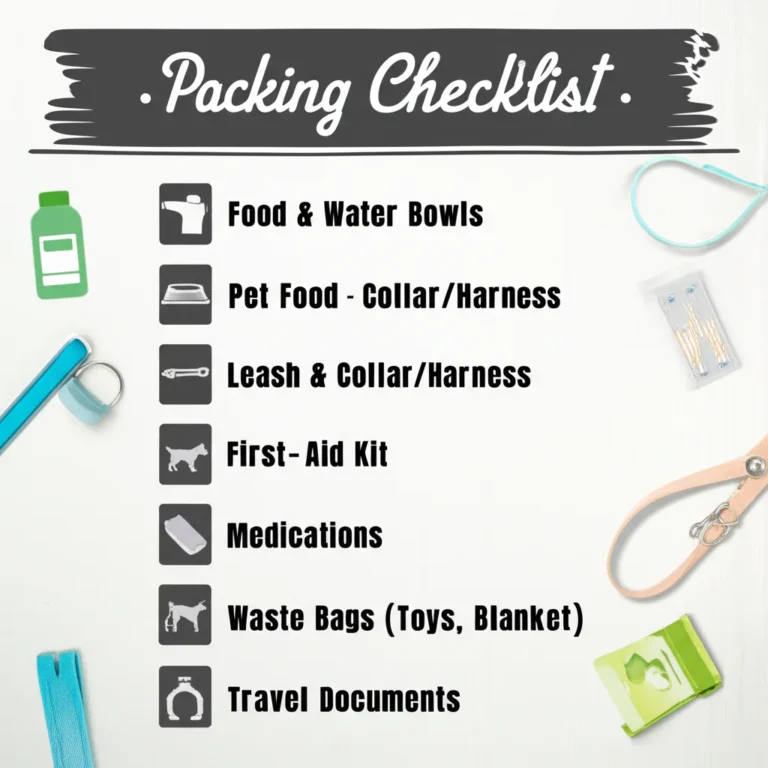
Use this as a starting point, then tailor it to your destination, transport provider, and pet. A Travel Checklist app can keep tasks and documents organized; the best checklist is the one you actually use.
Documents and Identification
- ☐ Veterinary records and vaccination history
- ☐ Health certificate or destination-specific documents, if required
- ☐ Microchip number and registration details
- ☐ Pet license, if applicable
- ☐ Airline, hotel, tour, and transport confirmations
- ☐ Emergency contacts, including your veterinarian
- ☐ Printed copies and secure digital backups
- ☐ Current ID tag with a reachable phone number
Food, Water, and Feeding Supplies
- ☐ Enough of your pet’s regular food for the trip, plus a reasonable backup
- ☐ Treats your pet already tolerates
- ☐ Food scoop and familiar bowls
- ☐ Portable water bowl and access to clean water
- ☐ Food storage container or resealable bags
- ☐ Feeding schedule and instructions for a caregiver
Leash, Carrier, Bedding, and Comfort Items
- ☐ Collar or harness with secure identification
- ☐ Leash and backup leash
- ☐ Airline-compliant carrier or vehicle restraint, as needed
- ☐ Familiar bed or blanket
- ☐ Favorite toy, if it helps your pet settle
- ☐ Crate cover or calming setup only if appropriate for your pet and transport rules
- ☐ Pet stroller, if suitable and allowed
Medication, First Aid, and Emergency Contacts
- ☐ Regular medication in original packaging
- ☐ Written dosing instructions
- ☐ Veterinarian’s contact information
- ☐ Nearest emergency clinic at the destination
- ☐ Basic pet first-aid supplies recommended by your veterinarian
- ☐ Any prescribed travel medication
- ☐ A plan for missed doses, delays, or lost medication
Do not add human painkillers or over-the-counter medicine to your pet’s kit unless your veterinarian specifically directs you to do so.
Cleaning Supplies, Waste Bags, and Weather Gear
- ☐ Waste bags and disposal plan
- ☐ Paper towels or pet-safe cleaning supplies
- ☐ Absorbent pads if useful for your pet
- ☐ Towels for wet paws or beach days
- ☐ Weather-appropriate coat, cooling gear, or paw protection
- ☐ Tick or parasite prevention recommended by your veterinarian
- ☐ Litter, scoop, and a travel litter setup for cats
- ☐ A small supply of familiar bedding for the carrier
Final Home and Departure-Day Checklist
- ☐ Confirm pet reservation with the airline, hotel, or transport provider
- ☐ Check the weather and any active travel advisories
- ☐ Feed and exercise according to your veterinarian’s advice
- ☐ Secure your pet before opening vehicle or exterior doors
- ☐ Keep documents, medication, and water within easy reach
- ☐ Confirm your pet’s ID details are current
- ☐ Tell a trusted person your route and emergency contact plan
- ☐ Do a final room sweep before checkout so no toy, medication, or beloved blanket gets left behind
🩺 Pet Health, Safety, and Comfort on the Road
A pet can’t tell you, “This itinerary is too ambitious; I’d like a nap and a quiet corner.” You have to read the signals. Build in breaks and let your pet’s behavior shape the pace.
Pre-Trip Vet Visit and Fitness to Travel
Ask your veterinarian about:
- Whether your pet is fit for the planned route and transport method
- Vaccinations, parasites, and destination-specific health risks
- Motion sickness or anxiety
- Medication timing and storage
- Food, water, and exercise routines
- Whether the destination’s weather or activities present extra concerns
Bring the details of your trip—duration, climate, transport, activities, and destinations—so your veterinarian can give advice that fits the real itinerary.
Anxiety, Aclimation, and Keeping Routines
- Introduce the carrier, crate, or car restraint well ahead of time.
- Use short practice sessions and positive reinforcement.
- Keep meal, walk, and rest routines as familiar as possible.
- Create a quiet retreat at the destination.
- Avoid packing the first day with activities.
- Watch for signs of stress such as hiding, pacing, vocalizing, refusing food, or unusual behavior.
We once watched a confident dog turn into a professional blanket burrito after a day of crowded sightseeing. The fix wasn’t another attraction; it was a quiet room, familiar dinner, and a slower morning. Rest is part of the itinerary.
Finding Emergency Vets and Pet Pharmacies
Before arrival:
- Search for a 24-hour emergency veterinary hospital near your accommodation.
- Save the address, phone number, and route offline.
- Ask your usual veterinarian for records and any relevant care notes.
- Check where you can refill a prescription, if needed.
- Keep insurance or payment information available.
A quick search before a problem occurs is much easier than trying to compare clinics while your pet is unwell and you’re in an unfamiliar neighborhood.
Wildlife, Ticks, Heat, Cold, and Local Hazards
Hazards depend on the destination and season. Check local public-health and park guidance for wildlife, ticks, water conditions, extreme temperatures, and trail closures.
- Keep pets leashed where required and away from wildlife.
- Avoid hot pavement and provide shade and water.
- Don’t let your pet drink from unknown water sources.
- Check paws, coat, and ears after outdoor excursions.
- Follow park signs and stay on permitted trails.
- Ask your veterinarian about region-specific parasite prevention.
💰 Budgeting for a Pet-Friendly Vacation
Pet travel costs vary by route, provider, and destination, so build a flexible budget rather than trusting a single estimate.
Common Pet Travel Costs and Hidden Fees
| Possible cost | What to confirm |
|---|---|
| Airline or transit pet charge | Whether it applies per trip segment, carrier, or direction |
| Accommodation fee or deposit | Whether it is refundable and how it applies to multiple pets |
| Pet supplies | Food, carrier, restraint, waste bags, and weather gear |
| Documentation and veterinary care | Required exams, vaccines, tests, or certificates |
| Activity fees | Tour, boat, or campground rules and charges |
| Emergency care | How you’ll access and pay for unexpected treatment |
| Pet sitting or boarding | A backup option if an activity or venue doesn’t allow pets |
American Airlines notes that its pet fees and eligibility are subject to route and policy details. We’re not listing a fixed amount here because airline fees can change; check the carrier’s official page before booking.
Pet Travel Insurance and Emergency Funds
Read any policy carefully before relying on it. Confirm:
- Whether travel-related illness or injury is covered
- How pre-existing conditions are treated
- Whether emergency care away from home is eligible
- What documentation and reimbursement timelines apply
- Whether trip interruption or evacuation is included
Keep an emergency reserve for veterinary care, transport changes, or an unplanned overnight stay. Insurance can help with eligible expenses, but it may not cover every circumstance.
🐕 Traveling With Different Types of Pets
One packing list does not fit every animal. Tailor your plan to age, health, species, size, and temperament.
Puppies, Senior Dogs, and Large Breds
Puppies may need more frequent breaks, careful exposure to new environments, and vaccination guidance from a veterinarian. Senior dogs may need shorter walks, easier access to the vehicle, and more rest. Large breeds can face extra restrictions on airlines, lodging, and transport, so confirm eligibility early.
For all dogs:
- Match activities to fitness and experience.
- Bring familiar food and any regular medication.
- Plan a secure sleep space.
- Check the provider’s size, breed, and carrier policies.
- Take breaks before your dog is overtired.
Cats and Small Companion Animals
Cats and small animals can be sensitive to noise, temperature changes, and handling. Use a secure, well-ventilated carrier and minimize unnecessary transfers.
For cats:
- Bring familiar litter and a portable litter setup.
- Check windows, doors, and balcony access at the accommodation.
- Provide a quiet hiding place.
- Keep the carrier accessible and practice using it before travel.
For small companion animals:
- Ask a veterinarian about temperature, ventilation, food, and transport needs.
- Confirm that every provider accepts the species.
- Use secure housing appropriate to the animal and journey.
- Never assume a dog-and-cat policy applies to rabbits, birds, or other pets.
Service Animals and Emotional Support Animals
Service-animal rules are distinct from general pet policies and may differ across airlines, lodging, and jurisdictions. A pet or emotional support animal is not automatically treated as a trained service animal for access purposes.
Check the relevant official rules for the exact provider and route. For air travel, review the airline’s service-animal procedures and required forms well before departure. American Airlines explains its service-animal process on its special assistance page.
🚫 Common Pet Travel Mistakes to Avoid
- Booking before checking the pet policy: Confirm the exact pet, route, and dates.
- Assuming all “pet-friendly” places are the same: Ask about size limits, fees, and unattended-pet rules.
- Leaving paperwork until the final week: International requirements can involve time-sensitive steps.
- Buying a carrier without measuring it: Check current airline and aircraft requirements.
- Overplanning the first day: Give your pet time to decompress.
- Skipping practice: A carrier or harness introduced on travel day may feel frightening.
- Changing food suddenly: Pack familiar food and keep routines steady.
- Ignoring heat and wildlife: Local conditions can change what is safe.
- Leaving a pet in a parked car: It can become dangerous quickly.
- Relying on old reviews for rules: Confirm with official operators and destination authorities.
One last question: what’s the small item travelers most often forget, even when the big things are packed? A familiar water bowl is a frequent culprit. Your pet may drink from a new bowl, of course, but a known bowl can make road-stop hydration feel less like a mysterious restaurant tasting menu.
❓ Frequently Asked Questions About Pet-Friendly Travel
What are the best pet-friendly travel destinations for a stress-free trip?
The best destination is the one that matches your pet’s temperament and travel needs. For a confident dog, a walkable city with nearby green space may work well. For a sensitive cat, a quiet vacation rental with secure windows and a stable routine may be the better choice.
Before booking, check transportation, lodging, local activity rules, weather, and veterinary access. Start with destinations that offer short transfers, predictable routines, and easy places to rest, rather than choosing solely by popularity.
What should I pack on a pet travel checklist?
Start with:
- Identification and veterinary records
- Food, water, bowls, and treats
- Medication and written instructions
- Leash, harness, carrier, or vehicle restraint
- Familiar bedding and comfort items
- Waste bags or litter supplies
- Cleaning materials and weather-appropriate gear
- Destination-specific documents
Keep essentials you may need during the journey in an accessible bag. Store backups of important records securely, and check the final section-by-section checklist above before you leave.
How do I find pet-friendly hotels and vacation rentals?
Use booking filters to find candidates, then contact the property directly. Ask about accepted pet types, size and number limits, fees, shared-space rules, unattended-pet policies, and nearby walking areas.
Save the property’s response and confirmation. Reviews can help you understand other travelers’ experiences, but the current policy from the property is more reliable than an old review.
What travel documents do I need to bring for my pet?
For a domestic trip, you may need identification, vaccination records, a health certificate, or state- or carrier-specific documents. International trips can require additional certificates, microchip records, permits, tests, or official endorsements.
Use USDA APHIS, CDC guidance where relevant, and the destination government’s official requirements. Ask your veterinarian to help interpret the requirements and timeline.
How can a checklist app help me prepare for a trip with my pet?
A checklist app can help you:
- Track reservations, documents, and packing tasks in one place
- Set reminders for vet visits and time-sensitive requirements
- Separate tasks by traveler, pet, destination, or trip stage
- Keep a repeatable list for future trips
- Reduce the odds of forgetting essentials during a busy departure
Travel Checklist™ is designed to help organize travel plans and checklists. Use it alongside—not instead of—official airline, government, veterinary, and accommodation guidance.
What should I include in a road trip checklist for traveling with a dog?
Include a secured travel crate or vehicle restraint, leash and harness, water and bowl, regular food, waste bags, ID, medications, veterinary records, familiar bedding, and cleaning supplies. Add planned rest stops, pet-friendly overnight lodging, and an emergency veterinary clinic near your destination.
Never leave your dog alone in a parked vehicle. Make sure the dog is secured before opening doors at stops, and adjust the schedule for age, health, and comfort.
How can I keep my pet comfortable and safe while traveling?
Practice the carrier or car setup before departure, keep familiar routines, offer appropriate breaks, provide water, and avoid overcrowded days. Watch for stress or signs of illness and contact a veterinarian if you’re concerned.
For road travel, use a secure restraint and never leave your pet in a parked car. For air travel, follow the carrier’s current requirements and consult your veterinarian about whether flying is appropriate for your pet.
Should I bring my pet or arrange care at home?
Consider your pet’s health, stress response, transport method, destination rules, and the length and purpose of the trip. Bring your pet when the journey and activities are suitable and the animal can remain safe and comfortable. Choose a trusted sitter or boarding arrangement when travel would be too stressful or when key activities don’t allow pets.
There’s no prize for bringing a pet everywhere. The best decision is the one that protects the animal’s well-being.
How early should I prepare for international pet travel?
Start as soon as you know the destination, and ideally well before booking nonrefundable arrangements. Requirements may involve a microchip, vaccine timing, tests, health certificates, import permits, or official endorsement. Some steps have required waiting periods.
Check the official destination rules and USDA APHIS guidance, then ask your veterinarian to create a timeline. Recheck everything before departure because requirements can change.