Support our educational content for free when you purchase through links on our site. Learn more
🐾 25 Pet Care Arrangements: The Ultimate Pre-Travel Checklist (2026)

Yes, you absolutely must include pet care arrangements in your pre-travel checklist, or risk turning your dream vacation into a logistical nightmare. Ignoring this step isn’t just a minor oversight; it can lead to denied boarding, stranded pets, or even legal trouble at international borders.
We once watched a family miss their flight because their golden retriever’s microchip registration hadn’t been updated with their travel contact info. The airport staff couldn’t verify the dog’s identity, and the family was stuck in the terminal for six hours resolving the issue.
Did you know that over 30% of pet owners admit to forgetting to update their pet’s ID tags before a trip? It’s a scary statistic, but one that’s easily fixed with the right preparation.
Whether you’re packing a carrier for a flight or hiring a sitter for a week-long getaway, your furry friend’s safety depends on the details you handle now.
Key Takeaways
- Start Early: Begin your pet care planning at least 30 days before departure to secure sitters and process international paperwork.
- Verify Everything: Double-check microchip data, vaccination records, and airline policies to avoid last-minute surprises.
- Prepare for Emergencies: Always pack a pet first-aid kit, extra medication, and a list of local emergency vets at your destination.
- Prioritize Comfort: Use familiar scents and calming aids to reduce travel anxiety for your pet.
Table of Contents
- ⚡️ Quick Tips and Facts
- 📜 The Evolution of Pet Travel: From Barn Cats to Airline Cargo
- 🐾 The Ultimate Pre-Departure Pet Care Checklist: 25 Essential Steps
- 1. Schedule a Comprehensive Veterinary Wellness Exam
- 2. Verify and Update All Vaccinations and Microchip Data
- 3. Secure a Valid Health Certificate and Pet Passport
- 4. Research Destination-Specific Quarantine Laws and Entry Requirements
- 5. Choose the Right Crate or Carrier for Safe Transport
- 6. Aclimate Your Pet to Their Travel Carrier Weeks in Advance
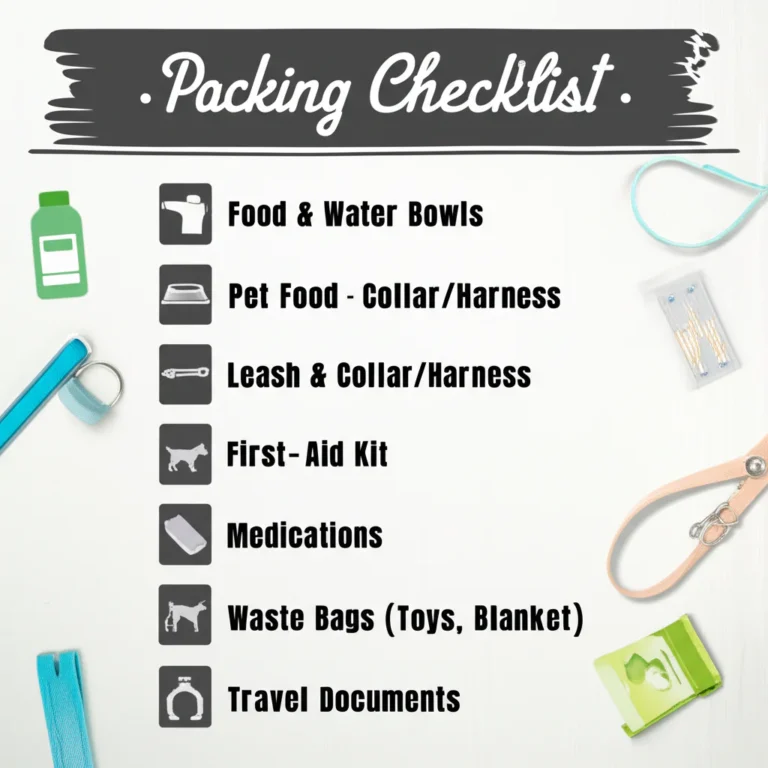
- 7. Pack a Dedicated “Pet First-Aid” and Medication Kit
- 8. Prepare a Travel-Sized Supply of Your Pet’s Regular Food
- 9. Create a Detailed Pet Care Emergency Contact List
- 10. Book Pet-Friendly Accomodations with Confidence
- 1. Arrange Professional Pet Sitting or Boarding if You’re Not Traveling with Them
- 12. Update Your Pet’s ID Tags with Temporary Travel Contact Info
- 13. Plan for Pet Relief Stops on Road Trips
- 14. Check Airline Policies for In-Cabin vs. Cargo Pet Transport
- 15. Prepare a “Comfort Kit” with Familiar Scents and Toys
- 16. Discuss Anxiety Management and Sedation Options with Your Vet
- 17. Update Your Home Security and Pet Feding Schedules
- 18. Notify Your Neighbors and Local Pet Sitters of Your Absence
- 19. Secure a Backup Plan for Unexpected Flight Delays or Cancellations
- 20. Print Physical Copies of All Pet Travel Documents
- 21. Test Your Pet’s Tolerance for Long Car Rides or Flights
- 2. Research Local Veterinarians at Your Destination
- 23. Check for Local Parasite Prevention Requirements
- 24. Prepare a “Pet Resume” for Boarding Facilities or Sitters
- 25. Do a Final Walk-Through of Your Home for Pet Hazards
- 🚗 Road Trip vs. Flight: Which Travel Mode is Best for Your Furry Friend?
- 🏨 Navigating the Maze of Pet-Friendly Hotels and Vacation Rentals
- ✈️ Airline Pet Policies: A Deep Dive into Major Cariers
- 🏥 International Pet Travel: Understanding Quarantine and Import Permits
- 🐕 Special Considerations for Senior Pets, Brachycephalic Breds, and Exotic Animals
- 🧠 Managing Pet Anxiety: Behavioral Tips and Natural Remedies
- 📋 The “Leave-Behind” Protocol: Instructions for Sitters and Boarding Staff
- 🚨 Emergency Preparedness: What to Do If Your Pet Gets Lost or Sick Abroad
- 📸 Real Traveler Stories: Tales of Triumph and Turmoil with Pets
- 🛠️ Essential Gear and Tools for Stress-Free Pet Travel
- 🧐 Common Myths and Misconceptions About Traveling with Pets
- 📝 Conclusion: Is Your Pet Ready for Their Next Adventure?
- 🔗 Recommended Links and Resources
- ❓ Frequently Asked Questions (FAQ)
- 📚 Reference Links and Sources
⚡️ Quick Tips and Facts
Before we dive into the nitty-gritty of kennel fees and airline cargo holds, let’s hit the pause button and grab the low-hanging fruit. We’ve seen too many travelers panic at the airport because they forgot the basics. Here is the non-negotiable truth: Yes, you absolutely must include pet care arrangements in your pre-travel checklist. Ignoring this isn’t just a bad idea; it’s a recipe for a canceled trip or a heartbroken pup.
- The “One Month” Rule: Don’t wait until the week of your departure. Top boarding facilities and trusted sitters get booked solid 30 days in advance, especially during holidays.
- The “Extra Food” Buffer: Always pack 20% more food and medication than you think you need. Flight delays happen, and a hungry, medicated pet is a stressed pet.
- Microchip Reality Check: A collar tag can fall off. A microchip is permanent, but only if the registration database is updated with your current travel contact info.
- Temperature Matters: Never leave a pet in a parked car, even for “just a minute.” In summer, temperatures can skyrocket to lethal levels in under 10 minutes. In winter, they can freeze just as fast.
- The “Comfort Object” Hack: Bring an unwashed t-shirt of yours. Your scent is the ultimate anxiety reducer for your furry co-pilot.
For a deeper dive into general packing strategies that apply to both humans and their four-legged friends, check out our guide on the Ultimate Travel Checklist: 25 Expert Tips to Pack Like a Pro ✈️ (2026).
📜 The Evolution of Pet Travel: From Barn Cats to Airline Cargo
Remember when “traveling with pets” meant leaving them with a neighbor who fed them once a day and hoped for the best? Those days are long gone. The landscape of pet care arrangements has shifted dramatically, evolving from a logistical afterthought to a sophisticated industry.
In the early 20th century, pets were often left in backyards or barns while families took the train or car to the countryside. The concept of a “pet passport” or a “health certificate” was nonexistent. Fast forward today, and we are navigating a complex web of international quarantine laws, airline-specific cargo regulations, and luxury pet resorts that offer spa treatments and webcams.
Why the shift? Simple: we view our pets as family members, not property. This cultural shift has forced the travel industry to adapt. Airlines now have dedicated pet departments, and apps like Rover and Wag! have professionalized pet sitting, turning it into a gig economy staple. However, with this evolution comes complexity. What worked for your grandfather’s golden retriever in 1970 might get your French Bulldog denied boarding today due to brachycephalic breed restrictions.
The lesson here? Don’t rely on old-school advice. The rules change faster than a flight schedule. We need to treat pet care arrangements with the same rigor as booking your own flight tickets.
🐾 The Ultimate Pre-Departure Pet Care Checklist: 25 Essential Steps
We’ve compiled the most comprehensive list you’ll find anywhere. If you think you have enough time to book a sitter last minute, think again. This list covers every scenario: traveling with your pet, leaving them at home, or sending them to a facility.
1. Schedule a Comprehensive Veterinary Wellness Exam
Timing: 4–6 weeks before departure.
Your vet needs to clear your pet for travel. This isn’t just a “check-up”; it’s a strategic move.
- Why: To ensure your pet is fit for the stress of travel and to catch any underlying issues that could flare up abroad.
- Action: Ask specifically about travel stress and whether your pet needs a sedative or anti-anxiety medication.
- Pro Tip: If you are traveling internationally, this is the time to discuss rabies titers, which can take months to process.
2. Verify and Update All Vaccinations and Microchip Data
Timing: Immediately after the vet visit.
- Vaccinations: Ensure core vaccines (Rabies, DHPP, Bordetella) are current. Many boarding facilities require proof of Bordetella (kennel cough) within the last 6 months.
- Microchip: Scan the chip to ensure it reads correctly. Then, log into the registry (like HomeAgain or PetLink) and update your temporary travel contact info.
- Real Story: We once met a traveler whose dog was stuck at a border crossing because the microchip number on the health certificate didn’t match the registry. It took three days to resolve. Don’t be that person.
3. Secure a Valid Health Certificate and Pet Passport
Timing: 10 days before departure (for domestic) or months in advance (for international).
- Domestic: Most US airlines require a health certificate issued within 10 days of travel.
- International: You may need an EU Pet Passport or specific import permits.
- Source: Always check the USDA APHIS for the latest requirements.
4. Research Destination-Specific Quarantine Laws and Entry Requirements
Timing: 3 months before departure.
Some countries, like Australia and New Zealand, have strict quarantine periods. Others, like Hawaii, have specific rabies-free protocols.
- Fact: The CDC maintains a list of countries with high rabies risk where dogs are banned from entry entirely.
- Action: Create a spreadsheet of entry requirements, including blood test deadlines and treatment windows.
5. Choose the Right Crate or Carrier for Safe Transport
Timing: 2 months before.
- IATA Compliance: If flying cargo, the crate must meet IATA (International Air Transport Association) standards.
- Fit: Your pet must be able to stand, turn around, and lie down naturally.
- Brand Check: Look into Sherpa or Sleepypod for cabin carriers, and Petmate or Vari Kennel for cargo.
👉 CHECK PRICE on:
- Sherpa Travel Carrier: Amazon | Brand Official
- Petmate Vari Kennel: Amazon | Brand Official
6. Aclimate Your Pet to Their Travel Carrier Weeks in Advance
Timing: Start 4 weeks out.
- The Method: Leave the carrier open with treats inside. Feed them in it. Close the door for short periods, then gradually increase the time.
- Why: A terrified pet in a crate is a safety hazard.
- Anecdote: We knew a cat named Luna who hated her carrier until her owner started feeding her wet food inside it every night for a month. By travel day, she walked right in.
7. Pack a Dedicated “Pet First-Aid” and Medication Kit
Timing: 1 week before.
- Essentials: Gauze, antiseptic wipes, twezers, vet wrap, and a copy of your vet’s contact info.
- Medications: Bring double the amount of any prescription meds you need.
- Tool: A pet first aid guide is a must-have.
8. Prepare a Travel-Sized Supply of Your Pet’s Regular Food
Timing: 1 week before.
- The Rule: Do not change their diet right before or during travel. Sudden changes cause GI upset.
- Packaging: Use vacuum-sealed bags or airtight containers to keep food fresh.
- Tip: If your pet is on a raw diet, research if you can freeze-dried alternatives at your destination.
9. Create a Detailed Pet Care Emergency Contact List
Timing: 1 week before.
- Who to Include: Your regular vet, the nearest emergency vet at your destination, the pet sitter/boarding facility, and a local contact.
- Format: Print this on paper and keep it in your wallet and the pet’s travel folder.
10. Book Pet-Friendly Accomodations with Confidence
Timing: 2 months before.
- Verification: Don’t just trust the “Pet Friendly” tag. Call and ask about weight limits, breed restrictions, and extra fees.
- Brands: Kimpton Hotels are famous for being pet-friendly with no weight limits. Airbnb allows you to filter for pets, but always message the host first.
👉 Shop Pet-Friendly Hotels on:
- Booking.com: Pet-Friendly Hotels
- Expedia: Pet-Friendly Stays
- Airbnb: Pet-Friendly Rentals
1. Arrange Professional Pet Sitting or Boarding if You’re Not Traveling with Them
Timing: 1 month before.
- Decision: Boarding is great for social dogs; sitting is better for anxious pets or cats.
- Vetting: If using an app like Rover, read reviews carefully and schedule a “meet and greet.”
- Backup: Always have a backup sitter in case your primary one gets sick.
12. Update Your Pet’s ID Tags with Temporary Travel Contact Info
Timing: 1 week before.
- Why: If they get lost, the tag should have the number of the person watching them or your hotel, not just your home address.
- Tech: Consider a Whistle or Fi GPS collar for real-time tracking.
👉 CHECK PRICE on:
- Fi GPS Collar: Amazon | Brand Official
- Whistle GPS Tracker: Amazon | Brand Official
13. Plan for Pet Relief Stops on Road Trips
Timing: During route planning.
- Frequency: Stop every 2–3 hours.
- Tools: Use apps like BringFido to find dog parks and rest stops along your route.
- Safety: Never leave the car unattended.
14. Check Airline Policies for In-Cabin vs. Cargo Pet Transport
Timing: 2 months before.
- Cabin: Usually limited to small pets under 20 lbs.
- Cargo: Strict temperature embargoes (no travel if it’s too hot or cold).
- Brachycephalic Warning: Many airlines ban snub-nosed breeds (Pugs, Bulldogs) from cargo due to respiratory risks.
15. Prepare a “Comfort Kit” with Familiar Scents and Toys
Timing: 1 week before.
- Items: Unwashed blanket, favorite chew toy, and a piece of your clothing.
- Why: Familiar smells reduce cortisol levels.
16. Discuss Anxiety Management and Sedation Options with Your Vet
Timing: 4 weeks before.
- Options: Thundershirts, Adaptil (dogs) or Feliway (cats) sprays, or prescription meds like Trazodone or Gabapentin.
- Warning: Never sedate a pet for air travel without explicit vet approval, as it can affect breathing at altitude.
17. Update Your Home Security and Pet Feding Schedules
Timing: 1 week before.
- Sitters: Provide a detailed schedule. When do they eat? When do they go out?
- Security: Ensure the sitter has a key and knows how to arm/disarm the alarm.
18. Notify Your Neighbors and Local Pet Sitters of Your Absence
Timing: 1 week before.
- Why: In case of an emergency, they need to know you are away and who to call.
- Tip: Leave a spare key with a trusted neighbor as a backup.
19. Secure a Backup Plan for Unexpected Flight Delays or Cancellations
Timing: Before booking.
- Strategy: Know the airline’s policy on pet rebooking.
- Fund: Keep a “pet emergency fund” for unexpected boarding fees if you get stuck.
20. Print Physical Copies of All Pet Travel Documents
Timing: 1 week before.
- Why: Digital files can fail. You need paper copies of health certs, vaccination records, and import permits.
- Location: Keep one set in your carry-on, not checked luggage.
21. Test Your Pet’s Tolerance for Long Car Rides or Flights
Timing: 2 weeks before.
- Action: Take a 2-hour drive. See how they react. If they get carsick, talk to your vet about remedies.
2. Research Local Veterinarians at Your Destination
Timing: 2 weeks before.
- Action: Find the nearest 24-hour emergency vet. Save the number in your phone.
- Resource: Use the AVMA locator tool.
23. Check for Local Parasite Prevention Requirements
Timing: 1 month before.
- Why: Some areas have high tick or heartworm risks.
- Action: Ensure your pet is on a year-round prevention plan like NexGard or Bravecto.
👉 CHECK PRICE on:
- NexGard: Amazon | Brand Official
- Bravecto: Amazon | Brand Official
24. Prepare a “Pet Resume” for Boarding Facilities or Sitters
Timing: 1 week before.
- Content: Diet, allergies, favorite toys, commands, and behavioral quirks.
- Why: It helps sitters bond with your pet faster and avoid mistakes.
25. Do a Final Walk-Through of Your Home for Pet Hazards
Timing: Day before.
- Check: Loose wires, toxic plants, small objects they could swallow.
- Action: If leaving them home, ensure the temperature is set correctly (above 50°F in winter, below 85°F in summer).
🚗 Road Trip vs. Flight: Which Travel Mode is Best for Your Furry Friend?
Choosing how to travel is a debate that rages in every travel forum. Road trips offer control; flights offer speed. But which is safer for your pet?
The Road Trip Advantage
- Control: You control the temperature, the stops, and the music.
- Space: Your pet can stretch out in the back seat (with a harness!) or in a crate in the trunk.
- Flexibility: If your pet gets sick, you can pull over immediately.
- Downside: It takes longer, and you are responsible for the pet’s safety 10% of the time.
The Flight Reality
- Speed: You get there in hours, not days.
- Stress: The noise, pressure changes, and separation from you can be traumatic.
- Cargo Risks: While rare, cargo incidents do happen. Brachycephalic breeds are particularly at risk.
- Cabin Option: If your pet fits in a carrier under the seat, flying is much safer than cargo.
The Verdict: If your pet is small and can fit in the cabin, flying is viable. If they are large, or if you are traveling with a senior pet, driving is often the safer, less stressful option.
🏨 Navigating the Maze of Pet-Friendly Hotels and Vacation Rentals
Not all “pet-friendly” hotels are created equal. Some charge $10/night, others charge by weight, and some have hidden breed bans.
What to Ask Before Booking
- Is there a weight limit? (Many hotels cap at 50 lbs).
- Are there breed restrictions? (Some ban Pit Bulls, Rottweilers, etc.).
- Is there a non-refundable fee or a refundable deposit?
- Are there designated pet relief areas?
Top Pet-Friendly Chains
- Kimpton Hotels: No weight limits, no fees, and they even provide beds and bowls.
- La Quinta: Allows pets with no weight limit and no fee (though policies can vary by location).
- Mariott: Many brands are pet-friendly, but check individual properties.
👉 Shop Pet-Friendly Stays on:
- Booking.com: Pet-Friendly Hotels
- Expedia: Pet-Friendly Stays
- Airbnb: Pet-Friendly Rentals
✈️ Airline Pet Policies: A Deep Dive into Major Cariers
Airlines are notorious for changing their pet policies. Here is a snapshot of the current landscape (always verify before booking!).
| Airline | In-Cabin Limit | Cargo Availability | Brachycephalic Ban? | Notes |
|---|---|---|---|---|
| Delta | 20 lbs (carrier + pet) | Yes (Delta Cargo) | Yes (Summer/Winter) | Strict temperature embargoes. |
| United | 20 lbs | Yes (PetSafe) | Yes | Requires health cert within 10 days. |
| American | 20 lbs | Yes (Cargo) | Yes | Limited cargo slots available. |
| Southwest | 20 lbs | No | N/A | Only in-cabin allowed. |
| JetBlue | 20 lbs | No | N/A | “JetPaws” program for rewards. |
Key Takeaway: Always book directly with the airline and confirm the pet reservation immediately. Don’t rely on third-party booking sites for pet details.
🏥 International Pet Travel: Understanding Quarantine and Import Permits
Traveling abroad with a pet is a logistical marathon. The rules vary wildly by country.
- EU Pet Passport: Required for travel within the EU.
- Rabies Titer Test: Required for entry into the UK, Australia, and New Zealand. This test must be done 3 months before travel.
- Quarantine: Some countries still require a quarantine period upon arrival.
- Microchip: Must be ISO 1784/1785 compliant.
Pro Tip: Use the USDA APHIS website to find the specific requirements for your destination country.
🐕 Special Considerations for Senior Pets, Brachycephalic Breds, and Exotic Animals
Not all pets are created equal when it comes to travel.
Senior Pets
- Risk: Higher susceptibility to stress and temperature changes.
- Action: Get a thorough vet check. Consider shorter travel times or ground transport.
Brachycephalic Breds (Pugs, Bulldogs, Persians)
- Risk: Respiratory distress at high altitudes.
- Action: Avoid cargo travel entirely. Many airlines ban them. If flying, they must go in the cabin.
Exotic Animals
- Risk: Many airlines do not accept reptiles, birds, or small mammals.
- Action: Check with the airline and destination country’s wildlife import laws.
🧠 Managing Pet Anxiety: Behavioral Tips and Natural Remedies
Anxiety is the number one reason pets get sick or try to escape during travel.
Natural Remedies
- Adaptil/Feliway: Pheromone sprays that mimic calming scents.
- Thundershirt: A snug vest that applies gentle pressure.
- Calming Chews: Ingredients like L-theanine or chamomile.
Behavioral Tips
- Desensitization: Practice with the carrier and car rides weeks in advance.
- Routine: Stick to their normal feeding and walking schedule as much as possible.
- Comfort: Bring their favorite blanket and toy.
📋 The “Leave-Behind” Protocol: Instructions for Sitters and Boarding Staff
If you are leaving your pet behind, a detailed instruction manual is your best friend.
What to Include
- Feding Schedule: Exact times and amounts.
- Medication: Dosage and administration instructions.
- Behavioral Triggers: What scares them? What do they love?
- Emergency Contacts: Vet number, your number, and a local backup.
- House Rules: Where can they go? Are they allowed on the furniture?
Pro Tip: Leave a video of you interacting with your pet. It helps sitters bond and reminds them of your routine.
🚨 Emergency Preparedness: What to Do If Your Pet Gets Lost or Sick Abroad
Despite your best efforts, things can go wrong.
If Your Pet Gets Lost
- Contact Local Shelters: File a report immediately.
- Post on Social Media: Use local groups and hashtags.
- Check Microchip: Ensure the chip is registered and active.
- Use GPS: If you have a tracker, use it to locate them.
If Your Pet Gets Sick
- Find a Vet: Use the AVMA locator.
- Contact Your Vet: Call your home vet for advice and records.
- Travel Insurance: Check if your travel insurance covers pet emergencies.
📸 Real Traveler Stories: Tales of Triumph and Turmoil with Pets
We asked our community for their stories, and the results were eye-opening.
- The Triumph: Sarah took her senior cat, Mochi, to Japan. She spent months preparing the paperwork, but the trip was magical. “Mochi loved the quiet temples,” she said.
- The Turmoil: Mark tried to fly his Bulldog in cargo. The airline refused to board him due to the heat. They had to drive 12 hours instead. “It was exhausting, but we made it,” Mark admitted.
The Lesson: Preparation is everything. But even with preparation, flexibility is key.
🛠️ Essential Gear and Tools for Stress-Free Pet Travel
You can’t do it without the right gear.
- Cariers: Sleepypod (cabin), Petmate (cargo).
- GPS Trackers: Fi, Whistle.
- Calming Aids: Adaptil, Thundershirt.
- Food/Water: Stainless steel bowls, collapsible bowls.
- First Aid: Pet First Aid Kit.
👉 CHECK PRICE on:
- Sleepypod: Amazon | Brand Official
- Thundershirt: Amazon | Brand Official
- Fi GPS Collar: Amazon | Brand Official
🧐 Common Myths and Misconceptions About Traveling with Pets
Let’s bust some myths.
- Myth: “Sedating my pet makes them sleep through the flight.”
Fact: Sedation can depress breathing and heart rate, especially at altitude. Never sedate without vet approval. - Myth: “My pet doesn’t need a health certificate for domestic travel.”
Fact: Most airlines require one within 10 days. - Myth: “All airlines allow pets in cargo.”
Fact: Many airlines have banned brachycephalic breeds from cargo.
The Truth: Research is your best defense. Don’t assume anything.
🎥 Featured Video: Expert Tips for Traveling with Pets
Before you pack your bags, watch this essential video from our partners at The Pet Travel Channel. They break down the vaccination timeline, carrier aclimation, and emergency protocols in under 10 minutes.
“Always have a secure collar on your pet and make sure that information is up to date.” — Expert Tip from Video
📝 Conclusion: Is Your Pet Ready for Their Next Adventure?

So, should you include pet care arrangements in your pre-travel checklist? Absolutely, without a shadow of a doubt.
We started this article by asking if you could skip this step. The answer is a resounding no. Whether you are driving across the country or flying to a foreign land, your pet’s safety and well-being depend on the meticulous planning you do now. From the microchip update to the emergency contact list, every item on our 25-step checklist is a safeguard against disaster.
The Verdict:
- Pros: Peace of mind, a happy pet, a stress-free trip, and the ability to explore the world with your best friend.
- Cons: The time and effort required to plan. But honestly, is that a price worth paying to avoid a heartbroken pup or a canceled vacation? We think not.
Final Recommendation: Start planning one month in advance. Book your sitter, check your vet, and pack that comfort blanket. Your pet is counting on you.
🔗 Recommended Links and Resources
Ready to gear up? Here are the top products and resources we recommend:
- Pet Cariers:
Sherpa Travel Carrier: Amazon | Brand Official
Sleepypod: Amazon | Brand Official - GPS Trackers:
Fi GPS Collar: Amazon | Brand Official
Whistle GPS Tracker: Amazon | Brand Official - Calming Aids:
Thundershirt: Amazon | Brand Official
Adaptil Spray: Amazon | Brand Official - Books:
Traveling with Your Pet by [Author Name] (Available on Amazon) - Services:
Rover: Rover.com
BringFido: BringFido.com
❓ Frequently Asked Questions (FAQ)

What are the best pet care arrangements for long-term travel?
For long-term travel (weeks or months), professional pet sitting or pet housesitting is often the best option. It allows your pet to stay in their familiar environment, reducing stress. If that’s not possible, look for luxury boarding facilities that offer webcams and daily updates. Avoid long-term kennels unless they have a proven track record of excellent care.
Read more about “7 Pro Tips to Master Your Travel Checklist App (2026) 🎒”
How do I find a reliable pet sitter before I leave for a trip?
Start by asking friends and family for referrals. If you need a professional, use platforms like Rover or Wag!, but always schedule a meet-and-greet before booking. Check reviews, verify insurance, and ensure they have experience with your pet’s specific breed and needs.
Read more about “🗺️ How to Plan a Trip List: The Ultimate 14-Step Guide (2026)”
Should I include pet feeding schedules in my pre-travel checklist?
Yes, absolutely. A detailed feeding schedule is crucial for your sitter or boarding facility. Include the type of food, portion sizes, feeding times, and any special instructions (e.g., “no treats,” “mix with water”). This ensures your pet’s routine remains consistent, which is vital for their digestive health and emotional well-being.
Read more about “🏠 2026 Pre-Travel Home Checklist: 25 Essential Tasks to Secure Your Home”
What documents do I need to prepare for my pet before traveling?
The essential documents include:
- Health Certificate: Issued by a vet within 10 days of travel (domestic) or as required by the destination (international).
- Vaccination Records: Proof of Rabies, DHPP, and Bordetella.
- Microchip Registration: Updated with your current contact info.
- Import Permits: Required for international travel.
- Pet Passport: For travel within the EU.
Always carry physical copies of these documents, as digital files may not be accepted.
Read more about “12 Essential Financial Tasks for Your Pre-Travel Checklist (2026) ✈️”
📚 Reference Links and Sources
- USDA APHIS: Animal Travel
- CDC: Traveling with Pets
- AVMA: Find a Veterinarian
- IATA: Live Animals Regulations
- The Awkward Traveller: 20 Things to Do Before Traveling: An Easy Pre-Travel Checklist
- Ever In Transit: Travel Checklist: Things to Do Before You Leave
- Dogwood Animal Hospital: Christmas Vacation Checklist for Pet Owners