Support our educational content for free when you purchase through links on our site. Learn more
✈️ The Ultimate 18-Point Travel Health and Safety Checklist (2026)

Picture this: you’ve just landed in a breathtaking foreign city, ready to explore the vibrant streets and savor local delicacies—when suddenly, a nasty bout of traveler’s diarrhea sidelines your adventure. Or worse, you realize your passport is missing, and you’re miles from home without a backup plan. At Travel Checklist™, we’ve seen it all, and trust us, these travel health and safety mishaps are more common than you think. Did you know that up to 70% of travelers experience some form of illness abroad? Yikes!
That’s why we’ve crafted the most comprehensive 18-point Travel Health and Safety Checklist for 2026, designed to keep you healthy, safe, and stress-free no matter where your wanderlust takes you. From mastering vaccinations and packing the perfect first aid kit to navigating legal quirks and mental wellbeing, we cover every essential step. Plus, we reveal insider tips on what to do if you lose your passport and get sick abroad—stay tuned for that lifesaver!
Key Takeaways
- Research your destination’s health risks and safety concerns thoroughly before you go.
- Organize all essential travel documents including vaccination certificates and prescriptions.
- Invest in comprehensive travel health insurance that covers medical evacuation and emergencies.
- Pack a customized travel health kit tailored to your destination and personal needs.
- Join Smart Traveler Enrollment Programs to receive real-time safety updates.
- Plan personal safety strategies like situational awareness and scam avoidance.
- Prioritize mental health and wellbeing during your travels to avoid burnout.
- Know how to handle health emergencies abroad, including locating hospitals and managing language barriers.
Ready to travel smarter and safer? Let’s dive in!
Table of Contents
- ⚡️ Quick Tips and Facts for Travel Health and Safety
- 🌍 Understanding Travel Health and Safety: A Comprehensive Overview
- 🧳 1. Learn About Your Travel Destination’s Health Risks and Safety Concerns
- 📝 2. Organize Your Essential Travel Health and Safety Documents
- 🛡️ 3. Consider Buying Comprehensive Travel Health Insurance
- 💉 4. Vaccinations and Preventive Medications: What You Need to Know
- 🧴 5. Pack Your Travel Health and Safety Kit Like a Pro
- 📲 6. Join Smart Traveler Enrollment Programs for Safety Updates
- 🚦 7. Review and Plan Your Personal Safety Strategies for Travel
- 🍽️ 8. Food and Water Safety Tips to Avoid Traveler’s Diarrhea
- 😷 9. Handling Health Emergencies Abroad: What You Should Prepare For
- 📡 10. Staying Connected: Communication Tools for Safety and Health
- 🧠 11. Mental Health and Wellbeing While Traveling
- ⚖️ 12. Legal Considerations and Travel Health Regulations
- 🔍 13. Researching Reliable Health Resources and Travel Advisories
- 🛫 14. Airport and In-Flight Health Safety Tips
- 🏨 15. Choosing Safe Accommodations and Transportation
- 🧳 16. Special Considerations for Traveling with Children, Seniors, and Pets
- 🧑 ⚕️ 17. Consulting Travel Health Professionals Before Your Trip
- 🛑 18. Avoiding Common Travel Health and Safety Mistakes
- 🔚 Conclusion: Your Ultimate Travel Health and Safety Checklist
- 🔗 Recommended Links for Travel Health and Safety
- ❓ Frequently Asked Questions (FAQ) on Travel Health and Safety
- 📚 Reference Links and Trusted Sources
⚡️ Quick Tips and Facts for Travel Health and Safety
Before we dive into the nitty-gritty of your survival—err, vacation—guide, let’s look at the fast facts. At Travel Checklist™, we’ve learned that a little prep goes a long way in preventing a “vacation from hell” scenario.
| Fact/Tip | Description |
|---|---|
| The 6-Week Rule | Consult a travel clinic at least 6 weeks before departure for vaccines to take effect. |
| Passport Validity | Most countries require 6 months of validity remaining on your passport. |
| Water Safety | Approximately 30-70% of travelers experience traveler’s diarrhea depending on the destination. |
| Insurance | Your domestic health insurance likely does not cover international medical evacuations. |
| Digital Backup | Always keep a cloud-based copy of your Yellow Fever certificate and prescriptions. |
Expert Tip: Don’t just pack for the “best-case scenario.” Pack for the “I ate something mysterious at a night market” scenario. Trust us, your future self will thank you! 😅
🌍 Understanding Travel Health and Safety: A Comprehensive Overview
Why do we obsess over a travel health and safety checklist? Because nothing ruins a sunset in Santorini faster than a preventable bout of Hep A or a lost passport. Whether you are browsing our Travel Checklist for a quick weekend getaway or planning a year-long trek, health and safety are the twin pillars of a successful journey.
Historically, travel medicine was reserved for intrepid explorers and colonial officers. Today, with global connectivity, a virus can hop continents faster than you can clear security. As noted by the Government of Canada, “Being prepared and informed is key to ensuring a safe and healthy trip.” We’ve seen it all—from altitude sickness in the Andes to scooter accidents in Bali. The landscape of travel has shifted; it’s no longer just about “where to go,” but “how to stay whole” while you’re there.
🧳 1. Learn About Your Travel Destination’s Health Risks and Safety Concerns
The first step in any Adventure Travel Checklist is research. You wouldn’t walk into a blizzard in a bikini, so don’t walk into a malaria zone without Chemoprophylaxis.
- Check Travel Advisories: The U.S. Department of State suggests a 5-step preparation process, starting with understanding local laws and customs.
- Health Notices: Visit the CDC Travelers’ Health page to see if there are active outbreaks of Zika, Ebola, or even just a nasty seasonal flu.
- Local Laws: Did you know some over-the-counter meds in the US are illegal in Japan? Always check the legalities of your “must-haves.”
📝 2. Organize Your Essential Travel Health and Safety Documents
Paperwork is boring until you’re standing in a foreign police station or hospital.
- Passport & Visas: Ensure they are valid for at least 6 months beyond your return.
- International Certificate of Vaccination: Also known as the “Yellow Card.” Essential for entering many African and South American countries.
- Prescription Copies: Carry a signed letter from your doctor for all medications, especially if they are controlled substances.
- Emergency Contacts: Keep a physical card in your wallet with your blood type, allergies, and emergency contact info.
🛡️ 3. Consider Buying Comprehensive Travel Health Insurance
Standard health insurance often stops at the border. If you’re a Digital Nomad, this is non-negotiable.
Why you need it:
- Medical Evacuation: A medevac flight from a remote island can cost upwards of $50,000.
- Trip Cancellation: Because life happens.
- The Cornell Perspective: Cornell University emphasizes that insurance should cover 100% of urgent ailments and COVID-19 hospitalizations.
👉 CHECK PRICE on:
- World Nomads Travel Insurance: World Nomads Official | Tripadvisor
- Allianz Global Assistance: Allianz Official | Amazon Search
- SafetyWing (Best for Nomads): SafetyWing Official
💉 4. Vaccinations and Preventive Medications: What You Need to Know
“Make sure your vaccinations are up-to-date to prevent illness,” warns the U.S. State Department. We recommend visiting a specialist like Passport Health or your local travel clinic.
- Routine Vaccines: MMR, Tetanus, and Flu.
- Travel-Specific: Yellow Fever, Typhoid, Rabies, and Japanese Encephalitis.
- Malaria Prevention: If you’re heading to sub-Saharan Africa or parts of SE Asia, discuss Malarone or Doxycycline with your doctor.
🧴 5. Pack Your Travel Health and Safety Kit Like a Pro
Don’t just buy a generic kit; customize it. We’ve tested dozens, and here is our rating for the Adventure Medical Kits World Traveler:
| Feature | Rating (1-10) | Notes |
|---|---|---|
| Portability | 8 | Fits well in a carry-on. |
| Completeness | 9 | Includes everything from bandages to EMT shears. |
| Durability | 10 | The bag is water-resistant and tough. |
| Value | 7 | A bit pricey, but worth the peace of mind. |
What to include:
- Antacids: As mentioned in the #featured-video, it’s always great to have these on hand for those spicy street tacos! 🌮
- Pain Relief: Advil or Tylenol.
- Anti-diarrheal: Imodium (the traveler’s best friend).
- Antiseptic: Betadine or alcohol wipes.
👉 Shop First Aid Kits on:
📲 6. Join Smart Traveler Enrollment Programs for Safety Updates
If you are a U.S. citizen, the Smart Traveler Enrollment Program (STEP) is a free service that allows the embassy to contact you in an emergency (natural disaster, civil unrest, etc.).
Benefits of STEP:
- Receive important info from the Embassy about safety conditions.
- Help the Embassy contact you in an emergency.
- Help family and friends get in touch with you during a crisis.
🚦 7. Review and Plan Your Personal Safety Strategies for Travel
Safety isn’t just about germs; it’s about “street smarts.”
- The “Dummy Wallet”: Carry a cheap wallet with a few expired cards and a small amount of cash to hand over if mugged.
- Situational Awareness: Put the phone away while walking.
- Scam Research: Every city has its “thing”—the bird poop scam in Buenos Aires or the tea ceremony scam in Beijing. Know them before you go.
🍽️ 8. Food and Water Safety Tips to Avoid Traveler’s Diarrhea
We’ve all been there—stuck in a bathroom while the rest of the group is exploring the Taj Mahal.
The Golden Rule: “Boil it, cook it, peel it, or forget it.”
- Water: Stick to sealed bottled water or use a purification system like the Grayl GeoPress.
- Ice: Avoid it. It’s usually made from tap water.
- Street Food: Look for high turnover. If there’s a long line of locals, the food is likely fresh.
👉 Shop Water Purifiers on:
- Grayl: Amazon | REI Official
- LifeStraw: Amazon | Walmart
😷 9. Handling Health Emergencies Abroad: What You Should Prepare For
What happens if you actually get sick?
- Locate Hospitals: Before you arrive, pin the nearest “International Hospital” on your Google Maps.
- Language Barrier: Use Google Translate to download the local language for offline use. Learn the words for “Allergy,” “Doctor,” and “Help.”
- Payment: Many foreign hospitals require payment upfront, even if you have insurance. Keep a high-limit credit card (like a Chase Sapphire Reserve) available for emergencies.
📡 10. Staying Connected: Communication Tools for Safety and Health
In the digital age, being “lost” is a choice.
- Local SIM vs. eSIM: We love Airalo for instant data. Staying connected means you can access maps and emergency services instantly.
- Satellite Messengers: If you’re on a Beach Vacation in a remote area or hiking, a Garmin inReach can be a literal lifesaver.
👉 Shop Satellite Messengers on:
- Garmin inReach: Amazon | REI Official
🧠 11. Mental Health and Wellbeing While Traveling
Travel is stressful! Culture shock, jet lag, and missed connections can take a toll.
- Routine: Try to maintain a small piece of your home routine (e.g., morning meditation or a specific tea).
- Rest: Don’t overschedule. Burnout is real, especially for those on a Business Travel Checklist.
- Apps: Use Headspace or Calm to manage anxiety during turbulent flights or chaotic transit days.
⚖️ 12. Legal Considerations and Travel Health Regulations
You are subject to the laws of the country you are in. Period.
- Drug Laws: Some countries have mandatory death penalties for drug offenses. Never carry anything for a stranger.
- Alcohol: Be aware of local customs and laws regarding public intoxication, especially in conservative regions.
- Photography: In some places, taking photos of government buildings or military personnel can get you arrested.
🔍 13. Researching Reliable Health Resources and Travel Advisories
Don’t trust “Traveler Joe” on a random forum for medical advice.
- WHO (World Health Organization): The gold standard for global health trends.
- International SOS: Used by major corporations and universities like Cornell to track real-time risks.
- Local Health Ministries: Often provide the most granular data on local outbreaks.
🛫 14. Airport and In-Flight Health Safety Tips
The journey itself is a health hurdle.
- Deep Vein Thrombosis (DVT): Wear compression socks (we like Bombas) on flights over 4 hours.
- Hydration: The air in cabins is drier than the Sahara. Drink water, not just gin and tonics. 🍸
- Sanitization: Wipe down your tray table and armrests with Lysol wipes.
🏨 15. Choosing Safe Accommodations and Transportation
Where you sleep and how you move matters.
- Fire Safety: Check for smoke detectors and fire exits. Many international hotels don’t have the same standards as the US.
- Ride-Sharing: Use Uber or Grab where possible, as they track the ride and provide driver info.
- Solo Travelers: Always tell someone where you are staying.
🧳 16. Special Considerations for Traveling with Children, Seniors, and Pets
Different travelers have different needs.
- Kids: Ensure they have their own Budget Travel Checklist items, like child-safe sunscreen and familiar snacks.
- Seniors: Consider “Cancel for Any Reason” (CFAR) insurance and ensure all medications are easily accessible in carry-ons.
- Pets: Check the USDA APHIS website for international pet travel requirements—quarantine rules can be brutal.
🧑 ⚕️ 17. Consulting Travel Health Professionals Before Your Trip
As the #featured-video suggests, “It’s recommended to consult a healthcare provider 4-6 weeks before your vacation.”
Why a specialist?
- They have access to vaccines your GP might not stock.
- They provide “Yellow Fever” stamps.
- They can prescribe “just in case” antibiotics for severe traveler’s diarrhea.
🛑 18. Avoiding Common Travel Health and Safety Mistakes
We’ve made these mistakes so you don’t have to:
- ❌ Mistake: Forgetting to notify your bank. (Result: Frozen cards in a foreign country).
- ✅ Fix: Use your banking app to set a travel notice.
- ❌ Mistake: Drinking the “free” water in the hotel bathroom.
- ✅ Fix: If it’s not sealed, don’t touch it.
- ❌ Mistake: Overpacking the first aid kit with things you don’t know how to use.
- ✅ Fix: Stick to the basics and know your limits.
But wait… what happens if you lose your passport and get sick at the same time? We’ll reveal the ultimate “Plan B” in our final thoughts. 🤫
Conclusion: Your Ultimate Travel Health and Safety Checklist

After trekking through the jungle of travel health advice, dodging misinformation, and packing more than just your swimsuit, you’re now armed with the ultimate Travel Health and Safety Checklist. From researching your destination’s health risks to assembling a tailored first aid kit, and from securing comprehensive travel insurance to joining Smart Traveler Enrollment Programs, you’ve covered all bases.
Remember our earlier cliffhanger—what if you lose your passport and get sick abroad? The answer lies in preparation: keep digital copies of all your essential documents in a secure cloud service (like Google Drive or Dropbox), share emergency contacts with trusted friends or family, and have your embassy’s contact info at your fingertips. This triple-layered safety net ensures you’re never truly stranded.
Travel health and safety isn’t about paranoia; it’s about empowerment. Whether you’re a seasoned globetrotter or a first-time flyer, following these expert tips from Travel Checklist™ will help you travel smoothly, confidently, and with peace of mind.
Safe travels! 🌍✈️
Recommended Links for Travel Health and Safety
-
Adventure Medical Kits World Traveler:
Amazon | Walmart | Adventure Medical Kits Official Website -
World Nomads Travel Insurance:
World Nomads Official | Tripadvisor Search -
Allianz Global Assistance Travel Insurance:
Allianz Official | Amazon Search -
SafetyWing Travel Insurance:
SafetyWing Official -
Grayl GeoPress Water Purifier:
Amazon | REI Official -
Garmin inReach Satellite Messenger:
Amazon | REI Official -
Bombas Compression Socks:
Amazon | Bombas Official -
Johnson & Johnson Travel First Aid Kits:
Amazon -
Headspace Meditation App:
Headspace Official -
Calm Meditation App:
Calm Official -
Recommended Books on Travel Health:
❓ Frequently Asked Questions (FAQ) on Travel Health and Safety

What precautions should I take for safe food and water consumption while traveling?
Safe food and water consumption is critical to avoiding traveler’s diarrhea and other illnesses. Always drink bottled or purified water, avoid ice cubes unless you know they’re made from safe water, and eat food that is thoroughly cooked and served hot. Avoid raw or undercooked seafood and meats, and choose street food vendors with high turnover to ensure freshness. Carry water purification tablets or a portable purifier like the Grayl GeoPress for emergencies.
How can I use a checklist app to manage travel documents securely?
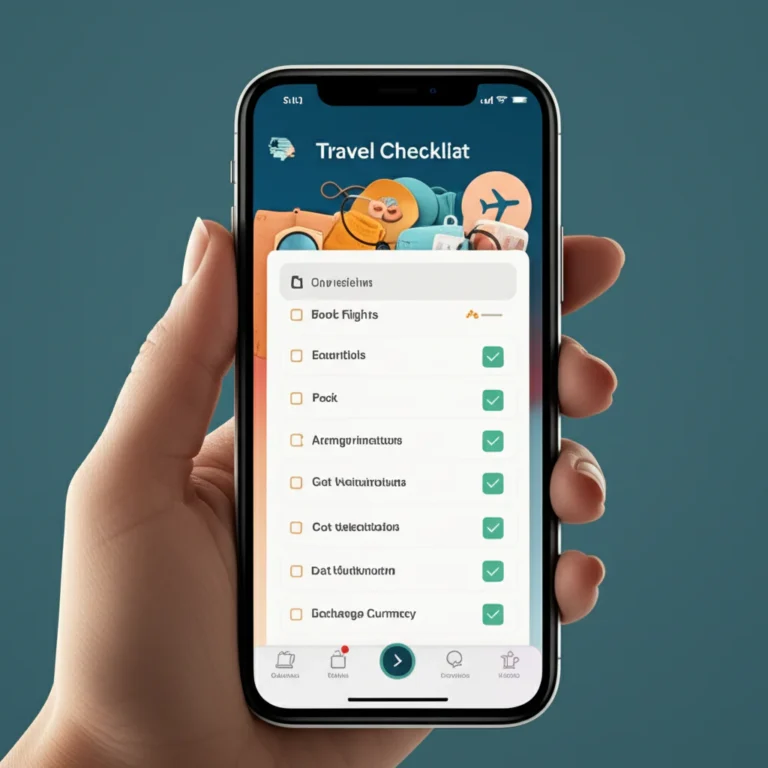
A checklist app, such as the Travel Checklist™ app, helps you organize and track your travel documents digitally. You can upload scanned copies of your passport, visas, vaccination certificates, and insurance policies securely within the app. Set reminders for document renewals and visa expirations. Many apps offer encrypted storage and cloud backup, ensuring you have access even if physical copies are lost.
What travel safety tips should I follow to avoid illness abroad?
To avoid illness, practice good hand hygiene, use hand sanitizer regularly, avoid touching your face, and stay up-to-date on vaccinations. Drink safe water, eat carefully, and avoid risky behaviors like unprotected sex or contact with animals. Use insect repellent with DEET in mosquito-prone areas and wear protective clothing. Also, get adequate rest and stay hydrated to keep your immune system strong.
How do I prepare a travel first aid kit using a checklist app?
Using a checklist app, you can customize your first aid kit based on your destination and personal health needs. Include basics like bandages, antiseptic wipes, pain relievers, anti-diarrheal medication, allergy meds, and any prescription drugs. The app can remind you to restock items before each trip and suggest additions based on your itinerary, such as altitude sickness tablets or insect bite creams.
What are the essential vaccinations before international travel?
Essential vaccinations depend on your destination but typically include routine shots like MMR, Tetanus, and Influenza, plus travel-specific vaccines such as Yellow Fever, Typhoid, Hepatitis A and B, Rabies, and Japanese Encephalitis. Consult a travel health clinic 4-6 weeks before departure to get personalized recommendations.
How can a checklist app improve travel health and safety?
A checklist app streamlines planning by consolidating all health and safety tasks into one place. It provides reminders for vaccinations, document renewals, packing essentials, and insurance purchases. It reduces the risk of forgetting critical items or steps, helping you stay organized and stress-free. Plus, it can store digital copies of important documents for quick access.
What should be included in a travel health and safety checklist?
Your checklist should include researching destination risks, vaccinations, travel insurance, packing a health kit, organizing documents, enrolling in traveler safety programs, planning personal safety strategies, and understanding local laws. Also, include mental health preparations and emergency contacts.
What are the essential items to include in a travel health and safety checklist?
Essential items include:
- Passport, visas, and vaccination certificates
- Travel health insurance details
- Prescription medications and doctor’s notes
- First aid kit with basics and destination-specific meds
- Water purification tools
- Insect repellent and sunscreen
- Emergency contact list and embassy info
- Digital backups of documents
What vaccinations should I consider before traveling abroad?
Consider routine vaccines plus destination-specific ones like Yellow Fever (required for some countries), Typhoid, Hepatitis A/B, Rabies (if you’ll be around animals), and Japanese Encephalitis (for rural Asia). Always check the latest CDC or WHO recommendations.
How do I prepare a travel health kit for international trips?
Start with a basic first aid kit and add items based on your destination and activities. Include prescription meds, anti-diarrheals, pain relievers, allergy meds, insect repellent, sunscreen, and any specialty items like altitude sickness tablets. Use a checklist app to ensure nothing is forgotten.
What safety tips should I follow when traveling to high-risk areas?
Stay informed about local security conditions, avoid risky areas, register with your embassy’s traveler program, carry minimal valuables, use trusted transportation, and maintain situational awareness. Follow health precautions rigorously, including vaccinations and mosquito protection.
What are the best practices for staying healthy while traveling?
Maintain hydration, eat safely, get enough rest, practice good hygiene, avoid risky behaviors, and manage stress. Use travel insurance and know where to find medical help. Keep your travel health checklist updated and consult professionals before and during your trip.
📚 Reference Links and Trusted Sources
- U.S. Department of State – Travel Health and Safety Checklist
- Centers for Disease Control and Prevention (CDC) – Travelers’ Health
- Government of Canada – Travel Health Checklist
- World Health Organization (WHO) – International Travel and Health
- International SOS – Travel Risk and Medical Assistance
- Cornell University – Travel Health and Safety
- Adventure Medical Kits Official Website
- World Nomads Travel Insurance
- Allianz Global Assistance
- SafetyWing Travel Insurance
- Grayl Water Purifiers
- LifeStraw Water Filters
- Garmin inReach Satellite Communicators
- Headspace Meditation App
- Calm Meditation App