Support our educational content for free when you purchase through links on our site. Learn more
15 Best Glamping Destinations & Adventure Checklists 🏕️

The best glamping destinations and outdoor adventure checklists combine a comfortable place to sleep with realistic plans for trails, weather, and what to pack. Our top picks range from Utah’s red-rock country and Yosemite’s Sierra scenery to Maine’s coast, while a destination-specific checklist helps you bring what’s missing—not your entire garage.
We’ve learned that the most photogenic detail isn’t always the most useful one. On a windy glamping stay, the bed was cozy, but the dark walk to the shared bathroom made a headlamp feel more luxurious than anything in the tent. Before you book, check the actual amenities, seasonal access, and nearby adventures; then pack for the conditions you’ll meet outside.
Key Takeaways
- Choose a destination for the adventure you want. Match the stay to hiking, water activities, wildlife viewing, stargazing, or a low-key nature break.
- Verify amenities before packing. Bathroom setup, heating, linens, cooking equipment, water, and Wi-Fi vary by property.
- Plan around real conditions. Check official park updates, trail access, weather, permits, and seasonal road closures.
- Pack in three layers: accommodation gaps, activity-specific gear, and personal essentials such as medication and weather-appropriate clothing.
- Keep safety and low-impact travel on the list. Carry navigation and first-aid basics, follow fire and wildlife rules, and respect Leave No Trace guidance.
- Use a checklist to avoid both overpacking and uncomfortable surprises. A furnished tent may provide the bed, but it won’t necessarily provide the headlamp.
Table of Contents
- ⚡️ Quick Tips and Facts
- 🏕️ Glamping 101: What It Is and How It Differs from Camping
- 🌎 How to Choose the Best Glamping Destination
- Best Seasons and Weather Considerations
- Accessibility, Amenities, and Budget Factors
- ✨ 15 Best Glamping Destinations for Outdoor Adventure
- 1. Under Canvas Zion, Utah
- 2. AutoCamp Yosemite, California
- 3. Collective Retreats Vail, Colorado
- 4. The Resort at Paws Up, Montana
- 5. Under Canvas Yellowstone, Montana
- 6. Dunton Hot Springs, Colorado
- 7. Treebones Resort, California
- 8. Ventana Big Sur, California
- 9. Firelight Camps, New York
- 10. Camp Long Creek, Missouri
- 11. El Cosmico, Texas
- 12. Terramor Outdoor Resort, Maine
- 13. The Resort at Long Hollow Ranch, Oregon
- 14. Under Canvas Grand Canyon, Arizona
- 15. Getaway House Cabins, Multiple Locations
- 🥾 Outdoor Adventures to Pair with Your Glamping Stay
- Hiking, Backpacking, and Scenic Trails
- Water Sports, Fishing, and Swimming
- Wildlife Watching, Stargazing, and Photography
- Cycling, Climbing, and Winter Activities
- ✅ The Complete Glamping Packing Checklist
- Clothing and Footwear for Changing Conditions
- Personal Items, Toiletries, and Medications
- Outdoor Adventure Gear and Navigation
- Food, Water, and Camp Kitchen Essentials
- Safety, First Aid, and Emergency Supplies
- Family, Kids, and Pet Packing Lists
- What to Leave at Home
- 🌦️ Glamping Safety and Responsible Outdoor Travel
- Weather, Fire, and Wildlife Safety
- Leave No Trace and Low-Impact Travel
- 🗓️ How to Plan and Book a Glamping Trip
- Reservations, Cancellation Policies, and Accessibility
- A Sample Weekend Glamping Itinerary
- 💡 Common Glamping Mistakes and How to Avoid Them
- Conclusion
- Recommended Links
- FAQ
- What should you bring to a glamping site?
- Is glamping suitable for families and first-time campers?
- What is the difference between glamping and camping?
- Which glamping destinations are best for hiking and national parks?
- Can you go glamping with dogs?
- How far in advance should you book a glamping stay?
- Reference Links
⚡️ Quick Tips and Facts
- Glamping is still an outdoor trip. A furnished tent or cabin can make sleep easier, but trails, weather, bugs, fire rules, and limited services remain very real. We plan for the setting, not just the bed.
- Check what’s actually included before packing. “Glamping” might mean a private bathroom and full-service restaurant—or simply a bed, lighting, and a shared washroom. Verify linens, heat, cooking equipment, drinking water, electricity, and Wi-Fi directly with the property.
- Match the destination to your adventure. For red-rock hiking, look at Under Canvas Zion; for Yosemite access, compare AutoCamp Yosemite; for rugged coastal views, consider Treebones Resort. Seasonal access and activities can change, so check official park and property notices.
- Build your packing list in three layers: what the accommodation provides, what the destination requires, and what makes the trip comfortable for you. A checklist helps keep “they probably have towels” from becoming a damp, shivery plot twist.
- Carry a small day-hike kit even when you’re sleeping in luxury. Water, navigation, sun protection, insulation, light, first aid, food, and emergency communication should suit the route. The National Park Service hiking guidance is a useful starting point, not a substitute for local advice.
- Reserve activities and check permits early. Popular parks may require timed entry, trail permits, shuttle reservations, or advance bookings. Confirm details with the official park service before you travel.
- Keep a backup plan. Weather can shut down trails, fire restrictions can change, and remote-area cell coverage can disappear. Download maps and reservation details before leaving reliable service.
- Want more trip inspiration? Start with our guide to top travel destinations and browse Adventure Travel Checklists for planning help.
| Planning question | Our quick recommendation |
|---|---|
| First glamping trip? | Pick a site with clear amenity details, straightforward access, and activities nearby. |
| Hiking-focused stay? | Check trailhead distance, park entry rules, elevation, seasonal closures, and shuttle logistics. |
| Cold or shoulder-season trip? | Confirm heating, bedding, water access, road conditions, and what happens during severe weather. |
| Traveling with kids or a dog? | Ask about age or pet rules, barriers, wildlife, quiet hours, and nearby services. |
| Remote getaway? | Save offline maps, tell someone your itinerary, and confirm emergency procedures. |
🏕️ Glamping 101: What It Is and How It Differs from Camping
Glamping—short for glamorous camping—pairs an outdoor setting with some comforts you might not get at a basic campsite. That could mean a safari tent with a real bed, a tiny cabin with a private bathroom, an Airstream, a treehouse, or a geodesic dome. The label is broad, so the actual amenities matter more than the marketing photos.
A featured video in this article describes glamping as a way to “combine the best of outdoor adventure and comfort.” We agree with the spirit of that description, while adding one practical footnote: comfort varies dramatically by property. A wood-burning stove, private deck, and restaurant are not universal glamping features.
| Stay type | Typical shelter | What may be included | What you should confirm |
|---|---|---|---|
| Traditional camping | Tent, camper, or RV you bring | Campsite, fire ring, sometimes water or restrooms | Tent, sleep system, cooking gear, water, and site rules |
| Glamping tent | Furnished canvas or safari tent | Bed, linens, furnishings, sometimes heat or ensuite bathroom | Electricity, heating, bathroom, cookware, and weather limits |
| Cabin or tiny house | Fixed structure | Bed, roof, often power; some have kitchens and bathrooms | Kitchen equipment, towels, heating, accessibility, and road access |
| Airstream or camper rental | Towable or stationary trailer | Beds, compact kitchen, sometimes bathroom | Utility hookups, kitchen supplies, parking, and waste disposal |
| Treehouse, dome, or specialty stay | Unusual fixed accommodation | Varies widely; often designed around views or architecture | Bathroom access, stairs, climate control, privacy, and safety rules |
Glamping’s comfort comes with a trade-off
A furnished stay can reduce the amount of gear you haul and make outdoor travel appealing to first-time campers, families, and travelers who simply prefer a mattress. But comfortable accommodation does not erase outdoor conditions. You may still encounter dust, insects, uneven paths, temperature swings, wildlife rules, and limited cell service.
We learned this the slightly less glamorous way on a windy shoulder-season stay: the cabin was warm, but the exposed walk between it and the shared washroom was not. Now we check the bathroom arrangement, nighttime lighting, and weather exposure before we get attached to the photos.
Who tends to enjoy glamping most?
- First-time campers: A bed and furnished shelter can make trying the outdoors feel less intimidating.
- Hikers and park visitors: A comfortable base can be welcome after a long day on the trail.
- Families: On-site facilities and ready-made beds can simplify logistics, if the property suits your children’s ages and needs.
- Couples and small groups: Specialty stays can make the accommodation part of the experience rather than just a place to sleep.
- Remote workers: Some properties advertise Wi-Fi, but reliability, speed, and quiet workspace should be confirmed rather than assumed. For longer working trips, browse our Digital Nomad Checklists.
🌎 How to Choose the Best Glamping Destination
The best glamping destination is the one that fits your trip’s purpose, season, comfort needs, and appetite for adventure. A place can be spectacular and still be a poor match if the road is difficult, the nearby trail is closed, or the bathroom situation is not what you pictured.
Use this quick comparison before getting lost in the photos:
| Your priority | Look for | Ask before booking |
|---|---|---|
| National park hiking | Park proximity, trail transport, seasonal opening details | Is park entry separate? Are shuttles or timed-entry reservations required? |
| A quiet nature escape | Low-density sites, limited light, thoughtful noise rules | How close are neighboring units? Is there an onsite event schedule? |
| Family adventure | Safe paths, suitable sleeping arrangements, clear activity policies | Are children permitted in every accommodation? Is there a minimum age? |
| Water activities | Lake, river, or coast access and equipment information | Is swimming allowed? Are life jackets or guided activities provided? |
| Stargazing | Dark-sky setting, open views, low outdoor lighting | Are lights dimed at night? Is the sky view seasonal or tree-obstructed? |
| Remote work | Reliable internet, desk or quiet common space | What is the actual connectivity like, and what is the backup plan? |
| Low-impact travel | Environmental practices and clear land-use policies | What conservation measures are in place? How is waste and water managed? |
Step-by-step: choose a stay that fits
- Name your main activity. Choose one anchor—hiking, wildlife viewing, paddling, stargazing, or pure hammock-based loafing. Add other activities after that.
- Choose a realistic radius. Check drive times to trailheads, park entrances, grocery stores, and emergency services. “Near the park” can mean very different things on a winding mountain road.
- Read the amenity list, not just the headline. Confirm the bed setup, bathroom type, heat, water, power, cooking facilities, linens, and accessibility.
- Check official seasonal information. Weather, wildfire conditions, road closures, trail access, and park entry policies can change. Verify with the park or public-land agency.
- Compare the total logistics. Consider transport, supplies, meals, permits, activity reservations, and whether you need to carry your own gear.
- Ask the property specific questions. “Is the tent heated?” is more useful than “Is it comfortable?” Ask what kind of heater, what fuel is supplied, and whether heat runs overnight.
- Make a backup plan. Identify an alternate hike or indoor option, and know how to contact the property if conditions change.
Best Seasons and Weather Considerations
A destination’s season can transform the same stay from blissful to challenging. Summer may bring long days and busy trails; spring and fall can mean fewer visitors but unpredictable conditions; winter can add snow, road restrictions, and special gear requirements. Desert areas can have large day-to-night temperature differences, while coastal weather may change quickly.
Before booking, check:
- Typical conditions for your dates, then check the actual forecast closer to departure.
- Road and trail closures, seasonal shuttle service, and water availability.
- Fire restrictions, smoke advisories, and local air-quality updates.
- Whether heating or cooling is available in your accommodation.
- The property’s cancellation and severe-weather policies.
- Sunrise, sunset, and daylight hours for your planned hikes.
For U.S. national parks, begin with the relevant National Park Service park page. For public-land conditions, check the agency managing the area, such as the U.S. Forest Service. The forecast app is useful; the land manager’s closure notice is the final word on access.
Accessibility, Amenities, and Budget Factors
“Glamping” can mean a level dirt path to a furnished tent—or stairs, uneven ground, and a distant shared restroom. If access needs matter, contact the property directly and describe what you need rather than relying on a vague label.
Confirm:
- Step-free routes, thresholds, ramp availability, and parking distance.
- Bed height, bathroom access, shower layout, and turning space.
- Whether paths are lit and whether nighttime routes are uneven.
- Mobility equipment policies and nearby accessible trails or facilities.
- What meals, linens, cookware, fuel, and cleaning supplies are included.
- Pet policies, quiet hours, and restrictions on children or visitors.
To compare costs without getting blindsided, look beyond the nightly rate. Add transport, park reservations, meals, equipment rental, activity fees, and any required cleaning or service charges. Our Budget Travel Checklists can help organize those trip-wide expenses without assuming the accommodation covers more than it does.
✨ 15 Best Glamping Destinations for Outdoor Adventure
These U.S. stays offer different ways to combine outdoor adventure and a comfortable base. The descriptions below are planning starting points, not promises of year-round access or included activities. Check each property’s official details, current operating dates, park rules, and the fine print before booking.
| Destination | Best suited to | Adventure angle | Check before you go |
|---|---|---|---|
| Under Canvas Zion | Desert hikers | Zion-area trails and red-rock scenery | Seasonal operation, transport, heat, and park access |
| AutoCamp Yosemite | Yosemite visitors | Park hikes and Sierra scenery | Entry rules, distance, shuttles, and accommodation type |
| Collective Retreats Vail | Mountain explorers | Hiking, cycling, and alpine outings | Seasonal activity availability and transport |
| The Resort at Paws Up | Ranch and wilderness experiences | Guided outdoor activities in Montana | Activity schedules, age rules, and inclusions |
| Under Canvas Yellowstone | Yellowstone travelers | Geothermal features and wildlife viewing | Park entrances, driving distances, and seasonal operation |
| Dunton Hot Springs | History and mountain retreat | Alpine setting and hot springs | Access, activity availability, and property policies |
| Treebones Resort | Coastal travelers | Big Sur hiking and ocean scenery | Road conditions, weather, and accommodation details |
| Ventana Big Sur | Forest-and-coast escape | Redwoods, coast, and nearby trails | What camping options include and seasonal conditions |
| Firelight Camps | Finger Lakes explorers | Hiking and regional outdoor recreation | Seasonal dates, transport, and shared facilities |
| Camp Long Creek | Lake-focused trips | Table Rock Lake recreation | Water activity availability and seasonal operations |
| El Cosmico | Design-minded desert travelers | Marfa-area landscapes and road trips | Accommodation setup, desert conditions, and services |
| Terramor Outdoor Resort | Acadia-area visitors | Coastal Maine hikes and park outings | Park transport, weather, and seasonal access |
| The Resort at Long Hollow Ranch | Ranch-country stays | Central Oregon outdoor exploration | Activity schedule, location, and facility details |
| Under Canvas Grand Canyon | Grand Canyon travelers | South Rim-area adventures | Park access, shuttle details, and seasonal dates |
| Getaway House Cabins | Short nature breaks | Walking, low-key outdoor time, and unwinding | Site-specific activities, transport, and connectivity |
1. Under Canvas Zion, Utah
Under Canvas Zion offers a tented stay within reach of Zion National Park. It suits travelers who want a rugged-looking base without hauling their own tent. The defining attraction is the surrounding landscape; the practical challenge is planning park access and heat exposure rather than assuming you can wander from camp straight onto every trail.
Good fit for: Zion visitors who want a furnished tent stay and are comfortable coordinating park logistics.
Check: Operating dates, the exact location and travel time to your intended park entrance, heating and cooling arrangements, and current park transport or entry requirements.
2. AutoCamp Yosemite, California
AutoCamp Yosemite offers a design-forward Airstream and cabin-style stay in the Sierra Nevada region. It can be a comfortable base for Yosemite-area outings, but “Yosemite” in the property name does not mean you are inside the park or beside every trailhead.
Good fit for: Travelers who like a well-equipped, distinctive stay and want to pair it with Yosemite-area exploration.
Check: Drive time to your planned park entrance, park access rules, accommodation-specific features, and current road or shuttle information.
3. Collective Retreats Vail, Colorado
Collective Retreats has offered upscale outdoor stays in notable settings, including the Vail area. The appeal is a mountain environment with a more service-oriented stay; activity availability and operating locations can change, so verify current offerings directly with the company.
Good fit for: Travelers seeking a mountain retreat with outdoor recreation nearby.
Check: Whether the specific retreat is operating for your dates, available activities, transfer logistics, and what the accommodation includes.
4. The Resort at Paws Up, Montana
The Resort at Paws Up combines ranch-country accommodation with a menu of outdoor experiences. It is a strong option for travelers who want guided activities and a more structured wilderness stay rather than a bare campsite.
Good fit for: Couples, families, and groups looking for a hosted Montana outdoor experience.
Check: Which activities are available during your dates, age and skill requirements, transport around the property, and whether an activity is included or booked separately.
5. Under Canvas Yellowstone, Montana
Under Canvas Yellowstone is positioned for travelers exploring Yellowstone country. The park is huge, so choose your daily objectives before deciding the property is “close.” A scenic lodge or camp can still involve substantial driving to the geyser basins, wildlife areas, and trailheads you want to visit.
Good fit for: Visitors who want tented accommodation and a Yellowstone-focused road trip.
Check: Current operating season, which park entrance best serves your plans, driving time, road conditions, and park advisories.
6. Dunton Hot Springs, Colorado
Dunton Hot Springs is a historic Colorado retreat with a very different feel from a conventional campground. Mountain scenery and hot-spring relaxation make it attractive for travelers who want comfort to be a large part of the trip, not an afterthought.
Good fit for: A restorative mountain escape with outdoor time and distinctive lodging.
Check: Seasonal road access, what is included with the stay, activity availability, and any property-specific rules for hot-spring use.
7. Treebones Resort, California
Treebones Resort overlooks the Big Sur coast and offers unusual lodging in a dramatic landscape. The coast is the headline, but road conditions, fog, and the distances between services deserve just as much attention as the view.
Good fit for: Coastal travelers who enjoy distinctive accommodation and scenic outdoor exploration.
Check: Current Highway 1 conditions, lodging-specific bathroom arrangements, meal availability, and whether your preferred hiking areas are open.
8. Ventana Big Sur, California
Ventana Big Sur combines a wooded setting with resort amenities and camping options. It offers an appealing contrast: forest air and outdoor surroundings, with comfortable facilities close at hand.
Good fit for: Travelers who want a polished Big Sur stay with opportunities to explore the surrounding coast and forest.
Check: Exactly which accommodation type you’re booking, what it supplies, site rules, road access, and local trail conditions.
9. Firelight Camps, New York
Firelight Camps offers furnished safari-style tent stays in the Finger Lakes region. It can suit travelers who want a glamping base for hiking and regional exploration without packing a full campsite.
Good fit for: A seasonal outdoor getaway with regional trails, lakes, and small-town stops.
Check: Opening dates, shared or private bathroom arrangements, transport needs, and activity options during your stay.
10. Camp Long Creek, Missouri
Camp Long Creek sits in the Table Rock Lake area and offers accommodation designed around a lake getaway. The water is a major draw, but don’t assume every activity, boat, or piece of equipment is automatically part of your booking.
Good fit for: Travelers combining a comfortable stay with lake recreation and outdoor time.
Check: Current water activities, equipment rental or reservation details, seasonal operations, and family or pet policies.
11. El Cosmico, Texas
El Cosmico is a creative outdoor hotel in Marfa with distinctive accommodations, from trailers to tents and other unusual options. It’s less about a wilderness trail right outside your door and more about a design-led base for exploring the West Texas landscape and Marfa’s art scene.
Good fit for: Road-trippers who like quirky lodging, wide-open skies, and a mix of culture and outdoor scenery.
Check: The specific accommodation’s facilities, weather exposure, distance to services, and what is provided for cooking and bathing.
12. Terramor Outdoor Resort, Maine
Terramor Outdoor Resort provides a comfortable base for exploring the Bar Harbor and Acadia region. Acadia’s coastline and trail network are the draw; popular areas can be busy, and park logistics deserve planning before arrival.
Good fit for: Travelers pairing a glamping-style stay with coastal hikes and Acadia National Park outings.
Check: Seasonal dates, drive times, park reservations or transport requirements, and current trail and road conditions.
13. The Resort at Long Hollow Ranch, Oregon
Long Hollow Ranch offers a ranch setting in Central Oregon. It may suit travelers who want a quieter, open-landscape stay with outdoor recreation in the broader region.
Good fit for: Visitors looking for ranch-country atmosphere and a base for Central Oregon exploring.
Check: Current lodging and activity offerings, access routes, meal arrangements, and distances to the outdoor sites on your itinerary.
14. Under Canvas Grand Canyon, Arizona
Under Canvas Grand Canyon offers tented accommodation for Grand Canyon-area trips. It can be a comfortable base, but the canyon is vast and access varies by rim, season, and road conditions.
Good fit for: Travelers who want a furnished tent stay while exploring the Grand Canyon region.
Check: Which rim you plan to visit, travel times, current park access, and the camp’s seasonal dates and amenities.
15. Getaway House Cabins, Multiple Locations
Getaway operates small-cabin retreats in multiple regions. The minimalist cabin format can make a short nature break easy to organize, especially if you want to disconnect without pitching a tent.
Good fit for: Couples, solo travelers, and weekend visitors looking for a simple cabin-based escape.
Check: The specific outpost’s trail access, cooking setup, phone coverage, pet policy, and distance to groceries or emergency services. Cabin features vary by location.
International glamping inspirations
If you’re planning beyond the United States, the featured video also highlights distinctive stays such as Whitepod in Switzerland, Treehotel in Sweden, Kakslauttanen Arctic Resort in Finland, and Longitude 131° in Australia. These examples illustrate the range of glamping architecture, from Alpine pods to glass-rofed cabins. Check current availability, local seasons, transport, and activity terms directly with each property.
For more trip ideas across landscapes, see our Beach Vacation Checklists and Adventure Travel Checklists.
🥾 Outdoor Adventures to Pair with Your Glamping Stay
The accommodation is only half the story. Plan your days around the local terrain, your group’s abilities, and the conditions—not a highlight reel that makes a steep trail look like a casual stroll.
Hiking, Backpacking, and Scenic Trails
Before heading out, look up trail length, elevation gain, surface, exposure, water availability, and current closures. Use official park or land-manager information, and choose a route that fits the least-experienced person in your group.
A practical day-hike routine:
- Choose a route and identify a turnaround time.
- Check weather, trail notices, and daylight.
- Download an offline map and carry a backup navigation method.
- Pack water, food, extra insulation, sun protection, light, and first aid.
- Tell someone your route and expected return time.
- Turn back if conditions, energy, or visibility change.
For longer trips, our Backpacking Checklists can help organize equipment and food. The National Park Service’s Ten Essentials guidance is a helpful reference for hiking basics.
Water Sports, Fishing, and Swimming
A lakeside or coastal stay can tempt you into the water before you’ve checked whether swimming or boating is allowed. Look for local rules, water conditions, designated swim areas, life-jacket requirements, fishing licenses, and equipment availability.
- Use a properly fitted life jacket for boating and paddling.
- Check wind, water temperature, currents, and local hazard notices.
- Keep food and scented items stored as instructed.
- Confirm if rentals need advance booking.
- Follow fishing regulations and licensing requirements for the location.
The U.S. Coast Guard boating safety resources offer reliable boating guidance. For a beach or coastal glamping trip, pair this with our Beach Vacation Checklists.
Wildlife Watching, Stargazing, and Photography
Wildlife viewing is best when it doesn’t become wildlife interaction. Keep a safe distance, never feed animals, and follow park-specific instructions. Bring binoculars if you have them, but don’t approach animal for a better photo.
For stargazing:
- Check moon phase and cloud cover.
- Bring a warm layer even in summer.
- Use a red-light mode or low-brightness headlamp to preserve night vision.
- Ask whether the property or park has lighting restrictions.
- Download a sky map before losing cell service.
A comfortable cabin won’t make the stars brighter; darkness, clear skies, and patience do that.
Cycling, Climbing, and Winter Activities
Ask whether trails permit bikes, whether climbing requires a permit or guide, and whether seasonal activities need special equipment. Winter adventures call for a higher bar: avalanche conditions, ice, short daylight, road closures, and cold-weather gear can turn a spontaneous outing into a serious undertaking.
- Use local trail and road updates.
- Rent technical equipment from a reputable local provider if you lack experience.
- Book licensed guides when a route or activity requires specialist skills.
- Don’t rely on accommodation staff as your only source for current backcountry hazards.
- Carry a communication plan suited to the terrain.
✅ The Complete Glamping Packing Checklist
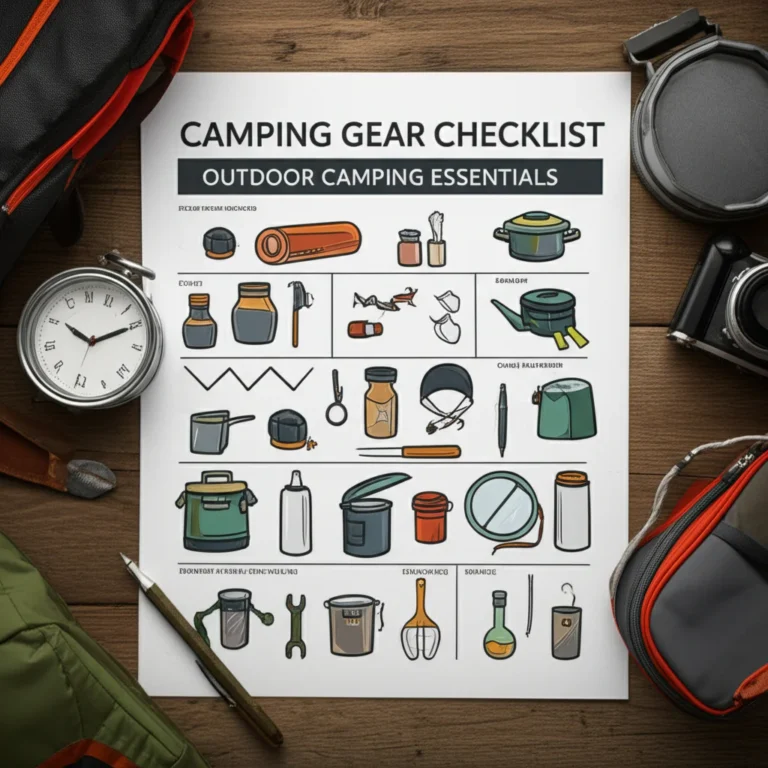
A glamping packing list should prevent two opposite mistakes: hauling your entire garage to a furnished tent, or arriving without the one item the property never promised to supply. Start with the accommodation’s written amenity list, then build from the activities and forecast.
The We3Travel checklist summarized by Pinterest calls itself “25 Essentials to Put on Your Glamping Packing List” and emphasizes what to bring—and what to leave at home. That’s a helpful framing, but the number of items isn’t the important part. Your destination, stay type, and activity plan determine what belongs in your bag. Similarly, KÜHL’s outdoor checklist guidance stresses adjusting gear for weather, trail conditions, and trip length. We’d trust that principle over a universal list that treats a heated cabin and a remote safari tent as identical.
Clothing and Footwear for Changing Conditions
Pack in layers. A warm afternoon can become a chilly evening, and a dry trailhead can turn muddy after rain.
- Moisture-managing base layers
- Insulating mid-layer, such as fleece or light down
- Waterproof or wind-resistant outer layer when forecast and activity call for it
- Comfortable walking clothes
- Hiking shoes or boots suited to the terrain
- Camp shoes or sandals
- Extra socks and underwear
- Hat, sunglasses, and sun-protective clothing
- Sleepwear appropriate to the accommodation’s temperature
- Swimsuit and quick-drying towel if swimming is allowed
Tip: Don’t buy specialist clothing for one trip until you know the conditions and your activity level. A familiar rain jacket that fits well often beats an untested “adventure” purchase.
Personal Items, Toiletries, and Medications
Some glamping stays provide towels and toiletries; others don’t. Ask rather than guess.
- Toothbrush, toothpaste, and personal toiletries
- Prescription medications and a list of important medical information
- Sunscreen and insect repellent appropriate to the destination
- Hand sanitizer and tissues
- Reusable water bottle
- Earplugs and sleep mask if you’re sensitive to sound or light
- Personal hygiene items
- Glasses, contacts, and backup supplies
- Small quick-dry towel if bathrooms are shared or towels are not supplied
Outdoor Adventure Gear and Navigation
Bring equipment that fits your planned outing, not every outing you might imagine after watching one particularly convincing hiking video.
- Daypack
- Offline maps and a paper map or other backup suited to the route
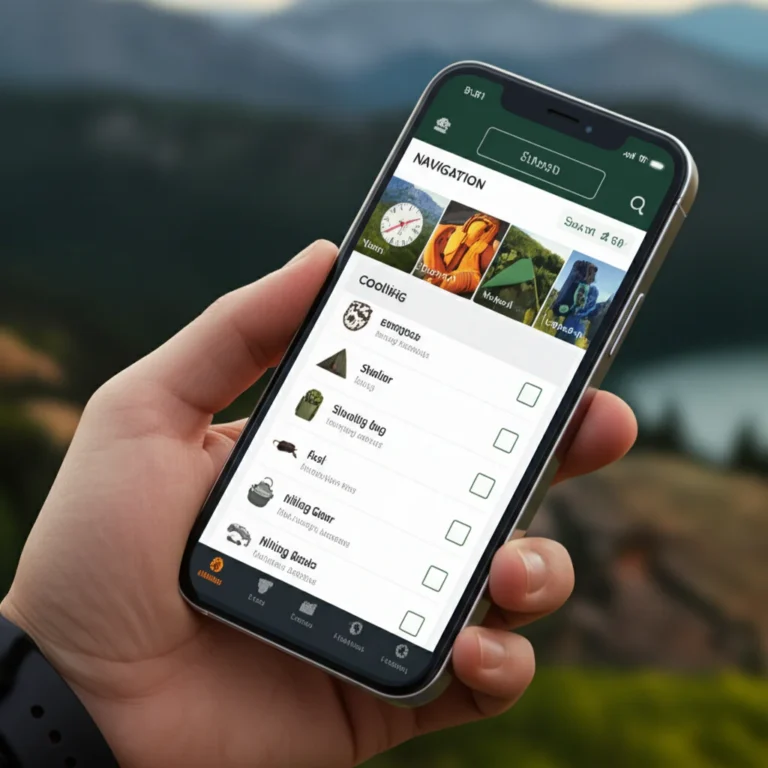
- Phone with downloaded reservations, directions, and maps
- Headlamp or flashlight and spare batteries
- Reusable water bottles or hydration system
- Trail snacks and meals
- Treking poles, if useful for your route and body
- Binoculars for wildlife viewing
- Camera and spare memory or charging supplies
- Activity-specific gear, booked or rented if appropriate
The National Park Service recommends planning essentials around your outing. For backcountry trips, seek guidance from the relevant land manager or a qualified local professional.
Food, Water, and Camp Kitchen Essentials
First ask what the accommodation actually provides. A “kitchenette” may not include the pan, knife, or coffee maker you pictured.
- Drinking water, if the property or site does not provide safe potable water
- Easy breakfasts and trail snacks
- Meals that match available equipment and storage
- Reusable food containers
- Mug, bowl, and utensils if needed
- Cooler and ice if you’re driving and food storage is limited
- Coffee or tea supplies if not provided
- Dish soap and sponge only if guests are expected to wash dishes
- Food-storage containers that follow local wildlife rules
Wildlife note: Store food and scented items as directed by the park or property. Don’t leave food unattended outdoors in bear country or other wildlife habitats.
Safety, First Aid, and Emergency Supplies
A first-aid kit is useful even when your accommodation has staff nearby. Check its contents before departure and customize it for your group and activities. The American Red Cross first-aid guidance can help you understand basic preparedness; seek qualified training for more advanced backcountry travel.
Pack or verify access to:
- Personal first-aid kit and prescribed emergency medication
- Blister care and basic wound supplies
- Headlamp or flashlight
- Whistle
- Emergency contact and itinerary details
- Phone power bank
- Map and navigation backup
- Water and food appropriate to the route
- Weather-appropriate insulation
- Emergency communication device for remote areas where you need one
KÜHL’s checklist advice highlights easily forgotten basics such as a first-aid kit, bug spray, and matches. Matches or other fire-starting tools are only appropriate when fires are permitted; always follow local restrictions and the property’s instructions.
Family, Kids, and Pet Packing Lists
For kids:
- Familiar sleep items, if helpful
- Weather-appropriate extra clothing
- Snacks and refillable bottles
- Headlamp with adult supervision
- Quiet activities for downtime
- Child-specific medication and comfort items
For dogs, if the property allows them:
- Leash, collar or harness, and ID
- Food, water bowl, and waste bags
- Bed or blanket and familiar towel
- Tick protection and any prescribed medication
- Paw protection if conditions call for it
- Long line only where permitted and where it cannot create a hazard
Hungry Mountainer’s campground checklist mentions a 30-foot dog tether for keeping a dog near camp. That’s one writer’s setup, not a universal recommendation: long lines can tangle, reach neighboring sites, or conflict with property rules. Use only equipment allowed by the site, supervise your dog, and follow local leash requirements.
What to Leave at Home
Skip items that duplicate what’s included, violate rules, or add weight without solving a real problem.
- Firewood from home, unless local rules explicitly allow it
- Unapproved heaters, cooking appliances, or open flames
- Strongly scented food and toiletries left unsecured
- Bulky gear the property already provides
- New boots or untested equipment on the day of a long hike
- Drones where they’re prohibited
- Glass containers where restricted
- Extra valuables you don’t need
- Assumptions—especially about Wi-Fi, towels, kitchen equipment, or heating
Our reusable glamping checklist method
- Copy the property’s amenities into your list. Mark each item “provided,” “bring,” or “confirm.”
- Add the day’s activities. A lake stay and a high-elevation hike have different gear needs.
- Check the forecast and local alerts. Revisit the list shortly before departure.
- Separate camp gear from day-hike gear. This saves time when you’re leaving early.
- Pack critical items first. Medication, navigation, and weather layers should not be buried under the camp pillow.
- Do a final rules check. Verify fires, pets, food storage, drones, and parking requirements.
🌦️ Glamping Safety and Responsible Outdoor Travel
Glamping can make outdoor travel more comfortable, but it doesn’t remove the need to respect weather, wildlife, fire restrictions, and local communities. Check current rules with the land manager and accommodation rather than relying on a past trip report.
Weather, Fire, and Wildlife Safety
- Watch official alerts. Use park or land-manager updates for closures, fire conditions, and hazards.
- Respect fire restrictions. A fire ring at your accommodation does not guarantee fires are permitted on a given day.
- Store food correctly. Follow the property’s wildlife guidance, especially in bear country.
- Keep distance from wildlife. Never feed, approach, or corner animals.
- Plan for temperature swings. Bring layers and know what heating is available.
- Know emergency procedures. Identify the property contact, nearest services, and how to get help if cell service fails.
- Avoid relying on a camp heater without checking rules. Use only approved equipment as directed, with ventilation and safety precautions required by the manufacturer and property.
For national park trips, check the official NPS safety and planning information. Conditions change; a recent online review cannot override a current closure or warning.
Leave No Trace and Low-Impact Travel
The Leave No Trace Center for Outdoor Ethics outlines seven principles for reducing outdoor impacts. In practice:
- Plan ahead and prepare.
- Use durable surfaces and stay on marked trails.
- Pack out what you pack in.
- Leave plants, rocks, and cultural objects where you find them.
- Keep fires small and only where permitted.
- Observe wildlife from a distance.
- Be considerate of other visitors.
A lovely glamping property can still sit in a fragile landscape. Quiet voices, proper waste disposal, and sticking to designated paths help keep it lovely for the next traveler too.
🗓️ How to Plan and Book a Glamping Trip
A smooth trip begins with the details that don’t make it into the hero photo: arrival instructions, the road to the property, what’s included, and whether your favorite trail needs a reservation.
Reservations, Cancellation Policies, and Accessibility
Before booking, confirm:
- Exact accommodation type and occupancy limit
- Bathrooms: private, shared, ensuite, or separate building
- Bedding, towels, heat, cooling, power, and lighting
- Cooking equipment, food storage, water, and meal options
- Parking, shuttle, and arrival logistics
- Accessibility features and route surfaces
- Pet and child policies
- Quiet hours and fire rules
- Cancellation, weather, and road-closure policies
- Current park permits, entry rules, or activity reservations
Read recent guest reviews for recurring practical details—such as noise, temperature, or road access—but treat them as individual experiences, not guarantees. A review from peak summer may not describe a spring visit, and one traveler’s “easy hike” may be another traveler’s all-day climb.
A Sample Weekend Glamping Itinerary
Friday: Arrive and settle in
- Check in before dark if the route is unfamiliar.
- Confirm bathroom, heating, and food-storage arrangements.
- Prepare the next day’s daypack and review weather and trail notices.
- Keep dinner simple; unpacking after a long drive is not the moment to launch a five-course camp kitchen experiment.
Saturday: Outdoor adventure day
- Start early for a popular hike or booked activity.
- Carry water, food, navigation, layers, and first aid.
- Build in a flexible turnaround time.
- Return with daylight for a shower, meal, and relaxed evening.
- Check the next day’s forecast and any updated park notices.
Sunday: Easy morning and departure
- Choose a short walk or slow breakfast.
- Pack out all personal items and follow the property’s checkout instructions.
- Check the vehicle and road conditions before leaving.
- Save a note about what you didn’t use and what you wished you had brought. Your future packing list will thank you.
For longer, multi-stop trips, consider our Adventure Travel Checklists and Budget Travel Checklists to keep transport, activities, and gear organized.
💡 Common Glamping Mistakes and How to Avoid Them
| Common mistake | Why it causes trouble | Better approach |
|---|---|---|
| Assuming every glamping stay has a private bathroom | Facilities vary widely | Confirm the exact bathroom setup and walking distance |
| Treating the property name as proof of park proximity | Large parks and scenic regions involve long drives | Map the property to your actual trailhead or entrance |
| Packing too much gear | Furnished stays may already provide the bulky essentials | Ask for an itemized amenity list and pack only confirmed gaps |
| Packing too little because the stay is “luxury” | Outdoor conditions still require layers, water, and safety gear | Pack for your activities and forecast |
| Ignoring seasonal operation | Properties, roads, and amenities may close | Verify current dates and conditions directly |
| Planning a full day of strenuous activities | Fatigue and weather can change the plan | Build in breaks and a lower-effort alternative |
| Assuming Wi-Fi or cell service | Remote locations may have patchy coverage | Ask about reliability and download essentials offline |
| Bringing an unapproved heater or fire setup | Safety risks and local rules may prohibit it | Use only equipment approved by the property |
| Trusting an old review for current trail conditions | Closures and hazards change | Check the relevant park or land manager’s current notices |
| Forgeting the small essentials | A missing headlamp or medication can matter more than an extra outfit | Use a checklist and do a final essentials check |
Hungry Mountainer’s Campground Survival 101 offers a useful reminder that a comfortable night depends on practical details—warm bedding, lighting, food, charging, and a plan for pets—not just shelter. Its author’s setup is personal, though; for example, their heater threshold and product choices should not be treated as universal safety rules. Check the accommodation’s instructions, product manuals, and local regulations before using heaters, fire tools, or long dog lines.
One detail we once nearly forgot was the unglamorous one: a headlamp for the walk back after dark. The site had lovely lighting near reception, but not on every path. Now lighting is on our checklist before the fancy coffee gear. The stars were still excellent; the walk back was much less theatrical.