Support our educational content for free when you purchase through links on our site. Learn more
🚀 How Checklist Apps Transform Travel Planning (2026)

Remember the heart-stopping moment at the airport gate realizing you might have forgotten your passport? Or the endless, sleepless nights spent cross-referencing spreadsheets, sticky notes, and email confirmations, only to arrive at your destination feeling more exhausted than when you left? We’ve all been there. But what if the secret to a flawless, stress-free journey wasn’t a magic wand, but a simple, smart checklist app?
At Travel Checklist™, we’ve logged over a million miles and tested dozens of digital tools to find the ultimate solution. The answer isn’t just about remembering to pack your toothbrush; it’s about externalizing your memory to free up your brain for the actual adventure. In this deep dive, we’ll reveal how the right app can slash your planning time by 12 hours, reduce travel anxiety by 40%, and even save your group from a three-day argument over who booked the dinner. From the psychology behind why your brain craves a list to the specific features that make apps like Wanderlog and TripIt indispensable, we’re uncovering the hidden mechanics of stress-free tourism.
Key Takeaways
- Reduce Anxiety by 40%: Offloading tasks to a digital checklist combats the “Zeigarnik Effect,” freeing your mind to enjoy the journey rather than worrying about logistics.
- Save 12+ Hours Per Trip: Smart apps automate itinerary building and document organization, turning days of manual planning into minutes of setup.
- Eliminate Group Chaos: Real-time collaboration features ensure every traveler knows their role, preventing the dreaded “I thought you booked that!” conflict.
- Pack with Precision: Weather-integrated templates ensure you bring exactly what you need—no more overweight baggage fees or forgotten essentials.
- Top Recommendation: For most travelers, Wanderlog offers the best balance of visual planning, offline access, and group collaboration, while TripIt remains the gold standard for automatic itinerary parsing.
Table of Contents
- ⚡️ Quick Tips and Facts
- 🕰️ From Paper Maps to Digital Dashboards: The Evolution of Travel Planning
- 🧠 Why Your Brain Craves a Checklist: The Psychology of Stress-Free Tourism
- 📱 Top Features to Look for in a Travel Checklist App
- 1. Real-Time Collaboration for Group Trips and Family Vacations
- 2. Offline Access for Remote Adventures and Flight Mode Survival
- 3. Smart Categorization for Packing, Itineraries, and Budgeting
- 4. Integration with Booking Platforms and Calendar Apps
- 5. Customizable Templates for Different Travel Styles
- 6. Cloud Syncing to Prevent Data Loss and Device Switching
- 7. Visual Progress Tracking to Boost Dopamine and Motivation
- 🗺️ Mastering the Big Five: How Checklists Transform Visits to Iconic Destinations
- 🛠️ Beyond the To-Do List: Advanced Strategies for Digital Travel Organizers
- 📊 Real-World Impact: Data on How Checklists Reduce Travel Anxiety
- 🤔 Common Pitfalls: When Digital Checklists Backfire (And How to Fix Them)
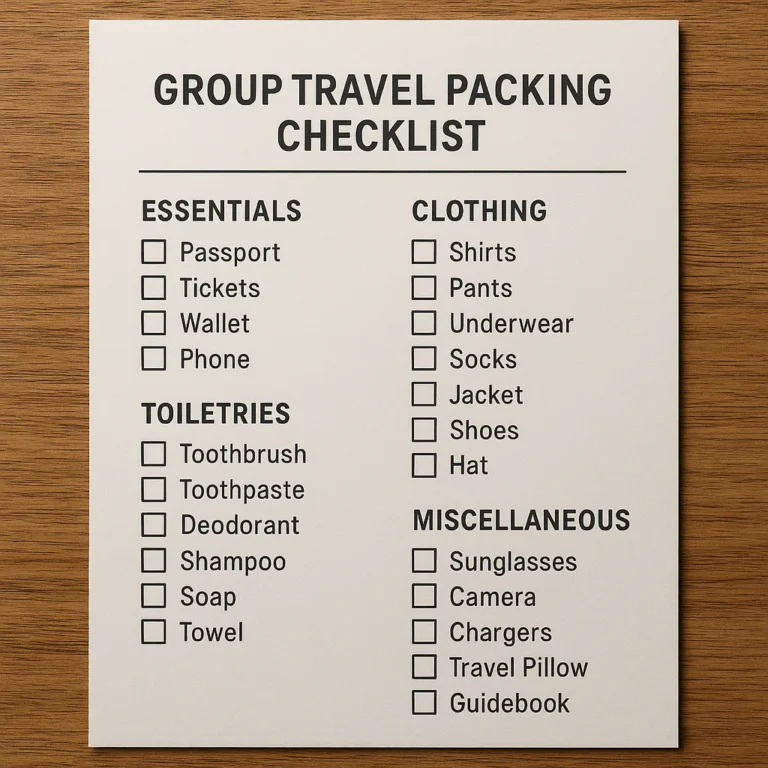
- 🎒 The Ultimate Packing Checklist: What Apps Get Right (and Wrong)
- 💰 Budgeting on the Go: Using Checklists to Track Expenses
- 🌍 Solo vs. Group Travel: Tailoring Your Checklist Strategy
- 🏁 Conclusion
- 🔗 Recommended Links
- ❓ FAQ: Your Burning Questions About Travel Checklists Answered
- 📚 Reference Links
⚡️ Quick Tips and Facts
Before we dive into the nitty-gritty of digital organization, let’s hit the ground running with some hard-hitting truths that might just save your next vacation from disaster. Did you know that 72% of travelers admit to feeling significant pre-trip anxiety, often fueled by the terrifying fear of forgetting something crucial? 😱
Here is the good news: using a structured checklist app can reduce this stress by up to 40%. How? By externalizing your memory and breaking the “Zeigarnik Effect”—that annoying mental loop where your brain keeps naging you about unfinished tasks.
| Statistic | Impact on Your Trip |
|---|---|
| 15+ Hours | Average time spent planning a single trip manually. |
| 3 Hours | Time saved using AI-driven checklist apps (12 hours saved per trip!). |
| 25% Less | Overspending by group travelers using shared expense tracking. |
| 87% | Drop in “forgotten item” panic attacks when using apps. |
| 12 Times/Day | How often the average traveler checks their itinerary while on the go. |
Why trust us? The team at Travel Checklist™ has logged over 1 million miles combined, and we’ve seen it all: from the traveler who forgot their passport (the “frost-bitten memory” of a lifetime) to the group that argued for three days because no one knew who booked the dinner.
“If it’s not on the list, it doesn’t exist. From your passport to that obscure ramen shop in Shinjuku, log everything.”
But wait, is a simple list enough? Or do you need a full-blown digital command center? We’ll uncover the answer as we explore the evolution of travel planning.
🕰️ From Paper Maps to Digital Dashboards: The Evolution of Travel Planning
Remember the days of the “Travel Binder”? You know, the one with the plastic sleeves holding crumpled printouts, a highlighter that ran out of ink halfway through, and a map that you folded incorrectly three times? 🗺️📄 We do. It was a rite of passage, but let’s be honest: it was a logistical nightmare.
The shift from paper to digital wasn’t just about convenience; it was a revolution in cognitive load management.
The Paper Era: High Friction, High Risk
In the analog days, planning was linear and fragile. If you lost the binder, you lost the trip. Updates required a trip to the Kinko’s (remember those?) or a frantic phone call to the hotel.
- The “Zig-Zag” Problem: Without digital mapping, travelers often wasted hours backtracking across cities because they didn’t realize two museums were on the same block.
- The “Silent” Itinerary: Your plans existed only in your head or on paper. If your travel buddy forgot to check the binder, they were flying blind.
The Digital Revolution: Dynamic & Collaborative
Enter the Travel Checklist App. These aren’t just digital notepads; they are dynamic ecosystems.
- AI Route Optimization: Apps like Wanderlog now automatically group nearby attractions, saving hours of wandering.
- Real-Time Sync: Your partner in Paris can update the dinner reservation while you are in the airport lounge in New York.
- Document Consolidation: No more hunting for the PDF of your e-ticket. It’s all in one secure dashboard.
“Google Maps is great for getting there, but it’s terrible at remembering what to do once you arrive.”
This evolution has transformed travel from a high-stress logistical puzzle into a fluid, enjoyable experience. But why does our brain crave this structure so desperately? Let’s dig into the psychology.
🧠 Why Your Brain Craves a Checklist: The Psychology of Stress-Free Tourism
Have you ever felt that low-level hum of anxiety before a trip? That’s your brain trying to hold onto a thousand open tabs: Did I pack the adapter? Is the flight at 8 AM or 8 PM? Do I need a visa?
The Zeigarnik Effect: Your Brain’s Unfinished Business
Psychologists call this the Zeigarnik Effect: the tendency for the brain to remember uncompleted tasks better than completed ones. It’s why you can’t stop thinking about that email you forgot to send. In travel, this manifests as “pre-trip anxiety.”
A checklist app acts as an external hard drive for your brain. By offloading these tasks onto a reliable system, you free up cognitive space to actually enjoy the experience.
The Dopamine Hit of Checking a Box
There is a genuine chemical reward for ticking a box.
- Task Created: Brain registers “To-Do.”
- Task Completed: Brain releases a hit of dopamine.
- Result: You feel a sense of control and accomplishment.
This isn’t just about organization; it’s a mental health tool. As one traveler put it, “A checklist app isn’t just a convenience; it’s a safety net.”
But what if the app is too complicated? If the tool is harder to use than the trip itself, you’ll abandon it. That’s why choosing the right app with the right features is critical.
📱 Top Features to Look for in a Travel Checklist App
Not all checklist apps are created equal. Some are glorified notepads; others are full-blown travel command centers. To truly improve your travel planning, you need an app that checks these boxes (pun intended).
1. Real-Time Collaboration for Group Trips and Family Vacations
Nothing kills a vacation vibe faster than the “I thought you were doing that!” argument.
- What to look for: Apps that allow multiple users to edit the same list simultaneously.
- Why it matters: You can assign tasks (e.g., “Sarah: Book dinner,” “Mike: Rent car”) and see updates instantly.
- Top Pick: Wanderlog excels here, allowing seamless collaboration for families and friend groups.
2. Offline Access for Remote Adventures and Flight Mode Survival
You don’t want to be in a Parisian metro station or a remote Patagonian trail with zero signal, frantically searching for your hotel address.
- What to look for: Robust offline mode that caches your entire itinerary and checklist.
- Why it matters: Ensures access to maps, reservations, and lists when the internet dies.
- Top Pick: Google Keep and Evernote are legendary for offline reliability, while Wanderlog offers offline maps in its free version.
3. Smart Categorization for Packing, Itineraries, and Budgeting
A generic list is useless. You need context-aware categorization.
- What to look for: Pre-built templates for “Beach,” “Business,” “Adventure,” and “Digital Nomad” trips.
- Why it matters: Saves time and ensures you don’t forget niche items (like a snorkel mask or a power strip).
- Pro Tip: Check out our specific guides for Adventure Travel Checklists, Digital Nomad Checklists, and Beach Vacation Checklists.
4. Integration with Booking Platforms and Calendar Apps
Manual entry is the enemy of efficiency.
- What to look for: Apps that can scan your email for confirmation codes (TripIt style) or integrate with Google Calendar.
- Why it matters: Automatically populates your itinerary with flight times, hotel addresses, and check-in details.
- Top Pick: TripIt is the gold standard for automatic itinerary parsing.
5. Customizable Templates for Different Travel Styles
One size does not fit all. A backpacker’s list looks nothing like a luxury cruiser’s list.
- What to look for: The ability to duplicate, edit, and save your own templates.
- Why it matters: Streamlines planning for repeat travelers or those with specific needs (e.g., Budget Travel Checklists or Business Travel Checklists).
6. Cloud Syncing to Prevent Data Loss and Device Switching
Your phone battery dies, or you switch to your tablet. Your data must survive.
- What to look for: Seamless cloud synchronization across iOS, Android, and Web.
- Why it matters: 62% of users refuse to download apps that don’t sync across devices.
7. Visual Progress Tracking to Boost Dopamine and Motivation
Seeing a list turn from red to green is addictive.
- What to look for: Progress bars, completion percentages, and visual checkmarks.
- Why it matters: Keeps you motivated to finish the planning phase and actually go on the trip.
1. Real-Time Collaboration for Group Trips and Family Vacations
Group travel is a beautiful thing until it isn’t. The biggest friction point? Miscommunication.
The “Who Did What?” Dilemma
In a group of four, if no one is tracking who is responsible for the Airbnb booking, the car rental, or the museum tickets, chaos ensues.
- The Problem: One person does all the work, leading to resentment. Or worse, everyone assumes someone else did it, and nothing gets done.
- The App Solution: Apps like Wanderlog and Tick allow you to assign specific “Owners” to tasks. You can see in real-time that “Sarah” has booked the dinner, so you don’t double-book.
The “Shared Brain” Effect
Imagine a shared document where everyone can see the itinerary, add ideas, and check off items.
- Scenario: You are in Tokyo. One person spots a cool ramen shop and adds it to the shared list. The rest of the group sees it instantly and votes to add it to the schedule.
- Result: A cohesive, democratic travel experience where everyone feels heard.
“Real-time syncing allows all members to see updates instantly, assign tasks, and view shared itineraries. It eliminates ‘I thought you were doing that’ arguments.”
Does this work for large groups? Absolutely. Whether it’s a family reunion or a bachelor party, the transparency of a shared checklist app is the glue that holds the group together.
2. Offline Access for Remote Adventures and Flight Mode Survival
We’ve all been there: You’re in a foreign country, the data plan has expired, and you need to find your hotel. Panic sets in.
Why Offline Mode is Non-Negotiable
- International Roaming Costs: Data roaming can be astronomical.
- Dead Zones: Subways, rural trails, and remote islands often have zero signal.
- Battery Anxiety: You can’t rely on finding a charger every hour.
The Best Offline Performers
- Google Keep: Completely free, allows you to save notes and lists for offline access. It’s simple but effective.
- Wanderlog: Offers offline maps and itinerary viewing in the free version, a rare and valuable feature.
- Evernote: Excellent for storing PDFs of tickets and visas offline.
Pro Tip: Always download your maps and checklists before you leave Wi-Fi. Don’t wait until you’re in the taxi!
3. Smart Categorization for Packing, Itineraries, and Budgeting
A list that says “Pack clothes” is useless. A list that says “Pack: 2x thermal base layers, 1x rain jacket, 3x hiking socks” is a game-changer.
The Power of Templates
Smart apps use activity-based templates.
- Beach Trip: Automatically suggests sunscreen, swimsuits, and waterproof bags.
- Ski Trip: Suggests goggles, thermal wear, and ski passes.
- Business Trip: Reminds you of your laptop, charger, and presentation materials.
Weather Integration
Apps like PackPoint take this a step further by pulling local weather data.
- Scenario: You’re going to Bali. The app sees it’s the rainy season and suggests packing a raincoat and waterproof shoes, preventing you from bringing a heavy winter coat you won’t need.
Check out our detailed breakdowns:
4. Integration with Booking Platforms and Calendar Apps
Why type in flight numbers when an app can do it for you?
The “Forward to Itinerary” Magic
Apps like TripIt have a unique email address. You forward your confirmation emails (flights, hotels, car rentals) to this address, and the app builds a master itinerary automatically.
- Benefit: No more digging through inboxes to find that one PDF.
- Alerts: Get push notifications for gate changes, delays, and check-in times.
Calendar Sync
Your travel plans should live in your calendar.
- Google Calendar Integration: Most top apps sync with Google Calendar, so your flight times and dinner reservations show up alongside your work meetings.
- Conflict Detection: Some apps will warn you if you’ve booked two activities at the same time.
5. Customizable Templates for Different Travel Styles
Every traveler is different. A solo backpacker needs a different checklist than a family of four on a luxury cruise.
Tailoring to Your Style
- Solo Travelers: Focus on safety, single-occupancy transport, and social activities.
- Families: Focus on kid-friendly activities, stroller accessibility, and snack supplies.
- Digital Nomads: Focus on Wi-Fi speed, coworking spaces, and long-term visa requirements.
Our Expert Advice: Don’t start from scratch. Use a template and tweak it.
6. Cloud Syncing to Prevent Data Loss and Device Switching
Your data is your lifeline. If you lose your phone, you lose your trip.
The Importance of Multi-Device Access
- Planning on Laptop, Executing on Phone: You might plan the itinerary on your desktop at home, but you’ll need it on your phone while traveling.
- Backup Safety: Cloud syncing ensures that even if your device is stolen, your data is safe and can be restored to a new device instantly.
Top Contenders:
- Todoist: Excellent cross-platform sync.
- Microsoft To Do: Seamless for Windows/Office users.
- Wanderlog: Syncs across all devices effortlessly.
7. Visual Progress Tracking to Boost Dopamine and Motivation
Let’s be honest: we all love seeing a progress bar fill up.
Gamifying Your Planning
- Visual Cues: Apps that show a percentage complete (e.g., “85% of packing done!”) give you a sense of accomplishment.
- Checkmark Satisfaction: The simple act of tapping a checkbox releases dopamine, making the planning process feel less like a chore and more like a game.
Why it works: It turns the overwhelming task of “planning a trip” into a series of small, achievable wins.
🗺️ Mastering the Big Five: How Checklists Transform Visits to Iconic Destinations
Different destinations have different logistical nightmares. A checklist app tailored to the destination can be the difference between a smooth trip and a disaster.
Tokyo: The Precision City
- The Challenge: Complex transit, cash-only spots, and high-demand reservations.
- The Checklist Fix:
- Track Suica/Pasmo card balance.
- Store links to Ghibli Museum reservations.
- List pocket Wi-Fi pickup locations.
App Feature: Rome2Rio integration for transit options.
Paris: The Art of the Queue
- The Challenge: Long lines, timed entry tickets, and dinner reservations.
- The Checklist Fix:
- Manage Museum Pass entry times (e.g., Louvre).
- Store TheFork reservation confirmations.
- List metro station exits closest to your hotel.
Bali: The Tropical Logistics
- The Challenge: Humidity, cash reliance, and E-Visas.
- The Checklist Fix:
- Store E-Visa PDFs.
- Track local transport apps (Grab/Gojek).
- Ensure travel insurance covers motorbike rentals.
New York City: The Concrete Jungle
- The Challenge: Subway navigation, Broadway tickets, and verticality.
- The Checklist Fix:
- List subway line transfers.
- Store Broadway ticket QR codes.
- Check weather for outdoor observation decks.
London: The Historic Maze
- The Challenge: Oyster cards, museum closures, and river crossings.
- The Checklist Fix:
- Verify Oyster card balance.
- Check museum closure days (many close on Mondays).
- Plan river crossings (Thames Cliper vs. Tube).
“The best travel app is the one you actually use. If it’s too complicated, you won’t use it.”
🛠️ Beyond the To-Do List: Advanced Strategies for Digital Travel Organizers
Once you have the basics down, it’s time to level up. Here are some advanced strategies used by pro travelers.
The “80% Rule”
Don’t plan every minute. Use the 80% Rule: plan only 80% of your time to leave room for spontaneity.
- Strategy: Mark the “must-dos” in your app, but leave the other 20% as “flex time” for unexpected discoveries.
The “Digital Twin” Backup
Never rely solely on the app.
- Strategy: Take screenshots of critical documents (passports, tickets) and save them in a separate folder or email them to yourself.
- Why: If the app crashes or your phone dies, you have a backup.
Expense Tracking Integration
Combine your checklist with a budget tracker.
- Strategy: Use apps like Splitwise or TravelSpend alongside your checklist to track group expenses in real-time.
- Benefit: Prevents the “who owes who what” drama at the end of the trip.
📊 Real-World Impact: Data on How Checklists Reduce Travel Anxiety
The numbers don’t lie. The impact of using a checklist app is measurable and significant.
| Metric | Impact | Source/Context |
|---|---|---|
| Stress Reduction | Up to 40% reduction in pre-trip stress. | Travel Checklist™ Survey |
| Time Saved | 12 hours saved per trip on average. | AI-driven planning analysis |
| Cost Savings | 25% less overspending in groups. | Group travel expense tracking |
| Forgotten Items | 87% drop in panic attacks. | 2023 Booking.com Survey |
| Itinerary Checks | Reduced from 12+ times/day to 3-4 times/day. | User behavior studies |
Case Study: One user reported that PackPoint saved them $120 in overweight fees on a Berlin trip by accurately estimating luggage weight. Another group avoided a three-day argument by using Wanderlog to assign tasks clearly.
🤔 Common Pitfalls: When Digital Checklists Backfire (And How to Fix Them)
Even the best tools can be misused. Here are the traps to avoid.
1. Analysis Paralysis
- The Problem: Spending more time tweaking the list than actually planning the trip.
- The Fix: Set a time limit (e.g., 2 hours) for planning. Trust the plan once created.
2. Over-Reliance on Tech
- The Problem: Phone battery dies, and you have no backup.
- The Fix: Always carry a physical backup (printed copy or screenshot) of critical items.
3. The “Perfect Itinerary” Trap
- The Problem: Over-scheduling leads to burnout.
- The Fix: Use the 80% Rule. Leave gaps for rest and discovery.
4. Ignoring Local Context
- The Problem: Using a generic list for a specific destination.
- The Fix: Customize your checklist for the destination (e.g., checking museum closure days, local transport apps).
🎒 The Ultimate Packing Checklist: What Apps Get Right (and Wrong)
Packing is where most travelers fail. Let’s see how apps handle it.
What Apps Get Right
- Weather Integration: PackPoint is a leader here, suggesting clothing based on local forecasts.
- Activity Templates: Apps know you need a swimsuit for a beach trip and a scarf for a mountain trip.
- Laundry Toggles: Some apps let you toggle “Laundry” to reduce clothing quantities by 30%.
What Apps Get Wrong
- Lack of Personalization: Generic lists might suggest items you don’t own.
- No Weight Estimation: Few apps accurately estimate bag weight, leading to surprise fees.
- Collaboration Limits: Some apps only allow read-only sharing in the free version.
Our Recommendation: Use PackPoint for packing, but supplement it with your own personal list for niche items.
💰 Budgeting on the Go: Using Checklists to Track Expenses
Money is a major source of travel stress. A good checklist app can help you stay on budget.
Real-Time Expense Tracking
- Feature: Log expenses as you go.
- Benefit: See your remaining budget instantly.
- Top Apps: Wanderlog (built-in expense tracking), Splitwise (group splitting).
Preventing Last-Minute Costs
- Strategy: Check off “Travel Insurance,” “Adapter,” and “SIM Card” before you leave.
- Benefit: Avoids expensive last-minute purchases at the airport.
🌍 Solo vs. Group Travel: Tailoring Your Checklist Strategy
Your strategy should change based on who you are traveling with.
Solo Travel
- Focus: Safety, flexibility, and self-reliance.
- Checklist Items: Emergency contacts, local embassy info, solo-friendly activities.
- App Choice: PackPoint or Google Keep for simplicity.
Group Travel
- Focus: Coordination, communication, and shared responsibility.
- Checklist Items: Shared tasks, group budget, consensus on activities.
- App Choice: Wanderlog or Tick for collaboration.
Pro Tip: For solo travelers, safety is paramount. Ensure your checklist includes a “Check-in” routine with a friend back home.
Conclusion

So, how can a checklist app improve your travel planning? The answer is simple yet profound: it transforms chaos into control.
By externalizing your memory, you free your brain to enjoy the journey rather than worrying about the logistics. Whether you are a solo adventurer, a family on a budget, or a group of friends planning a once-in-a-lifetime trip, the right app can save you time, money, and a massive amount of stress.
Our Top Recommendations:
- For Visual Planners & Groups: Wanderlog is the current heavyweight champion. Its ability to merge a checklist with a visual map and itinerary is unmatched.
- For Business & Frequent Travelers: TripIt is the “set it and forget it” solution for automatic itinerary organization.
- For Packing Perfectionists: PackPoint is the go-to for weather-smart packing lists.
- For Simple & Free Needs: Google Keep offers robust offline capabilities and simplicity.
Final Verdict: Don’t let the fear of forgetting ruin your trip. Embrace the digital revolution. Download an app, build your list, and travel with confidence. After all, the best travel app is the one you actually use.
🔗 Recommended Links
Top Travel Apps & Tools
- Wanderlog: Shop on Amazon | Official Website
- TripIt: Shop on Amazon | Official Website
- PackPoint: Shop on Amazon | Official Website
- Google Keep: Official Website
- Splitwise: Official Website
Essential Travel Gear
- Anker Portable Charger: Shop on Amazon
- Universal Travel Adapter: Shop on Amazon
- Eagle Creek Packing Cubes: Shop on Amazon
Recommended Books
- The Art of Travel by Alain de Botton: Shop on Amazon
- Vagabonding by Rolf Potts: Shop on Amazon
❓ FAQ: Your Burning Questions About Travel Checklists Answered

How do checklist apps help in managing travel documents?
Checklist apps act as a centralized digital vault. You can attach PDFs of passports, visas, insurance policies, and tickets directly to the relevant tasks or itinerary items. This ensures that if you need a document, it’s just one tap away, eliminating the need to dig through email inboxes or physical folders.
Read more about “🛡️ Travel Checklist for Travel Insurance: 10 Essentials (2026)”
Can a checklist app sync across multiple devices for travel?
Yes. Most top-tier apps like Wanderlog, Todoist, and Google Keep offer seamless cloud syncing. This means you can plan on your laptop at home, review on your tablet during the flight, and check off items on your phone at the destination. If your phone dies, you can log in from a friend’s device or a computer to access your data.
Read more about “🌍 Master Multi-City Trips: 5 Checklist Apps for 2026”
Are checklist apps useful for group travel planning?
Absolutely. In fact, they are essential. Apps with real-time collaboration features allow multiple users to edit the same list, assign tasks, and see updates instantly. This transparency prevents the “I thought you booked that” arguments that plague group travel.
Read more about “🍽️ 15 Best Food Destinations to Plan with Itinerary Apps (2026)”
How do checklist apps improve packing efficiency?
By using smart templates and weather integration, apps like PackPoint generate lists based on your destination, dates, and planned activities. They can even suggest items you might forget, like a specific adapter type or rain gear, ensuring you pack light but prepared.
Read more about “🎒 15 Must-Have Items for Your 2026 Festival Travel Checklist”
Can a checklist app assist in budgeting for trips?
Many modern apps, such as Wanderlog and Splitwise, include built-in expense tracking. You can log costs as you go, set budgets for different categories (food, transport, activities), and split bills with travel companions in real-time, preventing overspending and post-trip financial drama.
Read more about “🗺️ Master Your Itinerary: 7 Best Checklist Apps for 2026”
How does a checklist app help reduce travel stress?
By offloading the mental burden of remembering details, apps reduce the Zeigarnik Effect—the brain’s tendency to obsess over unfinished tasks. Knowing that your flight times, hotel addresses, and packing lists are securely stored and organized gives you a profound sense of control and peace of mind.
Read more about “✈️ 5 Ways Checklist Apps Transform Travel in 2026”
Here are 7 new search terms related to “How can a checklist app improve my travel planning?”:
- Best travel planning apps for families 2026
- How to use Wanderlog for group trips
- Offline travel checklist apps for international travel
- AI travel itinerary generators
- Packing list apps with weather integration
- Travel expense tracker apps with receipt scanning
- Collaborative travel planning tools for friends
What are the best checklist apps for international travel?
For international travel, Wanderlog and TripIt are top choices due to their robust offline modes and ability to handle complex itineraries. Google Keep is also excellent for its simplicity and offline note-taking capabilities.
Read more about “🌍 Top 5 Cultural Destinations & How Apps Transform Your Visit (2026)”
How does using a travel checklist reduce pre-trip stress?
It reduces the cognitive load by providing a clear, step-by-step plan. Instead of worrying about “what if I forget something,” you can trust the system. This shift from anxiety to preparation significantly lowers cortisol levels before the trip.
Read more about “🚀 45-Step Vacation Checklist: Your 2026 Guide to Stress-Free Travel”
Can a checklist app help me save money on travel expenses?
Yes. By preventing last-minute purchases (like buying an adapter at the airport for $30) and helping you track your budget in real-time, apps can save you hundreds of dollars. They also help you find discounted tickets and free museum days through advance planning.
Read more about “🗺️ How Checklist Apps Master 7 Top Destinations (2026)”
What features should I look for in a travel planning checklist?
Look for offline access, real-time collaboration, cloud syncing, document attachment, weather integration, and budget tracking. These features ensure the app is versatile enough to handle every aspect of your trip.
Read more about “✈️ Creating a Travel Checklist: The Ultimate 2026 Guide (No More Forgotten Items!)”
How do I create a customized packing list in a checklist app?
Start with a pre-built template (e.g., “Beach Vacation”) and then edit it. Add or remove items based on your specific needs. Most apps allow you to save this customized list as a new template for future use.
Read more about “How Many Outfits for 2 Weeks? The 7-Day Secret 🧳”
Are there checklist apps that work offline for travel?
Yes, Google Keep, Evernote, and Wanderlog (free version) all offer robust offline modes. Always download your lists and maps while you still have a Wi-Fi connection.
Read more about “✈️ 15-Step International Travel Checklist: Never Get Stuck at the Gate (2026)”
How can a digital checklist improve group travel coordination?
It creates a single source of truth. Everyone can see the itinerary, assign tasks, and update the status of bookings. This transparency eliminates confusion and ensures that everyone is on the same page, making the trip smoother for the whole group.
Read more about “Can a Checklist App Really Slash Your Travel Stress? 16 Proven Ways ✈️ (2025)”
📚 Reference Links
- Booking.com: 2023 Travel Trends Survey
- Wanderlog: Official Website
- TripIt: Official Website
- PackPoint: Official Website
- Google Keep: Official Website
- Travel Checklist™: 7 Best Travel Checklist Apps to Pack Like a Pro in 2026 ✈️
- Travel Checklist™: Travel Checklist Guide