Support our educational content for free when you purchase through links on our site. Learn more
25 Packing Tips for Stress-Free Travel 🧳

The best packing tips for stress-free travel are simple: plan around your actual itinerary, keep essentials in your carry-on, and leave out anything you’re bringing only for an imaginary version of the trip. A reusable checklist and a little pre-trip editing can save you from overstuffed luggage and frantic searches for your charger.
We once packed a “just in case” outfit for a dinner that never happened, while somehow forgetting the cable needed to charge the phone holding our boarding pass. The fix wasn’t a bigger suitcase—it was a better checklist, a realistic clothing plan, and one final essentials scan before leaving home.
Key Takeaways
- Pack for your real itinerary and forecast, not every scenario your imagination can invent.
- Keep medication, documents, valuables, and essential electronics in your personal item.
- Plan outfits that mix and match, and use laundry access to pack less on longer trips.
- Choose your luggage and packing method for your route; rolling, folding, and packing cubes are useful tools, not magic.
- Check baggage limits and security rules before departure, since airline and airport requirements vary.
- Use a reusable checklist and final essentials scan to catch the items that are hardest to replace.
Table of Contents
- ⚡️ Quick Tips and Facts
- 🧳 Why Packing Well Makes Travel Less Stressful
- How thoughtful packing saves time, money, and energy
- Common packing mistakes and how to avoid them
- ✅ 25 Packing Tips for Stress-Free Travel
- 1. Start with a trip-specific packing list
- 2. Check the weather and your itinerary
- 3. Pack outfits, not one-off clothing items
- 4. Create a comfortable travel-day outfit
- 5. Pack for half your trip when laundry is available
- 6. Research laundry options before you go
- 7. Choose versatile clothes in coordinating colors
- 8. Leave aspirational outfits and unused gear at home
- 9. Try a test pack before departure
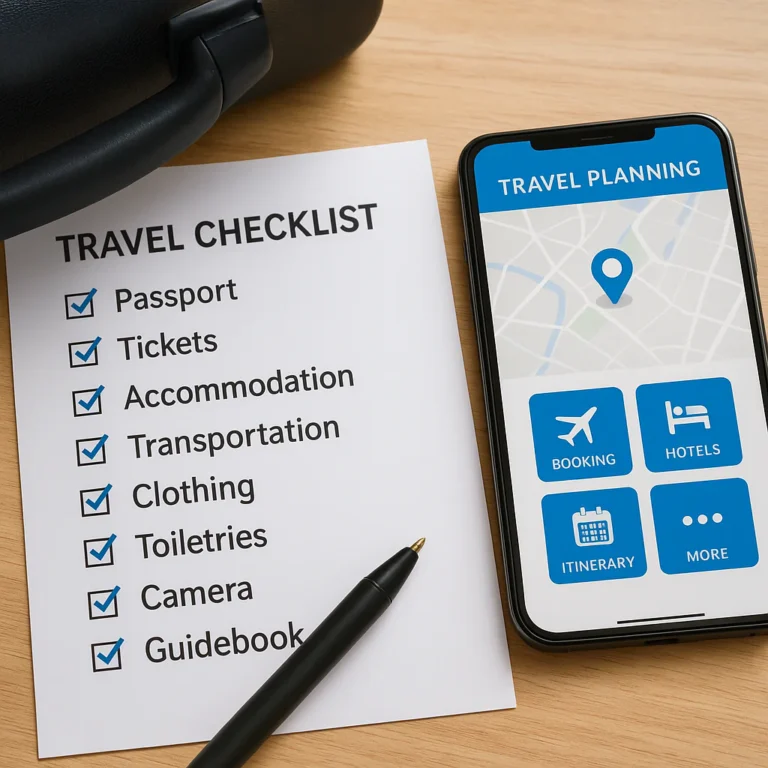
- 10. Use a packing list you can reuse
- 11. Roll, fold, or bundle clothes strategically
- 12. Use packing cubes without overpacking
- 13. Build a capsule travel wardrobe
- 14. Pack shoes carefully and keep them contained
- 15. Organize toiletries to prevent leaks
- 16. Pack medications and health essentials in your carry-on
- 17. Keep important documents and valuables close
- 18. Pack electronics, chargers, and adapters together
- 19. Prepare a personal-item essentials kit
- 20. Use a small first-aid and emergency kit
- 21. Plan for changing weather and unexpected delays
- 22. Skip “just in case” items without a clear purpose
- 23. Leave room for souvenirs and dirty laundry
- 24. Weigh and measure your luggage before leaving
- 25. Do a final essentials check before you go
- 🧩 How to Make a Personalized Travel Packing List
- Packing checklist by trip length
- Packing checklist by destination and activity
- Carry-on packing checklist
- Checked-luggage packing checklist
- 🧥 How to Pack Light Without Forgeting the Essentials
- Choosing a carry-on suitcase, backpack, or checked bag
- How many clothes to pack for a week
- Packing for long trips with a small wardrobe
- 🧴 Toiletries, Liquids, and Travel-Sized Essentials
- TSA liquid rules and airport security basics
- Leak-proof toiletry packing tips
- 🌍 Special Packing Tips for Different Trips
- International travel and cultural considerations
- Business trips and work travel
- Family travel with kids and babies
- Adventure, camping, and outdoor travel
- Beach holidays, cruises, and cold-weather trips
- 📦 Packing Organization and Luggage Setup
- Where to pack essentials, fragile items, and valuables
- How to keep your suitcase organized during the trip
- What to do if your luggage is delayed or lost
- 🚫 What Not to Pack for a Trip
- 🛫 The Night-Before and Travel-Day Packing Checklist
- 💬 Frequently Asked Questions
- 🔗 Recommended Links
- ❓ FAQ
- 📚 Reference Links
- 🎉 Conclusion
Body
⚡️ Quick Tips and Facts
A calmer trip starts before you reach the airport. We’ve found that the biggest packing wins are rarely about squeezing one more shirt into a suitcase; they’re about deciding what matters, putting essentials where you can reach them, and leaving yourself a little breathing room.
For a helpful last-minute scan, start with this guide to often-forgoten items that belong on every travel checklist. You can also organize your plans with the Travel Checklist™ checklist app.
| Quick decision | A useful default | Why it helps |
|---|---|---|
| When should I start? | About 1–2 weeks ahead; earlier for international or specialist trips | Gives you time to check weather, wash clothes, and replace missing essentials |
| How much clothing should I bring? | Plan outfits around your itinerary, then identify laundry opportunities | Prevents packing a different outfit for every theoretical scenario |
| What belongs in my carry-on? | Medication, documents, valuables, electronics, and a change of clothes | You can still function if checked luggage is delayed |
| How should I pack clothes? | Roll casual items, fold structured pieces, and test what suits your bag | The right method depends on fabric and suitcase shape |
| How many shoes? | Usually 2–3 practical pairs, adjusted for your plans | Shoes take up space and add weight quickly |
| What should I do with “just in case” items? | Bring one only if it solves a plausible, meaningful problem | “I might need it” can turn into an entire second suitcase |
| What’s the final check? | Documents, medication, wallet, phone, keys, glasses, chargers | These are harder to replace in a hurry than another T-shirt |
Our best stress-reducing rule: make a list, pack to your actual itinerary, and keep anything essential or difficult to replace in your personal item. Airline rules and baggage limits vary, so verify your carrier’s requirements before packing.
The 60-second packing reset
When your suitcase is open and your brain has become a spinning luggage carousel, pause and ask:
- What am I doing on this trip?
- What will the weather probably be?
- What can I wash, borrow, or buy there?
- What would be a real problem if it were missing?
- Can I remove one item without making the trip worse?
That last question is surprisingly powerful. It’s how we stop packing a rain jacket for a beach week with a forecast full of sunshine—and stop leaving the one warm layer we’ll need for an over-air-conditioned train.
🧳 Why Packing Well Makes Travel Less Stressful
How thoughtful packing saves time, money, and energy
Packing well is not a contest to see who can fit a fortnight into a tiny backpack. The goal is to make your trip easier to live through. A thoughtfully packed bag means less rummaging, fewer forgotten essentials, simpler airport transfers, and a smaller chance of being caught without medication or a charger when you need it.
There’s no single correct luggage strategy. A carry-on can make airport changes easier, while a checked bag may be more comfortable when you need specialist equipment, mobility aids, extra layers, or a wider choice of clothes. As the minimalist packing perspective at Be More with Less makes clear, traveling with less can be freeing—but it isn’t automatically best for every traveler.
| Packing choice | Potential benefit | Trade-off |
|---|---|---|
| Carry-on only | Less waiting at baggage claim; your bag stays with you | Limited space and stricter airline size rules |
| Checked suitcase | More room for long trips, bulky items, or specialist gear | Possible baggage delays and more handling |
| Backpack | Convenient for stairs, uneven streets, and moving between stops | Weight sits on your body; fit matters |
| Capsule wardrobe | More outfit combinations from fewer garments | Requires compatible colors and realistic laundry planning |
| Packing cubes | Easier sorting and repacking | Can encourage filling every cube just because it’s there |
The AAA packing guide recommends planning around the trip, checking the destination’s climate and dress expectations, and keeping essentials close. We agree, with one practical addition: choose the bag based on your actual route, not just the number of days. A week in one hotel and a week changing trains every morning are different packing problems.
Common packing mistakes and how to avoid them
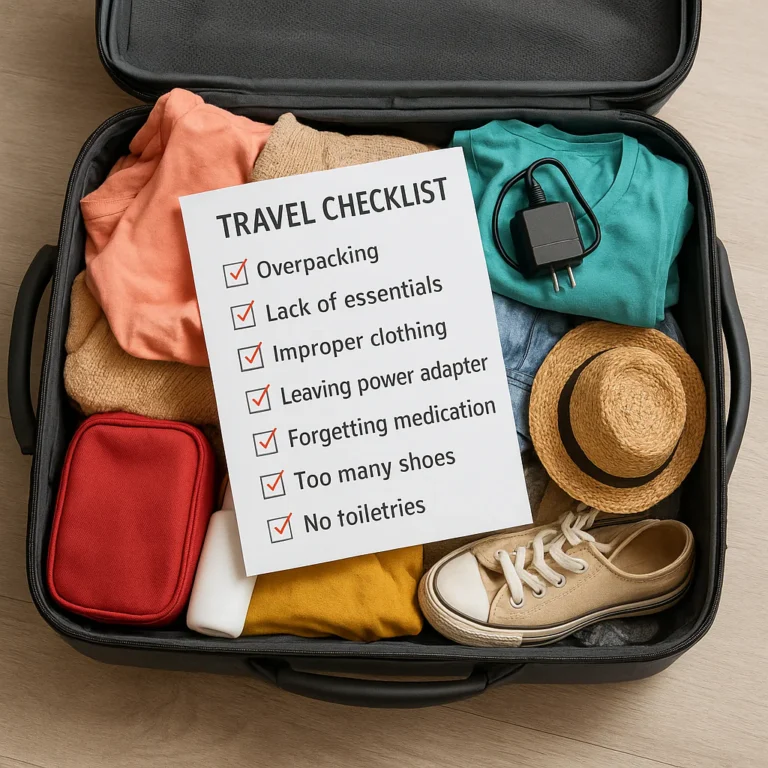
We’ve made most of these at least once. The classic: packing formal shoes for a hypothetical elegant dinner, then walking everywhere in the same comfortable sneakers. Another favorite is putting a charger in the suitcase, then watching the suitcase disappear down the baggage belt while your phone battery enters its final dramatic act.
| Common mistake | Better approach |
|---|---|
| Packing for every possible weather outcome | Check the forecast before departure and bring adaptable layers |
| Packing a new outfit for every day | Plan repeatable combinations and check laundry access |
| Putting medication or documents in checked luggage | Keep essential items with you |
| Assuming all carry-on rules are the same | Check your airline and departure airport’s current rules |
| Buying packing organizers before editing your belongings | Sort and reduce first; organizers can’t fix an overpacked plan |
| Packing new shoes for long walking days | Break shoes in before travel |
| Leaving packing until the last few hours | Start a list early and pack in stages |
| Treating “just in case” as a packing category | Name the specific problem each item solves |
One disagreement among packing guides is whether rolling clothes is always better than folding them. It isn’t. Rolling can make casual items easier to arrange in some bags, while structured garments often travel better folded. The best method is the one that fits your clothes and luggage—not a universal suitcase law.
✅ 25 Packing Tips for Stress-Free Travel
1. Start with a trip-specific packing list
Begin with the itinerary, not the closet. Write down the number of travel days, planned activities, accommodation type, weather, and laundry options. Then build your list from those facts.
The American Automobile Association’s travel packing advice recommends planning ahead and checking the destination’s conditions. We like to start around one or two weeks before departure for a typical trip, earlier if we need to buy or borrow specialist gear.
Step by step:
- Add travel dates and destinations.
- List activities that require particular clothing or equipment.
- Check the forecast and local dress expectations.
- Add essential documents, medication, and electronics.
- Decide whether you’ll do laundry.
- Remove duplicates and items without a clear use.
Use a reusable checklist in the Travel Checklist™ app or on paper. The format matters less than being able to review it calmly and check off what’s packed.
2. Check the weather and your itinerary
A destination’s average climate is not your forecast. Check weather close to departure and look at the locations you’ll actually visit: a mountain town, coastal stop, and city center can call for three different layers on the same trip.
Build a small weather buffer instead of packing every possible garment. A lightweight rain shell, warm layer, and clothing that can be layered usually cover more situations than a bulky outfit reserved for one imagined temperature.
Do a quick destination scan:
- Daytime and overnight temperatures
- Rain, snow, wind, and sun exposure
- Indoor heating or air conditioning
- Walking distance and terrain
- Dress codes for religious sites, restaurants, or events
- Local expectations around covering shoulders, knees, or footwear
For official destination information, check government travel advice such as the U.S. Department of State travel resources or your own country’s foreign ministry.
3. Pack outfits, not one-off clothing items
A suitcase full of individual “maybe” pieces can still leave you with nothing that goes together. Plan outfits for the activities you expect to do, then make sure core pieces can be worn more than once.
A practical method is to lay out each outfit and ask:
- Can I wear this top with at least two bottoms?
- Can I layer it if the weather turns cool?
- Is it comfortable for the activity it’s meant for?
- Does it need a special bra, shoes, or accessory that adds more packing?
The 5-4-3-2-1 method—five tops, four bottoms, three accessories, two pairs of shoes, and one swimsuit—can be a starting point, not a binding contract. A business trip, winter holiday, and family beach vacation have different outfit math.
4. Create a comfortable travel-day outfit
A reliable travel-day outfit reduces morning decisions and keeps bulky layers available when the cabin or station is chilly. Choose comfortable, familiar clothes that suit your route and can handle temperature changes.
For example:
- Comfortable trousers or leggings
- A breathable top
- A light sweater or zip-up layer
- Easy-to-remove outerwear
- Shoes you can walk in and manage at security
- A scarf or wrap, if you use one
The minimalist approach at Be More with Less describes a repeatable “travel-day uniform.” We like the idea, but the outfit should suit your body, mobility, weather, and travel mode. A uniform is helpful; discomfort is not a virtue badge.
5. Pack for half your trip when laundry is available
For a longer trip, you often don’t need a fresh full outfit for every single day. If reliable laundry is available, pack a smaller rotation and wash midway.
That doesn’t mean everyone should pack exactly half as much. A traveler with limited mobility, sensitive skin, medical clothing needs, or a busy schedule may reasonably want extra changes. The principle is to plan around what you can realistically wash, rather than assuming you’ll enjoy hand-washing clothes at midnight.
Before reducing your wardrobe, confirm:
- Whether laundry is available
- Whether it’s self-service or hotel laundry
- How long items take to dry
- Whether your fabrics can be washed easily
- Whether you’ll have time to do it
6. Research laundry options before you go
Laundry can turn a long-trip suitcase into a manageable one, but only if the plan works in real life. Check whether your lodging has a washer, whether a laundromat is nearby, or whether sink-washing is practical.
| Laundry option | Works best when | Keep in mind |
|---|---|---|
| Accommodation washer | You’re staying several nights in one place | Confirm availability and whether detergent is provided |
| Laundromat | You have time and access to local services | Check payment methods, opening hours, and detergent |
| Hotel laundry | Convenience matters more than cost | Turnaround and service availability vary |
| Sink-washing | You have a few lightweight items to refresh | Drying time can be slow in humid or cold conditions |
Pack a small laundry bag to keep used clothing separate. For a multi-stop trip, our backpacking checklists and digital nomad checklists can help you plan around repeating laundry routines.
7. Choose versatile clothes in coordinating colors
A limited palette lets you combine clothes without turning the suitcase into a fabric puzzle. Choose a few base colors, then add one or two accent colors if you like.
Practical travel fabrics vary by activity and personal preference. Quick-drying synthetics can suit active trips; merino wool may work well for temperature changes and repeated wear; cotton can be comfortable but may take longer to dry. No fabric is perfect for every traveler, climate, or skin sensitivity.
Choose clothing that:
- Fits comfortably now—not after a hoped-for wardrobe transformation
- Works for the climate and planned activities
- Can be worn in more than one outfit
- Is easy to wash or refresh
- Doesn’t require an awkward collection of extra accessories
For travel involving hiking or remote conditions, check our adventure travel checklists for activity-specific gear reminders.
8. Leave aspirational outfits and unused gear at home
Pack for the trip you booked, not the imagined version where you attend a gala, take up sunrise yoga, and become a person who enjoys wearing stiff new shoes.
Before an item goes in, ask:
- Is it on the itinerary?
- Have I worn it comfortably before?
- Can it work with other items I’m bringing?
- Could I get a suitable replacement there if a genuine need arises?
The advice at Be More with Less is refreshingly direct: skip aspirational pieces and focus on clothes you actually like wearing. We’d add an exception for genuine needs—specialist safety equipment, religious or cultural clothing, and medical supplies deserve room even if they aren’t everyday items.
9. Try a test pack before departure
A test pack is the suitcase equivalent of checking your route before leaving the house. It exposes the items that don’t fit, the cable you forgot, and the pair of shoes that somehow weighs as much as a small dog.
Try this:
- Put everything on your list in one place.
- Pack the bag as you intend to travel.
- Check that you can lift and move it comfortably.
- Remove items you added without a specific reason.
- Leave enough room to close the bag without wrestling it.
- Unpack anything that needs washing or charging, then return it later.
For a carry-on, check the airline’s size and weight restrictions before the test pack. A bag that fits your home scale may still exceed a carrier’s limits.
10. Use a packing list you can reuse
A good checklist gets better after every trip. Mark what you packed, what you used, what you forgot, and what you regretted carrying. Then save a version for similar trips.
A simple system can include separate lists for:
- Overnight or weekend trips
- Warm-weather holidays
- Cold-weather travel
- International travel
- Work trips
- Camping or adventure travel
- Family travel
The video linked as the featured video offers a useful alternative for people who prefer a physical process: keep a list and pen near the suitcase, scan from head toe, and gather everything in one designated “launch pad.” The memorable rule is, “If it’s there, it’s going with you.” That works best when the launch pad is reserved for confirmed trip items, not every object you might possibly want.
11. Roll, fold, or bundle clothes strategically
There’s no magic folding technique that makes every suitcase larger. Rolling can help casual clothes fit around corners and makes small items easy to spot. Folding usually suits structured garments better and may reduce deep creases.
| Method | Good for | Less useful for |
|---|---|---|
| Rolling | T-shirts, casual trousers, underwear, soft knits | Stiff fabrics and garments that crease easily |
| Folding | Shirts, blazers, dresses, structured items | Filling small gaps in tightly packed bags |
| Bundling | Some wrinkle-prone outfits packed together | Quick access to individual items |
Try one method on your next trip and note what works. TravelFreak’s packing guide similarly recommends combining rolling and folding rather than insisting one approach. That’s the practical answer: pack by garment, not by packing-method loyalty.
12. Use packing cubes without overpacking
Packing cubes can separate clothing by type, trip segment, or person. They’re especially useful when you’re moving frequently or sharing a suitcase. They don’t create extra space; they simply make the available space easier to organize.
A simple setup:
- One cube for tops
- One for bottoms
- One for underwear and socks
- One small pouch for laundry or accessories
Compression cubes can reduce bulk for some garments, but compression may make a bag heavier if it encourages you to bring more. Use cubes to organize the items you’ve chosen—not to justify bringing the entire closet.
13. Build a capsule travel wardrobe
A capsule wardrobe is a small set of clothes that work together. Start with dependable basics, then add items specific to your destination and activities.
A sample week might include:
- 4–5 tops
- 2–3 bottoms
- 1 light layer
- 1 warmer layer or rain shell, depending on the forecast
- 1 outfit for a planned special occasion, if needed
- 2–3 pairs of shoes suited to your activities
- Underwear and socks based on laundry plans
These are guidelines, not quotas. Pack more if you need clothing for work, exercise, cultural requirements, medical needs, or activities where clean clothing is essential.
14. Pack shoes carefully and keep them contained
Shoes are bulky and can transfer dirt to clothing, so plan them deliberately. For many trips, a walking pair, a versatile second pair, and a destination-specific option are enough.
To pack shoes neatly:
- Clean off visible dirt.
- Put each pair in a shoe bag or washable pouch.
- Place heavier shoes near the wheels of a rolling suitcase.
- Fill empty shoe space with socks or small, clean items.
- Keep footwear separate from clean clothing.
Break in new shoes before departure. Your feet should not be asked to participate in an experimental footwear project halfway through a city tour.
15. Organize toiletries to prevent leaks
Travel toiletries are easier to manage when grouped by use and packed inside a leak-resistant pouch. Put liquids in secure, travel-size containers where required, and keep anything likely to spill away from electronics and clean clothing.
Leak-prevention routine:
- Tighten each lid.
- Check that bottles are in good condition.
- Keep liquids in a sealed pouch.
- Consider placing a small piece of plastic wrap under screw-top lids.
- Pack solid alternatives when they suit your routine.
- Keep essential toiletries accessible if you’re traveling carry-on only.
The TSA’s liquids guidance explains U.S. security screening rules. Rules may differ at other airports, so check the security authority for your departure location.
16. Pack medications and health essentials in your carry-on
Keep medication you may need during the journey in your personal item, not in checked luggage. Bring enough for the trip plus a reasonable delay buffer when possible, and keep prescriptions or identifying labels available.
Consider including:
- Regular medication
- Glasses or contact lenses and supplies
- Necessary medical devices and accessories
- A copy of prescription details
- Basic pain relief or motion-sickness remedies you already use safely
- Any destination-specific health items recommended by a clinician
For international trips, check whether medicines are restricted in your destination. The International Narcotics Control Board provides country information for travelers carrying controlled medicines. Ask your clinician or pharmacist for advice about your specific medication.
17. Keep important documents and valuables close
Passport, identification, payment cards, travel documents, and valuables should stay in a secure personal item you can access. Keep a digital backup of key information in a secure location, but don’t rely on your phone as the only copy.
Before international travel, check passport validity, visa requirements, and entry conditions through official government sources. The U.S. Department of State’s travel pages are one starting point for U.S. travelers; other nationalities should use their own government’s official resources.
Keep close:
- Passport or required ID
- Boarding information
- Medication and medical details
- Phone and essential chargers
- Glasses
- Wallet and payment cards
- A change of clothes if checking a bag
18. Pack electronics, chargers, and adapters together
Create one electronics pouch so cords and chargers don’t migrate into every pocket of your luggage. Before packing, confirm the charging cable and adapter for each device.
For international trips, check plug type and electrical standards for your destination. A plug adapter changes the shape of the plug; it does not necessarily convert voltage. Review the device’s label or manufacturer guidance before connecting it abroad. The International Electrotechnical Commission offers an overview of plug types around the world.
A tidy electronics kit may include:
- Phone charger and cable
- Power bank, if permitted by your carrier
- Headphones
- Camera equipment, if needed
- Plug adapter
- Backup cable for essential devices
19. Prepare a personal-item essentials kit
Your personal item is your “I can still manage if plans change” bag. Keep critical items organized so you don’t need to unpack the whole suitcase at security or during a connection.
Useful personal-item basics:
- Documents, wallet, and phone
- Medication and glasses
- Chargers and headphones
- A warm layer
- Water bottle, empty before airport screening if required
- Snacks that comply with your route’s rules
- Tissues and hand sanitizer
- A change of underwear or a lightweight outfit if checking luggage
The exact list depends on your trip. For a long layover, accessibility matters; for a short train ride, a small pouch may be enough.
20. Use a small first-aid and emergency kit
A compact kit helps with minor inconveniences without turning your suitcase into a mobile clinic. Bring items you know how to use and that are appropriate for your health needs.
Possible basics include:
- A few adhesive bandages
- Blister protection for walking trips
- Any personal medication
- A small antiseptic product, where appropriate
- Twezers, if allowed by your transport and destination rules
- Emergency contact details
- A copy of relevant medical information
For outdoor activities, build a trip-specific kit rather than relying on a generic pouch. Review our adventure travel checklists for activity-based planning.
21. Plan for changing weather and unexpected delays
A compact layer, rain protection, and a small reserve of essentials can make a delay more comfortable. You don’t need to pack for a disaster movie; you do need a plan for a cold train, a wet afternoon, or a suitcase that arrives tomorrow.
If checking luggage, pack one change of clothes and essential toiletries in your carry-on where practical. For weather, prioritize flexible layers over multiple heavy outfits. For route-specific safety guidance, check official travel advisories and local conditions before departure.
22. Skip “just in case” items without a clear purpose
“Just in case” isn’t always wrong. A spare inhaler, glasses, or essential medication is a sensible contingency. A fourth pair of shoes for an activity you aren’t planning is usually suitcase optimism.
Use this test:
- What specific problem does the item solve?
- How likely is that problem?
- How serious would it be if it happened?
- Can I buy, borrow, or rent the item at my destination?
- Does the item create more burden than benefit?
The advice at Be More with Less pushes travelers to question hypothetical packing. Our version is more nuanced: keep high-consequence backups; cut low-probability clutter.
23. Leave room for souvenirs and dirty laundry
A suitcase that closes only through force and emotional negotiation is already too full. Leave some space for items you acquire and a way to separate clean clothes from used ones.
A lightweight laundry bag works well. You can also use a washable pouch for damp swimwear, but don’t seal wet clothing away for long periods. If you expect to shop, use a packable tote rather than adding a second full-size bag without checking your airline’s baggage rules.
For cost-conscious travel planning, explore our budget travel checklists.
24. Weigh and measure your luggage before leaving
Measure carry-on bags including wheels and handles, and check your airline’s current baggage limits. Limits vary by carrier, ticket type, route, and sometimes aircraft.
A luggage scale can help you catch an overweight bag before check-in. If you’re close to a limit, remove nonessential items or redistribute them only if your personal-item allowance permits it. Don’t assume a bag that was accepted one airline will automatically be accepted on another.
25. Do a final essentials check before you go
The final check should focus on items that are difficult to replace, not every sock you already counted.
The essentials scan:
- Passport or ID
- Wallet and payment cards
- Phone and charger
- Medication and glasses
- Keys
- Tickets and required documents
- Weather-appropriate outer layer
- Any item needed for the first hours at your destination
The featured video’s “head-toe” scan is a handy way to catch personal basics: start with hair and vision needs, then move through clothing, pockets, and footwear. Finish by clearing your launch pad. If it’s still full of unconfirmed “maybe” items, you’re not done editing.
🧩 How to Make a Personalized Travel Packing List
A good packing list is a decision tool, not a dare to bring everything on it. Start with essentials, then tailor the remaining sections to the trip.
Packing checklist by trip length
| Trip length | Clothing approach | Planning focus |
|---|---|---|
| Overnight | One planned outfit plus sleepwear and essentials | Keep it simple; use a small bag |
| Weekend | A few coordinated outfits and a spare layer | Check event plans and weather |
| About a week | Mix-and-match clothing; consider one laundry session | Avoid one outfit per hypothetical activity |
| Longer than a week | Repeat a practical wardrobe and plan laundry | Consider laundry timing and travel between stops |
Adjust for your itinerary, not just the calendar. A weeklong trek needs different gear from a week spent in one city.
Packing checklist by destination and activity
Build a base list, then add a destination module.
| Trip type | Add these planning prompts |
|---|---|
| City break | Walking shoes, layers, transit essentials, one evening outfit if needed |
| Beach holiday | Swimwear, sun protection, cover-up, quick-drying items |
| Hiking trip | Activity-specific footwear, weather protection, safety gear |
| Business travel | Work clothing, presentation materials, device chargers |
| International trip | Passport, entry requirements, adapters, medication checks |
| Family holiday | Child-specific comfort items, spare clothes, snacks, medication |
For more tailored lists, see Travel Checklist™’s beach vacation checklists, adventure travel checklists, and backpacking checklists.
Carry-on packing checklist
Keep what you need during travel and what would be difficult to replace:
- Identification and travel documents
- Medication and medical essentials
- Phone, charger, and necessary electronics
- Glasses or contact lens supplies
- Valuables
- A warm layer
- Snacks and an empty reusable bottle, subject to local security rules
- A change of clothes if checking luggage
- Essential toiletries within current security limits
Check both airline baggage rules and airport screening rules before packing.
Checked-luggage packing checklist
Checked luggage is best for items that are permitted but not needed in transit:
- Most clothing and shoes
- Nonessential toiletries
- Bulky items and specialist equipment, where permitted
- Laundry bag
- Destination-specific gear
Keep medication, important documents, valuables, and anything ireplaceable with you. For restrictions on items, consult the TSA’s prohibited items guidance for U.S. screening and your airline or local security authority for other routes.
🧥 How to Pack Light Without Forgeting the Essentials
Packing light should make the trip easier—not create a daily laundry emergency. The sweet spot is the smallest amount of luggage that supports your real needs comfortably.
Choosing a carry-on suitcase, backpack, or checked bag
| Bag style | Best for | Potential drawback |
|---|---|---|
| Carry-on suitcase | City breaks, smooth transit, short stays | Wheels and handles count toward size limits |
| Travel backpack | Frequent moves, stairs, uneven terrain | Comfort depends on fit and packed weight |
| Checked suitcase | Longer stays, bulky gear, multiple climates | You’ll need to account for baggage handling and delays |
| Personal-item backpack | Day use and flight essentials | May not replace a main bag for longer trips |
Match your bag to transport, accommodation, and mobility needs. A roller is convenient across smooth terminals; a backpack can be easier on coblestones and stair-heavy routes. If your trip includes trails or remote transport, review our backpacking checklists.
How many clothes to pack for a week
There’s no universally correct number. A useful starting point is to plan a small set of tops and bottoms that combine into multiple outfits, then adjust for weather, activities, work requirements, and laundry.
Rather than packing seven distinct outfits automatically, ask:
- Can I rewear a comfortable layer?
- Will I have access to laundry?
- Do I need separate clothing for exercise or formal events?
- Will wet weather or outdoor activity make clothes dirty faster?
- Do I have health, sensory, or personal-care needs that require extra changes?
If the honest answer is “I’ll wear this once, maybe,” give the item a second look.
Packing for long trips with a small wardrobe
Long trips favor repeatability: clothes that wash easily, dry reliably, and work across several activities. Plan laundry stops into your route rather than treating them as a problem you’ll solve after your last clean shirt.
A simple long-trip system:
- Choose a coordinating color palette.
- Pack enough for the first stretch.
- Identify a realistic laundry day.
- Keep a small dirty-laundry bag accessible.
- Reassess after the first week and adjust your list.
Digital nomads can use our digital nomad checklists to account for work gear, longer stays, and recurring routines.
🧴 Toiletries, Liquids, and Travel-Sized Essentials
TSA liquid rules and airport security basics
For U.S. airport screening, the TSA liquids rule generally limits liquids, gels, and aerosols in carry-on baggage to containers of 3.4 ounces (100 milliliters) or less, packed together in a quart-sized bag. Exceptions and additional rules may apply, and international airports can use different procedures.
Before departure:
- Check the rules for your departure airport and any connections.
- Keep liquids easy to remove if screening requires it.
- Pack larger containers in checked luggage if permitted.
- Confirm rules for medications, baby supplies, and special items.
Security policies can change, so verify the current guidance rather than relying on an old airport memory.
Leak-proof toiletry packing tips
Separate toiletries by type to make finding things easier:
- Dental care
- Hair care
- Skin care
- Cosmetics
- Medication
Use a clear pouch when it helps with visibility or screening. Solid shampoo, conditioner, and deodorant may reduce liquid packing, but choose products you already know work for you. A holiday is not the ideal time to discover that a new shampoo bar has declared war on your scalp.
🌍 Special Packing Tips for Different Trips
International travel and cultural considerations
International travel calls for a few extra checks beyond clothing. Confirm passport validity, visa or entry requirements, medication restrictions, plug type, local weather, and any cultural or religious dress expectations.
Keep travel documents secure and accessible, and maintain backups of important information. Use official government resources for entry advice; rules depend on your citizenship and destination. The U.S. Department of State provides travel information for U.S. citizens.
Pack a versatile layer or scarf if it suits your itinerary, but research specific site requirements instead of assuming one item covers every dress code.
Business trips and work travel
Work travel benefits from a compact system that separates professional gear from personal essentials. Pack clothing for confirmed meetings, not every possible office mood. Bring a backup cable for essential work devices if losing access would cause real trouble.
Work-trip checklist:
- Work clothing and suitable shoes
- Laptop and required accessories
- Charger, adapter, and presentation materials
- Meeting details and necessary documents
- A casual outfit for travel time
- Medication, wallet, and personal essentials
Keep electronics and important work materials in your carry-on. If you’re combining travel and remote work, see our digital nomad checklists.
Family travel with kids and babies
Family packing works best when essentials are easy to reach and divided by person or activity. Pack comfort items and a practical buffer of spare clothing, but avoid carrying every toy from home.
Consider:
- Child-specific medication and health supplies
- Spare clothes in the personal item
- Snacks and feeding supplies, as appropriate
- A familiar comfort item
- Weather layers
- A small activity for waiting time
- Copies of relevant travel and medical information
Rules for baby food, liquids, car seats, strollers, and other equipment vary by airline and airport. Check with your carrier before departure.
Adventure, camping, and outdoor travel
For outdoor travel, packing decisions can affect safety and comfort. Use the activity provider’s gear list, check forecast and trail conditions, and bring equipment suited to the route and your experience.
Do not replace essential safety gear with a “lightweight” item that cannot do the job. Check our adventure travel checklists for a trip-specific planning framework.
Beach holidays, cruises, and cold-weather trips
Different trips need different modules, but the base rule stays the same: pack for your confirmed activities and conditions.
- Beach holiday: swimwear, sun protection, sandals, and a bag for wet items. See beach vacation checklists.
- Cruise: check the cruise line’s dress expectations, shore excursions, and onboard rules.
- Cold-weather trip: use layers, weather-appropriate footwear, and gloves or headwear suited to planned activities.
- Budget trip: check baggage allowances before you choose a bag; our budget travel checklists can help organize the details.
📦 Packing Organization and Luggage Setup
Where to pack essentials, fragile items, and valuables
Keep medication, documents, cash, jewelry, and essential electronics in your personal item. Pack fragile items in a protective case and cushion them with soft clothing where appropriate, while following carrier rules for restricted items.
Place dense items low in a rolling suitcase, near the wheels, to help reduce shifting. Keep items you’ll need at arrival—such as a light jacket or toiletries—near the top.
How to keep your suitcase organized during the trip
A simple system is easier to maintain than a color-coded suitcase architecture with seventeen compartments.
- Use one cube per clothing category or person.
- Keep dirty laundry separate.
- Return items to the same pouch after use.
- Store chargers together.
- Keep valuables in one secure, consistent place.
- Photograph your packed suitcase if you need a quick record of what’s inside.
A distinctive luggage tag or strap can help you identify your bag. Avoid displaying sensitive personal information publicly; use only the details needed to reunite the bag with you.
What to do if your luggage is delayed or lost
If checked baggage does not arrive:
- Report it to the airline’s baggage service desk before leaving the airport.
- Keep the baggage claim tag and any case reference number.
- Photograph or describe the bag and its contents.
- Ask the airline about tracking and delivery procedures.
- Save receipts for necessary purchases and check the airline’s reimbursement rules.
- Contact your travel insurer if the policy covers baggage delays or loss.
Rules and compensation depend on route, airline, and applicable law. The U.S. Department of Transportation baggage information explains consumer information for U.S. air travel.
🚫 What Not to Pack for a Trip
Leave behind items that add bulk without solving a real trip need:
- Uncomfortable new shoes
- Clothes that only match one other item
- Full-size toiletries when smaller options are practical
- Duplicate electronics or chargers you won’t use
- “Just in case” outfits for activities not on the itinerary
- Valuable items you don’t need
- Restricted items that violate airline or destination rules
- Too many books, gadgets, or bulky accessories
This is not a minimalist purity test. Bring what supports your comfort, health, access needs, and plans. The aim is to remove accidental clutter, not useful personal essentials.
🛫 The Night-Before and Travel-Day Packing Checklist
The night before
- Confirm flight or transport details.
- Check the latest weather and route updates.
- Charge devices and power banks.
- Pack permitted liquids and toiletries.
- Put medication and documents in your personal item.
- Weigh and measure luggage if needed.
- Set aside travel clothes.
- Check that the suitcase closes comfortably.
- Keep keys, wallet, and phone in a consistent place.
Before leaving home
Use a final “head-toe” scan:
- Head: glasses, hat, hair items, hearing aids if used.
- Body: layers, medication, documents, wallet, phone.
- Feet: comfortable, weather-appropriate shoes.
- Bag: chargers, tickets, essentials, and any required gear.
- Home: locks, appliances, lights, and anything you routinely check.
The video’s launch-pad method is useful here: put confirmed trip items in one place, then leave only when it’s clear. The empty space is your cue that the packing is done—not an invitation to add a mystery scarf at the last second.
💬 Frequently Asked Questions
What should I do before leaving home for an international trip?
Check passport validity, visa or entry requirements, travel advisories, medication restrictions, airline baggage rules, and your destination’s electrical plug type. Save important documents securely and keep the essentials you need in transit in your personal item.
Use official sources for destination requirements. They vary by citizenship, route, and purpose of travel, so a generic checklist is a starting point rather than a substitute for checking current rules.
How do I organize travel documents before going abroad?
Keep your passport, tickets, accommodation details, insurance information, and emergency contacts together in a secure but accessible system. Store digital copies in a protected account and keep a separate backup where practical.
Avoid putting all document access on a single device. If your phone battery fails, a paper record or another secure backup can save a stressful scramble.
What should I include in an international travel checklist?
Include identity and entry documents, medication, payment options, chargers and adapters, insurance details, destination-specific clothing, and any required work or activity gear. Add a reminder to check luggage rules and local regulations before departure.
A good list separates must-have items from trip-specific extras, so the essentials don’t disappear beneath a pile of optional accessories.
What should I pack for a stress-free trip?
Pack clothes suited to your itinerary and weather, essential medication and documents, practical footwear, necessary electronics, and a small set of comfort items. Keep items you need during the journey in your personal item.
The most stress-free bag is not necessarily the smallest one. It’s the bag you can manage comfortably while still meeting your needs.
How can a packing checklist make travel easier?
A checklist reduces repeated decisions and gives you a consistent way to prepare. Reusing and updating it after each trip also helps you identify what you forgot and what you never used.
For even less pre-trip scrambling, divide the list into reusable categories such as documents, clothing, toiletries, electronics, and destination-specific gear.
What are the best ways to organize luggage for a trip?
Group items by use or person, contain toiletries in a leak-resistant pouch, separate dirty laundry, and keep important items accessible. Packing cubes can help with organization, but they don’t create extra capacity.
For a rolling suitcase, placing heavier items near the wheels can help with balance. In a backpack, distribute weight comfortably and adjust the straps for a secure fit.
How do I avoid forgetting important items when packing?
Start your list early, keep it somewhere you’ll see it, and use a final essentials check for documents, medication, wallet, phone, keys, glasses, and chargers. A head-toe scan can prompt you to remember personal items you might otherwise overlook.
Our additional guide to often-forgoten travel checklist items is useful for that last sweep.
Is rolling clothes better than folding them?
Neither method is always better. Rolling can work well for casual, soft clothes and awkward suitcase gaps; folding is often better for structured garments and items that crease easily. Try both with your luggage and clothing.
How many pairs of shoes should I bring?
For many trips, two or three pairs cover walking, a more polished outfit, and a destination-specific need such as sandals. Bring more only when your activities, climate, or health needs genuinely require them.
Should I pack a carry-on or check a bag?
Choose based on trip length, baggage rules, mobility, activities, and how much gear you need. Carry-on only can simplify airport movement; checked luggage may be more practical for bulky equipment, longer stays, or personal comfort.
What should I keep in my personal item?
Keep documents, medication, valuables, essential electronics, glasses, and anything you may need if checked luggage is delayed. A change of clothes can be useful when checking a bag, especially for longer journeys.
🔗 Recommended Links
Travel checklists and planning tools
- Travel Checklist™ checklist app
- Adventure Travel Checklists
- Backpacking Checklists
- Beach Vacation Checklists
- Budget Travel Checklists
- Digital Nomad Checklists
- Often-forgoten items for every travel checklist
Packing guidance
- AAA travel packing tips
- Be More with Less: How to Pack
- TravelFreak: 20 Expert Packing Tips for Stress-Free Travel
- TSA liquids rule
- TSA prohibited items list
Packing products mentioned
- Packing cubes
- Travel toiletry bags
- Luggage scales
- Travel laundry bags
- Reusable travel water bottles
- Travel plug adapters
- Travel packing books
📚 Reference Links
- U.S. Transportation Security Administration: Liquids rule
- U.S. Transportation Security Administration: What Can I Bring?
- U.S. Department of State: International travel
- U.S. Department of Transportation: Lost, delayed, or damaged baggage
- International Narcotics Control Board: Country regulations for travelers carrying medicines
- International Electrotechnical Commission: World plugs
- AAA: Packing tips for travel
- Be More with Less: How to Pack
- TravelFreak: 20 Expert Packing Tips for Stress-Free Travel
🎉 Conclusion