Support our educational content for free when you purchase through links on our site. Learn more
🎒 How Much to Pack for 2 Weeks in Europe? The Ultimate 2026 Guide

Ever stared at a suitcase full of “just in case” items, only to realize you’re dragging 40 pounds of regret through the coblestone streets of Prague? We’ve been there. The anxiety of wondering if you’ve forgotten a specific shade of lipstick or the perfect rain jacket often leads to overpacking, turning a dream European adventure into a logistical nightmare. But what if we told you that two weeks of travel can fit into a single carry-on bag, leaving your hands free for gelato and your mind free to explore?
In this comprehensive guide, we’re dismantling the myth that you need a wardrobe for every occasion. Drawing from years of navigating Europe’s efficient trains, charming hostels, and unpredictable weather, we’ve developed a foolproof strategy to pack light without sacrificing style or comfort. You’ll discover the 5-4-3-2-1 method that guarantees you never overpack again, learn exactly which fabrics survive a week in a sink, and find out why leaving your heavy boots at home is the best decision you’ll make. By the end of this read, you’ll know precisely how much to pack for 2 weeks in Europe, armed with a checklist that covers everything from TSA-approved toiletries to the one gadget that saves every trip.
Key Takeaways
- The Golden Rule: You only need to pack for 5 to 7 days and plan to do laundry once or twice; this cuts your clothing volume in half.
- Cary-On Only: Stick to a carry-on bag to avoid checked fees, lost luggage risks, and the physical strain of dragging heavy bags up European stairs.
- Versatility is King: Use a neutral color palette and the 5-4-3-2-1 method (5 tops, 4 bottoms, 3 layers, 2 shoes, 1 extra) to create dozens of outfit combinations from a minimal wardrobe.
- Fabric Matters: Prioritize merino wool and quick-dry synthetics that resist odors and can be hand-washed in a hotel sink.
- Essential Gear: Don’t forget a universal power adapter, a power bank, and comfortable walking shoes broken in before you leave.
Table of Contents
- ⚡️ Quick Tips and Facts
- 📜 The Evolution of European Travel: From Heavy Trunks to Carry-Ons
- 🎒 The Ultimate 2-Week Europe Packing Strategy: How Much Do You Really Need?
- 🧳 Luggage & Bags: Choosing the Perfect Carry-On or Checked Bag
- 👗 Clothing: Mastering the 5-4-3-2-1 Method for Two Weeks
- 👟 Shoes: The Art of Walking 20,0 Steps in Style
- 🧴 Toiletries: Navigating TSA-Approved Sizes and European Essentials
- 💇 Hair Care: Styling Solutions for Humidity and Coblestones
- 💊 Supplements, Meds, and First-Aid: Your Health Safety Net
- 📱 Tech Gear & Gadgets: Power Banks, Adapters, and Connectivity
- ✈️ Flight Essentials: What to Wear and Carry On Board
- 🧦 Undergarments: The Unsung Heroes of a 14-Day Trip
- 💶 Money Matters: Cash, Cards, and Budgeting for Europe
- 🚗 Car Rental vs. Public Transport: Do You Need a Vehicle?
- 🛡️ Travel Insurance: Is It Worth the Hype for a 2-Week Trip?
- 🌍 Other Europe Essentials: SIM Cards, Plugs, and Cultural Etiquette
- 🎒 Miscellaneous: The “Just in Case” Items You Won’t Regret Packing
- 🗺️ Find Your Destination: Tailoring Your Pack to the City or Countryside
- 📌 My Latest Packing Hacks & Pins
- 📱 Follow Our Socials
- 🏁 Conclusion: Did We Overpack or Underpack?
- 🔗 Recommended Links
- ❓ FAQ: Common Questions About Packing for 2 Weeks in Europe
- 📚 Reference Links
⚡️ Quick Tips and Facts
Before you even unzip that suitcase, let’s hit the pause button on the panic. We’ve all been there: staring at a mountain of clothes, wondering if you need a tuxedo for a Tuesday in Prague or a parka for a sunny afternoon in Rome. Here are the non-negotiable truths about packing for two weeks in Europe, straight from the trenches of the Travel Checklist™ team:
- The Carry-On Myth: You absolutely can fit two weeks of clothes in a carry-on. In fact, we strongly recommend it. Checked bags are a ticket to lost luggage, long waits, and extra fees. As the experts at Like Where You’re Going note, sticking to a neutral palette is the secret sauce to making 5 tops and 4 bottoms look like 20 outfits.
- Laundry is Your Friend: Do not pack 14 days of underwear. Seriously. Most European cities have laundromats (often called lavanderie or Waschsalons), and many Airbnbs have washers. Pack for 5-7 days and plan to do a sink wash or a laundromat run once.
- The “54321” Rule: This is the golden ratio for a 2-week trip. 5 Tops, 4 Bottoms, 3 Layers, 2 Shoes, 1 Extra Item (like a swimsuit or a fancy dress). It sounds restrictive, but it forces you to be strategic.
- TSA vs. Europe: Remember, the 3-1-1 rule applies to your departure from the US. Once you’re in Europe, you can buy full-size toiletries, but they are often 2x more expensive than in the US, so bringing travel sizes is still a money-saver.
- Cobblestone Warning: If your shoes have thin soles or high heels, leave them at home. European streets are a maze of uneven stones that will destroy your feet and your sanity.
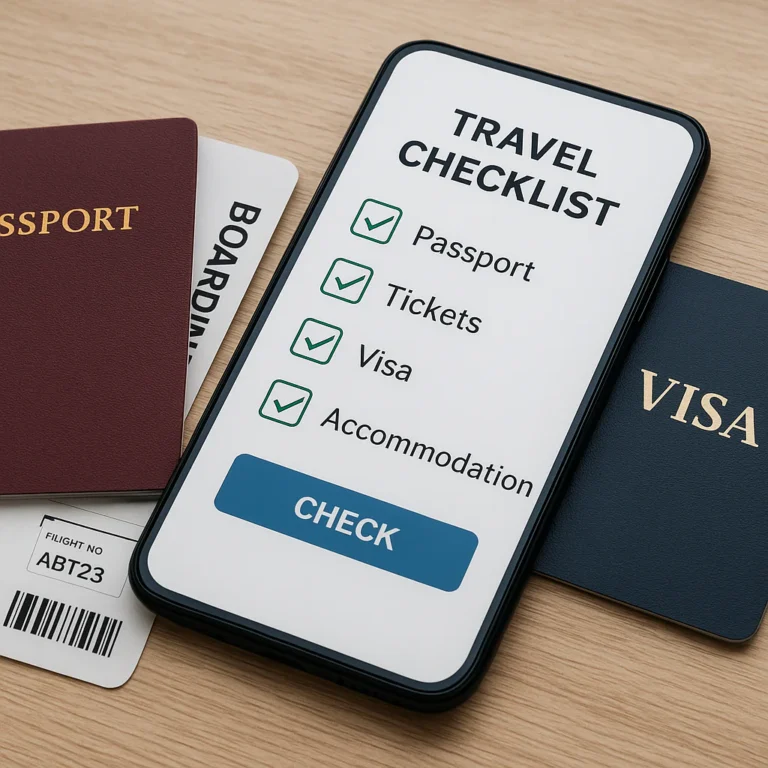
For a deeper dive into the specific checklist items we swear by, check out our comprehensive guide on what to pack for a 2-week trip checklist.
📜 The Evolution of European Travel: From Heavy Trunks to Carry-Ons
Why do we pack so much? It’s a psychological hangover from the Victorian era. Back then, a trip to Europe meant months of travel, requiring heavy trunks filled with corsets, wool suits, and enough linens to last a lifetime. Fast forward today, and the average European trip is a whirlwind 14-day dash through three or four countries.
The shift from “pack everything you own” to “pack smart” has been driven by two things: airline fees and mobility.
- The Era of the Trunk: In the 19th century, trains and ships were the norm. You didn’t have to drag your luggage up coblestone stairs or squeeze it into a tiny overhead bin.
- The Budget Airline Revolution: The rise of carriers like Ryanair and EasyJet changed the game. They introduced strict weight limits and fees for checked bags, forcing travelers to downsize.
- The Digital Nomad Shift: With the rise of remote work, people are staying in one place longer or moving faster. The “digital nomad” lifestyle, which we cover in our Digital Nomad Checklists, demands a minimalist approach.
The Lesson: The modern European traveler doesn’t need a wardrobe; they need a capsule. The goal isn’t to have a different outfit for every hour; it’s to have a versatile outfit for every vibe.
🎒 The Ultimate 2-Week Europe Packing Strategy: How Much Do You Really Need?
So, how much do you actually need? The answer depends on your travel style, but the consensus among seasoned travelers is less is more.
The Psychology of Overpacking
We’ve all done it. “What if it rains?” “What if I go to a fancy dinner?” “What if I meet a prince?” The fear of missing out (FOMO) on an outfit leads to overpacking. But here’s the reality: You will wear 80% of your clothes 20% of the time.
The “One Week + Laundry” Rule
Instead of packing for 14 days, pack for 7 days.
- Day 1-7: Wear your clothes.
- Day 8: Do laundry (sink wash or laundromat).
- Day 9-14: Wear the clean clothes again.
This strategy cuts your clothing volume in half. As noted in Routestoroam, planning as if you have no washer access is a good backup, but assuming you will have access allows you to pack lighter.
Adapting to Your Destination
- Summer in Southern Europe: Focus on breathable fabrics (linen, cotton) and sun protection.
- Shoulder Season (Spring/Fall): Layers are king. You might need a light jacket in the morning and a t-shirt by noon.
- Winter in Northern Europe: Thermal layers, a heavy coat, and waterproof boots are non-negotiable.
🧳 Luggage & Bags: Choosing the Perfect Carry-On or Checked Bag
Let’s talk hardware. Your luggage is your mobile home for two weeks. Choose wrong, and you’re miserable. Choose right, and you’re a ninja.
Carry-On vs. Checked: The Great Debate
| Feature | Carry-On Only | Checked Bag |
|---|---|---|
| Mobility | ✅ High (Hop on trains, buses, stairs) | ❌ Low (Wait at baggage claim, drag everywhere) |
| Cost | ✅ Free (usually) | ❌ Fees ($30-$10+ per leg) |
| Risk | ✅ Low (Always with you) | ❌ High (Lost/delayed luggage) |
| Capacity | ⚠️ Limited (Requires strategy) | ✅ High (Can overpack) |
| Best For | City hopping, budget travel | Long stays, winter gear, families |
Our Verdict: For a 2-week trip, carry-on only is the way to go unless you are bringing specialized gear (like ski equipment) or traveling with a baby.
Top Luggage Recommendations
When choosing a bag, look for durability, weight, and wheels. Four wheels (spinner) are essential for navigating airports and train stations.
- Monos Carry-On: Known for its sleek design and durability. It fits most international carry-on limits.
- Away The Carry-On: A favorite for its built-in compression system and 360-degree wheels.
- Brics X-Travel: A classic choice for those who want a bit more structure.
- TOMTOC: Great for tech-heavy travelers who need organized compartments.
👉 CHECK PRICE on:
- Monos Carry-On: Amazon | Monos Official
- Away The Carry-On: Amazon | Away Official
- Brics X-Travel: Amazon | Brics Official
The Personal Item & Day Bag
Don’t forget your personal item! This is where you keep your valuables, electronics, and a change of clothes.
- Away Everywhere Bag: Fits perfectly under the seat and expands for shopping.
- Packable Crossbody: Essential for day trips. Store it inside your personal item during the flight.
👗 Clothing: Mastering the 5-4-3-2-1 Method for Two Weeks
This is the heart of your packing strategy. The 5-4-3-2-1 Method is a proven framework to keep your wardrobe versatile and your bag light.
The Breakdown
- 5 Tops: Mix of t-shirts, tanks, and button-downs. Stick to a neutral color palette (black, white, navy, grey, beige) so everything matches.
- 4 Bottoms: 2 pairs of jeans/pants, 1 pair of shorts (if summer), 1 skirt or dress pants.
- 3 Layers: 1 light sweater, 1 cardigan, 1 jacket (rain/windproof).
- 2 Shoes: 1 pair of comfortable walking sneakers, 1 pair of versatile flats or sandals.
- 1 Extra: Swimsuit, fancy dress, or a hat.
Fabric Matters
- Merino Wool: The holy grail of travel fabrics. It resists odors, regulates temperature, and dries quickly. Brands like Unbound Merino are game-changers.
- Linen: Perfect for summer, but wrinkles easily. Embrace the look!
- Synthetics: Avoid cheap polyester; it traps odors. Look for moisture-wicking blends.
Style vs. Comfort
As Camille Styles points out, European fashion leans towards minimalist and chic. Avoid the “American tourist” look (sweatsuits, oversized logos, athletic wear for sightseeing). You want to blend in.
👉 CHECK PRICE on:
- Unbound Merino Tops: Amazon | Unbound Merino Official
- Columbia Rain Jacket: Amazon | Columbia Official
👟 Shoes: The Art of Walking 20,0 Steps in Style
Your feet are your primary mode of transportation in Europe. If your shoes hurt, your trip is ruined.
The Golden Rule: Break Them In
Never, ever wear brand-new shoes on a 2-week trip. Break them in for at least two weeks before you leave.
The 2-Shoe Strategy
- The Workhorse: A high-quality sneaker. Look for New Balance, Allbirds, or Hoka. They need to be lightweight, supportive, and neutral-colored.
Pro Tip: Wear these on the plane to save weight in your bag. - The Dress-Up: A pair of stylish flats, loafers, or clean leather sandals. These should be comfortable enough for walking but dressy enough for a nice dinner.
What to Leave Behind
❌ High heels (unless you’re going to a specific event).
❌ Flip-flops for city walking (only for the shower).
❌ Heavy boots (unless it’s winter).
👉 CHECK PRICE on:
- New Balance Sneakers: Amazon | New Balance Official
- Allbirds Tree Runers: Amazon | Allbirds Official
🧴 Toiletries: Navigating TSA-Approved Sizes and European Essentials
TSA rules are strict, but they are your friend. They force you to pack light.
The 3-1-1 Rule
- 3.4 oz (10ml) or less per container.
- 1 quart-sized clear bag.
- 1 bag per passenger.
Essential Toiletries
- Shampoo/Conditioner: Travel sizes or solid bars (saves space and no leaks).
- Dry Shampoo: A lifesaver for extending the life of your hair between washes.
- Sunscreen: Essential, even in cloudy weather.
- Insect Repellent: If visiting rural areas or in summer.
- First Aid: Band-aids, pain relievers, stomach meds.
European Shopping Tip
As Routestoroam mentions, European drugstores are often 2x more expensive than in the US. Bring your basics, but don’t stress if you forget something; you can buy it there, just at a premium.
👉 CHECK PRICE on:
- GoTob Containers: Amazon | GoTob Official
- Bumble and Bumble Dry Spun: Amazon | Bumble and Bumble Official
💇 Hair Care: Styling Solutions for Humidity and Coblestones
European weather can be unpredictable. One minute it’s sunny, the next it’s pouring.
The Strategy
- Heatless Curls: Use a heatless curling rod overnight. No heat damage, no need for a heavy dryer.
- Dry Shampoo: Keep your hair fresh between washes.
- Leave-in Conditioner: Protects against humidity and frizz.
Tools to Pack
- Dual-Voltage Hair Dryer: Essential! US dryers will blow a fuse in Europe.
- Travel Brush: Compact and durable.
- Hair Ties/Clips: You’ll need them for sightseeing.
👉 CHECK PRICE on:
- Dual-Voltage Hair Dryer: Amazon | Conair Official
- Heatless Curling Rod: Amazon | Sephora
💊 Supplements, Meds, and First-Aid: Your Health Safety Net
You don’t want to spend your vacation in a pharmacy. Be prepared.
The Essentials
- Pain Relievers: Ibuprofen or Acetaminophen.
- Stomach Meds: Pepto-Bismol, Imodium, Tums.
- Allergy Meds: Antihistamines.
- Prescriptions: Bring enough for the whole trip, plus a few extra days. Keep them in original bottles.
- First Aid: Band-aids (especially for blisters), antiseptic ointment.
Supplements
- Magnesium: Great for muscle relaxation and sleep.
- Probiotics: Helps with digestive changes due to new foods.
- Electrolytes: Essential for long travel days.
👉 CHECK PRICE on:
- Bye Bloat Supplement: Amazon | Bye Bloat Official
- Self-Heating Patches: Amazon | Thermacare Official
📱 Tech Gear & Gadgets: Power Banks, Adapters, and Connectivity
Staying connected is crucial for navigation, translation, and safety.
The Must-Haves
- Universal Power Adapter: Europe uses Type C/F plugs. Bring a universal adapter with USB ports.
- Power Bank: You’ll be using your phone for maps and photos all day. A 10,0mAh+ bank is essential.
- eSIM: Ditch the roaming fees. Services like Saily or Airalo offer affordable data plans.
- Headphones: Noise-canceling headphones are a game-changer for flights and trains.
Connectivity Tips
- eSIM Setup: Enable roaming in your settings before you leave.
- Offline Maps: Download Google Maps for your cities in case you lose signal.
👉 CHECK PRICE on:
- Anker Power Bank: Amazon | Anker Official
- Saily eSIM: Saily Official
- Sony Noise Canceling Headphones: Amazon | Sony Official
✈️ Flight Essentials: What to Wear and Carry On Board
Your flight outfit should be comfortable, layered, and stylish.
The Outfit
- Bottoms: Legings or loose-fitting pants (no tight jeans).
- Top: A breathable t-shirt or tank.
- Layer: A cardigan or light jacket.
- Shoes: Slip-on sneakers (easy for security).
- Accessories: Scarf (warmth + style), sunglasses.
In-Flight Kit
- Neck Pillow: For sleeping.
- Eye Mask & Earplugs: For blocking out light and noise.
- Compression Socks: To prevent swelling and DVT.
- Reusable Water Bottle: Fill it up after security.
- Snacks: Protein bars, nuts, dried fruit.
👉 CHECK PRICE on:
- Trtl Neck Pillow: Amazon | Trtl Official
- Compression Socks: Amazon | Sockwell Official
🧦 Undergarments: The Unsung Heroes of a 14-Day Trip
Don’t underestimate the power of good undergarments.
The Count
- Underwear: Pack 7-10 pairs. You can wash them in the sink.
- Bras: 2-3 pairs (1 sports bra, 1 everyday, 1 strapless if needed).
- Socks: 5-7 pairs. Merino wool is best for odor control.
- Pajamas: 1-2 pairs.
Tips
- Laundry: Bring a small laundry bag or use a ziplock bag to separate dirty clothes.
- Material: Avoid cotton if possible; it stays wet. Choose synthetic blends or merino wool.
👉 CHECK PRICE on:
- Knix Bras: Amazon | Knix Official
- Merino Wool Socks: Amazon | Darn Tough Official
💶 Money Matters: Cash, Cards, and Budgeting for Europe
Money management is key to a stress-free trip.
The Strategy
- Cards: Bring a credit card with no foreign transaction fees. Wise or Revolut are excellent for currency conversion.
- Cash: Withdraw a small amount of local currency upon arrival for small purchases.
- Budgeting: Track your spending with an app.
Safety
- Money Belt: Keep your passport and extra cash hidden.
- Copies: Have digital and physical copies of your passport and cards.
👉 CHECK PRICE on:
- Wise Card: Wise Official
- Money Belt: Amazon | Travelon Official
🚗 Car Rental vs. Public Transport: Do You Need a Vehicle?
Europe has an amazing public transport system. Do you really need a car?
Public Transport
- Pros: Cheap, efficient, no parking hassles, eco-friendly.
- Cons: Can be crowded, less flexible for remote areas.
Car Rental
- Pros: Freedom to explore rural areas, convenient for families.
- Cons: Expensive (rental + gas + parking), stressful driving in cities, narrow roads.
Verdict: Stick to public transport for city hopping. Rent a car only if you plan to visit the countryside or small villages.
👉 CHECK PRICE on:
- DiscoverCars: DiscoverCars Official
- RentalCars.com: RentalCars.com
🛡️ Travel Insurance: Is It Worth the Hype for a 2-Week Trip?
Yes, absolutely. Medical emergencies, lost luggage, and trip cancellations happen.
What to Look For
- Medical Coverage: Ensure it covers international medical expenses.
- Trip Cancellation: Protects your investment if you can’t go.
- Lost Luggage: Reimburses you for lost items.
Top Providers
- SafetyWing: Great for digital nomads and long-term travelers.
- Insubuy: Comprehensive coverage for short trips.
👉 CHECK PRICE on:
- SafetyWing: SafetyWing Official
- Insubuy: Insubuy Official
🌍 Other Europe Essentials: SIM Cards, Plugs, and Cultural Etiquette
SIM Cards & Data
- eSIM: The easiest option. No physical SIM needed.
- Local SIM: Buy at the airport or a local store.
Plugs & Voltage
- Plugs: Type C/F (two round pins).
- Voltage: 230V. Most modern devices are dual voltage (check the label).
Cultural Etiquette
- Greetings: A handshake or a kiss on the cheek (depending on the country).
- Tipping: Service is often included, but rounding up or leaving 5-10% is appreciated.
- Dress Code: Dress modestly when visiting churches and religious sites.
🎒 Miscellaneous: The “Just in Case” Items You Won’t Regret Packing
These small items can save your trip.
- Nano Shopping Bag: Foldable bag for groceries or souvenirs.
- Handheld Fan: For hot summer days.
- Travel Towel: Quick-dry towel for beaches or hostels.
- Laundry Detergent Sheets: Lightweight and effective.
- Portable Charger: For your phone and other devices.
👉 CHECK PRICE on:
- Nano Shopping Bag: Amazon | Bagu Official
- Laundry Detergent Sheets: Amazon | Tru Earth Official
🗺️ Find Your Destination: Tailoring Your Pack to the City or Countryside
Your packing list should adapt to your destination.
- Paris/London: Focus on chic, versatile pieces. A little black dress, stylish sneakers, and a trench coat.
- Rome/Barcelona: Embrace the heat. Linen, light fabrics, and comfortable sandals.
- Swiss Alps: Layers, waterproof gear, and sturdy boots.
- Greek Islands: Swimwear, cover-ups, and light clothing.
📌 My Latest Packing Hacks & Pins
Here are a few of our favorite hacks from the Travel Checklist™ team:
- Roll, Don’t Fold: Rolling clothes saves space and reduces wrinkles.
- Packing Cubes: Use them to organize your bag and compress your clothes.
- Wear Your Bulkiest Items: Wear your jacket and heaviest shoes on the plane.
- Leave Space: Leave room in your bag for souvenirs!
📱 Follow Our Socials
Stay connected with us for more travel tips, hacks, and inspiration!
- Instagram: @TravelChecklist
- Pinterest: Travel Checklist™
- TikTok: @TravelChecklist
🏁 Conclusion: Did We Overpack or Underpack?

So, did we overpack or underpack? The answer is neither. The secret to a successful 2-week trip to Europe isn’t about the quantity of items you bring, but the quality and versatility of those items. By following the 5-4-3-2-1 method, sticking to a neutral color palette, and embracing the concept of laundry on the road, you can travel light, move freely, and enjoy your adventure without the burden of a heavy suitcase.
Remember, the goal is to experience Europe, not to carry it. Whether you’re wandering the streets of Paris, hiking the Swiss Alps, or relaxing on a Greek beach, the right packing strategy will set you up for success. So, pack smart, travel light, and enjoy the journey!
Final Recommendation: Stick to the carry-on only strategy. It’s liberating, cost-effective, and simply the best way to travel. If you find yourself needing more space, remember that you can always buy what you need in Europe (though at a premium). But trust us, you won’t need it.
🔗 Recommended Links
- Monos Carry-On: Amazon | Monos Official
- Away The Carry-On: Amazon | Away Official
- Unbound Merino Tops: Amazon | Unbound Merino Official
- Columbia Rain Jacket: Amazon | Columbia Official
- New Balance Sneakers: Amazon | New Balance Official
- Allbirds Tree Runers: Amazon | Allbirds Official
- GoTob Containers: Amazon | GoTob Official
- Bumble and Bumble Dry Spun: Amazon | Bumble and Bumble Official
- Bye Bloat Supplement: Amazon | Bye Bloat Official
- Self-Heating Patches: Amazon | Thermacare Official
- Anker Power Bank: Amazon | Anker Official
- Saily eSIM: Saily Official
- Sony Noise Canceling Headphones: Amazon | Sony Official
- Trtl Neck Pillow: Amazon | Trtl Official
- Compression Socks: Amazon | Sockwell Official
- Knix Bras: Amazon | Knix Official
- Merino Wool Socks: Amazon | Darn Tough Official
- Wise Card: Wise Official
- Money Belt: Amazon | Travelon Official
- DiscoverCars: DiscoverCars Official
- SafetyWing: SafetyWing Official
- Insubuy: Insubuy Official
- Nano Shopping Bag: Amazon | Bagu Official
- Laundry Detergent Sheets: Amazon | Tru Earth Official
❓ FAQ: Common Questions About Packing for 2 Weeks in Europe

How much should you budget for a Europe trip?
Budgeting for a 2-week trip to Europe varies widely depending on your travel style. A budget traveler might spend $50-$80 per day, covering hostels, public transport, and street food. A mid-range traveler could expect to spend $150-$250 per day, staying in 3-star hotels, eating at mid-range restaurants, and taking some tours. Luxury travelers can easily spend $40+ per day. Don’t forget to factor in flights, travel insurance, and souvenirs.
Read more about “✈️ How to Pack Minimally for 2 Weeks: The Ultimate 8-Step Guide (2026)”
How to pack for Europe for 2 weeks?
The key is to pack light and versatile. Use the 5-4-3-2-1 method: 5 tops, 4 bottoms, 3 layers, 2 shoes, and 1 extra item. Stick to a neutral color palette to maximize outfit combinations. Plan to do laundry once or twice during your trip. Always pack a carry-on to avoid fees and lost luggage.
Read more about “🌍 10 Packing Tips for Different Climates (2026)”
How much should you pack for a 2 week trip?
You should pack for 5-7 days and plan to do laundry. This reduces the amount of clothing you need to carry. Focus on versatile pieces that can be dressed up or down. Avoid packing “just in case” items; you can usually buy what you need in Europe.
Read more about “🚗 Ultimate Road Trip Packing Checklist: 6 Essential Categories for 2026”
How big of a bag do I need for 2 weeks in Europe?
A carry-on (typically 2x14x9 inches) is sufficient for a 2-week trip if you pack smart. If you need more space, a checked bag is an option, but be prepared for fees and the risk of lost luggage. For most travelers, a carry-on + personal item is the ideal combination.
Read more about “✅ 3-Week Trip Checklist: The Ultimate 2026 Packing Guide”
What is the best luggage size for a 2 week trip to Europe?
The best size is a carry-on that meets the airline’s size restrictions. Look for a bag with four wheels for easy maneuverability. Brands like Monos, Away, and Brics offer excellent options.
Read more about “🗓️ When to Pack for 2 Weeks: The 3-Week Rule (2026)”
How many outfits should I pack for 2 weeks in Europe?
Pack for 5-7 days of outfits. With the 5-4-3-2-1 method, you’ll have 5 tops and 4 bottoms, which can be mixed and matched to create numerous outfits. Plan to do laundry once or twice during your trip.
Read more about “🌍 How to Create a Travel Checklist for Top International Destinations (2026)”
Can I fit 2 weeks of clothes in a carry-on for Europe?
Yes, absolutely! With the right strategy (rolling clothes, using packing cubes, and planning for laundry), you can easily fit 2 weeks of clothes in a carry-on. Many travelers do this successfully every year.
Read more about “🎒 What to Pack for a 7 Day Holiday? The Ultimate 2026 Checklist”
What essentials should I pack for a 2 week European summer trip?
For a summer trip, focus on lightweight, breathable fabrics like linen and cotton. Pack sunscreen, sunglasses, a hat, and comfortable walking shoes. Don’t forget a light jacket for cooler evenings. A swimsuit is also a good idea if you plan to visit beaches or pools.
Read more about “🎒 How to Create a Personalized Travel Checklist (2026)”
📚 Reference Links
- TSA 3-1-1 Rule: TSA Official
- European Plug Types: International Power Plugs
- Merino Wool Benefits: Unbound Merino
- Saily eSIM: Saily Official
- SafetyWing Insurance: SafetyWing Official
- DiscoverCars: DiscoverCars Official
- Like Where You’re Going: 2-Week Europe Carry-On Packing List
- Routestoroam: What to Pack for 2 Weeks in Europe
- Camille Styles: 2-Week Carry-On Packing List