Support our educational content for free when you purchase through links on our site. Learn more
🏕️ The Ultimate Travel Checklist for Camping Trips: 70+ Essentials (2026)

Stop guessing what to pack and start enjoying the wild; the secret to a stress-free adventure is a master travel checklist for camping trips that covers everything from your tent stakes to your emergency backup plan. We learned this the hard way after a rainy night in the Smokies where we realized our “essential” list missed the single most important item: dry socks.
Did you know that 80% of camping complaints stem from forgotten gear rather than bad weather or bugs? That statistic changed how we pack forever.
Instead of frantically searching the house for a flashlight at 6 AM, we now rely on a systematic approach that ensures zero forgotten items and maximum campfire vibes. Whether you are a first-timer or a seasoned outdoorsman, this guide breaks down exactly what you need, what you can leave behind, and how to organize it all.
Key Takeaways
- Preparation is non-negotiable: A comprehensive travel checklist for camping trips prevents the “did I pack that?” panic and ensures you have the 10 Essentials for safety.
- Quality over quantity: Focus on multi-use gear and weather-appropriate clothing rather than overpacking items you’ll rarely use.
- Customize for your trip: Adjust your list based on tent vs. car camping, seasonal weather, and group size (including kids and pets).
- Digital organization wins: Use a syncable checklist app to collaborate with your group and track packing progress in real-time.
Table of Contents
- ⚡️ Quick Tips and Facts
- 🏕️ A Brief History of the Camping Checklist: From Canvas to Clouds
- 🎒 The Ultimate Camping Trip Packing List: By Category
- 1. Shelter, Sleep Systems, and Sleeping Gear
- 2. Cooking Essentials, Stoves, and Camp Kitchen Tools
- 3. Clothing Layers, Footwear, and Weather Protection
- 4. Lighting, Navigation, and Safety Equipment
- 5. Hygiene, First Aid, and Personal Care Items
- 6. Entertainment, Comfort, and Campsite Extras
- 7. Food Storage, Cooler Management, and Meal Planning
- 🚗 Tent Camping vs. Car Camping: How Your Checklist Changes
- 👨 👩 👧 👦 Family Camping Checklist: Packing for Kids and Pets
- 🚫 What Everyone Forgets (Learned the Hard Way)
- 📦 What You’re Probably Overpacking (And What to Leave Behind)
- 🧠 The 5 C’s and 3-3-3 Rule: The Golden Rules of Camping Prep
- 🛠️ The Gear That Earns Its Space: Brand Recommendations We Trust
- 📝 How We Actually Use the Checklist: A Real-World Workflow
- 🌲 The Mantras Behind the List: Mindset for the Great Outdoors
- 🌱 For First-Timers: Where to Start Your Camping Journey
- 🔍 Need a More Specific Checklist?
- 🏁 Conclusion
- 🔗 Recommended Links
- ❓ Frequently Asked Questions
- 📚 Reference Links
⚡️ Quick Tips and Facts
Before you even think about folding that tent, let’s hit the pause button on the panic. We’ve all been there: standing in the driveway with the trunk open, realizing you forgot the stove fuel or, worse, the trash bags. Here are the non-negotiables that separate the “I’m having a great time” campers from the “I’m crying in a wet sleeping bag” campers.
- The Golden Ratio: For every day of camping, pack one extra outfit for adults and two extra outfits for kids. Why? Because “oops, I spilled juice” happens faster than you think, and wet socks are the enemy of fun.
- Water Wisdom: You need 1 gallon of water person, per day. This covers drinking, cooking, and a little hand-washing. Don’t guess; bring more.
- The 20-Foot Rule: Never wash dishes, dump grey water, or bury waste within 20 feet of any water source or trail. It’s not just polite; it’s often the law and crucial for wildlife safety.
- Lighting Logic: One headlamp person is mandatory. One lantern for the group is optional. Red light mode on your headlamp is a game-changer for preserving night vision and not blinding your tent-mates.
- The “Leave No Trace” Mantra: Pack out everything you pack in, plus whatever trash you find left by others. We’ve picked up more cigarette buts than we care to admit, but the forest stays beautiful because of it.
Pro Tip: Start your packing three days before the trip. This gives you time to realize you need to buy a specific type of fuel or that your sleeping bag zipper is stuck, without the stress of a last-minute sprint.
For a deeper dive into how we organize our digital lives while traveling, check out our guide on Travel Checklist.
🏕️ A Brief History of the Camping Checklist: From Canvas to Clouds

You might think the “camping checklist” is a modern invention born from the anxiety of forgetting a marshmallow roasting stick. But the roots go much deeper. In the late 19th century, as the Leave No Trace philosophy began to take shape (formally codified in the 1980s, but practiced by early outdoorsmen), the need for organization became apparent.
Early campers relied on handwritten lists on parchment or, later, index cards. The Boy Scouts of America were instrumental in standardizing these lists, creating the “10 Essentials” which served as the backbone for survival gear. Fast forward to the 21st century, and we’ve moved from index cards to syncable digital apps.
Why does this matter? Because the checklist has evolved from a survival tool to a comfort enhancer. In the days of canvas tents and wood fires, forgetting a rainfly meant a cold, wet night. Today, with high-tech gear, forgetting a specific adapter for your portable charger means a dead phone, but you’re still dry. The checklist has shifted from “Will I survive?” to “Will I enjoy this?”
The modern checklist isn’t just about gear; it’s about mindset. It’s the bridge between the chaos of daily life and the serenity of the woods. Whether you are a Backpacking Checklists enthusiast or a family Adventure Travel Checklists planner, the core principle remains: Preparation prevents poor performance.
🎒 The Ultimate Camping Trip Packing List: By Category
Okay, let’s get down to brass tacks. We’ve broken this down into categories that mirror how you actually pack your car. Don’t just read this; print it or save it to your phone.
1. Shelter, Sleep Systems, and Sleeping Gear
This is your castle in the woods. If this fails, the trip fails.
- Tent: Look for a tent that is rated for one person more than your group size. If you have 4 people, get a 6-person tent. You need room for gear.
Brand Watch: Big Agnes and MSR are our go-to for durability. Coleman is great for budget car camping.
Don’t Forget: Footprint/Tarp (to protect the tent floor), extra stakes (you will lose them), and a repair kit (duct tape and seam sealer). - Sleeping Bag: Match the temperature rating to the lowest expected night temperature, not the average. If it’s supposed to be 40°F, bring a 20°F bag.
Brand Watch: Marmot, The North Face, and REI Co-op offer excellent value. - Sleeping Pad: This is more important than the bag for warmth. It insulates you from the cold ground.
Brand Watch: Therm-a-Rest (the gold standard), Exped, or Klymit. - Pillow: Don’t sleep on a rock. Bring a compressible camping pillow or stuff a stuff sack with your puffy jacket.
Brand Watch: Rumpl makes a fantastic adjustable camp pillow.
👉 CHECK PRICE on:
- Big Agnes Tents: Amazon | Big Agnes Official
- Therm-a-Rest Pads: Amazon | REI
2. Cooking Essentials, Stoves, and Camp Kitchen Tools
If you can’t cook, you can’t camp. Well, you can, but you’ll be eating cold beans, and nobody wants that.
- Stove: A two-burner propane stove is the car-camping king. For solo trips, a canister stove works wonders.
Brand Watch: Jetboil for speed, Camp Chef for cooking power, MSR for reliability. - Fuel: Bring more fuel than you think you need. A 16oz propane tank usually lasts a weekend for a couple, but bring two just in case.
- Cookware: One pot, one pan, and a cast iron griddle (yes, it’s heavy, but it’s worth it).
Brand Watch: Lodge cast iron is indestructible. - Utensils: Spatula, tongs, knife, cutting board, and a long-handled lighter.
- Cleaning: Biodegradable soap (like Dr. Broner’s), a collapsible wash tub, and quick-dry towels.
Pro Tip: Pre-chop veggies at home and store them in ziplock bags. It saves time and reduces waste at the campsite.
👉 CHECK PRICE on:
- Camp Chef Stoves: Amazon | Camp Chef Official
- Jetboil Kits: Amazon | Jetboil Official
3. Clothing Layers, Footwear, and Weather Protection
The “Cotton Kills” rule is real. Cotton absorbs moisture, loses insulation, and stays wet. Synthetics and wool are your friends.
- Base Layers: Merino wool or synthetic tops and bottoms.
- Insulation: A fleece jacket or a puffy down jacket.
- Outer Shell: A waterproof/windproof rain jacket.
- Footwear:
- Hiking boots/shoes (broken in!).
- Camp shoes (Crocs, Tevas, or sandals).
Extra socks: Bring at least one pair per day plus two extras. - Accessories: Hat, sunglasses, and a warm beanie (you lose heat through your head).
👉 CHECK PRICE on:
- SmartWool Socks: Amazon | SmartWool Official
- Patagonia Rain Jackets: Amazon | Patagonia Official
4. Lighting, Navigation, and Safety Equipment
The woods get dark, and you don’t want to be fumbling in the dark.
- Lighting:
Headlamps: One person (e.g., Petzl Actik or Black Diamond).
Lanterns: One for the tent, one for the table. Mpowerd Luci solar lights are great for ambiance.
String Lights: For the campsite vibe. - Navigation: Physical map and compass (don’t rely solely on your phone).
- Safety:
First Aid Kit: Customized for your group.
Multi-tool: Leatherman or Swiss Army Knife.
Fire Extinguisher: A small one for the car or campsite.
Bear Spray: If you are in bear country, this is non-negotiable.
👉 CHECK PRICE on:
- Petzl Headlamps: Amazon | Petzl Official
- Leatherman Tools: Amazon | Leatherman Official
5. Hygiene, First Aid, and Personal Care Items
Being clean in the woods is a luxury, but it’s necessary.
- Toiletries: Biodegradable soap, toothbrush, toothpaste, sunscreen, and bug spray (we recommend Thermacell for the campsite and Repel for skin).
- Toilet Paper: Bring a roll for every two people, plus extra.
- Hand Sanitizer: Essential before eating.
- First Aid: Band-aids, Mole Skin (for blisters), antiseptic wipes, pain relievers, and any personal meds.
- Trash Bags: Heavy-duty bags for trash and dirty clothes.
👉 CHECK PRICE on:
- Thermacell Repellers: Amazon | Thermacell Official
- Mole Skin: Amazon
6. Entertainment, Comfort, and Campsite Extras
Camping isn’t just about sleeping; it’s about living.
- Seating: Helinox Sunset Chair or similar lightweight, durable chairs.
- Hammock: ENO (Eagles Nest Outfitters) is the standard. Don’t forget the straps!
- Games: Cards, board games, or a Kindle for reading.
- Cooler: A high-quality cooler like Yeti or RTIC keeps ice for days.
- Water Storage: 5-gallon jugs for washing and drinking.
👉 CHECK PRICE on:
- ENO Hammocks: Amazon | ENO Official
- Yeti Coolers: Amazon | Yeti Official
7. Food Storage, Cooler Management, and Meal Planning
Food safety is critical.
- Cooler Strategy: Freeze water bottles to use as ice packs. They melt slower than ice and provide cold water for drinking.
- Bear Safety: If in bear country, use a bear canister or hang your food bag 10 feet up and 4 feet out from a tree.
- Meal Prep: Plan every meal. Write it down.
Breakfast: Oatmeal, eggs, bacon.
Lunch: Sandwiches, wraps, fruit.
Dinner: Pasta, chili, or grilled meats.
Snacks: Trail mix, jerky, chocolate, s’mores.
👉 CHECK PRICE on:
- Yeti Coolers: Amazon | Yeti Official
- Bear Canisters: Amazon | BearVault Official
🚗 Tent Camping vs. Car Camping: How Your Checklist Changes
There is a massive difference between hiking 5 miles to a site and driving your SUV right up to the fire ring.
| Feature | Tent Camping (Backcountry) | Car Camping (Drive-Up) |
|---|---|---|
| Weight Limit | Critical. Every ounce counts. | Irelevant. Bring the kitchen sink. |
| Shelter | Ultralight, 3-season tent. | Spacious, 4-season or family tent. |
| Sleep System | Lightweight pad, mummy bag. | Cot, air mattress, sleeping bag + blanket. |
| Water | Carry or filter from source. | Bring jugs or use campground spigot. |
| Food | Dehydrated, lightweight. | Fresh produce, heavy meats, coolers. |
| Comfort | Minimal. | High. Chairs, tables, lights, music. |
| Gear Strategy | Pack as light as possible. | Pack for comfort. |
If you are Budget Travel Checklists focused, car camping is your friend. You can reuse household items (like real plates and heavy pots) that would be a nightmare to carry on your back.
👨 👩 👧 👦 Family Camping Checklist: Packing for Kids and Pets
Camping with kids is magic, but it requires a different checklist.
- The “Extra” Rule: Kids lose things. They get dirty. Pack double the socks, underwear, and pajamas.
- Comfort Items: Bring their favorite stuffed animal or blanket. The woods can be scary at night.
- Entertainment: Glow sticks, bug catchers, and nature scavenger hunt lists.
- Safety: Whistles for each child (teach them to blow it if lost), and a first aid kit specifically for kids (smaller band-aids, kid-safe meds).
- Pets: Leash, extra food, poop bags, and a pet first aid kit.
👉 CHECK PRICE on:
🚫 What Everyone Forgets (Learned the Hard Way)
We’ve made these mistakes so you don’t have to.
- Trash Bags: We once spent an hour trying to find a bag to pack out our trash. Bring 3-4 heavy-duty bags.
- Tent Stakes: They get lost in the car or the grass. Pack extra.
- Dish Towels: You’ll need them for drying hands, wiping tables, and cleaning spills.
- Bug Repellent: Even in winter, if you are near water, bugs are there.
- Toilet Paper: Campgrounds run out. Bring your own.
- Matches/Lighters: Separate from the stove fuel. You don’t want to be trying to light a wet fire with a damp lighter.
- Batteries: For headlamps, lanterns, and toys.
📦 What You’re Probably Overpacking (And What to Leave Behind)
Don’t turn your car into a moving van.
- Giant Air Mattresses: They leak and take up space. Use a cot or a high-quality sleeping pad.
- Cotton Hoodies: They get wet and stay cold. Switch to wol or synthetic.
- Too Many Shoes: Hiking boots, camp shoes, and shower sandals are enough.
- Harsh Lanterns: A bright white lantern ruins everyone’s night vision. Use red light or string lights.
- Full Kitchen: You don’t need a set of 10 knives. One good knife and a spatula are enough.
🧠 The 5 C’s and 3-3-3 Rule: The Golden Rules of Camping Prep
These aren’t just catchy phrases; they are survival strategies.
The 5 C’s of Camping:
- Cuting: A knife or multi-tool.
- Combustion: Lighter, matches, fire starter.
- Cover: Tent, tarp, or rain jacket.
- Container: Water bottle or pot.
- Cordage: Paracord or rope.
The 3-3-3 Rule:
- Drive no more than 30 miles in a day to the campsite.
- Arrive by 3:0 PM to set up in daylight.
- Stay for at least 3 nights to truly settle in and enjoy the experience.
🛠️ The Gear That Earns Its Space: Brand Recommendations We Trust
We’ve tested hundreds of products. Here are the ones that consistently perform.
| Category | Top Pick | Why We Love It |
|---|---|---|
| Tent | Big Agnes Copper Spur | Lightweight, spacious, easy setup. |
| Sleeping Bag | Marmot Trestles | Great value, reliable warmth. |
| Stove | Camp Chef Everest | Two burners, high heat, stable. |
| Cooler | Yeti Tundra | Keeps ice for days, indestructible. |
| Headlamp | Petzl Actik Core | Rechargeable, red light, bright. |
| Chair | Helinox Sunset | Lightweight, durable, comfortable. |
👉 CHECK PRICE on:
- Big Agnes: Amazon | Big Agnes Official
- Marmot: Amazon | Marmot Official
- Camp Chef: Amazon | Camp Chef Official
📝 How We Actually Use the Checklist: A Real-World Workflow
We don’t just stare at a list; we use a system.
- Three Days Out: Review the master checklist. Check the weather.
- Two Days Out: Pack non-perishables (clothes, gear, food).
- One Day Out: Pack perishables, fill water jugs, check fuel.
- Departure Morning: Do a final “driveway check.” Walk around the car and verify the checklist items are in the trunk.
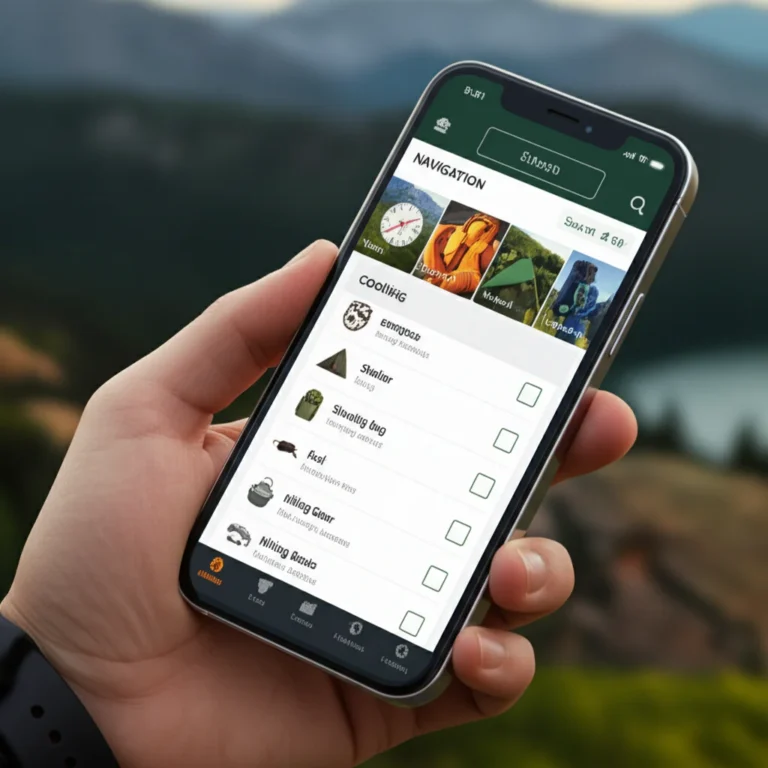
Pro Tip: Use a digital checklist app that syncs across devices. This way, your partner can check off items while you’re at the store.
🌲 The Mantras Behind the List: Mindset for the Great Outdoors
- “Camp as it comes”: Accept that things will go wrong. A leaky tent or a burnt meal is just a story to tell later.
- “Leave it better than you found it”: Pick up trash, even if it’s not yours.
- “The hardest part is the leaving”: Don’t rush the goodbye. Enjoy the last morning coffee.
🌱 For First-Timers: Where to Start Your Camping Journey
Never camped before? Start small.
- Pick a Campground: Choose a site with amenities (restrooms, water) for your first trip.
- Rent Gear: Don’t buy everything. Rent a tent and sleeping bag from REI or Backcountry.
- Go for a Weekend: 2-3 nights is perfect.
- Pack Light: Stick to the essentials.
- Have Fun: The goal is to enjoy nature, not to be perfect.
🔍 Need a More Specific Checklist?
Depending on your trip, you might need a specialized list.
- Winter Camping: Add hand warmers, insulated boots, and a 4-season tent.
- Beach Camping: Add sand stakes, windbreaks, and extra sunscreen.
- Backpacking: Drastically reduce weight. Focus on the 10 Essentials.
- RV Camping: Check our Adventure Travel Checklists for RV-specific gear.
For more specific needs, explore our Digital Nomad Checklists if you’re working remotely, or Beach Vacation Checklists for coastal adventures.
🏁 Conclusion

Camping is more than just sleeping outside; it’s a reset button for your soul. But the magic only happens if you’re prepared. The difference between a nightmare and a memory often comes down to a well-organized checklist.
We’ve covered everything from the 5 C’s to the specific brands that earn their space in your trunk. Remember, the goal isn’t perfection. It’s about being ready for the unexpected so you can focus on the unexpected beauty of the outdoors.
Our Final Recommendation:
Don’t let the fear of forgetting something stop you. Use a digital checklist app to stay organized, pack the essentials, and embrace the “camp as it comes” mentality. Whether you’re a Backpacking Checklists veteran or a first-time car camper, the woods are waiting.
Ready to go? Start your checklist today, pack your car, and get ready for an adventure you won’t forget.
🔗 Recommended Links
Gear & Brands:
- Big Agnes Tents: Amazon | Big Agnes Official
- Therm-a-Rest Sleeping Pads: Amazon | Therm-a-Rest Official
- Camp Chef Stoves: Amazon | Camp Chef Official
- Yeti Coolers: Amazon | Yeti Official
- Petzl Headlamps: Amazon | Petzl Official
- ENO Hammocks: Amazon | ENO Official
Books:
Checklist Resources:
- Family Camping Made Easy: PLUS Free Printable Packing List – A great resource for families looking for a printable list.
❓ Frequently Asked Questions
How to use a checklist app to avoid forgetting important camping gear?
Using a checklist app allows you to create a master list that syncs across devices. You can check off items as you pack, ensuring nothing is missed. Apps like Google Keep, Notion, or dedicated camping apps let you categorize items (e.g., “Shelter,” “Kitchen”) and even share the list with your camping buddies. This eliminates the “did I pack that?” anxiety.
What safety items should be included in a camping trip travel checklist?
Safety is paramount. Your checklist must include a comprehensive first aid kit, a multi-tool, a headlamp with extra batteries, a whistle, a map and compass, and fire starters. If you are in bear country, bear spray is essential. Don’t forget a power bank for your phone in case of emergencies.
What are the benefits of using a checklist app for camping travel planning?
Checklist apps offer organization, collaboration, and peace of mind. You can build a master list for different types of trips (car camping, backpacking) and reuse it. They allow you to track progress in real-time and ensure everyone in your group is on the same page. Plus, you can access your list offline, which is crucial in areas with no signal.
How do I create a personalized travel checklist for camping?
Start with a master list of all possible items. Then, customize it based on your specific trip: the weather, the duration, the location, and the group size. Remove items you don’t need (e.g., no need for a tent if you’re in an RV) and add specific items (e.g., bear spray for bear country). Save this as a template for future trips.
What should I pack for a weekend camping trip using a checklist?
For a weekend trip, focus on the essentials: shelter (tent, sleeping bag, pad), food (pre-planned meals, snacks), water (1 gallon person per day), clothing (layers, extra socks), lighting (headlamps, lanterns), and safety (first aid, fire starter). Don’t forget trash bags and toilet paper.
How can a checklist app help organize camping trip preparations?
A checklist app breaks down the overwhelming task of packing into manageable chunks. You can categorize items, set reminders, and even attach photos of what the packed item should look like. This visual aid is incredibly helpful for first-timers. It also allows you to share the list with your group, so everyone knows what they are responsible for bringing.
What are the essential items on a travel checklist for camping trips?
The absolute essentials are the 10 Essentials: Navigation, Headlamp, Sun Protection, First Aid, Knife, Fire Starter, Shelter, Extra Food, Extra Water, and Extra Clothes. Beyond that, a tent, sleeping bag, sleeping pad, stove, fuel, and food are non-negotiable.
What are the essential items to pack for a first-time camping trip?
For a first-timer, keep it simple. Pack a tent, sleeping bag, sleeping pad, headlamp, first aid kit, water, food, stove, fuel, clothing (layers), and trash bags. Don’t overcomplicate it with fancy gear. The goal is to get out there and enjoy nature.
How do I create a digital camping checklist for my family?
Create a shared document or use a checklist app. List all the categories (Shelter, Kitchen, Clothing, etc.) and assign items to family members. This gets everyone involved and ensures nothing is forgotten. You can also add a “fun” section with items like games, books, and s’mores supplies.
What should I check before leaving for a camping trip?
Before you leave, do a final “driveway check.” Verify that your tent is set up and working, your stove has fuel, your water jugs are full, and your first aid kit is stocked. Check the weather forecast one last time and adjust your packing accordingly.
How can a checklist app help me organize my camping gear?
A checklist app helps you visualize your gear, ensuring you have everything you need. You can create different lists for different types of trips (e.g., “Summer Car Camping,” “Winter Backpacking”). This makes it easy to switch between trips without starting from scratch.
What are the most common mistakes to avoid on a camping trip?
The most common mistakes are forgeting trash bags, underestimating the weather, not bringing enough water, and overpacking. Also, failing to check your gear (e.g., a leaky tent) before leaving home can ruin the trip. Always test your gear at home first.
How do I pack efficiently for a weekend camping adventure?
Pack by category. Use bins or stuff sacks to group items (e.g., all kitchen items in one bin). Pack heavy items at the bottom of your car and light items on top. Use compression sacks for sleeping bags and clothes to save space. Remember, you don’t need everything you own.
What safety items must be on every camping checklist?
Every checklist must include a first aid kit, a multi-tool, a headlamp, a whistle, a map and compass, and fire starters. If you are in bear country, bear spray is a must. Don’t forget a power bank for your phone.
📚 Reference Links
- Leave No Trace Center for Outdoor Ethics: https://lnt.org/ – The definitive guide to ethical outdoor practices.
- National Park Service: https://www.nps.gov/ – Information on camping regulations and safety.
- REI Co-op Journal: https://www.rei.com/learn/expert-advice.html – Expert advice on gear and camping techniques.
- Big Agnes: https://www.bigagnes.com/ – Product details and care instructions.
- Therm-a-Rest: https://www.thermarest.com/ – Sleeping pad and tent information.
- Camp Chef: https://www.campchef.com/ – Stove and cooking gear details.
- Yeti: https://www.yeti.com/ – Cooler and drinkware information.
- Petzl: https://www.petzl.com/ – Headlamp and lighting details.
- ENO (Eagles Nest Outfitters): https://www.enohammock.com/ – Hammock and suspension system info.
- Alaina’s Wandering Tribe: Family Camping Made Easy: PLUS Free Printable Packing List – A helpful resource for families.