Support our educational content for free when you purchase through links on our site. Learn more
❄️ 15 Best Coolcation Destinations & Packing Lists

The best coolcation destinations and packing checklists pair the right cooler-weather escape with flexible layers, reliable rain gear, and activity-ready essentials. Our top picks include Iceland, Norway, Scotland, Alaska, and the Canadian Rockies—but the best choice for you depends on whether you’re after mountain hikes, coastal scenery, wildlife, or a breezy city break.
We’ve learned that “summer trip” doesn’t always mean shorts and sandals. A sunny morning can turn into a windy afternoon on an exposed trail, so our advice is to pack for changing conditions—not just the forecast you saw while booking. 🌦️
Use the destination guide to find your kind of coolcation, then tailor the packing checklist to your itinerary. A waterproof shell, comfortable footwear, warm mid-layer, and sun protection are a strong starting kit almost anywhere.
Key Takeaways
- Choose a destination around your travel style: fjords, islands, mountains, wildlife, and cool-weather cities offer very different experiences.
- Pack adaptable layers: a base layer, warm mid-layer, and waterproof shell are more useful than a suitcase full of single-purpose outfits.
- Plan for real conditions: check local forecasts, transport schedules, trail access, and seasonal opening dates before you go.
- Keep outdoor essentials handy: walking shoes, sun protection, water, snacks, and a small first-aid kit can make a cool-weather day safer and more comfortable.
- Use a personalized checklist: organize packing, bookings, documents, and reminders in the Travel Checklist™ app so the rain jacket doesn’t get left behind.
Table of Contents
- ⚡️ Quick Tips and Facts for Coolcation Planning
- ❄️ What Is a Coolcation? The Rise of Cooler Summer Travel
- 🧭 How to Choose the Best Coolcation Destination
- Best Time to Visit and Typical Summer Weather
- Budget, Accessibility, Crowds, and Travel Style
- 🌍 15 Best Coolcation Destinations for Summer Travel
- 1. Iceland: Glaciers, Hot Springs, and Midnight Sun
- 2. Norway: Fjords, Scenic Railways, and Cool Coastal Air
- 3. Finnish Lapland: Lakes, Forests, and Long Summer Days
- 4. Swedish Lapland: Sámi Culture and Arctic Wilderness
- 5. Scotland: Highlands, Islands, and Misty Trails
- 6. Ireland: Breezy Coastlines and Lush Countryside
- 7. Faroe Islands: Dramatic Cliffs and Quiet Villages
- 8. Alaska: Glaciers, Wildlife, and Vast Open Spaces
- 9. Canadian Rockies: Alpine Lakes and Mountain Towns
- 10. San Francisco and the Northern California Coast: Fogy Summer Escapes
- 11. Maine: Cool Atlantic Air and Coastal Charm
- 12. Tasmania: Crisp Days and Southern Hemisphere Scenery
- 13. New Zealand’s South Island: Alpine Adventures and Winter Cool
- 14. The Azores: Mild Island Weather and Volcanic Landscapes
- 15. The Dolomites: High-Altitude Trails and Mountain Refuges
- 🗺️ Coolcation Itineraries for Different Trip Lengths
- A Long Weekend: The 24–48-Hour Coolcation
- One Week: A Scenic, Slower-Paced Escape
- Two Weeks: A Multi-Region Coolcation Adventure
- 🎒 The Complete Coolcation Packing Checklist
- Clothing Layers for Changeable Weather
- Rain Gear, Wind Protection, and Warm Accessories
- Walking Shoes, Hiking Boots, and Everyday Footwear
- Travel Documents, Electronics, and Toiletries
- Day-Hike Essentials and Outdoor Safety Gear
- Destination-Specific Packing Add-Ons
- 🧳 Carry-On Packing List for a Cool-Weather Trip
- The 5-4-3-2-1 Packing Method for a Compact Wardrobe
- The Sudoku Packing Method: Fit More Without Overstuffing
- Carry-On Dimensions Decoded: What 22 × 14 × 9 Inches Really Means
- What to Pack for a European Coolcation
- 🧩 Packing Cubes, Compression Bags, and Smart Luggage Organization
- Packing Cubes vs. Compression Cubes: Which Is Better for Your Trip?
- How to Organize Layers, Laundry, and Wet-Weather Gear
- Choosing Luggage and Organizers for Your Coolcation
- 🚆 Getting Around: Flights, Trains, Ferries, and Road Trips
- 💡 Coolcation Travel Tips: Weather, Safety, and Sustainable Choices
- Checking Forecasts and Preparing for Rapid Weather Changes
- Sun Protection in Cool and Cloudy Conditions
- Responsible Wildlife Viewing and Leave No Trace Travel
- Booking Accommodation and Activities in Peak Season
- ✅ Final Coolcation Planning Checklist
- Conclusion
- Recommended Links
- FAQ
- Reference Links
⚡️ Quick Tips and Facts for Coolcation Planning
If you’re weighing cooler summer escapes, start with our guide to top travel destinations—then match the destination to your weather tolerance, activity level, and packing style. At Travel Checklist™, we plan for the forecast and the plot twist: a sunny trail can become a windy ridge before your coffee gets cold. 🌦️
| Quick fact | What it means for your trip |
|---|---|
| A coolcation is a holiday in a cooler place, often chosen to avoid summer heat. | Look north, coastward, or higher in elevation—but check local conditions rather than assuming “cool” means dry or mild. |
| Layers beat bulky outfits. | Pack a moisture-wicking base, an insulating mid-layer, and a waterproof, wind-resistant shell. |
| Weather varies sharply by activity and elevation. | A town stroll, mountain hike, and boat trip may need three different clothing plans on the same day. |
| “Cool” does not mean “no sun.” | Bring sunscreen, sunglasses, and a hat, especially for high-altitude or reflective environments. |
| A great packing list is personal. | Build separate checklists for clothes, documents, outdoor gear, medications, and destination-specific needs. |
Our fast packing formula: base layer + warm layer + rain shell, comfortable footwear, sun protection, reusable water bottle, and a dry bag for damp gear. The first featured video’s central advice is spot-on: “We’re not packing for a place more as we are packing for unpredictability.” Watch the featured video.
✅ Do: Check the forecast close to departure, then pack for the coldest and wetest activity on your itinerary.
❌ Don’t: Assume a coastal destination will be warm just because it’s summer—or that cloud cover provides reliable sun protection.
Planning a hiking or kayaking escape? Browse our Adventure Travel Checklists. For a simpler packing system, use the Travel Checklist™ app to keep trip tasks, gear lists, and reminders together.
❄️ What Is a Coolcation? The Rise of Cooler Summer Travel
A coolcation is a summer trip built around milder temperatures, fresh air, and outdoor exploration instead of heat-soaked city breaks. Think fjords, forest trails, northern islands, mountain towns, and breezy coastlines.
Travelpro describes the idea as an alternative to Europe’s hottest, most crowded destinations, highlighting places such as Norway, Sweden, Finland, Iceland, Scotland, the Faroe Islands, and the Alps. Its practical message is simple: “pack layers” and “be prepared for changing weather.” That advice applies just as well to a cool summer road trip in North America.
Coolcation doesn’t necessarily mean cold. It can mean a coastal climate that feels comfortable for walking, a mountain region with cooler evenings, or a northern destination where long daylight hours make outdoor days feel gloriously oversized. But conditions can change quickly: sunshine, wind, rain, and chilly evening temperatures may all make an appearance.
Coolcation versus cold-weather holiday
| Coolcation | Cold-weather holiday |
|---|---|
| Usually planned for summer or shoulder season | Often planned specifically for winter conditions |
| Focuses on avoiding heat and enjoying milder weather | May involve snow, ice, and below-freezing temperatures |
| Calls for adaptable layers and rain protection | Often requires dedicated cold-weather clothing and equipment |
| Activities may include hiking, sightseeing, kayaking, and scenic drives | Activities may include skiing, snowboarding, and snowshoeing |
The distinction matters for packing. On a coolcation, you usually don’t need a suitcase full of expedition-grade clothing. You do need layers that work together, reliable rain protection, and footwear suited to your plans. The National Park Service’s hiking safety guidance likewise emphasizes planning ahead and preparing for conditions on the trail.
🧭 How to Choose the Best Coolcation Destination
Before picking a destination because it looks terrific in a photograph, ask what kind of “cool” you want. A misty island, an alpine resort, and a northern city can all deliver relief from summer heat—but their weather, transport, and activity demands are very different.
Best Time to Visit and Typical Summer Weather
Start with the seasonal pattern, not one average temperature. Coastal wind can make a mild day feel chilly; mountain elevations can bring sudden weather changes; northern daylight can stretch well into the evening.
| Destination type | What to research | Packing implication |
|---|---|---|
| Arctic and subarctic | Daylight, rain, wind, road access, and seasonal services | Windproof layers, rain gear, and flexible plans |
| Mountain regions | Trail conditions, elevation gain, storms, and refuge opening dates | Grippy footwear, warm mid-layer, shell, and extra water |
| Atlantic islands | Wind, rain, ferry schedules, and exposed trails | Waterproof shell, quick-drying clothes, and backup transport plans |
| Coastal cities | Fog, breezes, and day-to-night temperature changes | Light layers and a compact jacket |
| Southern Hemisphere destinations | Local winter dates and shorter daylight | Warm clothing, early activity starts, and winter transport checks |
Use official weather services when making decisions. For example, Met Office climate information provides UK climate resources, while NOAA climate data supports planning for US destinations. A climate average is a starting point, not a promise from the weather gods.
Budget, Accessibility, Crowds, and Travel Style
Cooler destinations can still be busy in peak season, and remote places may be more challenging to reach than their “quiet escape” reputation suggests. Consider:
- Transport: Are you comfortable driving on narrow roads, taking ferries, or booking domestic flights?
- Accessibility: Check trail gradients, step-free transport, accommodation access, and the distance between services.
- Crowds: Small islands and popular national parks can have limited lodging and activity capacity.
- Travel pace: A scenic region may reward fewer hotel changes and more time in each base.
- Interests: Choose between wildlife, hiking, food, museums, road trips, kayaking, or a mix.
- Flexibility: In changeable climates, leave room to swap an exposed hike for a town visit or museum day.
For lower-cost planning ideas, see our Budget Travel Checklists. If your trip includes remote work, our Digital Nomad Checklists can help you separate office essentials from hiking socks. The socks, regrettably, are not a suitable laptop stand.
🌍 15 Best Coolcation Destinations for Summer Travel
These destinations span Arctic coastlines, temperate islands, mountain scenery, and cool-weather cities. “Best” depends on what you want from a trip, so we’ve included the strongest reason to go, a practical consideration, and a packing note for each.
1. Iceland: Glaciers, Hot Springs, and Midnight Sun
Iceland combines volcanic landscapes, waterfalls, geothermal bathing, and long summer days. The Icelandic Tourist Board is a helpful starting point for regional trip planning and seasonal experiences.
The Ring Road is popular for good reason, but smaller towns and regional detours can reward travelers willing to slow down. Akureyri, the Westfjords, and the Westman Islands each offer a different feel. One traveler account in Ottsworld’s coolcation guide describes hiking Eldfell on Heimaey, where the 1973 eruption reshaped the island, and recommends seeking out quieter places beyond the busiest stops.
Pack: Waterproof shell and trousers, sturdy walking shoes, a warm mid-layer, and a swimsuit for geothermal pools.
Plan for: Wind, rain, changing road conditions, and driving distances that can look shorter on a map than they feel in the car.
2. Norway: Fjords, Scenic Railways, and Cool Coastal Air
Norway is tailor-made for scenic travel: fjords, mountain roads, coastal towns, and rail routes that make the journey part of the sightseeing. Explore official route and activity information through Visit Norway.
For an alternative to a hurried checklist of famous stops, consider a slower route through fjord country. Ottsworld’s firsthand guide describes kayaking in Geirangerfjord, driving the Atlantic Ocean Road, and visiting Ålesund. The practical caveat: mountain roads may open seasonally, and weather can interrupt outdoor plans. Check road information before setting off.
Pack: A waterproof shell, walking shoes with good grip, warm layers, and a dry bag for boat or kayak outings.
Best for: Travelers who enjoy road trips, hiking, water activities, and postcard-level scenery around every bend.
3. Finnish Lapland: Lakes, Forests, and Long Summer Days
In summer, Finnish Lapland offers forests, lakes, national parks, and northern light that seems reluctant to clock out. Explore parks and trails through Finland’s national parks service.
This is a strong choice for travelers who want quieter nature-based days rather than a packed city itinerary. Bring insect protection and check local conditions, especially if you plan to hike or spend long hours outdoors.
Pack: Light rainwear, trail shoes, insect repellent, sun protection, and a warm layer for evenings.
Best for: Hiking, lakeside stays, canoeing, and long daylight hours.
4. Swedish Lapland: Sámi Culture and Arctic Wilderness
Swedish Lapland pairs dramatic northern landscapes with rich Sámi culture. Visit Sweden offers regional travel ideas, while visitors should seek locally led cultural experiences and follow community guidance.
Long distances and remote terrain make advance planning worthwhile. Build in time for weather, transport connections, and the simple pleasure of not hurrying.
Pack: Layered outdoor clothing, sturdy shoes, insect protection, and a small daypack.
Best for: Wilderness travel, cultural experiences, hiking, and quiet summer escapes.
5. Scotland: Highlands, Islands, and Misty Trails
Scotland delivers castles, lochs, islands, and Highland landscapes in a climate that tends to favor layers over linen-only wardrobes. Browse route and destination ideas at VisitScotland.
The Highlands and islands can be windy and wet, even when a nearby town seems pleasant. Book accommodation and ferries in advance for peak periods, and be realistic about driving times on narrow roads.
Pack: Waterproof jacket and trousers, comfortable walking shoes, warm mid-layer, and a small dry bag.
Best for: Hiking, history, whisky-country stops, and road trips with frequent scenic pauses.
6. Ireland: Breezy Coastlines and Lush Countryside
Ireland’s Atlantic coast, green countryside, and lively towns make it a compelling summer escape for travelers who don’t mind a little weather drama. Find regional planning resources at Discover Ireland.
The Wild Atlantic Way is a long coastal touring route; you don’t need to drive every mile to enjoy it. Choose a region—such as Conemara, County Mayo, or Donegal—and give it time. Ottsworld’s guide notes that even late spring can call for a coat in Donegal, a friendly reminder that “summer” is not the same as “shorts guaranteed.”
Pack: A rain shell, layers, walking shoes, and waterproof trousers for longer outdoor days.
Best for: Coast walks, music, history, scenic driving, and unhuried pub evenings.
7. Faroe Islands: Dramatic Cliffs and Quiet Villages
The Faroe Islands are known for steep green slopes, sea cliffs, remote villages, and Atlantic weather that can change its mind mid-hike. Start with Visit Faroe Islands, and follow local safety guidance for trails and coastal areas.
This is a rewarding destination for travelers who appreciate small-scale communities and scenery that makes you stop talking for a moment. Weather and transport can affect itineraries, so build in flexibility rather than scheduling every hour.
Pack: Windproof waterproof layers, grippy hiking footwear, and a dry bag for electronics.
Best for: Photography, hiking, birdlife, and quiet coastal exploration.
8. Alaska: Glaciers, Wildlife, and Vast Open Spaces
Alaska is a coolcation on a grand scale: glaciers, wildlife, mountain scenery, and vast distances. Start planning with Travel Alaska and check park-specific information from the National Park Service.
Ottsworld’s guide mentions kayaking near Spencer Glacier, the Alaska Railroad’s scenic Coastal Classic, and wildlife-rich outdoor experiences. Summer is excellent for long days, but it is not the season to assume every trail, tour, or road is open. Reserve key transport and activities early.
Pack: Waterproof layers, sturdy walking shoes, binoculars, insect repellent, and a daypack.
Best for: Wildlife, scenic rail, glacier tours, and outdoor adventures that make your camera work overtime.
9. Canadian Rockies: Alpine Lakes and Mountain Towns
The Canadian Rockies offer alpine lakes, mountain towns, hiking trails, and crisp air at elevation. Use Parks Canada to check national park conditions, access, and advisories.
Popular areas can be crowded in summer, and parking or shuttle access may shape your day as much as the forecast. Check current park information and plan early starts for high-demand trails.
Pack: Hiking shoes, a warm layer, rain shell, sun protection, and a refillable water bottle.
Best for: Families, hikers, scenic drives, and anyone who finds a mountain view an acceptable reason to stop mid-sentence.
10. San Francisco and the Northern California Coast: Fogy Summer Escapes
San Francisco and parts of the Northern California coast offer a different kind of coolcation: coastal fog, breezy walks, and city comforts close to nature. Discover regional trip ideas through Visit California.
The fog is part of the charm—and occasionally the reason your sunhat stays in your bag. Temperatures can vary between neighborhoods and coastal areas, so layers are your friend.
Pack: A light jacket, comfortable city walking shoes, and a layer you can easily carry.
Best for: Food, museums, coastal walks, city breaks, and travelers who want cool weather without going remote.
11. Maine: Cool Atlantic Air and Coastal Charm
Maine’s rocky coast, islands, lighthouses, and seafood towns make it an appealing summer alternative to hotter inland destinations. Plan through Visit Maine.
Summer is popular, especially in coastal towns and near Acadia National Park. Reserve stays early, check park information, and allow time for coastal traffic and ferry connections.
Pack: A light fleece or sweater, rain layer, walking shoes, and a wind-resistant outer layer for boat trips.
Best for: Coastal drives, hiking, seafood, and relaxed small-town stops.
12. Tasmania: Crisp Days and Southern Hemisphere Scenery
Tasmania’s seasons run opposite to those in the Northern Hemisphere, so a Northern Hemisphere summer visit is Tasmania’s winter. That makes it a coolcation for travelers deliberately seeking a colder-season trip. Visit Discover Tasmania for current seasonal planning.
Winter brings shorter days and conditions that can affect road trips and hikes. Choose activities suited to the season and check local advice before heading into remote areas.
Pack: Warm layers, rain protection, insulated footwear for your plans, and a headlamp for shorter days.
Best for: Wild landscapes, wildlife, food, and travelers happy to swap midsummer sun for crisp air.
13. New Zealand’s South Island: Alpine Adventures and Winter Cool
Like Tasmania, New Zealand is in the Southern Hemisphere. A Northern Hemisphere summer trip lands in New Zealand’s winter, making the South Island a true cold-season option rather than a mild summer holiday. Check regional trip guidance from Tourism New Zealand.
The South Island’s alpine scenery and mountain towns are spectacular, but winter driving requires preparation. Check road conditions, carry appropriate vehicle equipment where required, and leave time for weather disruptions.
Pack: Warm layers, waterproof outerwear, suitable shoes, and any winter-driving essentials required for your route.
Best for: Snow scenery, alpine towns, winter road trips, and travelers ready to trade sandals for warm socks.
14. The Azores: Mild Island Weather and Volcanic Landscapes
The Azores are an Atlantic island escape of volcanic landscapes, lakes, hot springs, and coastal adventures. The official Visit Azores site offers useful island-by-island planning.
This isn’t a guaranteed sun-lounger holiday: island weather can shift, and different islands call for different logistics. Pick a realistic number of bases, allow time for inter-island transport, and keep a flexible outdoor plan.
Pack: Light rainwear, walking shoes, swimwear, sun protection, and a daypack.
Best for: Nature, geothermal bathing, hiking, and a mix of coastal and inland scenery.
15. The Dolomites: High-Altitude Trails and Mountain Refuges
The Dolomites offer mountain scenery, high-altitude trails, cable cars, and refuge-to-refuge walking. For practical regional travel information, consult Dolomiti UNESCO and local destination services.
Summer can be busy, and mountain weather can change rapidly. Check trail and refuge conditions, choose routes that match your experience, and never treat a high-altitude forecast as a casual suggestion.
Pack: Grippy hiking footwear, a waterproof shell, warm layer, sun protection, and enough water for the route.
Best for: Hikers, scenic cable-car journeys, mountain huts, and travelers who like their views with a side of leg day.
🗺️ Coolcation Itineraries for Different Trip Lengths
A coolcation itinerary works best when it respects travel time. Remote scenery is wonderful; spending the entire trip changing hotels and chasing connections is less so.
A Long Weekend: The 24–48-Hour Coolcation
For a short break, choose one base, not three. Look for a coastal town, nearby mountain area, or cool-weather city within easy reach of your airport or train station.
Simple three-day outline:
- Day 1: Arrive, settle in, and take a low-effort walk near town.
- Day 2: Choose one anchor activity—a hike, boat trip, or guided tour—and keep a weather backup.
- Day 3: Enjoy a relaxed breakfast and one nearby stop before departure.
Pack a compact wardrobe, one weatherproof outer layer, and footwear you’ve already worn. For more short-break organization, see our Budget Travel Checklists.
One Week: A Scenic, Slower-Paced Escape
With seven days, choose two bases at most unless transport is exceptionally straightforward.
- Days 1–3: Explore the arrival region and take an easy outdoor day.
- Day 4: Travel to your second base, with one planned stop rather than a string of “quick” detours.
- Days 5–6: Schedule your main adventure and a flexible backup day.
- Day 7: Keep the return logistics simple.
This structure leaves space for weather delays and makes room for unplanned highlights—the waterfall you spot from the road, for example, or the café that turns a rain shower into a pleasant hour indoors.
Two Weeks: A Multi-Region Coolcation Adventure
For two weeks, a multi-region trip becomes possible, but “possible” is not the same as “comfortable.” Build around the places you most want to experience.
- Choose three or four bases rather than packing up every night.
- Schedule high-demand transport and popular tours in advance.
- Leave a spare day for weather, laundry, or a spontaneous detour.
- Keep a digital copy of reservations and travel documents.
- Avoid adding a remote island or mountain leg without checking transfer times.
Our Adventure Travel Checklists help keep transport, activity gear, and safety essentials organized in one place.
🎒 The Complete Coolcation Packing Checklist
Use this list as a starting point, then remove anything you won’t use. The best packing list is not the one with the most gear; it’s the one that leaves you comfortable, prepared, and able to close your bag.
Clothing Layers for Changeable Weather
Think in layers that work together, rather than separate outfits for every possible temperature.
Clothing checklist:
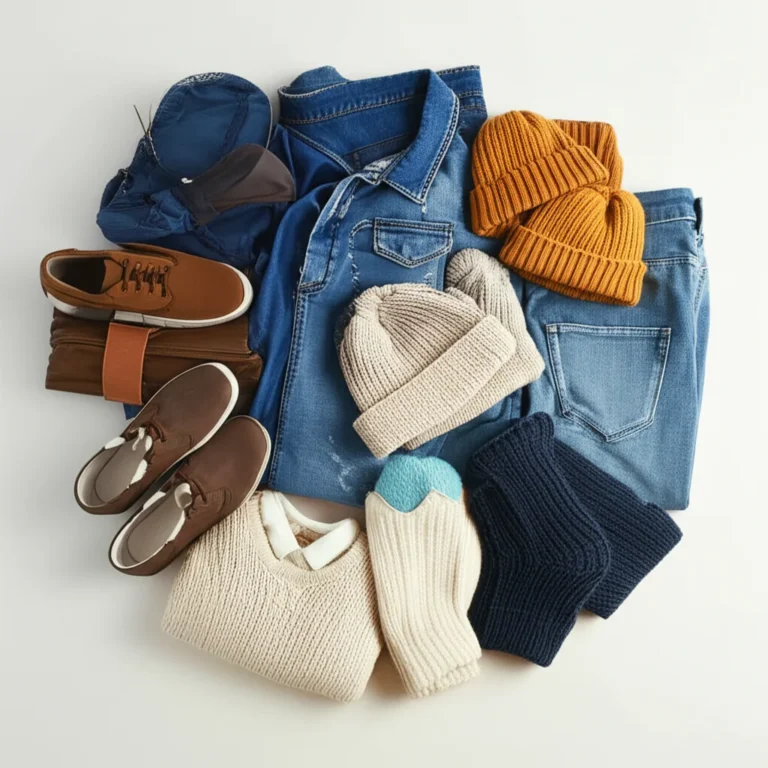
- ☐ Moisture-wicking base tops
- ☐ Lightweight long-sleeve shirt
- ☐ Warm mid-layer, such as fleece or wool
- ☐ Packable insulated jacket if your destination or season calls for it
- ☐ Comfortable trousers or hiking pants
- ☐ Everyday tops that mix and match
- ☐ Sleepwear suited to your accommodation
- ☐ Underwear and socks for each day, plus a small buffer
- ☐ Swimwear for hot springs, pools, or beaches
- ☐ One versatile outfit for a restaurant or city evening
For cooler, wetter trips, wool layers can help keep you comfortable. The American Hiking Society recommends carrying essentials appropriate to the hike, not simply relying on what you wore from the trailhead.
Rain Gear, Wind Protection, and Warm Accessories
- ☐ Waterproof or highly water-resistant shell
- ☐ Waterproof trousers for extended wet-weather hiking
- ☐ Packable rain cover for your backpack
- ☐ Warm hat or beanie
- ☐ Lightweight gloves for exposed or elevated routes
- ☐ Buff, scarf, or neck gaiter
- ☐ Compact umbrella for cities, if suitable for local wind
- ☐ Dry bag or waterproof-lined laundry bag for damp gear
A good rain shell should be comfortable enough that you’ll actually wear it. A heavy, clamy jacket left at the bottom of your bag provides outstanding weather protection to the bag itself.
Walking Shoes, Hiking Boots, and Everyday Footwear
Choose shoes based on the itinerary, not aspirational hiking plans. If you’ve booked one marked trail, you may need trail-capable shoes; if the trip is mostly city walking, comfortable walking shoes may do the job.
- ☐ Broken-in walking shoes or hiking boots
- ☐ Comfortable everyday sneakers
- ☐ Sandals or water shoes if your activities call for them
- ☐ Blister care and any orthotic or support you normally use
The featured video recommends keeping footwear to three pairs at most for a versatile trip: a walking or hiking shoe, a sandal, and a casual pair. That is a sensible ceiling—not a rule if your specific activities require specialized footwear.
Travel Documents, Electronics, and Toiletries
- ☐ Passport or government ID
- ☐ Booking confirmations and transport tickets
- ☐ Travel insurance details and emergency contacts
- ☐ Prescription medications in original packaging where practical
- ☐ Phone, charging cable, and plug adapter if needed
- ☐ Power bank, packed according to airline rules
- ☐ Reusable water bottle
- ☐ Sunscreen and lip balm
- ☐ Sunglasses and a packable sun hat
- ☐ Personal toiletries and basic first aid supplies
Check entry requirements through official government sources, such as US State Department travel information for US travelers. Airline rules for batteries and carry-on items can vary, so verify them with your carrier before departure.
Day-Hike Essentials and Outdoor Safety Gear
For outdoor days, prepare for more than the expected duration. The National Park Service’s Ten Essentials guidance is a useful framework.
- ☐ Navigation: offline map, trail map, or GPS device
- ☐ Water and a method of replenishing it
- ☐ Food or snacks
- ☐ First aid kit and blister care
- ☐ Headlamp or flashlight
- ☐ Sun protection
- ☐ Extra layer and rain protection
- ☐ Emergency whistle
- ☐ Fully charged phone and backup power
- ☐ Relevant permits, reservations, or park passes
Destination-Specific Packing Add-Ons
| Trip style | Add-ons to consider |
|---|---|
| Fjord or glacier tour | Warm layer, wind shell, gloves, camera protection |
| Multi-day hiking | Treking poles, blister supplies, trail snacks, detailed navigation |
| Coastal or island trip | Seasickness remedy if appropriate, dry bag, windproof layer |
| Lakes and hot springs | Swimwear, quick-drying towel, sandals |
| High-altitude travel | Extra sun protection, water, gradual activity planning |
| Winter Southern Hemisphere trip | Insulated layers, traction suited to conditions, winter driving preparation |
| Remote wildlife trip | Binoculars, neutral practical layers, locally recommended safety gear |
Traveling with children? Add their comfort items, medications, snacks, and spare layers to a dedicated list. Our Adventure Travel Checklists can be adapted for family outings.
🧳 Carry-On Packing List for a Cool-Weather Trip
A carry-only coolcation is possible if you choose versatile clothes and wear your bulkiest items on travel day. It becomes harder when your itinerary needs specialist outdoor equipment, so be honest about what you’ll actually do.
Carry-on essentials:
- One waterproof shell, worn or packed near the top
- One warm mid-layer
- Two or three adaptable tops
- One spare bottom
- Underwear and socks for the first few days
- Travel documents, medication, electronics, and chargers
- Compact toiletries that comply with your airline’s rules
- A change of clothes in case checked baggage is delayed
If your destination involves remote hikes or multiple outdoor activities, checking a bag may be safer than forcing crucial equipment into a too-small cabin bag.
The 5-4-3-2-1 Packing Method for a Compact Wardrobe
The 5-4-3-2-1 method is a wardrobe-planning prompt, not a universal law. One common interpretation is five tops, four bottoms, three pairs of shoes, two layers, and one accessory set or special outfit. Adapt it to your trip length, laundry access, and weather.
| Category | A practical coolcation interpretation |
|---|---|
| Tops | Five mix-and-match tops, including a long-sleeve option |
| Bottoms | Four versatile bottoms, adjusted for trip length |
| Shoes | Up to three pairs, including activity-appropriate footwear |
| Layers | Two warm or weather-ready layers, plus a shell if needed |
| Extras | One or two useful accessories, such as a hat and scarf |
The featured video suggests three footwear options as a maximum for a flexible trip. For a short city break, two pairs may be enough; for a technical trek, specialized footwear takes priority over a tidy formula.
The Sudoku Packing Method: Fit More Without Overstuffing
The Sudoku method means organizing your suitcase in zones, like filling a grid: each space has a purpose, and every item needs to earn its spot.
- Choose the grid: Divide your bag into clothing, outerwear, footwear, toiletries, and gear.
- Place heavy items low: Put shoes and dense gear near the suitcase wheels.
- Group complete systems: Keep base layers, warm layers, and rainwear easy to find.
- Fill gaps carefully: Use small items to fill spaces, not to justify packing extras.
- Reserve an accessible zone: Keep rainwear, documents, medication, and a spare top near the opening.
- Check the exit plan: Remove anything that doesn’t match an activity on your itinerary.
Packing cubes can make these zones easier to maintain, particularly if you’re changing accommodation. They organize your bag; they do not, unfortunately, make it weigh less.
Carry-On Dimensions Decoded: What 22 × 14 × 9 Inches Really Means
Carry-on size limits vary by airline, route, and fare. A common dimension format includes the wheels and handles, so a bag that matches the main case measurements may still exceed the total allowance.
Before flying:
- Check your airline’s official carry-on dimensions and weight limit.
- Measure the bag from its furthest points, including wheels and handles.
- Confirm whether a personal item is allowed separately.
- Recheck rules for connecting airlines, especially on international itineraries.
Use your carrier’s website as the source of truth; general packing articles and luggage labels can’t guarantee acceptance at the gate.
What to Pack for a European Coolcation
For a European trip, add a few practical details to the core list:
- ☐ Passport and relevant entry documents
- ☐ Plug adapter suited to the countries on your route
- ☐ Contactless or chip-enabled payment card and backup option
- ☐ Comfortable shoes for uneven historic streets
- ☐ Lightweight rain shell and a warm layer
- ☐ Copies of key reservations
- ☐ Travel insurance information
- ☐ Small day bag for sightseeing
The Travelpro overview of European coolcation destinations similarly emphasizes layered clothing, waterproof outerwear, comfortable footwear, and versatile travel clothing. That matches our experience: the most useful outfit is the one that handles a town walk, a breezy lookout, and an unexpected shower without a wardrobe change.
🧩 Packing Cubes, Compression Bags, and Smart Luggage Organization
Organization helps you find the warm layer before you’re already cold. Use separate groups for clean clothes, outdoor equipment, toiletries, and laundry. For longer or more remote trips, our Backpacking Checklists offer a useful starting point.
Packing Cubes vs. Compression Cubes: Which Is Better for Your Trip?
| Organizer | Best for | Benefits | Trade-offs |
|---|---|---|---|
| Standard packing cube | Sorting clothing by type or day | Easy access and simple organization | Doesn’t reduce clothing volume much |
| Compression cube | Bulky soft clothing | Can reduce packed volume | May encourage overpacking; compressed clothes can wrinkle |
| Dry bag | Wet or damp gear | Helps isolate moisture | Not a substitute for careful waterproof storage of valuables |
| Laundry bag | Dirty clothing | Keeps laundry separate | Takes space unless packable |
Choose standard cubes for quick access, compression cubes for space-sensitive soft items, and dry bags for damp gear. A compression cube can help create room; it cannot make a heavy suitcase lighter.
How to Organize Layers, Laundry, and Wet-Weather Gear
Use this simple system:
- Keep base layers and socks together in one cube.
- Put mid-layers in a second cube or at the top of your bag.
- Store rainwear where you can grab it quickly.
- Pack clean and dirty clothing separately.
- Put damp gear in a waterproof-lined bag, then air it out as soon as you can.
- Keep toiletries in a leak-resistant bag and electronics away from wet clothing.
We once watched a promising “quick shower” turn a daypack into a damp laundry experiment. A separate waterproof bag would have saved the spare layer—and our mood.
Choosing Luggage and Organizers for Your Coolcation
Look for luggage that matches your transport, not just your closet. A lightweight carry-on is handy for trains and short stays; a durable checked bag can make sense for specialist outdoor gear or a longer itinerary.
Travelpro’s organizer collection includes travel organizers designed for sorting belongings. Check the product’s current dimensions, materials, and care instructions before buying, because product details can change.
👉 CHECK PRICE on:
- Travelpro Essentials organizers: Amazon search | Travelpro Official Website
🚆 Getting Around: Flights, Trains, Ferries, and Road Trips
Transport can shape a coolcation as much as the forecast. Remote islands may depend on ferries or regional flights; mountain trips may require a car or shuttle; scenic rail routes can reduce driving while making the journey a highlight.
- Flights: Check baggage rules, connection time, and seasonal route schedules.
- Trains: Book popular scenic routes early and confirm luggage allowances.
- Ferries: Check sailing frequency and cancellation procedures, especially for island trips.
- Road trips: Research road conditions, driving times, fuel availability, and local parking rules.
- Public transport: Confirm service frequency before booking remote accommodation.
For road journeys, plan realistic driving days. Scenic routes invite stops; they do not magically shorten because the views are excellent. For current park access and safety information in the US, check the relevant National Park Service page before departure.
💡 Coolcation Travel Tips: Weather, Safety, and Sustainable Choices
Cooler weather can make active travel more comfortable, but it doesn’t remove outdoor risks. We recommend planning with the same care you would for hot weather: check conditions, carry appropriate gear, and have a backup plan.
Checking Forecasts and Preparing for Rapid Weather Changes
- Check local forecasts shortly before departure and again before outdoor activities.
- Look for wind, precipitation, and temperature at your planned elevation.
- Ask local guides, visitor centers, or park staff about current trail conditions.
- Have an indoor or lower-elevation backup activity.
- Tell someone your route and expected return time for remote hikes.
The US National Weather Service provides official forecasts and alerts in the United States. For international trips, use the destination’s official meteorological service where possible.
Sun Protection in Cool and Cloudy Conditions
Cool air can hide intense UV exposure. Bring sunscreen, sunglasses, and a hat, and reapply sunscreen as directed on the product label—especially after swimming or heavy sweating. The World Health Organization’s UV guidance-index) explains why UV protection matters even when the temperature feels comfortable.
At elevation or near snow, water, and pale rock, sun protection deserves an especially prominent place in your daypack.
Responsible Wildlife Viewing and Leave No Trace Travel
- Keep a safe distance from wildlife and never feed animals.
- Follow local guidance on nesting birds, marine mammals, and protected areas.
- Stay on marked trails where requested.
- Pack out rubbish and respect community access restrictions.
- Choose local guides and businesses where feasible.
- Don’t geotag sensitive wildlife locations if local authorities discourage it.
The Leave No Trace Center for Outdoor Ethics offers practical principles for reducing outdoor impacts. For remote trips, local rules should take precedence over general advice.
Booking Accommodation and Activities in Peak Season
Popular coolcation destinations can have limited rooms, transport, and guided activities during summer. Book the elements that would disrupt your whole trip if unavailable—such as a key ferry, a park shuttle, or a must-do guided excursion—then leave flexibility around lower-priority stops.
Before confirming, check cancellation terms, seasonal opening dates, accessibility, and the time required to reach trailheads or activity meeting points. For outdoor itineraries, keep one backup plan in your checklist. The forecast may not cooperate, but your day still can.
✅ Final Coolcation Planning Checklist
Before You Book
- ☐ Choose a destination that fits your preferred climate and activities.
- ☐ Check typical seasonal conditions and current travel advisories.
- ☐ Confirm transport, seasonal access, and approximate travel times.
- ☐ Check accommodation accessibility and location.
- ☐ Reserve limited-capacity transport and activities where necessary.
Before You Pack
- ☐ Check the forecast and activity-specific conditions.
- ☐ Choose clothing layers that work together.
- ☐ Confirm footwear is suitable and already broken in.
- ☐ Add rain protection, sun protection, and required medications.
- ☐ Review airline luggage rules and destination entry requirements.
Before You Leave
- ☐ Save reservations and important documents offline.
- ☐ Share your itinerary with someone if you’re going remote.
- ☐ Charge your phone and power bank.
- ☐ Add weather checks and key reminders to your Travel Checklist™ app.
- ☐ Keep a backup plan for your main outdoor activity.
You now have the core answer to the question we teased at the start: the most useful coolcation packing strategy is not “pack for cold,” but “pack for change.” Build a flexible checklist, keep rainwear and warm layers accessible, and choose a destination whose pace suits the kind of trip you actually want.