Support our educational content for free when you purchase through links on our site. Learn more
12 Trending Survival Horror Games for Requiem Fans (2026) 🧟


The best trending survival horror games for fans of Resident Evil Requiem depend on which side of its horror you want more: try Dead Space or The Evil Within 2 for tense combat, Silent Hill 2 for psychological dread, or Amnesia: The Bunker for a more vulnerable fight to survive.
That range fits Requiem itself, which pairs Grace Ashcroft’s more vulnerable horror with Leon S. Kennedy’s action-ready style. We’ve all had that classic survival-horror moment: standing outside a suspicious door, counting our ammunition, and deciding that maybe the puzzle can wait. These picks offer plenty of reasons to hesitate before turning the handle.
Key Takeaways
- Closest blend of action and survival horror: The Evil Within 2 and Dead Space.
- Best for psychological scares: Silent Hill 2 and Signalis.
- Best for feeling vulnerable: Amnesia: The Bunker.
- Best classic-style picks: Crow Country and Tormented Souls 2.
- Choose by the tension you enjoy: Combat, puzzles, resource management, and atmosphere offer very different kinds of horror.
- Check platform support, content ratings, and accessibility settings before buying or packing a game for travel.
Table of Contents
- ⚡️ Quick Tips and Facts
- 🧟 Why Resident Evil Requiem Fans Are Hunting for Their Next Horror Fix
- 🕹️ What Makes a Survival Horror Game Feel Like Resident Evil Requiem?
- The appeal of scarce ammo, puzzles, and tense exploration
- Action horror, psychological horror, and everything between
- 📈 Trending Survival Horror Games for Resident Evil Requiem Fans
- 1. Silent Hill f
- 2. Cronos: The New Dawn
- 3. Silent Hill 2 Remake
- 4. Alan Wake 2
- 5. Dead Space Remake
- 6. The Evil Within 2
- 7. Amnesia: The Bunker
- 8. Alone in the Dark
- 9. Signalis
- 10. Crow Country
- 11. Tormented Souls 2
- 12. Still Wakes the Deep
- 🔍 How These Games Compare to Resident Evil Requiem
- Best picks for combat and boss fights
- Best picks for puzzles and classic survival horror
- Best picks for atmosphere and psychological scares
- 🎮 Choose Your Next Horror Game by Platform and Play Style
- PC, PlayStation, Xbox, and Nintendo Switch options
- Third-person, first-person, and fixed-camera horror
- Single-player scares and co-op alternatives
- 🩸 What Resident Evil Fans Say About the Series’ Most Divisive Features
- Action versus survival horror
- Fixed cameras, over-the-shoulder aiming, and first-person views
- Scarier enemies, tougher combat, and resource management
- 🛒 What to Check Before Buying a Survival Horror Game
- Age ratings, accessibility settings, and content warnings
- System requirements, editions, and downloadable content
- 💡 Quick Tips for Getting More From Your Next Horror Game
- 🏁 Conclusion
- 🔗 Recommended Links
- ❓ FAQ
- What should I play after Resident Evil Requiem?
- Which survival horror game is closest to Resident Evil?
- Which game is best for classic Resident Evil-style puzzles?
- What are the scariest survival horror games to play now?
- Are these horror games suitable for beginners?
- 📚 Reference Links
⚡️ Quick Tips and Facts
Quick context: Resident Evil Requiem released on February 27, 2026, for PlayStation 5, Xbox Series X|S, Nintendo Switch 2, and PC. Its dual-protagonist setup makes it especially appealing to players who want both vulnerable, resource-conscious horror and more action-forward combat. Check the official Resident Evil Requiem site for current platform and game details.
| Quick fact | What it means for you |
|---|---|
| The game pairs Grace Ashcroft with Leon S. Kennedy | Look for recommendations that offer both deliberate survival horror and confident action. |
| Survival horror often means limited supplies, exploration, puzzles, and dangerous enemies | If you love the “Do I spend this bullet?” dilemma, prioritize Silent Hill 2, Dead Space, and Amnesia: The Bunker. |
| Some games are scarier but less combat-focused | Still Wakes the Deep emphasizes narrative and atmosphere; Signalis mixes combat with puzzles and retro design. |
| Platform availability varies | Confirm editions, performance, and accessibility options on the relevant official game pages. |
| A checklist can make a backlog less chaotic | Track platform, play style, accessibility settings, and whether you’re in the mood for action or dread. |
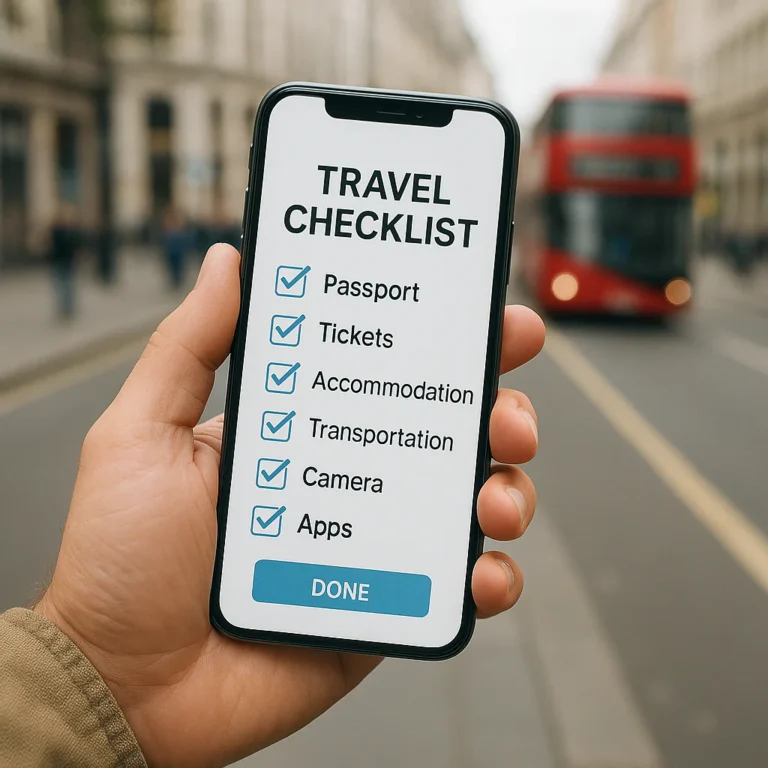
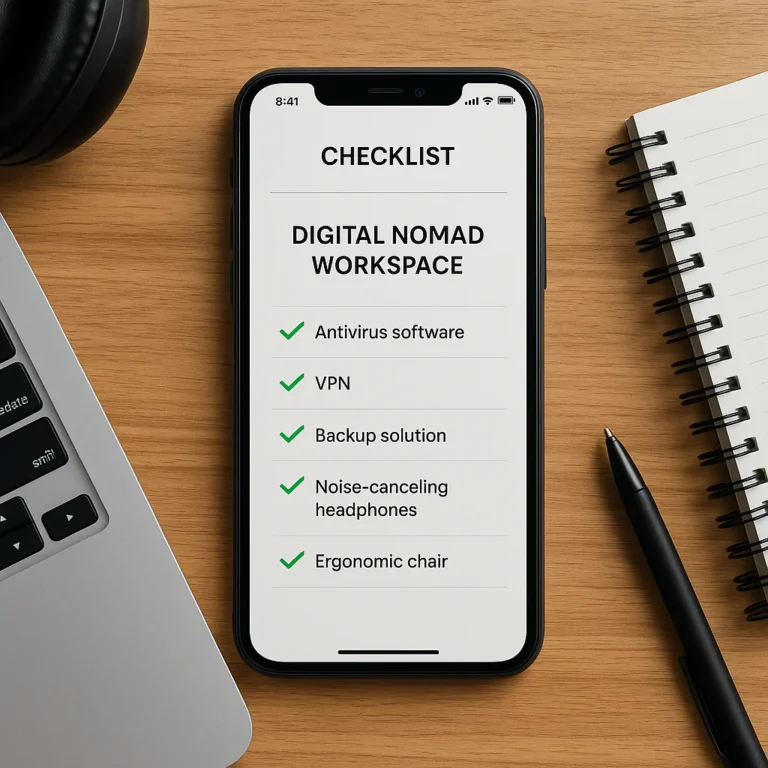
Our fast picks: Choose Dead Space for intense combat and resource pressure, Silent Hill 2 for psychological unease, The Evil Within 2 for a familiar third-person survival-horror rhythm, or Amnesia: The Bunker if you want to feel spectacularly underprepared. For more ways to organize a trip and its downtime, our Digital Nomad Checklists and Adventure Travel Checklists can help keep the real-world packing list as tidy as the in-game inventory.
🧟 Why Resident Evil Requiem Fans Are Hunting for Their Next Horror Fix
A good Resident Evil follow-up is not necessarily the game with the most zombies, guns, or locked doors. It’s the one that recreates that deliciously uncomfortable calculation: Do we risk the hallway, spend the healing item, or go back and check the room we swore we had cleared?
Requiem is an especially useful compass because it brings two different horror appetites together. Grace’s story leans into vulnerability and investigation; Leon’s side speaks to players who want practiced combat and a stronger action pulse. The BBC’s report on Capcom’s aims for Requiem describes that tension as a balancing act between survival horror and action. Director Koshi Nakanishi called balancing “familiarity and freshness” a “huge challenge.”
That blend also explains why fan reactions to Resident Evil’s action lean can differ. Some players want slow exploration and scarce ammunition; others enjoy combat that rewards timing and skill. The BBC article quotes journalist Vikki Blake saying the earlier “pivot to action” left some players feeling the series had “forgot about the horror part of survival horror.” The useful takeaway isn’t that one side is correct. It’s that survival horror fans don’t all want the same ratio of fear to firepower.
The appeal of scarce ammo, puzzles, and tense exploration
The classics of the genre make ordinary decisions feel consequential. A locked shortcut can turn a safe room into a strategic hub. A familiar corridor becomes a threat when the enemy you left behind is still there. And a handful of rounds can feel more precious than a whole armory in an action game.
That design tradition reaches back to Capcom’s original Resident Evil (1996), whose fixed camera angles, persistent enemies, and limited ammunition helped define the series’ early identity. The BBC’s background on the franchise also points to Sweet Home (1989) as an important earlier influence on the survival-horror lineage.
If those pressures are what you’re chasing, shortlist games that emphasize inventory choices, route planning, puzzles, and enemy avoidance rather than simply counting the weapons. Our travel-planning instinct is similar: when space is limited, every item has to earn its place. That’s why we recommend a compact play-and-packing list alongside our Backpacking Checklists.
Action horror, psychological horror, and everything between
“Survival horror” is a broad label, not a promise that every game plays like Resident Evil. Some titles put combat and equipment management first. Others leave you with few ways to fight back, or make the scariest threat something you can’t shoot.
| Horror style | What it emphasizes | Good starting points |
|---|---|---|
| Combat-focused survival horror | Aim, ammunition, upgrades, and dangerous encounters | Dead Space, The Evil Within 2 |
| Classic survival horror | Exploration, puzzles, route planning, and tight resources | Tormented Souls, Crow Country |
| Psychological horror | Uncertainty, symbolism, dread, and unsettling storytelling | Silent Hill 2, Signalis |
| Vulnerability and pursuit | Hiding, stealth, and surviving encounters rather than winning them | Amnesia: The Bunker |
| Narrative and atmosphere | A strong setting and story-led tension | Still Wakes the Deep, Alan Wake 2 |
Before you choose: Ask yourself whether you want to feel capable, hunted, confused, or all three. That one answer narows the list faster than a dozen “scariest game ever” rankings.
🕹️ What Makes a Survival Horror Game Feel Like Resident Evil Requiem?
We look for the elements that make a horror game satisfying beyond its jump scares:
- Threats that shape your decisions: An enemy should affect where you go and what you spend.
- Spaces worth learning: Good exploration turns maps, shortcuts, and locked doors into useful knowledge.
- A balance of helplessness and agency: You should feel vulnerable, but your choices should matter.
- A reason to keep investigating: A compelling mystery gives you momentum even when the next hallway looks deeply uninviting.
- Pacing that changes: Tension works best when the game knows when to let you breathe.
Requiem’s contrast between Grace and Leon highlights the appeal of that balance. In its BBC coverage, Capcom producer Masato Kumazawa described fear as the series’ central mood, saying, “through entertainment, we find ways to use fear as a thrill, but in a positive way.” That’s the sweet spot: we’re scared, but still eager to see what happens next.
The appeal of scarce ammo, puzzles, and tense exploration
When we play a resource-driven horror game while traveling, we keep a simple checklist: current objective, unresolved doors, key items, and supplies we want to save. It stops a long break between sessions from turning into “Why am I in this basement, and what did that blue key open?”
A useful in-game note might look like this:
- Write down the main objective in a few words.
- Record locked doors or puzzles and the item or clue they need.
- Mark supplies you are conserving, especially rare ammunition or healing.
- Note safe routes and shortcuts after discovering them.
- Update the list after a major encounter so your next session starts with a plan.
Keep spoilers out of your notes if you’re sharing them with friends. A checklist should be a memory aid, not a tiny uninvited walkthrough.
Action horror, psychological horror, and everything between
The camera and combat style change the emotional texture:
- Over-the-shoulder third person gives you a strong sense of character and precise aiming. Dead Space and The Evil Within 2 are natural matches for that view.
- First person narows your perspective and can make every doorway feel personal. Amnesia: The Bunker and Still Wakes the Deep lean into that intimacy.
- Fixed or deliberately retro perspectives can make navigation and enemy positioning feel more deliberate. Crow Country and Tormented Souls use classic-horror sensibilities in modern releases.
Not sure which style suits you? Try a short session in a demo or a title you already own before committing to a longer game. For readers planning a gaming break during a trip, our Budget Travel Checklists can help you plan entertainment around the rest of the itinerary.
📈 Trending Survival Horror Games for Resident Evil Requiem Fans
“Trending” changes with releases, patches, platform updates, and the game your friends have just started talking about. The picks below focus on recently prominent releases and enduring modern horror games that match one or more parts of Requiem’s appeal. They aren’t ranked by sales, and availability can vary by platform and region.
| Game | Best for | Closest Requiem connection | Main caveat |
|---|---|---|---|
| Silent Hill f | New psychological horror | A fresh story, investigation, and atmospheric threat | Different emphasis from Resident Evil’s combat loop |
| Cronos: The New Dawn | Sci-fi survival horror | Hostile environments, combat, and resource pressure | Check the latest platform and release information |
| Silent Hill 2 | Psychological dread | Character-focused horror and exploration | More psychological than action-led |
| Alan Wake 2 | Story-rich horror | Mystery, combat, and cinematic presentation | Its structure and tone differ from Resident Evil |
| Dead Space | Combat and resource management | Third-person action horror | Sci-fi setting and more sustained combat |
| The Evil Within 2 | Familiar survival-horror rhythm | Third-person encounters, exploration, and weapon management | Its story and pacing are deliberately strange |
| Amnesia: The Bunker | Vulnerability and stealth | Tight spaces, danger, and scarce resources | Much less of a shoot-and-clear experience |
| Alone in the Dark | Mystery and gothic atmosphere | Investigation, puzzles, and survival-horror roots | Combat and pacing may not suit everyone |
| Signalis | Retro sci-fi and puzzles | Limited inventory, exploration, and horror | Pixel-art presentation is a specific taste |
| Crow Country | Retro survival horror | Puzzles, exploration, and classic genre flavor | Intentionally stylized visuals |
| Tormented Souls 2 | Traditional survival-horror fans | Puzzles, exploration, and constrained resources | More old-school by design |
| Still Wakes the Deep | Narrative-first scares | Strong atmosphere and a confined setting | Less focused on combat and inventory systems |
1. Silent Hill f
Silent Hill f is a strong option if the part of Requiem that grabs you is the mystery surrounding its characters and setting. It leans into psychological horror and unsettling imagery rather than simply offering another sequence of rooms to clear.
Why fans may like it
- A distinct setting and visual identity.
- Story-led exploration and a heavy, uneasy atmosphere.
- A different take on survival horror for players who already know Capcom’s rhythms.
What to keep in mind: It isn’t a one-to-one substitute for Resident Evil. If you want frequent firearm combat and a familiar equipment loop, another pick here may fit better. Check the official Silent Hill site for current information.
2. Cronos: The New Dawn
Cronos: The New Dawn is aimed at players interested in a grim science-fiction setting and modern survival-horror pressure. Its combination of exploration, enemy encounters, and resource decisions makes it a promising fit for fans who like the idea of a new horror world rather than a direct series clone.
Why fans may like it
- A bleak, distinctive sci-fi premise.
- A survival-horror framework with dangerous encounters.
- A good candidate for players who want tense exploration and combat in the same package.
Potential drawback: New-release details can change across platforms, so verify the current edition, performance updates, and accessibility options through the official Blober Team website and the relevant store listing before buying.
3. Silent Hill 2 Remake
The Silent Hill 2 remake suits players who want psychological horror, exploration, and a mystery that lingers. It’s less about becoming a heavily armed action hero and more about piecing together a deeply unsettling journey.
Why fans may like it
- A memorable horror atmosphere and strong setting.
- Exploration and combat that support the emotional story.
- A useful counterpoint to Resident Evil’s more action-oriented entries.
Potential drawback: Its slower mood and psychological focus may not satisfy players mainly looking for boss fights and weapon upgrades. See the official Silent Hill 2 page for current details.
4. Alan Wake 2
Alan Wake 2 is a strong match if you enjoy survival-horror combat wrapped around an ambitious, strange narrative. It moves between characters and story threads, blending investigation, atmosphere, and encounters rather than following Resident Evil’s exact formula.
Why fans may like it
- A distinctive mystery and cinematic presentation.
- Combat that makes preparation and ammunition matter.
- A mody setting that rewards patient exploration.
Potential drawback: Its story is deliberately layered, so it may feel more surreal and less straightforward than a traditional outbreak narrative. Check Remedy’s official Alan Wake site for game and platform information.
5. Dead Space Remake
If Leon’s side of Requiem appeals most, start with the Dead Space remake. It offers third-person combat, disturbing enemies, and a steady need to make ammunition and equipment count. The setting is science fiction, but the underlying question is familiar: how prepared do you feel when the next threat arrives?
Why fans may like it
- A polished third-person survival-horror presentation.
- Weapon choice and resource management are central to combat.
- Strong environmental tension and enemy encounters.
Potential drawback: Combat appears more regularly than in slower, stealth-focused horror. Find current details on EA’s official Dead Space page.
6. The Evil Within 2
The Evil Within 2 is a good fit for players who want a third-person horror game that shifts between exploration, stealth, and action. It delivers an unsettling world and a familiar survival-horror toolkit, though its surreal presentation is not shy about getting strange.
Why fans may like it
- A blend of stealth, gunplay, and exploration.
- Resource decisions that reward careful play.
- A strong option for fans who want a more action-capable protagonist.
Potential drawback: Its tone and story can feel uneven if you prefer a grounded horror narrative. Check the official Bethesda game page.
7. Amnesia: The Bunker
This is for players who want the helplessness dial turned up. Rather than treating enemies as problems to solve with better aim, Amnesia: The Bunker makes you think about sound, movement, tools, and escape.
Why fans may like it
- High tension created by limited resources and a dangerous environment.
- Strong emphasis on stealth and improvised survival.
- A compact setting that encourages you to learn its layout.
Potential drawback: It plays very differently from action-heavy Resident Evil. If your favorite moment is a boss fight, this may be a deliciously stressful side trip rather than your next main course. See the official Amnesia site.
8. Alone in the Dark
Alone in the Dark brings investigation and gothic atmosphere to the survival-horror mix. It suits players who enjoy exploring an eerie location, following a mystery, and switching between puzzle-solving and dangerous encounters.
Why fans may like it
- A horror-mystery structure with room to investigate.
- Gothic atmosphere and a focus on exploration.
- A modern entry connected to a long-running genre name.
Potential drawback: Its pacing and combat feel different from Capcom’s polished action-horror approach. For official information, visit the Alone in the Dark site.
9. Signalis
Signalis blends retro science fiction, survival horror, puzzle-solving, and a tightly managed inventory. It’s an excellent pick for players who value mood and discovery as much as spectacle.
Why fans may like it
- Resource and inventory pressure.
- A memorable pixel-art look and eerie audio-visual style.
- A story that invites interpretation rather than spelling out every answer.
Potential drawback: Its deliberate retro design, including inventory constraints, may feel less convenient than a modern action game. Learn more from the official Signalis website.
10. Crow Country
For a knowingly retro take on survival horror, Crow Country offers puzzle-filled exploration, stylized visuals, and a theme-park setting with a decidedly bad day unfolding inside it.
Why fans may like it
- A compact, exploration-led design.
- Classic survival-horror flavor without requiring an older console.
- A distinctive art style that makes the game easy to recognize.
Potential drawback: Its deliberately retro presentation is a feature, not a technical limitation to be “fixed.” Check the official Crow Country website.
11. Tormented Souls 2
Tormented Souls 2 is worth a look for players who miss classic survival-horror structure: puzzles, eerie locations, backtracking, and a sense that every room might contain either a clue or a problem.
Why fans may like it
- A strong connection to old-school horror conventions.
- Puzzle-led progression and dangerous exploration.
- A choice for players who want a more traditional alternative to modern cinematic horror.
Potential drawback: Its classic design may feel less fluid or streamlined than contemporary third-person games. Confirm current versions and platform details on the official PQube website.
12. Still Wakes the Deep
Still Wakes the Deep is a narrative-first horror experience set in a confined, isolated environment. It’s a good choice when you want dread and story more than weapon upgrades or a long list of combat encounters.
Why fans may like it
- A strong sense of place and isolation.
- A story-led approach to escalating danger.
- A change of pace from combat-heavy survival horror.
Potential drawback: Players seeking a deep inventory system or frequent gunplay may find it too focused on atmosphere. See the official Secret Mode page.
🔍 How These Games Compare to Resident Evil Requiem
The clearest comparison is by what kind of tension each game creates. Some make you count rounds. Others make you question what you’re seeing. Requiem’s Grace-and-Leon structure gives fans an especially useful two-part yardstick.
| If you want… | Try… | Why |
|---|---|---|
| A capable protagonist and tense third-person combat | Dead Space | Combines weapon decisions, exploration, and dangerous encounters |
| A more vulnerable, hunted feeling | Amnesia: The Bunker | Makes stealth and survival the focus |
| Psychological mystery | Silent Hill 2 or Signalis | Emphasizes atmosphere, interpretation, and unsettling discoveries |
| Classic puzzle-heavy horror | Crow Country or Tormented Souls 2 | Leans into exploration and old-school progression |
| Story-driven cinematic horror | Alan Wake 2 | Mixes mystery, combat, and cinematic storytelling |
| A blend of stealth, combat, and exploration | The Evil Within 2 | Offers a familiar third-person survival-horror toolkit |
The BBC report notes that Requiem’s creators wanted to respect the series’ identity without making “yet another game in the series with the same old content.” That aim helps explain why recommendations should be based on mechanics and mood, not just a matching monster roster.
Best picks for combat and boss fights
Choose Dead Space if you want a strong combat loop and resource-aware weapon use. Choose The Evil Within 2 for a more varied mix of stealth, combat, and exploration. Alan Wake 2 is a good option for players who want the firefights to sit inside a story-heavy mystery.
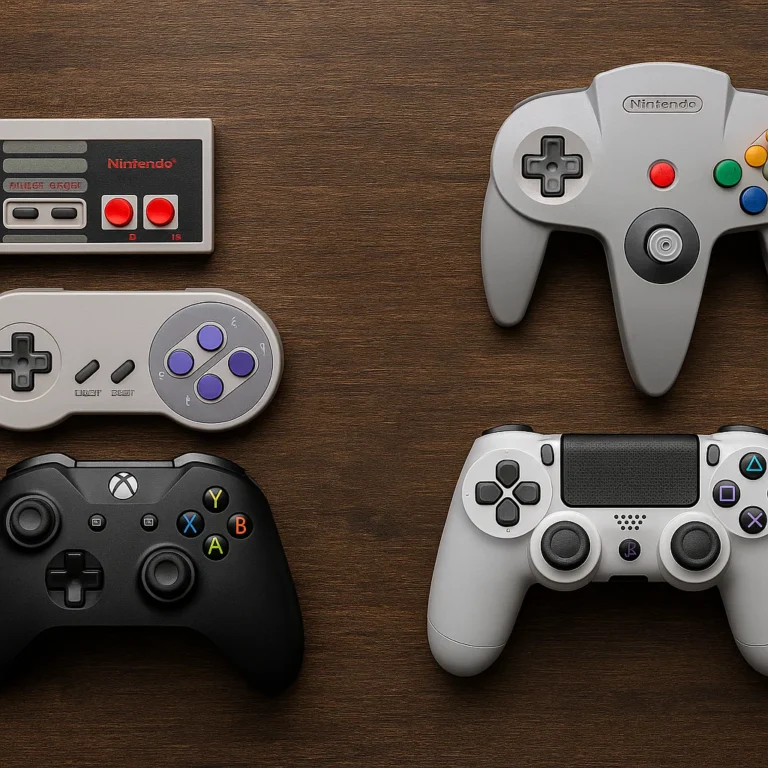
If you prefer to play with a controller, compare the game’s supported controller settings and platform details on its official page before downloading. And if you’re taking your gaming setup on a trip, our Backpacking Checklists are useful for the non-game essentials that mysteriously disappear into luggage.
Best picks for puzzles and classic survival horror
Go for Crow Country if you want approachable retro flavor, or Tormented Souls 2 if you want a more traditional puzzle-and-exploration experience. Signalis is a thoughtful choice for players who like science-fiction imagery and resource constraints.
Our practical test: If you enjoy writing down clues, routes, or puzzle details, you’re probably a good match for these games. If you’d rather follow a clear objective marker and move on, a more action-forward option may be a happier pick.
Best picks for atmosphere and psychological scares
Try Silent Hill 2 for psychological horror, Signalis for surreal sci-fi dread, and Still Wakes the Deep for a confined, story-led experience. These games don’t all use fear in the same way: one may unsetle you through symbolism, another through isolation, and another through the awful realization that the setting itself isn’t safe.
For players who prefer to know what they’re signing up for, check age ratings and content advisories before playing. The ESRB ratings guide and the PEGI age-rating information explain their rating systems.
🎮 Choose Your Next Horror Game by Platform and Play Style
The best game is the one you can play comfortably on the hardware you own. Platform support can differ between editions, and a game available one console may not be available on another. Use the official storefront or publisher page to verify current platform availability rather than relying on an old recommendation list.
| What matters most | What to check |
|---|---|
| Platform | Your console, PC operating system, and regional store |
| Controls | Controller support, remapping, aim settings, and sensitivity |
| Accessibility | Subtitles, color options, difficulty settings, and assist features |
| Session length | Whether you can comfortably pause and resume during travel |
| Offline use | Whether installation, updates, or DRM require an internet connection |
| Storage | Download size and available drive space before leaving home |
PC, PlayStation, Xbox, and Nintendo Switch options
A PC storefront may list system requirements and user feedback; console stores confirm compatible platforms and edition details. For a new or recently updated game, check the publisher’s official page first, then confirm the current listing on Steam, PlayStation Store, Xbox, or Nintendo.
Traveler tip: Download and launch the game before you leave home. That gives you time to complete updates, test your controller, and discover whether the hotel Wi‑Fi is fast enough for gaming or merely fast enough to load one ominous webpage.
Third-person, first-person, and fixed-camera horror
- Third person: Good visibility of your character, aiming, and combat positioning.
- First person: A closer, more immediate perspective; often a strong choice for immersion.
- Fixed or retro perspectives: A more deliberate, sometimes disorienting approach to rooms and enemy placement.
Accessibility and comfort vary. If a camera style triggers motion sensitivity, try adjusting motion blur, field of view, camera shake, and sensitivity where the game allows it. The AbleGamers accessibility resources offer broader guidance on making games more playable for people with disabilities.
Single-player scares and co-op alternatives
The games in our main list are primarily single-player experiences, which is ideal if you want to play at your own pace or pack a handheld device for a trip. If you’re seeking co-op horror instead, treat it as a separate category: shared play can be exciting, but it changes the tension and usually depends on stable connectivity.
For travel, consider whether you’ll have reliable internet, headphones, and a suitable place to play without disturbing others. Our Digital Nomad Checklists cover useful tech and work-travel organization habits that carry over to gaming.
🩸 What Resident Evil Fans Say About the Series’ Most Divisive Features
The summaries supplied for the two GAMINGbible Facebook links show login prompts, not accessible article text. That means we can’t verify or responsibly quote claims from those posts. Rather than inventing a fan consensus, we’ll stick to the debate that the BBC report does document.
Some fans worry that more action can dilute survival horror; others welcome the range and momentum it brings. In the BBC’s article, Vikki Blake described the concern that the series’ “pivot to action” made some players feel it had “forgot about the horror part of survival horror.” Fan creator Monique Alves, by contrast, said the Grace-and-Leon combination feels “different” and that fans should be “safe in that aspect.”
Those perspectives can coexist. One player may want Resident Evil to focus on limited resources and dread, while another wants a broader mix of horror and action. The question isn’t whether action is always good or bad. It’s whether the shift still makes you feel threatened.
Action versus survival horror
Action helps horror when it gives you tools but makes their use consequential. It can weaken horror when every encounter becomes routine and resources stop feeling scarce.
When choosing your next game, look at:
- Enemy pressure: Can you avoid threats, or must you defeat them?
- Resource economy: Are ammunition and healing limited enough to matter?
- Encounter variety: Do enemies force different strategies?
- Recovery and pacing: Does the game offer breathers, or keep the pressure high?
Fixed cameras, over-the-shoulder aiming, and first-person views
Camera perspective is more than presentation; it changes how much information you have. Fixed angles can conceal what’s around a corner. First person can make that corner feel too close. Over-the-shoulder aiming offers more direct control, but can make combat feel more empowering.
There’s no universal winner. Pick the view that supports the kind of fear you enjoy, and check for camera options if you’re sensitive to motion or visibility.
Scarier enemies, tougher combat, and resource management
An intimidating enemy does not need an enormous health bar. It needs to change your decisions. A persistent pursuer can make a familiar route feel risky; a quick enemy can punish careless aim; a creature you can’t fight can turn a simple hallway into a stealth puzzle.
For a challenging but fair experience:
- Start on a standard difficulty unless you already know the game’s style.
- Use accessibility or aim-assist settings if they make play more enjoyable.
- Don’t confuse “hardest mode” with “best horror.” Sometimes the strongest scare comes from uncertainty, not frustration.
🛒 What to Check Before Buying a Survival Horror Game
A few minutes of checking can prevent a disappointing download. Look at the official platform list, content rating, accessibility options, and edition details before buying. Then read recent user feedback for performance notes, while remembering that storefront reviews represent individual experiences rather than controlled testing.
| Check | Why it matters |
|---|---|
| Supported platform and region | Avoid buying an edition your device or account can’t use |
| Current performance reports | Updates and hardware differences can affect experience |
| Content rating and advisories | Horror may include gore, strong language, or disturbing themes |
| Accessibility and comfort settings | Helps you choose a game you can play comfortably |
| Edition and included content | Confirms whether DLC or extras are bundled |
| Offline and travel requirements | Essential if you expect to play away from reliable internet |
Age ratings, accessibility settings, and content warnings
Horror games can include graphic violence, disturbing imagery, or themes that aren’t right for every player. Check the official rating for your country and consider independent content resources if you want more detail. The ESRB rating guide and PEGI’s label explainer outline age-rating categories.
Look for features such as:
- Subtitle size and speaker labels.
- Color, contrast, and brightness settings.
- Aim assistance and control remapping.
- Difficulty options or reduced combat pressure.
- Motion blur, camera shake, and field-of-view controls.
System requirements, editions, and downloadable content
On PC, check the current minimum and recommended specifications on the official store listing, then compare them with your hardware. On consoles, confirm compatibility and whether the edition includes any extras you care about. Don’t assume a game’s base edition and bundle have identical content.
For a travel setup, test:
- The game launches on your device.
- Your controller is paired and charged.
- Updates and any required content are downloaded.
- The game can be paused and resumed as expected.
- Headphones and chargers are packed.
💡 Quick Tips for Getting More From Your Next Horror Game
- Choose by mood, not hype. Want a tense inventory puzzle or a confident action run?
- Take short notes. Objective, locked door, clue, and next destination are usually enough.
- Make a spoiler-free backlog list. Track what you own, what you’ve started, and what you want to try next.
- Check ratings and settings before playing. Especially useful when sharing a console or planning a trip.
- Test everything before you travel. Updates and controller issues are less fun when you’re already at the gate.
- Use headphones thoughtfully. They can improve atmosphere, but keep your surroundings in mind in shared spaces.
- Pack for the whole trip. Our Beach Vacation Checklists and Adventure Travel Checklists help balance game time with actual sunshine, trails, and the occasional non-haunted hotel corridor.
One last question: which title best bridges Grace’s vulnerability and Leon’s action? If you want the closest balance, start with The Evil Within 2 or Dead Space. If you want to swing hard toward dread, pick Amnesia: The Bunker or Silent Hill 2. The right answer depends on which side of Requiem you want more of tonight.