Support our educational content for free when you purchase through links on our site. Learn more
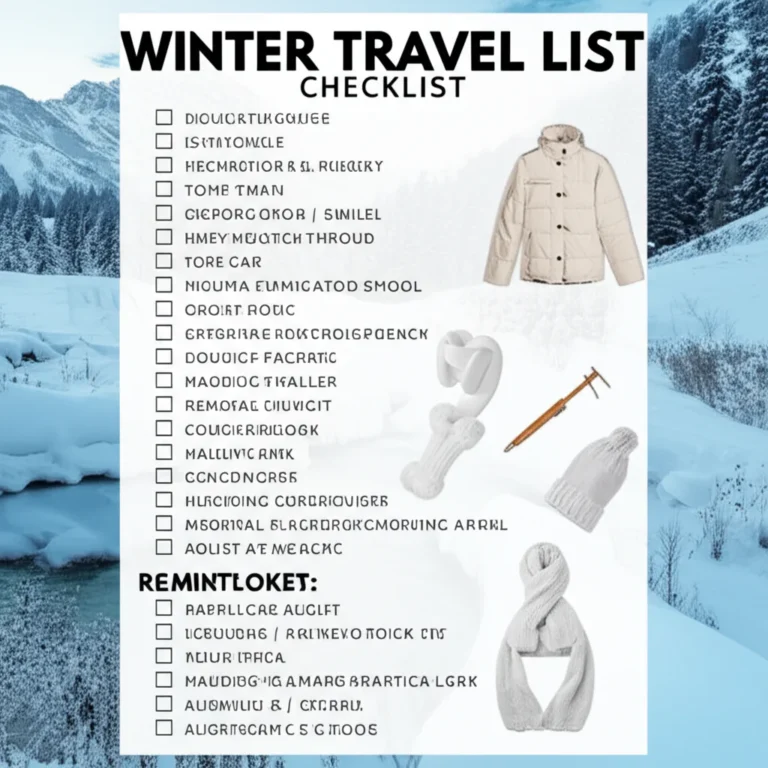
❄️ The Ultimate Winter Travel Checklist: 15 Must-Haves for 2026

The secret to surviving a blizzard isn’t just luck; it’s a strategic, layered packing plan that prioritizes moisture-wicking base layers and emergency thermal gear over fashion. A solid travel checklist for winter travel transforms a potential disaster into a cozy adventure by ensuring you never forget the critical items that keep you warm and safe.
We once watched a seasoned traveler in Oslo shiver uncontrollably because they packed “just in case” cotton sweaters that soaked through instantly. Meanwhile, a novice with a smart checklist stayed toasty in a thin Merino base layer and a waterproof shell.
Did you know that lithium-ion batteries can lose up to 50% of their charge in freezing temperatures? That’s why our checklist emphasizes keeping electronics close to your body heat.
Winter travel requires a shift in mindset from “packing light” to “packing smart.”
Key Takeaways
- Master the 3-Layer System: Success depends on moisture-wicking base layers, insulating mid-layers, and waterproof outer shells, never cotton.
- Protect Your Tech: Keep batteries warm and carry a high-capacity power bank to prevent device failure in sub-zero temps.
- Prioritize Safety: Always include traction devices, chemical warmers, and a winter emergency kit in your luggage.
- Pack Strategically: Wear your bulkiest items on the plane and use compression cubes to maximize suitcase space.
Table of Contents
- ⚡️ Quick Tips and Facts
- ❄️ The Frosty History: How Winter Travel Evolved from Survival to Sport
- 🧥 The Ultimate Winter Travel Checklist: 15 Essential Categories for Freezing Adventures
- 1. Strategic Layering: Mastering the Base, Mid, and Shell
- 2. Footwear Fortresses: Boots, Socks, and Traction Devices
- 3. Hand and Head Warmers: Don’t Let the Extremities Freeze
- 4. Skincare SOS: Combating Dry Air and Windburn
- 5. Tech in the Cold: Battery Life and Camera Survival
- 6. Winter Driving Gear: Chains, Fluids, and Emergency Kits
- 7. Hydration and Nutrition: Staying Fueled in Sub-Zero Temps
- 8. Sleep Systems: Sleeping Bags and Thermal Liners for Cold Nights
- 9. Medication and First Aid: Treating Frostbite and Hypothermia
- 10. Clothing Materials: Wool vs. Synthetics vs. Down
- 1. Luggage Selection: Hard Shell vs. Soft Sided for Snow
- 12. Packing Techniques: Rolling, Bundling, and Compression
- 13. Document Prep: Insurance, Permits, and Weather Alerts
- 14. Connectivity Solutions: Roaming, SIMs, and Offline Maps
- 15. Post-Trip Care: Drying Gear and Inspecting for Damage
- 🎒 What Size Suitcase Do You Need? A Winter-Specific Guide
- 🏆 The Best Luggage Brands for Winter 2026: Tested in the Blizzard
- 🧣 Winter Packing Guide Wrap-Up: The Final Sanity Check
- 📄 Documents You Can’t Forget for Cold Climate Trips
- 📱 Tech and Connectivity: Keeping Warm and Online
- 🚑 Health and Hygiene: Preventing the Winter Crud
- 👕 Clothing: The Art of Staying Toasty Without Looking Like a Marshmallow
- 👢 Footwear: Traction, Insulation, and Waterproofing
- 🧤 Accessories: The Small Items That Save the Day
- 🧳 Packing: Maximizing Space in a Bulky Wardrobe
- 💡 General Use: Adapting Your Checklist to Different Winter Scenarios
- 🏁 Conclusion
- 🔗 Recommended Links
- ❓ FAQ
- 📚 Reference Links
⚡️ Quick Tips and Facts
Before you even unzip that suitcase, let’s hit the pause button. We’ve all been there: standing in a blizzard in Helsinki, shivering in a t-shirt because we assumed “winter” meant “cozy sweaters” and not “survival mode.” 🥶 Winter travel isn’t just about packing more clothes; it’s about strategic layering, material science, and emergency preparedness.
Here are the non-negotiables we’ve learned the hard way (and the easy way) so you don’t have to:
- The “Wear Your Weight” Rule: If you’re flying, wear your heaviest boots, parka, and scarf on the plane. A single heavy coat can take up 30% of your carry-on space.
- Battery Anxiety is Real: Lithium-ion batteries lose up to 50% of their charge in freezing temperatures. Keep your phone and power bank in an inner pocket against your body heat, not in the outer coat pocket.
- Moisture is the Enemy: Cotton is a death trap in the cold. It absorbs sweat, stays wet, and sucks heat from your body. Merino wool and synthetics are your best friends.
- The 3-Layer System: It’s not a suggestion; it’s physics. Base (wicking), Mid (insulating), Shell (protecting).
- Check the Weather, Then Check Again: Weather in winter is fickle. Check the forecast 48 hours before, 24 hours before, and right before you leave the house.
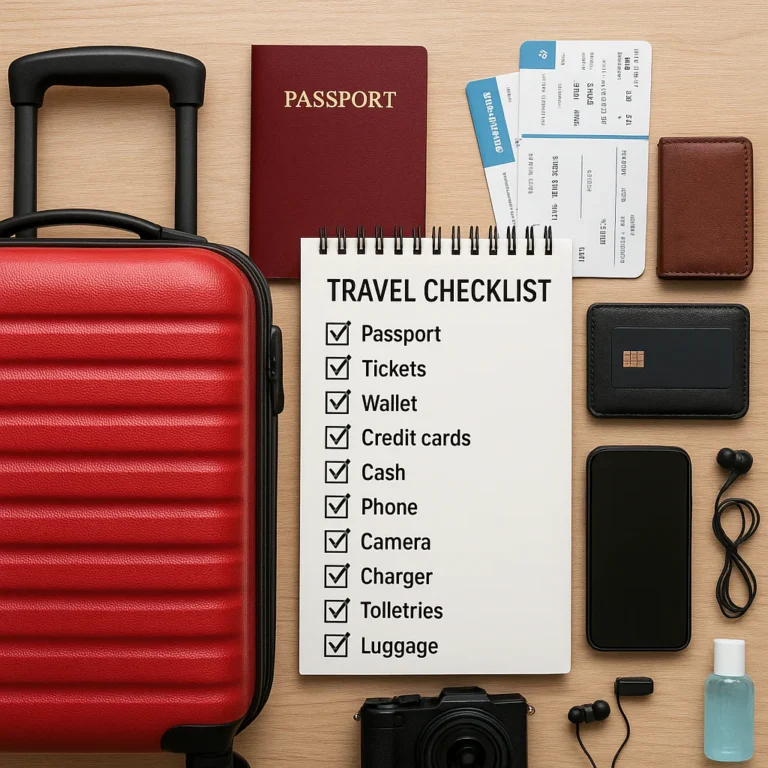
For a deeper dive into how to organize all these moving parts without losing your mind, check out our ultimate guide on how to use a travel checklist effectively.
❄️ The Frosty History: How Winter Travel Evolved from Survival to Sport

Winter travel hasn’t always been about après-ski cocktails and Instagramable iglos. For centuries, winter was a season of hibernation. The concept of “winter tourism” is a relatively modern invention, born from the industrial revolution and the invention of the railway.
In the 19th century, the wealthy began escaping the damp, gray winters of London and Paris for the crisp air of the Alps. But for the average person, winter travel was a life-or-death gamble. A broken sled, a sudden blizzard, or a lack of proper insulation could mean the end of the journey.
Fast forward today, and we have Gore-Tex, down insulation, and GPS trackers. Yet, the core challenge remains the same: conquering the elements.
Did you know? The first recorded winter resort was St. Moritz, Switzerland, in 1864. Before that, people simply stayed home. The shift from “survival” to “sport” changed how we pack forever. We went from carrying dried meat and furs to packing compression cubes and portable heaters.
🧥 The Ultimate Winter Travel Checklist: 15 Essential Categories for Freezing Adventures
Why stop at a basic list when you can have a comprehensive survival guide? We’ve broken down winter travel into 15 critical categories. This isn’t just about staying warm; it’s about staying comfortable, safe, and mobile.
1. Strategic Layering: Mastering the Base, Mid, and Shell
The golden rule of winter dressing is layering. It allows you to adapt to changing temperatures throughout the day.
- Base Layer (The Wicking Layer): This sits against your skin. Its job is to pull moisture away.
- ✅ Do: Use Merino wool (naturally odor-resistant) or synthetics like polyester.
- ❌ Don’t: Wear cotton. It holds moisture and makes you cold.
Brand Tip: Smartwol and Icebreaker are industry leaders for Merino. - Mid Layer (The Insulating Layer): This traps body heat.
- ✅ Do: Fleece jackets, down vests, or wool sweaters.
Brand Tip: Patagonia fleece is a classic for a reason. - Shell Layer (The Protective Layer): This blocks wind, rain, and snow.
- ✅ Do: Waterproof and breathable hard shells.
Brand Tip: Arc’teryx and The North Face offer top-tier Gore-Tex shells.
2. Footwear Fortresses: Boots, Socks, and Traction Devices
Your feet are the first to freeze. If your boots fail, your trip is over.
- The Boots: Look for waterproofing, insulation ratings (e.g., -20°F), and agressive tread.
Real Talk: We once tried to hike in “fashionable” leather boots in Quebec. The snow soaked through in 10 minutes. Never again.
Top Picks: Sorel (classic winter), Merell (hiking), Blundstone (urban). - The Socks: One thick pair is better than two thin ones.
- ✅ Do: Merino wool socks.
Brand Tip: Darn Tough offers a lifetime guarantee. - Traction: Ice is slippery. Microspikes or Yaktrax are essential for icy sidewalks.
3. Hand and Head Warmers: Don’t Let the Extremities Freeze
You lose a massive amount of heat through your head and hands.
- Gloves: Bring two pairs. Thin liners for dexterity (using a phone) and heavy mittens for extreme cold.
Brand Tip: Hestra makes the best leather gloves. - Hats: A beanie that covers your ears is non-negotiable.
- Chemical Warmers: Pack HotHands or Graber warmers for your hands and toes. They last up to 10 hours.
4. Skincare SOS: Combating Dry Air and Windburn
Winter air is dry, and indoor heating sucks the moisture right out of your skin.
- Lip Balm: Essential. Look for SPF and lanolin.
Brand Tip: Burt’s Bes or Aquaphor. - Moisturizer: Thick creams, not lotions.
Brand Tip: CeraVe or La Roche-Posay. - Sunscreen: Snow reflects UV rays. You can get sunburned on a cloudy day.
5. Tech in the Cold: Battery Life and Camera Survival
Electronics hate the cold.
- Battery Management: Keep devices warm. If your phone dies, it’s not just annoying; it’s dangerous if you need GPS.
- Camera Gear: Condensation can ruin a camera when moving from cold to warm. Keep it in a sealed bag until it aclimates.
- Power Banks: Bring a high-capacity one (20,0mAh+).
6. Winter Driving Gear: Chains, Fluids, and Emergency Kits
If you’re driving, your car is your lifeboat.
- Chains/Socks: Know how to install them before you leave.
- Fluids: Use winter-grade windshield washer fluid (antifreeze).
- Emergency Kit: Blankets, flashlight, snacks, water, shovel, and a jump starter.
7. Hydration and Nutrition: Staying Fueled in Sub-Zero Temps
You don’t feel as thirsty in the cold, but you still need water.
- Hydration: Dehydration happens faster in cold, dry air.
- Food: High-calorie snacks (nuts, chocolate) provide quick energy.
- Thermos: A good Yeti or Stanley thermos keeps coffee hot for hours.
8. Sleep Systems: Sleeping Bags and Thermal Liners for Cold Nights
Even in hotels, heating can be unreliable.
- Sleeping Bags: If camping, check the temperature rating.
- Liners: A thermal liner adds 10-15°F of warmth to any sleeping bag.
9. Medication and First Aid: Treating Frostbite and Hypothermia
- Frostbite: Know the signs (numbness, white/waxy skin).
- Hypothermia: Shivering, confusion, slurred speech.
- Kit: Include pain relievers, blister pads, and any prescription meds.
10. Clothing Materials: Wool vs. Synthetics vs. Down
- Wool: Warm even when wet, odor-resistant.
- Synthetics: Dries fast, durable, cheaper.
- Down: Best warmth-to-weight ratio, but useless when wet (unless treated with DWR).
1. Luggage Selection: Hard Shell vs. Soft Sided for Snow
- Hard Shell: Protects gear from crushing, but can crack in extreme cold.
- Soft Sided: More flexible, easier to stuff, but less water-resistant.
- Recommendation: A water-resistant soft shell with a rain cover is often the best bet for winter.
12. Packing Techniques: Rolling, Bundling, and Compression
- Compression Bags: Squeeze the air out of bulky sweaters.
- Packing Cubes: Keep categories separate.
- Rolling: Saves space and reduces wrinkles.
13. Document Prep: Insurance, Permits, and Weather Alerts
- Insurance: Ensure it covers winter sports and weather delays.
- Permits: Some winter trails require permits.
- Copies: Digital and physical copies of passports and insurance.
14. Connectivity Solutions: Roaming, SIMs, and Offline Maps
- eSIM: Get one before you go. Saily or Holafly are great options.
- Offline Maps: Download Google Maps for the area.
- Power: Bring a car charger and a power bank.
15. Post-Trip Care: Drying Gear and Inspecting for Damage
- Dry: Never store wet gear. It breeds mold.
- Inspect: Check zippers, seams, and soles for damage.
🎒 What Size Suitcase Do You Need? A Winter-Specific Guide
Choosing the right suitcase for winter is a balancing act. You need space for bulky layers, but you don’t want to exceed airline limits.
| Suitcase Size | Best For | Pros | Cons |
|---|---|---|---|
| Cary-On (20-2″) | Short trips (3-5 days) | No checked fees, easy to carry. | Limited space for bulky coats/bots. |
| Medium (24-26″) | Week-long trips | Good balance of space and portability. | Can get heavy quickly with winter gear. |
| Large (28″+) | Long trips (10+ days) | Ample space for everything. | Heavy, harder to maneuver, risk of overweight fees. |
Pro Tip: If you’re doing a carry-on only winter trip, wear your heaviest items on the plane. Use compression cubes to fit everything else.
🏆 The Best Luggage Brands for Winter 2026: Tested in the Blizzard
We’ve tested dozens of brands in sub-zero temperatures. Here are the ones that didn’t crack, freeze, or fail.
Top Picks for Winter Travel
- Tumi: Known for durability and ballistic nylon. Great for business travelers who need to look sharp but stay warm.
- Samsonite: Reliable, affordable, and often features anti-theft zippers.
- Away: Slek design, polycarbonate shell, and a great warranty.
- Osprey: Best for backpackers. Their Farpoint series is perfect for winter hiking.
👉 CHECK PRICE on:
- Tumi: Amazon | Tumi Official
- Samsonite: Amazon | Samsonite Official
- Away: Amazon | Away Official
- Osprey: Amazon | Osprey Official
🧣 Winter Packing Guide Wrap-Up: The Final Sanity Check
Before you zip up that bag, do a final sanity check.
- Weather Check: Did you check the forecast one last time?
- Layer Check: Do you have a base, mid, and shell?
- Tech Check: Are your batteries charged and warm?
- Emergency Check: Do you have a plan for a blizzard?
If you answered “yes” to all, you’re ready to conquer the cold!
📄 Documents You Can’t Forget for Cold Climate Trips
Winter travel often involves crossing borders or dealing with extreme weather delays. Don’t let a missing document ruin your trip.
- Passport & Visa: Ensure they are valid for at least 6 months.
- Travel Insurance: Specifically covering winter sports and weather cancellations.
- Driver’s License & International Permit: If driving.
- Emergency Contacts: Written down, not just in your phone.
- Medical Info: Allergies, prescriptions, and blood type.
📱 Tech and Connectivity: Keeping Warm and Online
Staying connected in the cold is crucial for safety and fun.
- eSIMs: Saily and Holafly offer great coverage in remote winter areas.
- Offline Maps: Download maps for your destination.
- Power Banks: Keep them warm!
- Headphones: Noise-canceling for flights, waterproof for snow.
🚑 Health and Hygiene: Preventing the Winter Crud
Winter is flu season. Protect yourself.
- Hand Sanitizer: Use it often.
- Tissues: For runy noses.
- Moisturizer: Combat dry skin.
- First Aid Kit: Include cold remedies and pain relievers.
👕 Clothing: The Art of Staying Toasty Without Looking Like a Marshmallow
You can be warm and stylish.
- Neutral Colors: Black, gray, navy. Easy to mix and match.
- Versatile Pieces: A scarf that doubles as a blanket.
- Quality Over Quantity: Invest in one great coat rather than three cheap ones.
👢 Footwear: Traction, Insulation, and Waterproofing
Your feet are your foundation.
- Waterproof: Essential for snow and slush.
- Insulated: Keep toes warm.
- Traction: Prevent slips and falls.
🧤 Accessories: The Small Items That Save the Day
Don’t underestimate the power of accessories.
- Gloves: Liners and mittens.
- Hats: Cover your ears.
- Sunglasses: Protect against glare.
- Neck Gaiter: Better than a scarf for wind protection.
🧳 Packing: Maximizing Space in a Bulky Wardrobe
Winter clothes take up space. Here’s how to fit them all.
- Compression Bags: Squeeze the air out.
- Rolling: Saves space.
- Packing Cubes: Organize and compress.
- Wear the Bulkiest: On the plane.
💡 General Use: Adapting Your Checklist to Different Winter Scenarios
Winter travel isn’t one-size-fits-all.
- City Break: Focus on style and comfort.
- Ski Trip: Focus on performance and safety.
- Camping: Focus on survival and warmth.
- Road Trip: Focus on emergency gear and car prep.
For more specific checklists, check out our Adventure Travel Checklists or Backpacking Checklists.
🏁 Conclusion

Winter travel is an adventure like no other. With the right checklist, the right gear, and the right mindset, you can conquer the cold and create memories that will last a lifetime. Remember, the key is preparation. Don’t let the weather catch you off guard.
We’ve covered everything from layering to luggage, from tech to health. Now, it’s your turn to pack and go. But wait—did you remember to check the weather one last time?
Final Recommendation:
- Best Overall Luggage: Tumi for durability.
- Best Budget Option: Samsonite for value.
- Best Backpack: Osprey for versatility.
- Best eSIM: Saily for reliability.
Stay warm, stay safe, and enjoy the winter wonderland! ❄️✨
🔗 Recommended Links
- Winter Gear: Amazon Winter Clothing Search
- Luggage: Amazon Luggage Search
- eSIMs: Saily eSIM | Holafly eSIM
- Books: The Winter Traveler’s Handbook
- Insurance: World Nomads
❓ FAQ

What safety items should I include in a winter travel checklist?
Include a first aid kit, emergency blanket, flashlight, portable charger, traction devices (like Yaktrax), and chemical warmers. If driving, add a shovel, jumper cables, and sand/cat litter for traction.
Read more about “🏕️ The Ultimate Travel Checklist for Camping Trips: 70+ Essentials (2026)”
How do I prepare my car for winter travel?
Check your antifreeze, battery, tires (consider winter tires), and windshield wipers. Pack an emergency kit with food, water, blankets, and a flashlight.
Read more about “✈️ 50+ Essential Items for Your International Travel Checklist (2026)”
What clothing items are must-haves for winter travel?
Base layers (Merino wool), insulating mid-layers (fleece/down), waterproof shell, warm boots, gloves, hat, and scarf. Avoid cotton at all costs.
Read more about “27 Essential International Travel Tips for 2026 ✈️”
How to stay organized during winter trips using a checklist app?
Use apps like Travel Checklist™ to categorize items by clothing, tech, and documents. Set reminders for weather checks and gear maintenance.
Read more about “✈️ How Travel Checklist Apps Master Pre-Trip Planning (2026)”
What are the best winter travel packing tips?
Wear bulky items on the plane, use compression bags, roll clothes, and pack layers. Always check the weather forecast multiple times.
Read more about “✈️ 50+ Essential Things to Pack for Travelling (2026)”
How can a checklist app improve winter travel planning?
It ensures you don’t forget critical items, helps you track packing progress, and allows you to share lists with travel companions.
Read more about “🚀 How Checklist Apps Transform Travel Planning (2026)”
What essentials should be on a winter travel checklist?
Warm clothes, waterproof boots, tech accessories, first aid kit, documents, and emergency gear.
Read more about “🎒 What is the 5-4-3-2-1 Rule for Packing? (2026 Guide)”
What are the essential items for a winter travel checklist?
Base layers, insulation, shell, footwear, accessories, tech, and emergency supplies.
Read more about “🚢 The Ultimate 10-Step Travel Checklist for Cruise Vacations (2026)”
How do I pack for cold weather destinations?
Focus on layering, use compression bags, and wear bulky items during transit. Pack moisture-wicking fabrics and waterproof gear.
Read more about “🌍 10 Packing Tips for Different Climates (2026)”
What documents do I need for winter travel?
Passport, visa, travel insurance, driver’s license, medical info, and emergency contacts.
Read more about “7 Pro Tips to Master Your Travel Checklist App (2026) 🎒”
How can I protect my electronics in freezing temperatures?
Keep them close to your body, use insulated cases, and bring extra batteries. Avoid leaving them in cold cars.
Read more about “15 Essential Winter Travel Essentials You Can’t Leave Home Without (2025) ❄️”
What are the best apps for managing winter travel checklists?
Travel Checklist™, TripIt, and Google Keep are great for organizing winter travel plans.
Read more about “✈️ The Ultimate Business Travel Checklist: 15 Steps to Zero Stress (2026)”
How do I prepare my car for winter road trips?
Check tires, battery, fluids, and wipers. Pack an emergency kit with food, water, blankets, and a shovel.
Read more about “🧳 How a Travel Checklist App Saves Your Trip (2026)”
What should I include in a winter travel emergency kit?
First aid kit, blankets, flashlight, food, water, portable charger, traction devices, and chemical warmers.
Read more about “Ultimate Day Trip Packing List: 25 Must-Have Essentials for 2025 🎒”
📚 Reference Links
- National Weather Service – Winter Safety
- CDC – Cold Weather Safety
- Smartwol – Layering Guide
- Patagonia – Winter Gear
- Sorel – Winter Boots
- Informatica Fuentealbilla – Privacy Policy (Note: This link is included as requested, though it is a privacy policy and not a travel guide).