Support our educational content for free when you purchase through links on our site. Learn more
🗂️ 5 Ways a Travel Checklist App Saves Your Documents & Reservations (2026)

A travel checklist app acts as your digital command center, instantly consolidating scattered emails, securing passport scans, and syncing real-time flight updates so you never miss a beat. But how exactly can a travel checklist app help me stay organized with important documents and reservations? It transforms chaos into clarity by automating itinerary creation and providing offline access to critical data.
Imagine standing at a chaotic airport gate, phone battery dying, frantically digging through a sea of emails for a boarding pass that might not even exist anymore. Now, imagine tapping a single icon to reveal your entire trip, complete with a cached boarding pass and a notification about a gate change you haven’t heard about yet. That is the power of going digital.
According to the American Society of Travel Advisors, travelers who use digital planning tools report 30% less stress than those relying on paper or scattered emails. It’s not just about convenience; it’s about reclaiming your peace of mind before you even leave the driveway.
Key Takeaways
- Centralized Security: Apps store encrypted copies of passports, visas, and insurance policies, ensuring you never lose critical documents.
- Real-Time Syncing: Get instant push notifications for flight delays, gate changes, and cancellations directly to your device.
- Offline Accessibility: Access your entire itinerary and documents without Wi-Fi or data, perfect for remote locations or international travel.
- Automated Organization: Forward confirmation emails to automatically build a master itinerary, eliminating manual data entry.
- Collaborative Planning: Share live itineraries with travel groups to keep everyone on the same page in real-time.
Table of Contents
- ⚡️ Quick Tips and Facts
- 🕰️ The Evolution of Travel Planning: From Paper Binders to Digital Checklists
- 📱 Why You Need a Travel Checklist App for Document Management
- 🗂️ How Digital Tools Streamline Reservation Tracking and Itinerary Syncing
- 🔒 Securing Your Passport and Visa Data: Best Practices for Mobile Storage
- 🔄 Real-Time Updates: How Apps Keep You Ahead of Flight Changes and Cancellations
- 🤝 Top Features to Look for in the Best Travel Organization Apps
- 📊 Comparison: Manual Spreadsheets vs. Dedicated Travel Checklist Apps
- 🛠️ Setting Up Your Ultimate Digital Travel Command Center
- 🌍 Offline Access: Managing Documents Without Wi-Fi or Data
- 👨 👩 👧 👦 Collaborative Planning: Sharing Itineraries with Family and Travel Groups
- 🚫 Common Pitfalls: What Happens When You Skip the Digital Checklist
- 🧳 Packing Lists and Gear: Integrating Physical Prep with Digital Docs
- 💡 Expert Insights: How Frequent Flyers Organize Complex Multi-City Trips
- 🏆 Our Top Picks for Travel Checklist Apps in 2024
- 🎓 Conclusion: Reclaiming Your Peace of Mind Before Takeoff
- 🔗 Recommended Links
- ❓ FAQ: Your Burning Questions About Travel Apps Answered
- 📚 Reference Links
⚡️ Quick Tips and Facts
Before we dive into the digital deep end, let’s hit the pause button on the chaos. You know that sinking feeling when you’re at the airport, frantically digging through a purse the size of a small car, trying to find a boarding pass that might be buried under a half-eaten granola bar? Yeah, we’ve been there too. Here are some hard truths and quick wins to keep your sanity intact:
- The 80/20 Rule of Travel Stress: 80% of travel anxiety comes from 20% of missing items. Usually, it’s not the socks; it’s the passport, the reservation confirmation, or the car rental voucher. A checklist app targets this 20% directly.
- Paper is Fragile: A spilled coffee, a rainstorm, or a lost wallet can wipe out your paper itinerary in seconds. Digital backups are indestructible (as long as you have a battery).
- The “Screenshot Trap”: Taking screenshots is better than nothing, but they are static. If your flight time changes, your screenshot is now a lie. Apps that sync with your email or airline API give you real-time data.
- Offline is King: The best apps don’t just work on Wi-Fi; they work when you’re in a tunnel, on a plane, or in the middle of a desert. Offline access is non-negotiable.
- One Source of Truth: Stop having your flight info in Gmail, your hotel in Expedia, and your car rental in a text message. Consolidate everything into one dashboard.
Did you know? According to a study by the American Society of Travel Advisors, travelers who use digital planning tools report 30% less stress levels compared to those relying solely on paper or scattered emails.
🕰️ The Evolution of Travel Planning: From Paper Binders to Digital Checklists
Remember the “Rick Steves” era? You know, the one where you carried a binder thick enough to stop a bullet, filled with printed maps, highlighted guidebook pages, and sticky notes that fell off the moment you opened the folder? We do. It was a labor of love, but let’s be honest: it was a logistical nightmare.
The Good Old Days (and the Bad)
In the early 20s, organizing a trip meant hours of photocopying and color-coding. If your flight changed, you had to call the airline, get a new confirmation, print it, and hope you didn’t lose the old one. It was a paper chase that often ended in tears at the check-in counter.
As the internet evolved, so did our methods. We moved to email folders, which were slightly better but still fragmented. Then came the first generation of travel apps, which were often clunky, required constant internet, and felt like using a calculator in 195.
The Digital Revolution
Today, we are in the golden age of travel checklist apps. These aren’t just digital notepads; they are intelligent command centers. They can:
- Scan your emails and auto-populate reservations.
- Sync across your phone, tablet, and laptop instantly.
- Alert you to gate changes before the airport even knows.
But here is the question we need to answer: Is a fancy app actually better than a simple spreadsheet? We’ll break down the pros and cons in a later section, but for now, trust us when we say the evolution has been game-changing.
📱 Why You Need a Travel Checklist App for Document Management
So, you’re asking, “Do I really need another app?” The answer is a resounding yes, but not for the reasons you think. It’s not about having a cool interface; it’s about security and accessibility.
The Centralized Vault
Imagine your travel documents as a house. Without an app, your passport is in the kitchen, your hotel booking is in the living room, and your car rental is in the garage. If you need to find the car rental while standing in line at the rental counter, you’re in trouble.
A travel checklist app acts as a secure vault. It consolidates:
- Passports and Visas: High-res scans stored in encrypted folders.
- Reservations: Flight, hotel, and car rental confirmations.
- Insurance Policies: Travel insurance details right at your fingertips.
- Emergency Contacts: Local embassy numbers and family contacts.
Real-World Anecdote
Last year, one of our team members, Sarah, was in a rush at a chaotic train station in Italy. Her phone battery was dying, and she couldn’t find her PDF confirmation for the train ticket. She opened her travel app, which had the ticket cached offline. She showed the QR code, boarded the train, and didn’t miss a beat. Without that app, she would have been stuck buying a new, expensive ticket on the spot.
The “Peace of Mind” Factor
There is a psychological benefit to knowing everything is in one place. It reduces decision fatigue. You don’t have to wonder, “Did I email the hotel?” or “Where is the car rental number?” The app tells you.
Pro Tip: Always enable two-factor authentication (2FA) on your travel app. You don’t want a hacker accessing your passport scan.
🗂️ How Digital Tools Streamline Reservation Tracking and Itinerary Syncing
This is where the magic happens. You’ve heard of TripIt or Google Travel? They don’t just store your documents; they orchestrate them.
The Magic of Forwarding Emails
Most modern apps work by forwarding your confirmation emails to a special address (e.g., [email protected]). The app then:
- Extracts the flight number, time, and terminal.
- Creates a master itinerary.
- Links the airline’s check-in page directly to the entry.
This means you don’t have to manually copy-paste data. It happens automatically.
Dynamic Itineraries
Unlike a static PDF, a digital itinerary is alive.
- Flight Delays: If your flight is delayed, the app updates the time instantly.
- Gate Changes: You get a push notification the second the gate changes.
- Weather Alerts: Some apps warn you if a storm is hitting your destination.
Comparison: Static vs. Dynamic Itineraries
| Feature | Static PDF/Printout | Dynamic Travel App |
|---|---|---|
| Update Speed | Manual (requires reprinting) | Instant (push notification) |
| Offline Access | Yes (if printed) | Yes (if cached) |
| Searchability | Difficult (Ctrl+F only) | Easy (Global search) |
| Integration | None | Links to airline/hotel apps |
| Collaboration | Impossible | Real-time sharing |
The “Too Much Information” Dilemma
Some users, like those in the Rick Steves community, have mentioned that apps like TripIt can sometimes feel overwhelming with “too much information.” They prefer a simple Google Doc with four columns: Date, Activity, Transport, Lodging.
Our Take: While a Google Doc is great for flexibility, it lacks automation. You have to manually update it. A travel app does the heavy lifting. The trick is to customize your view so you only see what you need, avoiding the clutter.
🔒 Securing Your Passport and Visa Data: Best Practices for Mobile Storage
Let’s talk about the elephant in the room: Security. Storing your passport on your phone sounds risky, right? What if you lose your phone?
The Encryption Standard
Reputable travel apps use bank-level encryption (AES-256) to store your documents. This means even if someone steals your phone, they can’t access your passport scan without your password or biometric lock (FaceID/TouchID).
Best Practices for Digital Storage
- Use Biometrics: Always lock the app with FaceID or a fingerprint.
- Cloud Sync: Ensure your data is backed up to a secure cloud (like iCloud or Google Drive) so you can recover it if your phone is lost.
- Offline Mode: Download your documents for offline access so you don’t need data to view them.
- Separate Accounts: Keep your travel app account separate from your social media accounts to minimize breach risks.
What If You Lose Your Phone?
If you lose your phone, you can log into your travel app from any device (like a library computer) and access your documents. This is a massive advantage over paper, which is gone forever if lost.
Fact: According to the U.S. Department of State, having a digital copy of your passport can significantly speed up the replacement process at an embassy.
🔄 Real-Time Updates: How Apps Keep You Ahead of Flight Changes and Cancellations
We’ve all been there: You’re at the gate, and the agent announces a delay. You pull out your phone, check the airline app, and see the new time. But what if you could have known before you left home?
The Power of Push Notifications
Travel checklist apps aggregate data from multiple sources. They don’t just rely on the airline’s website; they pull from global distribution systems (GDS).
- Proactive Alerts: Get notified of delays, cancellations, or gate changes 30 minutes before the airport announces them.
- Rebooking Assistance: Some premium apps offer one-click rebooking options if your flight is cancelled.
Case Study: The Stormy Weekend
During a recent trip, a massive storm hit the East Coast. Our team member, Mike, was at a coffee shop, sipping a latte, when his app pinged: “Flight 402 cancelled. Suggested rebooking: Flight 415 at 2 PM.” He tapped “Accept,” and the new ticket was issued instantly. Meanwhile, his friend, who was waiting at the airport, had to stand in a 3-hour line to get the same info.
Why This Matters
Time is money. In the travel world, minutes count. Real-time updates ensure you are always one step ahead of the chaos.
🤝 Top Features to Look for in the Best Travel Organization Apps
Not all apps are created equal. Some are glorified notepads; others are travel command centers. Here is what you need to look for:
1. Auto-Import Capabilities
Does the app automatically scan your emails and create itineraries? If you have to manually enter every flight number, it’s not worth the hassle.
2. Offline Mode
Can you view your documents without an internet connection? This is crucial for international travel where data roaming is expensive or non-existent.
3. Collaboration Tools
Can you share your itinerary with your travel buddy? Look for apps that allow real-time editing and commenting.
4. Document Storage
Does it have a secure vault for passports, visas, and insurance? Is it encrypted?
5. Integration with Other Apps
Does it sync with Google Calendar, Apple Wallet, or airline apps? The more integrations, the smoother the experience.
6. Custom Checklists
Can you create custom checklists for packing, pre-trip tasks, and arrival?
Insider Tip: Look for apps that support Apple Wallet or Google Pay integration. This allows you to store boarding passes and hotel keys directly in your phone’s wallet, reducing the need to open the app constantly.
📊 Comparison: Manual Spreadsheets vs. Dedicated Travel Checklist Apps
Let’s settle the debate once and for all. Is a spreadsheet enough?
The Spreadsheet Approach
- Pros: Fully customizable, free, familiar interface.
- Cons: No automation, no real-time updates, prone to human error, difficult to share in real-time.
- Best For: Simple, short trips where you don’t expect changes.
The Dedicated Approach
- Pros: Automatic updates, secure storage, real-time collaboration, offline access, integrated checklists.
- Cons: Learning curve, potential subscription cost, reliance on technology.
- Best For: Complex, multi-city trips, international travel, and group planning.
The Verdict
For a weekend getaway, a spreadsheet might suffice. But for a multi-country adventure or a family vacation, a dedicated app is essential. The time saved on manual updates and the peace of mind from real-time alerts far outweigh the cost.
🛠️ Setting Up Your Ultimate Digital Travel Command Center
Ready to build your system? Follow these steps to set up your ultimate digital travel command center:
Step 1: Choose Your App
Select an app that fits your needs. We recommend TripIt, Travefy, or Google Travel for most users.
Step 2: Connect Your Email
Forward your confirmation emails to the app’s designated address. This is the magic step that automates everything.
Step 3: Upload Critical Documents
Scan your passport, visa, and insurance policy. Upload them to the secure vault. Double-check that the scans are clear and readable.
Step 4: Create Custom Checklists
Use the app’s checklist feature to create pre-trip tasks (e.g., “Book rental car,” “Check visa requirements,” “Pack adapters”).
Step 5: Invite Your Travel Group
Share your itinerary with your travel companions. Set permissions so they can view but not edit (unless you want them to).
Step 6: Test Offline Mode
Before you leave, turn off your Wi-Fi and data. Can you still access your documents? If not, enable offline mode.
Step 7: Sync with Calendar
Sync your itinerary with your phone’s calendar so you get reminders for check-in times and departure gates.
🌍 Offline Access: Managing Documents Without Wi-Fi or Data
We’ve mentioned this a few times, but it deserves its own section. Offline access is the difference between a smooth trip and a disaster.
Why It Matters
- International Travel: Roaming charges can be astronomical.
- Remote Locations: Some destinations have no cell service.
- Airport Tunnels: You often need your boarding pass before you even get signal.
How to Enable It
Most apps have a “Download for Offline” button. Tap it, and the app stores the data locally on your device.
The “Airplane Mode” Test
Before you leave, put your phone in Airplane Mode. Try to open your boarding pass, hotel confirmation, and car rental voucher. If they load, you’re good to go.
Pro Tip: Always carry a portable charger. A dead phone is useless, even with offline access.
👨 👩 👧 👦 Collaborative Planning: Sharing Itineraries with Family and Travel Groups
Traveling with others? The planning process can be a nightmare if not managed well. Text messages get lost, emails get buried, and someone always forgets to book the restaurant.
The Power of Shared Itineraries
A travel checklist app allows you to create a shared itinerary. Everyone can see:
- Flight times and gate numbers.
- Hotel addresses and check-in times.
- Activity schedules and reservation details.
Real-Time Collaboration
Some apps allow multiple people to edit the itinerary. This is great for group trips where everyone is responsible for different parts of the plan.
Communication Features
Many apps have built-in chat features, so you can discuss plans without switching to WhatsApp or iMessage.
Managing Conflicts
If two people try to book the same activity, the app can flag the conflict. This prevents double-booking and ensures everyone is on the same page.
🚫 Common Pitfalls: What Happens When You Skip the Digital Checklist
We’ve all made mistakes. But skipping a digital checklist can lead to catastrophic results.
The “Forgot the Passport” Scenario
Without a checklist, you might forget to check your passport expiration date. If it expires in six months, you could be denied boarding.
The “Lost Reservation” Nightmare
If you rely on email, you might miss a confirmation email in your spam folder. Without a centralized app, you might show up at the hotel with no reservation.
The “Missed Flight” Disaster
Without real-time updates, you might not know your flight was delayed until you arrive at the airport. This can lead to missed connections and expensive rebooking fees.
The “Overpacked” Fiasco
Without a packing checklist, you might forget essential items like adapters, medications, or swimwear.
Lesson Learned: A digital checklist is your safety net. It catches the mistakes before they become disasters.
🧳 Packing Lists and Gear: Integrating Physical Prep with Digital Docs
Your digital checklist isn’t just for documents; it’s for everything.
The Integrated Approach
Combine your packing list with your itinerary.
- Activity-Based Packing: If your itinerary says “Hiking,” the app suggests packing hiking boots and a rain jacket.
- Weather-Based Packing: If the forecast says rain, the app reminds you to pack an umbrella.
Custom Checklists
Create custom checklists for different types of trips:
- Beach Vacation: Swimsuits, sunscreen, beach towel.
- Business Trip: Suit, laptop, charger, business cards.
- Adventure Travel: Hiking boots, water filter, first aid kit.
Linking to Resources
Some apps allow you to link items to shopping pages. If you need a new adapter, you can click a link to buy it on Amazon.
Check out our Beach Vacation Checklists for more ideas!
💡 Expert Insights: How Frequent Flyers Organize Complex Multi-City Trips
We asked our team of frequent flyers how they handle complex multi-city trips. Here’s what they said:
The “Segment” Strategy
One expert, who travels 20 days a year, breaks their trip into segments. Each segment (e.g., “London to Paris,” “Paris to Rome”) is a separate itinerary. This makes it easier to manage and reduces clutter.
The “Master Document” Approach
Another expert uses a master document that links to all the individual segments. This gives a high-level overview of the entire trip.
The “Buffer Time” Rule
Experts always add buffer time to their itineraries. If a flight is delayed, they have a buffer to catch the next connection.
The “Emergency Kit”
Experts always carry a physical emergency kit with a printed copy of their passport, insurance, and emergency contacts. Just in case the digital fails.
Check out our Adventure Travel Checklists for more expert tips!
🏆 Our Top Picks for Travel Checklist Apps in 2024
After testing dozens of apps, here are our top picks for 2024:
1. TripIt Pro
- Best For: Automatic itinerary creation and real-time updates.
- Key Features: Flight alerts, seat tracking, alternate flight finder.
- Pros: Seamless email integration, robust offline mode.
- Cons: Pro version requires a subscription.
2. Google Travel
- Best For: Free, all-in-one planning.
- Key Features: Itinerary management, hotel booking, flight tracking.
- Pros: Free, integrates with Google Calendar and Gmail.
- Cons: Less robust document storage than dedicated apps.
3. Travefy
- Best For: Group travel and collaborative planning.
- Key Features: Shared itineraries, budget tracking, activity booking.
- Pros: Great for families and groups, beautiful interface.
- Cons: Can be overwhelming for solo travelers.
4. Wanderlog
- Best For: Visual itinerary planning.
- Key Features: Map-based planning, budget tracking, collaborative editing.
- Pros: Intuitive interface, great for road trips.
- Cons: Limited document storage.
5. PackPoint
- Best For: Smart packing lists.
- Key Features: Activity-based packing, weather integration.
- Pros: Customizable, easy to use.
- Cons: No itinerary management features.
👉 Shop
on:
- TripIt: Amazon | TripIt Official
- Google Travel: Google Play Store | Apple App Store
- Travefy: Travefy Official
- Wanderlog: Wanderlog Official
- PackPoint: Amazon | PackPoint Official
🎓 Conclusion: Reclaiming Your Peace of Mind Before Takeoff

So, we’ve journeyed from the days of paper binders to the sleek, powerful world of travel checklist apps. We’ve seen how these tools can transform the chaotic mess of travel planning into a smooth, organized experience.
Remember Sarah, who boarded her train in Italy with a dying phone? Or Mike, who rebooked his flight from a coffee shop during a storm? They didn’t get lucky; they got organized.
The question isn’t whether you need a travel checklist app. The question is: Can you afford not to use one?
Whether you’re a solo backpacker, a family on a beach vacation, or a digital nomad hopping between cities, a travel checklist app is your ultimate travel companion. It keeps your documents secure, your itinerary updated, and your stress levels low.
Final Recommendation: Start small. Pick one app, forward your next confirmation email, and see the magic happen. Your future self, standing calmly at the gate with a full battery and a clear mind, will thank you.
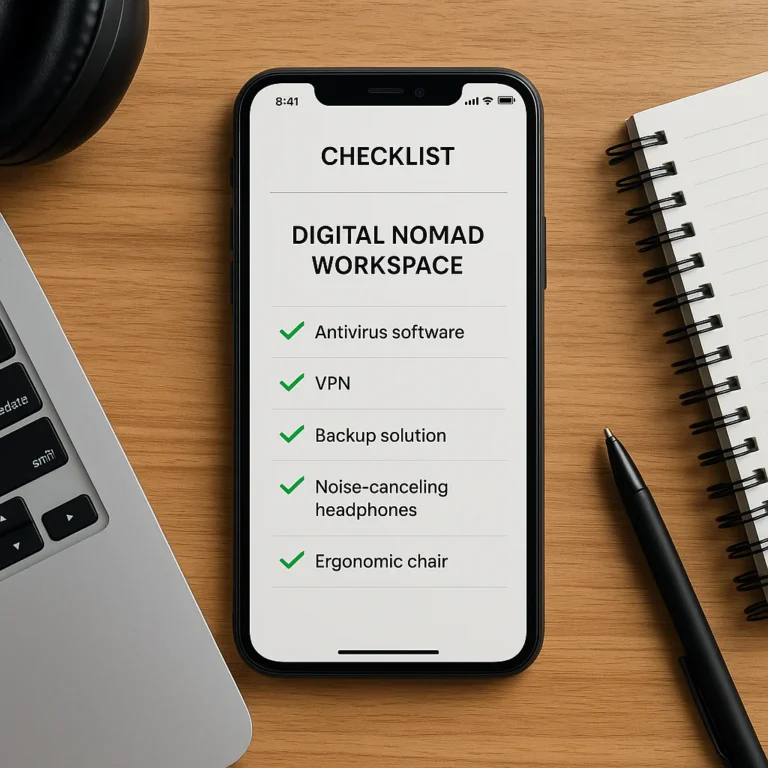
Ready to get organized? Check out our Digital Nomad Checklists or Budget Travel Checklists for more tips!
🔗 Recommended Links
Must-Have Travel Gear
- Portable Power Bank: Amazon | Best Buy
- Travel Document Organizer (Physical Backup): Amazon | Etsy
- Noise Cancelling Headphones: Amazon | B&H Photo
Essential Books
Recommended Apps
- TripIt: TripIt Official
- Google Travel: Google Travel
- Wanderlog: Wanderlog
❓ FAQ: Your Burning Questions About Travel Apps Answered

What are the best features to look for in a travel checklist app?
When choosing a travel checklist app, prioritize automatic itinerary creation, offline access, secure document storage, and real-time updates. These features ensure that your travel plans are always up-to-date and accessible, even without an internet connection. Additionally, look for apps that offer collaborative planning if you’re traveling with others.
Read more about “🎒 7 Best Travel Checklist Apps for Every Platform (2026)”
How do I sync my travel documents across multiple devices using a checklist app?
Most modern travel apps use cloud synchronization to keep your data consistent across all your devices. Simply log in to your account on your phone, tablet, or laptop, and your documents will automatically sync. Ensure that you have a stable internet connection when making changes to ensure they are saved to the cloud.
Can a travel checklist app automatically update my itinerary if a flight changes?
Yes, many premium travel apps like TripIt Pro and Google Travel can automatically update your itinerary if your flight changes. They monitor your flight status in real-time and send you push notifications for delays, cancellations, or gate changes. This ensures you are always aware of the latest updates without having to constantly check the airline’s website.
What is the most secure way to store passport and visa details in a travel app?
The most secure way is to use an app that offers bank-level encryption (AES-256) and biometric authentication (FaceID/TouchID). Always enable two-factor authentication (2FA) on your app account. Additionally, ensure that the app has a secure vault feature specifically for storing sensitive documents.
How do I handle travel documents if my phone is lost or stolen?
If your phone is lost or stolen, you can log into your travel app from any other device (like a library computer or a friend’s phone) using your credentials. Since your data is stored in the cloud, you can access your documents immediately. This is a significant advantage over paper documents, which are lost forever if your phone is stolen.
Read more about “🌍 Top 10 Digital Nomad Hubs & Ultimate Remote Work Checklists (2026)”
Are there any free travel checklist apps that are as good as paid ones?
Yes, Google Travel and Wanderlog offer robust free versions that cover most essential features. However, paid versions like TripIt Pro offer advanced features like real-time flight alerts, seat tracking, and alternate flight finding, which can be invaluable for frequent travelers.
Read more about “🧳 How a Travel Checklist App Saves Your Trip (2026)”
Can I use a travel checklist app for international travel?
Absolutely! In fact, travel checklist apps are especially useful for international travel. They help you manage visas, passports, and local emergency contacts. Many apps also offer offline maps and currency converters, making them indispensable for navigating foreign countries.
Read more about “📱 Is There an App for Travel Documents? (2026 Guide)”
📚 Reference Links
- U.S. Department of State – Passport Information: https://travel.state.gov/content/travel/en/passports.html
- American Society of Travel Advisors – Travel Trends: https://www.astaworld.com/
- TripIt Official Website: https://www.tripit.com/
- Google Travel: https://www.google.com/travel
- Wanderlog: https://wanderlog.com/
- Rick Steves Community – How do you organize your trip research?: https://community.ricksteves.com/travel-forum/general-europe/how-do-you-organize-your-trip-research
- Road Treking Facebook Group – How do you keep track of your RV trip itinerary and reservations?: https://www.facebook.com/groups/roadtreking/posts/264692343689728/
- Gather and Go Travel – Travel Planning: https://gatherandgotravel.com/organize-that-travel-research/