Support our educational content for free when you purchase through links on our site. Learn more
🎒 How to Pack for 5 Nights in a Carry-On: The Ultimate 2026 Guide


You can absolutely fit five nights of travel into a single carry-on by mastering the capsule wardrobe, swapping liquids for solids, and strategically using compression cubes. It sounds impossible until you try the “wear your heaviest items” trick and realize you don’t need a separate outfit for every single hour of the day.
So, how do you pack for 5 nights in a carry-on without turning your bag into a Tetris nightmare? The secret isn’t magic; it’s math. By limiting yourself to three pairs of shoes and sticking to a neutral color palette, you free up enough space for souvenirs and sanity.
We once watched a traveler at JFK gate-check a massive suitcase because they packed “just in case” rain gear for a sunny week in Miami. Meanwhile, the person next to them zipped up a sleek 2-inch bag, breezed through security, and was already at the gate sipping a latte. That person was us, and we never looked back.
Did you know the average traveler spends 15 minutes per trip waiting at baggage claim? Over a year of frequent travel, that adds up to hours of your life lost. By ditching the checked bag, you reclaim that time and avoid the heartbreak of lost luggage.
Key Takeaways
- Stick to the 4-3-2-1-2 Rule: Pack 4 tops, 3 bottoms, 2 outer layers, 1 dress, and 2 pairs of shoes to maximize mix-and-match potential.
- Go Solid for Toiletries: Replace liquid shampos and lotions with solid bars and tablets to bypass the 3-1-1 liquid restrictions and save weight.
- Wear Your Bulkiest Gear: Always travel in your heaviest shoes and jacket to instantly free up 20-30% of your packing space.
- Plan for One Laundry Load: Pack only 3 days of clothes and plan to wash one load mid-trip using travel laundry sheets and a sink.
- Use Compression Strategically: Combine packing cubes for organization with compression bags for bulky items like sweaters to fit everything in.
Table of Contents
- ⚡️ Quick Tips and Facts
- 🕰️ The Evolution of Carry-On Travel: From Overstuffed Sacks to Slimline Success
- 🎒 The Ultimate 5-Night Carry-On Packing Checklist: What Actually Fits
- ✈️ Airline Specifics: TSA Rules, Size Limits, and Hidden Fees
- 🧠 The Mental Game: How to Pack Light Without the Panic
- 🛍️ Gear We Swear By: Top-Rated Carry-Ons and Organizers
- 🚫 Common Packing Mistakes That Sabotage Your 5-Night Trip
- 📝 Final Thoughts: You Can Do This!
- 🔗 Recommended Links
- ❓ Frequently Asked Questions (FAQ)
- 📚 Reference Links
⚡️ Quick Tips and Facts
Before we dive into the nitty-gritty of stuffing a suitcase without turning it into a Tetris nightmare, let’s hit the pause button and grab some high-impact facts that will save you time, money, and sanity.
- The 5-Night Sweet Spot: Travel experts and seasoned nomads agree that 5 nights is the absolute limit for a single carry-on trip without doing laundry. Push beyond this, and you’re either risking a checked bag fee or washing socks in the sink at 2 AM.
- The “3-1-1” Rule is Non-Negotiable: The TSA (and most international equivalents) strictly enforces the 3-1-1 rule for liquids: containers must be 3.4 ounces (10ml) or less, all fitting in one quart-sized clear bag, with one bag per passenger. Violate this, and you’ll be the person holding up the security line while an agent dumps your expensive shampoo.
- Weight Matters More Than Size: While dimensions get the most attention, weight limits are the silent killer of carry-on dreams. Budget airlines in Europe and Asia often have strict weight caps (sometimes as low as 7kg/15lbs) for cabin bags.
- The “Wear Your Bulkiest” Hack: Your heaviest shoes and jacket should be on your body, not in your bag. This instantly frees up 20-30% of your packing space.
- Laundry is Your Best Friend: If you plan to wash one load of clothes mid-trip, you can cut your clothing count in half. We’ll show you exactly how to do this without ruining your favorite silk blouse.
If you’re wondering, “But what exactly goes into that bag?”, don’t worry. We’ve got a detailed breakdown coming up, but first, let’s check out our internal guide on What should I pack for a 5 night trip? to get the basics down before we get specific.
🕰️ The Evolution of Carry-On Travel: From Overstuffed Sacks to Slimline Success
Remember the days when “carry-on” was a polite suggestion? Back in the 80s and 90s, if you could physically shove a duffel bag under the seat, you were a hero. But as air travel democratized, the economics shifted. Airlines realized that checked bags were a goldmine for fees, while overhead bins were a logistical headache.
The result? A global arms race of slimline luggage design. We’ve moved from the massive, wheled suitcases of the 20s to the sleek, hard-shell, 2-inch monsters of today. The philosophy has shifted from “bring everything you might need” to “bring only what you will use.”
This evolution wasn’t just about saving space; it was about time. The average traveler spends 15-20 minutes waiting at baggage claim. Over a year of frequent travel, that’s hours of your life lost. By mastering the 5-night carry-on, you aren’t just packing light; you’re reclaiming your time.
Did you know? The standard 2-inch carry-on size was largely standardized by airlines in the early 20s to maximize bin capacity. Before that, sizes varied wildly, leading to constant gate-checking chaos.
🎒 The Ultimate 5-Night Carry-On Packing Checklist: What Actually Fits
So, you’ve decided to ditch the checked bag. Excellent choice. But how do you actually fit 5 days of life into a box that’s roughly the size of a microwave? It’s not magic; it’s math and strategy.
The secret lies in the Capsule Wardrobe. This isn’t just a buzzword; it’s a system where every item works with every other item. If you pack a red shirt that only goes with blue pants, you’ve already failed. We need versatility.
Let’s break down the 4-3-2-1-2 Formula (a favorite of our team and the “first YouTube video” perspective):
- 4 Tops: Mix of short and long sleeves.
- 3 Bottoms: Jeans, chinos, or skirts that all match the tops.
- 2 Outerwear: A light layer and a warmer layer.
- 1 Dress/Jumpsuit: For that one “nice” night out.
- 2 Pairs of Shoes: One worn, one packed.
But wait, how do you handle the “what if it rains?” or “what if I spill coffee?” scenarios? That’s where the layering strategy and smart fabric choices come in. We’ll get into the nitty-gritty of fabric science in the next section, but for now, trust us: synthetic blends and merino wool are your best friends. They dry fast, smell less, and wrinkle less.
👕 The Capsule Wardrobe Strategy: Mixing, Matching, and Mastering 5 Days
The biggest mistake travelers make is packing outfits instead of pieces. An outfit is a specific combination (e.g., floral top + denim skirt). A piece is a versatile item (e.g., a black t-shirt).
The Math of 5 Nights:
If you pack 5 tops and 5 bottoms, you have 25 potential combinations. If you pack 3 tops and 3 bottoms, you have 9. But if you choose neutral colors (black, navy, grey, beige) and one accent color, you can create 9+ outfits that look distinct.
- The Base: Stick to 2-3 neutral bottoms. Dark denim is the MVP here. It hides stains, looks dressy, and is durable.
- The Tops: Pack 3-4 tops. One white tee, one button-down (linen or cotton), one patterned blouse, and one thermal or turtleneck.
- The “Third Piece”: This is the game-changer. A blazer, a cardigan, or a statement scarf can turn a “gym outfit” into “dinner ready” instantly.
Pro Tip: Avoid “just in case” items. If you don’t plan to hike a mountain, don’t pack hiking boots. If you’re going to a beach resort, leave the wool sweater at home. Context is king.
For more specific scenarios, check out our Beach Vacation Checklists or Adventure Travel Checklists to see how the capsule changes based on destination.
👟 The Golden Rule of Footwear: Why Three Pairs is the Absolute Limit
Let’s address the elephant in the room: Shoes are heavy and bulky. They are the single biggest space-wasters in a carry-on.
The Rule: You do not, I repeat, do NOT need more than three pairs of shoes. In fact, for a 5-night trip, two pairs is the sweet spot.
- The “Wear” Pair: Your most comfortable walking shoes. Sneakers, loafers, or sturdy sandals. Wear these on the plane.
- The “Pack” Pair: A versatile second option. A pair of leather flats, ankle boots, or dressier sandals that can go from day to night.
- The “Optional” Pair: Only pack a third pair if you have a specific event (like a wedding or a formal dinner) that requires it. Otherwise, skip it.
Why 3 is the limit:
- Weight: A pair of boots can weigh 2-3 lbs. That’s 10% of your bag’s weight limit gone.
- Space: Shoes take up the bottom of the bag, creating awkward gaps.
- Versatility: If your shoes don’t match your outfit, you have a problem. If you stick to a neutral palette, one pair of black boots and one pair of white sneakers can handle 90% of situations.
Packing Hack: Stuff your socks and underwear inside your shoes. It saves space and helps the shoes keep their shape. Use shoe bags (or even dirty laundry bags) to keep your clean clothes from touching the soles.
🧴 Liquid Limits Decoded: Navigating the 3-1-1 Rule Without Tears
Ah, the TSA liquid rule. The bane of every traveler’s existence. But it doesn’t have to be a nightmare. The key is solidification.
The 3-1-1 Rule Recap:
- 3.4 oz (10ml) max per container.
- 1 quart-sized clear bag.
- 1 bag per passenger.
The Problem: Traditional liquid toiletries (shampoo, conditioner, body wash, lotion) take up precious space and weight.
The Solution: Solid alternatives.
| Product Type | Liquid Version (Takes Space) | Solid Version (Saves Space) | Benefit |
|---|---|---|---|
| Shampoo/Conditioner | 3.4oz Bottle | Shampoo/Conditioner Bar | No leaks, lasts longer, no liquid limit |
| Face Wash | Liquid Cleanser | Face Wash Tabs | Compact, dissolves in water |
| Deodorant | Gel/Cream Stick | Solid Deodorant Stick | No liquid restrictions |
| Sunscreen | Lotion Bottle | Sunscreen Stick | Easy application, no spill risk |
| Lip Balm | Tube | Stick | Fits in pocket, no bag needed |
Why this matters: Solid products do not need to go in your quart-sized bag. This frees up that bag for your actual liquids (like contact solution or perfume) and gives you more room for clothes.
Wait, what about my expensive serum?
If you must bring a liquid, decant it into a smaller, leak-proof container. Don’t bring a half-used 8oz bottle of face wash. You only need 2-3 days’ worth for a 5-night trip.
🧼 Ditch the Travel Sets: Smart Toiletry Hacks for 5 Nights
We’ve all been there: You buy a cute travel set with tiny bottles, fill them up, and then realize you brought too much shampoo and not enough toothpaste. Or worse, the bottles leak all over your suitcase.
The “No-Set” Strategy:
Instead of buying a generic travel set, curate your own kit based on exactly what you need.
- Tothpaste: Use tothpaste bits (brands like Bite or Lush) or a small tube. They last forever and take up zero space.
- Lotion: If you have dry skin, bring a solid lotion bar (like Lush or The Body Shop). It’s solid at room temperature but melts on contact with skin.
- Perfume: Skip the rollerballs. Douse a cotton ball with your favorite scent, seal it in a small ziplock bag, and toss it in. It’s lighter and takes up less space than a bottle.
- Contact Lens Solution: This is the one liquid you can’t easily swap. Bring a single-use vial or a tiny 1oz bottle. You only need enough for 5 days.
The “Buy at Destination” Rule:
For bulky items like sunscreen, body wash, or hair conditioner, buy them at your destination. Most hotels provide basic toiletries, and drugstores are everywhere. If you’re staying at a nice hotel, they often have high-quality brands you can use. If you’re worried about hair texture, bring a small travel size, but leave the big bottles at home.
🧳 Compression vs. Packing Cubes: The Space-Saving Showdown
You’ve heard of packing cubes. You’ve heard of compression bags. Which one wins? The answer depends on your packing style and bag type.
Packing Cubes:
- Best For: Organization and easy access.
- How they work: You pack clothes into a cube, zip it up, and toss it in your bag.
- Pros: Keeps things tidy, separates clean/dirty, easy to pull out a whole category (e.g., “all tops”).
- Cons: Doesn’t compress the clothes much.
Compression Bags (Roll-Down):
- Best For: Maximizing space in a full bag.
- How they work: You pack clothes, zip the bag, and roll it to push air out.
- Pros: Can reduce volume by 50%. Great for bulky items like sweaters or jeans.
- Cons: Can wrinkle clothes if not packed carefully. Harder to access specific items.
The Verdict:
Use Packing Cubes for your main clothing items (tops, bottoms, underwear). Use Compression Bags for your bulkiest items (sweaters, jackets) or for dirty laundry on the way home.
Pro Tip: Don’t overstuff the cubes. If you force too much in, you lose the compression benefit and create a brick that’s hard to fit.
🧺 Laundry Logistics: How to Wash Clothes on the Go and Save Space
Here’s the secret that separates the pros from the amateurs: You don’t need to pack 5 days of clean clothes. You need to pack 3 days of clean clothes and do laundry once.
The Sink Wash Method:
- Pack Laundry Sheets: These are compact, dissolvable sheets of detergent (brands like Tru Earth or Dropps). They take up the space of a postage stamp.
- Find a Sink: Most hotel sinks are fine. If you’re worried about the drain, use a collapsible basin (like the Sea to Summit one).
- Wash: Soak your clothes in warm water with a sheet of detergent. Agitate for a minute.
- Rinse: Rinse thoroughly.
- Dry: Roll the clothes in a towel to remove excess water, then hang them up. Most synthetics and merino wool dry overnight.
The “Wear and Re-wear” Strategy:
- Bottoms: Jeans and pants can be worn 3-4 times before washing.
- Tops: Change daily, but if you’re careful, you can re-wear a top twice.
- Underwear/Socks: Change daily. Pack 5-6 pairs.
Why this works: By washing one load, you effectively double your wardrobe. You can pack 3 tops, wash them, and have 6 clean tops for the trip.
🧣 Accessorize to Maximize: Scarves, Belts, and Jewelry That Pull Double Duty
Accessories are the secret weapon of the carry-on traveler. They add variety without adding bulk.
- Scarves: A large silk or cotton scarf can be a neck warmer, a head wrap, a blanket on the plane, or a dress (if tied creatively).
- Belts: A nice leather belt can dress up a pair of jeans instantly.
- Jewelry: Pack 2-3 statement pieces. A pair of earrings and a necklace can change a casual tee into a night-out outfit.
- Hats: A wide-brimed hat or a beanie can protect you from the sun or cold, and it’s a great photo prop.
Packing Hack: Wrap your jewelry in a T-shirt or a sock to prevent tangling. The T-shirt can then be used as a pillow or a gym towel.
📱 Tech & Essentials: Keeping Your Gadgets Safe and Charged
Tech is heavy, but it’s essential. The goal is to minimize cables and chargers.
- Universal Adapter: If traveling internationally, get a universal adapter that covers all plug types.
- Multi-Port Charger: A single charger with multiple USB-C and USB-A ports can charge your phone, watch, and camera simultaneously.
- Power Bank: Essential for long travel days. Look for a 10,0mAh power bank (under the TSA limit).
- E-SIM: Instead of buying a physical SIM card, use an E-SIM (like Airalo or Holafly) for data. It’s cheaper and hassle-free.
Cable Management:
Use a cable organizer or a small ziplock bag to keep your cords from tangling. Label your cables if you have multiple similar ones.
✈️ Airline Specifics: TSA Rules, Size Limits, and Hidden Fees
Not all carry-ons are created equal. Before you pack, you must check your airline’s specific rules.
Major US Airlines (Delta, United, American):
- Size: Typically 2″ x 14″ x 9″ (including wheels and handles).
- Weight: Usually no weight limit for carry-on, but overhead bins have weight limits.
- Personal Item: One small bag (backpack, purse) that fits under the seat.
Budget Airlines (Spirit, Frontier, Ryanair, EasyJet):
- Size: Often stricter. Ryanair’s “free” carry-on is tiny (40x20x25cm). You often have to pay for a “priority” bag to bring a larger roller.
- Weight: Strict weight limits (often 7kg/15lbs).
- Fees: Checked bags can cost $50-$10 each way.
International Flights:
- Size: Varies by airline. Always check the website.
- Liquids: Some countries have stricter rules than the US.
Pro Tip: Measure your bag with wheels and handles. Many travelers get caught out because they measured the bag without the wheels.
🧠 The Mental Game: How to Pack Light Without the Panic
Packing light is 50% strategy and 50% mindset. The fear of “what if I need it?” is real.
The “One-In, One-Out” Rule:
If you buy something new, you must get rid of something old. This keeps your collection curated.
The “24-Hour Rule”:
If you haven’t used an item in 24 hours, you probably don’t need it. Leave it at home.
The “Worst Case Scenario” Test:
Ask yourself: “What’s the worst that happens if I don’t bring this?”
- No umbrella? Buy one at the airport.
- No specific shirt? Wear the other one.
- No fancy shoes? Wear the sneakers.
The Reality:
You will be fine. You will adapt. And you will thank yourself for not lugging a 40lb bag around.
🛍️ Gear We Swear By: Top-Rated Carry-Ons and Organizers
We’ve tested dozens of bags, and these are the ones that consistently deliver.
Rating Table: Top Carry-On Luggage
| Brand/Model | Design (1-10) | Durability (1-10) | Weight (1-10) | Value (1-10) | Best For |
|---|---|---|---|---|---|
| Away The Carry-On | 9 | 9 | 8 | 8 | Style & Durability |
| Samsonite Winfield 3 | 8 | 9 | 7 | 9 | Budget-Conscious |
| Tumi Alpha 3 | 10 | 10 | 6 | 7 | Business Travel |
| Peak Design Travel Backpack | 9 | 9 | 9 | 8 | Tech & Adventure |
| Cabin Zero Classic | 7 | 8 | 10 | 10 | Ultra-Lightweight |
Detailed Analysis:
-
Away The Carry-On:
Design: Slek, minimalist, with a built-in USB port (on some models).
Durability: Polycarbonate shell is tough but can scratch.
Weight: A bit heavy, but worth it for the build quality.
Verdict: Great for frequent flyers who want style and reliability. -
Samsonite Winfield 3:
Design: Classic hardside with a textured finish.
Durability: Excellent scratch resistance.
Weight: Lighter than Away.
Verdict: The best value for money. -
Peak Design Travel Backpack:
Design: Modular, expandable, and perfect for tech.
Durability: Weather-resistant and rugged.
Weight: Very light for a backpack.
Verdict: Ideal for digital nomads and adventure travelers.
Packing Cubes:
- Eagle Creek Pack-It Specter: Ultra-light, compressible.
- Peak Design Packing Cubes: Durable, water-resistant, great organization.
- Amazon Basics Packing Cubes: Budget-friendly, reliable.
Compression Bags:
- Space Bag: The classic roll-down bags.
- Eagle Creek Pack-It Compression: Integrated into the cubes.
Block-Level Links for Gear:
- Away The Carry-On: Amazon | Away Official
- Samsonite Winfield 3: Amazon | Samsonite Official
- Peak Design Travel Backpack: Amazon | Peak Design Official
- Eagle Creek Packing Cubes: Amazon | Eagle Creek Official
🚫 Common Packing Mistakes That Sabotage Your 5-Night Trip
Even the best planners make mistakes. Here are the ones to avoid:
- Packing “Just in Case”: If you don’t have a specific plan for an item, leave it.
- Ignoring the Weather: Check the forecast. Don’t pack a swimsuit if it’s snowing.
- Overpacking Toiletries: You don’t need a full-size bottle of shampoo.
- Forgetting the Personal Item: Your personal item is part of your carry-on allowance. Use it!
- Not Weighing Your Bag: If you’re flying a budget airline, weigh your bag before you leave.
- Packing Wrinkled Clothes: Use packing cubes and roll your clothes to minimize wrinkles.
- Leaving Room for Souvenirs: Leave 20% of your bag empty for things you’ll buy.
The “Last Minute” Panic:
Don’t wait until the night before. Pack a few days in advance. This gives you time to realize you forgot something or brought too much.
📝 Final Thoughts: You Can Do This!
Packing for 5 nights in a carry-on might seem daunting at first, but with the right strategy, it becomes second nature. Remember the 4-3-2-1-2 formula, embrace solid toiletries, and don’t be afraid to do laundry.
You don’t need a mountain of clothes to have a great trip. You need versatility, confidence, and a good pair of shoes.
So, what are you waiting for? Pack that bag, leave the checked luggage fees behind, and enjoy the freedom of traveling light. You’ve got this!
🔗 Recommended Links
Ready to upgrade your travel gear? Here are our top picks for carry-on luggage, packing cubes, and travel essentials.
-
Cary-On Luggage:
Away The Carry-On: Amazon | Away Official
Samsonite Winfield 3: Amazon | Samsonite Official
Peak Design Travel Backpack: Amazon | Peak Design Official -
Packing Organizers:
Eagle Creek Pack-It Specter: Amazon | Eagle Creek Official
Amazon Basics Packing Cubes: Amazon -
Travel Essentials:
Tru Earth Laundry Sheets: Amazon | Tru Earth Official
Bite Toothpaste Bits: Amazon | Bite Official
Airalo E-SIM: Airalo Official -
Books:
“The Art of Travel” by Alain de Botton: Amazon
“Cary-On: The Art of Traveling Light” by various authors: Amazon
❓ Frequently Asked Questions (FAQ)

How many days of clothes fit in a carry-on?
A standard carry-on can comfortably fit 5-7 days of clothing if you use the capsule wardrobe strategy and compression packing. The key is to pack versatile items that can be mixed and matched. If you plan to do laundry once during the trip, you can extend this to 10 days.
Read more about “🌍 25-Item International Packing Checklist for a Week (2026)”
How to pack 5 days in a carry-on?
Follow the 4-3-2-1-2 formula: 4 tops, 3 bottoms, 2 outerwear, 1 dress, and 2 pairs of shoes. Use packing cubes to organize, compression bags for bulky items, and solid toiletries to save space. Wear your heaviest shoes and jacket on the plane.
Read more about “🎒 What is the 5-4-3-2-1 Rule for Packing? (2026 Guide)”
What are the best packing cubes for a 5-night carry-on trip?
The Eagle Creek Pack-It Specter cubes are excellent for their lightweight and compressible nature. For durability, Peak Design Packing Cubes are a great choice. If you’re on a budget, Amazon Basics Packing Cubes offer reliable performance at a lower price point.
Read more about “🚢 The Ultimate 10-Step Travel Checklist for Cruise Vacations (2026)”
How can I fit 5 days of outfits in a carry-on without wrinkles?
Use packing cubes to keep clothes organized and prevent shifting. Roll your clothes instead of folding them to minimize creases. For delicate items, use garment bags or wrap them in tissue paper. Choose wrinkle-resistant fabrics like merino wool, synthetics, or blends.
Read more about “15 Essential Things to Pack for Travelling Abroad (2026) ✈️”
What toiletries can I bring in a carry-on for a 5-night stay?
You can bring any liquid, gel, or aerosol in containers of 3.4 ounces (10ml) or less, all fitting in a single quart-sized clear bag. To save space, swap liquids for solid alternatives like shampoo bars, solid deodorant, and toothpaste bits.
Read more about “What Should I Pack for a 5 Day 4 Night Trip? 🎒 (2026)”
How do I organize a carry-on checklist for a 5-night trip?
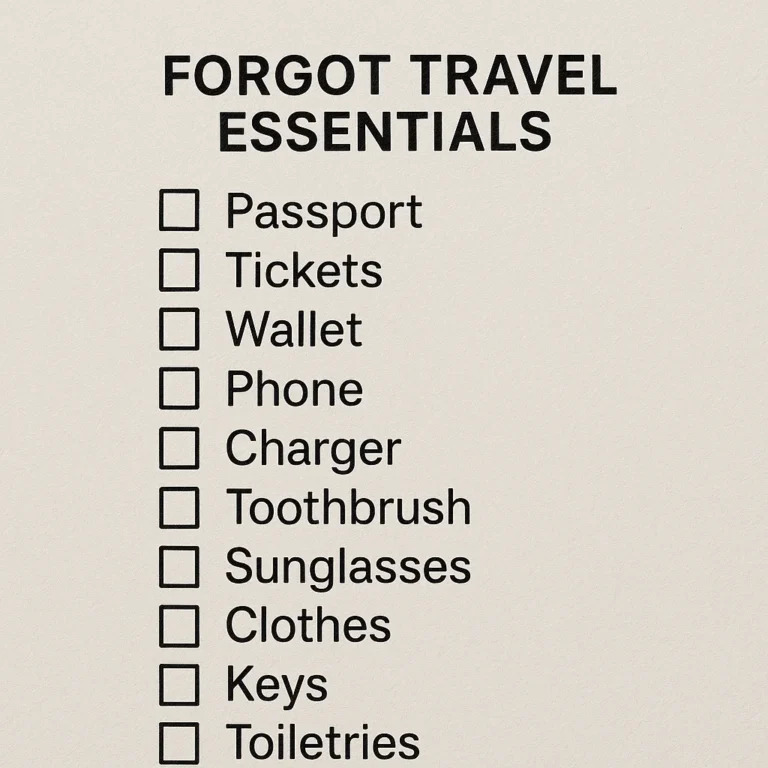
Start with a master checklist and customize it for your trip. Group items by category (clothing, toiletries, tech, documents). Use packing cubes to separate categories. Check off items as you pack them to ensure nothing is forgotten.
What if I need to bring a specific item that doesn’t fit the rules?
If you have a medical necessity or a special item (like baby formula), you can bring it in quantities larger than 3.4oz, but you must declare it at security. Always check with your airline and TSA beforehand.
Read more about “✈️ The Ultimate 5-Day Trip Packing List for Women (2026)”
📚 Reference Links
- TSA 3-1-1 Rule: TSA Official Website
- Airline Carry-On Size Limits: Skytrax Airline Size Guide
- Samantha Brown’s Packing Tips: Samantha Brown’s Blog
- Touring Plans Forum Discussion: Touring Plans Forum
- Facebook Group Discussion (What to pack for 5 nights in Bali?): Facebook Group Post
- Eagle Creek Packing Cubes: Eagle Creek Official
- Tru Earth Laundry Sheets: Tru Earth Official
- Bite Toothpaste Bits: Bite Official
- Airalo E-SIM: Airalo Official