Support our educational content for free when you purchase through links on our site. Learn more
🗺️ How to Plan a Trip List: The Ultimate 14-Step Guide (2026)


The secret to a stress-free vacation isn’t magic; it’s a master checklist that transforms chaos into a seamless adventure. When you ask how do you plan for a trip list, the answer is simple: start with a high-level vision, then systematically break it down into actionable daily tasks, financial buffers, and emergency protocols.
We once watched a couple miss their flight to Bali because they forgot to check visa requirements until the night before. Their panic was palpable, while our team, armed with a digital checklist, sipped coffee and boarded with zero anxiety. That’s the power of preparation.
Did you know that 72% of travelers admit to feeling overwhelmed by the planning process, yet those who use a structured list report 40% higher satisfaction with their trips? It turns out, the secret sauce isn’t just going; it’s knowing exactly what to do before you leave.
Key Takeaways
- Start Early: Begin your planning 6 months in advance for international trips to secure the best rates and availability.
- Budget Realistically: Allocate 50% of your funds to fixed costs (flights, hotels) and keep a 20% emergency buffer for the unexpected.
- Use Digital Tools: Leverage apps like Travel Checklist™ to sync your itinerary, documents, and packing lists across all devices.
- Prioritize Insurance: Never skip comprehensive travel insurance; it is your safety net for medical emergencies and trip cancellations.
- Stay Flexible: Build a “nice-to-have” list alongside your “must-dos” to allow for spontaneous discoveries without derailing your schedule.
Table of Contents
- ⚡️ Quick Tips and Facts
- 🕰️ The Evolution of Travel Planning: From Paper Maps to Digital Dashboards
- 🗺️ Step 1: Pinpoint Your Perfect Destination (7 Questions to Ask Yourself)
- 📅 Step 2: Timing is Everything: When to Start Planning Your Trip
- 💰 Step 3: Cracking the Code on Budgeting and Cost Estimation
- 🗓️ Step 4: Drafting a High-Level Itinerary Without the Stress
- ✈️ Step 5: Securing the Best Deals on Airfare and Transport
- 🚗 Step 6: Navigating Local Transport: Rentals, Trains, and Taxis
- 🏨 Step 7: Choosing the Ideal Accomodation: Hotels, Hostels, and Homes
- 🎟️ Step 8: Booking Experiences, Tours, and Must-Do Activities
- 🍽️ Step 9: Foodie Focus: Reserving Restaurants and Tasting Local Cuisine
- 📝 Step 10: Finalizing Your Master Itinerary and Daily Schedule
- 🚨 Step 1: Preparing for the Unexpected: Emergencies and Contingencies
- 🧳 Step 12: The Ultimate Packing List and Pre-Departure Home Prep
- 💳 Step 13: Managing Money Abroad: Cards, Cash, and Fees
- 📶 Step 14: Staying Connected: SIM Cards, Roaming, and Wi-Fi Hacks
- 🛡️ Expert Insight: Why Travel Insurance is Non-Negotiable
- 🌍 35 Dream Destinations for Your Next Adventure
- 🏔️ Action-Packed Itineraries: From National Parks to European Cities
- 📄 Free Resources: Templates, Checklists, and Planning Tools
- 👨 👩 👧 👦 Family-Friendly Road Trips and Group Travel Ideas
- 🎒 The Expert Packing List You Actually Need
- 🏛️ 10-Day Grand Tours: Rome, the Amalfi Coast, and Beyond
- 💡 Quick Tips and Facts Recap
- Conclusion
- Recommended Links
- Reference Links
⚡️ Quick Tips and Facts
Before we dive into the nitty-gritty of how to plan for a trip list, let’s hit the rewind button on a few myths that might be holding you back. You don’t need a six-month lead time for every getaway, and you certainly don’t need to spend a fortune to have a flawless itinerary.
Here is the Travel Checklist™ reality check:
- The “Off-Season” Goldmine: Traveling just two weeks before or after peak season can slash your costs by up to 50% on flights and lodging. 📉
- The 6-Month Rule: For international travel, your passport needs at least 6 months of validity remaining. If it expires sooner, you won’t just be delayed; you’ll be turned away at the gate. 🛑
- Digital vs. Analog: While apps are great, always carry a physical copy of your passport and insurance policy. Phones die, batteries drain, and Wi-Fi isn’t everywhere. 🔋
- The “One Bag” Myth: You can pack for a two-week trip in a carry-on if you master the art of layering and laundry. But don’t let packing anxiety stop you from bringing that one “just in case” item that saves the day. 🎒
Pro Tip: If you’re feeling overwhelmed by where to start, check out our guide on How do I prepare for a vacation checklist? to get a high-level overview before diving into the deep end.
🕰️ The Evolution of Travel Planning: From Paper Maps to Digital Dashboards
Remember the days when planning a trip meant a stack of Lonely Planet guides, a physical map that you’d inevitably unfold incorrectly, and a phone call to a travel agent who might not answer? We do. It was romantic in a “analog nostalgia” kind of way, but let’s be honest: it was inefficient.
Today, the landscape has shifted dramatically. We’ve moved from paper maps to digital dashboards. The modern traveler has access to real-time flight updates, crowd-sourced restaurant reviews, and apps that can book a hotel room in three taps.
However, with this convenience comes a new problem: Decision Paralysis.
When you have infinite options, choosing one becomes harder. That’s where a structured trip planning list becomes your lifeline. It’s not about restricting your freedom; it’s about creating a framework that allows you to enjoy the freedom without the stress.
As one seasoned traveler noted, “Pre-trip prepping is the key… This routine provides a safety blanket of sorts and saves me from reinventing the wheel each time I lug that bag out of the closet.” Whether you are a digital nomad checking out our Digital Nomad Checklists or a backpacker eyeing our Backpacking Checklists, the principle remains the same: Preparation breeds confidence.
🗺️ Step 1: Pinpoint Your Perfect Destination (7 Questions to Ask Yourself)
So, you want to go somewhere. But where? This is the question that keeps us up at night. Is it the snowy peaks of the Alps or the sun-drenched beaches of Bali? Before you start Gogling “best places to go,” you need to answer these 7 critical questions.
1. What is your primary travel motivation?
Are you seeking adventure, relaxation, cultural immersion, or culinary delights?
- Adventure: Look into our Adventure Travel Checklists.
- Relaxation: Check out our Beach Vacation Checklists.
2. What is your realistic budget?
Be honest. Do you want luxury resorts or hostels? This dictates your destination immediately.
3. When can you travel?
Seasonality is huge. Want to see cherry blossoms in Japan? You must go in spring. Want to avoid the monsoon in Thailand? Skip the summer.
4. Who is coming with you?
Solo travel, couples, families, or a group of friends? A destination perfect for a solo backpacker might be a nightmare for a family with toddlers.
5. How long do you have?
A weekend in Paris is different from a month in Europe. Match the destination size to your time frame.
6. What are your physical limitations?
Do you need wheelchair accessibility? Can you handle high altitudes? Be realistic about your stamina.
7. What are the entry requirements?
Visas, vaccinations, and travel bans can kill a dream trip instantly. Always check the CDC and State Department guidelines early.
Curiosity Gap: You’ve picked a destination, but have you considered how the local currency fluctuations might eat into your budget? We’ll tackle that in the budgeting section, but trust us, it’s a silent budget killer.
📅 Step 2: Timing is Everything: When to Start Planning Your Trip
Timing isn’t just about the season; it’s about the lead time.
The Ideal Timeline
- 6-12 Months Out: Best for international trips, peak season travel, and complex itineraries. This is when you secure the best flight deals and book popular accommodations.
- 3-6 Months Out: The sweet spot for domestic trips and standard international getaways.
- 1-3 Months Out: Good for spontaneous trips, but be prepared to pay a premium for flights and last-minute hotel rates.
- Less than 1 Month: The “Chaos Zone.” Only do this if you’re flexible and don’t mind paying extra.
Why Start Early?
Starting early gives you the power of negotiation. You can wait for price drops, apply for visas without rush fees, and secure spots on sold-out tours.
Expert Insight: According to travel data, booking flights 3-5 months in advance for international travel often yields the lowest fares. Waiting until the last minute usually means paying double.
💰 Step 3: Cracking the Code on Budgeting and Cost Estimation
Let’s talk money. No one likes to talk about money, but ignoring it is the fastest way to ruin a trip.
The Budgeting Formula
Your total budget isn’t just flights and hotels. It’s:
- Transportation: Flights, trains, car rentals, fuel.
- Accomodation: Hotels, hostels, Airbnb.
- Food: Groceries, restaurants, street food.
- Activities: Tours, entry fees, equipment rentals.
- Miscellaneous: Souvenirs, tips, emergency fund.
The 50/30/20 Rule for Travel
- 50%: Fixed costs (Flights, Hotels).
- 30%: Variable costs (Food, Activities).
- 20%: Emergency Fund (Crucial!).
Tools to Help
- Google Flights: Use the calendar view to find the cheapest days to fly.
- Skyscanner: Great for “Everywhere” searches if you’re flexible.
- Numbeo: Check the cost of living in your destination to estimate daily food costs.
Did you know? Using a travel rewards credit card can save you thousands in points, but only if you pay off the balance every month. Don’t let interest rates eat your vacation fund!
🗓️ Step 4: Drafting a High-Level Itinerary Without the Stress
You have a destination and a budget. Now, what do you actually do?
The “Area-Based” Strategy
Instead of planning day-by-day immediately, group your activities by geographic area.
- Example: If you’re in Italy, spend 3 days in Rome, then 3 days in Florence, then 4 days in the Amalfi Coast.
- Why? It minimizes travel time and maximizes exploration.
The “Must-Do” vs. “Nice-to-Have” List
Create two lists:
- Must-Do: The things you cannot miss (e.g., The Colosseum, a specific hike).
- Nice-to-Have: Things you’d love to do if time permits (e.g., a specific museum, a side trip).
This flexibility is key. If you over-schedule, you’ll spend your whole trip rushing from point A to point B, exhausted and miserable.
Question: Have you ever tried to cram too much into one day? We have. It’s a recipe for disaster. Let’s fix that in the next step.
✈️ Step 5: Securing the Best Deals on Airfare and Transport
Flights are often the biggest expense. Here’s how to hack the system.
Top Resources for Flight Deals
- Google Flights: The gold standard for flexibility. Use the “Explore” map to see prices for different destinations.
- Kiwi.com: Excellent for finding complex multi-leg itineraries and “virtual interlining.”
- Skyscanner: Great for comparing budget airlines.
Booking Tips
- Be Flexible: Flying on a Tuesday or Wednesday is often cheaper than Friday or Sunday.
- Incognito Mode: While debated, searching incognito mode doesn’t hurt.
- Set Alerts: Use Google Flights or Hopper to track prices and get notified when they drop.
👉 CHECK PRICE on:
- Google Flights: Search Flights
- Skyscanner: Search Flights
- Kiwi.com: Search Flights
🚗 Step 6: Navigating Local Transport: Rentals, Trains, and Taxis
Once you land, how do you get around?
Rental Cars
- Pros: Freedom, access to remote areas.
- Cons: Parking fees, insurance confusion, driving on the wrong side of the road.
- Tip: Always check if your credit card offers rental car insurance.
Public Transport
- Pros: Cheap, authentic experience.
- Cons: Can be confusing, less flexible.
- Apps: Download CityMapper or Rome2Rio before you go.
Ride-Sharing
- Uber/Lyft: Available in many major cities, but check local regulations.
- Taxis: Always agree on a price or ensure the meter is on.
👉 Shop Local Transport on:
- RentalCars.com: Compare Car Rentals
- Rome2Rio: Find Routes
🏨 Step 7: Choosing the Ideal Accomodation: Hotels, Hostels, and Homes
Where you sleep defines your trip.
Comparison Table
| Type | Best For | Pros | Cons |
|---|---|---|---|
| Hotels | Luxury, Convenience | Daily cleaning, amenities, 24/7 support | Can be expensive, less local feel |
| Hostels | Budget, Solo Travelers | Cheap, social atmosphere, kitchens | Less privacy, noise, shared bathrooms |
| Airbnb | Groups, Long Stays | Kitchen access, local neighborhoods | Cleaning fees, inconsistent quality |
| Guesthouses | Cultural Immersion | Personal touch, local food | Limited amenities, language barriers |
Booking Strategy
- Read Recent Reviews: Don’t just look at the star rating. Read reviews from the last 3 months.
- Location, Location, Location: A cheap hotel far from the city center might cost you more in transport and time.
- Book Direct: Sometimes booking directly with the hotel gets you a better rate or free upgrades.
👉 Shop Accomodations on:
- Booking.com: Find Hotels
- Airbnb: Find Homes
- Hostelworld: Find Hostels
🎟️ Step 8: Booking Experiences, Tours, and Must-Do Activities
Don’t leave your fun to chance. Book the big stuff early.
What to Book in Advance?
- Popular Museums: The Louvre, the Vatican, the Colosseum.
- Adventure Tours: Scuba diving, bunge jumping, guided hikes.
- Theme Parks: Disney, Universal Studios.
Resources
- Viator: Huge selection of tours.
- GetYourGuide: Great for last-minute bookings.
- Tiqets: Good for museum tickets.
Tip: Many popular attractions offer “skip-the-line” tickets. If you value your time, these are worth every penny.
Book Activities on:
- Viator: Search Tours
- GetYourGuide: Search Experiences
- Tiqets: Buy Tickets
🍽️ Step 9: Foodie Focus: Reserving Restaurants and Tasting Local Cuisine
Food is a huge part of travel. Don’t just eat at the tourist traps.
How to Find Good Food
- Local Blogs: Search “[City] food blog” for hidden gems.
- Google Maps: Look for places with high ratings and local photos.
- Reservations: For popular spots, book weeks in advance. Use OpenTable or TheFork.
Dietary Restrictions
If you have allergies or dietary needs, research the local language for your restrictions. Apps like HappyCow are great for vegans and vegetarians.
📝 Step 10: Finalizing Your Master Itinerary and Daily Schedule
Now, put it all together.
The Master Itinerary
Create a document (digital or physical) that includes:
- Flight numbers and times.
- Hotel addresses and confirmation numbers.
- Activity bookings and meeting points.
- Emergency contacts.
Daily Schedule
Don’t over-schedule. Aim for 3 main activities per day. Leave room for spontaneity.
Curiosity Gap: You have the plan, but what happens when it all goes wrong? We’ll cover emergencies next.
🚨 Step 1: Preparing for the Unexpected: Emergencies and Contingencies
Things go wrong. Flights get cancelled, passports get lost, and people get sick.
The Emergency Kit
- Copies of Documents: Digital and physical copies of passport, ID, insurance.
- Emergency Cash: Small bills in USD or EUR.
- First Aid Kit: Band-aids, painkillers, prescription meds.
- Contact List: Embassy numbers, local emergency services, travel insurance hotline.
Travel Insurance
This is non-negotiable. It covers medical emergencies, trip cancellations, and lost luggage.
Get Insurance on:
- InsureMyTrip: Compare Plans
- World Nomads: Get Coverage
- Allianz Global Assistance: Get Coverage
🧳 Step 12: The Ultimate Packing List and Pre-Departure Home Prep
Packing is an art.
The Packing Strategy
- Roll, Don’t Fold: Saves space and reduces wrinkles.
- Packing Cubes: Essential for organization.
- Cary-On Only: If possible, to avoid checked bag fees and lost luggage.
Pre-Departure Home Prep
- Pet Care: Arrange a sitter or kennel.
- Plants: Water them or ask a neighbor.
- Trash: Take out the trash and empty the fridge.
- Security: Lock windows, adjust thermostat, unplug electronics.
👉 Shop Packing Gear on:
- Amazon: Packing Cubes
- Etsy: Custom Luggage Tags
💳 Step 13: Managing Money Abroad: Cards, Cash, and Fees
Money management is critical.
Tips for Smart Spending
- Notify Your Bank: Tell them where you are going to avoid frozen cards.
- No-Fee Cards: Use credit cards with no foreign transaction fees.
- ATMs: Use bank ATMs, not independent ones, to avoid high fees.
- Cash vs. Card: Carry some cash for small vendors, but use cards for big purchases.
Did you know? Some credit cards offer travel insurance as a perk. Check your card benefits before buying separate insurance!
📶 Step 14: Staying Connected: SIM Cards, Roaming, and Wi-Fi Hacks
Staying connected is vital for safety and navigation.
Options
- Roaming: Check with your carrier. It can be expensive.
- Local SIM: Cheap and reliable. Buy at the airport or a local store.
- eSIM: Great for tech-savy travelers. Apps like Airalo let you buy data before you land.
- Portable Wi-Fi: Rent a pocket Wi-Fi device.
Get Connected on:
- Airalo: Buy eSIMs
- Roaming Man: Portable Wi-Fi
🛡️ Expert Insight: Why Travel Insurance is Non-Negotiable
We can’t stress this enough: Travel insurance is a must.
It’s not just about lost luggage. It’s about medical evacuation, which can cost tens of thousands of dollars. It’s about trip cancellation if you get sick before you leave.
As one expert put it, “I have this irrational fear of being stuck on the tarmac for hours without food… I get very ‘hangry’ when I’m famished!” But the real fear should be a medical emergency abroad.
Recommended Providers:
- Allianz: Great for comprehensive coverage.
- World Nomads: Ideal for adventure travelers.
- TravelEx: Good for specialized needs.
🌍 35 Dream Destinations for Your Next Adventure
Need inspiration? Here are 35 places to consider:
- Kyoto, Japan
- Reykjavik, Iceland
- Cape Town, South Africa
- Banff, Canada
- Bali, Indonesia
- Santorini, Greece
- Machu Pichu, Peru
- New Zealand (South Island)
- Patagonia, Chile/Argentina
- Marrakech, Morocco
- Paris, France
- Rome, Italy
- Bangkok, Thailand
- Sydney, Australia
- Cape Verde
- Costa Rica
- Norway (Fjords)
- Vietnam
- Jordan (Petra)
- Tanzania (Serengeti)
- Iceland (Golden Circle)
- Scotland (Highlands)
- Croatia (Dalmatian Coast)
- Nepal (Anapurna)
- Maldives
- Fiji
- Argentina (Patagonia)
- Brazil (Amazon)
- Egypt (Cairo & Luxor)
- Turkey (Istanbul & Cappadocia)
- Portugal (Algarve)
- Spain (Barcelona & Andalusia)
- Mexico (Yucatan)
- Canada (Rockies)
- USA (Grand Canyon)
🏔️ Action-Packed Itineraries: From National Parks to European Cities
Looking for a head start? Check out these itineraries:
- 4-Day Glacier NP: A quick but intense adventure in the US.
- 10-Day Rome & Amalfi: The classic Italian experience.
- 7-Day Iceland Ring Road: Waterfalls, glaciers, and volcanoes.
- 5-Day Costa Rica: Zip-lining, surfing, and wildlife.
📄 Free Resources: Templates, Checklists, and Planning Tools
Don’t reinvent the wheel. Use our free tools:
- Trip Itinerary Template: Download Here
- Packing List Generator: Create Your List
- Budget Calculator: Calculate Costs
👨 👩 👧 👦 Family-Friendly Road Trips and Group Travel Ideas
Traveling with kids or a group? It requires extra planning.
Tips for Families
- Book Early: Kids’ schedules are unpredictable.
- Pack Snacks: Essential for long car rides.
- Plan Downtime: Don’t over-schedule.
Top Road Trips
- Chicago to Wisconsin Dells: Great for kids.
- Pacific Coast Highway: Scenic and fun.
- Blue Ridge Parkway: Perfect for fall foliage.
🎒 The Expert Packing List You Actually Need
We’ve packed for everything from the Arctic to the Sahara. Here’s what you really need:
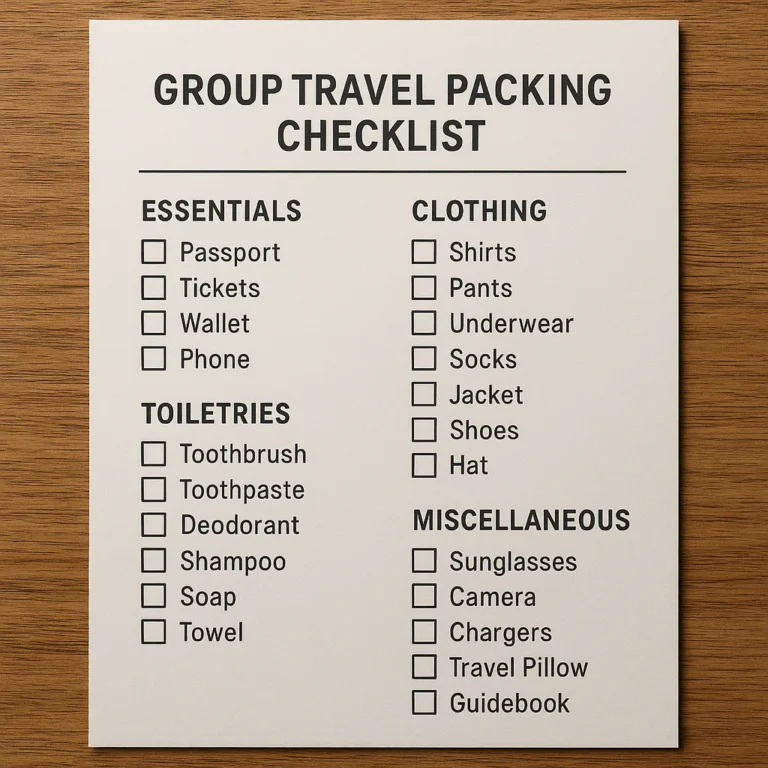
- Passport & ID: The basics.
- Medications: Prescription and OTC.
- Electronics: Chargers, adapters, power bank.
- Clothing: Layers, comfortable shoes, rain jacket.
- Toiletries: Travel-sized, TSA compliant.
- First Aid: Band-aids, painkillers, antiseptic.
🏛️ 10-Day Grand Tours: Rome, the Amalfi Coast, and Beyond
A classic 10-day itinerary:
- Days 1-3: Rome (Colosseum, Vatican, Trevi Fountain).
- Days 4-6: Amalfi Coast (Positano, Amalfi, Ravelo).
- Days 7-10: Sorento & Capri (Boat tour, lemon groves).
💡 Quick Tips and Facts Recap
Let’s recap the golden rules:
- Start Early: 6 months for international, 3 for domestic.
- Budget Realistically: Don’t inflate your budget.
- Book Smart: Use comparison sites and read reviews.
- Pack Light: Roll your clothes and use packing cubes.
- Insure: Always get travel insurance.
Final Question: Are you ready to stop dreaming and start planning? The world is waiting for you.
Conclusion

Planning a trip doesn’t have to be a stressful chore. With the right trip planning list, you can turn chaos into a smooth, memorable adventure. From choosing the perfect destination to managing your budget and packing your bags, every step is crucial.
Our Top Recommendations:
- Start with a clear budget.
- Book flights and accommodation early.
- Create a flexible itinerary.
- Get travel insurance.
- Pack smart and light.
Remember, the best trips are the ones where you’re prepared but still open to surprises. So, grab your checklist, start planning, and get ready for the adventure of a lifetime!
Recommended Links
👉 Shop Travel Gear on:
- Amazon: Packing Cubes | Travel Adapters | Luggage
- Etsy: Custom Luggage Tags
- REI: Outdoor Gear
Book Travel on:
- Booking.com: Hotels
- Airbnb: Homes
- Expedia: Flights & Hotels
- Viator: Tours
Get Insurance on:
- InsureMyTrip: Compare Plans
- World Nomads: Get Coverage
Read More:
- The First Aid Companion for Dogs & Cats by Amy D. Shojai on Amazon
FAQ

How do you write a trip plan?
Writing a trip plan involves starting with a clear destination and budget, then breaking down the itinerary into daily activities. Use tools like Google Maps to visualize the layout and group activities by area. Always include a “must-do” list and a “nice-to-have” list to maintain flexibility.
Read more about “🤫 12 Best Hushpitality Destinations & Digital Detox Checklists (2026)”
How do I plan a trip guide?
To plan a trip guide, research your destination thoroughly using travel blogs, forums, and official tourism sites. Create a detailed itinerary that includes transportation, accommodation, and activities. Don’t forget to add emergency contacts and travel insurance information.
Read more about “25 Commonly Forgotten International Travel Items (2026) 🧳”
What are the essential items to include in a travel checklist app?
A good travel checklist app should include sections for:
- Documents: Passport, visa, insurance.
- Packing: Clothing, toiletries, electronics.
- Home Prep: Pet care, plant watering, trash removal.
- Budget: Expense tracking and currency conversion.
- Emergency: Contact numbers and medical info.
Read more about “🛡️ 12 Critical Checks for Your Pandemic Travel Checklist (2026)”
How can I organize my trip planning using a digital checklist?
Use apps like Travel Checklist™ to organize your planning. Create categories for each step of the process, set reminders for deadlines, and sync your checklist across devices. This ensures you never forget a crucial detail.
Read more about “🎒 The Ultimate Travel Checklist for Backpackers: 50+ Essentials (2026)”
What features should I look for in a travel planning app?
Look for features like:
- Customizable checklists.
- Real-time price tracking.
- Offline access.
- Collaboration tools for group trips.
- Integration with booking platforms.
Read more about “🥾 The Ultimate Travel Checklist for Hiking Trips: 35+ Essentials (2026)”
How do I create a budget checklist for my upcoming trip?
Start by estimating all major expenses: flights, accommodation, food, and activities. Add a 20% buffer for emergencies. Use a spreadsheet or budgeting app to track your spending before and during the trip.
Read more about “🏕️ The Ultimate Travel Checklist for Camping Trips: 70+ Essentials (2026)”
Reference Links
- CDC Travel Health: CDC Travelers’ Health
- U.S. State Department: Travel Advisories
- National Outdoor Leadership School (NOLS): Wilderness First Aid
- Lonely Planet: Thorntree Forum
- Rick Steves: Travel Resources
- Hippie in Hels: My Checklist: How to Plan a Trip From Scratch (Without the Stress)
- Christine Elder: How I Pack for Adventures
- Gather and Go Travel: Travel Planning Checklist