Support our educational content for free when you purchase through links on our site. Learn more
15 Budget Travel Destinations That Stretch Your Trip 🌍

The top budget travel destinations using cost-saving checklists include places such as Vietnam, Albania, Poland, Guatemala, and Colombia—but the best deal depends on your flights, travel dates, and plans once you arrive. Compare the full trip cost, then use a checklist to catch the easy-to-miss expenses: baggage, airport transfers, transit, meals, entry requirements, and travel insurance.
We once found a flight that looked like a bargain until we checked its late arrival time. The last bus would be gone, so a taxi and possibly an extra night threatened to eat up the savings. One checklist question—“How do we get from the airport to our stay?”—changed the whole comparison.
Key Takeaways
- Compare total trip costs, not just airfare or nightly rates. Include transfers, baggage, meals, local transport, activities, and fees.
- Choose destinations that fit your travel style. Vietnam and Thailand can suit food and backpacking trips; Albania and Poland offer European value; Guatemala and Colombia bring culture and nature.
- Use flexible dates, nearby airports, and fare alerts to find flight options, then confirm baggage rules and booking terms with the airline.
- Save strategically on the ground with public transport, local meals, fewer accommodation changes, and free or low-cost activities.
- Use a travel checklist to prevent avoidable expenses. Track documents, entry rules, insurance, packing, booking deadlines, and daily spending.
- Protect your budget with a buffer. A little room for delays or unexpected needs can keep a bargain trip from becoming a stressful one.
Table of Contents
- ⚡️ Quick Tips and Facts
- 🌍 How Budget Travel Checklists Help You Spend Less
- What Makes a Destination Budget-Friendly?
- How We Compare Daily Travel Costs
- 🗺️ 15 Top Budget Travel Destinations to Put on Your List
- 1. Vietnam: Street Food, Sleeper Trains, and Low-Cost Stays
- 2. Thailand: Affordable Islands and Easy Local Transport
- 3. Cambodia: Temples, Guesthouses, and Budget Eats
- 4. Laos: Slow Travel and Scenic River Towns
- 5. India: Big Adventures on a Flexible Budget
- 6. Nepal: Mountain Scenery and Low-Cost Treking
- 7. Indonesia: Affordable Food and Island-Hopping Options
- 8. Albania: Europe’s Affordable Riviera and Historic Cities
- 9. Bulgaria: Low-Cost City Breaks and Mountain Escapes
- 10. Romania: Castles, Countryside, and Budget Rail Travel
- 11. Poland: Affordable European Culture and Comfort Food
- 12. Portugal: Smart Ways to Save in Cities and Coastal Towns
- 13. Mexico: Affordable Regional Food and Public Transport
- 14. Guatemala: Low-Cost Lakes, Ruins, and Local Markets
- 15. Colombia: Budget-Friendly Cities and Nature Trips
- 🧭 Choose a Destination That Fits Your Budget and Travel Style
- Best Budget Destinations for First-Time International Travelers
- Cheap Beach Holidays, City Breaks, and Outdoor Adventures
- How Seasonality, Weather, and Local Events Affect Costs
- Check Entry Rules, Safety Advice, and Health Guidance
- ✈️ Find Cheap Flights Without Getting Tripped Up by Fees
- Search Flexible Dates and Nearby Airports
- Use Flight Maps, Price Calendars, and “Anywhere” Search
- Compare One-Way, Round-Trip, and Multi-City Tickets
- Check Budget Airlines and Their Baggage Rules
- Compare Flight Search Sites with Airline Websites
- Set Fare Alerts and Check the Full Trip Cost
- Use Points and Miles Carefully
- 🏨 Save on Accommodation Without Sacrificing a Good Night’s Sleep
- Compare Hostels, Guesthouses, Hotels, and Vacation Rentals
- Choose a Convenient Neighborhood, Not Just the Lowest Rate
- Check Kitchen Access, Breakfast, and Hidden Charges
- Use Free Cancellation and Loyalty Benefits Strategically
- 🍜 Keep Food and Drink Costs Under Control
- Eat Where Local Residents Eat
- Shop Markets and Make Simple Meals
- Carry Snacks and a Refillable Water Bottle
- Plan for Dietary Needs and Food Safety
- 🚌 Get Around for Less
- Use Public Transit, Regional Buses, and Trains
- Compare Rideshares, Taxis, and Airport Transfers
- Walk, Cycle, or Choose a Base That Reduces Travel
- Understand Local Transit Passes and Ticket Rules
- 🎟️ Find Free and Low-Cost Things to Do
- Look for Free Walking Tours, Museums, and Public Spaces
- Save on Tours, Attractions, and National Parks
- Balance Must-See Experiences with Spontaneous Days
- ✅ Your Cost-Saving Trip Planning Checklist
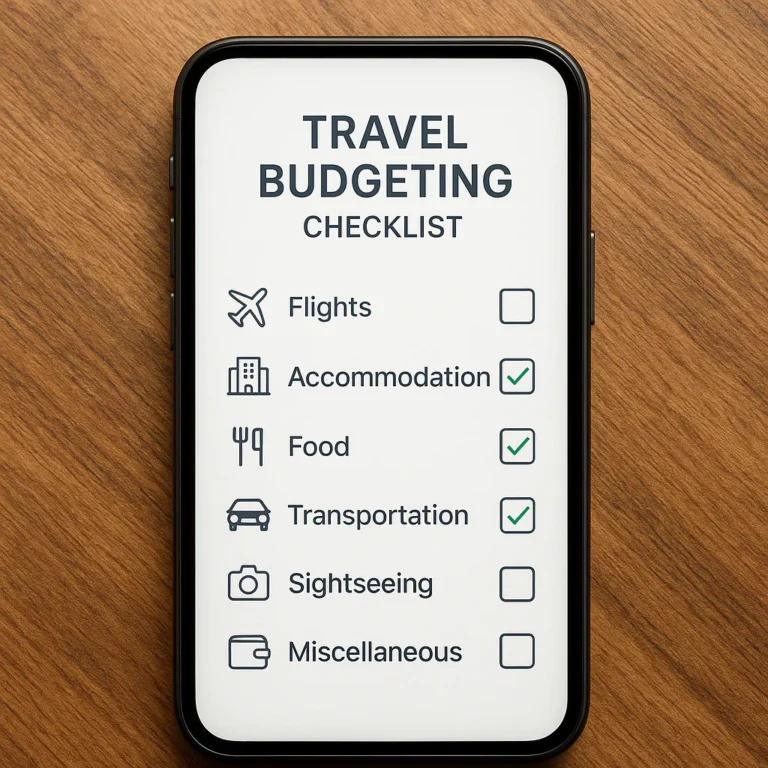
- Before You Book: Set a Realistic Travel Budget
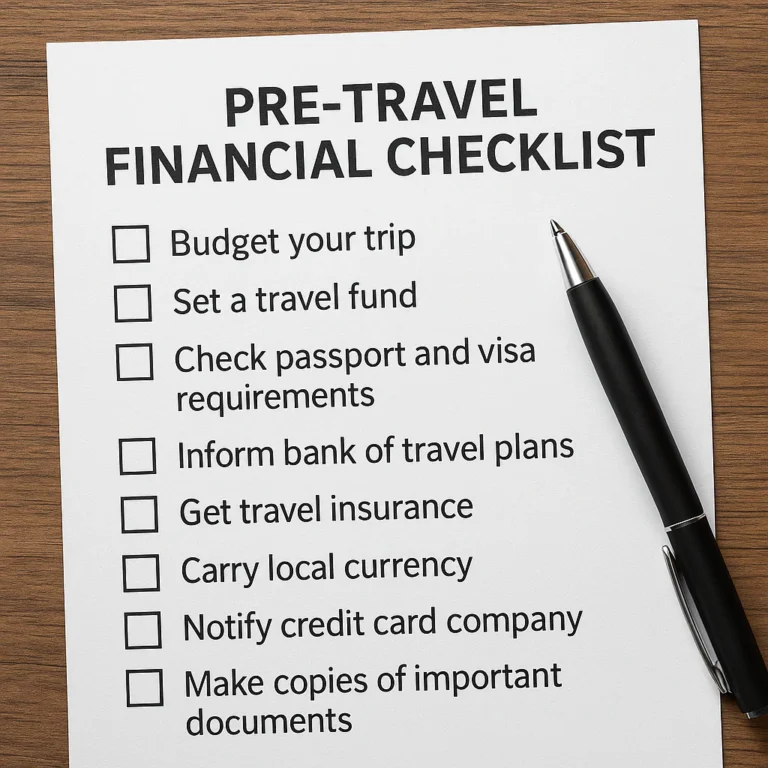
- Before You Leave: Documents, Insurance, and Money
- Packing Checklist: Avoid Baggage Fees and Last-Minute Buys
- Daily Travel Checklist: Track Spending and Stay Flexible
- 💳 Budget Travel Money Tips and Common Hidden Costs
- Plan for Foreign Transaction Fees, Cash, and ATMs
- Budget for Visas, SIM Cards, Insurance, and Laundry
- Avoid Dynamic Currency Conversion and Tourist Scams
- Build an Emergency Buffer into Your Trip Fund
- 📅 Sample Budget Itineraries and Trip Planning Strategies
- How to Plan a One-Week Affordable Getaway
- How to Plan a Two-Week Budget Backpacking Trip
- How to Stretch a Small Daily Travel Budget
- When to Book Ahead and When to Decide as You Go
- ❌ Budget Travel Mistakes That Can Cost You More
- Choosing the Cheapest Flight Without Checking Extras
- Overpacking Your Itinerary and Paying for Extra Transfers
- Skipping Travel Insurance or Reliable Local Advice
- ❓ Frequently Asked Questions About Budget Travel Destinations
- What Is the Cheapest Country to Visit on a Budget?
- How Much Money Should You Budget for a Trip?
- How Can You Find Cheap Flights to Affordable Destinations?
- Are Budget Travel Destinations Safe for Solo Travelers?
- What Is the Best Way to Pay While Traveling Abroad?
- Conclusion
- 🔗 Recommended Links
- 📚 Reference Links
⚡️ Quick Tips and Facts
Your destination can be affordable on the ground and still expensive to reach. Compare the whole trip—not just the nightly rate or headline airfare. For more inspiration, start with our guide to top travel destinations, then use this checklist to see which ideas fit your budget, dates, and travel style.
| Budget question | Smart first move | Why it matters |
|---|---|---|
| Where should we go? | Compare airfare plus lodging, local transport, meals, and activities | A cheap destination can come with costly flights or transfers |
| When should we travel? | Check flexible-date calendars and shoulder-season options | Dates often affect fares and accommodation availability |
| How do we avoid surprise costs? | Make a checklist for bags, airport transfers, visas, insurance, and payment fees | Small charges can pile up like an overeager souvenir collection |
| What should we book first? | Secure limited, high-demand transport and lodging; leave flexible activities open | You get certainty where it matters without overplanning every hour |
| How do we keep spending visible? | Track daily costs by category in a notes app or checklist app | A running total makes it easier to adjust before the budget wanders off |
- ✅ Search more than one route and date combination. Google Flights, Skyscanner, and airline websites can reveal different options.
- ✅ Check the cost of reaching the airport. A bargain fare from a distant airport may be less attractive after parking, transit, or an overnight stay.
- ✅ Use local transport and eat local food. These are often more rewarding than expensive tourist-zone alternatives.
- ✅ Build a buffer. Keep money aside for changes, medical needs, and unexpected transport.
- ❌ Don’t assume a low airfare is the lowest trip cost. Baggage, seat selection, airport transfers, and inconvenient arrival times can change the math.
- ❌ Don’t rely one “best day to book” rule. Fares change with route, season, demand, and airline inventory.
We’ve learned that the cheapest option isn’t always the one with the smallest number on the screen. One low-cost flight we considered would have arrived after public transport stopped running; the taxi and an extra night would have swallowed much of the savings. The checklist item that caught it was “arrival time and onward transfer.” We’ll return to that deceptively small line when we compare destinations.
🌍 How Budget Travel Checklists Help You Spend Less
A budget travel checklist turns vague intentions—“we’ll try not to spend too much”—into decisions you can actually make. It helps you compare destinations consistently, remember costs that don’t appear in glossy travel photos, and avoid rushed purchases.
Our team uses the same basic categories whether planning a weekend city break or a longer backpacking trip:
- Getting there: flights, trains, airport transfers, baggage, and parking.
- Sleeping: accommodation, taxes, cleaning fees, and location.
- Getting around: local transit, intercity transport, taxis, fuel, and tolls.
- Eating: meals, groceries, drinking water, and snacks.
- Doing: tours, attraction tickets, equipment rental, and tips.
- Preparing: documents, insurance, medication, connectivity, and laundry.
- Protecting the budget: an emergency reserve and a way to track spending.
Use a printable or digital list alongside our Budget Travel Checklists. If you prefer planning trips on your phone, the Travel Checklist app can help keep tasks, packing, and trip details together. A checklist won’t magically lower a fare, but it can stop us from paying extra because we forgot the baggage rules—or packed three sweaters for a tropical island. 🌴
What Makes a Destination Budget-Friendly?
A destination is budget-friendly for your trip when the total cost works for your itinerary, not simply because someone labels the country “cheap.” Your departure point, travel season, exchange rate, trip length, and comfort needs all change the result.
Consider these factors before choosing:
- Airfare or overland travel: Can you get there affordably from home?
- Accommodation: Are there safe, convenient options across your preferred comfort level?
- Everyday costs: What do meals, local transport, and common activities typically involve?
- Distance between stops: Will moving around require multiple flights or long transfers?
- Seasonality: Do peak-season crowds or weather affect availability and costs?
- Entry and health requirements: Are there visa, vaccination, or insurance considerations?
- Value for your travel style: Does the destination offer the experiences you actually want?
An affordable guesthouse far outside the city can become an expensive choice if you pay for long rides every day. Likewise, a destination with higher accommodation costs might offer free public spaces, excellent walking routes, and low-cost food. Compare the daily plan, not just the country’s reputation.
How We Compare Daily Travel Costs
We don’t treat a countrywide “daily budget” as a promise. Costs vary between neighborhoods, seasons, and travel styles, so we compare a practical basket instead.
| Cost category | Questions to check | Checklist prompt |
|---|---|---|
| Accommodation | Is the location practical? Are taxes or cleaning fees extra? | “What is the full stay total, and how far is it from transit?” |
| Food | Can we eat local meals or prepare some food? | “How many meals are included, if any?” |
| Transport | Are buses, trains, or transit passes available? | “What will airport-to-lodging travel cost in time and effort?” |
| Activities | Are major experiences free, ticketed, or tour-dependent? | “Which two activities matter enough to budget for?” |
| Extras | Will we need a SIM, laundry, cash withdrawals, or equipment? | “What costs will happen even if we have a quiet day?” |
For exchange-rate context, check a reputable currency converter such as XE, then verify card fees and ATM terms with your financial institution. For destination planning, consult official tourism and government travel-advice sources rather than relying on a single viral post.
🗺️ 15 Top Budget Travel Destinations to Put on Your List
These destinations can offer strong value, but no place is automatically cheap for every traveler. We’ve chosen a mix of food-focused cities, beaches, cultural trips, and nature escapes. Compare flight access and local logistics before you commit.
The featured video, which showcases budget destination ideas for 2026, takes a more visual approach: it highlights places such as Ksamil in Albania, Ha Giang in Vietnam, Salento in Colombia, and Lake Atitlán in Guatemala. Treat its destination suggestions as inspiration, then verify current entry guidance, transport, and local costs for your own dates.
1. Vietnam: Street Food, Sleeper Trains, and Low-Cost Stays
Vietnam rewards travelers who enjoy moving at a local pace. Hanoi, Huế, Hội An, and Ho Chi Minh City offer different combinations of history, food, and urban energy, while the country’s rail and bus routes can make a longer itinerary possible without flying between every stop.
- Good for: Street food, culture, rail journeys, and longer trips.
- Cost-saving checklist: Compare overnight transport with accommodation savings; confirm luggage rules and arrival times.
- Watch for: Long travel distances. Trying to see the whole country in a week can turn savings into a marathon of transfers.
- Experience idea: The Ha Giang Loop is a memorable mountain-road adventure, but it requires careful transport and safety planning. Check local conditions and operator details before booking.
For an active itinerary, pair this destination with our Adventure Travel Checklists and Backpacking Checklists.
2. Thailand: Affordable Islands and Easy Local Transport
Thailand offers a wide range of travel styles, from busy Bangkok to northern cultural stops and southern beaches. Local food and public transport can keep everyday spending manageable, while island transfers and peak-season stays can add up quickly.
- Good for: First-time Southeast Asia trips, food, city breaks, and beach time.
- Cost-saving checklist: Compare the full cost of ferries, lodging, and local transfers before choosing an island.
- Watch for: A “cheap” island room may be far from beaches, restaurants, or transport.
- Plan around: Seasonal weather and local holiday periods; check current travel advice and conditions.
For a tropical itinerary, browse our Beach Vacation Checklists.
3. Cambodia: Temples, Guesthouses, and Budget Eats
Cambodia is a compelling choice for travelers interested in history, temples, and local food. Siem Reap is the main base for Angkor Archaeological Park, while Phnom Penh offers museums and a different perspective on the country’s history.
- Good for: Cultural travel, historic sites, and regional backpacking routes.
- Cost-saving checklist: Check current park ticket requirements, transport to the temples, and whether a guide fits your interests.
- Watch for: Getting between destinations may take longer than the map suggests. Keep transfer time in your plan.
- Be thoughtful: Visit historical sites respectfully and use reliable, locally informed guides where appropriate.
4. Laos: Slow Travel and Scenic River Towns
Laos suits travelers who prefer a quieter itinerary of river landscapes, temples, and small-town stops. Luang Prabang and Vientiane are popular starting points, but transport schedules and journey duration deserve a close look.
- Good for: Slow travel, scenic journeys, and a less hurried itinerary.
- Cost-saving checklist: Compare rail, bus, and local transfer options, including the time needed to reach stations.
- Watch for: A lower-cost route may mean a longer journey or fewer departures.
- Packing tip: Bring essentials for travel days, since services can be limited between stops.
5. India: Big Adventures on a Flexible Budget
India’s range is enormous: historic cities, regional cuisines, mountain landscapes, and coastal destinations can all fit into very different trips. Choosing fewer regions makes it easier to control transport time and costs.
- Good for: Food, history, rail journeys, and travelers comfortable with a busy sensory experience.
- Cost-saving checklist: Choose a focused route, book suitable intercity transport, and verify station and accommodation locations.
- Watch for: Crowds, long distances, and the need to plan around local conditions.
- Travel thoughtfully: Check current entry rules, health advice, and local customs before departure.
6. Nepal: Mountain Scenery and Low-Cost Treking
Nepal can be a rewarding destination for mountain scenery, cultural experiences, and trekking. The overall cost depends heavily on route, permits, guides, transport, gear, and acclimatization needs.
- Good for: Treking, mountain landscapes, and cultural travel.
- Cost-saving checklist: Research permits, trail conditions, guide requirements, insurance coverage, and emergency plans.
- Watch for: Saving on safety-critical support is a poor bargain. Treking costs and requirements vary by route and current rules.
- Prepare: Use our Adventure Travel Checklists to organize gear, documents, and contingency items.
7. Indonesia: Affordable Food and Island-Hopping Options
Indonesia’s many islands make it a destination where route planning matters. Bali is well known, while Lombok and other islands may offer a different pace and experience. The actual value depends on flight and ferry connections, season, and where you stay.
- Good for: Beaches, food, cultural experiences, and nature-focused trips.
- Cost-saving checklist: Add domestic flights, ferries, baggage, and ground transfers before comparing island stays.
- Watch for: A low nightly rate can be offset by costly or infrequent transfers.
- Useful planning: Build your route around transport schedules rather than assuming every island hop is simple.
8. Albania: Europe’s Affordable Riviera and Historic Cities
Albania brings together historic towns, mountain scenery, and Adriatic and Ionian coastlines. The coastal town of Ksamil is popular for its clear water, while inland stops can add culture and variety.
- Good for: European beach trips, scenic drives, and value-conscious city stays.
- Cost-saving checklist: Compare bus routes, seasonal lodging, and the cost of reaching beaches from your base.
- Watch for: Peak-season demand can change the value equation, especially in popular coastal areas.
- Trip idea: The video’s picks also include the Blue Eye natural spring; check access and local conditions before making the journey.
9. Bulgaria: Low-Cost City Breaks and Mountain Escapes
Bulgaria offers a mix of cities, historic sites, Black Sea beaches, and mountain regions. Sofia can work as a city base, while other destinations may suit travelers looking for hiking or coastal time.
- Good for: City breaks, culture, and outdoor trips.
- Cost-saving checklist: Compare rail and bus links before booking accommodation outside central areas.
- Watch for: A multi-stop itinerary can require more travel time than expected.
- Seasonal note: Beach and mountain trips have different high-demand periods; check conditions for your planned activities.
10. Romania: Castles, Countryside, and Budget Rail Travel
Romania offers historic cities, countryside, and mountain landscapes, with routes that can suit a slower European trip. Choose a manageable itinerary rather than trying to cover every region in one visit.
- Good for: Architecture, history, rail journeys, and nature.
- Cost-saving checklist: Check train schedules, journey times, and how far lodging is from stations.
- Watch for: Rural attractions may require a local transfer organized trip.
- Planning tip: Group nearby sights to avoid paying for repeated long-distance journeys.
11. Poland: Affordable European Culture and Comfort Food
Poland is a strong option for city-focused travel, with museums, historic neighborhoods, and hearty local food. Kraków, Warsaw, and Gdańsk each offer a distinct experience, while mountain destinations such as Zakopane add an outdoor option.
- Good for: European city breaks, history, food, and seasonal outdoor activities.
- Cost-saving checklist: Look at public transit, museum schedules, and intercity rail or bus connections.
- Watch for: Popular holiday periods can increase demand in major cities and mountain towns.
- Trip idea: The featured video highlights Zakopane for mountain scenery; check seasonal trail or winter-sport conditions before traveling.
12. Portugal: Smart Ways to Save in Cities and Coastal Towns
Portugal is popular for city breaks, food, and coastal escapes. Lisbon and Porto have plenty to explore, but lodging location and seasonal demand can make a noticeable difference to the trip budget.
- Good for: Food, culture, coastal scenery, and walkable city days.
- Cost-saving checklist: Compare neighborhoods, transit access, and the full cost of excursions outside the city.
- Watch for: Popular locations can be busy in peak seasons; book key stays and transport with a clear cancellation policy.
- Save smartly: Plan a mix of paid experiences, markets, and free public spaces.
13. Mexico: Affordable Regional Food and Public Transport
Mexico’s size and variety make it better to plan by region than to treat as one compact itinerary. Major cities, colonial towns, and beach areas offer different costs and transport options.
- Good for: Regional cuisine, cultural trips, beaches, and city breaks.
- Cost-saving checklist: Compare intercity bus routes, arrival stations, and local transport to your accommodation.
- Watch for: Travel times can be substantial. Avoid planning distant stops back-to-back without checking schedules.
- Safety reminder: Consult current government travel advice and locally relevant guidance for your specific route.
14. Guatemala: Low-Cost Lakes, Ruins, and Local Markets
Guatemala can combine highland towns, markets, archaeological sites, and Lake Atitlán’s lakeside communities. A thoughtful route can provide variety without requiring a rapid series of costly transfers.
- Good for: Culture, markets, nature, and history.
- Cost-saving checklist: Check boat and shuttle schedules, accommodation locations, and transport between communities.
- Watch for: Remote or rural travel may take longer than expected; keep daylight and safety in mind.
- Trip idea: Lake Atitlán is highlighted in the featured video. Choose a base that matches your preferred pace and transport needs.
15. Colombia: Budget-Friendly Cities and Nature Trips
Colombia offers lively cities, coffee-region scenery, and nature experiences. Bogotá, Medellín, and the coffee region each make a different kind of trip, so plan around fewer bases to reduce transit costs.
- Good for: Food, urban culture, coffee landscapes, and outdoor experiences.
- Cost-saving checklist: Compare domestic transport against the time and baggage costs of flying.
- Watch for: Mountain geography can make short-looking routes slower than expected.
- Trip idea: The video points to Salento for coffee culture and a quieter town atmosphere; check current transport and local conditions before you go.
🧭 Choose a Destination That Fits Your Budget and Travel Style
The best destination is the one that fits both your budget and your idea of a good trip. A traveler who loves museums and public transit may find a city break easy to manage; a beach traveler may need to factor in ferry costs, equipment, and seasonal accommodation.
Best Budget Destinations for First-Time International Travelers
For a first international trip, look beyond daily costs. Consider how easy it is to get from the airport, whether you can communicate about basic needs, how reliable local transit is, and whether your accommodation is near the places you want to visit.
A practical first-trip checklist:
- Choose one main base or a short route with straightforward connections.
- Save digital and paper copies of travel documents.
- Check passport validity and entry requirements through official government sources.
- Book the first night and airport transfer plan before arrival.
- Keep a small emergency reserve separate from everyday spending.
- Read recent traveler reviews for location and practical details, not just star ratings.
A good first destination should make the trip feel manageable, not turn every transfer into an escape-room puzzle.
Cheap Beach Holidays, City Breaks, and Outdoor Adventures
| Travel style | Where costs can rise | Checklist idea |
|---|---|---|
| Beach holiday | Island transfers, resort-area lodging, equipment rental | Compare beach access and transfer costs before booking |
| City break | Central accommodation, airport transfers, attraction tickets | Check transit coverage and free museum or public-space options |
| Outdoor trip | Guides, permits, gear, and remote transport | Budget for safety essentials and route-specific rules |
| Backpacking trip | Frequent transfers, baggage, laundry, and last-minute bookings | Group nearby stops and keep a flexible rest day |
| Digital-nomad stay | Connectivity, work-friendly lodging, and longer-term housing terms | Verify Wi-Fi, workspace, and visa conditions before committing |
For longer, lighter travel, browse our Backpacking Checklists, Digital Nomad Checklists, and Beach Vacation Checklists.
How Seasonality, Weather, and Local Events Affect Costs
Travel costs can shift when school holidays, major festivals, or local peak seasons drive demand. Shoulder season may offer a useful balance, but it is not automatically ideal: some businesses run limited schedules, weather may affect activities, and transport can be less frequent.
Before booking:
- Check weather patterns for the specific region, not just the country.
- Search for public holidays, festivals, and major events on your dates.
- Confirm which activities operate in the season you plan to visit.
- Compare a few nearby date ranges using flight and hotel calendars.
- Check cancellation and change terms before committing to a tight itinerary.
We once found a tempting stay during a shoulder-season week, then realized the boat service we wanted ran less often. The room rate looked good; the schedule did not. That’s why our checklist includes “confirm activity and transport season.”
Check Entry Rules, Safety Advice, and Health Guidance
Travel requirements can change. Before paying for non-refundable arrangements, check official sources for:
- Passport validity and visa or electronic authorization requirements.
- Local laws, safety considerations, and regional advisories.
- Health guidance, vaccination recommendations, and medication rules.
- Travel insurance coverage, including activities and existing conditions.
- Airline and accommodation terms for changes, cancellations, and disruptions.
For U.S. travelers, the U.S. Department of State country information pages provide official country-specific information. Travelers elsewhere should consult their own government’s travel-advice service and relevant destination authorities.
✈️ Find Cheap Flights Without Getting Tripped Up by Fees
Cheap flights reward patience, but they also reward knowing when to stop searching. Compare dates, airports, baggage rules, and arrival logistics—then book when the full itinerary works for you.
The family-travel perspective is worth remembering: one traveler described finding affordable fares with fixed dates as feeling like “an extra part-time job.” That time-versus-money trade-off is real, especially for families and travelers tied to school or work calendars. Create alerts and a shortlist, but set a reasonable limit on how long you’ll keep refreshing search results.
Search Flexible Dates and Nearby Airports
When your schedule allows it, compare nearby dates and airports. Google Flights offers date and destination exploration tools; Skyscanner can show flexible-date options for many routes. Neither tool guarantees the lowest possible fare, so treat them as search aids, not a final verdict.
Step by step:
- Search your preferred route first.
- Compare nearby departure and return dates.
- Add airports you can realistically reach.
- Include the cost and time of airport transfers, parking, or an overnight stay.
- Verify the final fare and restrictions on the airline’s website.
A cheaper airport is only cheaper if the ground journey doesn’t erase the savings. That’s where our earlier late-arrival story becomes useful: the fare comparison must include the last leg to your bed.
Use Flight Maps, Price Calendars, and “Anywhere” Search
If you’re flexible about the destination, use map and “everywhere” searches to discover routes you may not have considered. Skyscanner’s Everywhere search and Google Flights’ Explore feature can help you compare destination ideas from your departure airport.
Use them like this:
- Enter your departure airport and broad travel dates.
- Explore destinations with a map or flexible-date calendar.
- Filter for trip length, number of stops, and acceptable departure times.
- Open promising results and check baggage and airport details.
- Compare the overall destination cost before getting attached to the fare.
A low fare can be a useful clue. It isn’t yet a holiday plan.
Compare One-Way, Round-Trip, and Multi-City Tickets
Different ticket formats can make sense for different routes. Compare the total cost, connection risk, baggage rules, and ticket protections before piecing together separate bookings.
| Booking format | Potential advantage | Check carefully |
|---|---|---|
| Round trip | Convenient, often one booking | Whether dates and change rules fit your plans |
| Two one-way tickets | More flexibility to mix carriers or airports | Separate-ticket disruption risk and baggage charges |
| Multi-city | Can suit an open-jaw itinerary | Whether route changes add time or cost |
| Separate connecting tickets | May offer a lower fare | Missed connection protection, re-checking bags, and overnight needs |
When separate tickets are involved, leave generous connection time and understand what happens if the first flight is delayed. We generally prefer a protected connection over a fragile itinerary whose savings depend on everything running perfectly.
Check Budget Airlines and Their Baggage Rules
Low-cost carriers can be excellent value when the route and rules suit you. The headline fare may exclude a larger cabin bag, checked luggage, seat selection, meals, or changes.
Before booking, verify:
- Personal-item dimensions and weight rules.
- Cabin and checked-bag allowances.
- Airport location and transport availability.
- Check-in deadlines and required travel documents.
- Change, cancellation, and seat-selection terms.
- Total cost for everyone on the booking.
Do not assume a fare includes what your last airline included. Airline policies differ and may change; confirm the current rules on the carrier’s official site.
Compare Flight Search Sites with Airline Websites
Search sites are useful for comparing options, but an airline’s own site may offer clearer conditions or better support if something changes. Search engines also have different booking partners and inventory, so results can vary.
Our process:
- Use one or two aggregators to identify route and date options.
- Compare the same itinerary on another search service.
- Visit the airline’s official website.
- Compare the full total, including luggage and seat choices.
- Check who handles changes and customer service before paying.
Travel writer Christina from Happy to Wander’s flight-saving guide similarly emphasizes flexibility and comparing multiple tools. Her examples are personal experiences, not guarantees that the same route or fare will be available for your trip. That distinction matters: use deal stories as search inspiration, not as a budget forecast.
Set Fare Alerts and Check the Full Trip Cost
Fare alerts can reduce repetitive searching, especially when your dates or destination are flexible. Set alerts for realistic routes, then compare the exact fare conditions before booking.
Keep a simple flight comparison:
| Item | Option A | Option B |
|---|---|---|
| Base fare | ||
| Bags and seats | ||
| Airport transfer | ||
| Overnight stay, if needed | ||
| Departure and arrival times | ||
| Change or cancellation conditions | ||
| Total trip impact |
This is also where the late-arrival anecdote pays off: a flight that lands after transit ends may require a taxi or overnight stay. Add those costs before calling it a bargain.
Use Points and Miles Carefully
Points can lower a trip’s cash cost, but a card or loyalty program is useful only if its fees, terms, and your spending habits make sense. Don’t spend more to earn points than you would have spent otherwise.
Before redeeming or applying:
- Check annual fees, foreign-transaction fees, and eligibility.
- Compare the cash fare with the points booking, including taxes and fees.
- Review award availability, change rules, and expiration terms.
- Avoid carrying interest-bearing debt to collect rewards.
- Verify current offers directly with the card issuer or loyalty program.
A credit-card offer described in an article can change quickly. Treat points as a tool, not free travel.
🏨 Save on Accommodation Without Sacrificing a Good Night’s Sleep
Accommodation is more than a nightly rate. Location, transit access, taxes, cleaning fees, kitchen access, and cancellation terms all shape value.
Compare Hostels, Guesthouses, Hotels, and Vacation Rentals
| Stay type | Often suits | Check before booking |
|---|---|---|
| Hostel | Solo travelers, social trips, and low-cost stays | Room type, locker security, quiet hours, and shared facilities |
| Guesthouse | Travelers wanting local character and a smaller property | Location, included breakfast, and check-in arrangements |
| Hotel | Convenience, services, and shorter stays | Taxes, facility fees, and transport access |
| Vacation rental | Longer stays, groups, and kitchen use | Cleaning rules, location, cancellation terms, and local regulations |
| Campsite or cabin | Outdoor trips and road travel | Equipment needs, seasonal access, and transport options |
Read recent reviews for recurring practical issues—noise, cleanliness, check-in, and location. A single glowing review is nice; a pattern is more useful.
Choose a Convenient Neighborhood, Not Just the Lowest Rate
A cheaper room can cost more once you add daily transport. Map the accommodation against the attractions, transit stops, grocery stores, and arrival point you plan to use.
Ask:
- Is the route walkable or served by reliable transit?
- Will late-night returns be practical?
- Is there a grocery store or affordable food nearby?
- Does an early flight require an extra night or long transfer?
- Are recurring reviews positive about the surrounding area?
Our rule: pay for location when it saves repeated time and transport costs, but don’t pay for a prestige address you won’t use.
Check Kitchen Access, Breakfast, and Hidden Charges
A kitchen can help on a longer trip, but only if you’ll actually use it. Breakfast included may be valuable for an early start; it may not be if the meal is limited or the hotel is far from your plans.
Check the final booking details for:
- Local taxes and service charges.
- Cleaning, resort, or facility fees.
- Deposit and payment requirements.
- Kitchen availability and shared-space rules.
- Breakfast schedule and what it includes.
- Late arrival and check-in instructions.
Use a booking platform to compare, then read the property’s own terms before confirming.
Use Free Cancellation and Loyalty Benefits Strategically
Flexible cancellation can be helpful while you’re comparing options, but it may come with a higher rate or stricter deadlines. Compare the value of flexibility with the chance you’ll actually need it.
- Note the cancellation deadline in your checklist.
- Confirm whether cancellation is free or only partially refundable.
- Check whether loyalty benefits apply to the booking channel.
- Save the confirmation and property contact details offline.
- Cancel promptly if plans change, so you don’t pay for a room you won’t use.
🍜 Keep Food and Drink Costs Under Control
Food is one of the best places to balance savings with pleasure. We’re not suggesting that you survive on crackers in a beautiful city; we’re suggesting that you save a little on routine meals so you can spend intentionally on the meal you’ll remember.
Eat Where Local Residents Eat
Look for busy neighborhood cafés, markets, bakeries, and lunch spots. A few blocks away from a major attraction can mean better value and a more relaxed meal.
- Check current reviews and opening hours.
- Ask accommodation hosts or local staff for practical recommendations.
- Compare menus before sitting down.
- Learn basic local phrases for dietary needs.
- Keep an eye on hygiene and safe food handling.
If a place has a menu in six languages, a photo of every dish, and a view of the landmark, it may still be excellent—but compare it with the local streets before assuming it’s the best value.
Shop Markets and Make Simple Meals
For longer stays, groceries can make breakfast and a few simple meals easier to manage. Markets also provide an enjoyable way to sample local ingredients without committing to a formal restaurant meal every time.
- Choose accommodation with a usable kitchen or fridge if that matters to your plan.
- Buy only what you can reasonably finish.
- Check local food-safety guidance and storage rules.
- Carry a reusable shopping bag where practical.
Carry Snacks and a Refillable Water Bottle
A snack can prevent an expensive, rushed purchase during a long transfer. A refillable bottle is useful where local tap water is safe to drink or refill stations are available. Check destination-specific water advice first; a reusable bottle is not a water-treatment system. 🚰
Pack:
- A refillable bottle suitable for your route.
- Snacks that meet airline and destination rules.
- Any dietary essentials that may be difficult to find.
- A small container or bag for leftovers, if practical.
Plan for Dietary Needs and Food Safety
If you have allergies or dietary restrictions, plan for communication as well as food. Save translated phrases, carry medically necessary items, and check restaurant information in advance. For destination-specific health guidance, use official public-health and government sources such as the CDC Travelers’ Health site.
A low-cost meal is not a saving if it makes you ill. Choose food and water options that match your health needs and local guidance.
🚌 Get Around for Less
Transport affects both money and energy. A slower local bus may be a good choice on a flexible day; an early train may be worth paying for if it saves a night’s accommodation or lets you reach a booked activity.
Use Public Transit, Regional Buses, and Trains
Before you arrive, check official transit operators or reliable journey planners for routes, operating hours, ticket types, and accessibility information.
- Compare single tickets with day or multi-day passes.
- Confirm whether airport transit is included.
- Check whether tickets must be validated or bought before boarding.
- Plan for late-night or early-morning service.
- Keep a backup route for disruptions.
For European trips, Omio can help compare some train, bus, and other transport options. Verify schedules and conditions with the transport operator before travel.
Compare Rideshares, Taxis, and Airport Transfers
Airport transfers are a classic hidden-cost trap. Compare public transport, official taxis, and licensed ride services for your arrival time and luggage needs.
- Use official taxi ranks or approved pickup areas.
- Confirm the fare method before starting a ride.
- Check whether public transit runs when your flight arrives.
- Avoid informal offers that don’t match official guidance.
- Add the transfer to the accommodation comparison, not as an afterthought.
The cheapest flight can lose its crown if it lands when the last bus has already gone home.
Walk, Cycle, or Choose a Base That Reduces Travel
Walking and cycling can be enjoyable, low-cost ways to explore, but local road conditions, weather, and safety matter. Pick a base that reduces unnecessary cross-city journeys and gives you room to slow down.
If cycling, check helmet rules, rental terms, route conditions, and insurance coverage. For hiking or other outdoor activities, browse our Adventure Travel Checklists.
Understand Local Transit Passes and Ticket Rules
A transit pass is useful only if it covers the journeys you’ll actually take. Compare:
- Pass duration and calendar-day rules.
- Zones and excluded routes.
- Airport connection coverage.
- Validation and inspection requirements.
- Group or family options, where available.
Take a screenshot official ticket instructions or save them offline. It’s a lot easier than trying to decipher a validation machine while your train politely waits for nobody.
🎟️ Find Free and Low-Cost Things to Do
A low-cost trip doesn’t need a packed schedule of paid attractions. Public parks, historic districts, scenic routes, markets, and local events can add memorable days without forcing every experience through a ticket booth.
Look for Free Walking Tours, Museums, and Public Spaces
Check city and museum websites for free admission days, discounted hours, and public events. “Free tour” often means tip-supported, so budget accordingly and verify the provider and meeting point.
- Confirm opening hours on the official venue site.
- Check whether advance booking is required.
- Look for free parks, waterfronts, viewpoints, and public architecture.
- Use reputable guides and follow local access rules.
Save on Tours, Attractions, and National Parks
For paid activities, compare official ticket sources with reputable operators. Review what’s included, transport arrangements, cancellation terms, and whether an attraction has timed entry or visitor limits.
For outdoor destinations, check current access rules, permits, safety advice, and park fees with official authorities. Don’t save a little by skipping required permits or safety equipment.
Balance Must-See Experiences with Spontaneous Days
Choose a short list of paid experiences that matter most, then leave space for free discoveries and rest. We like a simple plan:
- One main activity on a busy day.
- One flexible option for poor weather or low energy.
- A free walk or neighborhood visit.
- An unscheduled block for meals, transit, and surprises.
That final block is not wasted time. It’s where a trip stops feeling like a relay race.
✅ Your Cost-Saving Trip Planning Checklist
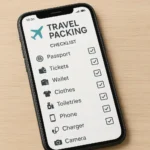
Use this step-by-step checklist as a working plan. Save it in your notes, print it, organize it with the Travel Checklist app. The goal is to make the important decisions visible before they become expensive surprises.
Before You Book: Set a Realistic Travel Budget
- Choose your trip length and travel style. Decide what comfort, pace, and activities matter.
- Shortlist destinations. Compare transport access, local costs, season, and entry rules.
- Estimate the full journey. Include flights, bags, airport transfers, lodging, food, local transit, activities, and insurance.
- Set a daily spending target. Keep one-off costs separate from everyday expenses.
- Add a contingency buffer. Keep it for changes and unexpected needs.
- Compare booking terms. Note cancellation deadlines, baggage rules, and payment conditions.
- Book only what needs certainty. Secure scarce transport or lodging; preserve flexibility elsewhere.
Before You Leave: Documents, Insurance, and Money
- Check passport validity, visa requirements, and airline travel-document rules.
- Save copies of your passport, bookings, insurance, and emergency contacts.
- Review travel insurance exclusions and activity coverage.
- Notify your bank if required and check foreign-transaction and ATM fees.
- Arrange connectivity: roaming, eSIM, local SIM, or offline maps.
- Confirm medication rules, prescriptions, and health recommendations.
- Share your itinerary with someone you trust.
- Download tickets, maps, and accommodation directions for offline access.
For additional trip-preparation ideas, see our Backpacking Checklists and Digital Nomad Checklists.
Packing Checklist: Avoid Baggage Fees and Last-Minute Buys
Pack for the airline’s current baggage policy and the actual activities on your itinerary.
- Check personal-item and cabin-bag measurements.
- Weigh your luggage if the carrier has a weight limit.
- Pack versatile clothing for the season and local customs.
- Bring required medication and a basic personal-care kit.
- Carry a refillable bottle where appropriate.
- Pack chargers, adapters, and essential documents.
- Leave room for laundry and repeat outfits.
- Avoid bringing specialized equipment unless renting would cost more or compromise safety.
A bag that fits the rules is a direct budget win. A bag that “usually fits” is a hopeful theory with wheels.
Daily Travel Checklist: Track Spending and Stay Flexible
Each day, note:
- Accommodation and transport paid.
- Food and drink spending.
- Tickets, tours, and tips.
- Cash withdrawals and fees.
- Remaining budget and upcoming commitments.
Then ask: Is there one cost we can adjust tomorrow without losing the experience we came for? Maybe it’s taking transit instead of a taxi, having a market lunch, or skipping an unnecessary transfer. Small course corrections are easier than a dramatic budget rescue on the final day.
💳 Budget Travel Money Tips and Common Hidden Costs
The most reliable way to avoid surprise spending is to name the likely costs before they happen. A checklist can’t prevent every disruption, but it can keep routine charges from pretending to be surprises.
Plan for Foreign Transaction Fees, Cash, and ATMs
Before departure, check your bank and card issuer’s current fees, supported currencies, ATM terms, and lost-card process.
- Use ATMs connected to reputable banks where possible.
- Decline conversion into your home currency when your card or ATM offers a choice, if your issuer advises paying in local currency.
- Keep a backup payment method separate from your main card.
- Carry only the cash appropriate for your day and destination.
- Avoid exchanging money in a hurry without checking the rate and fees.
ATM and card practices vary by country and provider; confirm your own card terms rather than relying on a blanket rule.
Budget for Visas, SIM Cards, Insurance, and Laundry
These costs are easy to forget because they aren’t part of the exciting itinerary. Add them to your trip estimate early.
| Expense | Checklist question |
|---|---|
| Visa or travel authorization | Is it required, and what is the official application route? |
| Travel insurance | Does it cover the activities and circumstances on this trip? |
| SIM or data | Will roaming, eSIM, or a local SIM best suit the route? |
| Laundry | Is there a laundromat, service, or washing facility nearby? |
| Medication and health items | Are prescriptions, supplies, or local consultations needed? |
| Equipment | Is renting practical, or do you need to bring your own? |
Avoid Dynamic Currency Conversion and Tourist Scams
When a payment terminal offers to charge you in your home currency, that may involve a less favorable conversion rate. Read the screen carefully and check what your card issuer recommends.
For safety:
- Use trusted ATMs and official transport services.
- Be cautious with unsolicited “help” around payment machines.
- Verify prices and inclusions before agreeing to a tour or ride.
- Keep copies of important documents separate from originals.
- Consult current local safety guidance.
The U.S. Department of State travel guidance includes destination-specific safety information for U.S. travelers; other travelers should check their own government’s guidance.
Build an Emergency Buffer into Your Trip Fund
Keep a separate reserve for delays, medical needs, replacement essentials, or an unexpected night’s stay. The amount depends on trip length, destination, insurance, and your financial situation; what matters is that it isn’t already assigned tours and souvenirs.
- Keep some emergency funds accessible separately from daily spending.
- Store emergency contacts and insurance details offline.
- Know how to contact your bank and insurer from abroad.
- Review how your insurance handles delays, medical care, and cancellations.
📅 Sample Budget Itineraries and Trip Planning Strategies
A good budget itinerary groups experiences geographically, leaves breathing room, and avoids unnecessary transfers. These templates are frameworks, not fixed itineraries.
How to Plan a One-Week Affordable Getaway
- Day 1: Arrive, use a planned transfer, and keep the evening simple.
- Days 2–3: Explore the central area on foot and by local transit.
- Day 4: Choose one paid highlight and a nearby free activity.
- Days 5–6: Add a day trip only if the transport cost and time make sense.
- Day 7: Keep the schedule light and leave time for airport travel.
The biggest budget benefit is often staying in one base rather than changing hotels every other night.
How to Plan a Two-Week Budget Backpacking Trip
- Choose two or three connected regions.
- Check intercity routes and realistic travel times.
- Book essential transport and high-demand stays.
- Keep a flexible day after long transfers.
- Use a mix of hostels, guesthouses, and simple meals.
- Budget for laundry, local transit, and activities.
- Keep the final day close to your departure airport or station.
Our Backpacking Checklists can help you organize gear, documents, and travel-day essentials.
How to Stretch a Small Daily Travel Budget
- Make breakfast or simple meals when it’s convenient.
- Walk or use public transit for routine journeys.
- Choose free attractions and save paid experiences for top priorities.
- Stay longer in fewer places to reduce transfer costs.
- Carry snacks and a reusable bottle where appropriate.
- Track spending daily and adjust early.
- Avoid buying equipment at the destination because it was forgotten at home.
When to Book Ahead and When to Decide as You Go
Book ahead when availability, safety, or a fixed schedule matters: essential intercity transport, high-demand lodging, timed-entry tickets, or an important first-night stay. Leave room for spontaneity when the activity is easy to arrange and conditions may change.
A useful rule: book the pieces that protect the trip; keep the rest flexible. Check cancellation terms and local schedules before deciding how far ahead to commit.
❌ Budget Travel Mistakes That Can Cost You More
Saving money is less about chasing the lowest number and more about avoiding expensive mismatches.
Choosing the Cheapest Flight Without Checking Extras
A base fare may not include baggage, a seat, airport transfer, or a workable arrival time. Compare the final total and what happens if plans change.
Overpacking Your Itinerary and Paying for Extra Transfers
More destinations can mean more tickets, check-ins, and missed connections. Group nearby experiences and give yourself time to enjoy them.
Skipping Travel Insurance or Reliable Local Advice
Insurance needs depend on your trip and personal circumstances. Review exclusions, medical coverage, and activity terms rather than assuming every policy covers every situation. For risky activities, use qualified local operators and current official guidance.
Trusting a Fare Myth Instead of Comparing Real Options
There’s no universal guarantee that flights are cheapest on a particular weekday or at one exact number of days before departure. Flexible dates and alerts can help, but route, season, demand, and airline inventory differ. Compare actual options and book when the full itinerary suits your needs.
Booking Separate Tickets Without a Connection Plan
Separate tickets may leave you responsible for missed connections, baggage collection, or a new ticket after a delay. Allow generous time, understand the terms, and consider whether a protected itinerary is worth the difference.
❓ Frequently Asked Questions About Budget Travel Destinations
What Are the Cheapest Countries to Visit on a Budget?
There is no single cheapest country for every traveler. Vietnam, Cambodia, Laos, India, Nepal, Albania, Bulgaria, and Guatemala can offer strong value for some itineraries, but your airfare, season, accommodation preferences, and route matter. Compare the full trip cost from your departure point rather than choosing a country from a global ranking.
How Can a Travel Checklist Help You Save Money on a Trip?
A checklist helps you compare total costs, remember booking conditions, avoid forgotten-item purchases, and track spending while you travel. It also prompts you to check details that are easy to miss, such as baggage limits, airport transfers, visa requirements, and cancellation deadlines. Use our Budget Travel Checklists organize trip tasks with the Travel Checklist app.
What Should I Pack to Avoid Extra Travel Expenses?
Pack to meet your airline’s baggage rules and your actual itinerary. Prioritize versatile clothing, required medication, chargers and adapters, documents, a refillable bottle where suitable, and any essential items that would be difficult or costly to replace. Check local restrictions and destination-specific needs before packing.
Should I Pack Only a Carry-On?
Only if it suits the trip and the airline’s current rules. Compare carry-on limits with checked-bag fees, trip length, laundry access, weather, and any gear you need. Traveling light can save money and time, but it shouldn’t mean leaving behind medication or safety essentials.
Which Budget Destinations Offer Affordable Public Transportation?
Many cities and regions in destinations such as Vietnam, Thailand, Poland, Portugal, and India have public transit or regional transport options, but service and value vary by route. Check official operators, schedules, ticket rules, and airport access for the specific cities you plan to visit. A country’s reputation is less useful than the transit map for your actual itinerary.
How Can I Find Cheap Flights and Accommodation for a Vacation?
Search flexible dates and nearby airports, set fare alerts, compare more than one search platform, and confirm the final itinerary on the airline’s site. For accommodation, compare the full cost—including taxes, fees, location, and transit—not only the displayed nightly rate. The strategies in Happy to Wander’s guide to finding cheap flights to Europe offer another traveler’s perspective on using multiple tools and staying flexible.
Are Flights Always Cheaper on Tuesdays?
No day-of-week rule guarantees the lowest fare. Compare dates for your route, use alerts, and account for baggage and airport transfers. A fare myth is less useful than a calendar showing actual options.
What Travel Expenses Should Include in a Budget Checklist?
Include transport to and from your destination, accommodation, meals, local transit, activities, baggage, airport transfers, visas, insurance, connectivity, laundry, medication, payment fees, and an emergency reserve. Add one-off costs separately from your daily spending so you can see where the money is going.
How Can I Plan a Low-Cost Trip Without Missing Important Essentials?
Separate essential needs from optional upgrades. Protect documents, health, safe transport, required entry steps, and appropriate insurance first. Then reduce costs through flexible dates, local transport, fewer hotel changes, affordable meals, and free activities. A good budget plan cuts waste, not safety.
Is a Cheap Destination Still Worth It if the Flight Costs More?
It can be, particularly on a longer stay where lower everyday costs offset the journey. For a short trip, a nearby destination with a more expensive daily budget may cost less overall because you spend less on transport and travel days. Compare the full trip total for your actual dates and length.
How Much Flexibility Do I Need to Find a Good Travel Deal?
Even a small amount can help: shifting a departure by a day, considering a nearby airport, or choosing between two destinations may reveal better options. If your dates are fixed, focus on fare alerts, alternate airports you can realistically reach, and careful comparison of the final itinerary.