Support our educational content for free when you purchase through links on our site. Learn more
12 Essential Financial Tasks for Your Pre-Travel Checklist (2026) ✈️

The single most critical financial task on your pre-travel checklist is securing a diversified payment strategy that combines no-fee cards, emergency cash, and digital backups to prevent total financial paralysis abroad. If you are wondering, “What financial tasks should be on my pre-travel checklist?”, the answer lies in automating your home bills, notifying your bank, and locking down your digital security before you even pack your suitcase.
Imagine landing in a bustling market in Bangkok, ready to buy street food, only to have your card declined because your bank flagged the transaction as fraud. It’s a nightmare that happens to thousands of travelers annually, yet it is entirely preventable with a few clicks before departure.
According to recent data, over 30% of travelers have experienced a card decline or frozen account while traveling due to a lack of prior notification. This simple oversight can turn a dream vacation into a financial crisis in minutes.
By following a structured financial prep routine, you ensure that your wallet works as hard as your passport does. From setting up travel notices to understanding dynamic currency conversion, every step you take now buys you peace of mind later.
Key Takeaways
- Diversify Your Payment Methods: Never rely on a single card; carry a mix of no-fee credit cards, a backup debit card, and local currency.
- Automate Home Finances: Set up automatic payments for all recurring bills to avoid late fees or service interruptions while you are away.
- Secure Your Digital Assets: Enable two-factor authentication, download offline maps, and store digital copies of your cards in a secure cloud folder.
- Understand Fee Structures: Identify and eliminate foreign transaction fees and avoid Dynamic Currency Conversion (DCC) traps at merchants.
- Prepare for Emergencies: Keep a separate emergency fund accessible via a trusted contact or a backup card stored in a different location.
Table of Contents
- ⚡️ Quick Tips and Facts
- 🕰️ The Evolution of Travel Finance: From Coin Purses to Digital Wallets
- 🏦 Pre-Departure Financial Hygiene: Securing Your Home Base
- 💳 The Ultimate Travel Payment Toolkit: Cards, Cash, and Apps
- 🛡️ Insurance and Liability: Protecting Your Wallet Against the Unexpected
- 🌍 International Money Moves: Currency Exchange and Cross-Border Fees
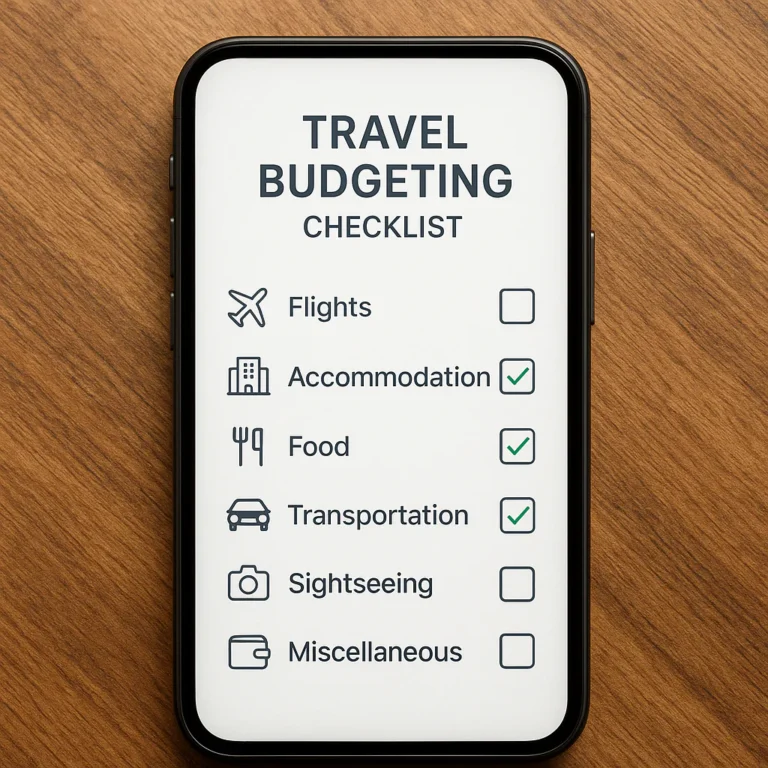
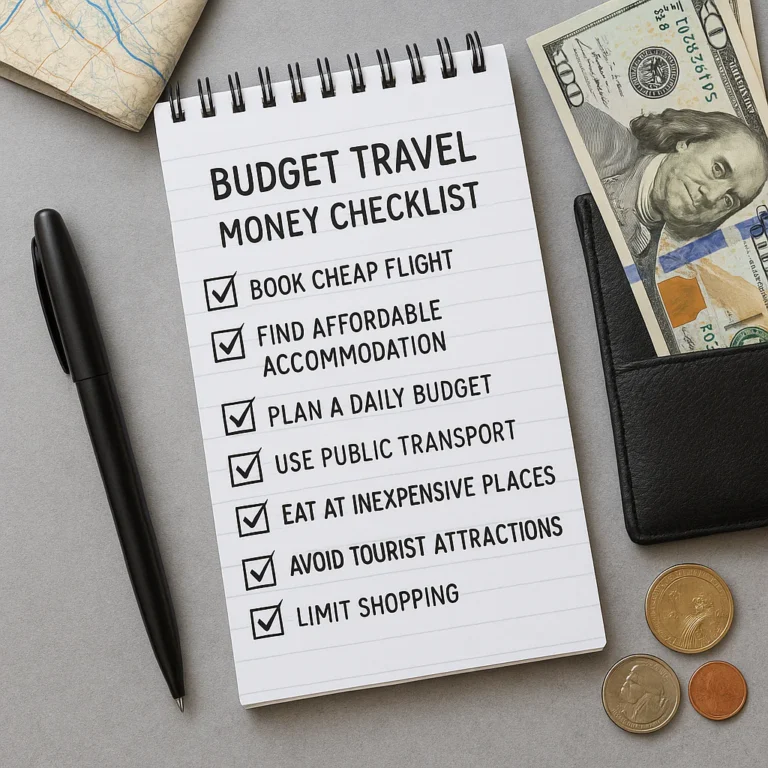
- 📝 Budgeting for the Journey: Estimating Costs and Setting Limits
- 🏨 Lodging and Ground Transport: Managing Upfront Payments and Deposits
- 📱 Digital Security: Safeguarding Your Data While Roaming
- 📅 The 30-60-90 Day Countdown: A Timeline for Financial Prep
- 🚨 Emergency Protocols: What to Do If Your Money Vanishes
- 🔄 Post-Trip Reconciliation: Reimbursing, Reconciling, and Reflecting
- 👶 Travel Financial Checklists by Life Stage: Solo, Couples, and Families
- 🧐 Common Financial Pitfalls and How to Avoid Them
- ✅ Conclusion
- 🔗 Recommended Links
- ❓ FAQ
- 📚 Reference Links
⚡️ Quick Tips and Facts
Before we dive into the nitty-gritty of spreadsheets and exchange rates, let’s hit the pause button on your panic. You might think your wallet is safe just because you’re leaving your house, but travel finance is a different beast entirely. Here are the non-negotiables you need to know right now:
- The “Freeze” Factor: Banks are paranoid. If you don’t tell them you’re going to Bali, they might think you’ve been kidnapped by a credit card thief in Jakarta. Always set travel notices, even if your bank says they “don’t need it anymore.”
- The Fee Trap: That “no fee” credit card you love? It might still charge you 1% to 3% for every purchase made outside your home country. Check your terms!
- The Cash Rule: Never carry all your eggs in one basket. If your wallet gets snatched, you’re stranded. Split your cash and cards between your person, your bag, and your hotel safe.
- The Digital Double-Down: Take photos of your cards (front and back) and store them in a secure, password-protected cloud folder. You’ll thank us when you lose your physical wallet in a crowded market in Marrakech.
For a deeper dive into packing your financial sanity alongside your physical gear, check out our guide on the Ultimate Travel Checklist: 25 Expert Tips to Pack Like a Pro ✈️ (2026).
🕰️ The Evolution of Travel Finance: From Coin Purses to Digital Wallets
Remember the days of the “money belt” and the frantic exchange line at the airport? We do. Back then, a pre-travel financial checklist was a simple note: “Don’t forget the traveler’s checks!” Today, the landscape has shifted dramatically. We’ve moved from physical coin purses to digital wallets, contactless payments, and blockchain currencies.
Why does this matter? Because the tools you use dictate the risks you face. In the 90s, losing a traveler’s check meant filling out forms for months. Today, losing a phone means losing your entire financial identity in seconds if you aren’t prepared.
“Your finances and your financial responsibilities don’t stop because you’re on vacation.” — Insight from our featured video analysis
The modern traveler needs a hybrid approach. You need the reliability of a physical card for when the internet dies, and the convenience of an app for when you’re buying coffee in a Tokyo alleyway. The goal isn’t just to pay; it’s to pay securely, efficiently, and without bleeding money in fees.
🏦 Pre-Departure Financial Hygiene: Securing Your Home Base
You wouldn’t leave your front door unlocked while you’re on a two-week safari, right? So why leave your financial house in disarray? This is the foundation of your pre-travel financial checklist.
Automate the Boring Stuff
Before you even look at flight prices, look at your recurring bills. Rent, mortgage, utilities, subscriptions—these don’t take a vacation.
- Action Item: Log into your banking portal and set up automatic payments for all fixed expenses for the duration of your trip.
- Why? You don’t want to come home to a late fee or a service interruption because you forgot to pay the electric bill while watching the sunset in Santorini.
The “Who’s Watching the Store” Protocol
If you’re traveling for an extended period (think 3+ weeks), you need a human backup.
- Designate a Trusted Contact: Give a trusted friend or family member access to your online banking (via a limited view or shared login, depending on your bank’s security) or at least the ability to contact your bank on your behalf.
- Power of Attorney: For long-term travel or digital nomad lifestyles, consider a limited Power of Attorney someone can handle emergencies like a car reposession or a medical bill dispute.
Review Your Credit Score
It’s not just about getting a loan; it’s about knowing your credit utilization. If you max out a card right before leaving, your score might dip, affecting your ability to get a rental car or a hotel upgrade upon return. Check your score on Credit Karma or Experian to ensure everything is in order.
💳 The Ultimate Travel Payment Toolkit: Cards, Cash, and Apps
This is where the magic happens. You need a diversified payment strategy. Relying on a single card is like bringing only one pair of shoes to a multi-terrain hike.
The Card Hierarchy
- The Primary Travel Card: This should be a card with no foreign transaction fees and robust travel insurance.
Top Pick: Chase Sapphire Preferred® Card or Capital One Venture Rewards.
Why: They offer excellent rewards on travel and dining, plus purchase protection. - The Backup Card: A different network (e.g., if your primary is Visa, get a Mastercard or Amex).
Why: Some merchants only accept specific networks. Also, if one gets blocked, you have a lifeline. - The “Doomsday” Cash Card: A prepaid travel card or a separate debit card with a low limit, loaded with a small amount of cash.
Cash: The Forgotten Hero
Despite the rise of Apple Pay, cash is still king in many parts of the world (think rural Italy, street markets in Thailand, or tipping in the US).
- How much? Aim for $20–$50 in local currency upon arrival, plus a small amount of USD/EUR as a universal backup.
- Where to get it? Never exchange money at the airport kiosk. The rates are terrible. Use your bank’s ATM network abroad order currency from your bank before you leave.
Digital Wallets
- Apple Pay / Google Pay: Enable these on your phone. They are often more secure than physical cards because they use tokenization.
- PayPal / Venmo: Good for splitting bills with travel buddies, but not for direct merchant payments abroad.
| Payment Method | Pros | Cons | Best For |
|---|---|---|---|
| No-Fee Credit Card | Rewards, fraud protection, no FX fees | Requires internet/terminal | Hotels, flights, dining |
| Debit Card | Direct access to cash, budget control | Daily withdrawal limits, potential fees | ATM withdrawals |
| Cash (Local) | Universal acceptance, no tech needed | Risk of theft, bad exchange rates | Small vendors, tips |
| Prepaid Travel Card | Budget control, reloadable | Activation fees, limited acceptance | Kids, strict budgeting |
👉 Shop Credit Cards on:
- Chase Sapphire Preferred: Amazon | Chase Official
- Capital One Venture: Amazon | Capital One Official
🛡️ Insurance and Liability: Protecting Your Wallet Against the Unexpected
You’ve booked the trip. You’ve packed the bags. But have you insured your wallet? Many travelers assume their home insurance or credit card benefits cover everything. Spoiler alert: They usually don’t.
The Insurance Gap
- Trip Cancellation: If you get sick or a family emergency cancels your trip, standard credit cards might only cover a fraction of the cost. A dedicated Trip Cancellation Insurance policy can reimburse 10% of non-refundable costs.
- Medical Evacuation: This is the big one. If you break a leg in the Swiss Alps, medical evacuation can cost $50,0+. Your domestic health insurance likely won’t cover it.
- Lost Luggage: Most airlines have liability limits that are laughably low. Travel insurance can cover the full replacement value of your gear.
Credit Card Perks vs. Standalone Policies
Many premium cards (like the Amex Platinum) offer travel insurance.
- The Good: It’s “free” if you book with the card.
- The Bad: Coverage limits are often low, and you must meet strict criteria (e.g., booking the entire trip with that card).
- The Verdict: For complex trips or high-risk destinations, buy a standalone policy from providers like World Nomads or Travel Guard.
“Never use university resources to pay for personal expenses.” — UNC-Chapel Hill Travel Policy
Note: Even if you aren’t traveling for work, this logic applies. Don’t mix personal and business funds if you’re claiming reimbursement later.
Recommended Insurance Providers:
- World Nomads: World Nomads Official
- Travel Guard: Travel Guard Official
🌍 International Money Moves: Currency Exchange and Cross-Border Fees
Crossing a border shouldn’t mean crossing a financial minefield. Let’s break down the fees that eat your budget.
The Foreign Transaction Fee (FTF)
This is a fee charged by your bank (usually 1-3%) on every purchase made in a foreign currency.
- The Fix: Use a card with 0% FTF. If your current card charges this, switch to a travel-specific card before you leave.
- The Math: On a $5,0 trip, a 3% fee costs you $150. That’s a free dinner!
Dynamic Currency Conversion (DCC)
You’re at a restaurant in Paris. The waiter asks, “Would you like to pay in Euros or US Dollars?”
- The Trap: If you choose USD, the merchant sets the exchange rate, which is often 5-10% worse than the market rate.
- The Rule: Always pay in the local currency. Let your bank do the conversion.
ATM Fees
- Foreign ATM Fee: Charged by the ATM owner (usually $3-$5).
- Bank Fee: Charged by your bank for using an out-of-network ATM (usually $2-$5).
- The Strategy: Use ATMs affiliated with major global banks (like HSBC, Citibank, or local national banks) and withdraw larger amounts less frequently to minimize fees.
Check Exchange Rates:
📝 Budgeting for the Journey: Estimating Costs and Setting Limits
Budgeting isn’t about restriction; it’s about fredom. When you know your limits, you can enjoy the moment without checking your balance every 10 minutes.
The 50/30/20 Travel Rule
Adapted from personal finance, this works great for trips:
- 50% Essentials: Flights, lodging, car rentals, insurance.
- 30% Experiences: Tours, meals, activities, shopping.
- 20% Buffer: Emergency fund, unexpected fees, last-minute upgrades.
Tracking Tools
- Trail Wallet: A simple app designed specifically for travelers to track daily spending.
- Splitwise: Essential for group trips to split costs fairly.
- Excel/Google Sheets: The classic. Create a simple sheet with columns for “Budgeted,” “Actual,” and “Difference.”
“Plan how to handle your money while abroad… research foreign transaction and ATM fees, plan how much money to take and know how to access emergency funds if necessary.” — Ohio State University Pre-Departure Checklist
Budgeting Apps:
- Trail Wallet: App Store | Google Play
- Splitwise: App Store | Google Play
🏨 Lodging and Ground Transport: Managing Upfront Payments and Deposits
Big-ticket items often require the most financial prep.
Lodging: The Deposit Dilemma
Hotels and vacation rentals (Airbnb, VRBO) often place a hold on your card for incidentals.
- The Issue: If you have a $50 hold and your credit limit is $1,0, you only have $50 available for the rest of your trip.
- The Fix: Check the hold amount before booking. If it’s high, consider using a card with a higher limit or a separate card just for lodging.
- Third-Party Vendors: If booking an Airbnb, ensure the host is verified. Scams often involve requests to pay outside the platform. Never pay via wire transfer or gift cards.
Ground Transport: Rental Car Insurance
Renting a car abroad is a financial minefield.
- The Collision Damage Waiver (CDW): Rental agencies will try to sell you this for $30/day.
- The Check: Does your credit card cover rental car insurance? (Many premium cards do). If yes, decline the CDW to save hundreds.
- The Catch: In some countries (like Ireland or Italy), the CDW is mandatory by law. Check local laws before you arrive.
Book Rentals & Hotels:
- RentalCars.com: Search Car Rentals
- Booking.com: Search Hotels
- Airbnb: Search Vacation Rentals
📱 Digital Security: Safeguarding Your Data While Roaming
Your phone is your bank, your map, and your ticket. If it’s compromised, you’re in trouble.
Public Wi-Fi is a No-Go
Never check your bank account or make a purchase on public Wi-Fi (cafes, airports, hotels).
- The Risk: Hackers can intercept your data.
- The Fix: Use a VPN (Virtual Private Network) like NordVPN or ExpressVPN to encrypt your connection. Or, better yet, use your phone’s cellular data.
App Hygiene
- Update Everything: Ensure your banking apps, travel apps, and OS are updated before you leave.
- Two-Factor Authentication (2FA): Enable 2FA on all financial accounts. If you lose your phone, you don’t want a hacker to easily reset your password.
- Offline Maps: Download Google Maps offline areas so you don’t need data to navigate.
Security Tools:
- NordVPN: NordVPN Official
- Google Authenticator: App Store | Google Play
📅 The 30-60-90 Day Countdown: A Timeline for Financial Prep
Don’t wait until the night before to check your bank account. Follow this timeline to stay ahead.
90 Days Out: The Big Picture
- Review Budget: Estimate total costs and set a savings goal.
- Check Credit: Ensure your credit score is healthy.
- Apply for Cards: If you need a new travel card with no FTF, apply now (approval can take weeks).
- Insurance: Research and purchase travel insurance if needed.
60 Days Out: The Logistics
- Notify Banks: Set travel notices for all cards and debit accounts.
- Book Major Items: Flights and hotels often get cheaper if booked 14+ days in advance.
- Currency Order: Order foreign currency from your bank if you want physical cash.
30 Days Out: The Final Sweep
- Confirm Reservations: Double-check all bookings and payment confirmations.
- Download Apps: Install budgeting, currency converter, and offline map apps.
- Backup Data: Take photos of your cards and documents.
- Test Tech: Ensure your phone works with international plans or buy a local SIM plan.
🚨 Emergency Protocols: What to Do If Your Money Vanishes
It happens to the best of us. You wake up, and your wallet is gone. Here is your Emergency Action Plan:
- Lock Your Cards: Immediately use your banking app to lock or freeze your cards. Most apps (Chase, Bank of America, Capital One) have a “Lock Card” feature.
- Contact Your Bank: Call the international collect number (keep this in your phone and on a piece of paper in your bag).
- File a Police Report: Essential for insurance claims and replacing documents.
- Access Emergency Funds: If you have a backup card or a trusted contact, arrange for a transfer.
- Contact Your Embassy: If your passport is gone, they can help with emergency travel documents.
“Keep costs to a minimum while meeting the traveler’s scheduling and business needs.” — UNC Travel Guide
Even in an emergency, try to keep receipts for any emergency expenses; they might be reimbursable if you have insurance.
🔄 Post-Trip Reconciliation: Reimbursing, Reconciling, and Reflecting
The trip is over, but the financial work isn’t.
The 30-Day Rule
Most companies require expense reports to be submitted within 30 days of travel.
- Gather Receipts: Scan or photograph all receipts immediately.
- Categorize: Sort them by flight, hotel, meals, etc.
- Submit: Use your company’s system (like Concur) or your personal budgeting tool.
The Review
- Analyze Spending: Did you stick to your budget? Where did you overspend?
- Reward Yourself: If you saved money, treat yourself to a nice dinner. If you overspent, adjust your budget for the next trip.
- Update Your List: Add any new tips or tricks you learned to your personal checklist.
👶 Travel Financial Checklists by Life Stage: Solo, Couples, and Families
One size does not fit all. Your financial prep depends on who you are traveling with.
Solo Travelers
- Focus: Security and flexibility.
- Tip: Keep a separate emergency fund accessible only to you.
- Risk: No one to watch your back if your wallet is stolen.
Couples
- Focus: Shared budgeting and communication.
- Tip: Use Splitwise to track shared expenses. Decide upfront who pays for what (e.g., “I’ll do flights, you do hotels”).
- Risk: Disagreements over spending can ruin the trip.
Families
- Focus: Safety and contingency.
- Tip: Give kids a small allowance in local currency. Teach them about money.
- Risk: Unexpected costs (lost toys, extra meals) can add up fast.
- Legal: Ensure you have Power of Attorney for minors if traveling without both parents.
🧐 Common Financial Pitfalls and How to Avoid Them
Let’s learn from others’ mistakes.
- Pitfall 1: The “I’ll Pay Later” Mentality.
Result: Interest charges and debt.
Fix: Pay off your travel balance in full before you leave. - Pitfall 2: Ignoring the Small Fees.
Result: $50 in hidden fees.
Fix: Read the fine print on your cards. - Pitfall 3: Relying on One Card.
Result: Being stranded when it gets declined.
Fix: Always have a backup. - Pitfall 4: Not Checking Passport Validity.
Result: Denied boarding.
Fix: Ensure your passport is valid for 6 months beyond your return date.
✅ Conclusion

Traveling is an adventure, but it shouldn’t be a financial gamble. By following this comprehensive pre-travel financial checklist, you’re not just protecting your money; you’re protecting your peace of mind. From automating your home bills to securing your cards against fraud, every step you take now ensures that your focus remains on the memories you’re making, not the worries you’re carrying.
Remember, the best travel experience is one where you can say “yes” to that spontaneous dinner or that unexpected tour without checking your balance first. So, pack your bags, lock your cards, and go forth with confidence!
Ready to start your journey?
- Check out our Adventure Travel Checklists
- Explore Digital Nomad Checklists
- Find Budget Travel Checklists
🔗 Recommended Links
Essential Travel Finance Products & Services:
- Travel Insurance: World Nomads | Travel Guard
- Credit Cards: Chase Sapphire Preferred | Capital One Venture
- Currency Exchange: Xe.com | OANDA
- Budgeting Apps: Trail Wallet | Splitwise
- Security Tools: NordVPN | Google Authenticator
Books for the Financialy Savy Traveler:
❓ FAQ

What documents do I need for international travel finances?
You need a valid passport (with at least 6 months validity), visas if required, and proof of travel insurance. Additionally, carry a copy of your credit cards (front and back) and a list of emergency contact numbers for your bank. Some countries may also require proof of sufficient funds (bank statements) upon entry.
How much cash should I carry when traveling abroad?
There is no one-size-fits-all answer, but a good rule of thumb is to carry $20–$50 in local currency for immediate expenses (taxis, tips, small vendors) upon arrival. Avoid carrying large amounts of cash; instead, rely on a mix of credit cards and ATM withdrawals. Always have a backup card in a separate location.
Read more about “🎒 What You Need for a 2 Week Trip: The Ultimate 10-Item Checklist (2026)”
Will my credit card work overseas without extra fees?
Not necessarily. Many cards charge foreign transaction fees (1-3%) on international purchases. To avoid this, use a card specifically designed for travel that offers 0% foreign transaction fees. Always check your card’s terms and conditions before you leave. Also, be aware of Dynamic Currency Conversion (DCC) fees at merchants.
Read more about “What to Do Before Travelling Abroad: 15 Must-Do Steps for 2026 ✈️”
How do I notify my bank before traveling to avoid fraud alerts?
Most banks allow you to set travel notices via their mobile app or website. Log in to your account, find the “Travel” or “Security” section, and enter your travel dates and destinations. If your bank doesn’t offer this feature, call their customer service line to set a manual notice. Do this at least 48 hours before you leave.
What should I do if my card is declined while traveling?
First, don’t panic. Check your balance and ensure you haven’t exceeded your limit. If the balance is fine, contact your bank immediately via their international number. They may have flagged the transaction as suspicious. If the card is frozen, you can often unlock it via the app. If it’s a technical issue, try a different card or pay with cash.
Read more about “🧾 The Ultimate 12-Step Travel Checklist for Budgeting (2026)”
How can I protect my financial data on public Wi-Fi?
Never access your bank accounts or make purchases on public Wi-Fi. If you must use it, connect through a VPN (Virtual Private Network) to encrypt your data. Better yet, use your phone’s cellular data or a portable hotspot. Keep your banking apps updated and enable two-factor authentication (2FA) for an extra layer of security.
📚 Reference Links
- Navy Federal Credit Union: Travel Financial Checklist by Life Stage
- University of North Carolina at Chapel Hill: Travel Guide & Checklist
- Ohio State University: Pre-Departure Checklist
- U.S. Department of State: Smart Traveler Enrollment Program (STEP)
- Centers for Disease Control and Prevention (CDC): Travelers’ Health
- Chase Bank: Travel Notifications
- Capital One: Travel Benefits
- World Nomads: Travel Insurance
- Xe.com: Currency Exchange Rates
- OANDA: Currency Converter