Support our educational content for free when you purchase through links on our site. Learn more
🎒 What You Need for a 2 Week Trip: The Ultimate 10-Item Checklist (2026)


You don’t need two weeks’ worth of clothes; you need a 7-day capsule wardrobe, a laundry plan, and the confidence to leave the “just in case” items at home. When travelers ask what do you need for a 2 week trip, the answer isn’t a massive suitcase, but a strategic approach to packing light.
We once watched a friend try to stuff 14 days of outfits into a carry-on, resulting in a zipper explosion that delayed our flight. The secret? Merino wool that smells fresh after five wears and a single pair of versatile shoes.
Did you know the average traveler wastes nearly $150 annually on checked baggage fees and lost luggage? By mastering the art of the 10-item core list, you save money, time, and your sanity.
Key Takeaways
- Pack for 7 Days: Rely on the 5-4-3-2-1 method and plan to do laundry once or twice to avoid overpacking.
- Prioritize Versatility: Choose neutral colors and multi-use fabrics like Merino wool to mix and match effortlessly.
- Travel Light: Stick to a carry-on + personal item to skip baggage fees and reduce the risk of lost luggage.
- Essential Tech: Don’t forget a universal adapter, power bank, and eSIM for seamless connectivity.
- Smart Prep: Secure travel insurance and digital copies of your documents before you even leave the house.
Table of Contents
- ⚡️ Quick Tips and Facts
- 🌍 The Evolution of the Two-Week Itinerary: From Grand Tours to Digital Nomads
- 🗺️ Finding Your Perfect Two-Week Destination: Where Will You Roam?
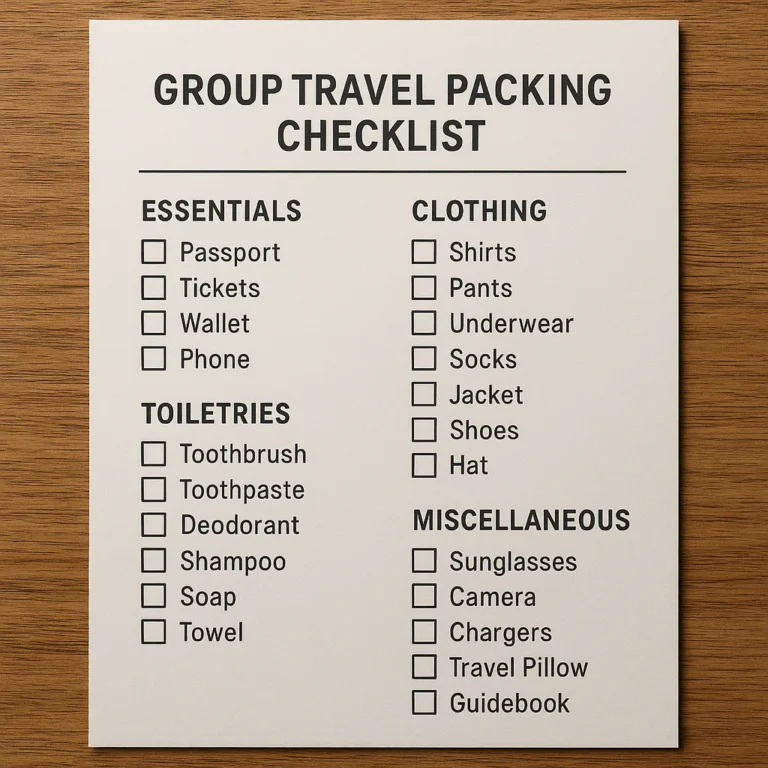
- 🎒 The Ultimate Two-Week Packing List: What You Actually Need
- 1. Luggage & Bags: Choosing the Right Vessel for Your Journey
- 2. Clothing: Mastering the 5-4-3-2-1 Method for Two Weeks
- 3. Shoes: Walking the Walk Without Blisters
- 4. Undergarments: The Unsung Heroes of Long-Haul Comfort
- 5. Toiletries: TSA-Approved Sizes and Smart Substitutes
- 6. Hair Care: Taming the Tangles Across Time Zones
- 7. Supplements, Meds, and First-Aid: Your Mobile Pharmacy
- 8. Tech Gear & Gadgets: Staying Connected Without the Weight
- 9. Flight Essentials: Surviving the Sky with Style
- 10. Miscellaneous: The “Just in Case” Items You’ll Thank Us For
- 💶 Money Matters: Budgeting, Cards, and Cash for a Fortnight Abroad
- 🚗 Car Rental vs. Public Transit: Navigating Your Two-Week Adventure
- 🛡️ Travel Insurance: Why Skipping It is a Risk You Can’t Afford
- 🇪🇺 Other Europe Essentials: Power Adapters, SIMs, and Local Etiquette
- 🏨 Accomodation Hacks: Booking the Perfect Base for 14 Days
- 📅 Sample 14-Day Itinerary Frameworks: From City Hopping to Beach Binging
- 🧠 Mental Prep: How to Pack Your Mind for a Two-Week Escape
- ✅ Conclusion
- 🔗 Recommended Links
- ❓ FAQ
- 📚 Reference Links
⚡️ Quick Tips and Facts
Before we dive into the nitty-gritty of stuffing a suitcase for a fortnight, let’s hit the pause button and drop some truth bombs that will save your back, your wallet, and your sanity.
- The “One-Week” Myth: You do not need two weeks’ worth of clothes. In fact, trying to pack 14 days of outfits is the fastest way to turn your carry-on into a brick. The secret? Laundry. Yes, you read that right. If you can wash a shirt in a hotel sink (or find a laundromat), you only need to pack for 5–7 days.
- The Carry-On Mandate: Unless you are moving to a new country or bringing a pet, check your bags. Why? Because checked bags get lost, they cost extra, and you waste hours waiting at the carousel. A 2-week trip is perfectly doable with a carry-on + personal item.
- Merino Wool is Magic: If you haven’t met Merino wool yet, your life is about to change. It doesn’t smell after multiple wears, it regulates temperature, and it dries overnight. It’s the holy grail of travel fabrics.
- The 50/50 Rule: Half your packing time should be spent chosing what to bring, and the other half leaving things behind. If you hesitate on an item for more than 3 seconds, leave it. You won’t miss it.
For a comprehensive, downloadable version of this logic, check out our ultimate guide on what to pack for a 2-week trip checklist.
🌍 The Evolution of the Two-Week Itinerary: From Grand Tours to Digital Nomads
Remember the Grand Tour of the 18th century? Aristocrats would spend years wandering Europe, stuffing their trunks with silks, porcelain, and enough gowns to fill a small warehouse. Fast forward today, and the “two-week trip” has become the gold standard for the modern traveler. It’s the sweet spot: long enough to truly immerse yourself, but short enough to fit into a standard vacation allowance without burning out your bank account.
But here’s the twist: How we pack has changed more than our destinations.
In the 90s, we packed “just in case.” We brought a raincoat and a poncho, and an umbrella. We brought three pairs of shoes “just in case” the first two got wet. Today, the philosophy is intentional minimalism. The rise of the Digital Nomad and the Backpacker has forced us to rethink the “two-week” concept. We aren’t just tourists; we are mobile workers and adventure seekers who need to move fast.
Did you know? According to the U.S. Travel Association, the average American takes about 2.5 weeks of vacation a year. This makes the “two-week trip” the ultimate utilization of your annual leave, often combining a long weekend with a standard week off.
The shift from “packing for every scenario” to “packing for adaptability” is the key to a stress-free 14-day adventure. But how do you actually execute this? Let’s break down the logistics of the perfect two-week haul.
🗺️ Finding Your Perfect Two-Week Destination: Where Will You Roam?
Before you buy a single packing cube, you need to answer the million-dollar question: Where are you going?
A two-week trip to Tokyo requires a completely different kit than a two-week trek through Patagonia or a beach hop in Greece. The destination dictates the climate, the culture, and the activities.
- City Hopping (Europe/Asia): You need versatile layers, comfortable walking shoes, and a bag that fits on trains.
- Beach Vacation: Swimwear is king, but don’t forget sun protection and a good book.
- Adventure/Backpacking: Durability is key. Think quick-dry fabrics, sturdy boots, and a first-aid kit that could survive a zombie apocalypse.
Destination-Specific Considerations
| Destination Type | Key Climate Factor | Essential Gear Focus | Recommended Checklists |
|---|---|---|---|
| Urban Explorer | Variable (AC vs. Street) | Comfortable walking shoes, layers, anti-theft bag | Adventure Travel Checklists |
| Tropical Beach | Hot, Humid, Sunny | Sunscreen, swimwear, light linen, waterproof bag | Beach Vacation Checklists |
| Mountain Trek | Cold, Unpredictable | Insulation, waterproof shell, hiking boots | Backpacking Checklists |
| Digital Nomad | Office-friendly | Laptop, noise-canceling headphones, adapters | Digital Nomad Checklists |
| Budget Backpacker | Any | Multi-use items, laundry supplies, lightweight gear | Budget Travel Checklists |
Pro Tip: If you are unsure where to go, look at the weather history for your target dates, not just the forecast. You don’t want to pack for “average” weather if you’re visiting a place known for sudden monsons or heatwaves.
🎒 The Ultimate Two-Week Packing List: What You Actually Need
Okay, the moment you’ve been waiting for. The Master List.
We’ve all been there: standing in front of an open suitcase, staring at a pile of clothes that looks like a small mountain, wondering, “Do I really need this third pair of jeans?” The answer is no.
The goal for a 2-week trip is to pack for 7 days and plan to do laundry once or twice. This keeps your bag light, your back happy, and your options open.
1. Luggage & Bags: Choosing the Right Vessel for Your Journey
Your bag is your home away from home. Choose wisely.
- The Carry-On Suitcase: Look for a polycarbonate shell (lightweight and durable) with spinner wheels. Brands like Away, Samsonite, and Monos are favorites for a reason.
- The Personal Item: This is your “survival kit.” It needs to fit under the seat. A backpack (like the Osprey Farpoint 40 or Peak Design Everyday Backpack) or a structured tote works best.
- The Day Bag: A foldable crossbody or a small backpack for daily excursions.
Why not a checked bag?
- ✅ Save Money: No baggage fees.
- ✅ Save Time: Skip the carousel.
- ✅ Reduce Risk: No lost luggage nightmares.
Real Talk: We once saw a traveler try to stuff 14 days of outfits into a 2-inch carry-on. It looked like a Tetris game gone wrong. They ended up paying $60 to check it at the gate. Don’t be that person.
2. Clothing: Mastering the 5-4-3-2-1 Method for Two Weeks
The 5-4-3-2-1 Method is a game-changer for long trips. It forces you to limit your wardrobe to a capsule collection.
- 5 Tops: Mix of t-shirts, blouses, or button-downs.
- 4 Bottoms: 2 pairs of pants/jeans, 1 pair of shorts/skirt, 1 pair of leggings.
- 3 Layers: 1 light sweater, 1 cardigan, 1 jacket.
- 2 Pairs of Shoes: 1 walking shoe, 1 casual/dressy shoe.
- 1 Extra: Swimsuit or a fancy outfit for a special night.
Color Coordination is Key: Stick to a neutral palette (black, navy, grey, white, beige). This ensures every top matches every bottom. Add one pop of color with accessories.
Fabric Matters:
- Merino Wool: Odor-resistant, temperature-regulating.
- Synthetics: Quick-dry, great for hiking.
- Linen: Breathable, but wrinkles easily (embrace the look!).
3. Shoes: Walking the Walk Without Blisters
Your feet are your primary mode of transport. Treat them well.
- The Daily Driver: A comfortable sneaker like Hoka Bondi, New Balance, or Allbirds. You will wear these on the plane.
- The Second Pair: Sandals (like Birkenstocks or Teva) or lightweight flats.
- The “Just in Case”: Only bring a third pair if you have a specific event (weding, hiking trip).
Rule of Thumb: Never bring brand-new shoes on a trip. Break them in at home first.
4. Undergarments: The Unsung Heroes of Long-Haul Comfort
Don’t skimp here. You need comfort and hygiene.
- Underwear: Pack 7–8 pairs. You can wash them in the sink.
- Socks: 5–7 pairs. Merino wool socks are a must for long walks.
- Bras: 2–3. One sports bra, one everyday bra, maybe one strapless.
Pro Tip: Use packing cubes to separate your dirty laundry from your clean clothes. It keeps your bag organized and your nose happy.
5. Toiletries: TSA-Approved Sizes and Smart Substitutes
The 3-1-1 Rule is your best friend (and sometimes your enemy).
- Liquids: 3.4oz (10ml) or less per container.
- Bag: One quart-sized clear bag.
- Limit: One bag per passenger.
Smart Substitutes:
- Solid Shampoo/Conditioner Bars: No liquid limits, no leaks.
- Tothpaste Tablets: Compact and eco-friendly.
- Solid Deodorant: No liquid restrictions.
- Mini Bottles: Fill them with your favorites, or buy travel sizes.
Don’t Forget:
- Sunscreen (stick version is great for travel).
- Insect repellent.
- Lip balm with SPF.
- Hand sanitizer.
6. Hair Care: Taming the Tangles Across Time Zones
Hair behaves differently in different climates.
- Heatless Curls: A heatless curling rod is a lifesaver. No heat damage, no bulky tools.
- Dry Shampoo: Essential for extending the life of your hair between washes.
- Travel Hairbrush: A compact, foldable brush.
- Hair Ties/Clips: Pack extra. You will lose them.
7. Supplements, Meds, and First-Aid: Your Mobile Pharmacy
You don’t want to be hunting for a pharmacy in a foreign language.
- Prescriptions: Bring enough for the trip + a few extra days. Keep them in original bottles.
- Pain Relievers: Ibuprofen, Acetaminophen.
- Stomach Meds: Pepto-Bismol, Imodium.
- First-Aid: Band-aids, blister patches, antiseptic wipes.
- Suplements: Magnesium, Vitamin D, Probiotics.
Pro Tip: Pack a small first-aid kit in your carry-on. If your checked bag gets lost, you still have your meds.
8. Tech Gear & Gadgets: Staying Connected Without the Weight
Tech is essential, but don’t let it weigh you down.
- Phone: Your camera, map, and wallet.
- Charger: A multi-port USB-C charger is a must.
- Power Bank: 10,0mAh or higher.
- Adapter: Universal travel adapter (check your destination’s plug type).
- Headphones: Noise-canceling headphones are a must for long flights.
- eSIM: Services like Airalo or Saily let you get data instantly without swapping SIM cards.
Don’t Forget:
- AirTags: Track your luggage.
- Cable Organizer: Keep your cords from turning into a knot.
9. Flight Essentials: Surviving the Sky with Style
The flight is part of the trip. Make it comfortable.
- Compression Socks: Prevent swelling and DVT.
- Eye Mask & Earplugs: For sleeping on the plane.
- Refillable Water Bottle: Fill it after security.
- Snacks: Protein bars, nuts, dried fruit.
- Entertainment: Download movies, podcasts, or books beforehand.
10. Miscellaneous: The “Just in Case” Items You’ll Thank Us For
These are the small things that make a big difference.
- Laundry Detergent Sheets: Lightweight and effective.
- Suction Hooks: For hanging wet clothes in the shower.
- Reusable Shopping Bag: For groceries or souvenirs.
- Portable Fan: For hot climates.
- Travel Pillow: Neck support is crucial.
- Copies of Documents: Keep digital and physical copies of your passport and insurance.
💶 Money Matters: Budgeting, Cards, and Cash for a Fortnight Abroad
Money makes the world go round, but bad money management can ruin your trip.
- Credit Cards: Use a card with no foreign transaction fees. Chase Sapphire Preferred, Capital One Venture, and Amex Gold are popular choices.
- Debit Cards: Get a card that reimburses ATM fees. Charles Schwab is a favorite among travelers.
- Cash: Always have some local currency for small purchases, tips, and places that don’t take cards.
- Budgeting: A 2-week trip can range from $2,0 to $10,0+ depending on your destination and style. Check out our guide on 2 Weeks in Hawaii Budget: How much should you save for your trip? for a detailed breakdown.
Pro Tip: Notify your bank of your travel dates to avoid frozen cards.
🚗 Car Rental vs. Public Transit: Navigating Your Two-Week Adventure
Do you need a car? It depends.
- City Life: Public transit is usually better. No parking fees, no traffic stress.
- Rural/Scenic Routes: A car gives you freedom.
- Cost: Compare the cost of rental + gas + parking vs. trains/buses.
Booking Tips:
- Book in advance for better rates.
- Check if your credit card offers rental car insurance.
- Consider one-way rentals if you are doing a loop.
🛡️ Travel Insurance: Why Skipping It is a Risk You Can’t Afford
Travel insurance is not optional. It’s a safety net.
- Medical Coverage: Covers emergency medical expenses abroad.
- Trip Cancellation: Reimburses you if you have to cancel for a covered reason.
- Lost Luggage: Covers lost or stolen bags.
- Emergency Evacuation: Crucial for remote areas.
Providers: SafetyWing, World Nomads, Allianz, InsureMyTrip.
🇪🇺 Other Europe Essentials: Power Adapters, SIMs, and Local Etiquette
If you’re heading to Europe, there are a few specific things to keep in mind.
- Power Adapters: Europe uses Type C/F plugs. Bring a universal adapter.
- SIM Cards: Get an eSIM or buy a local SIM upon arrival.
- Etiquette: Learn a few phrases in the local language. Dress appropriately for churches (cover shoulders and knees).
- Tipping: Tipping customs vary. In some places, it’s included; in others, it’s expected.
🏨 Accomodation Hacks: Booking the Perfect Base for 14 Days
Where you stay can make or break your trip.
- Hotels: Great for amenities, but can be pricey.
- Airbnb: Good for longer stays, often includes a kitchen.
- Hostels: Budget-friendly, great for meeting people.
- Booking Tips:
- Read reviews.
- Check location (near transit?).
- Look for free cancellation policies.
📅 Sample 14-Day Itinerary Frameworks: From City Hopping to Beach Binging
Here are a few ideas to get you started:
- The European Classic: 4 days Paris, 4 days Rome, 4 days Barcelona, 2 days travel.
- The Island Hopper: 5 days in one island, 5 days in another, 4 days relaxing.
- The Road Trip: 14 days driving through a scenic route (e.g., Pacific Coast Highway, Amalfi Coast).
Remember: Don’t overplan. Leave room for spontaneity.
🧠 Mental Prep: How to Pack Your Mind for a Two-Week Escape
Packing isn’t just physical; it’s mental.
- Let Go: You don’t need to pack for every possible scenario.
- Embrace the Unknown: Things will go wrong. That’s part of the adventure.
- Stay Flexible: Be open to changing plans.
- Disconnect: Consider a digital detox for a few days.
Final Thought: The best trips are the ones where you let go of control and just be.
✅ Conclusion

So, there you have it. The ultimate guide to what you need for a 2-week trip. We’ve covered everything from the 5-4-3-2-1 method to the nitty-gritty of toiletries and tech gear.
Remember, the key to a successful two-week trip isn’t about how much you pack, but how smartly you pack. By focusing on versatility, comfort, and adaptability, you can travel light and live large.
Final Recommendation:
- Pack for 7 days, not 14.
- Invest in quality, multi-use items.
- Don’t forget the laundry plan.
- Get travel insurance.
- Embrace the unexpected.
Now, go forth and conquer the world! Your two-week adventure awaits.
🔗 Recommended Links
Luggage & Bags:
- Away Carry-On: Amazon | Away Official
- Osprey Farpoint 40: Amazon | Osprey Official
- Monos Carry-On: Amazon | Monos Official
Clothing & Gear:
- Merino Wool Basics (Unbound Merino): Amazon | Unbound Merino Official
- Hoka Bondi Sneakers: Amazon | Hoka Official
- Packing Cubes (Tripped Travel Gear): Amazon | Tripped Travel Gear Official
Tech & Gadgets:
- Anker Power Bank: Amazon | Anker Official
- AirTags: Amazon | Apple Official
- Universal Travel Adapter: Amazon | EPICKA Official
Books:
❓ FAQ

Can a travel checklist app help me stay organized and on track during my trip?
Absolutely! A travel checklist app like Travel Checklist™ helps you organize your packing, itinerary, and documents in one place. It ensures you don’t forget essential items and allows you to track your progress as you pack. Plus, you can share lists with travel companions, making group trips a breeze.
Read more about “How Do I Make a Travel Checklist? 15 Pro Tips for 2025 ✈️”
What are some common mistakes to avoid when planning a 2 week trip?
- Overpacking: Trying to bring everything leads to a heavy, unmanageable bag.
- Over-scheduling: Packing every minute of the day leaves no room for spontaneity.
- Ignoring Weather: Not checking the forecast can lead to being unprepared for rain or heat.
- Forgetting Documents: Always double-check your passport, visa, and insurance.
- Not Having a Backup Plan: Things go wrong; have a Plan B for flights, accommodations, and activities.
Read more about “📸 The Ultimate Travel Checklist for Travel Photography (2026)”
How can I create a travel checklist to ensure I don’t forget anything important?
Start with a master list of categories (clothing, toiletries, tech, documents). Then, customize it based on your destination and activities. Use a digital app or a printed checklist to tick off items as you pack. Review the list a few days before departure to ensure everything is ready.
Read more about “✈️ 50+ Essential Things to Pack for Travelling (2026)”
What are the essentials to pack for a 2 week trip abroad?
- Documents: Passport, visa, insurance, copies.
- Clothing: 5-7 days of versatile outfits, layers, comfortable shoes.
- Toiletries: TSA-approved liquids, medications, sunscreen.
- Tech: Phone, charger, adapter, power bank.
- Money: Credit/debit cards, some cash.
- Miscellaneous: Laundry supplies, first-aid kit, travel pillow.
Read more about “🛂 The Ultimate Travel Checklist for Travel Documents (2026)”
What are the essential items to pack for a 2 week trip?
See the “Ultimate Two-Week Packing List” section above for a detailed breakdown. The key is to pack light and focus on versatility.
Read more about “🎒 Packing Pro Android: The Ultimate 2026 Review & Guide”
How much money should I budget for a 2 week vacation?
It varies wildly based on destination and style. A budget trip might cost $2,0, while a luxury trip could exceed $10,0. Research your destination’s cost of living, accommodation, and activity prices. Check out 2 Weeks in Hawaii Budget: How much should you save for your trip? for a specific example.
Read more about “🛂 What Documents for Your Pre-Travel Checklist? (2026)”
What documents do I need for a 2 week international trip?
- Passport: Valid for at least 6 months beyond your travel dates.
- Visa: If required for your destination.
- Travel Insurance: Proof of coverage.
- Flight Tickets: Printed or digital copies.
- Accomodation Confirmations: Hotel or Airbnb bookings.
- Driver’s License: If renting a car (and an International Driving Permit if needed).
Read more about “🌍 Ultimate Travel Checklist for COVID-19 Requirements (2026)”
How can I organize my packing list for a 2 week trip?
Use packing cubes to separate clothes by category (tops, bottoms, underwear). Keep toiletries in a clear bag. Place electronics in a dedicated pouch. Use a checklist app to track what you’ve packed. Label your bags with your name and contact info.
Read more about “🗓️ When to Start Your Pre-Travel Checklist? (2026 Guide)”
📚 Reference Links
- U.S. Travel Association: Average Vacation Time
- TSA 3-1-1 Rule: TSA Liquids Rule
- SafetyWing: Travel Insurance
- World Nomads: Travel Insurance
- Airalo: eSIM Data Plans
- Saily: eSIM Data Plans
- Roaming with the Robertsons: 2 Weeks in Hawaii Budget
- Likewhereyouregoing: Europe Packing List Carry-On
- Shabbyfufu: Packing a Carry-On for a 2-Week Trip
- Travel Checklist™: What to Pack for a 2-Week Trip Checklist