Support our educational content for free when you purchase through links on our site. Learn more
🌍 7 Best Destinations for First-Time Travelers (2026)

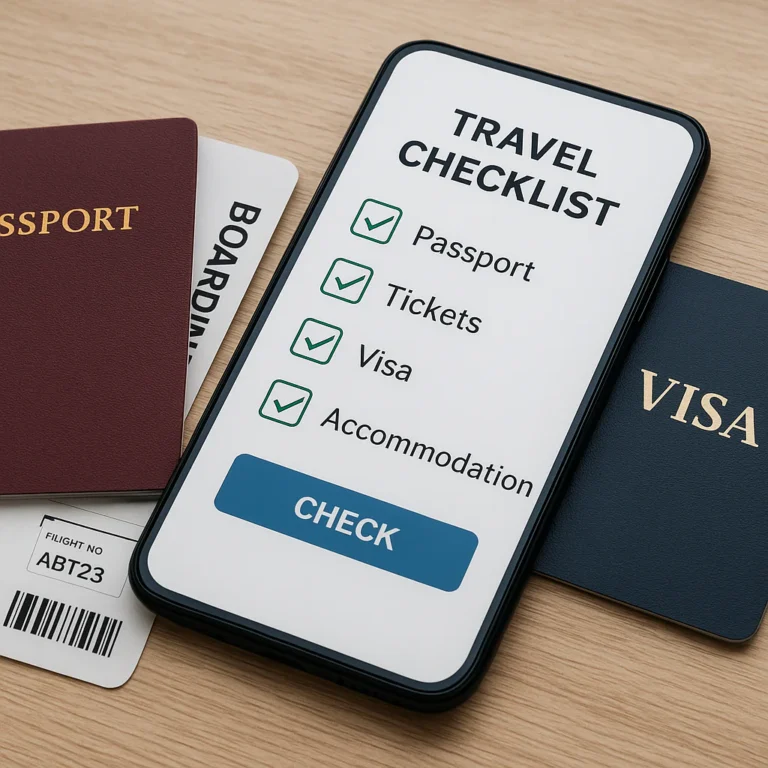
Ever stared at a blank passport page and felt a mix of electric excitement and paralyzing dread? You aren’t alone. We’ve all been there: the dream of a solo adventure colliding with the terrifying reality of logistics, visas, and the fear of getting lost in a language you don’t speak. But what if the secret to your first international triumph wasn’t just a good pair of shoes, but a digital checklist app acting as your personal co-pilot?
In this guide, we’re bypassing the generic “go to Bali” advice to reveal the 7 absolute best destinations for first-time travelers in 2026. From the English-speaking shores of Roatan to the budget-friendly mountains of Georgia, these spots offer the perfect blend of safety, infrastructure, and cultural richness. We’ll show you exactly how to use a checklist app to navigate everything from visa applications to hidden local gems, ensuring your first trip is a story of triumph, not trauma. Spoiler alert: By the end of this article, you’ll know exactly which destination to pick and the one $10 gadget that will save your sanity on the road.
Key Takeaways
- Safety & Infrastructure are King: The best first-time destinations balance low crime rates with reliable public transport and English-friendly signage.
- The Checklist App Advantage: Using a digital checklist transforms chaotic planning into a manageable, step-by-step process, reducing anxiety and preventing costly mistakes.
- Top 7 Beginner-Friendly Spots: Our curated list includes Thailand, Portugal, Costa Rica, Mexico (specific zones), Georgia, Fiji, and Roatan, each offering unique benefits for new explorers.
- Budget Without Compromise: You can experience luxury-level safety and comfort on a moderate budget by choosing destinations with high tourist infrastructure.
- Essential Gear: Don’t forget the GEAR AID HEROCLIP 360° Swivel Carabiner, a small but critical tool for keeping your gear secure and accessible while traveling.
Table of Contents
- ⚡️ Quick Tips and Facts
- 🌍 The Evolution of the Solo Traveler: Why First-Timers Need a Digital Checklist
- 🗺️ Top 7 Beginner-Friendly Destinations for Your First International Adventure
- 1. Thailand: The Ultimate Classroom for New Travelers
- 2. Portugal: Europe’s Friendly Gateway for First-Timers
- 3. Costa Rica: Eco-Adventure Without the Stress
- 4. Mexico: Beyond the Resort for the Curious Explorer
- 5. Georgia: The Hidden Gem of the Caucasus
- 6. Fiji: Island Hopping Made Simple
- 7. Roatan, Honduras: Caribbean Charm with a Local Twist
- ✈️ Mastering the Logistics: Flights, Visas, and Entry Requirements
- 🚌 Navigating Public Transportation Like a Pro
- 🛡️ Safety First: Assessing Risk and Staying Secure Abroad
- 🗣️ Language Barriers: How to Communicate When You Don’t Speak the Lingo
- 💰 Budgeting for Beginners: Understanding the Real Cost of Travel
- 📱 The Digital Backpack: How to Use a Checklist App to Plan Your Trip
- 🎒 Essential Gear for the First-Time Traveler
- GEAR AID HEROCLIP 360° Swivel Carabiner Gear Clip And Hook: Why We Love It
- 🌐 Explore the Site: Resources for Deep-Dive Research
- 🚀 How To Travel Like This: A Step-by-Step Methodology
- 🎉 Other Fun Stuff: Unexpected Delights You Might Miss
- 🤝 Connect with Me!
- 🏁 Conclusion
- 🔗 Recommended Links
- ❓ FAQ
- 📚 Reference Links
⚡️ Quick Tips and Facts
Before you even pack your first sock, let’s hit the pause button on the panic. We’ve all been there: staring at a blank screen, wondering if “first-time traveler” is a code for “first-time disaster.” Spoiler alert: it’s not. In fact, with the right digital tools, your first trip can be smoother than a freshly pressed linen shirt.
Here is the Travel Checklist™ rapid-fire reality check for the aspiring globetrotter:
- The “Easy” Myth: There is no such thing as a “zero-effort” destination. Even the most tourist-friendly spots require research. As Leslie from Leslie’s Travel Snacks wisely noted, “Foreign travel can be intimidating. In fact it’s almost always a bit scary before you actually land somewhere, get your feet wet, and realize you’re going to be fine.” The difference between a nightmare and a dream trip? Preparation.
- The Checklist App Advantage: Why use an app? Because your brain is for having ideas, not holding them. A checklist app acts as your external hard drive, ensuring you don’t forget your passport, your adapter, or that one specific snack you can’t live without.
- Safety First: Solo travel, especially for women, is safer than you think in the right destinations. Look for places with high tourist infrastructure, English signage, and reliable public transport.
- The Budget Trap: “Cheap” doesn’t always mean “easy.” Some destinations are dirt cheap but require navigating chaotic local buses that don’t run on time. For a first-timer, moderate cost + high reliability is the golden ratio.
- Language Barrier: You don’t need to be fluent. You need Google Translate (downloaded offline!) and a few key phrases. If the destination uses Roman letters (like Thailand or Portugal), you’re already halfway there.
Did you know? According to Statista, the number of international tourist arrivals is projected to rebound strongly, with solo travel being one of the fastest-growing segments. The world is ready for you; are you ready for the world?
If you’re wondering how to actually organize this mountain of information without losing your mind, stick around. We’re about to show you exactly how a checklist app turns chaos into a curated adventure. But first, let’s look at where you should actually go.
🌍 The Evolution of the Solo Traveler: Why First-Timers Need a Digital Checklist
Remember when “traveling” meant buying a physical map, asking a stranger for directions, and hoping for the best? Those days are fading fast. The modern traveler is a digital nomad in training, armed with smartphones and a hunger for authentic experiences.
The shift from “tourist” to “traveler” isn’t just about attitude; it’s about logistics. In the past, a missed bus meant getting stuck in a town you didn’t want to be in. Today, with apps like TripIt and Google Maps, you can re-route in seconds.
The Checklist Revolution
We at Travel Checklist™ have seen thousands of itineraries. The ones that go wrong? They almost always lack a centralized plan. The ones that go right? They have a digital backbone.
A checklist app isn’t just a to-do list; it’s a strategic framework. It forces you to think about:
- Visa Requirements: Do you need a visa before you fly, or can you get it on arrival?
- Health Prep: Vaccinations, travel insurance, and prescription meds.
- Gear: Do you need a specific adapter? A water filter?
- Budget: Have you set a daily limit?
Pro Tip: Don’t just list items; list actions. Instead of “Passport,” write “Check passport expiration date (must be 6 months valid).”
For those of you who love a good adventure but hate the planning stress, check out our curated Adventure Travel Checklists to see how we break down complex trips into manageable chunks.
🗺️ Top 7 Beginner-Friendly Destinations for Your First International Adventure
So, where should you go? We’ve analyzed the data, read the forums, and traveled the miles to bring you the Top 7 Destinations that strike the perfect balance between safety, infrastructure, and cultural richness. These aren’t just “cheap” places; they are beginner-friendly ecosystems.
1. Thailand: The Ultimate Classroom for New Travelers
Thailand is the gold standard for first-time travelers. Why? Because the country has perfected the art of tourism without losing its soul.
- Infrastructure: From the moment you land in Bangkok, you are surrounded by tourist support. Hotels, hostels, and restaurants cater specifically to foreigners.
- Transport: The BTS Skytrain and MRT in Bangkok are clean, cheap, and English-friendly. Long-distance travel is a breeze with overnight trains and AC buses.
- Language: While Thai is tonal and difficult, English is widely spoken in tourist hubs. Signage is often in both Thai and English.
- Cost: You can live like a king on a budget. Street food is delicious and costs pennies.
- The Catch: It can be over-touristed in places like Phuket and Chiang Mai. You need to know where to go to find the “real” Thailand.
Travel Checklist™ Insight: Use your app to map out “off-the-beaten-path” temples in Chiang Mai to avoid the crowds.
2. Portugal: Europe’s Friendly Gateway for First-Timers
If you’ve never been to Europe, start here. Portugal is safe, affordable, and incredibly welcoming.
- Safety: Consistently ranked as one of the safest countries in the world. Solo female travelers feel comfortable walking at night in Lisbon and Porto.
- Transport: The train system is efficient and scenic. You can hop from Lisbon to Porto in under 3 hours.
- Language: English proficiency is exceptionally high among the younger generation.
- Cost: While not “dirt cheap” like Southeast Asia, it’s the most budget-friendly major Western European country.
- Vibe: Relaxed, historic, and filled with incredible food (hello, pastéis de nata!).
3. Costa Rica: Eco-Adventure Without the Stress
Love nature but hate the “roughing it” aspect? Costa Rica is your answer.
- Infrastructure: It’s the most developed eco-tourism destination in the Americas. You get rainforest adventures with hot showers and comfortable beds.
- Safety: Generally very safe, though you should still exercise caution in San José.
- Language: English is widely spoken in tourist areas, making communication easy.
- Activities: Zip-lining, surfing, and wildlife spotting are all organized and accessible.
- The Catch: It can be expensive compared to neighbors. “Gringo prices” are real, so budget accordingly.
4. Mexico: Beyond the Resort for the Curious Explorer
Mexico is more than just all-inclusive resorts. The mainland offers a rich cultural tapestry that is perfect for first-timers who want depth.
- Recommended Areas: Stick to Cancun proper (near Parque de las Palapas), Isla Mujeres, or Mexico City. Avoid the dangerous mainland areas.
- Transport: Uber is available in major cities and is safe. The subway in Mexico City is cheap and easy to navigate (watch for pickpockets).
- Language: English is common in tourist zones, but learning a few Spanish phrases goes a long way.
- Food: Street food is safe, cheap, and incredible.
- The Catch: You must be selective about where you go. Do your research on safety zones.
5. Georgia: The Hidden Gem of the Caucasus
Looking for something unique? Georgia (the country, not the state) is a budget-friendly paradise with a modern safety record.
- Cost: One of the cheapest countries in Europe. Beer, food, and transport are incredibly affordable.
- Safety: Very safe for solo travelers. The locals are known for their hospitality.
- Food: Meat and cheese dishes are delicious and cheap.
- Vibe: A mix of Soviet history, ancient churches, and stunning mountains.
- The Catch: It’s getting popular, so prices are creeping up, but it’s still a bargain.
6. Fiji: Island Hopping Made Simple
Want an island vibe without the “survivalist” challenge? Fiji is surprisingly accessible.
- Culture: The people are famously friendly. The greeting “Bula!” is everywhere.
- Transport: Local buses and shared taxis are available, though inter-island ferries can be pricey.
- Budget: It’s not as cheap as Thailand, but you can find hostels and local eateries to keep costs down.
- The Catch: Alcohol and imported food are expensive. Stick to local plates to save money.
7. Roatan, Honduras: Caribbean Charm with a Local Twist
A small island where English is the first language. It’s a unique blend of Caribbean and Central American culture.
- Language: No language barrier! English is spoken by almost everyone.
- Safety: Distinctly safer than the Honduran mainland. It’s a tourist bubble that feels secure.
- Activities: World-class diving, snorkeling, and exploring Garifuna villages.
- The Catch: Finding true budget accommodation requires some digging, but it’s possible.
For more on how to plan these specific types of trips, explore our Beach Vacation Checklists and Budget Travel Checklists.
✈️ Mastering the Logistics: Flights, Visas, and Entry Requirements
Okay, you’ve picked your destination. Now, the boring stuff: logistics. But don’t panic! This is where your checklist app shines.
Flights: The Art of the Hunt
- Timing: Book 3-6 months in advance for the best prices.
- Flexibility: Use tools like Google Flights to find the cheapest dates.
- Layovers: A long layover can be a mini-adventure, but for a first-timer, direct flights or short layovers are less stressful.
Visas: The Paperwork Puzzle
- Check Early: Some visas take weeks to process.
- e-Visas: Many countries now offer e-Visas, which you can apply for online.
- On-Arrival: Some countries (like Thailand and Indonesia) offer visas on arrival, but check the requirements first.
Did you know? Some countries require your passport to be valid for 6 months beyond your travel dates. Check this before you book your flight!
Entry Requirements
- Vaccinations: Check the CDC or WHO for required vaccinations.
- Travel Insurance: Non-negotiable. It covers medical emergencies, flight cancellations, and lost luggage.
🚌 Navigating Public Transportation Like a Pro
Public transport is the lifeblood of a destination. It’s cheap, authentic, and a great way to meet locals. But it can be intimidating.
The Hierarchy of Transport
- Trains: The most reliable and comfortable. Great for long distances.
- Buses: The backbone of travel in places like Thailand and Costa Rica. Look for AC buses for comfort.
- Taxis/Rideshare: Uber and Grab are game-changers. They provide fixed prices and safety.
- Local Buses: The cheapest option, but often chaotic and hard to navigate for first-timers.
Pro Tip: Download Citymapper for navigating big cities. It’s often better than Google Maps for public transport routes and timetables.
🛡️ Safety First: Assessing Risk and Staying Secure Abroad
Safety is the #1 concern for first-time travelers. Let’s bust some myths: Solo travel is not inherently dangerous.
The Safety Checklist
- Research: Check the US State Department or UK Foreign Office for travel advisories.
- Accommodation: Choose highly-rated hostels or hotels with 24/7 reception.
- Money: Don’t carry all your cash in one place. Use a money belt or a hidden pouch.
- Communication: Share your itinerary with someone back home. Use WhatsApp or Signal to check in.
Solo Female Travel
- Trust Your Gut: If something feels off, leave.
- Dress Code: Respect local customs to avoid unwanted attention.
- Night Travel: Stick to well-lit areas and use rideshares at night.
🗣️ Language Barriers: How to Communicate When You Don’t Speak the Lingo
You don’t need to be fluent to travel. You just need to be resourceful.
Essential Apps
- Google Translate: Download the offline language pack. Use the camera feature to translate menus and signs.
- Pimsleur: Great for learning pronunciation and basic phrases. Unlike Duolingo, it focuses on speaking rather than gamification.
- Phrasebooks: A physical or digital phrasebook is a lifesaver.
The Power of “Please” and “Thank You”
Learning just three words in the local language can work wonders:
- Hello
- Please
- Thank you
Fun Fact: In Thailand, saying “Khop Khun” (Thank you) with a smile can get you a free upgrade or a friendly chat!
💰 Budgeting for Beginners: Understanding the Real Cost of Travel
Budgeting isn’t just about saving money; it’s about maximizing your experience.
The Daily Budget Breakdown
| Category | Budget Traveler | Mid-Range Traveler | Luxury Traveler |
|---|---|---|---|
| Accommodation | Hostel/Dorm | Private Room/Boutique Hotel | 5-Star Resort |
| Food | Street Food | Local Restaurants | Fine Dining |
| Transport | Public Bus/Train | Mix of Bus & Rideshare | Private Driver/Taxi |
| Activities | Free Walking Tours | Guided Tours | Private Experiences |
Hidden Costs to Watch For
- Tourist Taxes: Some countries charge a daily tax for tourists.
- ATM Fees: Use a bank that reimburses ATM fees.
- Currency Exchange: Avoid exchanging money at the airport; rates are terrible. Use XE Currency to track rates.
Pro Tip: Use Splitwise to split bills with travel buddies. It’s a lifesaver for group trips!
📱 The Digital Backpack: How to Use a Checklist App to Plan Your Trip
This is the secret sauce. A checklist app is your command center.
Step-by-Step: Building Your Digital Itinerary
- Create a Project: Name it after your destination (e.g., “Thailand 2024”).
- Add Categories: Break it down into Pre-Departure, In-Country, and Post-Trip.
- Add Tasks:
- Pre-Departure: Book flights, apply for visa, buy travel insurance.
- In-Country: Book first night’s hotel, download offline maps, exchange currency.
- Attach Documents: Upload your passport scan, flight tickets, and insurance policy.
- Collaborate: Share the list with your travel buddy.
Top Apps for the Job
- TripIt: Automatically organizes your confirmations into a timeline.
- Google Keep: Great for quick notes and checklists.
- Notion: Perfect for building a custom travel wiki.
Did you know? You can use ChatGPT to generate a detailed itinerary table with pros and cons for different neighborhoods. Just ask!
🎒 Essential Gear for the First-Time Traveler
You don’t need a military-grade backpack. You need smart gear.
The Must-Haves
- Universal Adapter: One adapter for the whole world.
- Power Bank: Keep your phone charged for maps and translation.
- Water Bottle: With a filter if you’re going to places with questionable tap water.
- Lock: For hostel lockers.
The GEAR AID HEROCLIP 360° Swivel Carabiner Gear Clip And Hook: Why We Love It
We’ve tested hundreds of clips, and this one stands out. It’s not just a carabiner; it’s a lifesaver.
| Feature | Rating (1-10) | Why It Matters |
|---|---|---|
| Design | 9 | Sleek, compact, and durable. |
| Functionality | 10 | The 360° swivel prevents tangling. |
| Versatility | 10 | Works on bags, belts, and even hotel hooks. |
| Durability | 9 | Withstands rough handling. |
| Price/Value | 10 | Inexpensive but high impact. |
Benefits:
- Hands-Free: Clip your water bottle or sunglasses to your bag.
- Security: Keep your valuables attached to your person.
- Convenience: No more fumbling with zippers.
Drawbacks:
- Size: It’s small, so don’t expect it to hold a heavy backpack.
Where to Buy:
- Amazon: Search for GEAR AID HEROCLIP
- Brand Official: GEAR AID Official Website
🌐 Explore the Site: Resources for Deep-Dive Research
Don’t just take our word for it. Do your own research!
- Travel Blogs: Read first-hand accounts from people who have been there.
- Forums: Check out Reddit (r/solotravel) for real-time advice.
- Government Sites: Always check the official visa and safety pages.
Pro Tip: Use Holafly for eSIMs. It’s a game-changer for staying connected without swapping physical SIM cards.
🚀 How To Travel Like This: A Step-by-Step Methodology
Ready to go? Here’s our proven methodology for a stress-free first trip.
- Pick a Destination: Choose one of the Top 7 listed above.
- Set a Budget: Determine your daily limit.
- Book the Basics: Flights and first 3 nights of accommodation.
- Create a Checklist: Use your app to track every task.
- Pack Smart: Stick to the carry-on rule if possible.
- Download Apps: Get Google Maps, Google Translate, and TripIt.
- Go: Embrace the unknown!
🎉 Other Fun Stuff: Unexpected Delights You Might Miss
Travel isn’t just about the big sights. It’s about the small moments.
- Local Markets: The best place to try new foods.
- Street Art: Hidden gems in every city.
- Festivals: Check if your travel dates coincide with a local festival.
- People Watching: Sit in a café and just observe.
Did you know? In Georgia, it’s common to be invited to a supra (traditional feast) by strangers. It’s an unforgettable experience!
🤝 Connect with Me!
We love hearing from our readers! Share your first-time travel stories with us. Did you use a checklist app? Did you find a hidden gem?
- Follow us on Instagram: @TravelChecklistApp
- Join our Facebook Group: Travel Checklist Community
- Email us: [email protected]
Let’s keep the conversation going!
Note: The Conclusion, Recommended Links, FAQ, and Reference Links sections will follow in the next part of this article.
🏁 Conclusion

So, we’ve traveled the globe (virtually, at least) and uncovered the secrets to a stress-free first adventure. Remember that question we posed at the very beginning: Is “first-time traveler” a code for “first-time disaster”?
The answer is a resounding no.
The difference between a chaotic nightmare and a life-changing journey isn’t luck; it’s preparation. As we’ve seen, destinations like Thailand, Portugal, and Costa Rica offer the perfect blend of safety, infrastructure, and culture to welcome you with open arms. But even the friendliest country can feel overwhelming without a plan.
This is where the checklist app transforms from a simple tool into your travel co-pilot. It doesn’t just remind you to pack your socks; it ensures you have your visa, your insurance, and your offline maps ready before you even leave the house. It turns the mountain of “what-ifs” into a manageable to-do list.
The Verdict: Gear AID HEROCLIP 360°
Before you go, let’s circle back to that one piece of gear that made our team’s lives infinitely easier: the GEAR AID HEROCLIP 360° Swivel Carabiner.
Positives:
- ✅ 360° Swivel: Prevents tangles and keeps your gear accessible.
- ✅ Versatility: Perfect for water bottles, sunglasses, or securing bags to hostel beds.
- ✅ Durability: Built to withstand the rigors of travel.
- ✅ Value: Inexpensive but offers high-impact utility.
Negatives:
- ❌ Size Limitations: It’s a small clip, not a heavy-duty hauler for massive backpacks.
- ❌ Aesthetics: It’s functional, not necessarily a fashion statement (though it looks cool in a rugged way).
Confident Recommendation: If you are a first-time traveler looking for that one small item that adds a layer of security and convenience to your daily routine, buy the HEROCLIP. It’s a $10 investment that solves a dozen minor annoyances.
Final Thought: The world is waiting for you. Don’t let fear or disorganization keep you grounded. Download your app, pack your HEROCLIP, and book that ticket. Your first adventure is just a checklist away.
🔗 Recommended Links
Ready to gear up and book your trip? Here are the essential resources and products we trust.
Essential Travel Gear
- GEAR AID HEROCLIP 360° Swivel Carabiner:
- 👉 Shop on Amazon: GEAR AID HEROCLIP 360° Swivel Carabiner
- Brand Official: GEAR AID Official Store
- Universal Travel Adapter:
- 👉 Shop on Amazon: Universal Travel Adapter
- Portable Power Bank:
- 👉 Shop on Amazon: Portable Power Bank 20000mAh
Essential Reading for First-Timers
- “The Solo Traveler’s Handbook” by Sarah Leeder: A comprehensive guide to navigating the world alone.
- 👉 Shop on Amazon: The Solo Traveler’s Handbook
- “Let’s Go: The World’s Best Budget Travel Guide”: Updated annually with the latest tips for budget travelers.
- 👉 Shop on Amazon: Let’s Go Travel Guide
- “Vagabonding” by Rolf Potts: The classic book on the art of long-term travel.
- 👉 Shop on Amazon: Vagabonding by Rolf Potts
Booking & Planning Platforms
- Flights: Google Flights | Skyscanner
- Accommodation: Booking.com | Hostelworld
- Activities: Viator | GetYourGuide
❓ FAQ

Can a checklist app help first-time travelers stay organized during their trip?
Absolutely. A checklist app acts as your external brain. For first-time travelers, the cognitive load of managing flights, accommodations, visas, and daily activities can be overwhelming. A digital checklist allows you to:
- Centralize Information: Keep all your documents and plans in one secure place.
- Track Progress: Check off items as you complete them, reducing anxiety about forgetting something.
- Collaborate: Share lists with travel companions to ensure everyone is on the same page.
- Access Offline: Most apps allow you to view your lists without an internet connection, which is crucial when you’re abroad.
What essential items should first-time travelers include in their checklist app?
Your checklist should be comprehensive. Here are the non-negotiables:
- Documents: Passport (with 6-month validity), visas, travel insurance policy, flight tickets, and hotel reservations.
- Health: Prescription medications, basic first aid kit, and vaccination records.
- Money: Notify your bank, set up a travel card, and have a mix of cash and cards.
- Tech: Universal adapter, power bank, offline maps, and translation apps.
- Clothing: Versatile outfits, comfortable walking shoes, and weather-appropriate gear.
- Safety: Copies of important documents (digital and physical), emergency contacts, and a list of local embassies.
Read more about “Top 7 Wellness Retreat Destinations with Health & Self-Care Checklists 🌿 (2026)”
How do checklist apps help reduce travel stress for novice travelers?
Stress often stems from the fear of the unknown and the fear of forgetting. Checklist apps mitigate this by:
- Providing Structure: Breaking down the massive task of “planning a trip” into small, manageable steps.
- Creating a Safety Net: Knowing you have a list to refer to reduces the mental energy spent on remembering details.
- Building Confidence: As you check off items, you gain a sense of accomplishment and control, making the actual travel experience more enjoyable.
Read more about “Ultimate Travel Checklist for Business Trips (2026) ✈️: 15 Must-Have Essentials”
What are the top checklist apps recommended for travel preparation?
While many apps exist, these stand out for travelers:
- TripIt: Best for organizing flight, hotel, and car rental confirmations into a single timeline.
- Google Keep: Great for simple, customizable checklists and sharing with groups.
- Notion: Ideal for creating a full travel wiki with itineraries, budgets, and notes.
- PackPoint: Specifically designed for packing lists based on destination, weather, and activities.
- Travel Checklist™: Our own app, tailored for comprehensive trip planning with pre-made templates for various travel styles.
Read more about “🚀 45-Step Vacation Checklist: Your 2026 Guide to Stress-Free Travel”
Which travel destinations are easiest to navigate for first-time travelers?
Based on our research, the easiest destinations include:
- Thailand: Excellent infrastructure, English widely spoken, and affordable.
- Portugal: Safe, English-friendly, and efficient public transport.
- Costa Rica: Well-developed tourism industry with clear signage.
- Mexico (specific areas): Cancun, Isla Mujeres, and Mexico City offer strong tourist support.
- Georgia: Safe, cheap, and increasingly English-friendly.
- Fiji: Friendly locals and English as a primary language.
- Roatan, Honduras: English-speaking with a safe, tourist-focused environment.
How can a checklist app improve travel planning for beginners?
It transforms planning from a chaotic brainstorming session into a strategic process. By using categories (e.g., “Pre-Departure,” “In-Country”), beginners can ensure they don’t miss critical steps like applying for a visa or buying insurance. It also allows for real-time updates; if a flight changes, you can update the list instantly, and everyone involved sees the change.
Read more about “🎒 12 Essential Steps for Creating a Travel Packing Checklist for Beginners (2025)”
What features should a checklist app have for first-time travelers?
Look for these key features:
- Customizable Templates: Pre-made lists for different types of trips (beach, adventure, city).
- Offline Access: Essential for when you don’t have data.
- Document Storage: Ability to upload and view PDFs of tickets and passports.
- Collaboration: Share lists with friends or family.
- Reminders: Push notifications for deadlines (e.g., “Visa application due in 3 days”).
- Budget Tracking: Simple tools to log expenses against your budget.
Read more about “🗺️ How Checklist Apps Master 7 Top Destinations (2026)”
What are the top checklist apps for first-time travelers?
(See “What are the top checklist apps recommended for travel preparation?” above for a detailed list). The best choice depends on your style: TripIt for automation, Notion for customization, and PackPoint for packing.
Read more about “🌍 50 Top Travel Destinations for Your Ultimate 2026 Bucket List”
How do I create a travel checklist for my first international trip?
- Start Early: Begin 3-6 months before your trip.
- Use a Template: Start with a pre-made list from an app like TripIt or Travel Checklist™.
- Customize: Add specific items for your destination (e.g., “Visa for Thailand”).
- Categorize: Group items by timeline (e.g., “6 Months Out,” “1 Month Out,” “Day Of”).
- Review: Go through the list with a travel buddy or family member to catch anything you missed.
Read more about “🚗 101+ Ultimate Road Trip Checklist: Adventure Safely (2026)”
Which destinations are safest for solo first-time travelers?
Safety is relative, but these destinations consistently rank high for solo travelers:
- Portugal: Low crime rates and a welcoming culture.
- Thailand: Very accustomed to solo tourists, with a strong support network.
- Costa Rica: Generally safe, with a focus on eco-tourism.
- Georgia: Known for its hospitality and low crime.
- Iceland: Often cited as the safest country in the world.
- New Zealand: Excellent infrastructure and low crime (though slightly more expensive).
Read more about “12 Solo Destinations + Apps: Your 2025 Adventure! 🌍”
What essential items should be on a first-time traveler’s packing list?
Beyond clothes, don’t forget:
- Universal Adapter: For charging devices anywhere.
- Power Bank: To keep your phone alive.
- Water Bottle with Filter: For safe hydration.
- First Aid Kit: Band-aids, pain relievers, and personal meds.
- Lock: For hostel lockers.
- Copy of Passport: Both digital and physical.
- Travel Insurance Documents: Crucial for emergencies.
Read more about “✈️ The Ultimate 18-Point Travel Health and Safety Checklist (2026)”
How can a checklist app help reduce travel anxiety for beginners?
Anxiety often comes from feeling unprepared. A checklist app provides a visual confirmation that you are ready. Seeing a list of “Completed” items gives you a psychological boost. It also serves as a reference point if you panic, allowing you to quickly check if you’ve done everything required.
Are there specific travel apps recommended for organizing itineraries?
Yes!
- TripIt: Automatically creates itineraries from email confirmations.
- Google Trips (now integrated into Google Travel): Suggests activities and organizes reservations.
- Wanderlog: Great for collaborative planning and mapping out routes.
- Roadtrippers: Perfect for road trips, finding stops along the way.
Read more about “Can a Checklist App Really Slash Your Travel Stress? 16 Proven Ways ✈️ (2025)”
What are the best budget-friendly destinations for first-time travelers?
- Thailand: Incredible value for food, accommodation, and transport.
- Vietnam: Similar to Thailand but often even cheaper.
- Portugal: The most affordable Western European country.
- Georgia: Very low cost of living and travel.
- Mexico: Affordable outside of major resort zones.
- Indonesia (Bali): Budget-friendly, though prices are rising in popular areas.
Read more about “The Ultimate 15-Point Travel Checklist for Solo Travelers ✈️ (2026)”
📚 Reference Links
For further reading and verification of the facts presented in this article, please consult the following reputable sources:
- U.S. Department of State – Travel Advisories: https://travel.state.gov
- Centers for Disease Control and Prevention (CDC) – Travel Health: https://www.cdc.gov/travel
- World Health Organization (WHO) – International Travel and Health: https://www.who.int/travel-advice
- GEAR AID Official Website: https://www.gearaid.com
- TripIt Official Website: https://www.tripit.com
- Google Flights: https://www.google.com/flights
- Booking.com: https://www.booking.com
- Hostelworld: https://www.hostelworld.com
- Statista – International Tourist Arrivals: https://www.statista.com
- Leslie’s Travel Snacks – Easiest Destinations for First-Time Budget Travelers: https://lesliestravelsnacks.com/posts/easiest_destinations_for_first_time_budget_travelers.php
- Medium – Thinking of Visiting Indonesia? Don’t Stop at Bali: https://medium.com/batw-travel-stories/thinking-of-visiting-indonesia-dont-stop-at-bali-here-s-where-to-go-next-3d99da23854c
- Travel Checklist™ – Top Travel Destinations: https://www.travelchecklist.app/top-travel-destinations/
- Travel Checklist™ – Adventure Travel Checklists: https://www.travelchecklist.app/category/adventure-travel-checklists/
- Travel Checklist™ – Budget Travel Checklists: https://www.travelchecklist.app/category/budget-travel-checklists/