Support our educational content for free when you purchase through links on our site. Learn more
🌍 65 Top Travel Destinations to See in 2026

destinations-for-all-abilities-using-checklist-apps/”>destinations this year. Where do you want to travel most in 2026?My Travel Videos:Top places in 2025 – https://youtu.be/eLPVDaaQybYTop 100 Places In The World – https://youtu.be/QGmZ1rsKJ9cTop Places in Patagonia – https://youtu.be/5FVhJa-xwIQTop Places in Albania – https://youtu.be/Yhohc-gQBfgTop Places in Bora Bora – https://youtu.be/gSudm8JWvlQTop Places in Puglia – https://youtu.be/ixqVBZ7DkqQTop Places in Ethiopia – https://youtu.be/qrRQKW2-HRYTop Places in Serengeti – https://youtu.be/DqmiZlhuAYgTop Places in Africa – https://youtu.be/Dx3TAGjaSJ0Top Places in Hungary – https://youtu.be/dMODHV5NaeoWhere we get our music – https://fm.pxf.io/gbYAm9Great Place for Footage – https://bit.”>
The top travel destinations for 2026 are not just famous landmarks: they’re places that combine unforgettable experiences with manageable logistics, seasonal timing, safety, and the right travel style for you. Our strongest all-round recommendations are Japan, Portugal, Italy, Costa Rica, New Zealand, Switzerland, and Thailand, with each offering a different mix of culture, scenery, food, adventure, or relaxation.
We’ve selected 65 destinations worldwide, from Kyoto’s quiet temple gardens and Patagonia’s wind-carved trails to the Great Barrier Reef and the ancient pyramids of Giza. The list includes cities, islands, national parks, archaeological sites, and entire regions because your best trip may be a three-day city break—or a two-week road trip where the scenery keeps stealing the show.
Our travelers at Travel Checklist™ have learned that the most beautiful itinerary can unravel over one overlooked detail: a closed mountain road, a missed ferry, or a visa rule discovered at check-in. That’s why every recommendation considers when to go, what to do, how difficult it is to plan, and which travelers will enjoy it most.
A few years ago, we planned a supposedly “simple” island-hopping trip around the Mediterranean. By day three, were sprinting across a port with luggage, snacks, and the dawning realization that “nearby” means something very different on a ferry timetable. The views were spectacular; the checklist became our hero. 🧳
Key Takeaways
- Japan, Portugal, Italy, Costa Rica, New Zealand, Switzerland, and Thailand are among the strongest all-round top travel destinations.
- Choose by travel style first: beaches, food, history, hiking, wildlife, romance, family travel, or digital nomad life.
- Timing matters: shoulder seasons often offer better weather, fewer crowds, and more flexible accommodation.
- Plan logistics before landmarks: verify visas, transport, health guidance, insurance, and attraction reservations.
- Popular does not always mean perfect: consider alternatives to overcrowded destinations such as Naxos instead of Santorini or Utrecht instead of central Amsterdam.
- Travel more responsibly: use local guides, protect wildlife, respect cultural customs, and support community businesses.
- A checklist app keeps the trip moving: organize documents, packing, bookings, arrival tasks, itinerary details, and backup plans in one place.
Table of Contents
-
⚡️ Quick Tips and Facts for Choosing Top Travel Destinations
-
🧳 Fast-Paced, Relaxed, Cultural, and Adventure Travel Styles
-
🏛️ How History, Culture, and Geography Shape Travel Hotspots
-
📱 How Social Media Influences the World’s Most Popular Destinations
-
6. Amsterdam, Netherlands: Canals, Cycling, and Masterpieces
-
8. Prague, Czechia: Fairytale Architecture and Historic Squares
-
9. Reykjavik and Iceland’s Ring Road: Fire, Ice, and Northern Lights
-
10. Swiss Alps, Switzerland: Scenic Trains and Mountain Adventures
-
12. Vienna, Austria: Imperial Grandeur, Music, and Coffeehouses
-
13. Edinburgh, Scotland: Castles, Festivals, and Highland Gateways
-
14. Amalfi Coast, Italy: Cliffside Villages and Mediterranean Views
-
16. Tokyo, Japan: Futuristic Energy and Old-World Neighborhoods
-
18. Bali, Indonesia: Rice Terraces, Beaches, and Wellness Escapes
-
19. Bangkok, Thailand: Street Food, Temples, and Riverside Life
-
20. Chiang Mai, Thailand: Mountain Culture and Night Markets
-
21. Singapore: Gardens, Hawker Centers, and Urban Innovation
-
22. Hanoi and Ha Long Bay, Vietnam: Heritage and Limestone Landscapes
-
23. Seoul, South Korea: K-Culture, Palaces, and Modern Design
-
25. Angkor Wat and Siem Reap, Cambodia: Temples and Khmer History
-
27. Dubai, United Arab Emirates: Desert Luxury and Architectural Wonders
-
28. Istanbul, Türkiye: Two Continents, Bazars, and Bosphorus Views
-
29. Nepal’s Himalayas: Treking, Monasteries, and Mountain Vistas
-
30. Sri Lanka: Wildlife, Tea Country, and Tropical Coastlines
-
31. New York City, United States: Broadway, Museums, and Neighborhood Energy
-
32. Orlando, Florida: Theme Parks and Family-Friendly Attractions
-
33. Grand Canyon, Arizona: One of Earth’s Great Natural Wonders
-
34. Yellowstone National Park, United States: Geysers and Wildlife
-
35. Yosemite National Park, California: Granite Peaks and Waterfalls
-
36. New Orleans, Louisiana: Jazz, Creole Cuisine, and Southern Character
-
37. San Francisco, California: Bay Views, Food, and Iconic Streets
-
38. Vancouver, Canada: Mountains, Ocean, and Urban Adventure
-
39. Banff National Park, Canada: Turquoise Lakes and Rocky Mountain Trails
-
40. Mexico City, Mexico: Museums, Markets, and Culinary Culture
-
41. Cancún and the Riviera Maya, Mexico: Caribbean Beaches and Maya Ruins
-
42. Costa Rica: Rainforests, Volcanoes, and Sustainable Adventures
-
43. Havana, Cuba: Classic Cars, Music, and Colonial Architecture
-
44. Alaska, United States: Glaciers, Fjords, and Untamed Wilderness
-
46. Machu Pichu and Cusco, Peru: Inca Heritage and High-Altitude Adventure
-
47. Rio de Janeiro, Brazil: Beaches, Samba, and Mountain Landscapes
-
48. Patagonia, Chile and Argentina: Glaciers, Peaks, and Epic Hiking
-
49. Buenos Aires, Argentina: Tango, Steak, and European-Style Boulevards
-
50. Cartagena, Colombia: Caribbean Color and Colonial Streets
-
51. The Galápagos Islands, Ecuador: Wildlife at Evolution’s Front Door
-
53. The Amazon Rainforest: Biodiversity and River Expeditions
-
54. Cape Town, South Africa: Coastlines, Wine Country, and Table Mountain
-
55. Serengeti National Park, Tanzania: The Great Migration and Big Wildlife
-
56. Marrakech, Morocco: Souks, Riads, and North African Flavors
-
57. Cairo and the Giza Pyramids, Egypt: Ancient Wonders and Nile History
-
58. Victoria Falls, Zambia and Zimbabwe: Thunderous Water and River Adventure
-
59. Zanzibar, Tanzania: Spice Islands and Indian Ocean Beaches
-
60. Sydney, Australia: Harbor Icons, Beaches, and Coastal Walks
-
61. Great Barrier Reef, Australia: Diving and Marine Conservation
-
62. New Zealand’s South Island: Fjords, Mountains, and Road Trips
-
63. Queenstown, New Zealand: Adrenaline Sports and Alpine Scenery
-
65. Fiji: Coral Refs, Village Culture, and Tropical Relaxation
-
What Are the Best Countries to Visit for First-Time Travelers?
-
Centers for Disease Control and Prevention: Travelers’ Health
Quick Tips and Facts for Choosing Top Travel Destinations
If you’re searching for the 🌍 25 Top Travel Destinations for 2024 You Can’t Miss, you’ll quickly discover that “best” depends on your trip style, season, budget, health, mobility, and appetite for adventure. Our team at Travel Checklist™ has learned that a spectacular destination can still become a stressful trip if you arrive during monsoon season, underestimate transfer times, or forget the one document nobody can replace at the airport.
Here’s the short version:
| Travel priority | Destinations worth considering | Why they stand out |
|---|---|---|
| First international trip | Portugal, Japan, Italy, Singapore | Reliable transport, strong infrastructure, abundant attractions |
| Beaches and snorkeling | Maldives, Fiji, Palawan, Great Barrier Reef | Warm water, marine life, island scenery |
| History and architecture | Rome, Kyoto, Petra, Angkor Wat | Layered civilizations and world-famous landmarks |
| Hiking and scenery | New Zealand, Patagonia, Switzerland, Iceland | Trails, mountains, glaciers, and dramatic landscapes |
| Family travel | Japan, Canada, Greece, Costa Rica | Variety, educational experiences, and outdoor activities |
| Budget-conscious travel | Vietnam, Thailand, Portugal, Mexico | Strong food, accommodation, and transport value |
| Solo travel | Japan, Portugal, New Zealand, Slovenia | Efficient logistics and welcoming tourism networks |
| Digital nomad travel | Portugal, Thailand, Indonesia, Colombia | Coworking options, connectivity, and longer-stay appeal |
A destination earns our recommendation when it offers memorable experiences without creating unnecessary logistical chaos. That means checking official travel advice, understanding local entry rules, and building a checklist before you start daydreaming about rooftop sunsets.
How We Rank the Best Places to Travel
We don’t rank destinations by Instagram popularity alone. A sunset looks excellent online; a missed train in a foreign language looks less excellent when you’re standing beside it with two suitcases.
Our Travel Checklist™ framework considers:
- Experience density: How much can you see and do without spending the whole trip in transit?
- Transport practicality: Are airports, trains, ferries, and local buses reasonably understandable?
- Seasonal reliability: Does the destination offer a good experience during your available travel dates?
- Cultural depth: Does it reward curiosity beyond the headline attraction?
- Natural scenery: Are there beaches, mountains, wildlife, parks, or landscapes worth the journey?
- Safety and health preparation: Can travelers find clear guidance from sources such as the U.S. Department of State and the CDC Travelers’ Health?
- Accessibility and comfort: Are there suitable options for families, older travelers, and people with mobility needs?
- Value and flexibility: Can you create a rewarding trip without booking every hour?
This approach differs from a purely personal bucket list. Eugene Kaspersky’s selection of 100 must-see places is explicitly opinion-led, while Travel Babo’s country rankings use family votes and a 1–10 scale. The author behind the 175-country travel bucket list brings another perspective, prioritizing places personally visited across all seven continents. None is “the” objective list, because no such list exists. Instead, compare the reasons behind each recommendation.
Fast-Paced, Relaxed, Cultural, and Adventure Travel Styles
Your ideal destination depends on your preferred travel rhythm.
| Travel style | What it feels like | Strong destination matches | Planning warning |
|---|---|---|---|
| Fast-paced city break | Museums, neighborhoods, food tours, late evenings | Tokyo, London, New York, Paris | Avoid changing hotels every night |
| Slow travel | Longer stays, markets, cafés, local routines | Sicily, Naxos, Provence, Bali | Book fewer bases and explore deeper |
| Adventure travel | Hiking, kayaking, diving, wildlife, remote areas | Patagonia, Nepal, Costa Rica, New Zealand | Build weather and recovery days |
| Cultural immersion | Temples, cooking, festivals, heritage sites | Kyoto, Morocco, Vietnam, India | Research etiquette before arrival |
| Resort relaxation | Minimal logistics, beach, spa, water activities | Maldives, Aruba, Fiji, French Polynesia | Check transfer times and included activities |
| Family exploration | Shorter activity blocks and variety | Japan, Canada, Greece, Singapore | Plan around energy levels, not map distance |
| Digital nomad travel | Workdays mixed with local exploration | Lisbon, Chiang Mai, Medellín, Bali | Check visa rules, internet, and workspace quality |
Our most common mistake used to be treating every vacation like a sightseeing competition. On one Mediterranean trip, we tried to combine multiple islands, two mainland cities, and a ferry schedule that seemed to have been written by a mischievous sea spirit. The views were wonderful. The logistics were not. Now we use a simple rule: one major transfer for every three or four relaxed days.
For trekking, camping, and active itineraries, start with our Adventure Travel Checklists. If you’re carrying everything on your back, browse the Backpacking Checklists.
Best Times of Year to Visit Popular Destinations
Weather can make or break a trip. The World Meteorological Organization and national tourism agencies provide useful climate information, but local conditions still vary by elevation, coastline, and microclimate.
| Destination | Best general window | Shoulder-season advantage | Main caveat |
|---|---|---|---|
| Japan | March–May; October–November | Fewer crowds in late autumn | Cherry blossoms vary by region and year |
| Greece | May–June; September–October | Warm seas with less intensity | Peak summer can be crowded |
| Iceland | June–August; February–March for Northern Lights | Better availability in spring and fall | Winter driving can be hazardous |
| Patagonia | November–March | Fewer visitors in November and March | Wind and weather change quickly |
| Maldives | December–April | May and November can offer value | Wet-season conditions are possible |
| Costa Rica | December–April | May and November can be quieter | Rain varies between coasts |
| New Zealand | December–February | March and November are often calmer | Seasons are reversed from North America |
| Southeast Asia | Varies by country and coast | Green season can mean lush scenery | Monsoon patterns differ dramatically |
Use three seasonal questions before booking:
- What is the weather doing at the exact places I’ll visit?
- Is this a peak period for school holidays, festivals, or cruise arrivals?
- Will transport, trails, attractions, or wildlife experiences operate normally?
The National Oceanic and Atmospheric Administration explains broad climate patterns, but check local authorities for current conditions, storm warnings, wildfire alerts, and trail closures.
Essential Travel Planning Tips
A smooth trip begins with a small amount of boring preparation that prevents a large amount of exciting panic.
Build your checklist in five stages
- Choose the trip brief
- Destination or region
- Dates and flexibility
- Travelers and ages
- Travel style
- Approximate activity level
- Confirm entry requirements
- Passport validity
- Visa or electronic travel authorization
- Vaccination requirements
- Transit rules
- Proof of onward travel, if applicable
- Reserve the fragile links
- International flights
- First-night accommodation
- Time-sensitive permits
- Popular trains, ferries, and attractions
- Airport transfers for late arrivals
- Prepare health and safety items
- Prescriptions in original packaging
- Travel insurance policy details
- Emergency contacts
- Copies of important documents
- Weather-appropriate clothing
- Create an arrival plan
- Airport-to-hotel route
- Mobile connectivity
- Local currency or payment method
- First meal
- Backup plan if transport is delayed
The IATA Travel Centre is useful for passport and visa information, while the World Health Organization provides international travel-health guidance. Always verify requirements with the destination’s official government sources because rules can change.
A checklist app helps because it turns a vague thought such as “prepare for Japan” into tasks like reserve luggage forwarding, download offline maps, check rail reservations, and pack motion-sickness medication. That distinction matters. Vague plans feel productive; completed tasks actually are.
Travel Checklist™ habit: Create separate lists for before booking, before departure, arrival day, daily activities, and return home. Your future self will be delighted and slightly impressed.
The Rise of Global Tourism and Bucket-List Travel
How History, Culture, and Geography Shape Travel Hotspots
The most compelling destinations usually combine several layers:
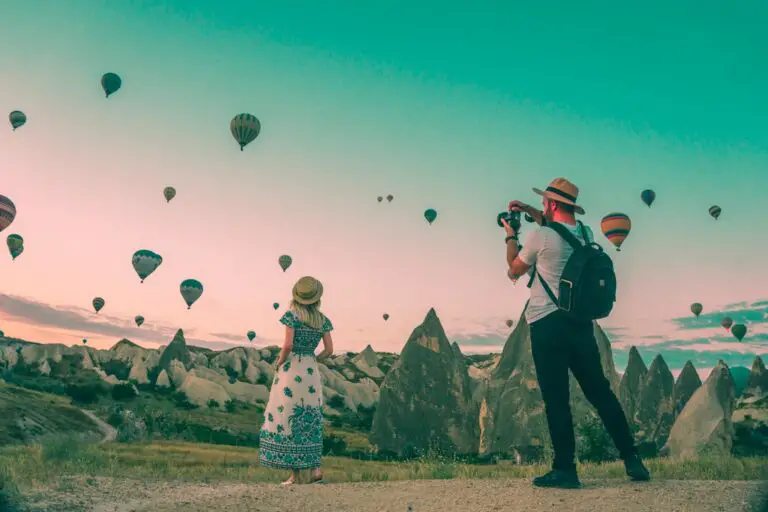
- A strong visual identity, such as Santorini’s caldera or Cappadocia’s rock formations
- A story, such as Angkor Wat’s Khmer history or Petra’s trading past
- A practical reason to visit, such as excellent food, hiking, wildlife, or beaches
- A distinct sense of place, which cannot be replicated by a themed hotel elsewhere
That is why the Great Wall of China, the Taj Mahal, Machu Pichu, and the Pyramids of Giza remain powerful travel magnets. They are not simply attractive structures. They connect travelers to political, religious, engineering, and cultural histories.
Use UNESCO’s World Heritage List to verify heritage status, but remember that UNESCO designation is not a complete ranking of travel quality. A smaller, less famous historic town may produce a richer experience than a packed headline attraction.
Overtourism, Sustainable Tourism, and Responsible Travel
Popular places can suffer from congestion, waste, water pressure, habitat damage, and rising housing costs. UN Tourism and the Global Sustainable Tourism Council provide useful frameworks for responsible tourism.
Travel more thoughtfully by:
- Visiting outside the busiest weeks
- Staying longer instead of hopping rapidly between destinations
- Using trains and shared transport where practical
- Booking locally owned accommodation and guides
- Avoiding wildlife interactions that involve touching, feeding, or captive performances
- Carrying refillable water equipment where safe
- Respecting photography rules at sacred sites
- Following marked trails and marine conservation guidance
✅ Good practice: Choose a licensed local guide for culturally sensitive sites or complex national parks.
❌ Poor practice: Treat a living neighborhood like a film set, blocking doorways for a photograph while residents try to get to work.
For beach trips, our Beach Vacation Checklists include reminders for reef-safe behavior, sun protection, water safety, and low-waste packing.
How Social Media Influences the World’s Most Popular Destinations
Social media is excellent at showing you where to go and terrible at showing you:
- How long the queue lasts
- Whether the viewpoint is accessible
- How crowded the location becomes at midday
- Whether the “secret” beach has a parking problem
- How much construction noise sits outside the camera frame
The first featured video takes a broad, visually dramatic approach, moving from Gravensteen Castle and Tikal to Salar de Uyuni, Lalibela, the Aurora Borealis, and Waitomo Gloworm Caves. Its strength is range: it reminds us that top destinations include ancient architecture, sacred places, unusual geology, and rare natural phenomena, not only famous capitals.
We use videos as inspiration, then verify details through official sources. A cinematic clip may show Niagara Falls at peak flow, the Maldives under perfect sun, or a mountain trail without mentioning seasonal closures. The video starts the shortlist; the checklist finishes it.
Top 60 Travel Destinations Around the World
The list below is organized by region and travel personality. Some entries are cities, some are national parks, and others are wider regions. That is intentional: travelers usually plan experiences, not administrative boundaries.
Europe’s Best Places to Visit
1. Paris, France: Art, Food, and Iconic Landmarks
Paris rewards repeat visits because its appeal is distributed across neighborhoods rather than locked inside one attraction. Visit the Eiffel Tower, Louvre, Musée d’Orsay, Montmartre, the Seine, and smaller food markets, but leave room for aimless wandering.
Best for: Art, architecture, food, romantic city breaks
Ideal stay: Four to six days
Watch for: Reservation requirements and long museum queues
The official Paris tourism office provides current attraction information. For a first visit, group activities geographically instead of zigzaging across the city.
2. Rome, Italy: Ancient Ruins and La Dolce Vita
Rome is gloriously excessive: ancient forums beside busy roads, baroque fountains around corners, and restaurants where the simplest pasta can become the evening’s headline act.
Prioritize:
- Colosseum and Roman Forum
- Pantheon
- Vatican Museums and St. Peter’s Basilica
- Trastevere
- Appian Way or Ostia Antica for a slower historical day
Book major archaeological sites through official Italian cultural heritage channels. Wear comfortable shoes, carry water, and protect valuables in dense crowds. Kaspersky’s advice about comfortable footwear and even Band-Aids sounds amusing until the coblestones begin negotiating with your ankles.
3. Barcelona, Spain: Gaudí, Beaches, and Catalan Culture
Barcelona combines architectural drama, Mediterranean light, neighborhood dining, and urban beaches. Gaudí’s work at the Sagrada Família, Park Güell, Casa Batlló, and Casa Milà deserves advance planning.
Best for: Architecture, food, design, nightlife, short breaks
Ideal stay: Three to five days
Add-on: Montserrat or Costa Brava
Reserve attractions through the Barcelona tourism board. Keep your phone and wallet secure in crowded areas, and remember that La Rambla is a promenade, not a compulsory endurance event.
4. London, England: Museums, Markets, and Royal History
London is one of the easiest destinations to tailor. You can build a free museum itinerary, a theater weekend, a food-focused trip, a royal-history route, or a neighborhood crawl.
Do not miss:
- British Museum
- National Gallery
- Tower of London
- Westminster and South Bank
- Borough Market
- Greenwich
Transport planning is simpler with the Transport for London network map and contactless payment guidance. Weather can change quickly, so pack a compact waterproof layer even when the morning looks suspiciously optimistic.
5. Santorini, Greece: Caldera Views and Island Sunsets
Santorini is famous for whitewashed villages, volcanic cliffs, and sunsets in Oia. It can also be crowded, expensive in the most visible areas, and less beach-oriented than first-time visitors expect.
Best for: Scenic romance, photography, volcanic landscapes
Better experience: Stay in more than one village or explore inland wineries and archaeological sites
Avoid: Planning every evening around one sunset viewpoint
Travel Babo rated Greece highest among its family-selected countries, while the RTW bucket list calls Greece its favorite country. Those perspectives align on the country’s versatility, but neither means every island suits every traveler. Choose Naxos or Crete for more space and varied activities; choose Santorini for dramatic scenery.
6. Amsterdam, Netherlands: Canals, Cycling, and Masterpieces
Amsterdam works for a short visit, but its compact center can become congested. Use trains for day trips, respect cycle lanes, and reserve the Anne Frank House and major museums ahead of time through official websites.
Best for: Art, design, canals, cycling, weekend trips
Nearby options: Haarlem, Utrecht, Leiden, Keukenhof during tulip season
The Amsterdam tourism board offers practical visitor guidance. Cycling is wonderful if you understand the local rhythm; standing in a bike lane while admiring a canal is a fast way to receive a very educational bell ring.
7. Lisbon, Portugal: Colorful Streets and Atlantic Charm
Lisbon brings tiled façades, hilltop viewpoints, seafood, pastries, and easy day trips to Sintra and Cascais. It is a strong first European destination because it combines culture with manageable scale.
Plan for:
- Hills and uneven pavements
- Tram crowds
- A day in Sintra
- Atlantic weather outside midsummer
- Regional food beyond the famous pastel de nata
Travel Babo described Portugal as “definitely one of the best countries to travel to,” while also acknowledging that its own trips centered heavily on Lisbon, Cascais, and Sintra. That is a useful reminder: a country can be highly recommended even when your first itinerary covers only one region.
8. Prague, Czechia: Fairytale Architecture and Historic Squares
Prague offers Gothic towers, baroque streets, river views, and an exceptionally walkable historic center. Cross the Charles Bridge early, then spend time beyond Old Town Square in neighborhoods such as Vinohrady and Holešovice.
Best for: Architecture, beer culture, affordable city breaks
Ideal stay: Three days
Tip: Use official currency guidance and avoid confusing “zero commission” exchange offers
The CzechTourism site is a helpful starting point for regional planning.
9. Reykjavik and Iceland’s Ring Road: Fire, Ice, and Northern Lights
Iceland compresses volcanoes, waterfalls, glaciers, lava fields, geothermal pools, and black-sand beaches into a relatively small country. The Ring Road is tempting, but winter driving and rapid weather changes demand respect.
Best for: Road trips, photography, geothermal experiences, Northern Lights
Allow: At least seven to ten days for a meaningful route
Check: SafeTravel Iceland before every major drive
The Blue Lagoon is a popular geothermal experience, but alternatives such as Sky Lagoon and local pools can offer different atmospheres. Never treat a dramatic road photo as proof that conditions are safe.
10. Swiss Alps, Switzerland: Scenic Trains and Mountain Adventures
Switzerland is ideal for travelers who want alpine scenery without giving up reliable infrastructure. Interlaken, Lucerne, Zermatt, Engelberg, and the Bernese Oberland offer hiking, cable cars, scenic trains, and villages that look suspiciously designed by a committee of landscape painters.
Best for: Hiking, rail travel, families, scenic relaxation
Planning advantage: Rail connections reduce driving stress
Caveat: Weather can close mountain routes even in summer
Travel Babo’s family rated Switzerland highly for hiking and biking, while the Swiss Travel System helps visitors understand rail passes and scenic routes.
11. Dubrovnik, Croatia: Adriatic Beaches and Medieval Walls
Dubrovnik’s old city and sea-facing walls are spectacular, especially early in the morning. Cruise arrivals can dramatically alter crowd levels, so check port schedules and consider nearby islands or the Pelješac Peninsula.
Best for: Historic architecture, swimming, coastal scenery
Combine with: Split, Hvar, Korčula, or Plitvice Lakes
Crowd strategy: Stay overnight and explore before day-trippers arrive
Travel Babo praised Croatia’s Plitvice Lakes while noting Dubrovnik remained on its future list. That contrast is useful: Croatia offers much more than the most photographed walled city.
12. Vienna, Austria: Imperial Grandeur, Music, and Coffeehouses
Viena suits travelers who like structure: grand palaces, museums, classical music, cafés, and efficient public transit. Visit Schönbrunn, the Hofburg, Belvedere, and Naschmarkt, then slow down over coffee.
Best for: Music, history, architecture, food, refined city breaks
Ideal stay: Three to four days
Tip: Check concert venues carefully; not every “Viena concert” ticket provides the same experience
13. Edinburgh, Scotland: Castles, Festivals, and Highland Gateways
Edinburgh’s Old Town, castle, Arthur’s Seat, and atmospheric closes create a compact city experience. It also serves as a launch point for the Highlands, Isle of Skye, and whisky regions.
Best for: History, festivals, walking, literary travel
Ideal stay: Three days in the city plus additional time for the Highlands
Weather note: Waterproof layers are not optional decoration
The official Scotland tourism site provides route ideas and seasonal information.
14. Amalfi Coast, Italy: Cliffside Villages and Mediterranean Views
The Amalfi Coast is beautiful and logistically demanding. Roads are narrow, parking is limited, and summer traffic can transform a short distance into a philosophical reflection on patience.
Choose your base carefully:
- Amalfi: Central transport connections
- Ravello: Elevated views and quieter atmosphere
- Positano: Iconic scenery and steep access
- Sorrento: Practical base for Pompeii and Capri
Use ferries where available and avoid assuming a rental car will simplify the trip. For a broader Italian itinerary, combine the coast with Naples, Pompeii, or Paestum rather than trying to see every village in one day.
15. Budapest, Hungary: Thermal Baths and Danube Nights
Budapest delivers grand architecture, thermal baths, ruin bars, river cruises, and excellent food at a generally approachable pace. Spend time on both Buda and Pest, and reserve bath entry if visiting during a busy period.
Best for: Architecture, wellness, nightlife, value
Do: Visit the Parliament exterior, Fisherman’s Bastion, Central Market Hall, and a thermal bath
Check: Official bath rules and opening hours
Asia’s Top Destinations for Culture, Food, and Adventure
16. Tokyo, Japan: Futuristic Energy and Old-World Neighborhoods
Tokyo can feel overwhelming until you divide it into neighborhoods. Pair Shibuya with Meiji Jingū, Asakusa with Ueno, and Tsukiji or Toyosu with a food-focused morning.
Best for: Food, design, shopping, pop culture, temples
Ideal stay: Five to seven days
Checklist essentials:
- Transit card or compatible mobile payment
- Pocket Wi-Fi or eSIM
- Restaurant reservation strategy
- Comfortable shoes
- Quiet behavior on trains
Both Kaspersky and Travel Babo highlight Tokyo, but from different angles: one emphasizes its “another world” atmosphere; the other values its place within a broader family journey through Japan.
17. Kyoto, Japan: Temples, Gardens, and Traditional Japan
Kyoto’s famous temples are worth seeing, but the city becomes more rewarding when you move beyond the most crowded lanes. Visit Fushimi Inari early, explore Arashiyama selectively, and reserve time for gardens, tea culture, and smaller neighborhoods.
Best for: Heritage, gardens, seasonal travel, traditional arts
Respect: Quiet zones, photography restrictions, and residential areas
Avoid: Treating geisha districts or sacred spaces as staged photo backgrounds
Use the Kyoto City Official Travel Guide for current visitor guidance.
18. Bali, Indonesia: Rice Terraces, Beaches, and Wellness Escapes
Bali can be a restorative retreat or a traffic-heavy itinerary depending on where you stay. Ubud offers art, rice terraces, and wellness; the south offers beaches, dining, and nightlife; northern and eastern areas provide quieter landscapes.
Best for: Wellness, food, surfing, culture, longer stays
Better plan: Choose two bases instead of commuting across the island daily
Add: Nusa Lembongan or another island only if ferry conditions and transfer time fit your schedule
For longer stays and remote work, see our Digital Nomad Checklists.
19. Bangkok, Thailand: Street Food, Temples, and Riverside Life
Bangkok rewards early starts and flexible appetites. Combine the Grand Palace and Wat Pho with neighborhood food, river transport, markets, and air-conditioned recovery breaks.
Best for: Food, temples, shopping, nightlife, stopovers
Practical tips:
- Dress respectfully at temples
- Use official taxi meters or trusted ride-hailing services
- Keep hydration supplies in your day bag
- Plan around heat, not just opening hours
Thailand appears repeatedly in the RTW bucket-list list because it combines city energy, beaches, food, and accessible regional travel.
20. Chiang Mai, Thailand: Mountain Culture and Night Markets
Chiang Mai is calmer than Bangkok and offers temples, cooking classes, craft markets, cafés, and access to mountain landscapes. Research ethical elephant experiences carefully and avoid attractions that permit riding or unnatural animal interactions.
Best for: Food, culture, wellness, slower travel
Consider: Air quality during burning season
Useful extension: Doi Inthanon or Chiang Rai
21. Singapore: Gardens, Hawker Centers, and Urban Innovation
Singapore is compact, exceptionally organized, and easy to combine with Southeast Asian itineraries. Its hawker centers provide one of the best introductions to local food culture, while Gardens by the Bay, the National Gallery, and neighborhood districts add variety.
Best for: Families, stopovers, food, architecture, first-time Asia trips
Strength: Clear transport and high infrastructure quality
Reminder: Strict local laws make a quick etiquette check worthwhile
The Singapore Tourism Board offers current attraction and neighborhood information.
22. Hanoi and Ha Long Bay, Vietnam: Heritage and Limestone Landscapes
Hanoi brings colonial architecture, lakes, coffee culture, and busy street life. Ha Long Bay adds limestone karsts and boat-based scenery, though visitor experiences vary greatly by vessel and route.
Best for: Food, history, photography, multi-stop travel
Book carefully: Read recent reviews of cruise operators and inspect the cancellation policy
Alternative: Consider Lan Ha Bay for a different routing and atmosphere
23. Seoul, South Korea: K-Culture, Palaces, and Modern Design
Seoul combines royal palaces, design districts, mountain trails, cafés, markets, and an energetic food scene. It is an excellent city for travelers who want both urban stimulation and easy day hikes.
Best for: Food, fashion, technology, history, nightlife
Plan: Palace visits in traditional clothing can be fun, but book reputable rental providers and allow time for changing
Connectivity: Download maps and translation tools before arrival
24. Hong Kong: Skyline Views, Dim Sum, and Hiking Trails
Hong Kong is more than a skyline. Ride the Star Ferry, explore neighborhoods, eat dim sum, and reserve time for trails such as Dragon’s Back or the Peak area.
Best for: Food, urban photography, shopping, hiking
Caution: Check current entry and transit information before travel
Ideal stay: Three to five days
Kaspersky’s description of Hong Kong as vibrant and almost otherworldly captures the urban intensity, but the hiking trails reveal a quieter side many short-term visitors miss.
25. Angkor Wat and Siem Reap, Cambodia: Temples and Khmer History
Angkor Wat is one of the world’s essential heritage experiences, but the wider Angkor Archaeological Park deserves several days. Sunrise can be spectacular; it can also involve an early alarm and a crowd large enough to form its own small city.
Plan well:
- Buy admission through the official Angkor Enterprise.
- Hire a knowledgeable guide or arrange a reputable small-group tour.
- Start early and carry water.
- Rotate major temples with quieter sites.
- Dress respectfully and do not climb restricted structures.
The RTW bucket list recommends visiting Angkor Wat at sunrise and exploring during cooler hours. We agree, with one adjustment: do not make sunrise your only goal. The historical context and lesser-known temples are where the day becomes more than a photograph.
26. The Maldives: Overwater Villas and Coral-Ref Escapes
The Maldives is built for travelers who want a controlled, water-focused holiday: snorkeling, diving, marine excursions, spa time, and uninterrupted horizons.
Best for: Honeymoons, diving, resort relaxation
Before booking, confirm:
- Seaplane or speedboat transfer requirements
- Transfer operating hours
- Reef and marine-life policies
- Weather-season expectations
- Accessibility and medical facilities
Travel Babo rated the Maldives highly for a resort-centered family escape, while the RTW bucket list emphasizes the seaplane transfer and overwater experience. Both are useful, but resort selection matters more here than in a city trip.
27. Dubai, United Arab Emirates: Desert Luxury and Architectural Wonders
Dubai combines spectacular architecture, shopping, desert excursions, beaches, and global dining. It is convenient for stopovers but can feel highly curated if you never leave the major development zones.
Best for: Architecture, luxury, family attractions, winter sun
Add: Al Fahidi Historical Neighborhood, desert conservation experiences, and nearby Abu Dhabi
Check: Local laws, dress expectations, and photography etiquette
28. Istanbul, Türkiye: Two Continents, Bazars, and Bosphorus Views
Istanbul is one of the world’s most rewarding city breaks because its geography and history are inseparable. Hagia Sophia, the Blue Mosque, Topkapı Palace, Grand Bazaar, Spice Bazaar, and a Bosphorus ferry create a strong first itinerary.
Best for: History, food, architecture, markets
Tip: Stay near a transit line rather than choosing accommodation solely for a rooftop view
Cultural reminder: Verify current access rules for religious sites
Travel Babo’s ranking highlights Istanbul alongside Cappadocia, while the wider RTW list recommends Türkiye for its combination of historic cities and landscapes.
29. Nepal’s Himalayas: Treking, Monasteries, and Mountain Vistas
Nepal can be a gentle cultural journey or a demanding high-altitude expedition. Kathmandu, Pokhara, Everest viewpoints, and the Annapurna region offer very different levels of physical commitment.
Best for: Treking, spiritual travel, mountain scenery
Essential preparation:
- Aclimatization days
- Appropriate footwear and layers
- Travel insurance covering trekking altitude
- Licensed guides where required
- Weather and flight-delay contingency
The RTW bucket list recommends scenic flights and helicopter viewpoints for travelers who do not need to climb Everest. That is a sensible alternative: you do not need to summit a mountain to have a mountain trip.
30. Sri Lanka: Wildlife, Tea Country, and Tropical Coastlines
Sri Lanka packs ancient cities, national parks, tea plantations, rail journeys, beaches, and wildlife into a compact island. A balanced itinerary might connect the Cultural Triangle, central highlands, a safari region, and the southern coast.
Best for: Wildlife, trains, beaches, food, cultural travel
Planning issue: Road transfers often take longer than the map suggests
Wildlife rule: Keep a respectful distance and avoid operators who chase animals
North America’s Best Vacation Destinations
31. New York City, United States: Broadway, Museums, and Neighborhood Energy
New York is best experienced by neighborhood rather than checklist. Pair Central Park with museums, downtown with food, Brooklyn with skyline views, and Broadway with a relaxed pre-show meal.
Best for: Museums, theater, food, shopping, first-time city energy
Tip: Reserve time for ordinary moments—coffee, subway rides, and a neighborhood walk
Safety: Use official attraction websites and remain aware in crowded transit areas
Kaspersky recommends Manhattan and even a helicopter excursion, but a simple elevated subway view can be equally memorable without turning the entire itinerary into a premium add-on.
32. Orlando, Florida: Theme Parks and Family-Friendly Attractions
Orlando works best when you choose a manageable park plan instead of attempting every major attraction in one heroic week.
Plan around:
- Park opening times
- Rest days
- Heat and rain
- Dining reservations
- Transportation between hotels and parks
- Height and age requirements
Use official resources for Walt Disney World, Universal Orlando Resort, and SeaWorld Orlando. A family day with fewer rides and fewer meltdowns beats a record-breaking attraction count.
33. Grand Canyon, Arizona: One of Earth’s Great Natural Wonders
The Grand Canyon is not one experience but several: South Rim viewpoints, North Rim solitude, rafting, mule trips, and multi-day hikes. The National Park Service should be your first stop for conditions and permits.
Best for: Landscapes, road trips, hiking, geology
Critical distinction: Viewing the canyon is not the same as hiking into it
Safety: Carry more water than the photograph suggests you need
Kaspersky’s helicopter and Skywalk ideas appeal to travelers seeking a dramatic overview, while the National Park Service provides the practical foundation. Choose the experience that matches your mobility, budget, and tolerance for heights.
34. Yellowstone National Park, United States: Geysers and Wildlife
Yellowstone combines geothermal features, lakes, canyons, and wildlife. Old Faithful is famous, but the park’s scale means you should plan by region rather than trying to see everything from one base.
Best for: Wildlife, geology, scenic driving
Respect: Stay on boardwalks and maintain official wildlife distances
Plan: Reserve lodging early and allow for road closures
35. Yosemite National Park, California: Granite Peaks and Waterfalls
Yosemite’s granite walls, giant sequoias, waterfalls, and valley viewpoints make it a classic American destination. Crowds and reservations can be challenging, especially during peak periods.
Best for: Hiking, photography, families, climbing
Check: Yosemite National Park for reservations, road status, and trail conditions
Tip: Explore beyond Yosemite Valley if time permits
36. New Orleans, Louisiana: Jazz, Creole Cuisine, and Southern Character
New Orleans is a destination for sound, flavor, architecture, and history. Go beyond Bourbon Street with live music in neighborhood venues, a cooking class, cemetery history, and carefully chosen food stops.
Best for: Music, food, festivals, architecture
Plan: Protect your energy and hydration in hot weather
Respect: Learn the difference between cultural appreciation and treating neighborhoods as entertainment props
37. San Francisco, California: Bay Views, Food, and Iconic Streets
San Francisco offers Alcatraz, Golden Gate views, Chinatown, neighborhood food, parks, and easy connections to coastal and wine-country trips.
Best for: City breaks, food, photography, road-trip gateways
Practical note: Hills are real; pack accordingly
Add: Muir Woods or the Pacific Coast Highway if extending your stay
The Pacific Coast Highway appears on the RTW road-trip list, with Big Sur, Bixby Creek Bridge, and McWay Falls as highlights. Check road conditions before committing to a coastal drive.
38. Vancouver, Canada: Mountains, Ocean, and Urban Adventure
Vancouver is unusually good at combining a city break with outdoor activities. Stanley Park, Granville Island, North Shore trails, and nearby mountain areas can fill several days.
Best for: Nature-city combinations, families, food, cycling
Add: Victoria, Whistler, or Vancouver Island with enough time
Check: Seasonal wildfire and trail information
39. Banff National Park, Canada: Turquoise Lakes and Rocky Mountain Trails
Banff’s lakes, peaks, wildlife, and mountain roads create a high-impact itinerary. Popular lakes require timed access or shuttle planning during peak periods.
Best for: Hiking, scenic drives, families, wildlife
Protect the landscape: Follow Parks Canada guidance and never approach wildlife for a photograph
Plan: Accommodation and shuttle logistics before arrival
40. Mexico City, Mexico: Museums, Markets, and Culinary Culture
Mexico City combines world-class museums, historic neighborhoods, markets, architecture, and an outstanding food scene. Include the historic center, Chapultepec, Frida Kahlo Museum planning, and a day trip to Teotihuacán.
Best for: Food, art, history, design
Practical: Research neighborhood transport and altitude considerations
Check: Official museum reservation rules
41. Cancún and the Riviera Maya, Mexico: Caribbean Beaches and Maya Ruins
The Riviera Maya suits travelers who want to mix beaches, cenotes, reef excursions, and Maya heritage. Chichén Itzá and Tulum are popular, but local conditions and conservation rules change.
Best for: Beaches, family trips, cenotes, archaeology
Plan: Visit major ruins early and choose licensed guides
Sun care: Use reef-conscious products where appropriate and follow local swimming rules
42. Costa Rica: Rainforests, Volcanoes, and Sustainable Adventures
Costa Rica delivers an unusually broad range of nature experiences: cloud forests, volcanoes, surf beaches, wildlife, zip lines, and hot springs.
Best for: Outdoor adventure, wildlife, families, eco-travel
Ideal approach: Choose one coast plus an inland region rather than racing around the entire country
Check: Visit Costa Rica and protected-area guidance
Adventure travelers should pair this destination with our Adventure Travel Checklists.
43. Havana, Cuba: Classic Cars, Music, and Colonial Architecture
Havana offers music, colorful architecture, classic cars, plazas, and a strong sense of history. Practical planning matters because payment systems, connectivity, and transport can require more preparation than in other Caribbean destinations.
Best for: Architecture, music, culture, photography
Prepare: Connectivity plan, medication supplies, documentation, and flexible expectations
Verify: Current entry rules through official government sources
44. Alaska, United States: Glaciers, Fjords, and Untamed Wilderness
Alaska can be approached by cruise, road trip, rail journey, or lodge-based adventure. Denali, Kenai Fjords, Juneau, Anchorage, and the Inside Passage each offer different experiences.
Best for: Wildlife, glaciers, wilderness, photography
Reality check: Distances are enormous and weather affects flights, ferries, and excursions
Plan: Add buffer days
45. Bermuda: Pink-Sand Beaches and Atlantic Island Charm
Bermuda offers beaches, pastel architecture, snorkeling, maritime history, and a compact island experience. It is a strong choice for travelers who want a Caribbean feel without a sprawling itinerary.
Best for: Beaches, short breaks, snorkeling, couples
Tip: Review local transportation rules and avoid assuming a rental car is the default option
South America’s Most Memorable Places to Travel
46. Machu Pichu and Cusco, Peru: Inca Heritage and High-Altitude Adventure
Machu Pichu requires more planning than many visitors expect: timed entry, transport coordination, altitude considerations, and route selection. Cusco itself deserves time for acclimatization and exploration.
Best for: Archaeology, hiking, cultural history
Before booking: Check official Machu Pichu visitor information
Health: Spend initial days at a slower pace and discuss altitude medication with a qualified clinician
The RTW bucket list notes a historical rediscovery date but contains a typographical error in the year. For verification, trust UNESCO and official Peruvian sources rather than copying an uncited date from a travel list.
47. Rio de Janeiro, Brazil: Beaches, Samba, and Mountain Landscapes
Rio’s combination of beaches, mountains, music, and neighborhoods is unmatched. Visit Sugarloaf Mountain, Christ the Redemer, Ipanema, Copacabana, Santa Teresa, and a reputable cultural or food experience.
Best for: Beaches, city scenery, music, festivals
Safety: Follow current local advice, use trusted transport, and avoid displaying valuables
Perspective: Kaspersky praised the city’s scenery but also warned about robbery risk; both the beauty and the practical caution deserve attention.
48. Patagonia, Chile and Argentina: Glaciers, Peaks, and Epic Hiking
Patagonia is a region for travelers who accept that weather, distances, and transfer schedules are part of the adventure. Torres del Paine, El Chaltén, Perito Moreno Glacier, and Ushuaia provide distinct gateways.
Best for: Multi-day hiking, glaciers, wildlife, remote scenery
Pack: Layers, waterproof protection, offline maps, and contingency time
Choose: One country or a carefully planned cross-border route
Travel Babo rated Chile strongly for Patagonia and the Atacama Desert, while the RTW list specifically favors Torres del Paine. The shared message is clear: Patagonia rewards time more than ambition.
49. Buenos Aires, Argentina: Tango, Steak, and European-Style Boulevards
Buenos Aires blends grand avenues, late dining, tango, bookstores, football culture, and neighborhood personalities. Explore Recoleta, Palermo, San Telmo, and La Boca thoughtfully.
Best for: Food, dance, architecture, urban culture
Tip: Meal times run late; schedule accordingly
Check: Current currency and payment guidance before arrival
50. Cartagena, Colombia: Caribbean Color and Colonial Streets
Cartagena’s walled city, Caribbean atmosphere, food, and nearby islands make it an easy-to-love destination. Heat and humidity are significant, so plan sightseeing for morning and evening.
Best for: Architecture, beaches, food, warm-weather breaks
Add: Rosario Islands or a longer Colombia itinerary
Safety: Use reputable operators and current local guidance
51. The Galápagos Islands, Ecuador: Wildlife at Evolution’s Front Door
The Galápagos is a conservation-first destination. Visitors may see sea lions, tortoises, marine iguanas, penguins, and blue-footed boobies, but access rules, guide requirements, and park fees matter.
Best for: Wildlife, snorkeling, conservation, expedition travel
Book: Licensed operators and compliant itineraries
Respect: Never touch or feed wildlife
The RTW list calls the islands a “living museum of natural history,” reflecting their connection to Darwin’s observations. The phrase is evocative, but the practical priority is conservation: this is a protected ecosystem, not an interactive zoo.
52. Salar de Uyuni, Bolivia: The World’s Largest Salt Flat
Salar de Uyuni creates mirror-like reflections during wet conditions and stark geometric landscapes during the dry season. Multi-day tours often include lagons, volcanoes, and high-altitude deserts.
Best for: Landscape photography, road trips, unusual geology
Prepare: Cold nights, altitude, basic facilities, and limited connectivity
Verify: Operator safety standards and vehicle maintenance
53. The Amazon Rainforest: Biodiversity and River Expeditions
The Amazon is not a single destination. Brazil, Peru, Colombia, Ecuador, and Bolivia provide different gateways and ecosystems.
Best for: Wildlife, river travel, indigenous-led experiences
Choose operators that:
- Employ local guides
- Explain conservation practices
- Avoid captive-wildlife photo opportunities
- Provide clear safety and emergency procedures
- Set realistic wildlife expectations
Africa’s Top Destinations for Wildlife and Culture
54. Cape Town, South Africa: Coastlines, Wine Country, and Table Mountain
Cape Town offers one of the strongest city-and-landscape combinations anywhere: Table Mountain, the Cape Peninsula, beaches, museums, food, and nearby wine country.
Best for: Scenic drives, food, history, hiking
Plan: Cable car conditions can change; keep a flexible day
Add: Stellenbosch, Hermanus, or the Garden Route
Both RTW and Travel Babo highlight South Africa for its combination of wildlife, wine, beaches, and scenery.
55. Serengeti National Park, Tanzania: The Great Migration and Big Wildlife
The Serengeti is famous for the Great Migration, but wildlife viewing is rewarding beyond the headline season. A safari requires patience, early starts, and respect for animal behavior.
Best for: Safaris, photography, conservation
Book: Reputable operators with experienced guides
Remember: Nature does not run on an attraction timetable
56. Marrakech, Morocco: Souks, Riads, and North African Flavors
Marrakech offers riads, gardens, souks, architecture, hammams, and intensely aromatic food. Pair it with the Atlas Mountains, Essaouira, or a desert route if you have enough time.
Best for: Food, design, markets, architecture
Practical: Carry offline maps and agree on guide or taxi arrangements
Cultural: Ask before photographing people and dress respectfully
57. Cairo and the Giza Pyramids, Egypt: Ancient Wonders and Nile History
The Pyramids of Giza remain astonishing because their scale defeats photographs. Cairo also offers the Egyptian Museum, Islamic Cairo, Coptic Cairo, and Nile experiences.
Best for: Archaeology, ancient history, river travel
Plan: Visit major monuments early and use a knowledgeable guide
Verify: Current opening times and official ticket channels
The RTW list notes that the pyramids are nearly 5,000 years old and identifies Khufu, Khafre, and Menkaure. For dates and archaeological details, consult UNESCO and Egypt’s official heritage authorities.
58. Victoria Falls, Zambia and Zimbabwe: Thunderous Water and River Adventure
Victoria Falls is known locally as Mosi-oa-Tunya, “the smoke that thunders.” Water levels change seasonally, so the best viewing period depends on whether you prefer maximum spray or clearer views of the gorge and rock formations.
Best for: Waterfalls, rafting, scenic flights, river travel
Plan: Compare both sides if time and border requirements allow
Safety: Use licensed activity providers and follow water-level warnings
59. Zanzibar, Tanzania: Spice Islands and Indian Ocean Beaches
Zanzibar pairs beach relaxation with Stone Town’s history, spice farms, dhow trips, and Swahili culture.
Best for: Beaches, history, food, diving
Ideal itinerary: Split time between Stone Town and a coastal base
Respect: Dress thoughtfully in villages and historic areas
Oceania’s Best Destinations for Nature and City Breaks
60. Sydney, Australia: Harbor Icons, Beaches, and Coastal Walks
Sydney offers the Opera House, Harbour Bridge, Bondi to Cogee walk, beaches, museums, and excellent food. Allow time for neighborhoods beyond the harbor.
Best for: City breaks, beaches, architecture, coastal walking
Add: Blue Mountains or a longer New South Wales road trip
Sun safety: Australia’s UV levels can be intense; use SunSmart guidance
61. Great Barrier Reef, Australia: Diving and Marine Conservation
The Great Barrier Reef is a vast ecosystem rather than one single excursion. Cairns, Port Douglas, and the Whitsundays provide different access points.
Best for: Diving, snorkeling, marine life
Choose operators that: Explain reef etiquette, minimize wildlife disturbance, and follow marine safety standards
Check: The Great Barrier Reef Marine Park Authority for visitor guidance
62. New Zealand’s South Island: Fjords, Mountains, and Road Trips
The South Island combines Queenstown, Milford Sound, Aoraki/Mount Cook, Wanaka, glaciers, and scenic roads. Distances look modest until mountain roads and weather enter the conversation.
Best for: Road trips, hiking, scenery, adventure
Plan: Fewer bases, more nights
Add: Weather buffers for flights, ferries, and alpine activities
Travel Babo rated New Zealand highly, especially for South Island scenery, while the RTW list praises the country’s volcanoes, lakes, glaciers, and fiords.
63. Queenstown, New Zealand: Adrenaline Sports and Alpine Scenery
Queenstown is a hub for bungee jumping, jet boating, skiing, hiking, wine regions, and scenic flights.
Best for: Adventure, couples, mountain scenery
Balance: Schedule one quiet day after a high-intensity activity
Check: Operator accreditation and weather cancellation policies
64. French Polynesia: Bora Lagons and Island Romance
French Polynesia offers lagons, volcanic peaks, coral reefs, and overwater accommodation. Bora is famous, but Moorea often provides a broader mix of hiking, local life, and lagoon experiences.
Best for: Honeymoons, snorkeling, relaxation
Plan: Compare inter-island transfers and weather seasons
Add: A cultural activity rather than remaining entirely inside the resort bubble
65. Fiji: Coral Refs, Village Culture, and Tropical Relaxation
Fiji works best when you venture beyond a single airport-area resort. The Yasawa and Mamanuca islands offer snorkeling, beaches, and different levels of remoteness.
Best for: Beaches, diving, family travel, island hopping
Respect: Follow village dress and photography customs
Plan: Account for boat schedules and weather delays
Best Travel Destinations by Trip Type
Best Beach Destinations
For beaches, we separate beautiful water from easy beach holidays. The Maldives may be perfect for a resort escape, while Costa Rica or Fiji may better suit travelers who want beaches plus activity.
| Goal | Strong matches |
|---|---|
| Luxury and privacy | Maldives, Bora, Seychelles |
| Family-friendly beaches | Hawaii, Florida, Fiji, Costa Rica |
| Diving and snorkeling | Great Barrier Reef, Palawan, Red Sea, Maldives |
| Affordable beach travel | Thailand, Mexico, Albania, Portugal |
| Quiet island atmosphere | Aitutaki, Nusa Lembongan, Greek islands |
| Beach plus culture | Zanzibar, Sri Lanka, Cartagena, Sicily |
Best Cities for Culture and History
- Rome
- Kyoto
- Istanbul
- Paris
- Cairo
- Mexico City
- London
- Hanoi
- Prague
- New Orleans
The strongest cultural cities offer context, not merely monuments. Add a local food market, neighborhood walk, museum, performance, or guided conversation to understand how a place lives today.
Best Destinations for Hiking and Outdoor Adventure
- Patagonia
- New Zealand
- Nepal
- Swiss Alps
- Iceland
- Costa Rica
- Canadian Rockies
- Scottish Highlands
- Yosemite
- Torres del Paine
Before booking, match the route to your actual fitness, not your aspirational self who appears briefly while watching hiking videos.
Best Wildlife and Safari Destinations
- Serengeti and Ngorongoro, Tanzania
- Kenya’s Maasai Mara
- Galápagos Islands
- Costa Rica
- Alaska
- Botswana
- Madagascar
- Sri Lanka
- Amazon Basin
- Great Barrier Reef
Use IUCN and park authorities to understand conservation concerns. Responsible wildlife tourism should leave animals with their normal behavior and personal space intact.
Best Destinations for Food and Culinary Travel
- Tokyo and Osaka
- Bangkok and Chiang Mai
- Mexico City
- Naples and Bologna
- New Orleans
- Istanbul
- Lisbon
- Hanoi
- Marrakech
- Lima
Food-focused travel becomes easier when you identify allergies, learn basic local phrases, book one or two anchor experiences, and leave space for spontaneous discoveries.
Best Romantic Getaways and Honeymoon Destinations
- Santorini
- Maldives
- Bora and Moorea
- Amalfi Coast
- Seychelles
- Kyoto
- New Zealand
- Zanzibar
- Mauritius
- French Riviera
Romance is not the same as expensive. A quiet village, excellent meal, and unhuried morning can outperform a famous resort if the itinerary gives you time to enjoy it.
Best Family-Friendly Vacation Destinations
- Japan
- Singapore
- Canada
- Costa Rica
- Portugal
- Greece
- New Zealand
- Italy
- Switzerland
- Orlando
Family travel improves when you plan one major activity, one flexible activity, and one recovery period per day. Use our checklist app to assign age-appropriate tasks, packing reminders, medication alerts, and reservation details to each traveler.
Best Destinations for Backpackers and Solo Travelers
- Thailand
- Vietnam
- Portugal
- Japan
- New Zealand
- Colombia
- Georgia
- Slovenia
- Indonesia
- Mexico
Use our Backpacking Checklists for hostel research, document backups, transport planning, health supplies, and lightweight packing.
Best Places for Digital Nomads and Long-Term Travel
- Lisbon
- Chiang Mai
- Bali
- Medellín
- Mexico City
- Bangkok
- Valencia
- Tbilisi
- Cape Town
- Kuala Lumpur
A beautiful destination is not automatically a practical work base. Check:
- Visa duration
- Internet redundancy
- Noise levels
- Workspace access
- Time-zone compatibility
- Healthcare
- Reliable accommodation
- Local tax or residency rules
Our Digital Nomad Checklists help separate “I could work here for a week” from “I can responsibly live here for three months.”
Best Accessible Travel Destinations
Accessibility varies by neighborhood, attraction, transport mode, and accommodation. Cities such as Singapore, London, Barcelona, Tokyo, and Amsterdam often provide strong infrastructure, but always verify details directly.
Ask hotels and tour operators:
- Is there step-free access from street to room?
- What are the bathroom dimensions?
- Are elevators available at all transit stations?
- Can mobility equipment be stored safely?
- Are accessible taxis available at the destination?
- What happens if a lift or transfer is unavailable?
Best Sustainable and Eco-Friendly Destinations
Consider Costa Rica, New Zealand, Slovenia, Bhutan, Norway, Palau, and selected national parks in Canada and Australia. Look beyond marketing language and check recognized sustainability standards through organizations such as the Global Sustainable Tourism Council.
Best Travel Destinations by Season
Where to Travel in Winter
Depending on your hemisphere and definition of winter, strong options include:
- Thailand
- Costa Rica
- Australia
- New Zealand
- South Africa
- Morocco
- Maldives
- Canary Islands
- Japan for snow and winter culture
- Lapland for Northern Lights
Where to Travel in Spring
Spring favors:
- Japan
- Portugal
- Italy
- the Netherlands
- Washington, D.C.
- South Korea
- Turkey
- Morocco
- Greece in late spring
- the Azores
Where to Travel in Summer
Summer is ideal for:
- Norway
- Iceland
- Switzerland
- Canada
- New Zealand’s northern summer equivalent
- Greek islands
- Scotland
- Alaska
- the Faroe Islands
- northern France
Peak summer can also mean high prices, full trains, and sold-out ferries. Shoulder-season flexibility is often the traveler’s secret superpower.
Where to Travel in Fall
Consider:
- New England
- Japan
- Italy
- Greece
- Patagonia in its spring equivalent
- Portugal
- Croatia
- South Korea
- Morocco
- South Africa
Best Destinations for Shoulder-Season Travel
Shoulder seasons often provide the best balance of weather, availability, and crowd levels. Strong examples include Portugal in spring or autumn, Greece in September, Japan in late autumn, Iceland in early spring, and Croatia in May or September.
Best Budget-Friendly Destinations
How to Estimate Daily Travel Costs
Instead of asking “Is this destination cheap?”, calculate the daily trip structure:
| Cost category | Questions to ask |
|---|---|
| Accommodation | Can I stay outside the most famous district? |
| Transport | Are local trains or buses practical? |
| Food | Will I eat in restaurants every meal? |
| Attractions | Which sights require reservations or paid entry? |
| Connectivity | Do I need an eSIM or mobile data plan? |
| Insurance | Does my policy cover activities and medical care? |
| Transfers | Are airport and ferry transfers unusually expensive? |
| Buffer | What happens if transport is delayed? |
A destination with inexpensive hotels may become costly if internal flights are necessary. A more expensive city can offer excellent free museums, walkable neighborhoods, and efficient public transport.
Affordable Transportation and Accommodation Strategies
- Stay near transit, not necessarily in the historic center.
- Travel with carry-on luggage when feasible.
- Compare rail passes with point-to-point tickets.
- Book refundable rooms when your plans may shift.
- Use local markets for breakfasts and lunches.
- Avoid stacking expensive excursions on consecutive days.
- Choose one iconic splurge and keep the rest flexible.
- Use a checklist to track cancellation deadlines.
For budget-focused planning, see our Budget Travel Checklists.
Destinations with Strong Value for Money
Vietnam, Thailand, Portugal, Mexico, Colombia, Albania, Georgia, and parts of Central Europe can offer strong value, but local prices fluctuate and “cheap” should never mean unsafe or exploitative.
When Paying More Is Worth It
Spend more when the purchase improves:
- Safety
- Accessibility
- Sleep
- Legal compliance
- Weather resilience
- Time in a remote destination
- Conservation quality
- Emergency support
A reputable guide in Patagonia, a licensed safari operator, or a flexible first-night hotel can be worth more than upgrading a room you’ll barely use.
Practical Travel Planning Guide
Passport, Visa, and Entry Requirements
Check requirements through:
- IATA Travel Centre
- Your destination’s official immigration authority
- Your own government’s travel advisory service
- The airline, especially for transit requirements
Create a document checklist containing:
- Passport validity
- Blank-page requirements
- Visa or authorization number
- Accommodation confirmation
- Return or onward ticket
- Travel insurance
- Copies stored securely offline
Travel Vaccinations, Health, and Travel Insurance
Consult a travel-health clinic several weeks before departure, especially for remote, tropical, high-altitude, or multi-country trips. The CDC Travelers’ Health and WHO travel health guidance are useful starting points.
Travel insurance should match your activities. Check coverage for:
- Emergency medical treatment
- Evacuation
- Trip interruption
- Lost or delayed baggage
- Adventure sports
- Pre-existing conditions
- High-altitude trekking
- Cruise or expedition travel
Travel Babo’s recommendation to insure after a family injury is a practical reminder: accidents do not consult your itinerary before arriving.
Safety Advice for International Travelers
- Register for official travel alerts where available.
- Save local emergency numbers.
- Use hotel safes sensibly.
- Keep digital and paper copies of essential documents.
- Share your itinerary with a trusted contact.
- Avoid displaying large amounts of cash.
- Research transport scams common to the destination.
- Trust discomfort. You do not need to be polite to a situation that feels unsafe.
Money, Cards, Tipping, and Foreign Exchange
Before departure:
- Tell your bank where you’ll travel.
- Carry at least two payment methods.
- Keep a small emergency reserve separate from your wallet.
- Understand tipping norms.
- Avoid exchanging all currency at the airport unless necessary.
- Check foreign transaction fees.
A checklist app can remind you to download banking apps, record card emergency numbers, and notify your bank before travel.
SIM Cards, eSIMs, Wi-Fi, and Staying Connected
Compare local SIMs, eSIMs, and international plans based on:
- Coverage outside cities
- Hotspot allowance
- Phone compatibility
- Activation requirements
- Customer support
- Data validity
- Voice-call needs
Download offline maps, translation packs, airline apps, and accommodation details before leaving reliable Wi-Fi.
Flights, Trains, Rental Cars, and Local Transport
Build transport around realistic buffers:
- International arrival: allow time for immigration, baggage, and transfer
- Domestic connection: consider separate-ticket risk
- Train transfer: account for station size and luggage
- Ferry: check weather cancellation policy
- Rental car: verify license, insurance, tolls, and parking
Rental cars are useful in Iceland, Sicily, New Zealand, and parts of Greece. They are often a headache in central Rome, Amsterdam, Paris, and the Amalfi Coast.
Hotels, Hostels, Resorts, and Vacation Rentals
Choose accommodation by trip function:
- Near transit for city sightseeing
- Near trailheads for hiking
- Near the airport for an early departure
- Near a ferry port for island transfers
- Near medical facilities when traveling with health concerns
- With kitchens for longer family stays
Read recent reviews for recurring problems, not isolated grumbles. One complaint about a squeaky chair is noise; repeated mentions of mold, unsafe access, or unreliable transfers are data.
What to Pack for Different Destinations
| Destination type | Packing priorities |
|---|---|
| City break | Comfortable shoes, compact rain layer, crossbody bag |
| Tropical island | Reef-conscious sun care, dry bag, breathable clothing |
| Cold climate | Layering system, waterproof shell, warm accessories |
| Treking trip | Broken-in footwear, blister care, headlamp, water system |
| Safari | Neutral layers, sun protection, binoculars |
| Religious sites | Modest cover-up, scarf, easy-to-remove footwear |
| Digital nomad stay | Laptop protection, adapters, backup connectivity |
How to Build a Realistic Itinerary
Use this step-by-step method:
- List every must-see item.
- Mark each as essential, preferred, or optional.
- Group activities by neighborhood or region.
- Add transport time between clusters.
- Reserve only genuinely time-sensitive activities.
- Insert one flexible block per day.
- Add a recovery period after long travel.
- Check opening days and seasonal closures.
- Save offline copies.
- Share the plan with travelers.
The most useful itinerary is not the fullest one. It is the one you can still enjoy when a train is delayed, your feet hurt, or a café unexpectedly becomes the best part of the day.
Local Experiences That Make a Trip Memorable
Eating Like a Local
Try a mix of:
- One famous restaurant
- One market meal
- One neighborhood café
- One cooking class or food tour
- One dish you cannot pronounce yet
Ask guides or hotel staff where they eat on an ordinary day. A destination’s culinary personality rarely lives exclusively in its most photographed restaurant.
Cultural Etiquette and Respectful Tourism
Research:
- Dress expectations
- Religious-site behavior
- Tipping
- Public displays of affection
- Photography restrictions
- Greetings
- Dining customs
- Local attitudes toward drones
A few phrases in the local language go a long way, even if your pronunciation makes everyone smile.
Photography Tips for Iconic Landmarks and Landscapes
- Shoot early or late for softer light and fewer crowds.
- Use a small tripod only where permitted.
- Protect phones and cameras from water, sand, and altitude cold.
- Ask before photographing people.
- Do not cross barriers for a better angle.
- Keep backup storage for long trips.
- Photograph details, not only famous panoramas.
The best travel photograph is not worth damaging a fragile site or interrupting someone’s daily life.
Markets, Souvenirs, and Supporting Local Businesses
Buy items that are:
- Locally made
- Legal to export
- Durable enough to transport
- Meaningful rather than merely branded
- Not made from protected wildlife or archaeological material
Choose local guides, family-run restaurants, independent workshops, and community-led tours when possible.
When to Leave the Tourist Trail
Leave the main route when:
- You have enough time to do so without rushing.
- The alternative is safe and accessible.
- You have researched transport and opening hours.
- Local businesses and residents welcome visitors.
- You are not entering a sensitive area without permission.
The goal is not to avoid every tourist. The goal is to experience more than the busiest postcard angle.
Pros and Cons of Popular Travel Destinations
Why Famous Destinations Are Worth Visiting
✅ They often offer excellent infrastructure.
✅ Major attractions are easier to research and book.
✅ Public transport and multilingual services may be stronger.
✅ Historic and natural sites can be genuinely extraordinary.
✅ You can combine several interests in one trip.
That is why we still recommend places such as Rome, Kyoto, Paris, and the Grand Canyon despite crowds. Popularity does not make a destination unworthy; it simply requires smarter timing.
Common Drawbacks: Crowds, Costs, and Tourist Traps
❌ Peak-season congestion
❌ Higher accommodation and restaurant costs
❌ Reduced local character in tourist cores
❌ Attraction queues and timed entry
❌ Transport bottlenecks
❌ Pressure on residents and ecosystems
Use official booking sites, verify reviews, and avoid guides who promise impossible access or “secret” shortcuts.
Popular Alternatives to Overcrowded Destinations
| Instead of | Consider |
|---|---|
| Santorini’s busiest villages | Naxos, Milos, Syros |
| Central Amsterdam | Haarlem, Utrecht, Leiden |
| Dubrovnik at midday | Korčula, Šibenik, early-morning Dubrovnik |
| Amalfi Coast peak season | Puglia, Sicily, shoulder-season Amalfi |
| Bali’s busiest south | Lombok, Nusa Lembongan, eastern Bali |
| Iceland’s busiest stops | Westfjords or slower Ring Road sections |
| Paris-only France | Provence, Normandy, Alsace |
| Machu Pichu without flexibility | Sacred Valley and other Inca sites |
How to Create Your Own Travel Destination Shortlist
Match Destinations to Your Interests and Travel Goals
Write five sentences:
- I want to feel…
- I want to eat…
- I want to learn…
- I want to do physically…
- I do not want to deal with…
That last sentence is surprisingly powerful. If you hate driving, remove road-trip destinations. If you dislike humidity, reconsider tropical summers. If you need quiet, do not book a party island because the photographs looked beautiful.
Compare Weather, Costs, Logistics, and Crowds
Score each destination from 1–5:
| Factor | Score question |
|---|---|
| Weather | Does the forecasted season suit me? |
| Cost | Does it fit my realistic daily budget? |
| Logistics | Can I move around without constant stress? |
| Activities | Are there enough things I genuinely enjoy? |
| Safety | Can I prepare responsibly? |
| Recovery | Is the trip physically manageable? |
| Flexibility | Can I adapt if plans change? |
A destination with a slightly lower “wow” score but a much higher logistics score often becomes the better trip.
Combine Destinations into a Multi-Country Itinerary
Combine places when:
- Transport is direct or simple.
- Visa rules align.
- Travel time does not consume the trip.
- Weather patterns are compatible.
- You can afford at least two nights per base.
Avoid combining destinations solely because they appear close on a map. Mountain ranges, borders, ferry schedules, and low-frequency flights enjoy hiding behind innocent-looking distances.
Red Flags to Check Before Booking
Pause if:
- The itinerary requires multiple self-transfers on separate tickets.
- A tour has no clear cancellation or emergency policy.
- Reviews mention unsafe vehicles or overcrowding.
- The accommodation cannot answer accessibility questions.
- A wildlife experience promises guaranteed sightings.
- A remote destination has no weather contingency.
- An attraction’s official site contradicts the reseller.
- Your passport validity is borderline.
- Your insurance excludes the main activity.
The shortlist is ready when the destination excites you and the practical details survive scrutiny.