Support our educational content for free when you purchase through links on our site. Learn more
🎒 The Ultimate Travel Checklist for Backpackers: 50+ Essentials (2026)

Stop overpacking before you even zip your bag: the secret to a seamless backpacking trip is a curated, minimalist travel checklist for backpackers that prioritizes function over fashion. We learned this the hard way when we once dragged a 45-pound monstrosity up a coblestone hill in Prague, only to realize we’d packed three pairs of jeans and a hairdryer we never used.
Most first-timers assume they need an outfit for every single day, but the reality is that laundry is your best travel companion. By focusing on versatile, quick-dry layers and a strict “one-week wardrobe” rule, you can travel for months with just a carry-on.
This guide breaks down exactly what to pack, what to leave behind, and how to organize your gear so you can spend less time lugging weight and more time exploring.
Key Takeaways
- Master the Art of Layering: Ditch the heavy cotton for merino wool and synthetic fabrics that regulate temperature and resist odors, allowing you to pack fewer items.
- Weight is the Enemy: Aim for a 40-50L backpack that fits carry-on limits, transferring 80% of the load to your hips with a proper suspension system.
- The “One-Week” Rule: Regardless of trip duration, pack only one week’s worth of clothing and rely on local laundry or sink-washing to refresh your gear.
- Essential Safety & Hygiene: Never compromise on a water filter, first aid kit, and biodegradable soap, as these small items prevent major health crises on the trail.
- Digital Organization: Use a customizable checklist app to track your inventory, share lists with travel buddies, and ensure you never forget critical documents or adapters.
Table of Contents
- ⚡️ Quick Tips and Facts
- 🎒 The Evolution of the Wander: A Brief History of Backpacking
- 📋 The Master Blueprint: Your Ultimate Travel Checklist for Backpackers
- 🎒 Backpack and Backpack Accessories
- 1. Choosing the Perfect Fit: Sizing and Capacity
- 2. Essential Add-Ons: Rain Covers, Hip Belts, and Compression Straps
- 3. Top Brands We Trust: Osprey, Deuter, and Gregory
- 🛍️ Other Backpacking Bags: Duffels, Dry Bags, and Daypacks
- 👕 Backpacking Clothing: The Art of Layering and Fabric Choices
- 1. Base Layers: Merino Wool vs. Synthetic
- 2. Mid-Layers and Insulation: Staying Warm Without the Bulk
- 3. Outer Shells: Waterproofing and Breathability
- 4. The “One-Week Wardrobe” Strategy
- 👟 Backpacking Shoes: Hiking Boots, Trail Runers, and Camp Shoes
- 1. Breaking Them In: The Golden Rule
- 2. Sock Game: Merino, Synthetic, and Liners
- 🩲 Backpacking Undergarments and Such: Hygiene on the Go
- 1. The Magic of Quick-Dry Underwear
- 2. Managing Odor and Laundry on the Trail
- 🔦 Backpacking Accessories: Navigation, Lighting, and Tools
- 1. Navigation: Maps, Compasses, and GPS Devices
- 2. Lighting: Headlamps and Lanterns
- 3. Multi-tools and Knives: Do You Really Need One?
- ⛺ Other Backpacking Gear: Shelter, Sleep Systems, and Cooking
- 1. Tents vs. Hammocks: Finding Your Sweet Spot
- 2. Sleeping Bags and Pads: Temperature Ratings Explained
- 3. Stoves, Fuel, and Cookware: Lightweight Cooking Solutions
- 4. Water Filtration: Staying Hydrated Safely
- 🧴 Backpacking Beauty and Travel Toiletries: The Minimalist Approach
- 1. Biodegradable Soaps and Sunscreens
- 2. First Aid Kits: What to Pack and What to Leave Behind
- ✈️ Carry-On Items: The Essentials You Keep Close
- 1. Documents, Money, and Electronics
- 2. The “Don’t Check It” Rule: Valuables and Fragile Gear
- 🗺️ Route Planning and Destination-Specific Checklists
- 🚨 Safety First: Emergency Protocols and Communication
- 💡 Quick Tips and Facts: Common Mistakes to Avoid
- 🏁 Conclusion
- 🔗 Recommended Links
- ❓ FAQ
- 📚 Reference Links
⚡️ Quick Tips and Facts
Before we dive into the nitty-gritty of stuffing a bag until it screams for mercy, let’s hit the pause button on the panic. We’ve seen too many travelers arrive at the airport with a backpack that looks like a bloated toad, only to realize they’ve packed three pairs of jeans and a hairdryer they’ll never use.
Here are the golden rules that separate the seasoned wanders from the first-timers:
- The 10% Rule: You will likely wear 90% of your clothes 10% of the time. Pack for the “average” day, not the “perfect” day.
- Laundry is Your Friend: If you can wash your clothes once a week, you only need a week’s worth of gear. Seriously, do the math.
- Weight is the Enemy: Every ounce counts when you’re hiking up a mountain or dragging your bag up a flight of stairs in a hostel. If it doesn’t serve a critical function or bring you immense joy, leave it behind.
- The “One-Week” Wardrobe: Whether you are going for a month or a year, a one-week wardrobe is usually sufficient.
- Check Your Bag: Always verify your backpack’s dimensions against airline carry-on limits before you pack. We’ve all been there: the “oops” moment at the gate.
For a deeper dive into how we organize our own trips, check out our guide on creating a customized travel checklist. And if you’re looking for specific lists based on your destination, explore our Backpacking Checklists or Adventure Travel Checklists.
🎒 The Evolution of the Wander: A Brief History of Backpacking

Backpacking wasn’t always about ultralight titanium sporks and $30 down jackets. It started as a rebellion. In the 1960s and 70s, the “Hippie Trail” saw young travelers hitchiking from London to Kathmandu with nothing but a rucksack and a dream. They carried heavy canvas bags, wool sweaters that weighed a ton when wet, and tents that took an hour to pitch.
Fast forward today, and the philosophy has shifted from “survival” to “efficiency.” The modern backpacker is a hybrid of the rugged explorer and the digital nomad. We still value the freedom of the road, but we’ve swapped the heavy wool for merino wool that smells fresh after a week and the canvas tent for a bivy sack that weighs less than a sandwich.
The gear has evolved, but the spirit remains: travel light, travel far. Understanding this history helps us appreciate why we don’t need to pack a full kitchen or a wardrobe for every season. We are building on the lessons of those who came before us, refining the art of the minimalist travel checklist.
📋 The Master Blueprint: Your Ultimate Travel Checklist for Backpackers
So, you’re ready to go. But what exactly goes in the bag? This is where the magic happens. We aren’t just listing items; we are curating a survival kit for the modern nomad.
Think of this checklist as your skeleton. You can add muscle (extra clothes) or fat (luxury items) depending on your trip, but the skeleton must remain solid. We’ve broken this down into logical categories to ensure you don’t forget the tothbrush while obsessing over the tactical knife.
- The Big Bag: Your home on wheels.
- The Wardrobe: Layering is key.
- The Shelter: Where you sleep.
- The Kitchen: Fuel for the body.
- The Hygiene: Staying sane and clean.
- The Tech: Staying connected (or disconnected).
But wait, how do you actually pack it all without breaking your back? We’ll get to that. First, let’s look at the foundation of your journey.
🎒 Backpack and Backpack Accessories
Your backpack is your home, your office, and your gym bag. Choosing the wrong one is like buying a house with a leaky roof. It’s a disaster waiting to happen.
1. Choosing the Perfect Fit: Sizing and Capacity
The first mistake? Buying a bag based on volume (Liters) alone. A 60L bag that doesn’t fit your torso length is a torture device.
- Torso Length: Measure from the C7 vertebra (the bump at the base of your neck) to your iliac crest (the top of your hip bone). This determines your size (S, M, L).
- Capacity:
40-50L: The sweet spot for carry-on travel and trips up to a month.
60-75L: For multi-month treks or winter camping where bulkier gear is needed.
80L+: Generally a no-go for modern backpackers unless you are carrying specialized expedition gear.
Pro Tip: If you are flying, aim for a 45-50L bag. It fits in most overhead bins and saves you from checking luggage fees.
2. Essential Add-Ons: Rain Covers, Hip Belts, and Compression Straps
A bag is only as good as its features.
- Hip Belt: This is non-negotiable. It transfers 80% of the weight from your shoulders to your hips. If your bag doesn’t have a padded, adjustable hip belt, don’t buy it.
- Rain Cover: Essential for wet climates. Some bags come with a built-in cover; others require a separate purchase.
- Compression Straps: These squeeze your load tight, making the bag more stable and aerodynamic.
3. Top Brands We Trust: Osprey, Deuter, and Gregory
We’ve tested dozens of bags, and a few stand out for their durability and comfort.
| Brand | Best For | Key Feature | Why We Love It |
|---|---|---|---|
| Osprey | All-around travel | Anti-Gravity Suspension | Incredible comfort for heavy loads; lifetime warranty. |
| Deuter | Hiking/Treking | Aircontact System | Excellent ventilation for sweaty backs. |
| Gregory | Heavy Loads | Response A3 | Best-in-class load transfer for serious treks. |
| Cotopaxi | Style/Color | Allpa Series | Unique designs, suitcase-style opening. |
👉 CHECK PRICE on:
- Osprey Farpoint 5: Amazon | Osprey Official
- Deuter Aircontact: Amazon | Deuter Official
- Gregory Baltoro: Amazon | Gregory Official
🛍️ Other Backpacking Bags: Duffels, Dry Bags, and Daypacks
Your main pack is your base, but you need support. You can’t carry everything in one bag forever.
- The Daypack: You need a small pack (15-25L) for daily excursions, leaving your main bag in a hostel locker. Look for something packable that folds into its own pocket.
Recommendation: Cotopaxi Batac 16L or Osprey Daylite Plus. - The Dry Bag: If you’re kayaking, rafting, or just dealing with monsoon rains, a dry bag is a lifesaver. It keeps your electronics and clothes bone dry.
Recommendation: Sea to Summit Dry Sack. - The Duffel: Sometimes you need to check a bag. A soft-sided duffel is easier to stuff into a tuk-tuk than a hard suitcase.
👉 CHECK PRICE on:
- Cotopaxi Batac: Amazon | Cotopaxi Official
- Sea to Summit Dry Sack: Amazon | Sea to Summit Official
👕 Backpacking Clothing: The Art of Layering and Fabric Choices
Here is the secret: You do not need a different outfit for every day. The “One-Week Wardrobe” strategy is your best friend. The key is fabric choice.
1. Base Layers: Merino Wool vs. Synthetic
- Merino Wool: The gold standard. It regulates temperature, wicks moisture, and doesn’t smell even after days of wear. It’s expensive, but worth every penny.
Brands: Icebreaker, Smartwol, Patagonia. - Synthetic: Dries faster and is cheaper, but tends to hold odors. Great for high-intensity activities.
Brands: Uniqlo HeatTech, Columbia.
2. Mid-Layers and Insulation: Staying Warm Without the Bulk
- Fleece: Lightweight, breathable, and cheap. A Patagonia R1 or a generic fleece from a local market works wonders.
- Down Jacket: The ultimate warmth-to-weight ratio. Look for 80-fill power down. It compresses into a fist-sized ball.
Brands: Patagonia Nano Puff, Arc’teryx Cerium.
3. Outer Shells: Waterproofing and Breathability
A cheap raincoat is a regret. It traps sweat and makes you wet from the inside out. Invest in a Gore-Tex or similar waterproof/breathable shell.
- Brands: Marmot PreCip, Arc’teryx Beta LT.
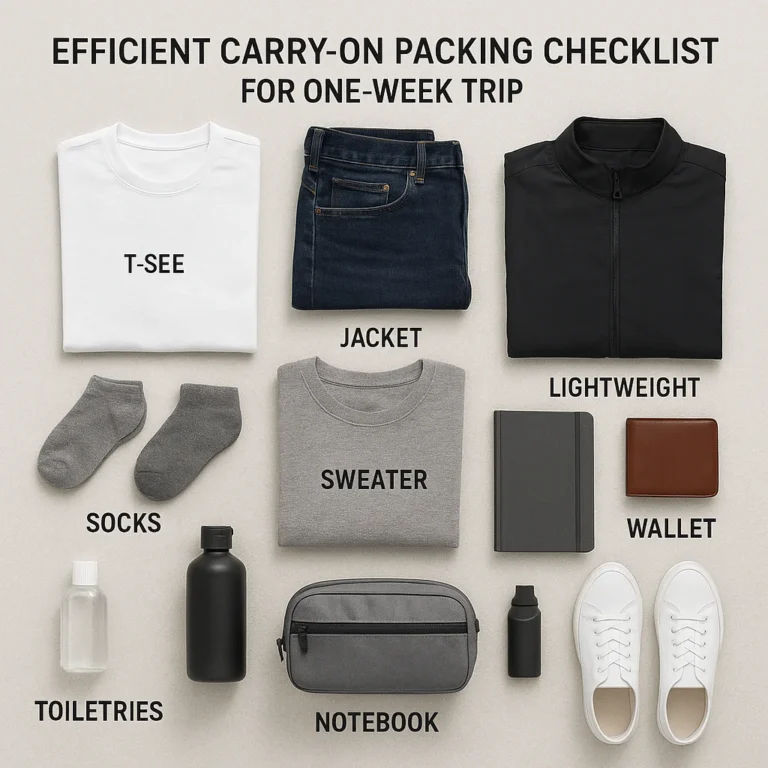
4. The “One-Week” Wardrobe Strategy
- Tops: 3-4 t-shirts (mix of merino and synthetic).
- Bottoms: 2 pairs of pants (convertible hiking pants are great), 1 pair of shorts.
- Underwear: 5-7 pairs (quick-dry).
- Socks: 5-7 pairs (merino wool).
- Sleepwear: 1 set of lightweight PJs or just use your base layers.
👉 CHECK PRICE on:
- Icebreaker Base Layers: Amazon | Icebreaker Official
- Patagonia Nano Puff: Amazon | Patagonia Official
- Marmot PreCip: Amazon | Marmot Official
👟 Backpacking Shoes: Hiking Boots, Trail Runers, and Camp Shoes
Your feet are your engine. If they fail, the trip is over.
1. Breaking Them In: The Golden Rule
Never wear new boots on a long hike. Break them in for at least two weeks on local trails. Blisters are the enemy of the backpacker.
2. Sock Game: Merino, Synthetic, and Liners
- Merino Wool Socks: The best. They prevent blisters and manage moisture.
- Liners: Thin synthetic liners worn under wool socks can reduce friction and prevent blisters.
- Brands: Darn Tough (lifetime warranty!), Smartwol, Injinji (toe socks).
Shoe Types:
- Hiking Boots: Ankle support, durable, but heavy. Good for rough terrain.
- Trail Runers: Lightweight, breathable, dry fast. The modern choice for most backpackers.
- Camp Shoes: Flip-flops or lightweight sandals for showering and relaxing at camp.
👉 CHECK PRICE on:
- Salomon X Ultra: Amazon | Salomon Official
- Darn Tough Socks: Amazon | Darn Tough Official
- Teva Sandals: Amazon | Teva Official
🩲 Backpacking Undergarments and Such: Hygiene on the Go
This is the unglamorous part, but it’s crucial for your sanity.
1. The Magic of Quick-Dry Underwear
Cotton is the enemy. It stays wet, breeds bacteria, and smells. Synthetic or Merino underwear dries in hours.
- Brands: ExOfficio (the “Give-N-Go” is legendary), Uniqlo.
2. Managing Odor and Laundry on the Trail
- Laundry: Wash your underwear and socks in the sink every few days with a little soap. Hang them to dry.
- Deodorant: Bring a solid stick (no liquids) or a natural alternative like Native or Tom’s of Maine.
- Menstrual Products: If applicable, consider a Menstrual Cup or Diva Cup. They are reusable, take up no space, and are eco-friendly.
👉 CHECK PRICE on:
- ExOfficio Give-N-Go: Amazon | ExOfficio Official
- Diva Cup: Amazon | Diva Cup Official
🔦 Backpacking Accessories: Navigation, Lighting, and Tools
You don’t need a Swiss Army knife the size of a brick, but you do need the right tools.
1. Navigation: Maps, Compasses, and GPS Devices
- Offline Maps: Apps like Maps.me or Gaia GPS are essential. Download maps before you leave Wi-Fi.
- Compass & Map: Always carry a physical backup. Batteries die; paper doesn’t.
- GPS: A dedicated device like a Garmin inReach is great for emergencies and tracking.
2. Lighting: Headlamps and Lanterns
- Headlamp: Hands-free lighting is a must. Look for 30+ lumens and a red light mode to preserve night vision.
Brands: Black Diamond Spot, Petzl Actik. - Lantern: A small, collapsible lantern for the tent or hostel room.
3. Multi-tools and Knives: Do You Really Need One?
A Leatherman or Swiss Army Knife is versatile for repairs, opening packages, and cutting rope. But don’t overdo it. A small knife is often enough.
👉 CHECK PRICE on:
- Black Diamond Spot: Amazon | Black Diamond Official
- Leatherman Wave+: Amazon | Leatherman Official
- Garmin inReach: Amazon | Garmin Official
⛺ Other Backpacking Gear: Shelter, Sleep Systems, and Cooking
This is where the “backpacking” part really kicks in. If you’re camping, this gear is your life support.
1. Tents vs. Hammocks: Finding Your Sweet Spot
- Tents: Classic, protect from wind and rain, but require flat ground.
Brands: Big Agnes, MSR, Nemo. - Hammocks: Lightweight, comfortable, and great for uneven terrain. You need a tarp and bug net.
Brands: ENO (Eagles Nest Outfitters), Kammok.
2. Sleeping Bags and Pads: Temperature Ratings Explained
- Sleeping Bag: Look for a temperature rating that is 10-15 degrees lower than the coldest expected temp. Down is warmer/lighter; synthetic is better when wet.
- Sleeping Pad: Crucial for insulation from the ground. R-value matters!
Brands: Therm-a-Rest, NEMO.
3. Stoves, Fuel, and Cookware: Lightweight Cooking Solutions
- Stove: Canister stoves are easy; liquid fuel stoves are better for cold/windy conditions.
Brands: Jetboil, MSR PocketRocket. - Cookware: A single titanium pot and a spork are often enough.
4. Water Filtration: Staying Hydrated Safely
Never drink untreated water.
- Filters: Sawyer Squeeze or Katadyn BeFree.
- Purification Tablets: Aquamira or Potable Aqua as a backup.
👉 CHECK PRICE on:
- Big Agnes Tent: Amazon | Big Agnes Official
- ENO Hammock: Amazon | ENO Official
- Sawyer Squeeze: Amazon | Sawyer Official
- Jetboil Stove: Amazon | Jetboil Official
🧴 Backpacking Beauty and Travel Toiletries: The Minimalist Approach
You don’t need a full vanity. The goal is functionality.
1. Biodegradable Soaps and Sunscreens
- Soap: Use a biodegradable soap like Dr. Broner’s for everything (body, dishes, hair).
- Sunscreen: Reef-safe and high SPF.
- Tothpaste: Travel-sized or tablets like Bite.
2. First Aid Kits: What to Pack and What to Leave Behind
- Essentials: Blister care (Leukotape), antiseptic wipes, pain relievers, antihistamines, personal meds.
- Leave Behind: Expensive makeup, heavy creams, full-size bottles.
👉 CHECK PRICE on:
- Dr. Broner’s Soap: Amazon | Dr. Broner’s Official
- Leukotape: Amazon | Leukotape Official
✈️ Carry-On Items: The Essentials You Keep Close
Your main bag might get checked, but your carry-on is your lifeline.
1. Documents, Money, and Electronics
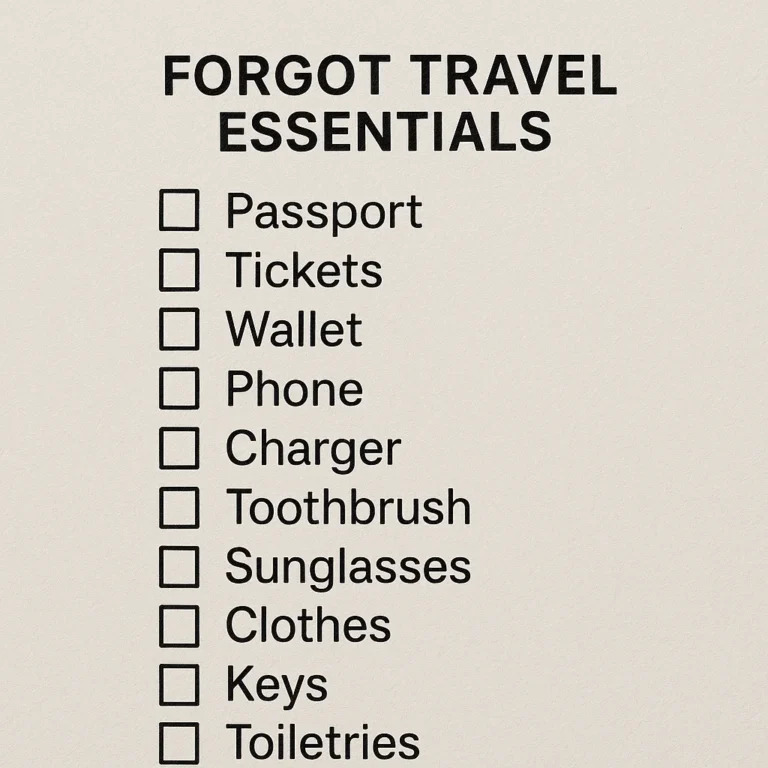
- Documents: Passport, visas, insurance, copies (digital and physical).
- Money: Cards (notify your bank!), some cash in USD/EUR.
- Electronics: Phone, charger, power bank, universal adapter.
2. The “Don’t Check It” Rule: Valuables and Fragile Gear
Never check your passport, medication, electronics, or one pair of shoes (in case the bag is lost).
👉 CHECK PRICE on:
- Anker Power Bank: Amazon | Anker Official
- Universal Adapter: Amazon | EPICKA Official
🗺️ Route Planning and Destination-Specific Checklists
A generic list isn’t enough. You need to tailor your gear to your destination.
- Tropical: Focus on rain gear, bug spray, and quick-dry clothes.
- Winter: Focus on insulation, layering, and traction devices.
- Urban: Focus on style, security, and comfort for walking.
Check our Budget Travel Checklists or Beach Vacation Checklists for specific advice.
🚨 Safety First: Emergency Protocols and Communication
Safety isn’t an afterthought; it’s a priority.
- Communication: Share your itinerary with someone back home.
- Emergency Contacts: Save local emergency numbers and your embassy’s contact info.
- Insurance: Get travel insurance that covers medical evacuation.
💡 Quick Tips and Facts: Common Mistakes to Avoid
Let’s wrap up with a few final thoughts to ensure you don’t make the classic rookie errors.
- Overpacking: The most common mistake. If you can’t lift it comfortably, it’s too heavy.
- Ignoring the Weather: Check the forecast, but prepare for the worst.
- Forgetting the “Small” Stuff: Earplugs, a doorstop, and a power bank are often overlooked but vital.
- Not Testing Gear: Try everything out before you leave.
Remember, the goal is to travel light, travel far, and enjoy the journey.
🏁 Conclusion

So, there you have it. The ultimate travel checklist for backpackers. We’ve covered everything from the perfect backpack fit to the nuances of merino wool socks. But the real question remains: Are you ready to leave it all behind?
Packing is an art, a science, and a bit of a gamble. You might forget the “perfect” outfit, but you’ll gain memories that no amount of luggage can hold. The gear we’ve discussed—from the Osprey Farpoint to the Sawyer Squeeze—is just a tool. The real adventure is what you do with it.
Don’t let the fear of forgetting something stop you. If you forget a toothbrush, you can buy one. If you forget the spirit of adventure, you’ve already lost.
Final Recommendation: Start with a 45-50L backpack, pack light, and trust your ability to adapt. The world is waiting, and it’s much lighter than you think.
🔗 Recommended Links
Ready to gear up? Here are the top picks we trust:
- Backpacks:
Osprey Farpoint 5: Amazon | Osprey Official
Cotopaxi Allpa 35L: Amazon | Cotopaxi Official - Clothing:
Icebreaker Merino Base Layers: Amazon | Icebreaker Official
Patagonia Nano Puff: Amazon | Patagonia Official - Gear:
Sawyer Squeeze Water Filter: Amazon | Sawyer Official
Black Diamond Headlamp: Amazon | Black Diamond Official - Books:
The Ultimate Travel Packing List: A Year in a Carry On Backpack by The Budget-Minded Traveler: Amazon
❓ FAQ

What are common mistakes backpackers make when packing without a checklist?
Without a checklist, travelers often fall into the trap of overpacking. They bring “just in case” items that never get used, leading to a heavy, unmanageable bag. They also forget essentials like adapters or first aid supplies, or they pack items that are inappropriate for the climate, such as heavy jeans in a tropical destination.
Read more about “❄️ The Ultimate Winter Travel Checklist: 15 Must-Haves for 2026”
How can a travel checklist app improve packing efficiency for backpackers?
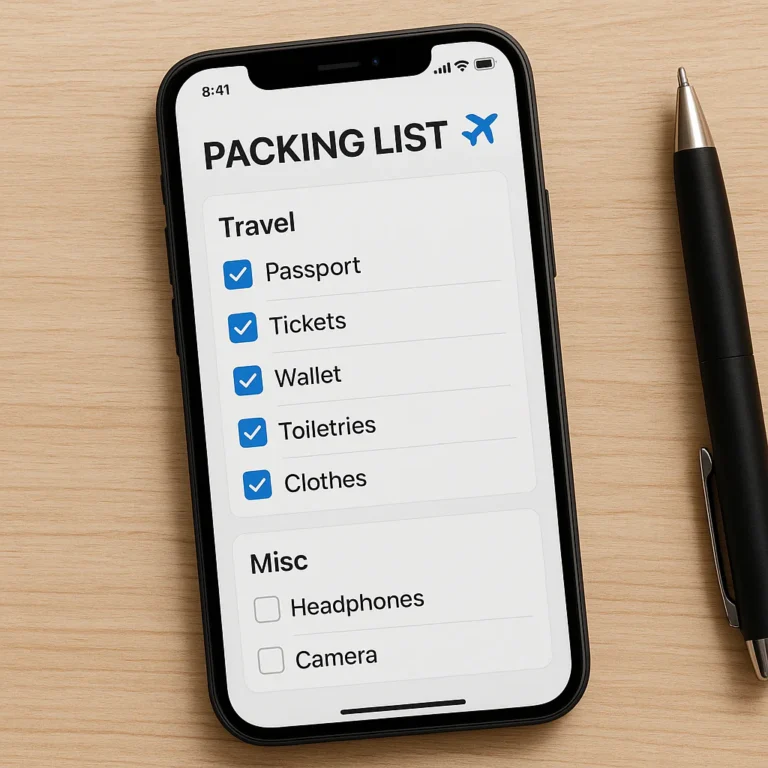
A travel checklist app, like the one we use at Travel Checklist™, allows you to customize your list based on your destination, trip duration, and activities. It prevents last-minute panic, ensures you don’t forget critical items, and helps you visualize the weight and volume of your pack. You can share lists with travel buddies and update them in real-time.
What are the benefits of using a digital checklist app for backpacking trips?
Digital checklists are portable, searchable, and editable. Unlike paper lists, they can be updated instantly if your plans change. Many apps also offer pre-made templates for different types of trips (e.g., hiking, beach, city), saving you time and mental energy.
Read more about “🥾 The Ultimate Travel Checklist for Hiking Trips: 35+ Essentials (2026)”
How do I create a customized travel checklist for backpacking adventures?
Start with a master list of essentials (clothing, toiletries, gear). Then, subtract items based on your destination’s climate and available amenities. Add specific items for your activities (e.g., climbing gear, snorkel). Finally, review the list against your bag’s capacity to ensure it fits.
Read more about “Is Packr App Free? Unpacking the Truth in 2026 🎒”
What are the top safety items backpackers should pack for international travel?
Essential safety items include a first aid kit, personal medication, a portable doorstop for hostel rooms, a whistle, a power bank for your phone, and copies of your passport stored separately from the original. A travel insurance policy with medical evacuation coverage is also crucial.
Read more about “🎒 The Ultimate Digital Nomad Travel Checklist (2026): 50+ Essentials”
How can a checklist app help backpackers stay organized during their trip?
A checklist app can serve as a digital log of your gear. You can check items off as you use them, ensuring you don’t leave anything behind when moving locations. Some apps also allow you to track inventory and re-pack quickly after laundry or shopping.
What are the essential items to include in a backpacker’s travel checklist?
The essentials include a backpack, sleeping bag, tent, water filter, first aid kit, navigation tools, headlamp, multi-tool, clothing (layers), toiletries, documents, and electronics.
Read more about “🌍 10 Best Apps That Help Travellers (2026)”
What are the essential items to pack for a backpacking trip?
Similar to the above, but with a focus on lightweight and multi-use items. Prioritize merino wool clothing, a compact rain jacket, quick-dry towels, and versatile footwear.
Read more about “🏕️ The Ultimate Travel Checklist for Camping Trips: 70+ Essentials (2026)”
How can I use a checklist app to organize my travel documents?
Many apps allow you to upload photos of your passport, visa, and insurance. You can also set reminders for visa renewals or insurance expiration dates. Some apps even offer offline access to these documents.
Read more about “✈️ 50+ Essential Items for Your International Travel Checklist (2026)”
What is the best way to pack a backpack for long-term travel?
Pack heavier items close to your back and centered. Use compression sacks to organize clothes and reduce volume. Keep frequently used items in the top or side pockets. Ensure the weight is distributed evenly to avoid strain.
Read more about “7 Pro Tips to Master Your Travel Checklist App (2026) 🎒”
How do I create a digital travel checklist for multiple destinations?
Create a master list and then duplicate it for each destination. Modify the list based on the specific needs of each location (e.g., add a swimsuit for a beach destination, add a warm jacket for a mountain destination).
Read more about “🚢 The Ultimate 10-Step Travel Checklist for Cruise Vacations (2026)”
What are common mistakes backpackers make when packing?
Common mistakes include ignoring the weather, overpacking, forgeting to break in shoes, and not testing gear before the trip.
Read more about “🎒 12+ Useful Travel Accessories You Can’t Travel Without (2026)”
How often should I update my travel checklist before a trip?
Update your checklist imediately after returning from a trip to note what worked and what didn’t. Review it a week before your next trip to ensure it’s still relevant.
Read more about “✨ The Ultimate 15-Step Travel Checklist for Luxury Travel (2026)”
Can a checklist app help me track my budget while backpacking?
While not all apps do this, some travel planning apps integrate budget tracking with checklists. You can link your expenses to specific items or activities, helping you stay within your budget.
📚 Reference Links
- The Budget-Minded Traveler: The Ultimate Travel Packing List: A Year in a Carry On Backpack
- Osprey: Official Website
- Patagonia: Official Website
- Sawyer Products: Official Website
- Black Diamond: Official Website
- Icebreaker: Official Website
- Cotopaxi: Official Website
- ExOfficio: Official Website
- Leukotape: Official Website
- Anker: Official Website
- Garmin: Official Website
- Jetboil: Official Website
- Big Agnes: Official Website
- ENO (Eagles Nest Outfitters): Official Website
- Dr. Broner’s: Official Website
- Diva Cup: Official Website
- Salomon: Official Website
- Teva: Official Website
- Marmot: Official Website
- Arc’teryx: Official Website
- Smartwol: Official Website
- Darn Tough: Official Website
- Leatherman: Official Website
- Petzl: Official Website
- Therm-a-Rest: Official Website
- NEMO: Official Website
- Kammok: Official Website
- Katadyn: Official Website
- Aquamira: Official Website
- Native Deodorant: Official Website
- Tom’s of Maine: Official Website
- Bite: Official Website
- Maps.me: Official Website
- Gaia GPS: Official Website
- 12go.asia: Official Website