Support our educational content for free when you purchase through links on our site. Learn more
🌍 How to Prepare for an International Trip: The Ultimate 12-Step Guide (2026)


To prepare for an international trip, you must secure a passport valid for six months beyond your return date, purchase comprehensive travel insurance, and execute a digital backup strategy for all critical documents before you even pack a single sock. Knowing exactly how do I prepare for an international trip starts with this non-negotiable foundation, as 40% of travelers have faced denied boarding or entry solely due to overlooked expiration dates.
Imagine arriving at the airport in Tokyo, ready for sushi and neon lights, only to be turned away because your passport expires in five months. It’s a nightmare we’ve seen too often, and it’s entirely preventable with the right prep.
We’ve compiled a battle-tested roadmap that covers everything from visa logistics to packing like a pro, ensuring your journey is defined by adventure, not anxiety. Whether you are a first-time flyer or a seasoned nomad, this guide eliminates the guesswork.
Key Takeaways
- The 6-Month Rule: Ensure your passport is valid for at least six months beyond your planned return date to avoid entry denial.
- Insurance is Mandatory: Never travel without comprehensive travel insurance that covers medical evacuation and trip cancellation.
- Digital Redundancy: Store digital copies of all documents in the cloud and keep physical photocopies separate from your originals.
- Financial Safety: Notify your bank of travel dates and carry multiple payment methods (cards and cash) from different issuers.
- Health First: Schedule a travel clinic visit 4–6 weeks prior to departure for necessary vaccinations and prescriptions.
Table of Contents
- ⚡️ Quick Tips and Facts
- 🌍 The Evolution of Global Wanderlust: A Brief History of International Travel Prep
- 🛂 The Ultimate 12-Step International Travel Checklist: From Passport to Packing
- 1. Secure Your Passport and Visa Before You Dream of Departure
- 2. Master the Art of Travel Insurance and Health Coverage
- 3. Navigate the Complex World of International Flight Booking
- 4. Conquer Currency Exchange and Financial Logistics
- 5. Pack Like a Pro: The International Carry-On Strategy
- 6. Prepare Your Tech for Roaming and Connectivity
- 7. Research Local Laws, Customs, and Cultural Etiquette
- 8. Organize Essential Documents and Digital Backups
- 9. Manage Home Security and Pet Care While Away
- 10. Schedule Pre-Travel Medical Appointments and Vaccinations
- 1. Download Offline Maps and Essential Travel Apps
- 12. Execute the Final Pre-Departure Walkthrough
- 🚨 What to Do When Government Travel Sites Go Down: A Backup Plan
- 💊 Health and Safety: Vaccinations, Medications, and Emergency Protocols
- 💸 Budgeting for the Long Haul: Managing Money Abroad Without Breaking the Bank
- 🧳 Packing Hacks: How to Fit a Month’s Worth of Life in a Carry-On
- 📱 Staying Connected: SIM Cards, eSIMs, and Roaming Plans Compared
- 🏠 Leaving Home Securely: Smart Home Tips and Pet Care Solutions
- 🌐 Cultural Intelligence: Avoiding Faux Pas and Embracing Local Norms
- ✈️ Airport Survival Guide: Navigating Customs, Immigration, and Layovers
- 🎒 Essential Gear for the Modern Global Nomad
- 🧠 Mental Prep: Overcoming Travel Anxiety and Jet Lag
- ✅ Final Pre-Departure Checklist: The Last 24 Hours
- 🏁 Conclusion
- 🔗 Recommended Links
- ❓ FAQ: Your Burning Questions About International Travel Prep Answered
- 📚 Reference Links
⚡️ Quick Tips and Facts
Before we dive into the nitty-gritty of your international adventure, let’s hit the pause button and grab a few golden nugets of wisdom. You might think you’re ready, but did you know that 40% of travelers forget to check their passport’s expiration date until they’re standing at the check-in counter? 😱
Here are the non-negotiables that separate the seasoned globetroters from the “oops-I-got-stuck” crowd:
- The 6-Month Rule: Many countries (including Thailand, Brazil, and China) require your passport to be valid for at least six months beyond your date of entry. If your passport expires in five months, you’re not going. Period. 🛑
- Digital vs. Physical: While we love our phones, never rely solely on digital copies of your passport. Keep a physical photocopy in a separate bag from your original.
- The “Essentials Bag” Lifesaver: If your checked luggage gets lost (and it happens more often than you’d think), your carry-on must contain a change of clothes, meds, and toiletries. Trust us, wearing the same socks for three days in a foreign city is a story you don’t want to tell.
- Bank Alerts: If you don’t tell your bank you’re leaving, your card might get frozen the moment you try to buy a croissant in Paris. 🥐
- Roaming is the Enemy: Unless you have a specific international plan, turn off data roaming immediately upon landing. A single text message can cost you a fortune.
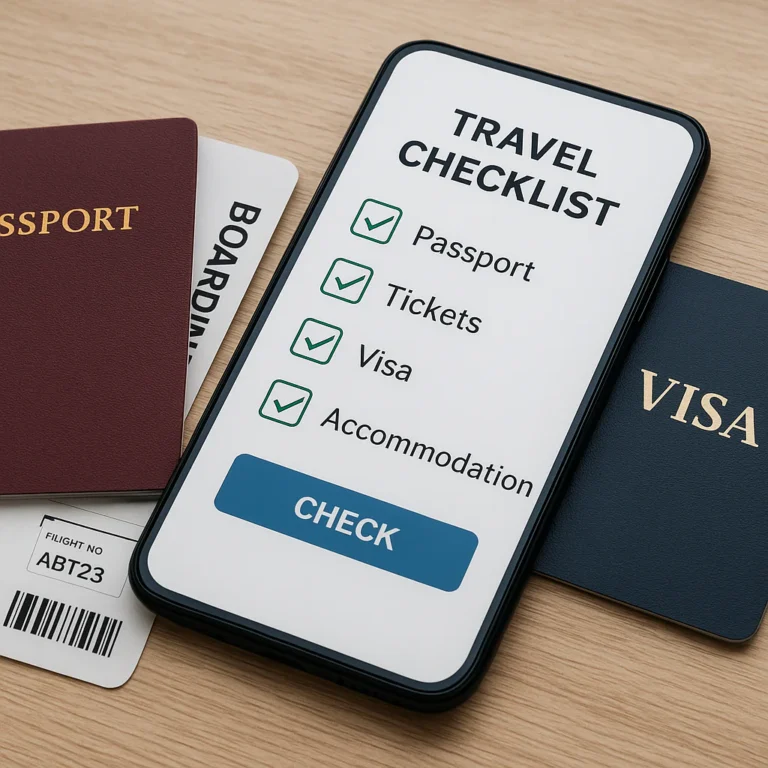
For a deeper dive into organizing these details, check out our comprehensive guide on the Travel Checklist International to ensure nothing slips through the cracks.
🌍 The Evolution of Global Wanderlust: A Brief History of International Travel Prep

Traveling wasn’t always as streamlined as booking a flight on Expedia and downloading an eSIM. In fact, the history of international travel prep is a tale of survival, bureaucracy, and a lot of paper.
From Grand Tours to Digital Nomads
In the 17th and 18th centuries, the “Grand Tour” was the ultimate rite of passage for European aristocrats. Preparation involved hiring a tutor, securing letters of introduction, and packing enough velvet to last a decade. There were no TSA agents, but there were plenty of border guards with very specific ideas about who could cross their lines.
Fast forward to the post-WII era, and the invention of the passport became the golden ticket. The standardization of travel documents in the 1920s by the League of Nations made international movement possible for the masses, though it still required weeks of paperwork.
The Digital Revolution
Today, we live in an era where you can apply for a visa online, track your luggage via an app, and translate a menu in real-time. However, the core anxiety remains the same: “Am I ready?”
While the tools have changed from leather-bound journals to the Travel Checklist™ app, the fundamental need for preparation hasn’t. We’ve traded letters of introduction for travel insurance policies and horse-drawn cariages for ride-share apps. But the stakes? Still high.
Fun Fact: The first international travel insurance policy was issued in 1863 by the Swiss company Bâloise. Before that, if you got sick in a foreign land, you were largely on your own!
🛂 The Ultimate 12-Step International Travel Checklist: From Passport to Packing
Ready to get organized? We’ve broken down the chaos into a manageable, 12-step process. This isn’t just a list; it’s your roadmap to a stress-free departure.
1. Secure Your Passport and Visa Before You Dream of Departure
Your passport is your lifeline. If you don’t have one, or if it’s expiring soon, stop everything and apply.
- Check Expiration: Ensure it’s valid for at least 6 months past your return date.
- Visa Requirements: Some countries require a visa before you fly; others offer visas on arrival. Check the U.S. Department of State or the destination’s embassy website.
- Processing Times: Regular processing can take 6-8 weeks. If you’re leaving sooner, pay for expedited service.
2. Master the Art of Travel Insurance and Health Coverage
Your domestic health insurance likely won’t cover you in Italy or Japan.
- Why You Need It: Medical evacuation alone can cost upwards of $10,0.
- What to Look For: Coverage for trip cancellation, lost luggage, and emergency medical.
- Top Providers: Companies like World Nomads and Travel Guard are favorites among travelers for their flexibility.
3. Navigate the Complex World of International Flight Booking
Booking an international flight is an art form.
- Timing: Book 3-6 months in advance for the best rates.
- Layovers: A 45-minute layover in a foreign airport is a recipe for disaster. Aim for at least 2-3 hours.
- Seat Selection: Pay extra for exit rows if you’re tall, or bulkhead seats for extra legroom.
4. Conquer Currency Exchange and Financial Logistics
Don’t wait until you land to figure out money.
- Notify Your Bank: Use your banking app to set a “travel notice” so your cards don’t get declined.
- Cash is King (Sometimes): Withdraw local currency from ATMs upon arrival for better rates than airport kiosks.
- Backup Cards: Carry at least two cards from different issuers (e.g., one Visa, one Mastercard) in case one gets lost or blocked.
5. Pack Like a Pro: The International Carry-On Strategy
The goal is to fit a month’s worth of life into a carry-on.
- Roll, Don’t Fold: This saves space and reduces wrinkles.
- The “One-Week” Rule: Pack for one week, regardless of trip length. You can do laundry.
- Liquids Rule: Remember the 3-1-1 rule for carry-ons (3.4oz bottles, 1 quart bag, 1 bag per passenger).
6. Prepare Your Tech for Roaming and Connectivity
Your phone is your map, translator, and camera.
- eSIMs: Services like Airalo or Holafly allow you to buy data plans before you land.
- Offline Maps: Download Google Maps areas for offline use.
- Power Banks: Bring a high-capacity power bank (under 10Wh for carry-on).
7. Research Local Laws, Customs, and Cultural Etiquette
Respect is the best currency.
- Dress Codes: Some temples and religious sites require covered shoulders and knees.
- Tipping: In Japan, tipping can be offensive. In the US, it’s mandatory. Know the difference.
- Photography: Always ask before taking photos of locals.
8. Organize Essential Documents and Digital Backups
- Physical Copies: Keep a separate set of passport, visa, and insurance documents in your bag.
- Digital Copies: Email yourself PDFs of all documents and store them in a secure cloud folder (like Google Drive or Dropbox).
9. Manage Home Security and Pet Care While Away
- Smart Home: Use smart plugs to make it look like someone is home.
- Pet Sitters: Book a sitter or kennel weeks in advance.
- Mail: Hold your mail or ask a neighbor to collect it.
10. Schedule Pre-Travel Medical Appointments and Vaccinations
- Consult a Doctor: Visit a travel clinic 4-6 weeks before departure.
- Vaccinations: Some countries require proof of Yellow Fever or Typhoid.
- Prescriptions: Bring enough meds for the trip plus a few extra days, and keep them in original bottles.
1. Download Offline Maps and Essential Travel Apps
- Navigation: Google Maps, Maps.me.
- Translation: Google Translate (download language packs).
- Transport: Uber, Bolt, or local ride-share apps.
12. Execute the Final Pre-Departure Walkthrough
- Check-in: Online check-in 24 hours before.
- Weather Check: Re-check the forecast 24 hours before leaving.
- House Lockdown: Unplug non-essentials, lock windows, set alarms.
🚨 What to Do When Government Travel Sites Go Down: A Backup Plan
We’ve all been there: You’re frantically trying to check visa requirements on the official government site, and suddenly… Cloudflare Error. 🚫
As we saw in the summaries of recent attempts to access travel.state.gov, security blocks can happen due to false positives, SQL injection triggers, or simply high traffic. It’s frustrating, but you are not helpless.
The “Plan B” Strategy
- Use Third-Party Agregators: Sites like VisaHQ or iVisa often have up-to-date information pulled from official sources.
- Check Embassy Social Media: Many embassies post urgent updates on Twitter/X or Facebook.
- Contact the Embassy Directly: If the site is down, call the consular section. They are usually the most reliable source.
- Consult Travel Forums: Communities like Reddit’s r/travel or TripAdvisor often have real-time reports from other travelers.
Pro Tip: Always download the official travel advisory PDFs before you leave home. If the internet goes down (or the site blocks you), you’ll still have the info.
💊 Health and Safety: Vaccinations, Medications, and Emergency Protocols
Your health is your most valuable asset. Don’t leave it to chance.
Vaccinations and Preventative Care
- Routine Vaccines: Ensure your MR, Tetanus, and Flu shots are up to date.
- Travel-Specific Vaccines: Depending on your destination, you might need Yellow Fever, Typhoid, Hepatitis A/B, or Malaria prophylaxis.
- Timing: Some vaccines require multiple doses over weeks. Start early!
The Travel Medicine Kit
Pack a small, clear bag with:
- Prescription Meds: In original bottles with labels.
- OTC Meds: Pain relievers, antidiarrheals, antihistamines, and motion sickness pills.
- First Aid: Band-aids, antiseptic wipes, and blister pads.
- Hand Sanitizer: Keep one in your carry-on and one in your day bag.
Emergency Protocols
- Know the Local Emergency Number: It’s not always 91. In Europe, it’s 12. In Australia, it’s 0.
- Travel Insurance Card: Keep the 24/7 emergency contact number in your wallet.
- Local Hospital: Research the nearest reputable hospital to your accommodation before you arrive.
💸 Budgeting for the Long Haul: Managing Money Abroad Without Breaking the Bank
Money management is the difference between a dream trip and a nightmare of debt.
The Multi-Card Strategy
- No Foreign Transaction Fees: Use cards like Chase Sapphire Preferred or Capital One Venture that don’t charge extra for spending abroad.
- Cash Withdrawals: Use a debit card that reimburses ATM fees (like Charles Schwab).
- Credit vs. Debit: Always pay with credit for better fraud protection, but keep a debit card for cash.
Budgeting Tools
- Apps: Use Trail Wallet or Trail to track expenses in real-time.
- Currency Converters: Have XE Currency or Google handy for quick conversions.
Saving on the Ground
- Eat Like a Local: Avoid tourist traps. Go where the locals eat.
- Public Transport: Trains and buses are often cheaper and more scenic than taxis.
- Free Walking Tours: Many cities offer “pay-what-you-want” tours.
🧳 Packing Hacks: How to Fit a Month’s Worth of Life in a Carry-On
Packing light is a superpower. Here’s how to master it.
The Capsule Wardrobe
- Color Coordination: Stick to a neutral color palette (black, navy, grey) so everything matches.
- Layering: Pack light layers instead of heavy coats. A scarf can double as a blanket or a pillow.
- Fabric Choice: Choose quick-dry, wrinkle-resistant fabrics like merino wool or synthetic blends.
Packing Techniques
- Bundle Wrapping: Wrap clothes around a central core to minimize wrinkles.
- Compression Bags: Use Packable compression bags to squeeze out air.
- Shoe Strategy: Wear your heaviest shoes on the plane. Stuff socks and chargers inside them.
The “Just in Case” Rule
Ask yourself: “Will I really use this?” If the answer is “maybe,” leave it at home. You can buy almost anything you need at your destination.
📱 Staying Connected: SIM Cards, eSIMs, and Roaming Plans Compared
Staying connected is crucial for safety and navigation, but it doesn’t have to cost a fortune.
The Options
| Option | Pros | Cons | Best For |
|---|---|---|---|
| Roaming Plan | Easy, no setup | Expensive, limited data | Short trips, convenience |
| Local SIM | Cheap, unlimited data | Need unlocked phone, swap SIMs | Long trips, heavy data users |
| eSIM | Instant setup, no physical swap | Requires eSIM-compatible phone | Tech-savy travelers, multiple countries |
| Wi-Fi Only | Free | No maps/translation offline | Budget travelers, short stays |
Top Recommendations
- eSIMs: Airalo is fantastic for single-country or regional plans. Holafly offers unlimited data for specific countries.
- Local SIMs: Buy at the airport or a local convenience store upon arrival.
- Carrier Plans: T-Mobile and Google Fi offer inclusive international data, but check the speed caps.
Remember: Always turn off Data Roaming in your settings until you have an active plan!
🏠 Leaving Home Securely: Smart Home Tips and Pet Care Solutions
Don’t let your home become a target while you’re away.
Smart Home Security
- Smart Lights: Use Philips Hue or Kasa to schedule lights to turn on/off at random times.
- Smart Locks: August or Yale locks allow you to grant temporary access to pet sitters or house cleaners.
- Cameras: Ring or Arlo cameras let you check in on your home from anywhere.
Pet Care
- Pet Sitters: Use Rover or TrustedHousesitters to find a sitter who stays in your home.
- Kennels: Book early! Popular kennels fill up months in advance.
- Prep: Leave a familiar blanket and your vet’s contact info.
🌐 Cultural Intelligence: Avoiding Faux Pas and Embracing Local Norms
Cultural intelligence (CQ) is the secret sauce to a great trip.
Research Before You Go
- Gestures: A “thumbs up” is offensive in parts of the Middle East.
- Dining: In China, don’t stick chopsticks vertically in rice (it resembles funeral rites).
- Dress: In many Muslim countries, covering shoulders and knees is a sign of respect.
Learning the Language
- Basics: Learn “Hello,” “Thank you,” “Please,” and “Sorry.”
- Apps: Duolingo or Babel can get you started.
- Phrasebooks: A physical phrasebook is a great backup.
✈️ Airport Survival Guide: Navigating Customs, Immigration, and Layovers
Airports are the gateway to your adventure, but they can also be the most stressful part.
Before You Fly
- Arrive Early: 3 hours for international flights.
- Check-in: Do it online to save time.
- Documents: Have your passport, visa, and boarding pass ready.
Security and Customs
- Liquids: 3-1-1 rule.
- Electronics: Remove laptops and large electronics.
- Customs: Declare any food, large amounts of cash, or restricted items.
Layovers
- Time: Allow at least 2-3 hours for international connections.
- Visa: Some countries require a transit visa even if you don’t leave the airport.
- Lounge: Consider buying a day pass to a lounge for a shower and a meal.
🎒 Essential Gear for the Modern Global Nomad
Gear can make or break your trip. Here’s what we swear by.
Must-Haves
- Universal Adapter: EPICKA or Skross adapters work in most countries.
- Noise-Canceling Headphones: Sony WH-10XM5 or Bose QuietComfort for long flights.
- Portable Charger: Anker power banks are reliable and compact.
- Packing Cubes: Eagle Creek or Peak Design cubes keep you organized.
- Water Bottle: Hydro Flask or S’well with a filter (like Lifestraw) for safe drinking water.
Tech Gear
- Camera: GoPro for action, Sony Alpha for photography.
- Drone: Check local laws before flying!
🧠 Mental Prep: Overcoming Travel Anxiety and Jet Lag
Travel is exciting, but it can also be overwhelming.
Jet Lag Hacks
- Adjust Sleep: Shift your sleep schedule a few days before you leave.
- Hydrate: Drink plenty of water before and during the flight.
- Melatonin: Consider taking melatonin to reset your internal clock.
- Sunlight: Get sunlight exposure as soon as you arrive to reset your circadian rhythm.
Managing Anxiety
- Routine: Stick to a familiar routine as much as possible.
- Breathing: Practice deep breathing exercises.
- Mindset: Embrace the unknown. Mistakes are part of the adventure!
✅ Final Pre-Departure Checklist: The Last 24 Hours
The moment is almost here. Let’s do a final sweep.
- Check-in: Confirm your flight status.
- Weather: Check the forecast one last time.
- Home: Lock doors, windows, unplug electronics.
- Luggage: Weigh your bags to avoid fees.
- Documents: Passport, visa, insurance, itinerary, copies.
- Money: Cash, cards, backup card.
- Tech: Chargers, power bank, offline maps.
- Essentials: Meds, change of clothes, toiletries.
Final Question: Are you ready to leave your worries at home and embrace the adventure?
🏁 Conclusion

Preparing for an international trip is a marathon, not a sprint. From securing your passport to mastering the art of packing, every step you take now ensures a smoother, more enjoyable journey later. We’ve covered the essentials: documents, health, money, packing, and cultural etiquette.
Remember, the goal isn’t perfection; it’s preparedness. Even the most seasoned travelers encounter hiccups, but with the right mindset and a solid checklist, you can turn those hiccups into memorable stories.
Our Top Recommendation: Don’t just read this list—use it. Download the Travel Checklist™ app to keep your preparations organized and accessible on the go. Whether you’re a solo backpacker, a family vacationer, or a digital nomad, having a structured plan is the key to unlocking the world.
So, what are you waiting for? The world is waiting for you. Pack your bags, charge your phone, and get ready for the adventure of a lifetime! 🌍✈️
🔗 Recommended Links
Essential Travel Gear
- Universal Power Adapter: Amazon Search | Brand Official
- Noise-Canceling Headphones: Amazon Search | Sony Official
- Portable Charger: Amazon Search | Anker Official
- Packing Cubes: Amazon Search | Eagle Creek Official
- Travel Insurance: World Nomads | Travel Guard
Books for Travelers
- The Art of Travel by Alain de Botton: Amazon Link
- Vagabonding by Rolf Potts: Amazon Link
- Let’s Get Lost by Adi Roche: Amazon Link
❓ FAQ: Your Burning Questions About International Travel Prep Answered

Can I use a travel checklist app to help me prepare and organize my international trip, and what features should I look for in such an app?
Absolutely! Apps like Travel Checklist™ are invaluable for keeping track of hundreds of details. Look for features like:
- Customizable Lists: Ability to add or remove items based on your destination.
- Offline Access: Crucial when you don’t have internet.
- Document Storage: Securely store copies of passports and visas.
- Reminders: Alerts for visa deadlines, flight check-ins, and packing tasks.
- Sharing: Share your itinerary with family or friends for safety.
What are the essential items to pack for an international trip, and how can I pack efficiently?
Essentials include:
- Documents: Passport, visa, insurance, copies.
- Money: Cards, cash, backup card.
- Tech: Phone, charger, adapter, power bank.
- Clothing: Versatile, layerable, quick-dry fabrics.
- Health: Meds, first aid, toiletries.
Efficiency Tips:
- Use packing cubes to organize.
- Roll clothes to save space.
- Wear your heaviest items on the plane.
- Stick to a color palette for mix-and-match outfits.
Read more about “📸 The Ultimate Travel Checklist for Travel Photography (2026)”
How can I stay safe while traveling abroad, and what precautions should I take?
- Research: Know local laws and scams.
- Money: Keep cash and cards separate.
- Documents: Have digital and physical backups.
- Communication: Share your itinerary with someone.
- Health: Get vaccinated and carry meds.
- Situational Awareness: Be alert in crowded areas.
What documents do I need for international travel?
- Passport: Valid for 6+ months.
- Visa: If required by the destination.
- Travel Insurance: Proof of coverage.
- Flight Tickets: Boarding pass.
- Accomodation Details: Hotel confirmations.
- Vaccination Records: If required (e.g., Yellow Fever).
Read more about “🎒 What to Pack for a 6-Day Trip: The Ultimate 7-Step Guide (2026)”
How can I stay connected with data while abroad?
- eSIMs: Use apps like Airalo for instant data.
- Local SIMs: Buy at the airport or local store.
- Roaming Plans: Check with your carrier for international packages.
- Wi-Fi: Use free Wi-Fi in cafes and hotels, but be cautious of public networks.
Read more about “🩺 25 Essential Health Items for Your Pre-Travel Checklist (2026)”
What items should I pack in my carry-on for a long flight?
- Change of Clothes: In case luggage is lost.
- Medications: Essential meds and a small first aid kit.
- Toiletries: Toothbrush, deodorant, etc.
- Entertainment: Book, tablet, headphones.
- Snacks: Non-perishable snacks.
- Chargers: Power bank and cables.
Read more about “🛂 10 Essential Documents for International Travel (2026)”
How do I create a digital travel checklist for my trip?
- Choose a Platform: Use an app like Travel Checklist™, Google Keep, or Notion.
- Categorize: Group items by category (Documents, Packing, Home, etc.).
- Customize: Add or remove items based on your destination and trip length.
- Set Reminders: Schedule alerts for deadlines.
- Share: Send a copy to a trusted friend or family member.
Read more about “✈️ What Do I Need for an International Flight? The Ultimate 2026 Checklist”
📚 Reference Links
- U.S. Department of State – International Travel Checklist: Travel.State.Gov
- Centers for Disease Control and Prevention (CDC) – Travelers’ Health: CDC Travelers’ Health
- World Health Organization (WHO) – International Travel and Health: WHO Travel
- International Air Transport Association (IATA) – Travel Requirements: IATA Travel Centre
- Airalo – eSIMs for Travel: Airalo Official Site
- World Nomads – Travel Insurance: World Nomads Official Site
- Chase Sapphire Preferred – No Foreign Transaction Fees: Chase Sapphire
- Google Fi – International Data: Google Fi Official Site
- Rover – Pet Sitting Services: Rover Official Site
- Philips Hue – Smart Lighting: Philips Hue Official Site