Support our educational content for free when you purchase through links on our site. Learn more
27 Essential International Travel Tips for 2026 ✈️

Ever stood at a foreign airport gate, heart pounding, realizing your passport expires in three months while the line behind you grows impatient? We’ve been there. In fact, one of our team members once missed a flight to Tokyo because they forgot to check the “six-month validity” rule, turning a dream trip into a frantic lesson in bureaucracy. But here’s the good news: with the right preparation, international travel transforms from a logistical nightmare into the adventure of a lifetime.
This isn’t just another list of generic advice. We’ve compiled 27 comprehensive international travel tips that cover everything from the nitty-gritty of visa applications and currency hacks to the art of cultural immersion and post-trip recovery. Whether you are a first-time flyer or a seasoned nomad, you’ll discover why choosing the wrong ATM can cost you a fortune, how to pack a week’s worth of clothes in a carry-on, and the secret to sleeping soundly on a 14-hour flight. We’ll even reveal the one document you must have that most people forget until it’s too late.
Ready to stop stressing and start exploring? Let’s turn your next trip into a masterpiece.
Key Takeaways
- The 6-Month Rule is Non-Negotiable: Ensure your passport is valid for at least six months beyond your travel dates to avoid being denied entry.
- Smart Money Management: Always choose local currency at ATMs to avoid predatory exchange rates and use credit cards with no foreign transaction fees.
- Safety First: Sign up for the STEP program, carry a physical copy of your passport, and never rely on a single payment method.
- Pack Light, Pack Smart: Master the art of minimalist packing with compression cubes and a “three-pair” shoe rule to navigate coblestones and narrow subways effortlessly.
- Health & Connectivity: Secure comprehensive travel insurance, get necessary vaccinations 4-6 weeks early, and use eSIMs for affordable, reliable data abroad.
Table of Contents
- ⚡️ Quick Tips and Facts
- 🌍 The Evolution of Global Wanderlust: A Brief History of International Travel
- 📝 The Ultimate Pre-Departure Checklist: Documents, Visas, and Insurance
- 💰 Smart Money Moves: Currency Exchange, Budgeting, and Payment Hacks
- 🎒 Packing Like a Pro: The Art of Minimalist Luggage and Carry-On Essentials
- ✈️ Navigating the Airport Gauntlet: Security, Boarding, and Long Layovers
- 🛡️ 25 Essential Safety and Security Tips for Solo and Group Travelers
- 🏨 Finding Your Home Away From Home: Hotels, Hostels, and Vacation Rentals
- 🍜 Tasting the World: Food Safety, Dietary Restrictions, and Local Cuisine
- 🗣️ Breaking the Language Barrier: Apps, Phrases, and Non-Verbal Communication
- 📶 Staying Connected: SIM Cards, Roaming, and Global Wi-Fi Solutions
- 🏥 Health Abroad: Vaccinations, Medications, and Emergency Protocols
- 🌐 Cultural Etiquette: Respecting Local Customs and Avoiding Faux Pas
- 🚆 Getting Around: Public Transport, Ride-Sharing, and Renting Vehicles
- 📸 Capturing Memories: Photography Tips and Digital Detox Strategies
- 🔄 Sustainable Travel: Eco-Friendly Practices and Responsible Tourism
- 🧳 Post-Trip Recovery: Dealing with Jet Lag and Reverse Culture Shock
- 🏁 Conclusion
- 🔗 Recommended Links
- ❓ FAQ: Your Burning Questions Answered
- 📚 Reference Links
⚡️ Quick Tips and Facts
Before we dive into the deep end of international travel, let’s hit the pause button and grab a few life rafts. We’ve all been there: standing at the gate, sweating through a shirt that’s too thin, realizing your passport expires in five months, or watching your credit card get declined because you forgot to tell the bank you’re in Bali.
Here are the non-negotiables that separate the seasoned globetroters from the “I-need-to-call-my-mom” tourists:
- The 6-Month Rule: Most countries (including Japan, Thailand, and many in the Schengen Area) require your passport to be valid for at least six months beyond your date of entry. If your passport expires sooner, you will be turned away at the border. No exceptions.
- STEP It Up: Sign up for the Smart Traveler Enrollment Program (STEP) immediately. It’s a free U.S. State Department service that alerts you to safety issues and helps the embassy find you in an emergency.
- Cash is King (but not everywhere): Always have a mix of payment methods. Relying solely on a credit card is a recipe for disaster if the terminal is down or the network is spotty.
- The “Lift Test”: If you cannot comfortably lift your suitcase above your head, you have packed too much. Trust us, coblestones and narrow subway stairs are not your friends.
- Local Currency First: When using an ATM abroad, always choose to be charged in the local currency, not your home currency. The dynamic currency conversion (DCC) rates offered by foreign ATMs are predatory.
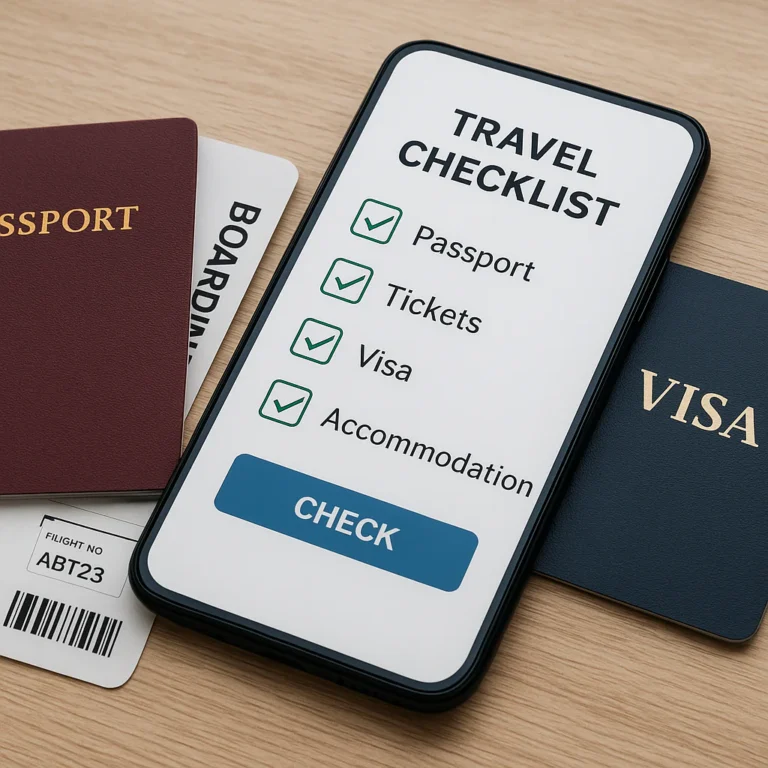
Pro Tip: Want to see how we organize our entire trip in one place? Check out our guide on how to use a travel checklist for international trips to avoid the panic of forgotten documents.
🌍 The Evolution of Global Wanderlust: A Brief History of International Travel

Why do we do it? Why do we endure 14-hour flights, questionable plumbing, and the existential dread of missing a connection? To understand the modern traveler, we have to look back.
From Pilgrims to Backpackers
The concept of “travel” has shifted dramatically. In ancient times, travel was almost exclusively for survival, trade, or religious pilgrimage. The Silk Road wasn’t a vacation; it was a dangerous gamble for silk and spices. Fast forward to the 19th century, and the invention of the steam engine birthed the first “tourists.” Thomas Cook organized the first package tour in 1841, turning travel into a commodity.
The Jet Age and the Digital Nomad
The 1950s introduced the Boeing 707, shrinking the world and making international travel accessible to the middle class. But the real revolution happened with the internet. Suddenly, weren’t just booking through travel agents; were comparing prices on Skyscanner, reading reviews on TripAdvisor, and booking hostels on Hostelworld.
Today, the rise of the digital nomad has blurred the lines between work and play. We aren’t just visiting; we’re living. Whether you are an adventure traveler scaling mountains or a digital nomad working from a café in Lisbon, the spirit of exploration remains the same.
Did you know? The word “tourist” was first used in 181, derived from the Latin tornare (to turn). It originally referred to someone who made a “Grand Tour” of Europe for education, not leisure.
📝 The Ultimate Pre-Departure Checklist: Documents, Visas, and Insurance
You wouldn’t drive a car without a license, so why fly without a passport? This is the foundation of your trip. Mess this up, and you aren’t going anywhere.
The Passport: Your Golden Ticket
- Validity Check: As mentioned, ensure 6+ months of validity.
- Blank Pages: Many countries require at least two blank visa pages. A passport full of stamps is a badge of honor, but a full passport is a barrier to entry.
- Copies: Make physical copies and store them separately from the original. Also, save a digital copy in your email and cloud storage.
Visas: The Bureaucratic Hurdle
Visa requirements vary wildly.
- Visa-Free: Some countries allow you to enter with just a passport (e.g., US citizens in the UK).
- Visa on Arrival: You get the visa at the airport (e.g., Thailand, Indonesia).
- e-Visa: Apply online before you go (e.g., Turkey, India).
- Embassy Visa: The old-school method requiring an appointment and weeks of waiting.
Insider Secret: Always check the official government website of your destination, not third-party blogs. Rules change overnight.
Travel Insurance: The Safety Net
Is it worth it? Absolutely.
- Medical Coverage: Your domestic health insurance rarely works abroad. A hospital stay in Europe can cost thousands.
- Trip Cancellation: If you get sick or a hurricane hits, insurance reimburses non-refundable costs.
- Lost Luggage: Airlines are notoriously slow to compensate for lost bags.
Recommended Providers:
- World Nomads: Great for adventure travelers and backpackers.
- SafetyWing: Ideal for digital nomads with flexible coverage.
- Allianz Global Assistance: Comprehensive coverage for families.
| Feature | World Nomads | SafetyWing | Allianz |
|---|---|---|---|
| Best For | Adventure/Backpackers | Digital Nomads | Families/Standard Travel |
| Coverage Start | Before departure | Anytime (even after arrival) | Before departure |
| Adventure Sports | ✅ Included (many) | ✅ Included (basic) | ❌ Often excluded |
| Pre-existing Conditions | ❌ Limited | ✅ Covered (with wait) | ✅ Covered (with waiver) |
💰 Smart Money Moves: Currency Exchange, Budgeting, and Payment Hacks
Money makes the world go round, but bad money management makes the world stop. Let’s talk about keeping your wallet happy.
The ATM Strategy
Avoid airport ATMs like the plague. They charge exorbitant fees and offer terrible exchange rates.
- Find a Bank ATM: Look for ATMs inside a bank branch or in a city center.
- Decline DCC: Always choose to be charged in the local currency.
- Notify Your Bank: Use your banking app to set a “travel notice” so your card doesn’t get frozen.
Credit Card Hacks
- No Foreign Transaction Fees: Use cards like the Chase Sapphire Preferred or Capital One Venture that don’t charge the typical 3% fee.
- Points and Miles: Leverage sign-up bonuses to fly for free.
- Backup Cards: Never travel with just one card. Keep a second card from a different bank in your hotel safe.
Budgeting Apps
- Trail Wallet: Perfect for tracking daily expenses in multiple currencies.
- XE Currency: The gold standard for real-time exchange rates.
Real Talk: We once watched a traveler try to pay for a $5 coffee with a $10 bill in a small village in Vietnam. The vendor looked at him like he was an alien. Always have small denominations!
🎒 Packing Like a Pro: The Art of Minimalist Luggage and Carry-On Essentials
Packing is an art form. The goal? To fit everything you need into a bag you can carry effortlessly.
The “Three-Pair” Rule
As noted in our research, limit yourself to three pairs of shoes:
- Comfortable Walking Shoes: Your daily drivers.
- Weather-Specific Shoes: Rain boots, hiking boots, or sandals.
- Dressy Shoes: Something that transitions from day to night.
Compression and Organization
- Packing Cubes: These are non-negotiable. Brands like Eagle Creek and Peak Design offer cubes that compress clothes and keep clean/dirty separate.
- Roll, Don’t Fold: Rolling clothes saves space and reduces wrinkles.
- The “Dirty Bag”: Bring a plastic grocery bag or a dedicated laundry bag for dirty clothes.
Essential Carry-On Items
- Power Bank: Outlets are scarce on planes and in hostels.
- Noise-Canceling Headphones: Sony WH-10XM5 or Bose QuietComfort are game-changers.
- Eye Drops & Moisturizer: The air on a plane is drier than the Sahara.
- Change of Clothes: Always pack one full outfit in your carry-on in case your checked bag goes to Timbuktu.
👉 Shop
- Packing Cubes: Amazon | Eagle Creek Official
- Noise-Canceling Headphones: Amazon | Sony Official
✈️ Navigating the Airport Gauntlet: Security, Boarding, and Long Layovers
Airports are designed to make you feel small and anxious. Here’s how to hack the system.
Security Verification
- TSA PreCheck / Global Entry: If you fly often, these programs are worth every penny. Skip the long lines and keep your shoes on.
- Liquids Rule: 3-1-1. 3.4oz (10ml) bottles, 1 quart-sized bag, 1 bag person.
- Electronics: Large electronics must be removed from bags (unless you have TSA PreCheck).
Boarding Hacks
- The “Nervous Flyer” Trick: If you are anxious, politely tell the gate agent you are a nervous flyer. They often let you board early to ensure you have overhead bin space and a calm seat.
- Seat Selection: Use SeatGuru to check which seats have extra legroom or are near the lavatories (avoid these if you hate noise).
Long Layovers
- Airport Lounges: Even if you don’t have status, you can often buy a day pass via Priority Pass or DragonPass.
- Explore the City: If you have a layover of 6+ hours, check if you need a transit visa to leave the airport. Many airports offer free city tours for long layovers.
🛡️ 25 Essential Safety and Security Tips for Solo and Group Travelers
Safety isn’t about paranoia; it’s about awareness. Here are 25 tips to keep you safe:
- Share Your Itinerary: Always share your plans with a trusted friend or family member.
- Emergency Contacts: Save local emergency numbers (like 12 in Europe) in your phone.
- Cross-Body Bags: Use bags with slash-resistant straps and wear them in front of you.
- Avoid Flashy Jewelry: Don’t draw attention to your wealth.
- Scam Awareness: Be wary of “free” bracelets, fake police officers, or overly friendly strangers.
- Copy of Passport: Keep a digital and physical copy separate from the original.
- Local SIM: Get a local SIM card immediately for data and emergency calls.
- Cash Stash: Hide a backup $50 bill in your shoe or sock.
- Door Stops: Use a portable door stoper for hotel room security.
- Trust Your Gut: If a situation feels wrong, leave immediately.
- Drink Safety: Never leave your drink unattended.
- Transport Verification: Use official taxis or verified apps like Uber or Bolt.
- Avoid Night Travel: If possible, avoid traveling alone at night in unfamiliar areas.
- Learn Local Phrases: Knowing “Help” and “Police” in the local language is crucial.
- Register with Embassy: Use the STEP program.
- Check Travel Advisories: Review the U.S. State Department Travel Advisories before you go.
- Money Belts: Use a hidden money belt for passports and large cash.
- Lock Your Luggage: Use TSA-approved locks.
- Stay Connected: Check in with someone daily.
- Know Your Rights: Research local laws regarding drugs, photography, and dress codes.
- Avoid Political Protests: They can turn violent quickly.
- Water Safety: Drink bottled water in areas with questionable tap water.
- Sun Protection: Sunburn can ruin a trip; wear sunscreen.
- First Aid Kit: Carry basic meds, band-aids, and antiseptic.
- Digital Detox: Don’t post your location in real-time on social media.
Story Time: We once saw a tourist in Paris get pickpocketed because he was too busy taking a selfie with the Eiffel Tower. He had his bag open and his wallet visible. Awareness is your best defense.
🏨 Finding Your Home Away From Home: Hotels, Hostels, and Vacation Rentals
Where you sleep defines your trip.
Hotels
- Pros: Consistency, amenities, 24/7 service.
- Cons: Can be expensive, less local flavor.
- Best For: Families, business travelers, luxury seekers.
Hostels
- Pros: Social atmosphere, cheap, great for solo travelers.
- Cons: Lack of privacy, shared bathrooms.
- Best For: Backpackers, young travelers, budget-conscious.
- Tip: Look for hostels with private rooms if you want the social vibe without the dorm.
Vacation Rentals (Airbnb/Vrbo)
- Pros: Kitchen access, local neighborhood feel, space.
- Cons: Inconsistent quality, cleaning fees, potential scams.
- Best For: Groups, long stays, families.
Booking Platforms:
- Booking.com: Best for hotels and hostels with free cancellation.
- Airbnb: Best for apartments and unique stays.
- Hostelworld: The go-to for hostel reviews and bookings.
👉 Shop
- Hotels: Booking.com | Expedia
- Vacation Rentals: Airbnb | Vrbo
🍜 Tasting the World: Food Safety, Dietary Restrictions, and Local Cuisine
Food is the heart of travel. But eating like a local comes with risks.
Food Safety
- Boil It, Cook It, Peel It, or Forget It: This is the golden rule for street food in developing countries.
- Water: Stick to bottled water. Avoid ice in drinks unless you know it’s made from filtered water.
- Hand Hygiene: Carry hand sanitizer and wash hands before eating.
Dietary Restrictions
- Translation Cards: Download apps like Google Translate or carry a card explaining your allergy in the local language.
- Research: Look for restaurants with English menus or reviews from other travelers with similar restrictions.
Local Cuisine Tips
- Eat Where Locals Eat: If a place is full of locals, the food is likely fresh and safe.
- Street Food: Go for stalls with high turnover.
- Tours: Consider a food tour on your first day to learn about safe areas and authentic dishes.
Did you know? In Japan, it’s considered rude to tip. In Italy, cover charges (coperto) are common. Research tipping etiquette before you go!
🗣️ Breaking the Language Barrier: Apps, Phrases, and Non-Verbal Communication
You don’t need to be fluent to connect.
Essential Apps
- Google Translate: Use the camera feature to translate menus and signs instantly.
- Duolingo: Great for learning basic phrases before you go.
- Papago: Excellent for Asian languages like Korean and Japanese.
Non-Verbal Communication
- Smile: It’s a universal language.
- Gestures: Be careful! A “thumbs up” is offensive in some cultures.
- Patience: Speak slowly and clearly, but don’t shout.
Key Phrases to Learn
- Hello / Goodbye
- Please / Thank you
- How much?
- Where is the bathroom?
- Help!
Pro Tip: Download the offline language pack in Google Translate before you leave home. You won’t always have Wi-Fi.
📶 Staying Connected: SIM Cards, Roaming, and Global Wi-Fi Solutions
Staying connected is crucial for safety and navigation.
Options
- Roaming: Convenient but expensive. Check with your carrier for international plans.
- Local SIM: Cheapest option. Buy at the airport or a local store. Requires an unlocked phone.
- eSIM: The modern solution. Apps like Airalo or Holafly let you buy data plans without swapping SIMs.
- Global Wi-Fi: Devices like GlocalMe or Skyroam provide Wi-Fi hotspots.
Data Saving Tips
- Offline Maps: Download Google Maps areas before you leave.
- Wi-Fi Only: Use Wi-Fi for heavy data usage (streaming, large downloads).
- Data Saver Mode: Enable data saver on your phone.
👉 Shop
🏥 Health Abroad: Vaccinations, Medications, and Emergency Protocols
Your health is your wealth. Don’t leave it to chance.
Pre-Travel Health
- Vaccinations: Visit a travel clinic 4-6 weeks before departure. Common vaccines include Hepatitis A, Typhoid, and Yellow Fever.
- Prescriptions: Bring enough medication for the trip plus extra. Get a doctor’s note for controlled substances.
- Travel Insurance: Ensure it covers medical evacuation.
On the Ground
- Pharmacies: In many countries, pharmacists can prescribe minor medications.
- Emergency Numbers: Save the local emergency number (12 in Europe, 91 in US, 0 in Australia).
- Hydration: Drink plenty of water, especially in hot climates.
Fact: According to the CDC, travelers’ diarrhea affects 20-50% of travelers to developing countries. Pack anti-diarrheal medication!
🌐 Cultural Etiquette: Respecting Local Customs and Avoiding Faux Pas
Respect is the currency of travel.
General Tips
- Dress Code: Dress modestly in religious sites. Cover shoulders and knees.
- Photography: Always ask before taking photos of people.
- Greetings: Learn the local greeting (bow, handshake, kiss on cheek).
- Tipping: Research local customs. In some places, tipping is offensive; in others, it’s mandatory.
Specific Examples
- Japan: Don’t tip. Remove shoes indoors.
- India: Use your right hand for eating and giving/receiving items.
- Middle East: Dress conservatively. Avoid public displays of affection.
Story Time: We once saw a tourist in Thailand touch a monk’s head. The monk didn’t say anything, but the whole temple went silent. Research your destination!
🚆 Getting Around: Public Transport, Ride-Sharing, and Renting Vehicles
How you move defines your experience.
Public Transport
- Trains: Often the most scenic and efficient way to travel in Europe and Asia. Use Trainline or Rome2Rio for planning.
- Buses: Cheap and extensive, but can be slow.
- Subways: Fast, but watch out for pickpockets.
Ride-Sharing
- Uber/Bolt: Convenient and often cheaper than taxis.
- Local Apps: Download local ride-hailing apps (e.g., Grab in SE Asia, Di in China).
Renting a Car
- License: You may need an International Driving Permit (IDP).
- Insurance: Check if your credit card covers rental insurance.
- Driving Side: Remember to drive on the left in the UK, Australia, and Japan.
👉 Shop
- Car Rentals: RentalCars.com | Expedia
- Train Tickets: Trainline | Rome2Rio
📸 Capturing Memories: Photography Tips and Digital Detox Strategies
Take photos, but don’t live through the lens.
Photography Tips
- Golden Hour: Shoot during sunrise and sunset for the best light.
- Composition: Use the rule of thirds.
- Respect: Ask before photographing people.
Digital Detox
- Unplug: Set specific times to check your phone.
- Mindful Travel: Spend time just observing, not documenting.
- Photo Management: Back up photos daily to the cloud.
Question: Are you taking photos to remember the moment, or to prove you were there?
🔄 Sustainable Travel: Eco-Friendly Practices and Responsible Tourism
Travel should leave a positive impact.
Eco-Friendly Practices
- Reduce Plastic: Bring a reusable water bottle and bag.
- Support Local: Buy from local artisans, not souvenir shops.
- Carbon Offset: Consider offseting your flight emissions.
- Wildlife: Avoid attractions that exploit animals (e.g., elephant riding).
Responsible Tourism
- Respect Culture: Be mindful of local customs and traditions.
- Leave No Trace: Pack out what you pack in.
- Volunteer: Choose ethical volunteer programs.
Fact: The tourism industry contributes to 8% of global carbon emissions. Small changes make a big difference.
🧳 Post-Trip Recovery: Dealing with Jet Lag and Reverse Culture Shock
The trip ends, but the journey continues.
Jet Lag
- Hydrate: Drink plenty of water.
- Sleep: Adjust your sleep schedule before you go.
- Melatonin: Consider using melatonin supplements (consult your doctor).
- Sunlight: Get sunlight exposure to reset your internal clock.
Reverse Culture Shock
- Reconnect: Share your stories with friends and family.
- Reflect: Journal about your experience.
- Plan: Start planning your next trip to keep the wanderlust alive.
Insight: Reverse culture shock is real. It can take weeks to readjust. Be patient with yourself.
🏁 Conclusion

So, there you have it. From the moment you start dreaming about your next destination to the moment you step off the plane and back into your “normal” life, international travel is a complex, beautiful, and sometimes chaotic journey.
We’ve covered everything from the 6-month passport rule to the art of packing light, from safety hacks to cultural etiquette. But the most important tip of all? Just go.
Yes, there are risks. Yes, there are challenges. But the memories, the connections, and the personal growth you gain from stepping out of your comfort zone are worth every ounce of effort. Don’t let fear or bureaucracy stop you. Use the tools we’ve discussed, trust your instincts, and embrace the unknown.
Ready to start planning? Download our Travel Checklist App to organize your trip, track your documents, and ensure you never forget a thing.
Final Thought: The world is waiting for you. What are you waiting for?
🔗 Recommended Links
Travel Gear & Essentials:
- Packing Cubes: Amazon | Eagle Creek Official
- Noise-Canceling Headphones: Amazon | Sony Official
- Portable Power Bank: Amazon | Anker Official
- Travel Insurance: World Nomads | SafetyWing
- eSIM Data Plans: Airalo | Holafly
- Car Rentals: RentalCars.com | Expedia
- Hotels & Hostels: Booking.com | Hostelworld | Airbnb
Books & Resources:
- “I Remember Nothing” by Nora Ephron: Amazon
- “The Art of Travel” by Alain de Botton: Amazon
- Lonely Planet Guides: Amazon
❓ FAQ: Your Burning Questions Answered

What to know when flying internationally for the first time?
Flying internationally for the first time can be daunting. Key things to know include:
- Arrive Early: Get to the airport at least 3 hours before your flight.
- Passport Validity: Ensure your passport is valid for 6+ months.
- Visa Requirements: Check if you need a visa for your destination.
- Customs: Be prepared to declare items and answer questions at customs.
- Luggage: Know your airline’s baggage allowance and restrictions.
Read more about “🌍 Top 10 Digital Nomad Hubs & Ultimate Remote Work Checklists (2026)”
How to travel internationally for dummies?
Traveling internationally doesn’t have to be complicated. Follow these simple steps:
- Plan: Choose a destination, check visa requirements, and book flights.
- Pack: Use a checklist, pack light, and include essentials like adapters and meds.
- Prepare: Get travel insurance, notify your bank, and download offline maps.
- Go: Arrive early, follow security rules, and enjoy the journey!
When traveling internationally, what do you need?
You need:
- Valid Passport (6+ months validity)
- Visa (if required)
- Travel Insurance
- Flight Tickets
- Accomodation Confirmation
- Local Currency (or a card with no foreign fees)
- Phone with Data (or eSIM)
- Adapters/Converters
Read more about “✈️ 50+ Ultimate Travel Must Haves for 2026: The Only List You Need”
How to prepare for international travel?
Preparation is key:
- Research: Learn about the destination’s culture, laws, and weather.
- Health: Get necessary vaccinations and pack meds.
- Documents: Organize passports, visas, and insurance.
- Money: Notify your bank and get local currency.
- Packing: Use a checklist and pack light.
Read more about “✈️ The Ultimate Business Travel Checklist: 15 Steps to Zero Stress (2026)”
How can a checklist app help me prepare for international trips?
A checklist app like Travel Checklist™ helps by:
- Organizing: Keeping all your tasks and documents in one place.
- Reminding: Sending notifications for deadlines (e.g., visa applications).
- Tracking: Ensuring you don’t forget essentials like adapters or meds.
- Customizing: Tailoring checklists to your specific trip type (e.g., Adventure Travel or Business Travel).
Read more about “🛂 7 Essential Documents for International Travel (2026)”
What essential items should I include in my international travel checklist?
Essential items include:
- Passport & Visa
- Travel Insurance
- Flight & Hotel Confirmations
- Local Currency & Cards
- Phone & Charger
- Adapters & Power Bank
- Medications & First Aid Kit
- Reusable Water Bottle
- Sunglasses & Sunscreen
- Comfortable Walking Shoes
Read more about “🎒 How to Create a Personalized Travel Checklist (2026)”
How do I organize travel documents using a digital checklist?
- Scan: Scan all documents (passport, visa, insurance) and save them to your phone and cloud.
- Categorize: Use folders or tags in your checklist app to organize by category (e.g., “Pre-Flight,” “On-the-Ground”).
- Backup: Keep physical copies in a separate location from the originals.
- Access: Ensure you can access your documents offline.
Read more about “🚀 How Checklist Apps Transform Travel Planning (2026)”
What are the best apps for creating a pre-travel checklist for international trips?
- Travel Checklist™: Customizable, category-specific checklists.
- TripIt: Organizes travel plans and sends reminders.
- Google Keep: Simple, free, and great for quick lists.
- Notion: Highly customizable for detailed planning.
Read more about “🌍 Master Multi-City Trips: 5 Checklist Apps for 2026”
📚 Reference Links
- U.S. Department of State – International Travel Planning: Travel.State.Gov
- CDC – Travelers’ Health: CDC Travelers’ Health
- Smart Traveler Enrollment Program (STEP): STEP
- Travel Advisories: Travel Advisories
- World Health Organization (WHO) – Travel Health: WHO Travel Health
- BuzzFeed – 19 Best International Travel Tips For Abroad: BuzzFeed Article
- GoOverseas – Best International Travel Tips (Security Verification Note): GoOverseas (Note: This site may require security verification)
- Eagle Creek – Packing Tips: Eagle Creek
- World Nomads – Travel Insurance: World Nomads
- Airalo – eSIM Data: Airalo
- Google Translate: Google Translate
- Rome2Rio – Travel Planning: Rome2Rio
- SeatGuru – Seat Selection: SeatGuru
- Lonely Planet – Travel Guides: Lonely Planet
- TripAdvisor – Reviews: TripAdvisor
- Booking.com – Hotels: Booking.com
- Hostelworld – Hostels: Hostelworld
- Airbnb – Vacation Rentals: Airbnb
- RentalCars.com – Car Rentals: RentalCars.com
- Expedia – Travel Deals: Expedia
- Skyscanner – Flight Search: Skyscanner
- Trainline – Train Tickets: Trainline
- Uber – Ride Sharing: Uber
- Bolt – Ride Sharing: Bolt
- Grab – Ride Sharing (SE Asia): Grab
- Di – Ride Sharing (China): Di
- Duolingo – Language Learning: Duolingo
- Papago – Language Translation: Papago
- Skyroam – Global Wi-Fi: Skyroam
- Anker – Power Banks: Anker
- Sony – Headphones: Sony
- Bose – Headphones: Bose
- Chase Sapphire Preferred: Chase
- Capital One Venture: Capital One
- SafetyWing – Travel Insurance: SafetyWing
- Allianz Global Assistance: Allianz
- World Nomads – Travel Insurance: World Nomads
- Nora Ephron – I Remember Nothing: Amazon
- Alain de Botton – The Art of Travel: Amazon
- Lonely Planet Guides: Amazon
- Travel Checklist App: Travel Checklist
- Adventure Travel Checklists: Adventure Travel Checklists
- Digital Nomad Checklists: Digital Nomad Checklists
- Beach Vacation Checklists: Beach Vacation Checklists
- Backpacking Checklists: Backpacking Checklists
- Business Travel Checklists: Business Travel Checklists
- Travel Checklist International: Travel Checklist International