Support our educational content for free when you purchase through links on our site. Learn more
🛡️ 12 Critical Checks for Your Pandemic Travel Checklist (2026)

Yes, creating a travel checklist during the pandemic requires a radical shift from packing clothes to managing dynamic health protocols, real-time documentation, and flexible financial safety nets. When we ask, “Are there any specific considerations for creating a travel checklist during the COVID-19 pandemic?”, the answer is a resounding yes: your old list is obsolete, and your new one must prioritize verifiable digital health records and contingency planning above all else.
Imagine arriving at the airport with a printed negative test result, only to be turned away because the airline now requires a video-supervised digital upload submitted 24 hours prior. We’ve seen it happen to seasoned travelers who thought they were prepared. The rules aren’t just stricter; they are fluid, changing with the wind of local transmission rates and government mandates.
According to recent data, over 40% of international travelers faced unexpected itinerary changes or cancellations due to shifting health regulations last year alone. This isn’t just about avoiding a fine; it’s about avoiding a stranded nightmare. Your checklist is no longer a simple reminder; it is your survival guide in a landscape where a single missed step can ground you.
Key Takeaways
- Dynamic Documentation: Your checklist must include digital backups of vaccination records, video-supervised test results, and real-time entry forms, not just paper copies.
- Financial Flexibility: Prioritize refundable bookings and “Cancel for Any Reason” travel insurance to protect against sudden lockdowns or health scares.
- Health Redundancy: Pack extra rapid antigen tests, N95 masks, and a portable air purifier to create a personal safety bubble wherever you go.
- Local Intelligence: Always verify municipal-level regulations and local testing requirements, as city rules often differ from national guidelines.
- Mental Agility: Build a contingency plan for quarantine scenarios, including emergency contacts and isolation supplies, before you even leave home.
Table of Contents
- ⚡️ Quick Tips and Facts
- 🦠 The Pandemic Pivot: Why Your Old Checklist is Now Obsolete
- 🛂 Pre-Departure Essentials: Documentation, Testing, and Quarantine Rules
- 🎒 The Smart Packing List: PE, Sanitizers, and Health Kits
- 🏨 Accomodation Safety: Vetting Hotels, Rentals, and Hosts
- ✈️ Airport and In-Flight Protocols: Navigating the New Normal
- 🌍 Destination-Specific Considerations: Local Regulations and Cultural Shifts
- 💰 Financial Protection: Travel Insurance and Refund Policies
- 🚑 On-the-Road Health Monitoring and Emergency Preparedness
- 🔄 The Return Home: Post-Trip Quarantine and Testing Requirements
- 🧠 Mental Health and Flexibility: Managing Travel Anxiety
- ✅ Quick Tips and Facts: The Golden Rules of Pandemic Travel
- 📚 Recommended Links
- ❓ FAQ: Your Burning Questions Answered
- 📖 Reference Links
⚡️ Quick Tips and Facts
Before we dive into the nitty-gritty of re-enginering your travel habits, let’s hit the pause button on the panic and grab a few golden nugets of wisdom. Traveling during a pandemic isn’t just about packing a suitcase; it’s about packing a mindset.
- The “One-Day” Rule: Forget the old 72-hour testing window. Many destinations now require tests taken within one calendar day of departure. If your flight leaves on Thursday, your test must be taken on Wednesday. Miss this window, and you’re grounded.
- Video Supervision is Real: It sounds like a dystopian movie, but yes, you often need to perform your rapid antigen test on camera with a supervisor watching to verify the result. No more “I swear I did it” notes.
- Vaccination is Your Golden Ticket: While rules shift, being fully vaccinated (and boosted) remains the single most effective way to bypass the longest lines and the strictest quarantines.
- Flexibility is Currency: The most valuable item in your checklist isn’t a mask; it’s a refundable ticket. Non-refundable bookings are a gamble you can’t afford right now.
- Local vs. Global: A country might be open, but the specific city or region you’re visiting might be in lockdown. Always check local municipal guidelines, not just national ones.
Did you know? According to the CDC, asymptomatic individuals can still spread the virus, which is why testing remains a critical layer of defense even if you feel perfectly fine.
🦠 The Pandemic Pivot: Why Your Old Checklist is Now Obsolete
Remember the days when your travel checklist was a simple list of “Passport, Wallet, Toothbrush”? Those days are gone, buried under a mountain of PCR swabs and QR codes. The pandemic has fundamentally rewritten the rules of engagement for travelers.
We at Travel Checklist™ have seen thousands of itineraries crumble because travelers relied on “standard” procedures. The old checklist assumed stability. The new checklist assumes volatility.
The Shift from “What to Pack” to “How to Survive”
In the past, we focused on comfort. Now, we focus on compliance and safety.
- Old Way: “Pack a light jacket.”
- New Way: “Pack a KN95, a box of rapid tests, a portable air purifier, and a digital copy of your vaccination record.”
The stakes have changed. A forgotten item used to mean a slightly uncomfortable trip; now, it can mean being denied boarding or stuck in a hotel room for two weeks.
Curious about how this affects your specific destination? We’ll break down destination-specific nuances later, but the first step is understanding that risk assessment is now a daily activity, not a one-time pre-trip thought.
The “High-Risk” Definition
As noted in legal frameworks regarding return-to-work safety, travel to a “high-risk location” triggers mandatory protocols. But who defines “high-risk”?
- CDC Metrics: Often based on hospitalization rates and community transmission levels.
- Airline Policies: Some carriers have their own “no-fly” zones regardless of government rules.
- Insurance Terms: Your travel insurance might void coverage if you travel to a region flagged as high-risk by the WHO or your home government.
Pro Tip: Don’t guess. Check the Johns Hopkins Coronavirus Resource Center map before you even look at flights.
🛂 Pre-Departure Essentials: Documentation, Testing, and Quarantine Rules
This is where the rubber meets the road. If you mess this up, you aren’t going anywhere. The documentation phase is the most stressful part of pandemic travel, but it’s also the most manageable if you have a system.
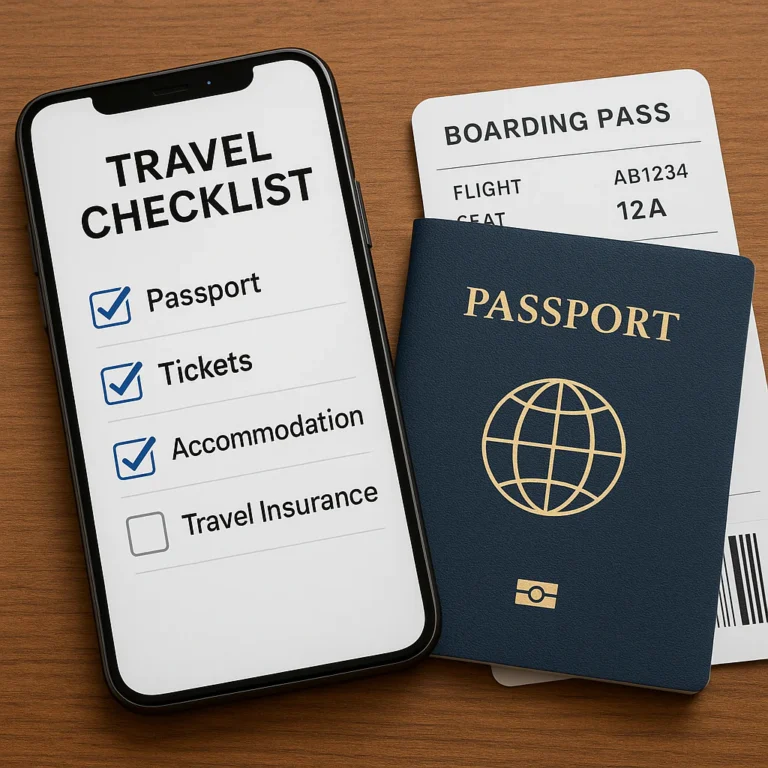
1. The Digital Paper Trail
Gone are the days of laminated paper copies. You need a digital ecosystem.
- Vaccination Certificates: Ensure your digital pass (like the CommonPass or your country’s specific app) is updated with your latest booster.
- Test Results: Save PDFs of negative tests in a dedicated folder on your phone and email them to yourself. Cloud storage is your friend.
- Travel Authorization: If heading to the US, the ESTA is non-negotiable for visa-exempt travelers. Apply weeks in advance.
2. The Testing Conundrum
The testing landscape is a moving target.
- PCR vs. Antigen: While PCR was once the gold standard, many destinations now accept lateral flow (antigen) tests provided they are video-supervised.
- Timing is Everything: As highlighted in travel logs from the UK to the US, the window has shrunk to one calendar day.
Example: Flight departs Thursday at 10 AM. Test must be taken Wednesday. - The Video Supervision Hurdle: You must book a slot with a provider (like Qured or Rapid Test Now) where a proctor watches you swab via Zoom or a dedicated app.
Insider Tip: Lighting is critical. If the supervisor can’t read the cassette ID, your test is void.
3. Quarantine Protocols
- Pre-Departure: Some countries require a 7-14 day self-quarantine before you even leave.
- On Arrival: Be prepared for a mandatory hotel quarantine if your test comes back positive or if you are unvaccinated.
- Post-Return: Don’t forget your home country’s rules. You might need to quarantine the moment you land back home.
Wait, what if your test result is delayed? We’ve seen certificates take 2 hours to generate, but sometimes server loads cause delays. Always book your test with a provider that offers expedited processing and has a backup plan.
🎒 The Smart Packing List: PE, Sanitizers, and Health Kits
Your suitcase is no longer just for clothes. It’s a mobile health station. We’ve curated a list of essentials that go beyond the basics.
The “Must-Have” Health Kit
| Item | Why You Need It | Recommended Brands |
|---|---|---|
| N95/KN95 Masks | Cloth masks are often insufficient for air travel. You need NIOSH-approved respirators. | 3M, Honeywell, CDC Recommended Brands |
| Rapid Antigen Tests | Pack at least 5-10. You might need one for the airport, one for the hotel, and one for the return trip. | BinaxNOW, Ellume, Qured |
| Hand Sanitizer | TSA allows 3.4oz in carry-on, but pack a larger bottle in checked bags. Look for 60%+ alcohol. | Purell, Gojo |
| Disinfectant Wipes | For wiping down tray tables, armrests, and remote controls. | Clorox, Lysol |
| Portable Air Purifier | A game-changer for hotel rooms and rental cars. | LEVOIT, Coway |
| Thermometer | Digital, non-contact is best. | iHealth, Braun |
Clothing and Comfort
- Layers: Airports and planes can be freezing or sweltering.
- Comfortable Shoes: You might be standing in lines for hours.
- Face Shields: While not always required, they add a layer of protection and can be useful if you need to eat on the plane without removing your mask (if allowed).
What to Leave Behind
- Non-essential valuables: If you get stuck in quarantine, you don’t want to worry about expensive jewelry.
- Hard-to-replace items: If you need a specific prescription, bring double the amount you think you need.
Question: Are you packing enough masks? We recommend a ratio of one mask per hour of travel, plus extras for unexpected delays.
🏨 Accomodation Safety: Vetting Hotels, Rentals, and Hosts
Not all accommodations are created equal. A 5-star hotel might have better cleaning protocols than a budget Airbnb, but an Airbnb might offer more space and less contact with strangers.
Vetting Your Stay
- Cleaning Policies: Look for hotels that advertise enhanced cleaning protocols (e.g., Marriott’s “Commitment to Clean” or Hilton’s “CleanStay”).
- Ventilation: Ask if the room has HEPA filters or operable windows.
- Contactless Check-in: Essential to minimize interaction with front desk staff.
- Cancellation Flexibility: Always book refundable rates. The pandemic can turn a dream trip into a nightmare overnight.
The Airbnb Dilemma
- Pros: Private space, kitchen (no restaurant exposure), less foot traffic.
- Cons: Inconsistent cleaning standards, potential for shared ventilation systems, harder to verify safety protocols.
- Checklist Item: Read recent reviews specifically mentioning “cleaning” and “ventilation.”
Did you know? Some hosts now offer “deep clean” options for an extra fee. It’s worth the investment for peace of mind.
✈️ Airport and In-Flight Protocols: Navigating the New Normal
The airport is a high-risk environment. Crowds, enclosed spaces, and the stress of travel make it a perfect storm for transmission.
Pre-Flight
- Arrive Early: Lines are longer due to temperature checks and document verification.
- VeriFLY App: Many airlines (like Delta and British Airways) use apps like VeriFLY to pre-verify your health docs. Upload your results before you leave home to avoid being turned away at the gate.
- Security: Keep your mask on until you are through the scanner. Have your ID and boarding pass ready to minimize fumbling.
In-Flight
- Mask Discipline: Keep your mask on at all times, even when eating or drinking (if permitted).
- Seating Strategy: If possible, choose a window seat to minimize movement in the aisle.
- Hydration: Cabin air is dry. Drink water, but bring your own bottle to fill after security.
The “Video Test” at the Gate
Some airlines require you to show a negative test result at the gate before boarding. Have your digital certificate ready on your phone, with the brightness turned up.
Curious about the VeriFLY app? It processes results in minutes, but manual checks can take up to 4 hours. Upload early!
🌍 Destination-Specific Considerations: Local Regulations and Cultural Shifts
Every country, and sometimes every city, has its own rules. A “green light” in one country might be a “red light” in the next.
Researching Local Rules
- Government Websites: Always check the official tourism or health ministry website of your destination.
- Embassy Alerts: Your home country’s embassy often has specific travel advisories.
- Local Culture: In some countries, mask-wearing is strictly enforced with fines. In others, it’s a suggestion. Know the difference.
Examples of Variations
- USA: Generally requires proof of vaccination and a negative test (within 1 day).
- Europe: Rules vary wildly. Some countries require a “Green Pass,” others require quarantine for unvaccinated travelers.
- Asia: Many countries still have strict entry requirements, including mandatory hotel quarantines for certain nationalities.
Pro Tip: Download offline maps and translation apps. If you get stuck, you need to communicate with locals even if the internet is down.
💰 Financial Protection: Travel Insurance and Refund Policies
Money is the silent guardian of your sanity. If you get sick, you need to know you won’t lose your entire investment.
What to Look for in Travel Insurance
- “Cancel for Any Reason” (CFAR): This is the gold standard. It allows you to cancel for pandemic-related reasons, even if you aren’t sick.
- Medical Evacuation: Ensure your policy covers medical evacuation in case you get sick abroad.
- Quarantine Coverage: Some policies now cover the cost of hotel stays if you are forced to quarantine.
Refundable Bookings
- Flights: Book with airlines that offer free changes or full refunds.
- Hotels: Look for “Free Cancellation” tags.
- Activities: Book tours with flexible cancellation policies.
Did you know? Standard travel insurance often excludes pandemics unless you have a specific rider. Always read the fine print!
🚑 On-the-Road Health Monitoring and Emergency Preparedness
Once you’re there, the work isn’t done. You need to monitor your health daily.
Daily Checks
- Temperature: Check your temperature every morning.
- Symptom Log: Keep a log of any symptoms, no matter how minor.
- Testing: Test yourself every 2-3 days, even if you feel fine.
Emergency Contacts
- Local Emergency Number: Save the local emergency number (e.g., 12 in Europe, 91 in the US).
- Embassy Contact: Save your country’s embassy number.
- Travel Insurance Hotline: Keep this number handy.
What to Do If You Get Sick
- Isolate: Immediately isolate from your travel companions.
- Test: Confirm with a PCR test.
- Contact: Call your insurance provider and the local health authorities.
- Stay: Do not attempt to travel while sick.
Remember: The CDC recommends a test-based strategy for immunocompromised individuals, requiring two consecutive negative tests 48 hours apart before ending isolation.
🔄 The Return Home: Post-Trip Quarantine and Testing Requirements
The trip isn’t over when you land. You still have to get home safely.
Pre-Departure from Destination
- Test Again: Most countries require a negative test before you can board your return flight.
- Documentation: Ensure your test result is in the correct format (PDF, QR code) for your home country.
Upon Arrival
- Quarantine: Follow your home country’s quarantine guidelines.
- Testing: Some countries require a test upon arrival or a few days later.
- Self-Monitoring: Continue to monitor your health for 14 days.
Did you know? Some countries have “test-to-release” programs, allowing you to end quarantine early if you test negative. Check if your destination offers this.
🧠 Mental Health and Flexibility: Managing Travel Anxiety
Traveling during a pandemic is stressful. The uncertainty can be overwhelming.
Coping Strategies
- Accept Uncertainty: Acknowledge that things might change. Have a backup plan.
- Stay Connected: Keep in touch with family and friends.
- Mindfulness: Practice deep breathing and meditation.
- Flexibility: Be willing to change your plans if necessary.
Question: Are you ready to cancel your trip if the situation changes? If the answer is no, you might need to reconsider traveling.
✅ Quick Tips and Facts: The Golden Rules of Pandemic Travel
Let’s recap the absolute non-negotiables for your pandemic travel checklist.
- ✅ Verify, Verify, Verify: Double-check all entry requirements 48 hours before departure.
- ✅ Pack Redundancy: Bring extra masks, tests, and medications.
- ✅ Digital First: Ensure all documents are saved digitally and printed as backups.
- ✅ Flexibility is Key: Book refundable everything.
- ✅ Stay Informed: Follow local news and health advisories daily.
Final Thought: The pandemic has changed travel forever. But with the right checklist, you can still explore the world safely.
Conclusion

Traveling during the COVID-19 pandemic is a complex dance of logistics, health protocols, and mental resilience. It requires a level of preparation that goes far beyond the traditional “pack your bags” approach. By following the comprehensive checklist outlined above, you can minimize risks and maximize your chances of a smooth, safe journey.
The Bottom Line:
- Positives: You can still travel, explore new cultures, and create memories. The world is open, albeit with new rules.
- Negatives: The process is more cumbersome, expensive, and stressful. Uncertainty is the new normal.
- Recommendation: If you are willing to invest the time and effort into preparation, travel is still possible and rewarding. However, if the stress outweighs the joy, consider staying home or choosing a destination with minimal restrictions.
Don’t let the fear of the unknown stop you. With the right tools and mindset, you can navigate the new normal and return home with stories to tell.
📚 Recommended Links
Essential Travel Gear
- N95 Masks: Amazon Search: N95 Masks | 3M Official Website
- Rapid Antigen Tests: Amazon Search: Rapid Antigen Tests | BinaxNOW Official Website
- Portable Air Purifiers: Amazon Search: Portable Air Purifiers | LEVOIT Official Website
- Travel Insurance: InsureMyTrip | World Nomads
Books for the Mindful Traveler
- “The Art of Travel” by Alain de Botton: Amazon Link
- “Travel Well: A Guide to Safe and Healthy Travel” by Dr. David Hill: Amazon Link
❓ FAQ: Your Burning Questions Answered

What documents do I need to include in my travel checklist for COVID 19?
You need a valid passport, vaccination certificate (digital or physical), negative test result (within the required timeframe), and any travel authorization forms (like ESTA or local health passes). Always check the specific requirements of your destination.
Read more about “Is There an App to Help Travel Checklist? Top 10 Picks for 2026 🧳”
How often should I update my travel checklist during the pandemic?
Daily. Regulations change rapidly. Check your destination’s official website and your airline’s policy every 24 hours leading up to your trip.
Read more about “🌍 How to Create a Travel Checklist for International Travel (2026)”
Are there specific health forms required for international travel in 2024?
Yes, many countries require a health declaration form or a digital pass (like the EU Digital COVID Certificate). Some also require proof of travel insurance that covers COVID-19.
Read more about “🌍 Top 10 Digital Nomad Hubs & Ultimate Remote Work Checklists (2026)”
What safety items should be added to my travel checklist for post-pandemic trips?
Add N95 masks, rapid antigen tests, hand sanitizer, disinfectant wipes, a portable air purifier, and a digital thermometer. Don’t forget a backup power bank for your devices.
How do I handle a positive test result while traveling?
Immediately isolate, contact your travel insurance provider, and follow the local health authority’s guidelines. Do not attempt to travel while infectious.
Can I travel if I am not fully vaccinated?
It depends on the destination. Some countries allow unvaccinated travelers with a negative test and quarantine, while others strictly prohibit entry. Check the specific entry requirements before booking.
Read more about “Ultimate Travel Checklist for Travel Documents in 2026 ✈️”
📖 Reference Links
- CDC Infection Control Guidance: Infection Control Guidance: SARS-CoV-2 | Covid – CDC
- WHO Travel Advice: WHO Travel Advice
- Johns Hopkins Coronavirus Resource Center: Johns Hopkins Map
- U.S. Department of State Travel Advisories: Travel Advisories
- IATA Travel Pass: IATA Travel Pass