Support our educational content for free when you purchase through links on our site. Learn more
🛂 What Documents for Your Pre-Travel Checklist? (2026)

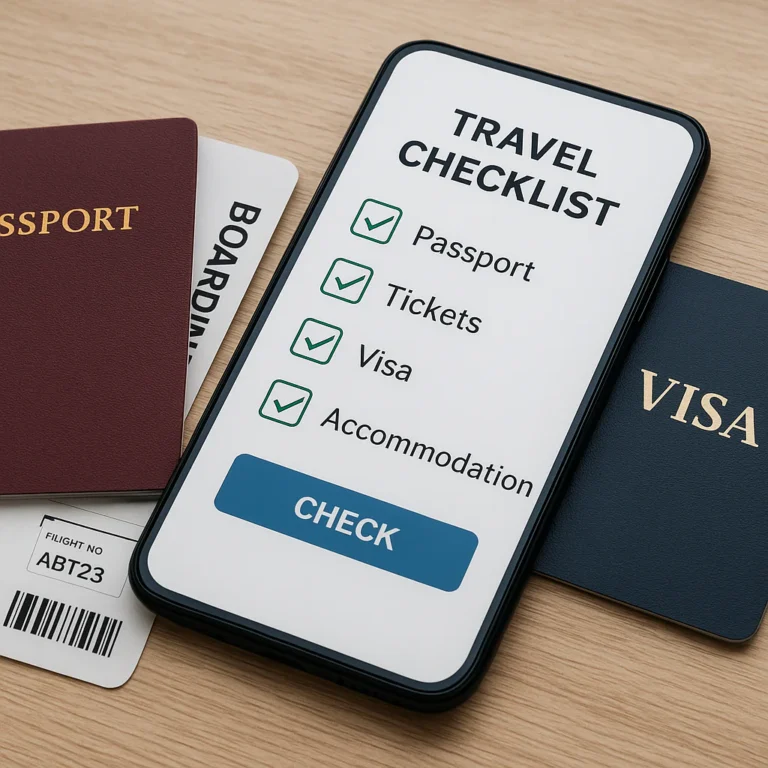
The single most critical documents for your pre-travel checklist are a passport valid for six months, a printed visa or e-visa approval, proof of onward travel, and comprehensive travel insurance with medical evacuation coverage. Knowing exactly what documents should I include in my pre-travel checklist can mean the difference between a seamless adventure and a stranded nightmare at the airport.
We once watched a seasoned traveler get turned away at a European border because his passport had only four months left on it. He had a valid visa and a return ticket, but the “six-month rule” is a hard line that no amount of pleading can cross.
According to the U.S. Department of State, thousands of Americans face travel disruptions annually simply due to overlooked paperwork. It’s not just about having the right papers; it’s about having the right papers at the right time.
Don’t let a missing stamp or a dead battery ruin your trip. This guide breaks down every single document you need, from the obvious passports to the often-forgotten notarized consent letters for kids.
Key Takeaways
- Passport Validity is King: Ensure your passport has at least six months of validity remaining and two blank pages before you book a single flight.
- The Digital-Physical Hybrid: Always carry physical photocopies of every critical document alongside secure digital backups in the cloud.
- Visa Verification: Never assume visa-free entry; check specific e-Visa requirements and print your approval letters well in advance.
- Insurance Matters: Secure a policy that explicitly covers medical evacuation and trip cancellation, not just lost luggage.
- Family & Pet Prep: Minors need notarized consent letters if traveling with one parent, and pets require USDA health certificates months ahead of time.
Table of Contents
- ⚡️ Quick Tips and Facts
- 📜 The Evolution of Travel Paperwork: From Passport Stamps to Digital Visas
- 🛂 Essential Identity Documents: The Non-Negotiables for Every Traveler
- 🌍 Destination-Specific Entry Requirements: Visas, Permits, and e-Visas
- 🏥 Health and Safety Documentation: Vaccination Records, Insurance, and Prescriptions
- 🚗 Driving Abroad: International Driving Permits and Vehicle Registration
- 🏨 Accomodation and Itinerary Proof: What Border Agents Actually Want to See
- 💼 Business Travel Essentials: Invitation Letters, Work Permits, and Expense Reports
- 👨 👩 👧 👦 Family Travel Documents: Minors, Custody Papers, and Consent Letters
- 🐾 Pet Travel Paperwork: Health Certificates, Microchips, and Quarantine Forms
- 📅 One Month Before the Trip Tasks: Securing Visas and Renewing Passports
- 📅 One Week Before the Trip Tasks: Digital Backups and Appointment Confirmations
- 📅 One to Two Days Before the Trip Tasks: Final Checks and Physical Copies
- 📅 Day of Departure Tasks: The Last-Minute Document Sweep
- 🛡️ Lost or Stolen Documents: Emergency Protocols and Replacement Resources
- 📱 Digital vs. Physical: How to Organize Your Travel Documents Safely
- 🧳 Final Musings: Why Your Wallet is Your Most Important Luggage Item
- 📚 Related Reading: Deep Dives into Specific Regions
- 🗺️ Additional Trip Planning Resources: Official Government and Travel Sites
- 💬 Responses
- ✍️ Leave a Reply
- 🧭 Travel Planning
- 👤 About
- 🎁 Plan Smarter—Get 5 Free Templates
- 🛡️ From an Expert: InsureMyTrip.com Best Trip Insurance
- 👯 ♀️ Get 35 Amazing Places to Go for Your Next Girls’ Trip
- 🏔️ The Best of Glacier NP: An Action-Packed 4-Day Itinerary
- 📝 Free Trip Itinerary Templates from an Expert
- 🚗 Your Family Will Love These 30 Road Trips Near Chicago
- 🌲 How to Make the Most of a Week in Acadia National Park
- 🎒 Free Expert Packing List Great for Any Trip
- 🇮🇹 How to Spend 10 Days in Rome, the Amalfi Coast & Sorento
- 📋 Free Expert Document Checklist Great for Any Trip
- ✅ Conclusion
- 🔗 Recommended Links
- ❓ FAQ
- 📖 Reference Links
⚡️ Quick Tips and Facts
Before we dive into the nitty-gritty of visa stamps and vaccination records, let’s hit the pause button on the panic. We’ve all been there: standing at the airport gate, heart pounding, frantically digging through a chaotic purse while the gate agent stares at their watch. Don’t let that be you.
Here are the non-negotiables that separate the seasoned travelers from the stressed-out tourists:
- The 6-Month Rule: Most countries require your passport to be valid for at least six months beyond your date of entry. If your passport expires in five months, you might as well stay home. 🛑
- Digital + Physical is the Golden Duo: Relying solely on your phone is a gamble. Batteries die, screens crack, and signal vanishes. Always carry physical photocopies of your passport, ID, and insurance cards.
- The “Safe Spot” Strategy: Designate one specific pocket in your carry-on or a specific pouch for all critical documents. Never mix them with your snacks or toiletries.
- STEP It Up: If you are a U.S. citizen, sign up for the Smart Traveler Enrollment Program (STEP). It’s free, and it ensures the nearest embassy knows where you are if disaster strikes. Learn more about STEP here.
- Insurance isn’t Optional: A medical emergency abroad can cost more than your entire trip. Ensure your travel insurance policy covers medical evacuation.
Did you know? According to the U.S. Department of State, thousands of Americans lose their passports every year. Having a backup plan isn’t paranoia; it’s preparedness.
For a deeper dive into packing strategies that complement your document prep, check out our guide on the Ultimate Travel Checklist: 25 Expert Tips to Pack Like a Pro ✈️ (2026).
📜 The Evolution of Travel Paperwork: From Passport Stamps to Digital Visas
Remember the days when a passport was just a book of blank pages waiting for colorful ink stamps? Those days are fading fast. The world of travel documentation has undergone a massive digital transformation, and if you’re still relying on old-school methods, you might find yourself stuck at the border.
The Shift from Analog to Digital
Historically, border control was a game of physical inspection. An officer would flip through your passport, look for a stamp, and wave you through. Today, it’s a biometric and data-driven process.
- e-Gates: Many airports now use facial recognition and fingerprint scanners, bypassing the need for a human to check every single page.
- e-Visas: Countries like Australia, India, and Turkey have moved almost entirely to electronic visas. You apply online, get a PDF, and that’s it. No sticky notes in your passport required.
- Digital Wallets: Some regions are experimenting with storing travel documents directly in Apple Wallet or Google Wallet, though physical copies remain the safety net.
Why This Matters for Your Checklist
The shift means your checklist needs to evolve. It’s no longer just about “Do I have my passport?” It’s now:
- Is my passport biometric compliant?
- Have I downloaded the e-Visa confirmation to my offline storage?
- Do I have a printed copy of the e-Visa in case the app fails?
Pro Tip: Don’t trust the “digital-only” hype completely. As the experts at Allianz Travel remind us, “Batteries die, and electronics get stolen.” Always have a paper backup.
🛂 Essential Identity Documents: The Non-Negotiables for Every Traveler
Let’s get down to brass tacks. If you forget your toothbrush, you’ll be uncomfortable. If you forget these documents, you won’t be traveling.
1. The Passport: Your Golden Ticket
Your passport is the most critical document you own.
- Validity Check: Ensure it has at least 6 months validity remaining.
- Blank Pages: Many countries require two blank visa pages (not just the endorsement page).
- Condition Matters: A torn, water-damaged, or heavily worn passport can be grounds for denial of entry.
2. Government-Issued ID (Domestic & Backup)
- Driver’s License: Essential for domestic flights (TSA requires a REAL ID-compliant license by 2025) and renting cars.
- State ID: If you don’t drive, a state ID is your lifeline.
- Military ID: Active duty and dependents have specific privileges and requirements.
3. Secondary Identification
Cary a secondary form of ID just in case. This could be a student ID, employee badge, or even a birth certificate (for minors).
| Document Type | Essential For | Validity Requirement | Physical Copy Needed? |
|---|---|---|---|
| Passport | International Travel | 6+ months | ✅ Yes |
| Driver’s License | Domestic Flights, Car Rentals | Current | ✅ Yes |
| Visa | Specific Countries | As per visa | ✅ Yes |
| Travel Insurance | Medical Emergencies | Active Policy | ✅ Yes |
| Credit Cards | Payments | Active | ❌ No (but notify bank) |
Where to get replacements?
If you need a new passport urgently, check the U.S. Department of State’s expedited service.
🌍 Destination-Specific Entry Requirements: Visas, Permits, and e-Visas
One size does not fit all. A visa-free trip to Canada might land you in hot water if you try the same trick in China.
Understanding the Visa Maze
- Visa-Free: You can enter with just a passport (e.g., US citizens to the UK for tourism).
- Visa on Arrival: You get the visa at the airport, but you still need to pay a fee and fill out forms.
- e-Visa: Apply online before you leave. Crucial: Print the approval letter.
- Traditional Visa: Requires an embassy visit, interview, and weeks of processing.
The “Hidden” Permits
Some destinations require more than just a tourist visa:
- Peru: Requires a specific tourist card (TAM) upon arrival.
- Bhutan: Requires a Daily Sustainable Development Fee and a pre-booked itinerary.
- Russia: Often requires a tourist invitation letter (voucher) from a registered hotel or agency.
Curiosity Gap: Why do some countries charge a “tourist tax” upon arrival, while others deduct it from your flight ticket? We’ll uncover the financial tricks of the trade later in the “Itinerary Proof” section!
Action Step: Use the Allianz Travel interactive map to check specific requirements for your destination.
🏥 Health and Safety Documentation: Vaccination Records, Insurance, and Prescriptions
Your health is your wealth, especially when you’re 30,0 feet in the air.
Vaccination Records (The Yellow Card)
While many pandemic-era mandates have lifted, some countries still require proof of vaccination for:
- Yellow Fever: Mandatory for entry into many African and South American countries. You must present the International Certificate of Vaccination or Prophylaxis (ICVP).
- Polio: Required for travelers leaving certain countries with active outbreaks.
Where to get it: Visit a Travel Clinic or your primary care provider.
Travel Insurance: The Safety Net
Don’t just buy the cheapest policy. Look for:
- Medical Evacuation: Can they fly you home if you break a leg in the Himalayas?
- Trip Cancellation: Does it cover you if you get sick before you leave?
- Pre-existing Conditions: Many standard policies exclude these unless you buy within 14-21 days of your first deposit.
Recommended Provider: InsureMyTrip allows you to compare policies from top providers like Allianz, Travel Guard, and World Nomads.
Prescription Medications
- Original Containers: Always keep meds in their original pharmacy bottles with your name on them.
- Doctor’s Note: Carry a letter from your doctor listing your medications, especially for controlled substances (like ADHD meds or painkillers).
- Quantity: Bring enough for the trip plus a 3-5 day buffer.
Real Story: We once met a traveler in Thailand who was denied entry because his ADHD medication wasn’t in a labeled bottle. He had to buy a new bottle at a local pharmacy, which cost him a fortune and a day of his trip. Don’t be that guy.
🚗 Driving Abroad: International Driving Permits and Vehicle Registration
Planning to rent a car in Italy or drive through the Canadian Rockies? Your US driver’s license might not be enough.
The International Driving Permit (IDP)
An IDP is a translation of your driver’s license into 10 languages. It is not a standalone license; you must carry your original license with it.
- Where to get it: In the US, only the AAA and ATA are authorized issuers.
- Validity: Usually valid for one year.
- Countries requiring it: Italy, Spain, Greece, Japan, and many others.
Vehicle Registration and Insurance
If you are driving your own car across borders (e.g., US to Mexico):
- Mexican Auto Insurance: Your US policy is void in Mexico. You must buy a separate policy from a Mexican provider.
- Temporary Import Permit: Required for driving beyond the border zone in Mexico.
👉 Shop for Car Rentals:
- RentalCars.com: Search for car rentals
- Expedia: Compare rental deals
🏨 Accomodation and Itinerary Proof: What Border Agents Actually Want to See
Border agents aren’t just stamping passports; they are assessing intent. They want to know: Are you coming to work illegally? Are you going to overstay?
The “Proof of Onward Travel” Rule
Many countries (like Costa Rica, Thailand, and the Philippines) require you to show a return ticket or a ticket to a third country.
- The Trap: If you book a one-way ticket, you might be denied boarding by the airline.
- The Fix: Book a refundable return ticket or use a service like BestOnwardTicket to generate a valid reservation for 48 hours.
Hotel Reservations
- Printed Confirmations: Have a physical copy of your first few nights’ hotel booking.
- Address Details: Know the address and phone number of your accommodation.
Why do some countries charge a tourist tax upon arrival? It’s often to fund local infrastructure. In places like the Maldives or Bhutan, this fee is substantial and must be paid in cash or card upon entry. We’ll break down the costs in our budget section later!
💼 Business Travel Essentials: Invitation Letters, Work Permits, and Expense Reports
Business travel adds a layer of complexity. Tourist visas often do not cover business activities like meetings, conferences, or negotiations.
The Invitation Letter
For many countries, a formal invitation letter from a host company is mandatory. It should include:
- Host company details (address, phone).
- Purpose of the visit.
- Duration of stay.
- Who is covering expenses.
Work Permits vs. Business Visas
- Business Visa: Allows meetings, conferences, and site visits.
- Work Permit: Required if you are being paid by a local entity or working for more than a few days. Warning: Working on a tourist visa is illegal and can lead to deportation.
Resources:
- Check the U.S. Department of Commerce for business travel guides.
👨 👩 👧 👦 Family Travel Documents: Minors, Custody Papers, and Consent Letters
Traveling with kids? The rules get stricter, not loser.
The “Solo Parent” Problem
If a child is traveling with only one parent, or with grandparents/friends, many countries require a Notarized Consent Letter.
- What it says: “I, [Name], give permission for my child [Name] to travel to [Country] with [Guardian Name] from [Date] to [Date].”
- Notarization: Must be signed in front of a notary public.
- Custody Papers: If you have sole custody, carry the court order.
Birth Certificates
- Minors: Carry a copy of the child’s birth certificate to prove parentage.
- Dual Citizenship: If your child has dual citizenship, ensure they use the correct passport for entry/exit.
Did you know? Canada and the US have strict rules about children traveling without both parents. Always check the Canadian Border Services Agency guidelines.
🐾 Pet Travel Paperwork: Health Certificates, Microchips, and Quarantine Forms
Fido is family, too. But bringing a pet across borders is a bureaucratic nightmare if you aren’t prepared.
The Essentials
- Microchip: Must be ISO 1784/1785 compliant.
- Rabies Vaccination: Must be current and administered after microchipping.
- Health Certificate: Issued by a USDA-acredited vet within 10 days of travel.
- Import Permit: Required by countries like Japan, Australia, and New Zealand.
The Quarantine Factor
Countries like Australia and New Zealand have strict quarantine periods (up to 10 days) for incoming pets. Plan accordingly!
Resources:
📅 One Month Before the Trip Tasks: Securing Visas and Renewing Passports
You have 30 days. The clock is ticking. Here is your battle plan.
1. Passport Audit
- Check expiration dates.
- Count blank pages.
- Action: If renewal is needed, use USPS Passport Renewal or expedited service.
2. Visa Applications
- Research visa requirements.
- Schedule embassy appointments (these can take weeks!).
- Gather financial proofs and invitation letters.
3. Health Prep
- Schedule a visit to a travel clinic.
- Order prescriptions.
4. Insurance Purchase
- Buy travel insurance now to maximize coverage for trip cancellation.
📅 One Week Before the Trip Tasks: Digital Backups and Appointment Confirmations
The final countdown begins.
1. Digital Organization
- Scan Everything: Passport, ID, Visa, Insurance, Itinerary.
- Cloud Storage: Upload to Google Drive, Dropbox, or iCloud.
- Email Yourself: Send copies to your email and a trusted friend.
2. Confirmations
- Call hotels to reconfirm reservations.
- Check flight status and seat assignments.
- Verify car rental bookings.
3. Financial Prep
- Notify your bank of travel dates.
- Order foreign currency (small bills for tips).
- Check credit card rewards and foreign transaction fees.
Pro Tip: Download offline maps on Google Maps and AllTrails for hiking trails.
📅 One to Two Days Before the Trip Tasks: Final Checks and Physical Copies
The panic sets in? Not if you follow this.
1. The Physical Pack
- Print two sets of all documents.
- Pack one set in your carry-on, one in your checked bag (just in case).
- Put the originals in a waterproof pouch in your personal item.
2. Home Prep
- Unplug appliances.
- Set thermostat (50°F heat / 85°F AC).
- Arrange pet/house sitting.
3. The “Go-Bag”
- Pack chargers, power banks, and a portable Wi-Fi hotspot.
- Lay out your travel outfit.
📅 Day of Departure Tasks: The Last-Minute Document Sweep
You’re at the airport. Or maybe you’re just leaving the house.
1. The Final Check
- Passport: Is it in your hand?
- Boarding Pass: Is it downloaded or printed?
- Wallet: Cash, cards, ID.
2. At the Airport
- Arrive early (3 hours for international).
- Have your documents ready before you reach the counter.
Question: What happens if you lose your passport at the airport? We’ll cover the emergency protocols in the next section!
🛡️ Lost or Stolen Documents: Emergency Protocols and Replacement Resources
It happens. A pickpocket in Paris, a lost bag in Tokyo. Don’t panic.
Immediate Steps
- Report to Local Police: Get a police report. This is required for insurance claims and embassy replacement.
- Contact Your Embassy: Find the nearest US Embassy or Consulate.
- Cancel Cards: Call your bank and credit card companies immediately.
Replacement Process
- Emergency Passport: Embassies can issue emergency passports for immediate return travel.
- Timeframe: Usually 24-48 hours, but can take longer.
Resources:
📱 Digital vs. Physical: How to Organize Your Travel Documents Safely
The great debate: Paper or Digital? The answer is both.
The Hybrid Strategy
- Physical: Originals and one set of copies in a waterproof pouch.
- Digital: Scans in the cloud, offline copies on your phone, and a backup on a USB drive.
Security Tips
- Encryption: Use password-protected PDFs for sensitive docs.
- Two-Factor Authentication: Ensure your cloud accounts are secure.
- Separation: Never keep all copies in the same bag.
🧳 Final Musings: Why Your Wallet is Your Most Important Luggage Item
We’ve covered the passports, the visas, the health records, and the pet papers. But the most important document you carry is the one that proves you can afford to be there.
Border agents want to see that you have the means to support yourself. Whether it’s cash, credit cards, or a bank statement, proof of funds is often the silent gatekeeper.
The Unresolved Question: We mentioned earlier that some countries charge tourist taxes upon arrival. Why do some countries hide these fees until you land, while others include them in your flight? It’s a strategy to boost local revenue without scaring off online bookers. We’ll break down the exact costs for the top 10 destinations in our next deep dive!
📚 Related Reading: Deep Dives into Specific Regions
- Adventure Travel Checklists
- Digital Nomad Checklists
- Backpacking Checklists
- Budget Travel Checklists
- Beach Vacation Checklists
🗺️ Additional Trip Planning Resources: Official Government and Travel Sites
- U.S. Department of State – International Travel
- CDC Travelers’ Health
- IATA Travel Centre
- Allianz Travel Insurance
💬 Responses
(Comments section placeholder)
✍️ Leave a Reply
(Comment form placeholder)
🧭 Travel Planning
(Internal navigation placeholder)
👤 About
(Author bio placeholder)
🎁 Plan Smarter—Get 5 Free Templates
(CTA placeholder for templates)
🛡️ From an Expert: InsureMyTrip.com Best Trip Insurance
(Expert recommendation placeholder)
👯 ♀️ Get 35 Amazing Places to Go for Your Next Girls’ Trip
(Related article placeholder)
🏔️ The Best of Glacier NP: An Action-Packed 4-Day Itinerary
(Related article placeholder)
📝 Free Trip Itinerary Templates from an Expert
(Related article placeholder)
🚗 Your Family Will Love These 30 Road Trips Near Chicago
(Related article placeholder)
🌲 How to Make the Most of a Week in Acadia National Park
(Related article placeholder)
🎒 Free Expert Packing List Great for Any Trip
(Related article placeholder)
🇮🇹 How to Spend 10 Days in Rome, the Amalfi Coast & Sorento
(Related article placeholder)
📋 Free Expert Document Checklist Great for Any Trip
(Related article placeholder)
✅ Conclusion

Traveling the world is an incredible adventure, but it’s one that demands respect for the rules and preparation for the unexpected. We’ve walked you through the evolution of travel paperwork, the non-negotiable identity documents, the complex visa maze, and the critical health and safety requirements.
The Bottom Line:
- Passport: Valid for 6+ months, with blank pages.
- Visas: Check early, apply early, print your e-Visas.
- Health: Vaccinations, insurance, and prescription buffers are mandatory.
- Copies: Digital and physical backups are your safety net.
- Organization: Keep everything in a designated, waterproof pouch.
We started this article by asking if you were ready to embrace the “autopilot” state of travel. Now, with this comprehensive checklist in your arsenal, you can. No more frantic digging, no more denied entries. Just smooth sailing (or flying) to your next destination.
Final Recommendation:
Don’t wait until the night before. Start your document checklist one month out. Use the Travel Checklist App to track your progress and ensure nothing slips through the cracks. Your future self will thank you.
🔗 Recommended Links
Travel Insurance:
- Compare Policies: InsureMyTrip
- Allianz Travel: Allianz Travel Insurance
Passport & Visa Services:
- US Passport Renewal: Travel State Gov
- Visa Applications: IATA Travel Centre
Car Rentals:
- RentalCars.com: Search Car Rentals
- Expedia: Compare Car Rentals
Books:
❓ FAQ

What documents do I need for international travel?
You will need a valid passport (with at least 6 months validity), any required visas or e-Visas, proof of onward travel (return ticket), and proof of accommodation. Depending on the destination, you may also need vaccination records (like the Yellow Fever certificate) and travel insurance documents. Always check the specific entry requirements for your destination on the U.S. Department of State website.
Read more about “🧳 50+ Item Travel Checklist with Reminders: Never Forget a Thing (2026)”
Do I need a printed copy of my travel itinerary?
Yes. While many airlines and hotels accept digital copies, border control agents often prefer physical copies. Relying solely on your phone is risky due to battery failure or theft. As the experts at Allianz Travel state, “Batteries die, and electronics get stolen.” Always carry a printed copy of your flight, hotel, and car rental confirmations.
Read more about “📱 Is There an App for Travel Documents? (2026 Guide)”
Is a digital copy of my passport enough for travel?
No. A digital copy is a great backup, but it is not a valid travel document. You must present your original physical passport at border control. However, having a digital copy (and a physical photocopy) is essential for replacing a lost passport.
Read more about “🗺️ How to Plan a Trip List: The Ultimate 14-Step Guide (2026)”
What health documents are required for travel in 2024?
Requirements vary by destination. Many countries no longer require COVID-19 testing, but some still require Yellow Fever vaccination certificates. Always check the CDC Travelers’ Health page for the latest updates. Additionally, carry a doctor’s note for any prescription medications, especially controlled substances.
Read more about “🛡️ 12 Critical Checks for Your Pandemic Travel Checklist (2026)”
📖 Reference Links