Support our educational content for free when you purchase through links on our site. Learn more
🌍 What Do You Need to Travel Internationally? (2026 Ultimate Guide)


Imagine standing at the departure gate, heart pounding, only to realize your passport expires in five months and you’re missing a crucial visa stamp. It’s a nightmare we’ve all heard about, but with the right preparation, it’s a story you’ll never have to tell. Whether you’re chasing sunsets in Bali, navigating the bustling streets of Tokyo, or exploring the ancient ruins of Rome, the difference between a smooth adventure and a travel disaster often comes down to one thing: knowing exactly what you need before you leave home.
In this comprehensive guide, we’ve distilled years of global wanderlust into a foolproof roadmap for international travel. We’ll walk you through the non-negotiable documents, the hidden health requirements, the financial traps to avoid, and the packing hacks that will save you from buying a $20 adapter in a foreign airport. From the mysterious “6-month rule” to the life-saving importance of travel insurance, we cover every angle so you can board that plane with total confidence.
Curious about the one item 90% of travelers forget until it’s too late? You’ll find the answer in our “Forgotten Essentials” section, but trust us, it’s not what you think.
Key Takeaways
- Passport Validity is Critical: Ensure your passport is valid for at least six months beyond your planned return date to avoid being denied boarding.
- Visas & Permits Vary: Research destination-specific entry requirements early; some countries require e-Visas or Yellow Fever certificates well in advance.
- Financial Safety First: Carry a mix of no-foreign-fee credit cards, local cash, and a backup debit card, and always notify your bank of travel dates.
- Health & Insurance: Secure comprehensive travel insurance that covers medical evacuation and verify all necessary vaccinations weeks before departure.
- Digital & Physical Backups: Keep digital copies of all documents in the cloud, but always carry physical printed copies as a failsafe.
Table of Contents
- ⚡️ Quick Tips and Facts
- 🌍 The Evolution of Global Wanderlust: A Brief History of International Travel
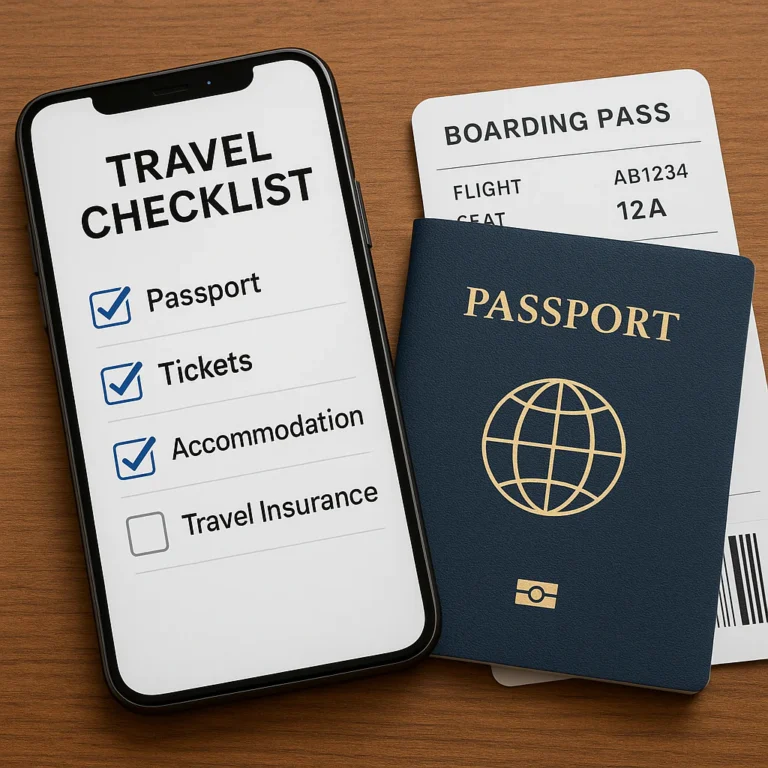
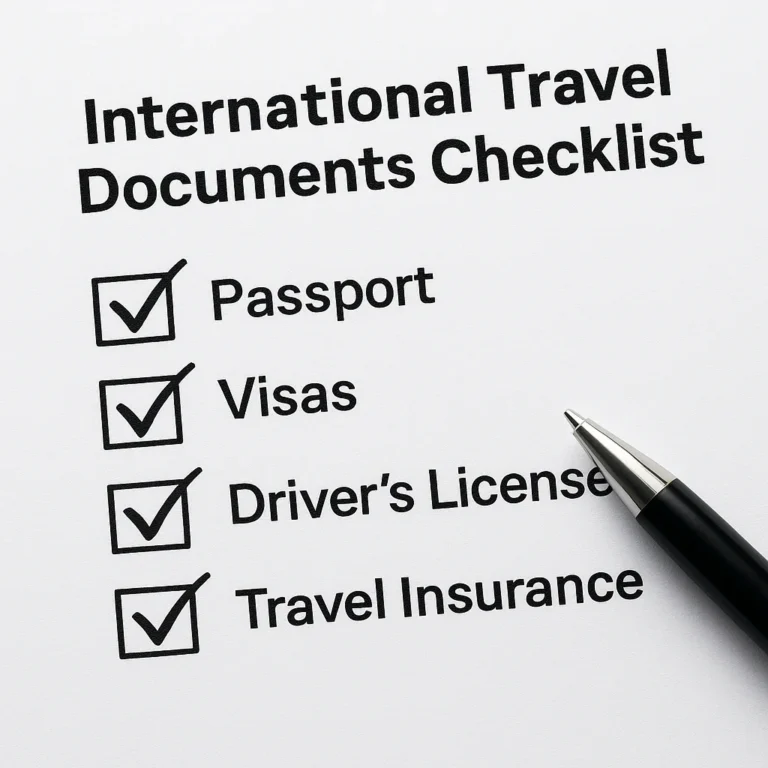
- 🛂 The Non-Negotiables: Essential International Travel Documents You Must Have
- 1. Passport Power: Validity Rules and the 6-Month Mystery
- 2. Visa Visas: When You Need One and How to Get It Fast
- 3. Digital vs. Physical: Managing Travel Permits and e-Visas
- 4. The Forgotten Essentials: Driver’s Licenses, Birth Certificates, and Notarized Letters
- 🏥 Health, Safety, and Wellness: Medical Prep for the Globetroter
- 1. Vaccinations and Immunizations: What Your Doctor Actually Wants You to Know
- 2. Travel Insurance 101: Why “Just in Case” is the Best Policy
- 3. Prescription Meds and Medical Records: Crossing Borders with Pills
- 💰 Money Matters: Currency, Cards, and Financial Survival Abroad
- 1. Cash vs. Cards: The Ultimate Payment Showdown
- 2. Avoiding ATM Fees and Exchange Rate Traps
- 3. Notifying Your Bank: The One Call That Saves Your Trip
- 🎒 Packing Like a Pro: What to Bring (and What to Leave Behind)
- 1. The Capsule Wardrobe: Dressing for Every Climate and Culture
- 2. Tech Essentials: Adapters, Chargers, and Offline Maps
- 3. Toiletries and Liquids: Navigating TSA and International Security
- 4. The “Just in Case” Kit: First Aid, Tools, and Emergency Gear
- 🗺️ Destination Deep Dive: Researching Your Next Adventure
- 1. Cultural Etiquette: Don’t Offend the Locals
- 2. Weather Patterns and Seasonal Travel Tips
- 3. Local Laws and Customs: What’s Legal at Home Might Be Jail Time There
- ✈️ The Journey Begins: Airport Security, Customs, and Border Control
- 1. Check-In and Boarding: Timing is Everything
- 2. Customs Declarations: What You Can and Cannot Bring
- 3. Navigating Immigration: The Art of the Confident Answer
- 📱 Staying Connected: Internet, SIM Cards, and Roaming Plans
- 🆘 Emergency Prep: What to Do When Things Go Wrong
- 1. Lost Passport Protocol: The Step-by-Step Rescue Plan
- 2. Contacting Your Embassy: When to Call the Big Guns
- 3. Travel Alerts and Safety Apps: Real-Time Intelligence
- 🧠 Smart Traveler Enrollment Program (STEP): Why You Should Sign Up
- 🏁 Conclusion
- 🔗 Recommended Links
- ❓ FAQ: Your Burning Questions Answered
- 📚 Reference Links
⚡️ Quick Tips and Facts
Before you dive into the nitty-gritty of packing your suitcase and booking that one-way ticket to the unknown, let’s hit the fast lane with some non-negotiable truths. We’ve seen too many travelers turn into panic-stricken statues at the airport because they missed a single, tiny detail.
Here is the Travel Checklist™ golden rule: Assume nothing, verify everything.
- The 6-Month Rule is Real: It’s not a myth. Most countries will deny entry if your passport expires within six months of your arrival date. Yes, even if you plan to leave tomorrow.
- Digital Copies Save Lives: If your passport gets stolen in a crowded market in Marrakech, a digital copy in your email and cloud storage is your lifeline.
- Cash is King (but not the only currency): While credit cards are ubiquitous in Europe, some parts of Asia and South America still run on cash. Always have a mix.
- Travel Insurance isn’t Optional: It’s the difference between a medical evacuation costing $50,0 and a covered expense.
- STEP Up: Enrolling in the Smart Traveler Enrollment Program (STEP) is free and could be the reason the U.S. Embassy finds you during a natural disaster.
Wait, but what about the “just-in-case” items? You’ll find out exactly what those are in our packing section, but trust us, you don’t want to be the person trying to buy a universal adapter in a foreign airport at 3 AM.
For a deeper dive into the specific documents you need, check out our comprehensive guide on the travel checklist international.
🌍 The Evolution of Global Wanderlust: A Brief History of International Travel

Why do we do it? Why pack a bag, leave our cozy beds, and subject ourselves to 14 hours of recycled air and tiny pretzels? The answer lies in our DNA.
From Silk Roads to Jet Streams
The concept of “international travel” is a relatively modern invention. For centuries, travel was a perilous endeavor reserved for merchants, soldiers, and the desperate. The Silk Road wasn’t a vacation; it was a months-long gamble with life and death.
- The Age of Exploration (15th–17th Century): Driven by the desire for spices and gold, explorers like Magellan circumnavigated the globe. The “passport” was a letter of safe conduct from a monarch, often written on parchment and sealed with wax.
- The Birth of the Modern Passport: After World War I, the League of Nations standardized travel documents to control the movement of people. The 1920 Passport Conference established the format we recognize today.
- The Jet Age (1950s): The introduction of the Boeing 707 democratized travel. Suddenly, crossing the Atlantic took hours, not weeks.
- The Digital Era: Today, we have e-visas, biometric gates, and apps that tell us if our flight is delayed before the pilot even knows.
Did you know? The term “passport” comes from the French passe-port, meaning “to pass through a port.” It was originally a document allowing passage through city gates, not necessarily across national borders!
🛂 The Non-Negotiables: Essential International Travel Documents You Must Have
If you leave your house without your wallet, you can buy a sandwich. If you leave your house without your passport, you are going nowhere. This is the bureaucratic backbone of international travel.
1. Passport Power: Validity Rules and the 6-Month Mystery
Your passport is your global ID. But it’s not just about having one; it’s about having one that works.
- The 6-Month Validity Rule: Many countries (including China, Brazil, and Thailand) require your passport to be valid for at least six months beyond your date of entry. If your passport expires in 5 months and 29 days, you will be denied boarding.
- Blank Pages: Some countries require two blank visa pages in your passport. Not the “Amendments” page, but actual visa pages. Running out of space means a trip to the passport office before you can fly.
- Damaged Passports: A torn cover, water damage, or a hole punch in the data page can render your passport invalid. Do not try to “fix” it with tape.
Pro Tip: Check your passport expiration date today. If it’s close, renew it now. Processing times can fluctuate wildly.
2. Visa Visas: When You Need One and How to Get It Fast
A visa is permission to enter a country. It’s not always a sticker; sometimes it’s an electronic authorization.
- Visa-Free Travel: Many countries allow U.S. citizens to enter for tourism for up to 90 days without a visa (e.g., Schengen Area in Europe, Japan, Australia).
- Visa on Arrival: You get the visa when you land. Common in parts of Southeast Asia and Africa. Warning: Lines can be long, and fees are often only accepted in cash (USD or local currency).
- e-Visa: Apply online before you fly. Countries like Turkey, India, and Kenya use this system. It’s faster but requires precise data entry.
- Embassy Visa: The old-school method. You mail your passport to an embassy or visit in person. This can take weeks.
Check the requirements for your specific destination on the U.S. Department of State Country Information pages.
3. Digital vs. Physical: Managing Travel Permits and e-Visas
The world is going digital, but don’t trust the cloud entirely.
- The Hybrid Approach: Always carry a physical copy of your e-visa approval. Print it out. If the internet goes down at the border, your phone is useless.
- Digital Wallets: Apple Wallet and Google Pay now support some e-visas and boarding passes, but border agents often prefer paper.
- Screenshot Everything: Take screenshots of your visa, hotel reservations, and return flight tickets. Save them to a folder that is accessible offline.
4. The Forgotten Essentials: Driver’s Licenses, Birth Certificates, and Notarized Letters
- International Driving Permit (IDP): If you plan to rent a car in Italy or Japan, your U.S. license isn’t enough. You need an IDP, which is essentially a translation of your license. You can get one from the AAA or ATA.
- Birth Certificates: Essential for children traveling without both parents. Some countries require a notarized letter of consent from the non-traveling parent.
- Mariage Certificates: If you’ve recently changed your name but your passport hasn’t been updated, carry your marriage certificate to bridge the gap.
🏥 Health, Safety, and Wellness: Medical Prep for the Globetroter
Your body is your vehicle. If it breaks down in a foreign country, you’re stranded.
1. Vaccinations and Immunizations: What Your Doctor Actually Wants You to Know
Don’t wait until the week before you leave. Some vaccines take weeks to become effective.
- Routine Vaccines: Ensure your MR, Tetanus, and Flu shots are up to date.
- Destination-Specific:
Yellow Fever: Required for entry into many African and South American countries. You must show the Yellow Card (International Certificate of Vaccination).
Typhoid & Hepatitis A: Recommended for most developing nations.
Malaria Prophylaxis: If traveling to malaria zones, you need to start pills weeks before arrival. - Where to Go: Visit a Travel Clinic or your primary care provider. The CDC Travelers’ Health website is the gold standard for current requirements.
2. Travel Insurance 101: Why “Just in Case” is the Best Policy
Domestic health insurance (like Blue Cross or Aetna) often covers zero outside the U.S.
- Medical Evacuation: If you break your leg in the Swiss Alps, a helicopter rescue can cost $50,0+. Travel insurance covers this.
- Trip Cancellation: If you get the flu before you leave, insurance reimburses your non-refundable flights and hotels.
- Lost Bagage: It won’t buy you a new wardrobe, but it helps with essentials.
Top Providers to Consider:
- World Nomads: Great for adventure travelers and backpackers.
- Travel Guard: Comprehensive coverage for families.
- InsureMyTrip: A comparison engine to find the best policy.
👉 Shop Travel Insurance on:
- World Nomads: World Nomads Official Website | InsureMyTrip Search
- Travel Guard: Travel Guard Official Website
3. Prescription Meds and Medical Records: Crossing Borders with Pills
- The Golden Rule: Never pack all your meds in one bag. Split them between your carry-on and checked luggage (if you must check a bag).
- Original Containers: Keep meds in their original pharmacy bottles with your name on them. A bag of loose pills looks like drugs to customs.
- Doctor’s Note: Carry a letter from your doctor listing your medications, dosages, and generic names. This is crucial for controlled substances (like ADHD meds or painkillers).
- Quantity: Bring enough for the trip plus a few extra days. Some countries limit the amount of medication you can bring in.
💰 Money Matters: Currency, Cards, and Financial Survival Abroad
Money makes the world go round, but getting it wrong can stop your trip in its tracks.
1. Cash vs. Cards: The Ultimate Payment Showdown
- Credit Cards: The best option for most purchases. Look for cards with no foreign transaction fees (e.g., Chase Sapphire Preferred, Capital One Venture).
- Debit Cards: Essential for ATM withdrawals. Use a bank that reimburses ATM fees (like Charles Schwab).
- Cash: Still king for small vendors, tips, and markets.
Comparison Table: Payment Methods
| Method | Pros | Cons | Best For |
|---|---|---|---|
| Credit Card (No Fee) | Best exchange rates, fraud protection, rewards | Not accepted everywhere, requires internet | Hotels, restaurants, big purchases |
| Debit Card | Access to local cash, widely available | ATM fees, potential fraud risk | Daily spending, small vendors |
| Cash (USD) | Universal acceptance for exchange, no tech needed | Risk of theft, poor exchange rates at airports | Emergency backup, tipping |
| Prepaid Travel Card | Budget control, reloadable | High fees, poor exchange rates | Strict budgeting (generally not recommended) |
2. Avoiding ATM Fees and Exchange Rate Traps
- The DCC Trap: When using an ATM or card terminal, you might be asked: “Would you like to be charged in USD or [Local Currency]?” Always choose Local Currency. If you choose USD, the machine sets a terrible exchange rate (Dynamic Currency Conversion).
- ATM Fees: Use ATMs affiliated with major banks. Avoid “Euronet” ATMs in tourist traps; they charge exorbitant fees.
- Notify Your Bank: This is non-negotiable. If you don’t tell your bank you’re going to France, they will freeze your card the moment you swipe it in Paris.
3. Notifying Your Bank: The One Call That Saves Your Trip
- How to do it: Most banks (Chase, Bank of America, Wells Fargo) have a “Travel Notice” feature in their mobile app.
- What to say: Provide exact dates and countries. If you’re backpacking through 5 countries, list them all.
- Backup Plan: Have a second credit card from a different bank. If one gets lost or frozen, you have a backup.
Pro Tip: Carry a small amount of USD cash as a universal backup. It can be exchanged almost anywhere in a pinch.
🎒 Packing Like a Pro: What to Bring (and What to Leave Behind)
Packing is an art. The goal is to carry less but need less.
1. The Capsule Wardrobe: Dressing for Every Climate and Culture
- The 3-Color Rule: Stick to 3 main colors that all mix and match.
- Fabric Matters: Choose merino wool or synthetic blends. They dry fast, resist odors, and regulate temperature. Avoid 10% cotton; it takes forever to dry.
- Layering: A base layer, a mid-layer (fleece), and a shell (rain/wind) work better than one heavy coat.
- Cultural Sensitivity: Research local dress codes. In many Middle Eastern and Asian countries, covering shoulders and knees is mandatory for entry to religious sites.
2. Tech Essentials: Adapters, Chargers, and Offline Maps
- Universal Adapters: Don’t buy a new adapter for every country. Get a universal travel adapter with USB-C ports.
Brand Recommendation: EPICKA Universal Travel Adapter or Anker PowerPort. - Power Banks: Airline regulations limit power banks to 10Wh (usually 20,0mAh). Keep them in your carry-on.
- Offline Maps: Download Google Maps areas before you leave. If you lose signal, you can still navigate.
👉 Shop Tech on:
- Anker: Anker Official Website | Amazon Anker Adapters
- Peak Design: Peak Design Official Website | Amazon Peak Design Bags
3. Toiletries and Liquids: Navigating TSA and International Security
- The 3-1-1 Rule: 3.4oz (10ml) bottles, 1 quart-sized bag, 1 bag per passenger.
- Solid Alternatives: Use solid shampoo bars, toothpaste tablets, and deodorant sticks to save space and avoid leaks.
- Medication Exemption: Prescription meds and baby formula are exempt from the 3-1-1 rule, but declare them at security.
4. The “Just in Case” Kit: First Aid, Tools, and Emergency Gear
- First Aid: Band-aids, antiseptic wipes, pain relievers, anti-diarrheal, and motion sickness pills.
- Tools: A small multi-tool (check airline rules on blades), a safety pin, and a portable door lock for extra security in hostels.
- Documents: A physical copy of your passport, insurance policy, and emergency contacts.
🗺️ Destination Deep Dive: Researching Your Next Adventure
You wouldn’t buy a house without inspecting it first. Don’t book a trip without researching the destination.
1. Cultural Etiquette: Don’t Offend the Locals
- Greetings: In Japan, bow. In France, kiss on the cheek (la bise). In the Middle East, use your right hand for eating and greeting.
- Tipping: In the U.S., 20% is standard. In Japan, tipping is insulting. In Europe, a small tip is appreciated but not mandatory.
- Photography: Always ask before taking photos of locals. In some cultures, it’s considered rude or even dangerous.
2. Weather Patterns and Seasonal Travel Tips
- Shoulder Season: Travel just before or after peak season. You get better prices and fewer crowds.
- Monsoon Seasons: Research the rainy season. A “rainy day” in Southeast Asia can mean days of torrential downpours.
- Extreme Heat/Cold: Pack accordingly. Don’t underestimate the humidity in Bangkok or the dry cold in Iceland.
3. Local Laws and Customs: What’s Legal at Home Might Be Jail Time There
- Drugs: Zero tolerance in many Asian and Middle Eastern countries. Possession can lead to life imprisonment.
- Alcohol: Some countries ban alcohol entirely. Others have strict drinking ages or ban public consumption.
- Dress Codes: As mentioned, covering up is often required.
- Gum: Chewing gum is banned in Singapore.
✈️ The Journey Begins: Airport Security, Customs, and Border Control
The moment of truth. You’re at the airport.
1. Check-In and Boarding: Timing is Everything
- Arrival Time: Arrive 3 hours before international flights. Lines are longer, and security is stricter.
- Online Check-In: Do it 24 hours in advance to save time at the counter.
- Boarding Pass: Have it ready on your phone or printed.
2. Customs Declarations: What You Can and Cannot Bring
- Food: Most countries ban fresh fruits, vegetables, and meats. Declare everything if in doubt.
- Currency: Many countries require you to declare if you are carrying over $10,0 (or equivalent).
- Duty-Free: Remember, duty-free limits apply. If you buy too much alcohol or perfume, you might have to pay taxes upon arrival.
3. Navigating Immigration: The Art of the Confident Answer
- Be Honest: Answer questions directly. “What is the purpose of your visit?” “Tourism.” “How long will you stay?” “Two weeks.”
- Have Proof: Be ready to show your return ticket and hotel reservation.
- Stay Calm: Nervousness can look suspicious. Smile, be polite, and keep your documents organized.
📱 Staying Connected: Internet, SIM Cards, and Roaming Plans
Being disconnected is a luxury, but being lost is not.
- eSIMs: The modern solution. Apps like Airalo or Holafly let you buy data plans before you land. No physical SIM needed.
- Local SIMs: Cheaper than eSIMs in some regions, but requires an unlocked phone and a trip to a local store.
- Roaming: Check with your carrier (T-Mobile, Verizon, AT&T). Some offer unlimited international data, but speeds may be throttled.
- Wi-Fi: Use hotel Wi-Fi for heavy downloads, but use mobile data for navigation.
Pro Tip: Turn off Data Roaming on your phone settings until you have a plan. One accidental text can cost you hundreds of dollars.
🆘 Emergency Prep: What to Do When Things Go Wrong
Things will go wrong. The question is, how prepared are you?
1. Lost Passport Protocol: The Step-by-Step Rescue Plan
- Report it: File a police report immediately.
- Contact Embassy: Go to the nearest U.S. Embassy or Consulate.
- Documents: Bring your police report, a copy of your lost passport (if you have one), and a passport photo.
- Emergency Passport: They can issue an emergency passport, usually within 24 hours.
2. Contacting Your Embassy: When to Call the Big Guns
- When to call: Lost passport, arrest, medical emergency, natural disaster, or death of a family member.
- What they can’t do: Pay your bills, get you out of jail, or provide legal advice.
- Save the number: Have the embassy’s 24/7 hotline saved in your phone and written on paper.
3. Travel Alerts and Safety Apps: Real-Time Intelligence
- Smart Traveler Enrollment Program (STEP): Enroll to get alerts.
- Apps: Download TravelSmart (State Dept), Sitata, or Safeture for real-time safety updates.
- Local News: Follow local news outlets on social media for breaking news.
🧠 Smart Traveler Enrollment Program (STEP): Why You Should Sign Up
We mentioned it earlier, but it deserves its own spotlight. STEP is a free service provided by the U.S. Department of State.
- What it does: It registers your trip with the nearest U.S. Embassy.
- Why do it?
Safety Alerts: Receive real-time updates on safety conditions in your destination.
Emergency Contact: If a crisis hits (earthquake, civil unrest), the Embassy knows you are there and can contact you or your family.
Lost Passport: It speeds up the replacement process. - How to sign up: Go to step.state.gov and create an account. It takes 5 minutes.
Don’t wait until you’re in trouble. Sign up the moment you book your flight.
🏁 Conclusion

So, there you have it. The ultimate guide to what you need to travel internationally. From the bureaucratic dance of visas and passports to the practicalities of packing and money management, we’ve covered every angle.
Remember, the goal of international travel isn’t just to see new places; it’s to experience the world with confidence and safety. By following these steps, you’re not just a tourist; you’re a prepared traveler.
Did we answer all your questions? If you’re still wondering about that one specific country’s visa rules or the best adapter for a specific plug type, don’t worry. We’ve got you covered in the FAQ section below.
Final Thought: The world is vast, but with the right checklist, it’s entirely within your reach. Now, go forth and explore!
🔗 Recommended Links
Travel Gear & Essentials:
- Universal Adapters: Amazon: Universal Travel Adapters | Anker Official
- Travel Insurance: World Nomads | InsureMyTrip
- Luggage: Samsonite Official | Amazon: Carry-On Luggage
- Power Banks: Anker Power Banks
- eSIMs: Airalo | Holafly
Books & Resources:
- The Lonely Planet Guide: Amazon: Lonely Planet Guides
- Rick Steves Europe: Rick Steves Official Website
❓ FAQ: Your Burning Questions Answered

What do I need at the airport for international travel?
You need your valid passport, boarding pass (digital or printed), and any required visas or entry permits. Arrive at least 3 hours before your flight. Don’t forget your ID for security checks and any prescription medications in their original containers.
Read more about “🎒 25 Ultimate Travel Essentials for Carry-On (2026)”
What are the requirements to travel to another country?
Requirements vary by destination but generally include:
- A passport valid for at least 6 months beyond your stay.
- A visa (if required).
- Proof of onward travel (return ticket).
- Sufficient funds for your stay.
- Specific vaccinations (e.g., Yellow Fever).
Read more about “🛂 7 Essential Travel Documents to Pack for 2026 (Don’t Get Stuck!)”
What information do you need to fly internationally?
You need your full legal name (as it appears on your passport), date of birth, passport number, expiration date, and country of issuance. You may also need your frequent flyer number and contact information.
Read more about “🌍 25-Item International Packing Checklist for a Week (2026)”
What documents do I need for international travel?
- Passport (mandatory for air travel).
- Visa (if required).
- Travel Insurance policy details.
- Driver’s License (if renting a car, plus an International Driving Permit).
- Notarized consent letters for children traveling with one parent.
Read more about “✈️ 50+ Ultimate Travel Must Haves for 2026: The Only List You Need”
Do I need a visa to travel to [country]?
This depends entirely on your citizenship and the destination. For example, U.S. citizens do not need a visa for short trips to Japan or France (Schengen), but they do need one for Russia or China. Always check the U.S. Department of State Country Information or the destination’s official embassy website.
How early should I arrive at the airport for an international flight?
The standard recommendation is 3 hours before departure. This allows time for check-in, baggage drop, security screening, and passport control, which can be longer for international flights.
Read more about “🎒 12+ Useful Travel Accessories You Can’t Travel Without (2026)”
What items are prohibited in checked luggage for international flights?
- Lithium batteries (must be in carry-on).
- Flammable liquids (lighter fluid, certain paints).
- Explosives (fireworks, flares).
- Certain food items (fresh fruits, meats, vegetables) which may be banned by customs upon arrival.
- Weapons (unless declared and approved).
Read more about “27 Essential Toiletries to Pack for Travel (2026) ✈️”
📚 Reference Links
- U.S. Department of State – International Travel: travel.state.gov
- U.S. Customs and Border Protection (CBP): cbp.gov
- Centers for Disease Control and Prevention (CDC) – Travelers’ Health: cdc.gov/travel
- Smart Traveler Enrollment Program (STEP): step.state.gov
- U.S. Government – Travel Abroad: usa.gov/travel-abroad
- International Air Transport Association (IATA): iata.org
- World Health Organization (WHO) – International Travel and Health: who.int